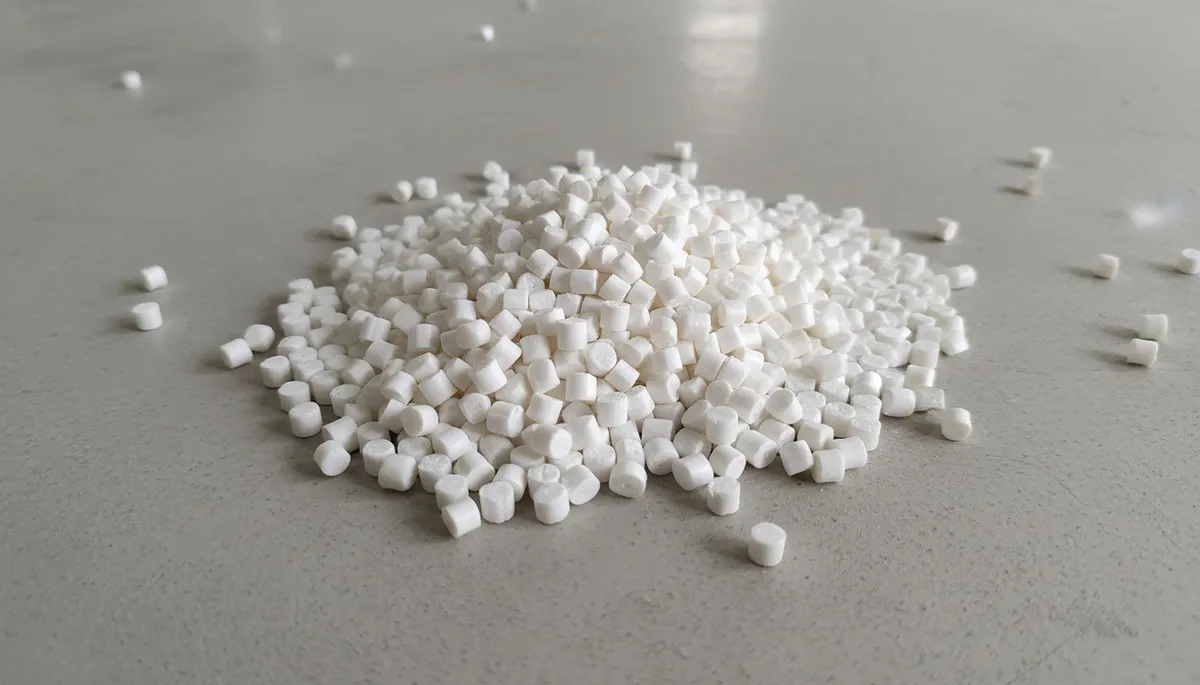
Проектирование пресс-формы включает несколько ключевых этапов: выбор материала, компоновку полостей и учёт геометрии детали для получения оптимального результата и высокой производительности.
Понимание принципов проектирования пресс-форм необходимо для эффективного производства и высокого качества продукции. При проектировании новой или оптимизации существующей формы эти факторы напрямую влияют на её характеристики, время цикла и общую экономию затрат производителя.
- Выбор материала пресс-формы (сталь или алюминий) напрямую влияет на срок службы оснастки и качество деталей
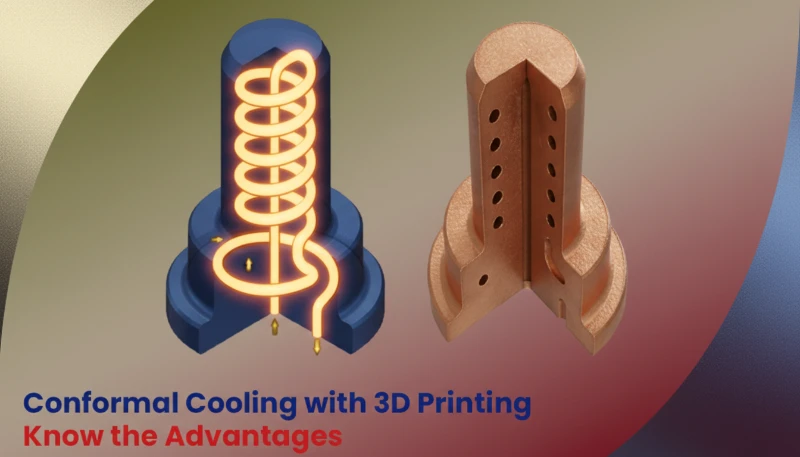
- Правильная схема каналов охлаждения может сократить время цикла до 70%
- Равномерная толщина стенок — важнейший фактор конструкции
- Глубина вентиляционной канавки 0.01–0.03 mm предотвращает облой и обеспечивает выход газа
- Регулярное техническое обслуживание пресс-формы продлевает срок службы оснастки и сохраняет точность размеров
Каковы основные принципы работы литьевых форм?
Пресс-формы для литья под давлением необходимы для производства высокоточных деталей, в которых расплавленный материал впрыскивается в полость формы. Эта технология лежит в основе многих отраслей промышленности, обеспечивая быстрое и стабильное производство.
При сравнении поставщиков или планировании закупок наше руководство по поиску поставщика литья под давлением охватывает подготовку RFQ, квалификацию и проверку коммерческих рисков.
В процессе литья под давлением расплав впрыскивается в полость формы под высоким давлением и затвердевает, образуя требуемое изделие. Конструкция формы должна обеспечивать лёгкое извлечение и точное соответствие заданным размерам.
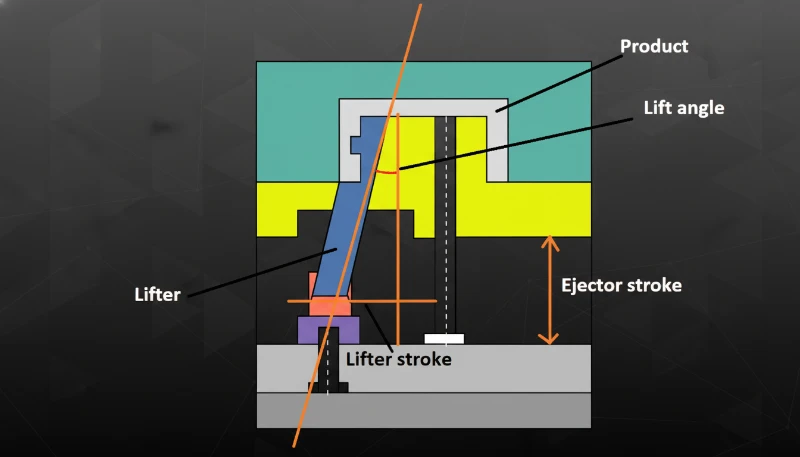
Материалы, конструкция и компоновка пресс-форм напрямую определяют качество, эффективность производства и себестоимость готового изделия.
Основные принципы проектирования пресс-форм для литья под давлением включают в себя несколько ключевых этапов
Первый этап — подготовка расплава пластика. Полимерное сырьё расплавляется за счёт сдвигового воздействия шнека и нагрева от нагревателя.
Впрыск: расплавленный пластик под давлением шнека подается через сопло в полость пресс-формы.
Обладая более чем 20-летним опытом проектирования пресс-форм для литья под давлением, ZetarMold эксплуатирует на своем заводе в Шанхае 47 термопластавтоматов с усилием смыкания 90T–1850T и проектирует пресс-формы для деталей практически любых размеров и сложности.
Давление выдержки и охлаждение: термопластавтомат некоторое время поддерживает это давление, чтобы обеспечить заполнение полости, а затем начинает охлаждение по мере затвердевания пластика.
После затвердевания пластика форма открывается, и система выталкивания — обычно штифты, плиты или втулки — выводит готовую деталь из гнезда. Правильная конструкция обеспечивает чистое извлечение без деформации и повреждения критических поверхностей.
"Правильная конструкция пресс-формы сокращает количество дефектов и повышает эффективность производства."True
Грамотно спроектированные пресс-формы обеспечивают стабильное качество деталей, меньший процент брака и более короткие циклы во всех производственных партиях.
"Проектирование литьевой пресс-формы касается только формы изделия."False
Проектирование формы также включает выбор материалов, разработку схемы системы охлаждения и механизмов выталкивания, а также оптимизацию процесса для эффективного производства.
Какие бывают материалы для пресс-форм?
Материалы пресс-форм играют ключевую роль в таких производственных процессах, как литье под давлением, обеспечивая долговечность, точность и качество. Выбор материала влияет на эффективность производства и характеристики готового изделия.
Выбор материала пресс-формы оказывает большое влияние на срок ее службы и качество готового изделия. Распространенными материалами для пресс-форм являются сталь и алюминий.
Сталь
Стальные формы превосходят алюминиевые по твердости, износостойкости, пригодности к термообработке и ресурсу; они оптимальны для больших серий, где критична стабильность размеров.
Основные недостатки стальных пресс-форм по сравнению с алюминиевыми — более длительная механическая обработка и более высокая стоимость материала. Сталь также значительно тяжелее, что затрудняет перемещение и повышает износ оборудования для смены пресс-форм. Однако при крупносерийном производстве больший срок службы оснастки обычно компенсирует эти недостатки.
Обычные стали:
Сталь P201 — универсальная предварительно закалённая сталь для пресс-форм (28–36 HRC), широко применяемая для оснований и крупных полостей. Она хорошо обрабатывается и полируется и экономична для форм, рассчитанных на средние серии.
H13 — инструментальная сталь для горячей обработки, применяемая в пресс-формах при повышенных температурах. После длительного воздействия тепла она сохраняет твердость и термостабильность; типичная твердость после обработки составляет 44–52 HRC.
S136 — нержавеющая инструментальная сталь с превосходной коррозионной стойкостью и полируемостью. Это предпочтительный выбор для оптических линз, прозрачных деталей и медицинских пресс-форм, где качество отделки поверхности имеет первостепенное значение.
Алюминий
Алюминиевые пресс-формы обеспечивают значительное снижение массы и имеют примерно 4–5x более высокую теплопроводность, чем стальные, что ускоряет охлаждение и сокращает время цикла. Хорошая обрабатываемость уменьшает срок и стоимость изготовления оснастки, поэтому алюминий оптимален для прототипирования и малосерийного производства.
Основной недостаток — меньшая твердость и износостойкость, из-за чего алюминиевые формы подвержены повреждению поверхности при переработке абразивных смол. Они оптимальны для серий менее 10,000–50,000 деталей, когда скорость изготовления оснастки важнее ее долговечности.
Обычный алюминий:
7075 — один из самых прочных алюминиевых сплавов с прочностью при растяжении ~570 MPa. Несмотря на это, его твердость значительно ниже инструментальной стали, поэтому он лучше всего подходит для прототипных пресс-форм и коротких производственных серий.
Что включает в себя проектирование молдинговой конструкции?
Проектирование конструкции пресс-формы - ключевой момент в создании высококачественных литьевых форм, обеспечивающий эффективность и последовательность процесса литья. Она включает в себя такие важные аспекты, как поток в пресс-форме, охлаждение и совместимость материалов.
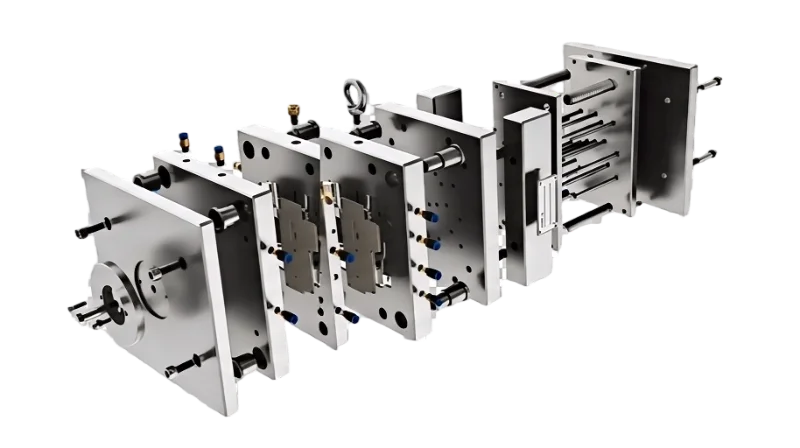
Конструкция формы включает полость, пуансон, корпус, впуск, направляющую систему и механизм извлечения. Все эти элементы необходимо тщательно спроектировать для обеспечения производительности, прочности и удобства обслуживания.
Полость и сердцевина
Полость создает внешние размеры изделия, а сердцевина - внутренние размеры, скрепленные вместе для получения конечной и желаемой формы и размера изделия.
Выбор материала: часто применяется высокотвёрдая износостойкая сталь, например P20 или H13.
Требования к конструкции: обработанные поверхности матрицы и пуансона должны быть гладкими, чтобы обеспечить высокую точность размеров и качество поверхности изделия.
Основание пресс-формы
Основание пресс-формы также является скелетным каркасом инструмента и выполняет задачу крепления и соединения всех компонентов. Обычно она имеет стандартную форму, позволяющую собирать пресс-формы и заменять их при необходимости.
Выбор материала: для основания пресс-формы обычно применяют сталь 45 или Q235, чтобы обеспечить его стабильность.
На собственном производстве ZetarMold ежемесячно выпускается более 100 комплектов форм. UG, SOLIDWORKS, MOLDFLOW и CAD используются для моделирования течения расплава и проверки системы охлаждения до начала обработки.
"Конструкция формы напрямую влияет на качество и эффективность."True
Правильная компоновка гнёзд, расположение каналов охлаждения и конструкция системы выталкивания определяют точность размеров, длительность цикла и уровень дефектов.
"Все конструкции форм одинаковы независимо от применения."False
Конструкция пресс-формы существенно различается в зависимости от геометрии детали, свойств материала, объёма производства и отраслевых требований.
Ключевые аспекты проектирования: основание пресс-формы должно обладать достаточной прочностью и жесткостью, чтобы выдерживать давление впрыска, температуру впрыска и общие возвратно-поступательные нагрузки в ходе процесса.
Система контроля
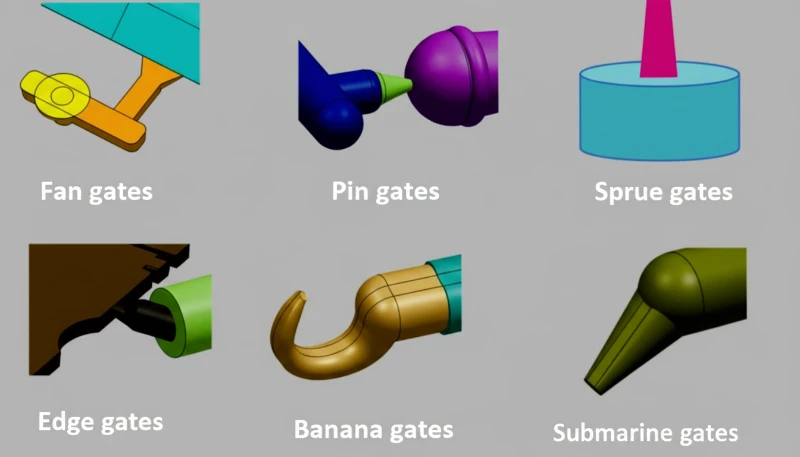
Литниковая система включает в себя основной бегунок, вспомогательные бегунки и затворы, через которые расплавленный пластик поступает в полость. Эффективная литниковая система позволяет повысить качество формовки и уменьшить количество используемого материала.
Особенности конструкции: главный литниковый канал должен быть как можно короче и прямее, чтобы максимально снизить потери давления и количество отходов.
Требования к конструкции: вспомогательные литниковые каналы следует располагать так, чтобы в каждую полость поступала одинаковая масса материала.
Проектные моменты: тип впуска ни в коем случае не должен влиять на внешний вид изделия или снижать его прочность. Размер впуска должен быть подходящим.
Направляющий механизм
Направляющий механизм включает в себя направляющие штифты и втулки, которые помогают выравнивать подвижные и неподвижные формы.
Выбор материала: обычно используется сталь высокой твердости, например GCr15.
Особенности проектирования: направляющий механизм должен обеспечивать очень высокую точность совмещения, чтобы предотвращать смещение в течение длительной эксплуатации, а также обладать высокой износостойкостью.
Механизм выброса
Выталкивающая часть применяется для извлечения отформованного изделия из формы, обычно используются выталкивающие штифты, плиты и втулки.
Требования к конструкции: усилие должно быть постоянным или плавным, поскольку резкий импульс может повредить изделие. Механизм выталкивания также должен двигаться плавно, чтобы исключить заедание.
Что такое проектирование проточных каналов?
Проектирование системы течения — это инженерная разработка литниковой втулки, каналов и впусков, направляющих расплавленный пластик от сопла машины в полость формы.
Конструкция литниковой системы существенно влияет на качество изделия и эффективность производства. Размер и форма канала должны соответствовать материалу и геометрии детали.
Главный бегун
Главный канал соединяет сопло инжекционной машины с дополнительными каналами и должен быть как можно короче и прямее, чтобы уменьшить потери давления и отходы материала.
Основные положения проектирования: диаметр главного литникового канала должен обеспечивать достаточное течение и одновременно сокращать нерациональный расход материала.
Вспомогательные литниковые каналы
Подводки распределяют расплав пластика по каждой полости формы, и здесь следует обратить особое внимание на баланс.
Рекомендации по проектированию: оптимальное поперечное сечение разводящих литников — круглое или полукруглое, поскольку оно снижает сопротивление потоку. Длины каналов должны быть по возможности равными, чтобы время заполнения всех гнёзд было практически одинаковым.
Ворота
Затворы - это средство, с помощью которого расплавленный пластик, вводимый в полость, влияет на качество продукции.
Конструктивные аспекты: литники следует размещать в зонах, где они не влияют на внешний вид или прочность. Их размеры должны обеспечивать достаточную скорость заполнения и при этом позволять легкое удаление. Разные типы литников применяются для различных требований к изделию.
Кроме того, при проектировании бегунов следует учитывать:
Балансировка литников: для многогнёздных форм обеспечьте равенство длины и площади поперечного сечения каналов, поскольку именно они главным образом определяют время заполнения формы.
Охлаждение литника: Для литникового участка необходимо предусмотреть достаточное количество охлаждающих каналов2, чтобы высокая температура не влияла на течение расплава.
Точность литников: Высокая точность обработки и гладкая поверхность снижают сопротивление потоку расплава и перепад давления.
Что такое проектирование системы охлаждения?
Конструкция системы охлаждения имеет решающее значение для оптимизации производственных процессов, обеспечения стабильного качества продукции и эффективности производственных циклов.
"Конструкция проточных каналов существенно влияет на эффективность литья и качество деталей."True
Оптимизированная геометрия литника и литникового канала снижает отходы материала, сокращает время цикла и улучшает равномерность заполнения полостей.
"Конструкция каналов течения одинакова для всех типов пресс-форм и материалов."False
Геометрия литниковой системы должна быть адаптирована на основе вязкости материала, толщины детали, типа литника и расположения полостей для оптимальной картины заполнения.
Система охлаждения играет очень важную роль в конструкции литьевой формы, поскольку она сокращает время цикла литья под давлением и снижает качество формы. Система охлаждения в основном включает в себя каналы охлаждения и этапы времени охлаждения.
Каналы охлаждения
Охлаждающие каналы направляют охлаждающую воду через различные части пресс-формы для отвода избыточного тепла.
Охлаждающие каналы должны располагаться как можно ближе к поверхности полости для максимального рассеивания тепла. Расстояние от канала до полости в 1,5–2,5 раза больше диаметра канала балансирует эффективность охлаждения и структурную целостность стали формы.
Поток охлаждающей жидкости должен равномерно распределяться по всем каналам, чтобы предотвратить локальные перегревы. Неравномерное охлаждение приводит к дифференциальной усадке, внутренним напряжениям и короблению готовой детали. Перегородки или спиральные вставки могут помочь перенаправить поток в недостаточно обслуживаемые участки формы.
Диаметр канала должен быть достаточно большим, чтобы поддерживать адекватную скорость потока охлаждающей жидкости — обычно 1,5–3 м/с — без создания чрезмерного перепада давления. Слишком малый диаметр рискует засорами из-за накипи или мусора, а чрезмерно большие каналы снижают турбулентность потока и эффективность теплопередачи.
Время охлаждения
Время охлаждения также зависит от толщины стенок изделия, типа используемого материала и температуры формы.
Достаточное время охлаждения предотвращает коробление и усадку, обеспечивая стабильность размеров. Оптимальная продолжительность балансирует целостность детали и производительность — обычно составляет 60–80% от общего времени цикла в большинстве операций литья под давлением.
Другие соображения, касающиеся систем охлаждения, включают:
Скорость потока охлаждающей жидкости требует тщательного контроля. Низкая скорость может снизить эффективность охлаждения, а высокая может привести к засорению и износу пресс-формы.
Температура охлаждающей жидкости: Оптимальная температура, так как высокая температура снижает скорость охлаждения, а низкая вызовет конденсацию на поверхности формы и может повлиять на качество изделия.
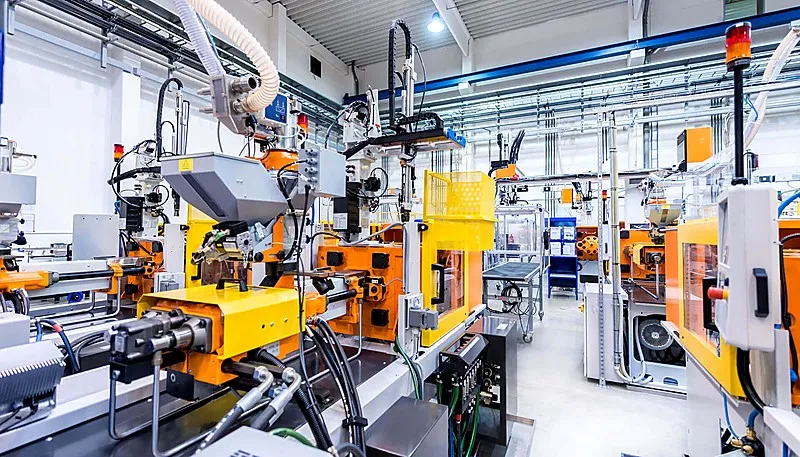
Качество охлаждающей жидкости: Поддерживайте чистоту охлаждающей жидкости, чтобы избежать засоров и повреждения пресс-формы.
Что такое дизайн выхлопной системы?
Проектирование системы вентиляции — это разработка вентиляционных канавок и отверстий, позволяющих захваченному воздуху и газам выходить из полости формы во время впрыска.
Система вентиляции выводит газ из полости пресс-формы для предотвращения таких дефектов, как пузыри и ожоги, что напрямую влияет на качество продукции и долговечность пресс-формы.
Вентиляционные канавки
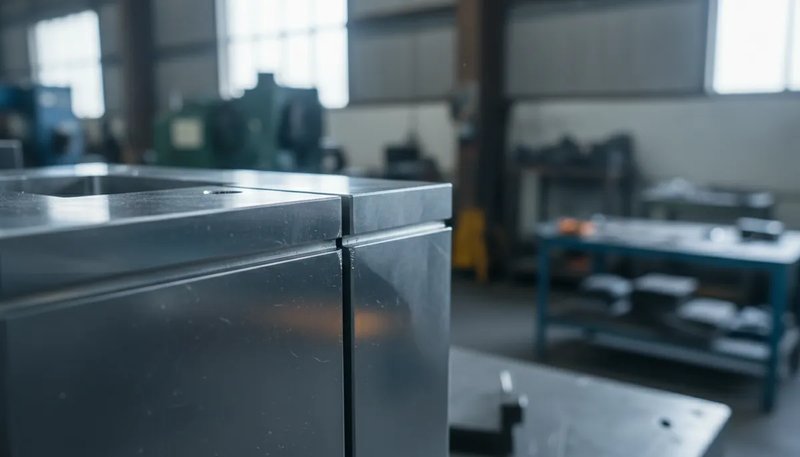
Вентиляционная канавка3 служит для отвода газа и чаще всего располагается на линии разъёма.
Конструктивные особенности: Располагать вентиляционные канавки в местах/в моменты, где газ может свободно скапливаться.
Конструктивные особенности: Ширина и глубина должны оптимизировать площадь поперечного сечения для требуемой вентиляции, чтобы не возникало проблем со стороны выталкивания пластика.
Конструктивные особенности: равномерное распределение для предотвращения локальных проблем с вентиляцией.
Отверстия для вентиляции
Вентиляционные отверстия относятся к элементам системы вентиляции, которые обычно располагаются в тонких частях изделия.
Конструктивные особенности: соответствующий диаметр, чтобы не препятствовать отводу скопившегося газа, одновременно обеспечивая надлежащую вентиляцию.
Конструктивные особенности: Позиционирование никоим образом не должно влиять на внешний вид изделия и его прочность.
Конструктивные особенности: Количество и расположение должны быть обоснованы структурой формы и формой изделия.
При проектировании вентиляционной системы следует также учитывать:
Обслуживание системы: Их следует периодически очищать, чтобы обеспечить свободный и беспрепятственный поток, но время от времени проверять, чтобы избежать засоров инструментами, которые могут вызвать проблемы с качеством.
Охлаждение системы: В случае использования высокотемпературных пресс-форм применяйте средства охлаждения, чтобы избежать конденсации газов во время вентиляции.
Точность обработки: Высокая точность с гладкими поверхностями для снижения сопротивления потоку газа и потерь давления.
ZetarMold обрабатывает более 400 видов пластиковых материалов. Наши 8 старших инженеров контролируют качество обработки пресс-форм под управлением сертифицированных систем ISO 9001, ISO 13485, ISO 14001 и ISO 45001.
Что такое обработка пресс-формы?
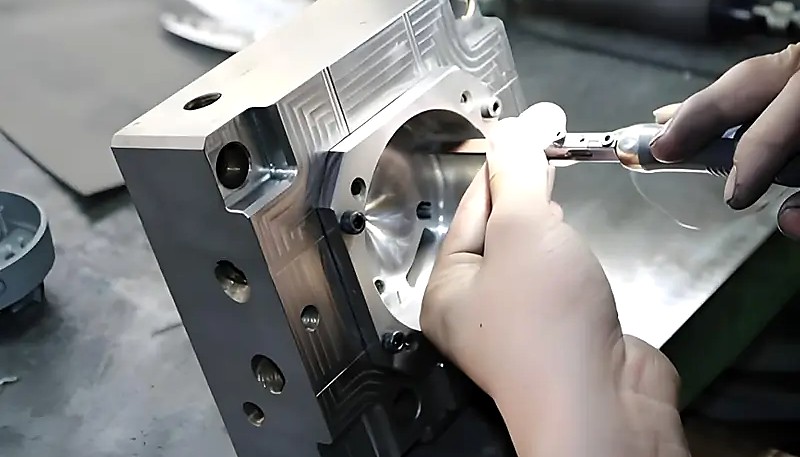
Обработка формы — это серия этапов ЧПУ-обработки, электроэрозионной обработки, шлифования и поверхностной обработки, которые превращают сырую сталь в прецизионную литьевую форму.
«Правильная обработка пресс-формы обеспечивает точность размеров и качество поверхности».True
Обработка на ЧПУ, электроэрозионная обработка и поверхностная обработка компонентов пресс-формы создают точные допуски и гладкие поверхности для стабильного производства деталей.
«Обработка пресс-форм необходима только для крупносерийных производственных форм».False
Все пресс-формы требуют правильной механической обработки, термообработки и финишной обработки поверхности независимо от объёма производства для достижения требуемых допусков.
Обработка пресс-формы - это процесс преобразования проектного чертежа в реальную пресс-форму посредством грубой обработки, тонкой обработки, обработки поверхности и т.д. Проведя анализ, можно увидеть, что точность и качество обработки напрямую влияют на функциональность и долговечность пресс-формы.
Черновая обработка
Черновая обработка производится на пресс-форме из исходного материала, при этом обычно используются фрезерные и токарные станки с ЧПУ.
Ключевые моменты: Оставляйте достаточный припуск на финишную обработку.
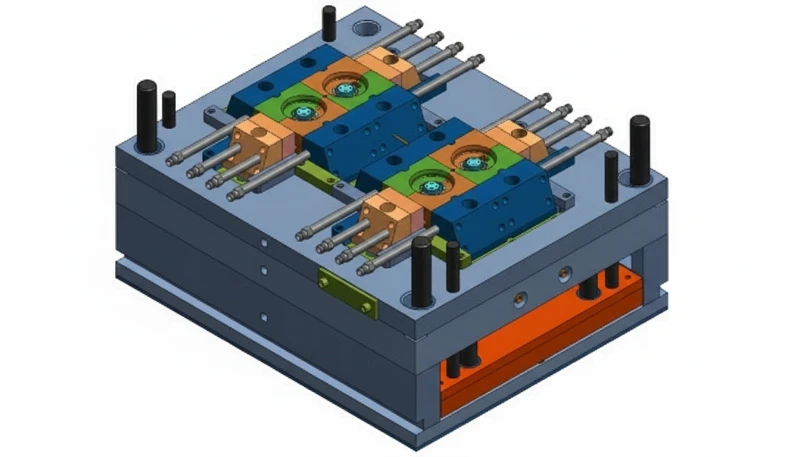
Ключевые моменты: оптимальная скорость и подача, которые помогают избежать деформации материала и постепенного износа инструментов и оборудования.
Ключевые моменты: Черновая обработка для уменьшения заусенцев и получения более гладкой поверхности.
Отделка
Финишная обработка достигает размеров и спецификаций пресс-формы и использует процесс шлифования, EDM и полировку.
Ключевые моменты: Точность обеспечивает правильность формы и размера для пресс-формы.
Ключевые моменты: избегайте чрезмерной полировки, чтобы предотвратить отклонения размеров.
Ключевые моменты: Обработка поверхности с помощью лучшего и наиболее подходящего оборудования для получения гладкой и надлежащей отделки.
Обработка поверхности
Обработка поверхности пресс-формы повышает ее твердость и износостойкость, для чего используются процессы закалки, азотирования и нанесения поверхностного покрытия.
Ключевые моменты: Выбирайте подходящие методы обработки в зависимости от материала пресс-формы и области применения.
Ключевые моменты: Чтобы уменьшить деформацию и трещины пресс-формы, следует контролировать время обработки и температуру.
Ключевые моменты: тщательно очищайте перед обработкой для лучшего сцепления и производительности.
Как ухаживать за плесенью?
Правильное обслуживание пресс-формы имеет решающее значение для обеспечения стабильного качества и долговечности литья под давлением. Регулярный уход может предотвратить простои и дорогостоящий ремонт.
Техническое обслуживание пресс-формы, как ежедневное, так и периодическое, продлевает срок службы и снижает производственные затраты за счёт постоянного ухода.
Текущее обслуживание
Ключевые моменты: Обеспечьте чистоту поверхности формы, чтобы предотвратить проникновение температур и пыли в форму.
Ключевые моменты: регулярно смазывайте направляющую колонну и направляющую втулку для обеспечения гибкости направляющего механизма.
Ключевые моменты: может потребоваться регулярно проверять другие компоненты формы и своевременно ремонтировать или заменять их.
Ключевые моменты: Необходимо убедиться, нормально ли открыты канал охлаждения и система вытяжки, нет ли в них засоров; если есть, их следует своевременно устранить.
Регулярное обслуживание
Техническое обслуживание подразумевает общий осмотр и ремонт формы после того, как она была использована в течение некоторого времени.
Ключевые моменты: Проверьте полость и сердечник пресс-формы и найдите участки полости с сильным износом, затем отремонтируйте или замените их.
Ключевые моменты: Проверьте, нормально ли работают направляющий механизм, механизм выталкивания и другие части пресс-формы, и при необходимости выполните регулировку или замену.
Ключевые моменты: проверьте исправность системы охлаждения и системы газоотвода пресс-формы и при необходимости выполните очистку и прочистку.
Ключевые моменты: тщательно очистите и смажьте пресс-форму, чтобы обеспечить её исправное рабочее состояние.
Каковы общие проблемы при проектировании пресс-форм и их решения?
К распространённым проблемам проектирования пресс-форм относятся недостаточное охлаждение, неравномерное течение материала и неправильное расположение литника, влияющие на качество деталей.
"Регулярная очистка продлевает срок службы формы и поддерживает качество деталей."True
Плановое обслуживание, включая очистку, смазку и осмотр, предотвращает износ, коррозию и отклонение размеров в ходе производственных циклов.
"Если пресс-форма спроектирована правильно, ее техническое обслуживание не требуется."False
Все пресс-формы, независимо от качества конструкции, требуют регулярной очистки и проверки для сохранения точности размеров и предотвращения прогрессирующего износа.
Если не учесть их при проектировании формы, несколько распространенных проблем могут ухудшить качество деталей и темп производства.
Маркировка раковины
Описание проблемы: на поверхности изделия имеется вмятина, ухудшающая внешний вид.
Решение: положение и размер впуска следует выбрать так, чтобы он пропускал расплав и обеспечивал равномерное заполнение полости.
Решение: максимально оптимизируйте конструкцию и компоновку контуров охлаждения, чтобы обеспечить равномерное распределение охлаждения по изделиям.
Решение: скорректируйте время и давление выдержки, чтобы уменьшить усадку расплава.
Вспышка
Описание проблемы: по периферии изделия образуется облой, который ухудшает внешний вид и может приводить к отклонению размеров.
Решение: при проектировании поверхности разъёма пресс-формы постарайтесь свести замыкаемую область формы к минимуму.
Решение: увеличьте усилие смыкания пресс-формы, чтобы предотвратить её раскрытие в процессе литья под давлением.
Решение: при проверке пресс-формы сначала необходимо проверить её направляющий механизм и механизм смыкания.
Пузырь
Описание проблемы: на поверхности или внутри изделия видны поры в виде пузырей, что ухудшает внешний вид и долговечность.
Решение: оптимизируйте конструкцию вентиляционной системы для эффективного выхода газа из полости формы.
Решение: скорректируйте параметры впрыска — скорость, усилие впрыска и температуру литьевого материала, — чтобы минимизировать газообразование.
Решение: проверьте сушку сырья и надлежащий уровень влаги.
Деформация и искривление
Описание проблемы: после охлаждения отлитая под давлением деталь частично усаживается или деформируется, из-за чего ухудшаются стабильность размеров и качество поверхности изделия.
Решение: усовершенствуйте систему охлаждения, чтобы обеспечить максимально одинаковую температуру всех деталей, изготовленных литьем под давлением.
Решение: скорректируйте время и давление выдержки в параметрах литья, чтобы снизить внутренние напряжения.
Решение: усовершенствуйте конструкцию формы, например добавьте усиливающие рёбра, чтобы изделие имело равномерную и постоянную толщину стенок.
Нестабильность размеров
Описание проблемы: геометрия не соответствует требуемым размерам и стандартам, что влияет на сборку и использование изделия.
Решение: проверьте правильность механической обработки пресс-формы и сборочного исполнения изделий, чтобы убедиться, что размеры пресс-формы соответствуют проектным требованиям литья под давлением.
Решение: контролируйте параметры процесса — давление впрыска, время выдержки под давлением и время охлаждения, — чтобы обеспечить стабильность размеров изделия.
Решение: подтвердите стабильность работы термопластавтоматов, чтобы иметь возможность оценивать вариабельность процесса литья под давлением.
Часто задаваемые вопросы
Какой фактор наиболее важен при проектировании литьевой формы?
Важнейший фактор при проектировании пресс-формы — равномерная толщина стенок всей детали. Неравномерные стенки охлаждаются с разной скоростью, что непосредственно вызывает утяжины, коробление и нестабильность размеров готового изделия. По опыту ZetarMold с более чем 400 материалами, детали с отклонением толщины стенок свыше 15 процентов почти всегда требуют дорогостоящей доработки пресс-формы для достижения приемлемого качества. Помимо толщины стенок, правильное расположение впускных литников и эффективная схема системы охлаждения не менее важны для длительности цикла и долговечности пресс-формы.
Сколько времени занимает проектирование пресс-формы для литья под давлением?
Проектирование типовой пресс-формы занимает от 2 до 4 недель в зависимости от сложности детали. Проектирование простых одногнездных пресс-форм для несложных геометрий — от концепции до готовых чертежей — может занять всего от 5 до 7 дней. Для сложных многогнездных пресс-форм с боковыми механизмами, наклонными толкателями или механизмами вывинчивания может потребоваться от 4 до 6 недель инженерной работы. Этап проектирования включает 3D CAD-моделирование, моделирование течения расплава для проверки схемы заполнения и несколько итераций анализа конструкции. В ZetarMold наши 8 старших инженеров применяют структурированный процесс анализа, позволяющий выявлять проблемы на ранней стадии.
Какое программное обеспечение используют для проектирования пресс-форм?
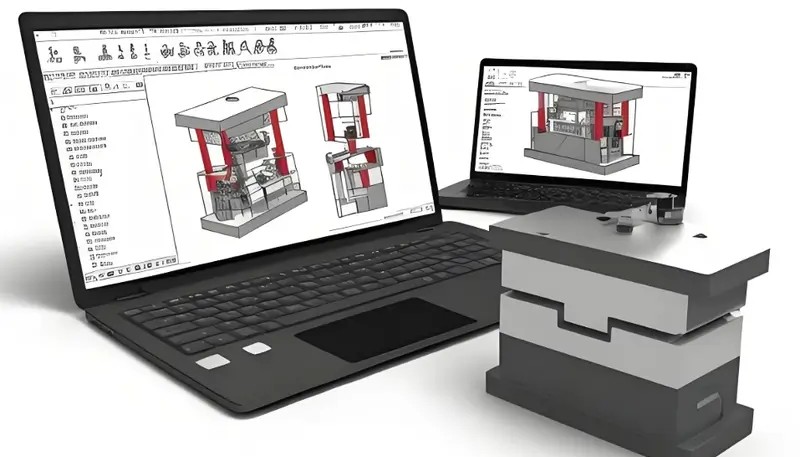
К отраслевому стандартному ПО для проектирования литьевых пресс-форм относятся SOLIDWORKS и UG, также известный как NX, для 3D CAD-моделирования, а также Autodesk Moldflow для моделирования течения и теплового анализа. Эти инструменты позволяют инженерам визуализировать расположение полостей, моделировать заполнение пластиком и оптимизировать размещение каналов охлаждения до начала обработки стали. В ZetarMold наша проектная группа совместно использует SOLIDWORKS, MOLDFLOW и CAD для проверки расположения литников, прогнозирования линий спая и анализа эффективности охлаждения, сокращая количество дефектов первого изделия до 60 процентов по сравнению с традиционным методом проб и ошибок.
Какова типичная стоимость литьевой формы?
Стоимость пресс-форм для литья под давлением существенно различается в зависимости от сложности и производственных требований. Простые одногнёздные алюминиевые пресс-формы для прототипирования стоят примерно от 1,000 до 3,000 долларов, тогда как серийные стальные многогнёздные формы с горячеканальными системами обычно стоят от 10,000 до 50,000 долларов. Стоимость особо сложных форм с боковыми подвижными механизмами, вывинчивающимися стержнями или специальной отделкой поверхности может превышать 100,000 долларов. Ключевые факторы стоимости — количество гнёзд, выбор материала пресс-формы, планируемый объём производства, требуемое качество поверхности и допуски, установленные для конкретного применения.
Как предотвратить облой при проектировании литьевой формы?
Предотвращение облоя начинается с точного проектирования поверхности разъёма и правильного расчёта усилия смыкания. Плоскостность линии разъёма пресс-формы должна быть обработана с допуском 0.01 millimeters, чтобы обеспечить полное смыкание под давлением впрыска. Глубина вентиляционных канавок должна составлять от 0.01 до 0.03 millimeters: этого достаточно для отвода захваченного газа без просачивания расплава. Литьевая машина должна иметь достаточное усилие смыкания. В ZetarMold парк из 47 термопластавтоматов охватывает диапазон от 90T до 1850T, что позволяет точно подбирать мощность машины для каждой пресс-формы.
В чём разница между холодноканальной и горячеканальной пресс-формой?
Холодноканальная пресс-форма направляет расплавленный пластик по ненагреваемым каналам, образуя затвердевшие литники, которые необходимо отделить, измельчить и переработать либо утилизировать. В горячеканальной форме электрически нагреваемые коллекторы поддерживают пластик в расплавленном состоянии в распределительных каналах, полностью устраняя литниковые отходы и сокращая время цикла. Из-за нагреваемого коллектора и терморегуляторов первоначальная стоимость горячеканальных форм на 20–40 процентов выше, однако в крупносерийном производстве они экономят 15–30 процентов затрат на материал и повышают стабильность.
Какой допуск можно обеспечить при литье под давлением?
Стандартное литьё под давлением обеспечивает допуски плюс-минус 0.1 millimeters для размеров менее 25 millimeters. Прецизионное литьё с оптимизированным управлением процессом, строгим контролем температуры и высококачественной оснасткой позволяет получить плюс-минус 0.05 millimeters или точнее для критических элементов. Возможный допуск во многом зависит от усадки материала: полукристаллические материалы отличаются большей вариативностью, чем аморфные. Для деталей с жёсткими допусками инженеры ZetarMold на этапе проектирования применяют моделирование Moldflow, чтобы спрогнозировать и компенсировать усадку до изготовления пресс-формы.
Почему конструкция литьевой пресс-формы важна для успешного производства?
Конструкция литьевой пресс-формы — важнейший фактор качества деталей, эффективности производства и контроля затрат при изготовлении пластиковых изделий.
В этой статье приведены практические рекомендации для конструкторов пресс-форм. Для получения профессиональной поддержки в разработке заказной пресс-формы обратитесь в ZetarMold.
Узнайте о литье под давлением: полное руководство: литье под давлением — это производственный процесс, при котором расплавленный пластик впрыскивается в пресс-форму для получения деталей с высокой точностью и повторяемостью. ↩
Узнайте, что такое сердечник и полость в литье под давлением. Полость и сердечник типичной пресс-формы для литья пластмасс под давлением представляют собой ее формообразующие части. ↩
Узнайте о типах литников для литья под давлением: полное руководство по проектированию. Литник пресс-формы — это спроектированное, обычно небольшое отверстие, регулирующее поток расплавленного пластика в полость. ↩
Узнайте о стали для инструментов H13: H13 — это горячештамповая сталь, обладающая хорошей стойкостью к термической усталости, эрозии и износу, широко используемая для изготовления пресс-форм и штампов. ↩
Узнайте о четырех важных принципах, которые следует учитывать при проектировании толщины стенки: Толщина стенки пластикового изделия — это критическая структурная характеристика, часто обсуждаемая и учитываемая при проектировании конструкций пластиковых изделий. ↩
Узнайте о том, как определить давление подпитки и время подпитки при литье под давлением: давление впрыска включает как давление, так и скорость. ↩
Получите конкурентную цену, рекомендации DFM и график производства от инженерной команды ZetarMold.
Запросить бесплатное предложение →
Сталь P20: ASTM A681 устанавливает требования к легированным инструментальным сталям, включая P20 с типичной твёрдостью 28–36 HRC для оснований пресс-форм. ↩
охлаждающие каналы: согласно исследованиям в области полимерной инженерии, охлаждение может занимать до 70 % общего цикла литья под давлением. ↩
канавка: стандартная глубина вентиляционной канавки для большинства термопластов составляет 0,01–0,03 мм, что позволяет отводить газ без образования облоя. ↩