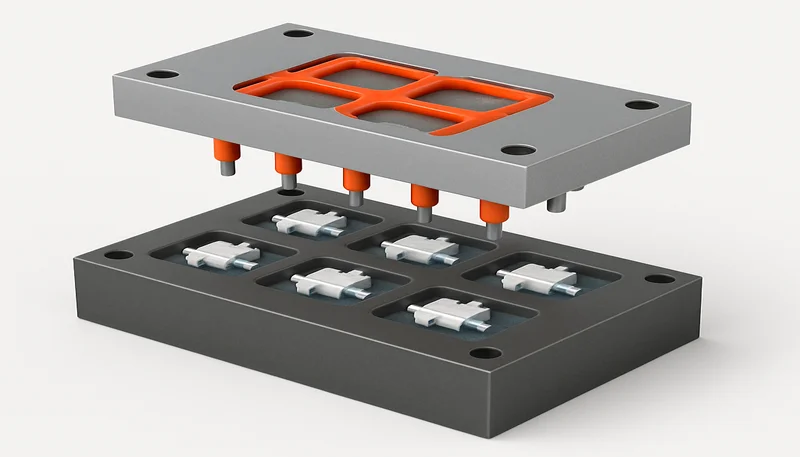
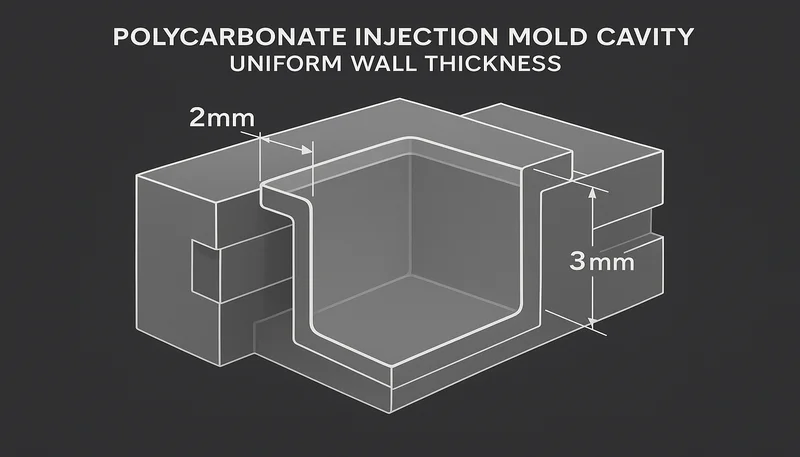
- должно включать: полное измерение скорости потока охлаждающей жидкости с документально оформленными результатами; отчет по первому образцу с измерениями и сравнением с базовыми значениями; визуальный осмотр всех поверхностей направляющих и подъемных опор на наличие задиров или следов износа; очистку всех соединений водопроводных линий и уплотнительных колец с заменой тех, которые демонстрируют признаки разбухания или трещин.
- Ежедневные операции занимают 5–10 минут за смену и выявляют 70% дефектов, вызванных загрязнением, до их появления на поверхности детали.
- Количество циклов, а не календарное время, является основным основанием для большинства интервалов технического обслуживания конструкции.
- Поверхности полости и сердечника, выталкиватели и вентиляционные каналы являются наиболее изнашиваемыми компонентами большинства серийных форм.
- Для более широкого контекста жизненного цикла оснастки см. наше Полное руководство по литьевым формам и руководство по правильной очистке литьевой формы.
Пресс-форма, выполняющая 250 000 циклов в год без графика обслуживания, не ломается сразу — она медленно деградирует, выпуская детали, размеры которых выходят за допуски ещё до проведения измерений, а затем отказывает в самый неподходящий момент. Решение несложно: документированный график профилактического обслуживания с чёткими триггерами и контрольными списками. Это руководство задаёт такую структуру — от операций в конце смены до капитального обслуживания по числу циклов.
Что такое график профилактического обслуживания пресс-формы?
График профилактического обслуживания литьевой формы — документированный план, определяющий конкретные работы, критерии проверки и пороги действий через регулярные интервалы: каждую смену, еженедельно и по числу циклов. Это не перечень реактивных ремонтов, а система заблаговременного выявления износа до возникновения простоя. Общий контекст жизненного цикла оснастки приведён в нашем полном руководстве по литьевым формам.
Основной принцип состоит в том, что износ формы предсказуем. Выталкивающие штифты накапливают повреждения от боковой нагрузки после прогнозируемого числа циклов. В каналах охлаждения образуются отложения накипи со скоростью, пропорциональной качеству охлаждающей жидкости. На поверхностях полости через измеримые интервалы появляются микроцарапины, влияющие на качество поверхности. График фиксирует эти закономерности и преобразует их в практические сигналы до появления брака.
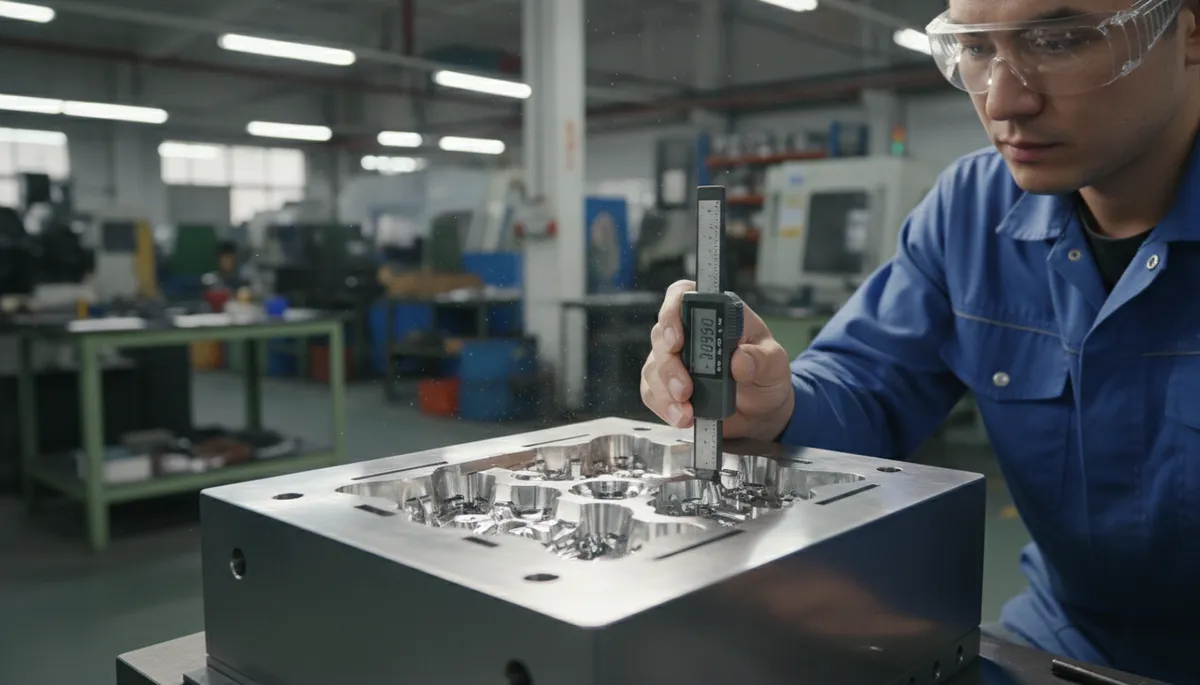
Почему профилактическое обслуживание важно?
Профилактическое обслуживание сокращает незапланированные простои, поскольку устраняет основные причины отказа пресс-форм — загрязнение, износ и потерю смазки — до достижения ими критического уровня. С учетом затрат машинного времени, брака, труда и нарушения графика незапланированный простой обычно обходится в 4–8× дороже за час, чем плановое техническое обслуживание.
Влияние на производство не ограничивается простоем. Пресс-формы, которые регулярно не очищают и не проверяют, выпускают детали с постепенно увеличивающимся облоем, изменением текстуры поверхности, смещением размеров и следами выталкивателей. Поскольку изменения происходят постепенно, детали могут неделями проходить входной контроль, прежде чем возникнет рекламация заказчика. Профилактическое обслуживание делает ухудшение состояния заметным и выявляет его до того, как продукция покинет предприятие.
Подробное описание очистки как части обслуживания приведено в нашем руководстве по профилактическому обслуживанию1. Очистка и обслуживание связаны, но представляют разные дисциплины: очистка удаляет загрязнения, а обслуживание также охватывает износ, калибровку и механическую целостность.
Каковы ежедневные задачи обслуживания пресс-формы?
Ежедневное обслуживание пресс-формы должно занимать 5–10 минут за смену и быть направлено на контроль загрязнений и визуальное обнаружение отклонений. Цель состоит не в полном осмотре, а в выявлении тех 20% проблем, которые возникают за ночь и иначе остались бы незамеченными в течение следующей производственной смены.
| Задача | Действие | Эскалация, если |
|---|---|---|
| Визуально осмотрите полость | Проверьте поверхности гнезда и сердечника на загрязнение, облой и точечную коррозию | Любые видимые раковины или повреждения поверхности |
| Проверка вентиляции | Проверьте вентиляционные каналы на накопление углерода или смолы | Вентиляционные каналы заметно заблокированы |
| Функция выталкивателя | Убедитесь, что выталкивание происходит плавно и стабильно | Залипание, неравномерное или запаздывающее выталкивание |
| Проверка расхода воды | Подтвердите поток теплоносителя во всех контурах | Любой контур с расходом ниже ожидаемого |
| Линия расставания | Осмотрите линию разъема на наличие остатков смолы или микрооблоя | На деталях виден облой |
Записывайте результат проверки каждой смены, даже если действий не требуется. Журнал создаёт базовый уровень для быстрого обнаружения отклонений: если техник видит, что оценка выталкивания ухудшалась на протяжении 3 смен до появления дефекта, этот паттерн становится ранним сигналом для следующего запуска.
Большинство дефектов, вызванных загрязнением — закупорка вентиляционных каналов, остатки на линии разъёма, поверхностные отложения — видны невооружённым глазом. Систематический осмотр в конце смены по структурированному контрольному списку выявляет эти проблемы, пока пресс-форма ещё открыта и доступна, прежде чем следующая производственная серия закрепит их последствия.
«Обслуживание пресс-формы необходимо только тогда, когда на деталях появляются дефекты».ЛожьРеактивное обслуживание по видимым дефектам означает, что форма уже изношена настолько, что это влияет на качество продукции. Профилактическое обслуживание выполняется до того, как износ достигнет порога появления видимых дефектов, что снижает долю брака, незапланированные простои и необходимость аварийного вмешательства инструментального участка.

Что входит в еженедельный и ежемесячный контрольный список обслуживания?
Еженедельное обслуживание дополняет ежедневные визуальные проверки: оно включает функциональные испытания, измерения и смазку компонентов, которые невозможно быстро выполнить в конце смены. Ежемесячное обслуживание обычно охватывает более тщательный осмотр изнашиваемых компонентов и состояния системы охлаждения.
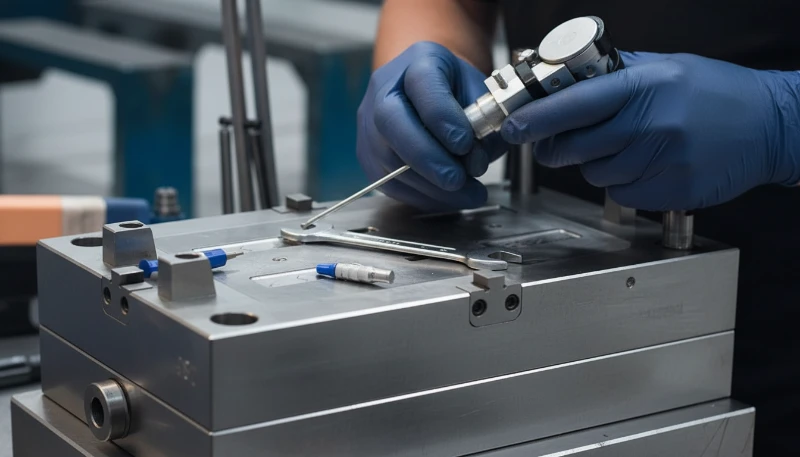
Еженедельные работы должны включать: смазку выталкивающих штифтов и измерение их хода; проверку работы и смазку ползунов и наклонных толкателей; измерение первых деталей относительно номинальных размеров для выявления тенденций износа полости; проверку разницы температур охлаждающей жидкости на входе и выходе; оценку состояния линии разъёма щупом для выявления постепенного раскрытия.
Ежемесячные работы должны включать: полное измерение расхода в контуре охлаждения с документированием результатов; отчёт о размерах первой детали со сравнением с базовыми значениями; визуальный контроль всех опорных поверхностей ползунов и наклонных толкателей на задиры и следы износа; очистку всех фитингов водяных линий и уплотнительных колец с заменой деталей, имеющих вздутие или трещины.
Как планировать обслуживание по количеству циклов?
Журналы технического обслуживания должны содержать как минимум: дату и количество выстрелов при осмотре, имя техника, выполненные задачи, проведенные измерения, обнаруженные аномалии, предпринятые действия, а также любые отложенные пункты с датой последующего контроля. Для инструментов серийного производства предпочтительна цифровая система с возможностью поиска вместо бумажных журналов — она позволяет проводить анализ тенденций по событиям обслуживания, которые остались бы незамеченными в отдельных бумажных записях.
| Количество циклов | Задачи | Примечания |
|---|---|---|
| 50,000 | Измерение выталкивающих штифтов, полная проверка полости, испытание расхода в контуре охлаждения | Базовый интервал для большинства пресс-форм из стали P20 |
| 100,000 | Все задачи через каждые 50k циклов + измерение износа ползунов/наклонных выталкивателей, оценка необходимости повторной обработки вентиляционных каналов | Передайте в инструментальный цех, если глубина вентиляционных каналов уменьшилась на >30% |
| 250,000 | Все работы для 100 тыс. циклов + проверка выравнивания основания пресс-формы, осмотр направляющих колонок, оценка полировки полости | Стандартный интервал капитального ремонта производственных пресс-форм из H13 |
| 500,000+ | Полное обследование размеров, проверка наконечника горячего канала/иглы клапана при наличии, анализ решения о восстановлении | Некоторые компоненты могут потребовать замены, а не ремонта |
Механический износ литьевых пресс-форм связан с количеством циклов открытия/закрытия и операций выталкивания, а не с числом прошедших дней. Форма, работающая в две смены, за месяц накапливает вдвое больший механический износ, чем односменная, независимо от календарных интервалов обслуживания.
«Все компоненты пресс-формы изнашиваются с одинаковой скоростью и могут иметь общий момент запуска обслуживания».ЛожьРазные компоненты имеют принципиально разные механизмы и интервалы износа. Выталкивающие штифты быстрее повреждаются боковой нагрузкой в формах для тонкостенных деталей или глубоких элементов. Вентиляционные площадки быстрее засоряются при переработке материалов с высоким газовыделением или содержанием наполнителя. Уплотнительные кольца системы охлаждения деградируют из-за температурных циклов и химического воздействия, а не количества впрысков. Надёжный график обслуживания различает критерии срабатывания по типу компонента и перерабатываемому материалу.

Какие компоненты пресс-формы требуют наибольшего внимания?
Выталкивающие штифты2 — наиболее требовательный к обслуживанию компонент большинства производственных форм. Они повреждаются боковой нагрузкой при нецентрированном выталкивании, получают риски при нарушении соосности и задиры при недостатке смазки. Через каждые 50 000 циклов проверяйте диаметр, состояние поверхности и длину хода штифтов; заменяйте штифты с потерей диаметра более 0,05 мм или видимыми рисками.
| Компонент | Основной механизм износа | Межсервисный интервал |
|---|---|---|
| Выталкивающие штифты | Боковая нагрузка, заедание, задиры | Каждые 50,000 циклов |
| Вентиляционные каналы | Отложения углерода и смолы | При блокировке >30% |
| Каналы охлаждения | Отложение накипи | Ежемесячная проверка расхода |
| Ползуны / наклонные толкатели | Потеря смазки, износ подшипников | Еженедельная смазка |
Вентиляцию часто упускают из виду, хотя это один из важнейших объектов обслуживания. Вентиляционная площадка, перекрытая на 50%, повышает требуемое давление заполнения, увеличивает цикл и создаёт прижоги на декоративных поверхностях; эти симптомы часто пытаются устранить на прессе до проверки вентиляции. Перережьте или очистите каналы, если углеродные отложения уменьшают глубину более чем на 30% от спецификации.
В каналах охлаждения3 образуются отложения накипи со скоростью, зависящей от качества и температуры воды. Накипь снижает эффективность теплообмена и увеличивает время цикла. Ежемесячно проверяйте расход охлаждающей жидкости и измеряйте разницу температур на входе и выходе; рост ΔT при постоянном расходе указывает на накопление накипи. Подготовка охлаждающей жидкости или периодическая кислотная промывка эффективнее реактивного удаления накипи после сильного засорения канала.
Ползуны и наклонные толкатели высокопроизводительных пресс-форм необходимо смазывать еженедельно. Подходящая смазка зависит от рабочей температуры, перерабатываемого материала и геометрии подшипников; неправильная смазка может притягивать загрязнения смолой и ускорять износ вместо его предотвращения. Ведите журнал смазки с указанием спецификации продукта, даты нанесения и количества циклов.
Когда техническое обслуживание превращается в ремонт?
Техническое обслуживание переходит в ремонт, когда износ или повреждение достигают степени, которую нельзя устранить плановым сервисом: компонент требуется заменить, сварить, повторно обработать или восстановить его размеры, а не просто очистить, смазать или отрегулировать. Важно распознать этот порог до того, как плановое обслуживание превратится во внеплановую остановку производства.
К признакам того, что техническое обслуживание перешло в ремонт, относятся: диаметр выталкивающего штифта ниже допуска, требующий новых штифтов; точечная коррозия поверхности гнезда глубиной более 0,1 мм, требующая сварки и повторной полировки; снижение расхода в контуре охлаждения более чем на 25%, не устраняемое химической обработкой; а также задиры на опорных поверхностях ползуна или наклонного выталкивателя, которые не удаляются смазкой.
В журнале формы регистрируйте ремонты отдельно от технического обслуживания. Частота ремонтов — ранний показатель стадии жизненного цикла оснастки: форма, которой потребовался один ремонт за первые 200,000 впрысков, но теперь требуется ремонт каждые 50,000 впрысков, приближается к концу экономически оправданного срока службы. Систематически собранные данные позволяют вовремя решить, восстанавливать или заменять форму, а не ждать катастрофического отказа.

Если вам нужна помощь в разработке или проверке графика обслуживания производственных форм, свяжитесь с нашей инструментальной командой. Общий инженерный контекст приведён в полном руководстве по литьевым формам, а сопутствующие этому графику протоколы очистки — в нашем руководстве по правильной очистке литьевой формы.
Практика завода: записи обслуживания ZetarMold
На нашем предприятии в Шанхае с 47 термопластавтоматами мы ведём цифровой журнал обслуживания каждой производственной формы. Анализ отказов за 12 месяцев показал, что 78% незапланированных остановок произошли на формах, у которых интервал планового обслуживания был превышен более чем на 20%. Средняя стоимость незапланированной остановки формы на нашем предприятии — с учётом простоя машины, брака и экстренной работы инструментального цеха — в шесть раз выше стоимости того же вмешательства в рамках планового обслуживания. Это соотношение сохранялось для форм на машинах с усилием смыкания от 200 до 1850 т.
Что нужно знать о профилактическом обслуживании литьевых форм?
Как часто следует обслуживать пресс-формы для литья под давлением?
Пресс-формы следует визуально осматривать в течение 5–10 минут в конце каждой смены, еженедельно проводить более тщательную функциональную проверку, а техническое обслуживание на уровне компонентов выполнять по наработке — обычно каждые 50,000–100,000 циклов для форм из P20 и каждые 100,000–250,000 циклов для закаленных форм из H13. Для крупносерийных форм, работающих с абразивными материалами, интервалы могут быть короче.
Что входит в профилактическое обслуживание от плесени?
Профилактическое обслуживание включает визуальный осмотр полости, очистку вентиляционных каналов, смазку и проверку выталкивающих штифтов, проверку работы ползунов и наклонных толкателей, измерение расхода охлаждающей жидкости, проверку состояния линии разъёма и документирование отклонений. Через заданное количество циклов также выполняются измерения размеров изнашиваемых компонентов и оценка относительно порогов замены.
Должно ли техническое обслуживание основываться на времени или количестве выстрелов?
Для конструктивных и изнашиваемых компонентов число циклов точнее календарного времени. Календарные интервалы допустимы для задач, зависящих от времени независимо от объема производства, таких как проверка охлаждающей воды, возрастная деградация уплотнительных колец или контроль коррозии хранящихся форм. Для большинства серийных форм полезен гибридный подход: ежедневные и еженедельные проверки по календарю и интервалы обслуживания компонентов по числу циклов.
Какие компоненты пресс-формы изнашиваются быстрее всего?
Выталкивающие штифты, поверхности вентиляционных участков, опорные поверхности ползунов и уплотнительные кольца каналов охлаждения обычно быстрее всего накапливают износ в производственных условиях. Точное ранжирование зависит от перерабатываемого материала, геометрии детали и условий эксплуатации. Пресс-формы, перерабатывающие стеклонаполненные или абразивные материалы, демонстрируют ускоренный износ поверхностей полости и сердечника по сравнению с оснасткой для ненаполненных смол.
Когда следует ремонтировать форму вместо её обслуживания?
Форме требуется ремонт, а не обслуживание, когда компонент изношен за пределы эксплуатационного допуска: диаметр выталкивающих штифтов ниже спецификации, на поверхности полости видны питтинги, в контурах охлаждения необратимо снижен расход или на опорных поверхностях ползунов имеются задиры. Журнал обслуживания содержит данные для определения этого порога: учащение одной и той же аномалии в последовательных интервалах обслуживания является надёжным признаком приближающейся потребности в ремонте.
Как следует вести записи о техническом обслуживании?
Записи о техническом обслуживании должны как минимум включать дату и число циклов на момент осмотра, имя специалиста, выполненные работы, проведённые измерения, выявленные отклонения, принятые меры и все отложенные пункты с датой последующей проверки. Для крупносерийной оснастки цифровая система с поиском предпочтительнее бумажных журналов: она позволяет анализировать тенденции по множеству событий обслуживания, которые были бы незаметны в отдельных бумажных записях.
-
профилактическое обслуживание: Профилактическое обслуживание — плановая программа регулярного контроля, очистки, смазки и обслуживания компонентов, предназначенная для предотвращения отказа оборудования, в отличие от реактивного обслуживания после возникновения отказа. ↩
-
выталкивающие штифты: Выталкивающие штифты — цилиндрические стальные штифты, установленные в плите выталкивателей и снимающие отлитую деталь с пуансона при раскрытии формы; из-за повторяющихся механических нагрузок и боковых сил от усадки детали они относятся к наиболее быстроизнашиваемым компонентам производственных форм. ↩
-
каналы охлаждения: Каналы охлаждения — просверленные или обработанные проходы в плитах формы, по которым циркулирует вода с регулируемой температурой, отводя тепло от затвердевающего пластика и управляя временем цикла и стабильностью размеров. ↩