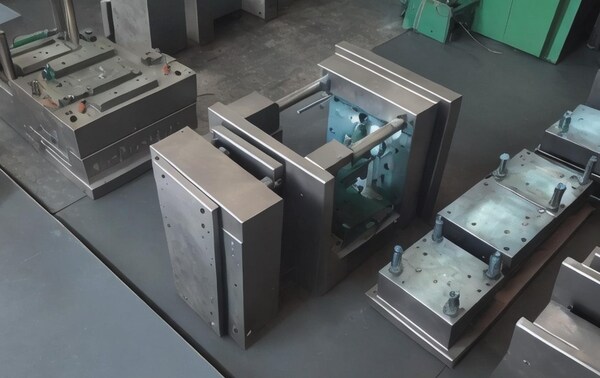
Вы только что потратили $30 000 на производственную оснастку на китайском заводе. Через полгода вы хотите перенести производство в другое место — а завод заявляет, что оснастка принадлежит им. Нет, они не отправят её. Да, они готовы продолжать производить ваши детали. На их условиях. Знакомо? Это случается чаще, чем кто-либо готов признать, и разница между возвратом вашей оснастки и её полной потерей сводится к одному документу: соглашению о праве собственности на оснастку.
- Китайские поставщики часто по умолчанию заявляют право собственности на оснастку — письменное соглашение обязательно
- Соглашения NNN защищают вашу интеллектуальную собственность, но не устанавливают право собственности на оснастку
- Договоры о праве собственности на пресс-формы должны быть юридически действительными по китайскому законодательству, на китайском языке
- Включите четкие пункты о передаче, хранении, страховании и расторжении
- Дью-дилиженс в отношении вашего поставщика так же важен, как и сам контракт
Что такое соглашение о праве собственности на литьевую оснастку?
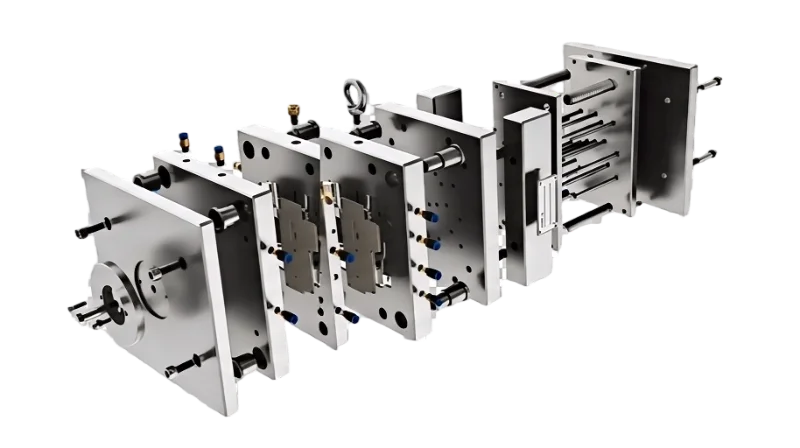
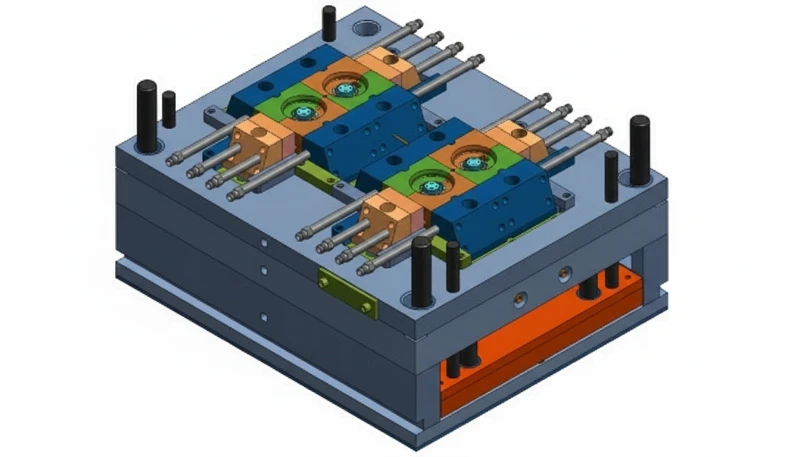
Соглашение о праве собственности на литьевую пресс-форму — это юридический документ, подтверждающий, что оснастка для пресс-формы1 принадлежит вам, а не заводу. В Китае этот документ необходим: без него многие заводы по умолчанию считают своей оснастку, изготовленную на их территории. Обычно соглашение охватывает права интеллектуальной собственности на конструкцию пресс-формы, права на передачу, условия хранения, страховые обязательства, ответственность за обслуживание и порядок действий в случае банкротства поставщика.
Соглашение обычно охватывает интеллектуальную собственность на конструкцию пресс-формы, права на передачу, условия хранения, страховые обязательства, ответственность за обслуживание и порядок действий при банкротстве поставщика. Считайте его документом о праве собственности на актив стоимостью в сотни тысяч, находящийся в чужом здании, — только здание расположено за 8,000 миль, а местная правовая система действует не так, как вы ожидаете.
Почему китайские заводы сопротивляются передаче права собственности на оснастку?
Причина, по которой китайские заводы сопротивляются передаче права собственности на пресс-форму, проста: удерживая вашу оснастку, они закрепляют за собой регулярную выручку от производства. Большинство китайских поставщиков литья под давлением получают небольшую маржу от серийного производства, а не от изготовления оснастки. Их бизнес-модель зависит от сохранения производства ваших деталей у себя. Некоторые заводы намеренно предлагают оснастку по себестоимости или дешевле, чтобы обеспечить будущие объёмы выпуска — это распространённая стратегия практически любого поставщика литья под давлением в Китае.
Это не обязательно нечестно — это распространённая ценовая стратегия в китайском производстве. Завод инвестирует в создание вашей оснастки по конкурентоспособной цене, потому что ожидает окупить эти инвестиции за счёт производства деталей в течение 12–36 месяцев. Когда вы забираете оснастку после трёх производственных циклов, они действительно теряют деньги на этом инструменте.
В ZetarMold мы располагаем собственным производством оснастки в Шанхае, которое производит более 100 комплектов оснастки в месяц. Имея более 20 лет опыта создания и передачи оснастки для международных покупателей, мы сталкивались со спорами о праве собственности напрямую — и наша стандартная практика включает чёткие условия передачи прав собственности в каждый договор на инструментальную оснастку с первого дня.
Практический вывод: вы должны обсудить вопросы собственности заранее, до того, как будут переведены деньги. Заводы, которые сопротивляются такому разговору, часто те же самые, что позже откажутся передавать вашу оснастку. По нашему опыту в ZetarMold, прозрачность в вопросах собственности с первого дня фактически укрепляет деловые отношения — обе стороны точно понимают, на какой позиции находятся.
По нашему опыту работы с международными клиентами в ZetarMold, мы видели проекты, где предыдущий поставщик отказывался передавать оснастку стоимостью более $50 000 просто потому, что не было письменного соглашения о праве собственности. Покупатель заплатил полностью. Поставщика это не волновало — у него было физическое владение, и без договора по китайскому праву у покупателя практически не было рычагов влияния.
Какие ключевые пункты должно включать соглашение о праве собственности на оснастку?
Действительное соглашение о праве собственности на пресс-форму должно включать шесть ключевых пунктов. Это: (1) четкая декларация о праве собственности, (2) права на передачу и возврат, (3) обязательства по хранению и обслуживанию, (4) требования к страхованию, (5) запрет на несанкционированное использование и (6) условия прекращения действия и разрешения споров. Отсутствие любого из них создает лазейку, которой может воспользоваться поставщик.
| Пункт | Что охватывает | Почему это важно |
|---|---|---|
| Декларация о праве собственности | Явное заявление о том, что покупатель владеет пресс-формой и всей интеллектуальной собственностью | Устанавливает законное право собственности — предотвращает претензии поставщика по умолчанию |
| Права на передачу | Условия и сроки возврата пресс-формы | Без этого поставщик может затягивать процесс бесконечно |
| Хранение и обслуживание | Как хранится пресс-форма, кто оплачивает обслуживание | Предотвращает износ и неожиданные расходы на ремонт |
| Страхование | Кто страхует пресс-форму и на какую сумму | Защищает от утери, повреждения или банкротства завода |
| Запрет на нецелевое использование | Поставщик не может использовать оснастку для других клиентов | Предотвращает несанкционированное копирование или производство |
| Условия прекращения | Что происходит при завершении отношений | Определяет процесс выхода и сроки возврата |
"Соглашение о праве собственности на пресс-форму должно указывать точный срок её возврата."True
Включение конкретных сроков возврата (обычно 30 дней с момента письменного запроса) с штрафами за задержку даёт вам принудительные дедлайны вместо расплывчатых обязательств.
"Для закрепления права собственности на пресс-форму в Китае достаточно стандартного NDA, подписанного на английском языке."False
Соглашение о неразглашении только на английском языке не устанавливает право собственности на пресс-форму по китайскому законодательству. Вам требуется отдельное соглашение о праве собственности на пресс-форму на китайском языке, регулируемое китайским правом, с четкими положениями о передаче прав.
Как китайское законодательство регулирует право собственности на пресс-формы?
Согласно законодательству Китая, право собственности на пресс-форму определяется письменным договором — на китайском языке, по китайскому праву и с арбитражем в Китае. Решения иностранных судов, как правило, не исполняются в Китае. Согласно Гражданскому кодексу КНР, действующему с января 2021 года, право собственности на пресс-форму регулируется договором между сторонами. Если в договоре указано, что она принадлежит вам, то теоретически так и есть. На практике для исполнения нужны конкретные договорные положения.
Это означает, что соглашение о праве собственности на пресс-форму, составленное на английском языке в соответствии с законодательством штата Нью-Йорк, практически бесполезно, если предприятие находится в Шэньчжэне и решает удержать вашу пресс-форму. Необходимо двуязычное соглашение, в котором при расхождениях преимущественную силу имеет китайский текст, поданное в признанное китайское арбитражное учреждение. Оно обходится дороже на начальном этапе, но только такой вариант китайское предприятие действительно будет соблюдать.
В чем разница между соглашением NNN и соглашением о праве собственности на пресс-форму?
Соглашение NNN2 и соглашение о праве собственности на пресс-форму — два отдельных документа, защищающих разные объекты: вашу интеллектуальную собственность и вашу физическую оснастку. Соглашение NNN (о неразглашении, неиспользовании и недопущении обхода) защищает интеллектуальную собственность — проекты, чертежи и спецификации. Соглашение о праве собственности на пресс-форму защищает физический актив — саму стальную литьевую пресс-форму. Эти документы служат разным целям, и вам нужны оба.
Мы видели покупателей, которые заключили надёжное соглашение NNN, но потеряли пресс-формы, поскольку не подписали отдельное соглашение о праве собственности. Теоретически NNN запрещало поставщику копировать конструкцию, но ничего не говорило о владельце физической пресс-формы. Завод успешно доказал, что без специального положения о праве собственности форма принадлежит ему согласно местным коммерческим обычаям. Два разных документа обеспечивают две разные формы защиты. Не пренебрегайте ни одним из них.
Вывод прост: не предполагайте, что один документ охватывает всё. Защита IP и защита физических активов — параллельные, но разные юридические потребности, и китайские суды рассматривают их как отдельные вопросы, требующие отдельных договорных оснований.
Предмет защиты принципиально различается. Соглашение NNN запрещает заводу передавать ваши CAD-файлы или производить изделие без разрешения — оно защищает информацию. Соглашение о праве собственности на форму регулирует имущественные права: кому принадлежит форма, кто контролирует доступ и что происходит с физической стальной оснасткой после прекращения отношений. В китайской юридической практике это отдельные правовые понятия, регулируемые разными отраслями права.
"Гравировка названия вашей компании на пресс-форме помогает подтвердить право собственности при возникновении споров."True
Физическая маркировка пресс-формы идентификатором покупателя подкрепляет требование о передаче имущества на ответственное хранение и затрудняет для фабрики утверждение, что пресс-форма является частью её активов.
"Китайские суды будут исполнять решения иностранных судов по спорам о праве собственности на пресс-формы."False
Китай, как правило, не исполняет решения иностранных судов. Чтобы решение по спору можно было принудительно исполнить, соглашение о праве собственности на пресс-форму должно предусматривать арбитраж в Китае, например CIETAC.
Когда следует договариваться об условиях права собственности на оснастку?
Лучше всего согласовать условия владения пресс-формой до размещения заказа на оснастку, а не во время производства и тем более не после него. На этапе расчёта цены и выбора поставщика он сильнее всего заинтересован в вашем заказе. После уплаты аванса и начала обработки стали ваши переговорные позиции существенно ослабевают.
Включите условия владения в первоначальный RFQ или договор закупки. С первого взаимодействия ясно укажите, что отсутствие права собственности на пресс-форму является неприемлемым. Поставщики, которые отказываются подписать соглашение о праве собственности до принятия заказа на изготовление оснастки, тем самым показывают, как будут выстраиваться дальнейшие отношения.
На практике мы рекомендуем следующую последовательность переговоров: (1) сначала подпишите NNN, прежде чем передавать какие-либо файлы конструкции. (2) Включите условия владения пресс-формой в производственный договор или отдельное приложение. (3) Оплачивайте оснастку только после подписания обоих документов. (4) Настаивайте на получении файлов конструкции пресс-формы (данных CAD) в составе поставки. Этот четырёхэтапный подход защищает как ваши IP-права, так и инвестиции в физическую оснастку.
"В соглашении о праве собственности на пресс-форму должно быть указано, кто уполномочен забрать ее от имени покупателя."True
Указание в договоре уполномоченного представителя или стороннего агента предотвращает споры о том, кто имеет право физически забрать пресс-форму при ее возврате.
"После подписания соглашения о праве собственности на пресс-форму соглашение NNN не требуется."False
Эти документы служат разным целям. Соглашение о праве собственности распространяется на физическую пресс-форму, а NNN защищает вашу интеллектуальную собственность на конструкцию. Для полной защиты нужны оба документа.
Что произойдет с вашей пресс-формой, если китайский поставщик обанкротится?
При банкротстве предприятия в Китае ваша пресс-форма рассматривается как его актив — если соглашение явно не исключает её из конкурсной массы. Большинство покупателей не задумываются об этом условии, хотя оно является одним из важнейших. Без специального исключения на случай банкротства вы становитесь ещё одним необеспеченным кредитором в общей очереди.
Решение — договорное условие о том, что пресс-форма является собственностью покупателя и передана фабрике на ответственное хранение по китайскому праву, а не входит в активы фабрики. Вместе с биркой или гравировкой с именем покупателя и номером актива это усиливает требование об исключении формы из конкурсной массы фабрики. Полной гарантии нет: процедуры банкротства в Китае могут быть непредсказуемы. Однако такое оформление создаёт правовую позицию, которой нет у требований, основанных лишь на владении.
Рекомендуем прямо исключить форму из требований кредиторов, залога и удержания заводом или его аффилированными лицами. Завод также должен хранить формы заказчика отдельно от собственной оснастки. Физическое разделение и документы существенно улучшают вашу позицию при неплатежеспособности.
Как физически забрать оснастку с китайского завода?
Возврат формы — формальный процесс. Вы ссылаетесь на соглашение о праве собственности, направляете запрос на передачу за 30 дней и организуете перевозку. Если завод отказывается, применим арбитраж по китайскому законодательству. Практические шаги: (1) направить официальный письменный запрос со ссылкой на соглашение о праве собственности и разумным сроком, обычно 30 дней; (2) организовать и оплатить перевозку, страхование и непогашенные расходы на обслуживание; (3) поручить стороннему инспектору проверить состояние формы до её вывоза с завода; (4) при отказе завода начать арбитраж согласно положению договора об урегулировании споров.
На нашем заводе в Шанхае ZetarMold эксплуатирует 47 термопластавтоматов усилием смыкания от 90T до 1850T. Когда клиенту необходимо забрать пресс-форму и перенести производство на нашу площадку, мы обычно можем провести квалификацию оснастки и начать изготовление образцов в течение двух недель, поскольку имеющийся диапазон оборудования охватывает практически любые параметры пресс-форм.
Сам процесс возврата может занять 2–6 недель при нормальных обстоятельствах. При сопротивлении со стороны поставщика арбитражное разбирательство в Китае может занять 6–12 месяцев. Поэтому в соглашении необходимо установить чёткий срок передачи и санкции за несоблюдение. Положение о том, что предприятие обязано передать пресс-форму в течение 30 дней с момента получения письменного требования, с начислением штрафа за каждый день задержки, даёт вам конкретный механизм правовой защиты.
Некоторые покупатели поручают вывоз формы агенту по закупкам литья под давлением или стороннему логистическому оператору. Это может снизить напряженность: завод охотнее передаст форму нейтральной стороне, чем конкуренту. В любом случае укажите в соглашении о собственности, кто уполномочен получить форму от вашего имени.
Какие самые распространённые вопросы о праве собственности на оснастку в Китае?
Может ли китайский завод законно удерживать мою форму при отсутствии письменного соглашения?
Да. Без письменного соглашения о собственности, регулируемого китайским правом, завод может заявить право собственности на основании владения и производственного обычая. Устные договоренности крайне сложно обеспечить в Китае, а одни лишь подтверждения по электронной почте имеют ограниченный юридический вес в китайских судах. Исходная правовая позиция во многих юрисдикциях Китая благоприятствует стороне, физически владеющей оснасткой, то есть почти всегда заводу, изготовившему и хранящему форму на своей территории. Именно поэтому официальный двуязычный договор обязателен: это единственная надежная защита инвестиций в оснастку.
Сколько стоит подготовить соглашение о праве собственности на форму?
Квалифицированный юрист, специализирующийся на производстве в Китае, обычно берёт $2,000–$5,000 за комплексное соглашение о праве собственности на пресс-форму, включающее положения NNN. Это лишь малая доля стоимости замены пресс-формы: большинство серийных пресс-форм для литья под давлением стоят от $10,000 до $80,000 в зависимости от числа гнёзд, марки стали и геометрической сложности. Расходы на соглашение следует рассматривать как страховой взнос, защищающий дорогостоящий производственный актив, который находится на заводе за тысячи миль от вас и регулируется правовой системой, с которой вы можете быть незнакомы.
На каком языке следует составлять соглашение о праве собственности на пресс-форму — китайском или английском?
На обоих языках, при этом в самом соглашении китайский текст прямо определяется как версия, имеющая преимущественную и обязательную силу. При разрешении любых споров китайские суды и арбитражные органы используют исключительно китайский текст как авторитетный юридический документ. Любые расхождения между английской и китайской версиями разрешаются на основании китайского текста, поэтому обе версии должны быть тщательно и согласованно подготовлены квалифицированными юристами, специализирующимися на трансграничных производственных контрактах, составлении и исполнении двуязычных коммерческих соглашений.
Что делать, если поставщик отказывается подписывать соглашение о праве собственности на пресс-форму?
Немедленно найдите другого поставщика — это неприемлемое условие. Отказ завода согласовать базовые права собственности явно указывает на намерение удерживать вашу оснастку как средство давления для продолжения сотрудничества. Это безусловный тревожный сигнал при любом партнёрстве в литье под давлением, независимо от привлекательности цен на детали. Долгосрочный риск потерять доступ к форме стоимостью десятки тысяч долларов намного выше любой краткосрочной экономии на цене отдельных деталей.
Можно ли застраховать пресс-форму, чтобы защитить свои инвестиции в Китае?
Да, страхование оснастки предлагают страховщики торговых кредитов и специализированные промышленные страховые компании, знакомые с китайским рынком. Полис может покрывать утрату или физическое повреждение пресс-формы и дефолт поставщика. Соглашение о праве собственности должно обязывать завод оформить полное страхование на стоимость замены оснастки и указать вас получателем выплаты. Такая финансовая защита не зависит от состояния завода и его готовности содействовать возврату вашей пресс-формы.
Делает ли полная оплата пресс-формы меня автоматически ее владельцем в Китае?
Нет, одна оплата не устанавливает право собственности по китайской коммерческой практике или договорному праву. Для подтверждения законного права в споре требуется письменное соглашение, отдельно устанавливающее собственность, а не платежная запись, заказ или коммерческий счет. Счет фабрики подтверждает оплату инструментальных услуг, но не собственность на полученную физическую форму. Юридически исполнимое требование по Гражданскому кодексу PRC создает только специальное соглашение с надлежащей правовой структурой.
Сколько времени занимает арбитраж по возврату пресс-формы в Китае?
Арбитраж CIETAC по спорам о праве собственности на пресс-форму обычно занимает 6–12 месяцев с момента подачи заявления до вынесения окончательного арбитражного решения. Местные арбитражные комиссии в крупных промышленных центрах, таких как Шэньчжэнь, Дунгуань или Шанхай, могут разрешить дело быстрее, иногда за 3–6 месяцев, однако скорость исполнения решения существенно зависит от юрисдикции и уровня взаимодействия с местными судами. Чтобы минимизировать процессуальные задержки и споры о юрисдикции в ходе арбитража, всегда включайте в соглашение о праве собственности конкретную арбитражную оговорку с указанием учреждения, города и языка разбирательства.
Что делать, если поставщик использует мою пресс-форму для другого заказчика?
Немедленно направьте официальное письменное требование о прекращении нарушений, сославшись на соглашение NNN и соглашение о праве собственности на пресс-форму как на правовое основание. До начала официальных юридических действий тщательно задокументируйте несанкционированное использование: сделайте фотографии скопированных деталей, приобретите физические образцы через третьих лиц и соберите документы о поставках. Если после получения уведомления поставщик продолжит несанкционированное производство, без промедления начните арбитражное разбирательство в соответствии с положением договора об урегулировании споров. Оперативные действия и исчерпывающая документация существенно укрепят вашу правовую позицию.
Простое правило: до оплаты оснастки в Китае подготовьте два документа — NNN для защиты интеллектуальной собственности и соглашение о праве собственности на физическую пресс-форму на китайском языке и по китайскому праву. Если завод отказывается подписать оба документа, ищите другого поставщика. Никакая скидка не стоит потери дорогой пресс-формы. В ZetarMold прозрачные соглашения о праве собственности входят в стандартную практику: ваша оснастка — ваш актив, а не предмет торга. Благодаря 47 машинам для литья под давлением в Шанхае, ежемесячной поставке более 100 пресс-форм и штату из 8 старших инженеров по литьевым пресс-формам у нас есть масштаб и надлежащий документооборот для защиты ваших инвестиций. Запросите бесплатное предложение, и мы покажем, насколько простым может быть оформление права собственности на пресс-форму.
Оснастка для пресс-формы: прецизионная стальная пресс-форма, используемая при литье под давлением для придания расплавленному пластику формы готовых деталей; в зависимости от сложности она обычно стоит $5,000–$100,000. ↩
Соглашение NNN: трёхчастный договор о неразглашении, неиспользовании и недопущении обхода, широко применяемый в китайском производстве для защиты интеллектуальной собственности покупателя от разглашения, несанкционированного использования и обхода со стороны поставщика. ↩
Ответственное хранение: правоотношение, при котором одна сторона временно владеет имуществом другой; в данном контексте завод хранит оснастку заказчика, не являясь её собственником. ↩