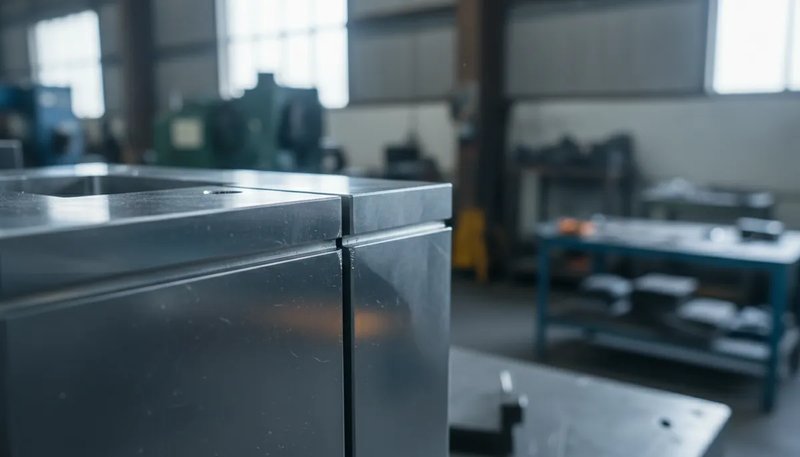
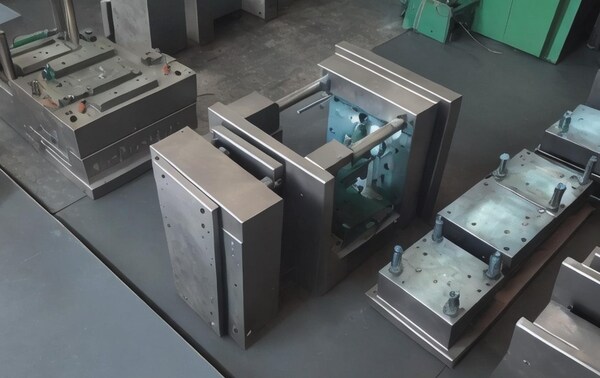
Acabou de gastar $30.000 num molde de produção numa fábrica chinesa. Seis meses depois, quer transferir a produção para outro local — e a fábrica diz que o molde é deles. Não, não o vão enviar. Sim, estão dispostos a continuar a produzir as suas peças. Nas suas condições. Parece-lhe familiar? Acontece mais vezes do que alguém gosta de admitir, e a diferença entre recuperar o seu molde e perdê-lo completamente resume-se a um documento: o acordo de propriedade do molde.
- Os fornecedores chineses frequentemente reivindicam a propriedade do molde por padrão — um acordo por escrito é essencial
- Os acordos NNN protegem a sua propriedade intelectual, mas não estabelecem a propriedade do molde
- Os contratos de propriedade do molde devem ser executáveis sob a lei chinesa, em chinês
- Incluir cláusulas claras de transferência, armazenamento, seguro e rescisão
- A devida diligência sobre o seu fornecedor é tão importante quanto o próprio contrato
O que é um Acordo de Propriedade de Molde de Injeção?
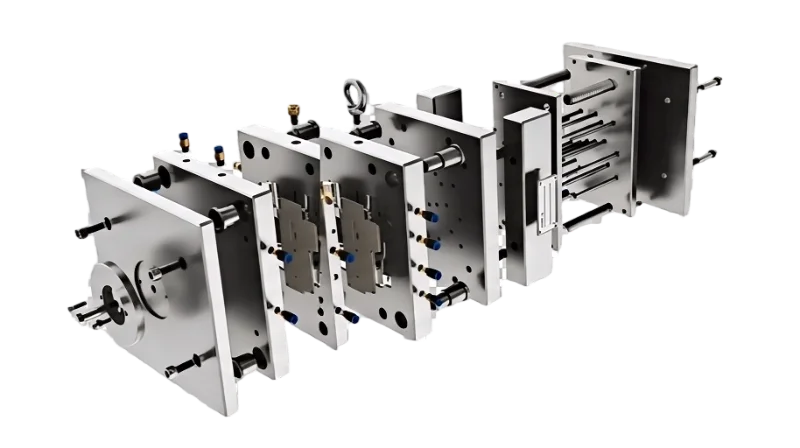
Um acordo de propriedade de molde de injeção é um documento jurídico que comprova que você, e não a fábrica, é o proprietário do ferramental do molde1. Na China, esse documento não é opcional: sem ele, muitas fábricas presumem que são proprietárias do ferramental que fabricaram em suas instalações. O acordo normalmente abrange a propriedade intelectual do projeto do molde, direitos de transferência, condições de armazenamento, obrigações de seguro, responsabilidades de manutenção e o que acontece se o fornecedor falir.
O acordo abrange normalmente a propriedade intelectual da conceção do molde, os direitos de transferência, as condições de armazenamento, as obrigações de seguro, as responsabilidades de manutenção e o que acontece se o fornecedor entrar em falência. Pense nele como o título de propriedade de um ativo de seis algarismos guardado no edifício de outra pessoa — com a diferença de que o edifício fica a 8,000 milhas de distância e o sistema jurídico local funciona de forma diferente do que poderia esperar.
Por que as Fábricas Chinesas Resistem à Transferência de Propriedade do Molde?
O motivo pelo qual as fábricas chinesas resistem à transferência da propriedade do molde é simples: reter seu ferramental garante receitas recorrentes de produção. A maioria dos fornecedores chineses de moldagem por injeção opera com margens estreitas na produção em massa, não na fabricação do ferramental. O modelo de negócio depende de manter internamente a produção das suas peças. Algumas fábricas orçam o ferramental pelo custo ou até abaixo dele especificamente para garantir o volume de produção futuro — uma estratégia comum entre qualquer fornecedor de moldagem por injeção na China.
Isto não é inerentemente desonesto — é uma estratégia de preços comum na manufatura chinesa. A fábrica investe na construção do seu molde a um preço competitivo porque espera recuperar esse investimento através da produção de peças ao longo de 12 a 36 meses. Quando você retira o molde após três lotes de produção, eles genuinamente perdem dinheiro com essa ferramentaria.
Na ZetarMold, mantemos uma instalação interna de fabrico de moldes em Xangai que produz mais de 100 conjuntos de moldes por mês. Com mais de 20 anos de experiência a construir e transferir moldes para compradores internacionais, testemunhámos disputas de propriedade em primeira mão — e a nossa prática padrão é incluir termos claros de transferência de propriedade em todos os acordos de ferramentaria desde o primeiro dia.
A implicação prática é que você deve abordar as expectativas de propriedade antecipadamente, antes que qualquer dinheiro mude de mãos. As fábricas que resistem a esta conversa são frequentemente as mesmas que resistirão a libertar o seu molde mais tarde. Na nossa experiência na ZetarMold, a transparência sobre os termos de propriedade desde o primeiro dia realmente fortalece a relação comercial — ambas as partes sabem exatamente onde estão.
Na nossa experiência a trabalhar com clientes internacionais na ZetarMold, vimos projetos em que o fornecedor anterior se recusou a libertar moldes no valor de mais de $50.000 simplesmente porque não havia um acordo de propriedade por escrito. O comprador tinha pago na totalidade. O fornecedor não se importou — eles tinham a posse física, e sem um contrato sob a lei chinesa, o comprador praticamente não tinha alavancagem.
Que Cláusulas-Chave Deve Incluir um Acordo de Propriedade de Molde?
Um acordo de propriedade de molde executável é aquele que abrange seis cláusulas essenciais. São elas: (1) uma declaração clara de propriedade, (2) direitos de transferência e recuperação, (3) obrigações de armazenamento e manutenção, (4) requisitos de seguro, (5) uma proibição de uso não autorizado, e (6) termos de rescisão e resolução de disputas. A falta de qualquer uma destas cria uma lacuna que um fornecedor pode explorar.
| Cláusula | O que abrange | Por que é importante |
|---|---|---|
| Declaração de Propriedade | Declaração explícita de que o comprador é proprietário do molde e de toda a propriedade intelectual | Estabelece título legal — impede reclamações padrão do fornecedor |
| Direitos de Transferência | Condições e cronograma para recuperação do molde | Sem isto, o fornecedor pode atrasar indefinidamente |
| Armazenamento e manutenção | Como o molde é armazenado, quem paga a manutenção | Previne degradação e custos de reparo inesperados |
| Seguro | Quem segura o molde e por quanto valor | Protege contra perda, danos ou falência da fábrica |
| Proibição de Não Uso | O fornecedor não pode usar o molde para outros clientes | Impede cópia ou produção não autorizada |
| Termos de Rescisão | O que acontece quando a relação termina | Define o processo de saída e o prazo de recuperação |
"Um acordo de propriedade do molde deve especificar o prazo exato para a sua recuperação."True
Incluir um prazo específico de recuperação (normalmente 30 dias a partir do pedido escrito) com penalidades por atraso dá-lhe prazos executáveis em vez de obrigações vagas.
"Um NDA padrão assinado em inglês é suficiente para estabelecer a propriedade do molde na China."False
Um NDA apenas em inglês não estabelece a propriedade do molde sob a lei chinesa. Precisa de um acordo de propriedade de molde separado, em chinês, regido pela lei chinesa, com disposições claras de transferência de título.
Como a Lei Chinesa Trata a Propriedade do Molde?
Segundo a legislação chinesa, a propriedade do molde é determinada pelo que consta do contrato escrito — em chinês, ao abrigo da legislação chinesa e através de arbitragem chinesa. Em geral, as decisões de tribunais estrangeiros não são executáveis na China. Nos termos do Código Civil da RPC (em vigor desde janeiro de 2021), a propriedade do molde decorre do contrato entre as partes. Se o contrato disser que o molde é seu, então é seu — em teoria. Na prática, a execução exige disposições contratuais específicas.
Isto significa que um acordo de propriedade do molde redigido em inglês ao abrigo da lei de Nova Iorque é praticamente inútil se a fábrica estiver em Shenzhen e decidir reter o seu molde. Precisa de um acordo bilingue — no qual o texto chinês prevaleça em caso de discrepância — apresentado numa instituição de arbitragem chinesa reconhecida. Custa mais à partida, mas é a única versão que uma fábrica chinesa respeitará efetivamente.
Qual é a Diferença entre um Acordo NNN e um Acordo de Propriedade de Molde?
Um acordo NNN2 e um acordo de propriedade do molde são dois documentos separados que protegem coisas diferentes: sua propriedade intelectual e seu ferramental físico. Um acordo NNN (Não Divulgação, Não Utilização e Não Circunvenção) protege sua propriedade intelectual — projetos, desenhos e especificações. Um acordo de propriedade do molde protege seu ativo físico — o próprio ferramental de aço do molde de injeção. Eles têm finalidades diferentes, e você precisa dos dois.
Vimos compradores que dispunham de um NNN sólido, mas perderam os seus moldes porque nunca assinaram um acordo de propriedade separado. O NNN impedia o fornecedor de copiar o projeto — em teoria —, mas nada dizia sobre quem era proprietário do molde físico. A fábrica alegou, com êxito, que, sem uma cláusula específica de propriedade, o molde lhe pertencia segundo os usos comerciais locais. Dois documentos diferentes, duas proteções diferentes. Não omita nenhum deles.
A lição é simples: nunca presuma que um único documento abrange tudo. A proteção da propriedade intelectual e a proteção dos ativos físicos são necessidades jurídicas paralelas, mas distintas, e os tribunais chineses tratam-nas como questões separadas que exigem bases contratuais próprias.
O âmbito da proteção difere fundamentalmente. Um NNN impede a fábrica de partilhar os seus ficheiros CAD ou de fabricar o seu produto sem autorização — trata da segurança da informação. Um acordo de propriedade do molde trata dos direitos de propriedade: quem detém a titularidade, quem controla o acesso e o que acontece ao aço físico quando a relação termina. Na prática jurídica chinesa, são conceitos jurídicos distintos, abrangidos por áreas do direito distintas.
"Gravar o nome da sua empresa no molde ajuda a comprovar a propriedade em caso de litígio."True
A marcação física do molde com a identificação do comprador sustenta a reivindicação de Bailment3 e torna mais difícil para a fábrica alegar que o molde faz parte dos seus ativos.
"Os tribunais chineses executarão decisões de tribunais estrangeiros em litígios sobre a propriedade de moldes."False
A China geralmente não executa sentenças de tribunais estrangeiros. O seu acordo de propriedade do molde deve especificar arbitragem chinesa (por exemplo, CIETAC) para garantir uma resolução de litígios executória.
Quando Deve Negociar os Termos de Propriedade do Molde?
O melhor momento para negociar os termos de propriedade do molde é antes de fazer a encomenda — não durante a produção e muito menos depois. É durante a fase de cotação e seleção do fornecedor que este mais deseja conquistar o seu negócio. Depois de pagar o depósito e de começarem a cortar o aço, a sua margem de negociação diminui significativamente.
Inclua as condições de propriedade no seu RFQ inicial ou contrato de compra. Deixe claro desde o primeiro contacto que a propriedade do molde é uma condição imprescindível. Os fornecedores que se recusem a assinar um acordo de propriedade antes de aceitarem a sua encomenda de ferramentas estão a revelar algo importante sobre a futura relação comercial.
Em termos práticos, recomendamos a seguinte sequência de negociação: (1) assine primeiro o NNN, antes de partilhar quaisquer ficheiros de projeto. (2) Inclua as condições de propriedade do molde no acordo de fabrico ou num aditamento autónomo. (3) Pague a ferramenta apenas depois de ambos os documentos estarem formalizados. (4) Insista em receber os ficheiros de projeto do molde (dados CAD) como parte da entrega. Esta abordagem em quatro etapas protege tanto a sua propriedade intelectual como o investimento na ferramenta física.
"Um acordo de propriedade do molde deve identificar quem está autorizado a recolher o molde em nome do comprador."True
A indicação de um representante autorizado ou agente terceiro no contrato evita litígios sobre quem tem o direito de tomar posse física do molde durante a sua recuperação.
"Depois de assinar um acordo de propriedade do molde, não precisa de um acordo NNN."False
Estes documentos têm finalidades diferentes. O acordo de propriedade abrange o molde físico; o NNN protege a sua propriedade intelectual de design. Precisa de ambos para uma proteção completa.
O que Acontece ao Seu Molde se o Fornecedor Chinês Falir?
O seu molde é tratado como um ativo da fábrica num processo de insolvência na China — salvo se o seu contrato o excluir explicitamente. Esta é uma cláusula em que a maioria dos compradores nunca pensa e é uma das mais importantes. Sem uma exclusão específica em caso de insolvência, torna-se apenas mais um credor comum à espera na fila.
A solução é uma cláusula contratual que declare que o molde é propriedade do comprador, mantida à guarda da fábrica (uma relação de depósito ao abrigo da legislação chinesa), e não um ativo da fábrica. Juntamente com uma etiqueta de equipamento ou gravação que indique o nome do comprador e o número do ativo, isto reforça a alegação de que o molde não integra a massa insolvente da fábrica. Não é infalível — os processos de insolvência chineses podem ser imprevisíveis —, mas proporciona um argumento jurídico que as alegações baseadas apenas na posse não têm.
Recomendamos a inclusão de uma cláusula específica que exclua o molde de quaisquer reclamações de credores, penhores ou ónus constituídos pela fábrica ou pelas suas afiliadas. Além disso, exija que a fábrica mantenha um armazenamento separado para os moldes pertencentes aos clientes — fisicamente distinto do seu próprio inventário de moldes. Estas separações estruturais, aliadas a documentação adequada, melhoram significativamente a sua posição em qualquer cenário de insolvência.
Como Recuperar Fisicamente um Molde de uma Fábrica Chinesa?
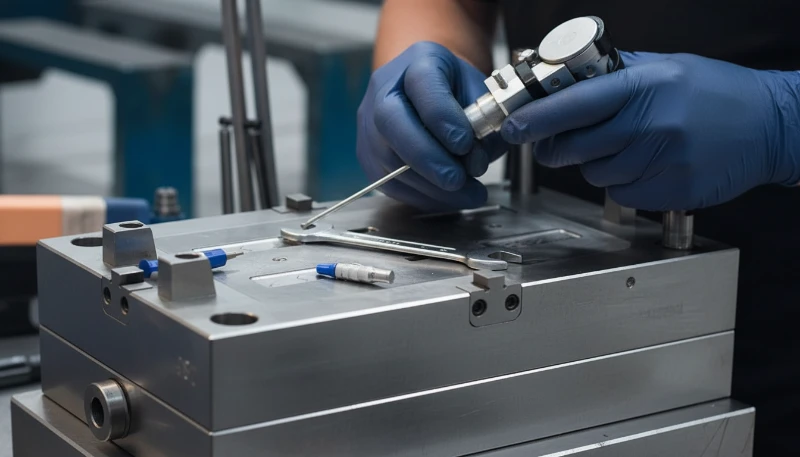
A recuperação do molde é um processo formal. Deve invocar o seu acordo de propriedade, enviar um pedido de transferência com 30 dias de antecedência e organizar o transporte. Se a fábrica recusar, o recurso é a arbitragem ao abrigo da legislação chinesa. Os passos práticos são: (1) Enviar um pedido formal por escrito que cite o acordo de propriedade, com um prazo razoável (normalmente 30 dias). (2) Organizar e pagar o transporte, o seguro e quaisquer custos de manutenção pendentes. (3) Solicitar a um inspetor independente que verifique o estado do molde antes de este sair da fábrica. (4) Se a fábrica recusar, iniciar a arbitragem ao abrigo da cláusula de resolução de litígios do contrato.
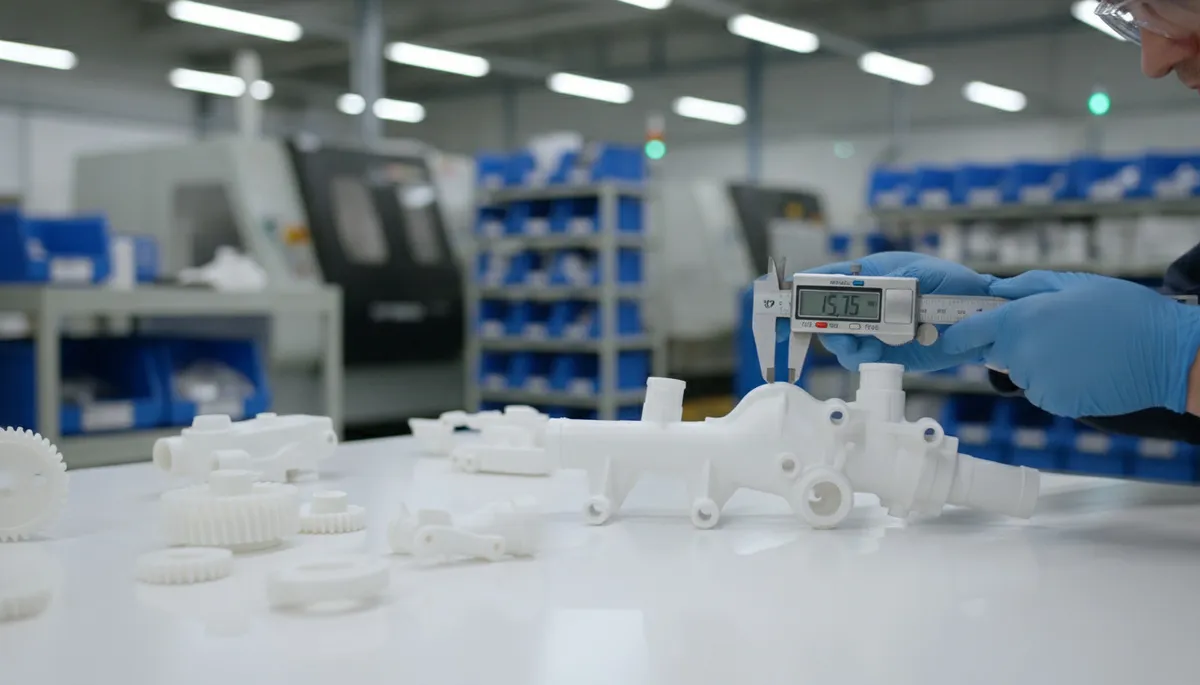
Na nossa fábrica de Xangai, a ZetarMold opera 47 máquinas de moldação por injeção de 90T a 1850T. Quando um cliente precisa de recuperar um molde e transferir a produção para as nossas instalações, normalmente conseguimos qualificar a ferramenta e iniciar a amostragem em duas semanas, pois a gama de equipamentos cobre praticamente qualquer especificação de molde.
O processo de recuperação pode demorar 2–6 semanas em circunstâncias normais. Se houver resistência, a arbitragem na China pode demorar 6–12 meses. Por este motivo, o acordo deve especificar um prazo claro para a transferência e penalizações por incumprimento. Uma cláusula que determine que a fábrica deve libertar o molde no prazo de 30 dias após um pedido por escrito, com uma penalização diária por atraso, proporciona-lhe um recurso mensurável.
Alguns compradores optam por encarregar um agente de procura de fornecedores de moldação por injeção ou um prestador de logística externo da recolha. Isto pode reduzir os atritos, pois a fábrica poderá estar mais disposta a entregar o molde a uma parte neutra do que a um concorrente. Em qualquer caso, certifique-se de que o acordo de propriedade identifica quem está autorizado a recolher o molde em seu nome.
Quais são as Perguntas Mais Comuns sobre Propriedade do Molde na China?
Uma fábrica chinesa pode reter legalmente o meu molde se não houver um acordo escrito?
Sim. Sem um acordo de propriedade escrito e regido pela legislação chinesa, a fábrica pode reivindicar a propriedade com base na posse e nos usos do setor do fabrico. Os acordos verbais são extremamente difíceis de fazer cumprir na China e as confirmações por correio eletrónico, por si só, têm um peso jurídico limitado nos tribunais chineses. A posição jurídica predefinida em muitas jurisdições chinesas favorece a parte que detém fisicamente o ativo de moldes, que é quase sempre a fábrica que construiu e alojou o molde nas suas instalações. É precisamente por isso que um contrato bilingue formal não é opcional — é a única proteção fiável para o seu investimento em moldes.
Quanto custa redigir um acordo de propriedade do molde?
Um advogado especializado no fabrico na China cobra normalmente $2,000–$5,000 por um acordo abrangente de propriedade do molde que inclua disposições NNN. Este valor representa uma fração do custo de substituição do molde — a maioria dos moldes de produção para moldação por injeção custa entre $10,000 e $80,000, dependendo do número de cavidades, do grau do aço e da complexidade geométrica. Considere o custo do acordo como um prémio de seguro que protege um ativo de fabrico de elevado valor, situado numa fábrica a milhares de quilómetros, ao abrigo de um sistema jurídico que poderá não conhecer.
O acordo de propriedade do molde deve estar em chinês ou em inglês?
Ambas as línguas, com o texto chinês explicitamente designado como a versão aplicável e prevalecente no próprio contrato. Os tribunais e os organismos de arbitragem chineses baseiam-se exclusivamente no texto chinês como documento jurídico vinculativo em qualquer processo de resolução de litígios. Qualquer discrepância entre as versões inglesa e chinesa será resolvida com base no texto chinês, o que significa que ambas as versões devem ser redigidas com cuidado e coerência por consultores jurídicos qualificados, especializados em contratos de fabrico transfronteiriços e na elaboração e execução de acordos comerciais bilingues.
E se o meu fornecedor se recusar a assinar um acordo de propriedade do molde?
Procure imediatamente outro fornecedor — este é um motivo de exclusão. Uma fábrica que não aceite condições básicas de propriedade está a indicar claramente que pretende reter o seu ferramental como meio de pressão para manter a relação comercial. Este é um sinal de alerta inegociável em qualquer parceria de moldagem por injeção, independentemente de quão competitivo pareça o preço das peças. O risco a longo prazo de perder o acesso a um molde avaliado em dezenas de milhares de dólares supera largamente qualquer poupança de curto prazo que a fábrica possa oferecer no preço de peças individuais.
Posso contratar um seguro para o molde a fim de proteger o meu investimento na China?
Sim, os seguros para ferramentas estão disponíveis através de seguradoras de crédito comercial e de seguradoras especializadas no setor do fabrico que conhecem o mercado chinês. Estas apólices podem cobrir a perda do molde, danos físicos ou situações de incumprimento do fornecedor. O seu acordo de propriedade deve exigir que a fábrica mantenha um seguro abrangente que o nomeie como beneficiário da indemnização, com uma cobertura igual ao custo total de substituição da ferramenta do molde. Isto proporciona uma proteção financeira que funciona de forma totalmente independente da situação financeira da fábrica ou da sua disponibilidade para colaborar com os seus pedidos de recuperação do molde em qualquer momento.
Pagar integralmente o molde torna-me automaticamente o proprietário na China?
Não, o pagamento, por si só, não estabelece a propriedade ao abrigo da prática comercial ou do direito contratual chineses. Para comprovar a titularidade legal em qualquer litígio, é necessário um acordo escrito que declare a propriedade — distinto do registo de pagamento, da ordem de compra ou da fatura comercial. A fatura da fábrica confirma o pagamento dos serviços de fabrico do molde, mas não demonstra que o ativo físico resultante lhe pertence. Apenas um acordo de propriedade específico, com a estrutura jurídica adequada, cria esse direito executório ao abrigo do Código Civil da PRC.
Quanto tempo demora a arbitragem para recuperação de moldes na China?
A arbitragem CIETAC demora normalmente 6–12 meses em litígios sobre a propriedade de moldes, desde o pedido inicial até à decisão arbitral final. Comissões locais de arbitragem em grandes cidades industriais, como Shenzhen, Dongguan ou Xangai, podem resolver casos mais depressa, por vezes em 3–6 meses, mas a rapidez da execução varia muito consoante a jurisdição e a cooperação dos tribunais locais. Inclua sempre no acordo de propriedade uma cláusula de arbitragem específica que identifique a instituição, a cidade e a língua aplicável, para minimizar atrasos processuais e conflitos de jurisdição.
O que devo fazer se um fornecedor utilizar o meu molde para outro cliente?
Envie imediatamente uma carta formal de cessação e desistência, citando tanto o seu acordo NNN como o acordo de propriedade do molde enquanto base jurídica da exigência. Antes de tomar qualquer medida judicial formal, documente exaustivamente a utilização não autorizada com fotografias das peças copiadas, amostras físicas adquiridas através de terceiros e registos de expedição. Se o fornecedor continuar a produção não autorizada após receber a notificação, inicie de imediato um processo de arbitragem ao abrigo da cláusula de resolução de litígios do contrato. Agir rapidamente e documentar tudo de forma abrangente reforça significativamente a sua posição jurídica.
Regra rápida: antes de pagar por ferramental na China, tenha dois documentos prontos — um NNN para sua propriedade intelectual e um acordo de propriedade do molde, em chinês e sujeito à legislação chinesa, para o molde físico. Se a fábrica não assinar ambos, procure outra. Nenhum desconto compensa perder um molde caro. Na ZetarMold, fornecemos acordos transparentes de propriedade do molde como prática padrão — seu ferramental é seu ativo, não uma moeda de negociação. Com 47 máquinas de moldagem por injeção em Xangai, mais de 100 moldes entregues por mês e 8 engenheiros seniores de moldes de injeção na equipe, temos a escala e as práticas de documentação necessárias para proteger seu investimento. Solicite um orçamento gratuito e deixe-nos mostrar como a propriedade de moldes pode ser simples.
Ferramental do molde: refere-se ao molde de aço de precisão usado na moldagem por injeção para transformar plástico fundido em peças acabadas, normalmente com custo entre US$ 5.000 e US$ 100.000, dependendo da complexidade. ↩
Acordo NNN: um acordo de Não Divulgação, Não Utilização e Não Circunvenção é um contrato de três partes comumente usado na fabricação na China para proteger a propriedade intelectual do comprador contra divulgação, uso não autorizado e circunvenção pelo fornecedor. ↩
Depósito: é uma relação jurídica em que uma parte mantém temporariamente a propriedade de outra — neste contexto, uma fábrica que guarda o ferramental do molde de um cliente sem ser sua proprietária. ↩