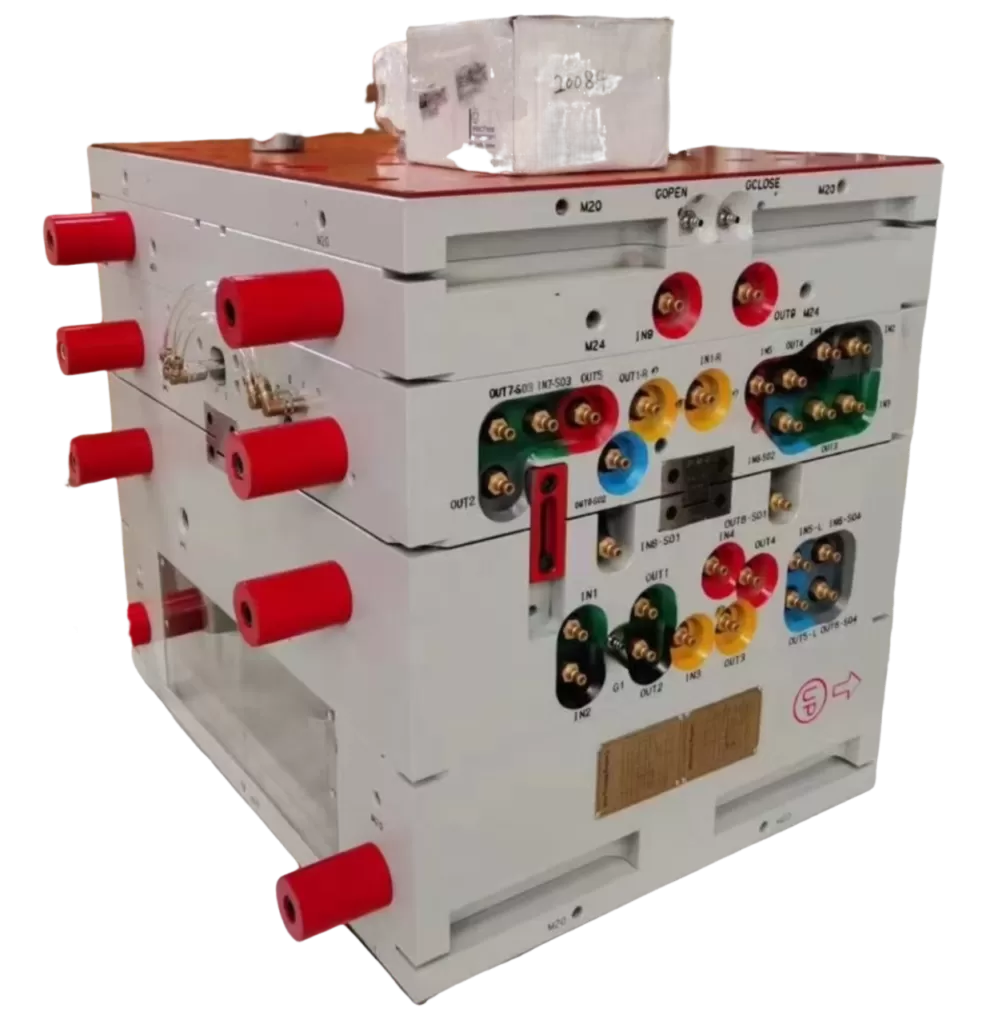
Acaba de gastar $30,000 en un molde de producción en una fábrica china. Seis meses después, quiere trasladar la producción a otro lugar — y la fábrica dice que el molde les pertenece a ellos. No, no lo enviarán. Sí, están dispuestos a seguir fabricando sus piezas. En sus términos. ¿Le suena familiar? Sucede más a menudo de lo que a nadie le gusta admitir, y la diferencia entre recuperar su molde y perderlo por completo se reduce a un documento: el acuerdo de propiedad del molde.
- Los proveedores chinos a menudo reclaman la propiedad del molde por defecto; un acuerdo por escrito es esencial
- Los acuerdos NNN protegen tu propiedad intelectual pero no establecen la propiedad del molde
- Los contratos de propiedad del molde deben ser exigibles bajo la ley china, en chino
- Incluir cláusulas claras de transferencia, almacenamiento, seguro y terminación
- La diligencia debida sobre su proveedor importa tanto como el contrato mismo
¿Qué es un acuerdo de propiedad de molde de inyección?
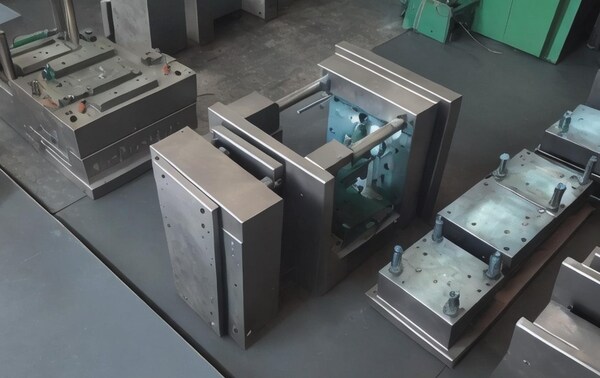
Un acuerdo de propiedad de moldes de inyección es un documento jurídico que demuestra que usted, y no la fábrica, es propietario del utillaje del molde1. En China, este documento no es opcional: sin él, muchas fábricas presuponen que son propietarias del utillaje fabricado en sus instalaciones. El acuerdo suele abarcar la propiedad intelectual del diseño del molde, los derechos de transferencia, las condiciones de almacenamiento, las obligaciones de seguro, las responsabilidades de mantenimiento y lo que sucede si el proveedor quiebra.
El acuerdo suele abarcar la propiedad intelectual del diseño del molde, los derechos de transferencia, las condiciones de almacenamiento, las obligaciones de seguro, las responsabilidades de mantenimiento y qué sucede si el proveedor quiebra. Considérelo la escritura de propiedad de un activo de seis cifras situado en el edificio de otra persona, salvo que el edificio se encuentra a 8,000 miles de distancia y el sistema jurídico local funciona de forma distinta a lo que cabría esperar.
¿Por qué se resisten las fábricas chinas a la transferencia de propiedad del molde?
La razón por la que las fábricas chinas se resisten a transferir la propiedad del molde es sencilla: conservar su utillaje garantiza ingresos recurrentes por producción. La mayoría de los proveedores chinos de moldeo por inyección operan con márgenes reducidos en la producción en masa, no en el utillaje. Su modelo de negocio depende de mantener internamente la producción de sus piezas. Algunas fábricas cotizan el utillaje al coste o incluso por debajo para asegurarse el volumen de producción futuro, una estrategia habitual entre cualquier proveedor de moldeo por inyección en China.
Esto no es inherentemente deshonesto — es una estrategia de precios común en la manufactura china. La fábrica invierte en construir tu molde a un precio competitivo porque espera recuperar esa inversión mediante la producción de piezas durante 12 a 36 meses. Cuando retiras el molde después de tres corridas de producción, ellos genuinamente pierden dinero en ese utillaje.
En ZetarMold, mantenemos una instalación interna de fabricación de moldes en Shanghái que produce más de 100 juegos de moldes al mes. Con más de 20 años de experiencia construyendo y transfiriendo moldes para compradores internacionales, hemos presenciado disputas de propiedad de primera mano, y nuestra práctica estándar es incluir términos claros de transferencia de propiedad en cada acuerdo de herramientas desde el primer día.
La implicación práctica es que debe abordar las expectativas de propiedad desde el principio, antes de que se intercambie cualquier dinero. Las fábricas que se resisten a esta conversación suelen ser las mismas que luego se resistirán a liberar su molde. En nuestra experiencia en ZetarMold, la transparencia sobre los términos de propiedad desde el primer día realmente fortalece la relación comercial — ambas partes saben exactamente cuál es su posición.
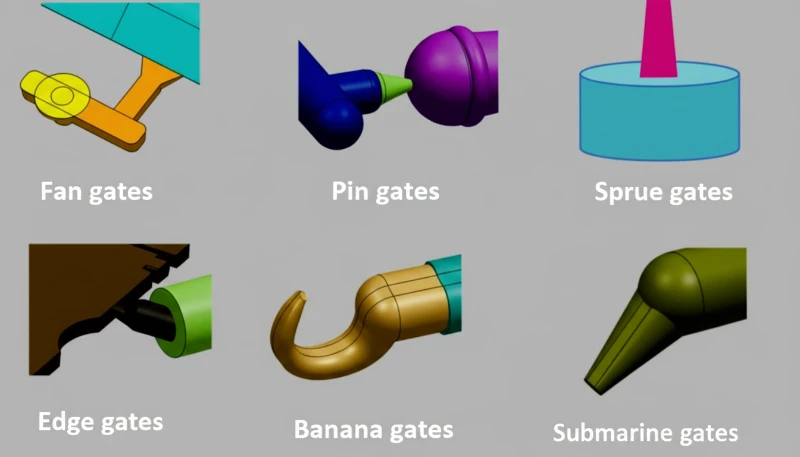
En nuestra experiencia trabajando con clientes internacionales en ZetarMold, hemos visto proyectos en los que el proveedor anterior se negó a liberar moldes valorados en más de $50,000 simplemente porque no había un acuerdo de propiedad por escrito. El comprador había pagado en su totalidad. Al proveedor no le importó — tenían la posesión física, y sin un contrato bajo la ley china, el comprador esencialmente no tenía influencia.
¿Qué cláusulas clave debe incluir un acuerdo de propiedad del molde?
Un acuerdo de propiedad del molde exigible es aquel que cubre seis cláusulas esenciales. Estas son: (1) una declaración clara de propiedad, (2) derechos de transferencia y recuperación, (3) obligaciones de almacenamiento y mantenimiento, (4) requisitos de seguro, (5) una prohibición de uso no autorizado, y (6) términos de terminación y resolución de disputas. La falta de cualquiera de estas crea una brecha que un proveedor puede explotar.
| Cláusula | Qué cubre | Por qué es importante |
|---|---|---|
| Declaración de Propiedad | Declaración explícita de que el comprador es propietario del molde y de toda la propiedad intelectual | Establece el título legal; evita reclamos por defecto del proveedor |
| Derechos de Transferencia | Condiciones y cronograma para la recuperación del molde | Sin esto, el proveedor puede retrasar indefinidamente |
| Almacenamiento y mantenimiento | Cómo se almacena el molde, quién paga el mantenimiento | Previene la degradación y los cargos sorpresa por reparaciones |
| Seguro | Quién asegura el molde y por cuánto | Protege contra pérdidas, daños o quiebra de la fábrica |
| Prohibición de Uso No Autorizado | El proveedor no puede usar el molde para otros clientes | Previene la copia o producción no autorizada |
| Términos de Terminación | Qué sucede cuando termina la relación | Define el proceso de salida y el cronograma de recuperación |
"Un acuerdo de propiedad del molde debe especificar el plazo exacto para recuperarlo."True
Incluir un plazo específico de recuperación (normalmente 30 días desde la solicitud por escrito) con penalizaciones por retraso le otorga plazos exigibles en lugar de obligaciones vagas.
"Un NDA estándar firmado en inglés basta para establecer la propiedad del molde en China."False
Un acuerdo de confidencialidad solo en inglés no establece la propiedad del molde bajo la ley china. Necesita un acuerdo de propiedad del molde separado, en chino, regido por la ley china, con disposiciones claras de transferencia de título.
¿Cómo Maneja la Ley China la Propiedad del Molde?
Según la legislación china, la propiedad del molde viene determinada por lo que establezca el contrato escrito: en chino, conforme a la legislación china y mediante arbitraje en China. Por lo general, las sentencias de tribunales extranjeros no pueden ejecutarse en China. Según el Código Civil de la República Popular China (en vigor desde enero de 2021), la propiedad del molde se rige por el contrato entre las partes. Si el contrato establece que usted es el propietario, lo es, en teoría. En la práctica, hacer valer ese derecho exige disposiciones contractuales específicas.
Esto significa que un acuerdo de propiedad del molde redactado en inglés conforme a la legislación de Nueva York carece prácticamente de valor si la fábrica está en Shenzhen y decide quedarse con su molde. Necesita un acuerdo bilingüe —en el que prevalezca el texto chino en caso de discrepancia— registrado ante una institución de arbitraje china reconocida. Cuesta más al principio, pero es la única versión que una fábrica china respetará realmente.
¿Cuál es la diferencia entre un acuerdo NNN y un acuerdo de propiedad del molde?
Un acuerdo NNN2 y un acuerdo de propiedad del molde son dos documentos distintos que protegen elementos diferentes: su propiedad intelectual y su utillaje físico. Un acuerdo NNN (no divulgación, no uso y no elusión) protege su propiedad intelectual, incluidos diseños, planos y especificaciones. Un acuerdo de propiedad del molde protege su activo físico: el propio utillaje de acero del molde de inyección. Cumplen funciones diferentes y necesita ambos.
Hemos visto compradores que contaban con un NNN sólido, pero perdieron sus moldes porque nunca firmaron un acuerdo de propiedad independiente. El NNN impedía que el proveedor copiara el diseño —en teoría—, pero no decía nada sobre quién era el propietario del molde físico. La fábrica argumentó, con éxito, que, sin una cláusula de propiedad específica, el molde le pertenecía conforme a la costumbre mercantil local. Dos documentos distintos, dos protecciones distintas. No omita ninguno.
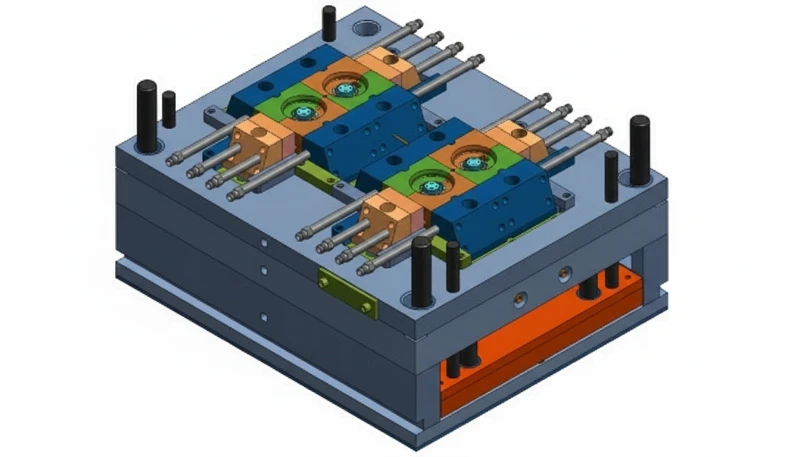
La lección es sencilla: nunca suponga que un solo documento lo cubre todo. La protección de la IP y la de los activos físicos son necesidades jurídicas paralelas pero distintas, y los tribunales chinos las tratan como asuntos separados que requieren bases contractuales independientes.
El alcance de la protección difiere de forma fundamental. Un NNN impide que la fábrica comparta sus archivos CAD o fabrique su producto sin permiso; aborda la seguridad de la información. Un acuerdo de propiedad del molde aborda los derechos de propiedad: quién ostenta la titularidad, quién controla el acceso y qué sucede con el acero físico cuando termina la relación. En la práctica jurídica china, se trata de conceptos legales distintos regulados por ámbitos jurídicos diferentes.
"Grabar el nombre de su empresa en el molde ayuda a demostrar la propiedad en caso de disputa."True
El marcado físico del molde con la identificación del comprador respalda la reclamación Bailment3 y dificulta que la fábrica sostenga que el molde forma parte de sus activos.
"Los tribunales chinos ejecutarán sentencias extranjeras en disputas sobre la propiedad de moldes."False
China no suele ejecutar sentencias de tribunales extranjeros. Su acuerdo de propiedad del molde debe especificar un arbitraje chino (p. ej., CIETAC) para que la resolución de disputas sea ejecutable.
¿Cuándo debe negociar los términos de propiedad del molde?
El mejor momento para negociar las condiciones de propiedad del molde es antes de cursar el pedido, no durante la producción y, desde luego, tampoco después. El proveedor tiene el máximo interés en conseguir su negocio durante la fase de cotización y selección. Una vez pagado el depósito y comenzado el corte del acero, su capacidad de negociación disminuye significativamente.
Incluya las condiciones de propiedad en su RFQ inicial o en el acuerdo de compra. Deje claro desde el primer contacto que la propiedad del molde es una condición innegociable. Los proveedores que se niegan a firmar un acuerdo de propiedad antes de aceptar el pedido del molde están revelando algo importante sobre cómo será la relación.
En términos prácticos, esta es la secuencia de negociación que recomendamos: (1) Firme primero el NNN, antes de compartir cualquier archivo de diseño. (2) Incluya las condiciones de propiedad del molde en el acuerdo de fabricación o en un anexo independiente. (3) Pague el molde únicamente después de que ambos documentos estén formalizados. (4) Exija recibir los archivos de diseño del molde (datos CAD) como parte de la entrega. Este enfoque de cuatro pasos protege tanto su propiedad intelectual como su inversión en el molde físico.
"Un acuerdo de propiedad del molde debe indicar quién está autorizado para recogerlo en nombre del comprador."True
Especificar en el acuerdo un representante autorizado o agente externo evita disputas sobre quién tiene derecho a tomar posesión física del molde durante su recuperación.
"Una vez firmado un acuerdo de propiedad del molde, no necesita un acuerdo NNN."False
Cumplen finalidades distintas. El acuerdo de propiedad cubre el molde físico; el NNN protege la propiedad intelectual de su diseño. Necesita ambos para disponer de una protección completa.
¿Qué le sucede a su molde si el proveedor chino quiebra?
En una quiebra china, su molde se trata como activo de la fábrica salvo exclusión expresa en el contrato. Es una cláusula que muchos compradores ignoran y una de las más importantes. Sin una exclusión específica, usted será otro acreedor no garantizado en espera.
La solución es una cláusula contractual que establezca que el molde es propiedad del comprador y se mantiene en custodia (una relación de depósito conforme a la legislación china), no un activo de la fábrica. Junto con una etiqueta de equipo o un grabado que muestre el nombre del comprador y el número de activo, esto refuerza la pretensión de que el molde no forma parte de la masa concursal de la fábrica. No es infalible — los procedimientos de quiebra chinos pueden ser impredecibles — pero aporta un argumento jurídico del que carecen las reclamaciones basadas únicamente en la posesión.
Recomendamos incluir una disposición específica que excluya el molde de cualquier reclamación de acreedores, prenda o gravamen por parte de la fábrica o de sus filiales. Además, exija a la fábrica que mantenga un almacenamiento separado para los moldes propiedad de los clientes, físicamente diferenciado de su propio inventario de utillajes. Estas separaciones estructurales, combinadas con la documentación adecuada, mejoran considerablemente su posición en cualquier situación de insolvencia.
¿Cómo se recupera físicamente un molde de una fábrica china?
La recuperación del molde es un proceso formal. Debe invocar su acuerdo de propiedad, enviar una solicitud de transferencia con 30 días de antelación y organizar el envío. Si la fábrica se niega, su recurso es el arbitraje conforme a la legislación china. Los pasos prácticos son: (1) Enviar una solicitud formal por escrito que cite el acuerdo de propiedad y establezca un plazo razonable (normalmente 30 días). (2) Organizar y pagar el envío, el seguro y cualquier coste de mantenimiento pendiente. (3) Pedir a un inspector externo que verifique el estado del molde antes de que salga de la fábrica. (4) Si la fábrica se niega, iniciar un arbitraje conforme a la cláusula de resolución de disputas del contrato.
En nuestra fábrica de Shanghai, ZetarMold opera 47 máquinas de moldeo por inyección de entre 90T y 1850T. Cuando un cliente necesita recuperar un molde y trasladar la producción a nuestras instalaciones, normalmente podemos validar el molde y comenzar el muestreo en un plazo de dos semanas, porque nuestra gama de equipos cubre prácticamente cualquier especificación de molde.
El propio proceso de recuperación puede tardar 2–6 semanas en circunstancias normales. Si hay resistencia, el arbitraje en China puede tardar 6–12 meses. Por eso el acuerdo debe especificar un plazo de transferencia claro y sanciones por incumplimiento. Una cláusula que establezca que la fábrica debe entregar el molde en un plazo de 30 días desde la solicitud por escrito, con una penalización diaria por retraso, le ofrece un recurso cuantificable.
Algunos compradores encargan la recuperación del molde a un agente de compras de moldeo por inyección o a un proveedor logístico externo. Esto puede reducir la fricción, ya que la fábrica quizá prefiera entregar el molde a una parte neutral antes que a un competidor. En cualquier caso, asegúrese de que el acuerdo de propiedad identifique a quién autoriza para recoger el molde en su nombre.
¿Cuáles son las Preguntas Más Comunes Sobre la Propiedad del Molde en China?
¿Puede una fábrica china retener legalmente mi molde si no existe un acuerdo por escrito?
Sí. Sin un acuerdo escrito de propiedad regido por la legislación china, la fábrica puede reclamar la propiedad basándose en la posesión y la costumbre industrial. Los acuerdos verbales son extremadamente difíciles de hacer cumplir en China y las confirmaciones por correo electrónico por sí solas tienen un peso jurídico limitado ante los tribunales chinos. La posición legal predeterminada en muchas jurisdicciones chinas favorece a quien posee físicamente el utillaje, casi siempre la fábrica que construyó y alojó el molde en sus instalaciones. Por eso un contrato bilingüe formal no es opcional: es la única protección fiable para su inversión en utillaje.
¿Cuánto cuesta redactar un acuerdo de propiedad del molde?
Un abogado de fabricación cualificado y especializado en China suele cobrar $2,000–$5,000 por un acuerdo integral de propiedad del molde que incluya disposiciones NNN. Esto representa una fracción del valor de sustitución del molde: la mayoría de los moldes de producción para moldeo por inyección cuestan entre $10,000 y $80,000, según el número de cavidades, el grado de acero y la complejidad geométrica. Considere el coste del acuerdo como una prima de seguro que protege un activo de fabricación de gran valor situado en una fábrica a miles de kilómetros y sujeto a un sistema jurídico con el que quizá no esté familiarizado.
¿El acuerdo de propiedad del molde debe estar en chino o en inglés?
Ambos idiomas, con el texto chino designado expresamente en el propio contrato como la versión rectora y prevalente. Los tribunales y organismos de arbitraje chinos se basan exclusivamente en el texto chino como documento jurídico vinculante para cualquier proceso de resolución de disputas. Toda discrepancia entre las versiones inglesa y china se resolverá utilizando el texto chino, por lo que ambas versiones deben ser redactadas con cuidado y coherencia por asesores jurídicos cualificados especializados en contratos de fabricación transfronterizos y en la preparación y ejecución de acuerdos comerciales bilingües.
¿Qué ocurre si mi proveedor se niega a firmar un acuerdo de propiedad del molde?
Busque inmediatamente otro proveedor: este punto es inaceptable. Una fábrica que no acepta condiciones básicas de propiedad indica claramente que pretende retener su utillaje como medio de presión para mantener la relación comercial. Es una señal de alarma no negociable en cualquier colaboración de moldeo por inyección, independientemente de lo competitivos que parezcan sus precios por pieza. El riesgo a largo plazo de perder el acceso a un molde valorado en decenas de miles de dólares supera con creces cualquier ahorro a corto plazo que esa fábrica pueda ofrecer en los precios de las piezas individuales.
¿Puedo contratar un seguro de molde para proteger mi inversión en China?
Sí, los seguros de utillaje están disponibles a través de aseguradoras de crédito comercial y proveedores especializados de seguros de fabricación que conocen el mercado chino. Estas pólizas pueden cubrir la pérdida del molde, daños físicos o situaciones de incumplimiento del proveedor. Su acuerdo de propiedad debe exigir que la fábrica mantenga un seguro integral que lo designe como beneficiario de la indemnización, con una cobertura igual al coste total de sustitución del utillaje del molde. Esto proporciona un respaldo financiero que funciona con total independencia de la salud financiera de la fábrica o de su disposición a cooperar con las solicitudes de recuperación del molde en cualquier momento.
¿Pagar íntegramente el molde me convierte automáticamente en su propietario en China?
No, el pago por sí solo no establece la propiedad conforme a la práctica mercantil o al derecho contractual chino. Para demostrar la titularidad legal en cualquier disputa se necesita un acuerdo escrito que declare la propiedad, separado del justificante de pago, la orden de compra o la factura comercial. La factura de la fábrica confirma que pagó por servicios de utillaje, pero no establece que sea propietario del activo físico resultante, es decir, el molde. Solo un acuerdo de propiedad específico con una estructura jurídica adecuada crea ese derecho exigible conforme al Código Civil de la República Popular China.
¿Cuánto dura el arbitraje para recuperar un molde en China?
El arbitraje de CIETAC suele tardar entre 6–12 meses en resolver disputas sobre la propiedad de moldes, desde la presentación inicial hasta la emisión del laudo arbitral definitivo. Las comisiones locales de arbitraje de grandes ciudades manufactureras como Shenzhen, Dongguan o Shanghai pueden resolver los casos con mayor rapidez, a veces en 3–6 meses, pero la velocidad de ejecución varía considerablemente según la jurisdicción y el grado de cooperación de los tribunales locales. Incluya siempre en el acuerdo de propiedad una cláusula de arbitraje específica que indique la institución, la ciudad y el idioma aplicable, a fin de minimizar los retrasos procesales y las disputas jurisdiccionales durante el arbitraje.
¿Qué debo hacer si un proveedor usa mi molde para otro cliente?
Envíe de inmediato una carta formal escrita de cese y desistimiento, citando tanto su acuerdo NNN como su acuerdo de propiedad del molde como fundamento jurídico de la reclamación. Documente minuciosamente el uso no autorizado con fotografías de las piezas copiadas, muestras físicas adquiridas a través de terceros y registros de envío antes de emprender cualquier acción legal formal. Si el proveedor continúa la producción no autorizada tras recibir la notificación, inicie sin demora un procedimiento de arbitraje conforme a la cláusula de resolución de disputas del contrato. Actuar con rapidez y documentarlo todo exhaustivamente refuerza de manera significativa su posición jurídica.
Regla rápida: antes de pagar el utillaje en China, tenga preparados dos documentos: un NNN para su propiedad intelectual y un acuerdo de propiedad del molde, en chino y conforme a la legislación china, para el molde físico. Si la fábrica no firma ambos, descártela. Ningún descuento compensa perder un molde costoso. En ZetarMold proporcionamos acuerdos transparentes de propiedad del molde como práctica habitual: su utillaje es un activo suyo, no una moneda de cambio. Con 47 máquinas de moldeo por inyección en Shanghái, más de 100 moldes entregados al mes y 8 ingenieros sénior de moldes de inyección en plantilla, contamos con la escala y las prácticas documentales necesarias para proteger su inversión. Solicite un presupuesto gratuito y permítanos mostrarle lo sencilla que puede ser la propiedad del molde.
Utillaje del molde: se refiere al molde de acero de precisión utilizado en el moldeo por inyección para transformar plástico fundido en piezas acabadas; suele costar entre $5,000 y $100,000 según su complejidad. ↩
Acuerdo NNN: un acuerdo de no divulgación, no uso y no elusión es un contrato de tres partes utilizado habitualmente en la fabricación en China para proteger la propiedad intelectual del comprador frente a su divulgación, uso no autorizado y elusión por parte del proveedor. ↩
Depósito: es una relación jurídica en la que una parte mantiene temporalmente bienes de otra; en este contexto, una fábrica conserva el utillaje del molde de un cliente sin ser su propietaria. ↩