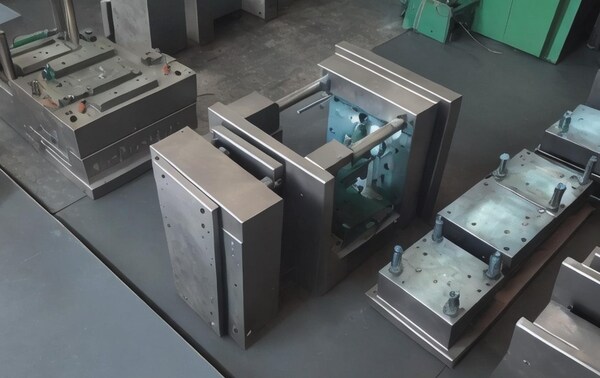
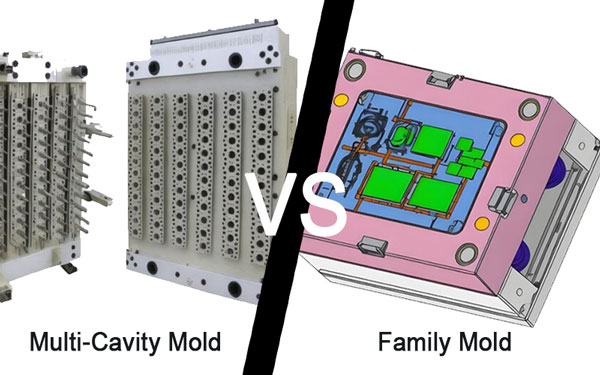
Sie haben gerade 30.000 € für ein Produktionswerkzeug in einer chinesischen Fabrik ausgegeben. Ein halbes Jahr später wollen Sie die Produktion woanders hin verlagern – und die Fabrik behauptet, das Werkzeug gehöre ihnen. Nein, sie werden es nicht versenden. Ja, sie sind bereit, weiterhin Ihre Teile zu fertigen. Zu ihren Bedingungen. Kommt Ihnen das bekannt vor? Das passiert häufiger, als man gerne zugibt, und der Unterschied zwischen der Rückerlangung Ihres Werkzeugs und dessen vollständigem Verlust liegt in einem Dokument: der Werkzeug-Eigentumsvereinbarung.
- Chinesische Lieferanten beanspruchen oft standardmäßig den Formbesitz – eine schriftliche Vereinbarung ist unerlässlich
- NNN-Vereinbarungen schützen Ihr geistiges Eigentum, begründen aber keine Formbesitzrechte
- Werkzeugbesitzverträge müssen unter chinesischem Recht durchsetzbar sein, in chinesischer Sprache
- Klare Transfer-, Lagerungs-, Versicherungs- und Beendigungsklauseln einbeziehen
- Die Due-Diligence-Prüfung Ihres Lieferanten ist genauso wichtig wie der Vertrag selbst
Was ist ein Werkzeugbesitzvertrag für Spritzguss?
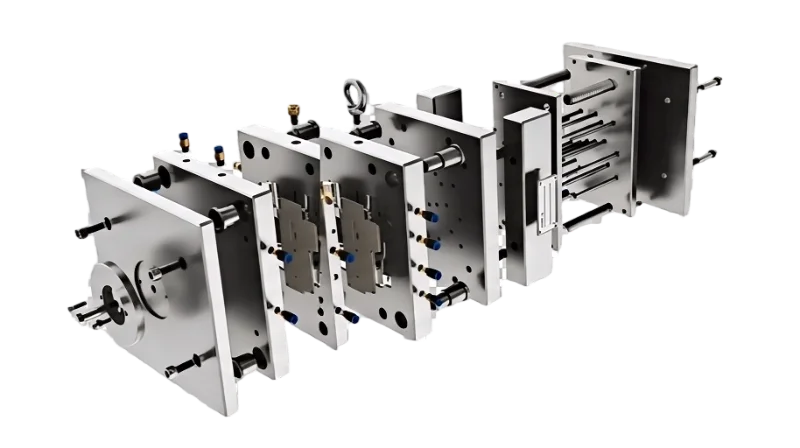
Eine Eigentumsvereinbarung für Spritzgussformen ist ein rechtsgültiges Dokument, das beweist, dass Sie – und nicht das Werk – Eigentümer Ihres Formenwerkzeuge1 sind. In China ist dieses Dokument nicht optional: Ohne es gehen viele Fabriken standardmäßig davon aus, dass sie Eigentümer der Werkzeuge sind, die sie auf ihrem Gelände hergestellt haben. Die Vereinbarung umfasst in der Regel das geistige Eigentum an der Formenkonstruktion, Übertragungsrechte, Lagerbedingungen, Versicherungspflichten, Wartungsverpflichtungen und was passiert, wenn der Lieferant in Konkurs geht.
Die Vereinbarung regelt üblicherweise geistiges Eigentum an der Werkzeugkonstruktion, Übertragungsrechte, Lagerbedingungen, Versicherungspflichten, Wartungsverantwortung und das Vorgehen bei Insolvenz des Lieferanten. Betrachten Sie sie als Eigentumsurkunde für einen sechsstelligen Vermögenswert im Gebäude eines anderen — nur dass dieses Gebäude 8,000 Meilen entfernt ist und das örtliche Rechtssystem anders funktioniert als erwartet.
Warum sträuben sich chinesische Fabriken gegen die Übertragung der Werkzeugeigentumsrechte?
Der Grund, warum chinesische Fabriken sich der Übertragung des Formeneigentums widersetzen, ist einfach: Die Beibehaltung Ihrer Werkzeuge sichert Ihnen wiederkehrende Produktionseinnahmen. Die meisten chinesischen Spritzguss-Lieferanten erzielen geringe Margen aus der Massenproduktion und nicht aus der Werkzeugherstellung. Ihr Geschäftsmodell basiert darauf, dass Ihre Teileproduktion im eigenen Haus erfolgt. Einige Fabriken bieten Werkzeuge zum Selbstkostenpreis oder darunter an, um sich gezielt zukünftige Produktionsmengen zu sichern – eine gängige Strategie aller Spritzgusslieferant in China.
Dies ist nicht grundsätzlich unehrlich – es ist eine übliche Preisstrategie in der chinesischen Fertigung. Die Fabrik investiert in den Bau Ihres Werkzeugs zu einem wettbewerbsfähigen Preis, weil sie erwarten, diese Investition durch die Teilproduktion über 12–36 Monate zurückzuerhalten. Wenn Sie das Werkzeug nach drei Produktionsläufen herausziehen, verlieren sie tatsächlich Geld für dieses Werkzeug.
Bei ZetarMold halten wir eine eigene Werkzeugfertigungsanlage in Shanghai, die über 100 Werkzeugsets pro Monat produziert. Mit über 20 Jahren Erfahrung im Bau und Transfer von Werkzeugen für internationale Käufer haben wir Besitzstreitigkeiten direkt erlebt – und unsere Standardpraxis ist, klare Besitztransferkonditionen in jedes Werkzeugvertrag von Anfang an einzubinden.
Die praktische Konsequenz ist, dass Sie die Eigentumsfragen im Voraus klären müssen, bevor Geld fließt. Fabriken, die sich gegen dieses Gespräch sträuben, sind oft dieselben, die sich später weigern werden, Ihr Werkzeug herauszugeben. Nach unseren Erfahrungen bei ZetarMold stärkt Transparenz bezüglich der Eigentumsbedingungen von Anfang an tatsächlich die Geschäftsbeziehung – beide Parteien wissen genau, woran sie sind.
Nach unseren Erfahrungen mit internationalen Kunden bei ZetarMold haben wir Projekte gesehen, bei denen der vorherige Lieferant die Herausgabe von Werkzeugen im Wert von über 50.000 € verweigerte, einfach weil keine schriftliche Eigentumsvereinbarung vorlag. Der Käufer hatte vollständig bezahlt. Den Lieferanten kümmerte das nicht – sie hatten den physischen Besitz, und ohne einen Vertrag nach chinesischem Recht hatte der Käufer praktisch keine Hebelwirkung.
Welche wesentlichen Klauseln muss ein Werkzeugbesitzvertrag enthalten?
Ein durchsetzbarer Werkzeugbesitzvertrag ist einer, der sechs wesentliche Klauseln umfasst. Diese sind: (1) eine klare Besitzdeklaration, (2) Transfer- und Rückholrechte, (3) Lagerungs- und Wartungspflichten, (4) Versicherungsanforderungen, (5) ein Verbot von unautorisiertem Gebrauch und (6) Beendigung- und Streitbeilegungskonditionen. Wenn eine davon fehlt, entsteht eine Lücke, die ein Lieferant ausnutzen kann.
| Klausel | Was es abdeckt | Warum es wichtig ist |
|---|---|---|
| Besitzdeklaration | Explizite Aussage, dass der Käufer das Werkzeug und alle IP besitzt | Etabliert rechtlichen Besitz – verhindert Standardlieferantansprüche |
| Übertragungsrechte | Bedingungen und Zeitplan für die Werkzeugrückgabe | Ohne dies kann der Lieferant unbegrenzt verzögern |
| Lagerung und Instandhaltung | Wie die Form gelagert wird, wer die Unterhaltskosten trägt | Verhindert Verschlechterung und unerwartete Reparaturkosten |
| Versicherung | Wer versichert die Form und in welcher Höhe | Schützt gegen Verlust, Beschädigung oder Fabrikbankrott |
| Nutzungsverbot | Lieferant kann Werkzeug nicht für andere Kunden verwenden | Verhindert unbefugtes Kopieren oder Produzieren |
| Kündigungsbedingungen | Was passiert, wenn die Beziehung endet | Definiert den Austrittsprozess und den Rückholzeitplan |
„Eine Vereinbarung über das Werkzeugeigentum sollte den genauen Zeitrahmen für die Rückholung des Werkzeugs festlegen.“True
Die Aufnahme eines konkreten Rückgabetermins (typischerweise 30 Tage nach schriftlicher Aufforderung) mit Verzugsfolgen gibt Ihnen durchsetzbare Fristen anstelle vager Verpflichtungen.
"Eine auf Englisch unterzeichnete Standard-NDA reicht aus, um das Eigentum am Werkzeug in China zu begründen."False
Eine nur englische Geheimhaltungsvereinbarung etabliert keinen Werkzeugbesitz unter chinesischem Recht. Sie benötigen einen separaten Werkzeugbesitzvertrag in chinesischer Sprache, unter chinesischem Recht, mit klaren Besitztransferbestimmungen.
Wie regelt das chinesische Recht den Formbesitz?
Nach chinesischem Recht richtet sich das Eigentum am Werkzeug nach dem schriftlichen Vertrag — in chinesischer Sprache, nach chinesischem Recht und mit chinesischer Schiedsgerichtsbarkeit. Urteile ausländischer Gerichte sind in China grundsätzlich nicht vollstreckbar. Nach dem Zivilgesetzbuch der PRC, das seit Januar 2021 gilt, folgt das Werkzeugeigentum dem Vertrag zwischen den Parteien. Legt der Vertrag Ihr Eigentum fest, gehört es theoretisch Ihnen. In der Praxis erfordert die Durchsetzung konkrete Vertragsbestimmungen.
Das bedeutet, dass eine auf Englisch und nach New Yorker Recht verfasste Vereinbarung über das Eigentum am Werkzeug praktisch wertlos ist, wenn sich das Werk in Shenzhen befindet und beschließt, Ihr Werkzeug einzubehalten. Sie benötigen eine zweisprachige Vereinbarung, bei der im Fall einer Abweichung der chinesische Text maßgeblich ist und die bei einer anerkannten chinesischen Schiedsinstitution hinterlegt wird. Dies verursacht höhere Anfangskosten, ist jedoch die einzige Fassung, die ein chinesisches Werk tatsächlich respektieren wird.
Was ist der Unterschied zwischen einer NNN-Vereinbarung und einer Formbesitzvereinbarung?
Ein NNN-Vereinbarung2 und ein Formeneigentumsvertrag sind zwei separate Dokumente, die unterschiedliche Dinge schützen – Ihr geistiges Eigentum und Ihre physischen Werkzeuge. Eine NNN-Vereinbarung (Non-Disclosure, Non-Use, Non-Circumvention) schützt Ihr geistiges Eigentum – Entwürfe, Zeichnungen, Spezifikationen. Eine Formeneigentumsvereinbarung schützt Ihr physisches Gut – die Spritzgussform-Stahlwerkzeuge selbst. Sie dienen unterschiedlichen Zwecken, und Sie brauchen beides.
Wir haben Käufer erlebt, die zwar über eine solide NNN-Vereinbarung verfügten, ihre Werkzeuge jedoch verloren, weil sie nie eine separate Eigentumsvereinbarung unterzeichnet hatten. Die NNN-Vereinbarung hinderte den Lieferanten – theoretisch – daran, die Konstruktion zu kopieren, sagte jedoch nichts darüber aus, wem das physische Werkzeug gehörte. Das Werk argumentierte erfolgreich, dass das Werkzeug ohne eine ausdrückliche Eigentumsklausel nach örtlicher Geschäftspraxis ihm gehöre. Zwei unterschiedliche Dokumente, zwei unterschiedliche Schutzwirkungen. Verzichten Sie auf keines von beiden.
Die Lehre ist eindeutig: Gehen Sie niemals davon aus, dass ein Dokument alles abdeckt. Der Schutz geistigen Eigentums und der Schutz physischer Vermögenswerte sind parallele, aber unterschiedliche rechtliche Anforderungen; chinesische Gerichte behandeln sie als getrennte Sachverhalte, die jeweils eine eigene vertragliche Grundlage erfordern.
Der Schutzumfang unterscheidet sich grundlegend. Eine NNN-Vereinbarung verhindert, dass das Werk Ihre CAD-Dateien weitergibt oder Ihr Produkt ohne Erlaubnis herstellt — sie betrifft die Informationssicherheit. Eine Vereinbarung zum Eigentum an der Form regelt Eigentumsrechte: wer Rechtsinhaber ist, wer den Zugang kontrolliert und was nach Ende der Geschäftsbeziehung mit dem physischen Stahl geschieht. In der chinesischen Rechtspraxis sind dies getrennte Rechtskonzepte aus unterschiedlichen Rechtsgebieten.
"Die Gravur Ihres Firmennamens auf dem Werkzeug unterstützt im Streitfall den Eigentumsnachweis."True
Die physische Kennzeichnung des Werkzeugs mit der Käuferidentifikation stützt den Bailment3-Anspruch und erschwert es dem Werk, das Werkzeug als Teil seines Vermögens darzustellen.
"Chinesische Gerichte vollstrecken ausländische Gerichtsurteile bei Streitigkeiten über das Eigentum an Werkzeugen."False
China vollstreckt ausländische Gerichtsurteile im Allgemeinen nicht. Ihre Vereinbarung über das Eigentum am Werkzeug muss für eine vollstreckbare Streitbeilegung ein chinesisches Schiedsverfahren (z. B. CIETAC) vorsehen.
Wann sollten Sie die Besitzrechte an der Form aushandeln?
Der beste Zeitpunkt, um die Eigentumsbedingungen für das Werkzeug auszuhandeln, ist vor der Werkzeugbestellung — nicht während der Produktion und schon gar nicht danach. Während der Angebots- und Lieferantenauswahlphase ist der Lieferant am stärksten an Ihrem Auftrag interessiert. Sobald Sie die Anzahlung geleistet haben und die Stahlbearbeitung läuft, sinkt Ihre Verhandlungsmacht erheblich.
Nehmen Sie die Eigentumsbedingungen bereits in Ihre erste RFQ oder Einkaufsvereinbarung auf. Stellen Sie vom ersten Kontakt an klar, dass das Eigentum am Werkzeug nicht verhandelbar ist. Lieferanten, die vor Annahme Ihres Werkzeugauftrags keine Eigentumsvereinbarung unterzeichnen wollen, geben damit einen wichtigen Hinweis auf den voraussichtlichen Verlauf der Geschäftsbeziehung.
In der Praxis empfehlen wir folgende Verhandlungsabfolge: (1) Unterzeichnen Sie zunächst die NNN-Vereinbarung, bevor Sie Konstruktionsdateien weitergeben. (2) Nehmen Sie Bestimmungen zum Eigentum an der Form in den Fertigungsvertrag oder einen separaten Nachtrag auf. (3) Bezahlen Sie die Werkzeugkosten erst, nachdem beide Dokumente unterzeichnet wurden. (4) Bestehen Sie darauf, die Formkonstruktionsdateien (CAD-Daten) als Teil der Lieferung zu erhalten. Dieser vierstufige Ansatz schützt sowohl Ihr geistiges Eigentum als auch Ihre Investition in die physischen Werkzeuge.
„Eine Vereinbarung über das Eigentum am Werkzeug sollte festlegen, wer berechtigt ist, das Werkzeug im Namen des Käufers abzuholen.“True
Die Benennung eines bevollmächtigten Vertreters oder externen Beauftragten in der Vereinbarung verhindert Streit darüber, wer bei der Rückholung das Werkzeug physisch in Besitz nehmen darf.
"Nach Unterzeichnung einer Vereinbarung über das Werkzeugeigentum benötigen Sie keine NNN-Vereinbarung mehr."False
Sie dienen unterschiedlichen Zwecken. Die Eigentumsvereinbarung betrifft das physische Werkzeug; die NNN-Vereinbarung schützt Ihr geistiges Eigentum (IP) an der Konstruktion. Für einen vollständigen Schutz benötigen Sie beides.
Was passiert mit Ihrem Werkzeug, wenn der chinesische Lieferant bankrott geht?
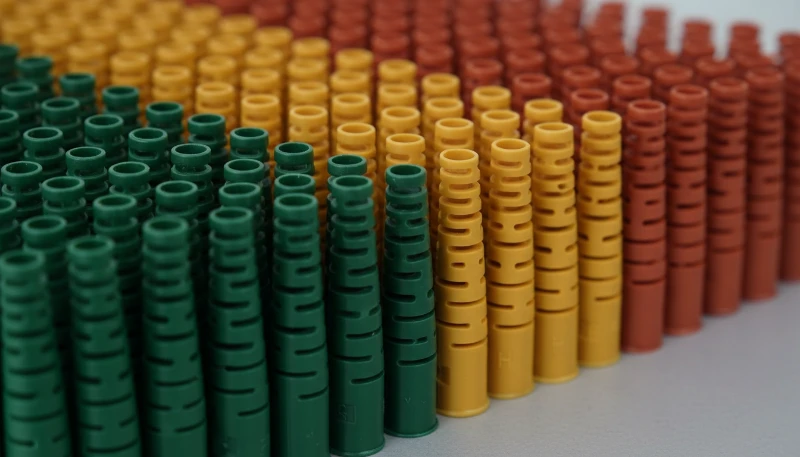
Ihr Werkzeug wird in einem chinesischen Insolvenzverfahren als Betriebsvermögen behandelt – sofern Ihre Vereinbarung es nicht ausdrücklich ausnimmt. An diese Klausel denken die meisten Käufer nicht, obwohl sie zu den wichtigsten gehört. Ohne eine ausdrückliche Ausnahmeregelung für den Insolvenzfall sind Sie lediglich ein weiterer ungesicherter Gläubiger in der Warteschlange.
Die Lösung ist eine Vertragsklausel, nach der das Werkzeug Eigentum des Käufers und lediglich beim Lieferanten verwahrt ist — ein Verwahrungsverhältnis nach chinesischem Recht — und kein Betriebsvermögen der Fabrik darstellt. Zusammen mit einem Anlagenschild oder einer Gravur mit Käufername und Anlagennummer stärkt dies den Anspruch, dass das Werkzeug nicht zur Insolvenzmasse der Fabrik gehört. Das ist nicht vollkommen sicher — chinesische Insolvenzverfahren können unvorhersehbar sein —, schafft jedoch ein rechtliches Argument, das bei rein besitzbezogenen Ansprüchen fehlt.
Wir empfehlen eine ausdrückliche Klausel, nach der das Werkzeug von Gläubigeransprüchen, Verpfändungen oder Pfandrechten der Fabrik oder ihrer verbundenen Unternehmen ausgeschlossen ist. Verlangen Sie außerdem, dass kundeneigene Werkzeuge getrennt und physisch vom eigenen Werkzeugbestand abgegrenzt gelagert werden. Diese strukturellen Trennungen verbessern zusammen mit einer ordnungsgemäßen Dokumentation Ihre Position in jedem Insolvenzszenario erheblich.
Wie holt man eine Form physisch von einer chinesischen Fabrik ab?
Die Rückholung eines Werkzeugs ist ein formelles Verfahren. Sie berufen sich auf Ihre Eigentumsvereinbarung, stellen einen Übertragungsantrag mit einer Frist von 30 Tagen und organisieren den Versand. Verweigert das Werk die Herausgabe, steht Ihnen ein Schiedsverfahren nach chinesischem Recht offen. Die praktischen Schritte lauten: (1) Senden Sie eine formelle schriftliche Aufforderung unter Bezugnahme auf die Eigentumsvereinbarung und setzen Sie eine angemessene Frist (typischerweise 30 Tage). (2) Organisieren und bezahlen Sie Versand, Versicherung und alle ausstehenden Wartungskosten. (3) Lassen Sie den Zustand des Werkzeugs vor dem Verlassen des Werks von einem unabhängigen Prüfer bestätigen. (4) Verweigert das Werk die Herausgabe, leiten Sie ein Schiedsverfahren gemäß der Streitbeilegungsklausel des Vertrags ein.
In unserer Fabrik in Shanghai betreibt ZetarMold 47 Spritzgießmaschinen von 90T bis 1850T. Wenn ein Kunde ein Werkzeug zurückholen und die Produktion in unser Werk verlagern muss, können wir das Werkzeug üblicherweise innerhalb von zwei Wochen qualifizieren und mit der Bemusterung beginnen — denn der Maschinenbereich deckt praktisch jede Werkzeugspezifikation ab.
Die Rückholung selbst kann unter normalen Umständen 2–6 Wochen dauern. Bei Widerstand kann ein Schiedsverfahren in China 6–12 Monate in Anspruch nehmen. Deshalb muss die Vereinbarung einen klaren Übergabezeitplan und Vertragsstrafen bei Nichteinhaltung festlegen. Eine Klausel, nach der das Werk das Werkzeug innerhalb von 30 Tagen nach einer schriftlichen Aufforderung freigeben muss und für Verzögerungen eine tägliche Vertragsstrafe anfällt, verschafft Ihnen einen messbaren Rechtsbehelf.
Manche Käufer beauftragen einen Beschaffungsagenten für Spritzguss oder einen externen Logistikdienstleister mit der Abholung. Dies kann Reibungsverluste reduzieren, da das Werk die Form möglicherweise eher an eine neutrale Partei als an einen Wettbewerber herausgibt. In jedem Fall muss die Eigentumsvereinbarung festlegen, wer die Form in Ihrem Namen abholen darf.
Was sind die häufigsten Fragen über Werkzeugbesitz in China?
Darf ein chinesischer Betrieb mein Werkzeug ohne schriftliche Vereinbarung rechtmäßig einbehalten?
Ja. Ohne eine schriftliche Eigentumsvereinbarung nach chinesischem Recht kann das Werk aufgrund des Besitzes und der Fertigungsgepflogenheiten Eigentum beanspruchen. Mündliche Vereinbarungen sind in China äußerst schwer durchzusetzen; E-Mail-Bestätigungen allein haben vor chinesischen Gerichten nur begrenztes rechtliches Gewicht. In vielen chinesischen Rechtsordnungen begünstigt die gesetzliche Ausgangslage die Partei im physischen Besitz des Werkzeugs – fast immer das Werk, das die Form gebaut hat und auf seinem Gelände verwahrt. Deshalb ist ein formaler zweisprachiger Vertrag unverzichtbar: Er ist der einzige verlässliche Schutz Ihrer Werkzeuginvestition.
Wie viel kostet die Ausarbeitung einer Vereinbarung über das Eigentum an der Form?
Ein qualifizierter, auf China ausgerichteter Anwalt für Fertigungsrecht berechnet für eine umfassende Vereinbarung über das Eigentum an Formen einschließlich NNN-Bestimmungen üblicherweise $2,000–$5,000. Dies entspricht nur einem Bruchteil des Wiederbeschaffungswerts der Form — die meisten Produktionsformen für den Spritzguss kosten abhängig von Kavitätenzahl, Stahlsorte und geometrischer Komplexität zwischen $10,000 und $80,000. Betrachten Sie die Kosten der Vereinbarung als Versicherungsprämie zum Schutz eines hochwertigen Fertigungsmittels, das Tausende Kilometer entfernt in einem Werk und unter einem Ihnen möglicherweise nicht vertrauten Rechtssystem steht.
Sollte die Vereinbarung über das Eigentum am Werkzeug auf Chinesisch oder Englisch verfasst sein?
Beide Sprachen, wobei der chinesische Text im Vertrag selbst ausdrücklich als maßgebliche und verbindliche Fassung festgelegt wird. Chinesische Gerichte und Schiedsstellen stützen sich bei sämtlichen Streitbeilegungsverfahren ausschließlich auf den chinesischen Text als rechtsverbindliches Dokument. Abweichungen zwischen der englischen und der chinesischen Fassung werden anhand des chinesischen Textes geklärt. Daher müssen beide Fassungen von qualifizierten Rechtsberatern, die auf grenzüberschreitende Fertigungsverträge sowie die Ausarbeitung und Durchsetzung zweisprachiger Handelsvereinbarungen spezialisiert sind, sorgfältig und konsistent erstellt werden.
Was ist zu tun, wenn mein Lieferant die Unterzeichnung einer Vereinbarung über das Werkzeugeigentum verweigert?
Suchen Sie sofort einen anderen Lieferanten — dies ist ein Ausschlusskriterium. Ein Werk, das grundlegenden Eigentumsbedingungen nicht zustimmt, signalisiert klar, dass es Ihr Werkzeug als Druckmittel für Folgeaufträge zurückhalten will. Das ist in jeder Spritzgusspartnerschaft ein nicht verhandelbares Warnsignal, unabhängig von scheinbar wettbewerbsfähigen Teilepreisen. Das langfristige Risiko, den Zugriff auf ein Werkzeug im Wert von Zehntausenden Dollar zu verlieren, überwiegt jede kurzfristige Einsparung bei einzelnen Teilepreisen.
Kann ich mein Investment in China durch eine Werkzeugversicherung absichern?
Ja, Werkzeugversicherungen werden von Kreditversicherern und spezialisierten Industrieversicherern angeboten, die den chinesischen Markt kennen. Diese Policen können Werkzeugverlust, Sachschäden oder einen Lieferantenausfall abdecken. Ihre Eigentumsvereinbarung sollte das Werk verpflichten, eine Vollversicherung in Höhe der vollständigen Wiederbeschaffungskosten des Spritzgießwerkzeugs abzuschließen und Sie als Entschädigungsberechtigten zu benennen. Damit besteht eine finanzielle Absicherung, die vollständig unabhängig von der Finanzlage des Werks oder seiner Bereitschaft ist, jederzeit bei der Rückholung Ihres Werkzeugs mitzuwirken.
Werde ich in China durch die vollständige Bezahlung der Form automatisch ihr Eigentümer?
Nein, eine Zahlung allein begründet nach chinesischer Geschäftspraxis oder chinesischem Vertragsrecht kein Eigentum. Zum Nachweis des rechtlichen Eigentums in einem Streitfall ist eine schriftliche Eigentumsvereinbarung erforderlich — getrennt von Zahlungsbeleg, Bestellung oder Handelsrechnung. Die Rechnung der Fabrik bestätigt, dass Sie für Werkzeugleistungen bezahlt haben, belegt jedoch nicht Ihr Eigentum an dem daraus entstandenen physischen Werkzeug. Nur eine gesonderte, rechtlich korrekt ausgestaltete Eigentumsvereinbarung begründet diesen durchsetzbaren Anspruch nach dem Zivilgesetzbuch der Volksrepublik China.
Wie lange dauert ein Schiedsverfahren zur Herausgabe einer Form in China?
Ein CIETAC-Schiedsverfahren bei Streitigkeiten über Werkzeugeigentum dauert von der Erstanmeldung bis zum endgültigen Schiedsspruch typischerweise 6–12 Monate. Lokale Schiedskommissionen in großen Fertigungsstädten wie Shenzhen, Dongguan oder Shanghai können Fälle schneller lösen, teils innerhalb von 3–6 Monaten; die Vollstreckungsgeschwindigkeit variiert jedoch erheblich nach Gerichtsbarkeit und Kooperation der lokalen Gerichte. Nehmen Sie stets eine konkrete Schiedsklausel in die Eigentumsvereinbarung auf, die Institution, Stadt und Verfahrenssprache benennt, um Verfahrensverzögerungen und Zuständigkeitsstreitigkeiten zu minimieren.
Was sollte ich tun, wenn ein Lieferant mein Werkzeug für einen anderen Kunden nutzt?
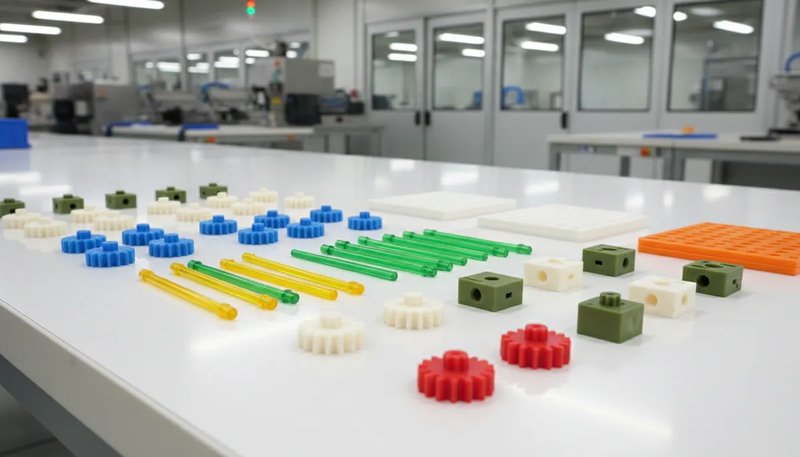
Senden Sie unverzüglich eine formelle schriftliche Unterlassungsaufforderung und führen Sie sowohl Ihre NNN-Vereinbarung als auch die Vereinbarung über das Werkzeugeigentum als Rechtsgrundlage Ihrer Forderung an. Dokumentieren Sie die unbefugte Nutzung umfassend mit Fotos der kopierten Teile, über Dritte erworbenen physischen Mustern und Versandunterlagen, bevor Sie formelle rechtliche Schritte einleiten. Setzt der Lieferant die unbefugte Produktion nach Erhalt Ihrer Mitteilung fort, leiten Sie gemäß der Streitbeilegungsklausel Ihres Vertrags unverzüglich ein Schiedsverfahren ein. Schnelles Handeln und eine lückenlose Dokumentation stärken Ihre Rechtsposition erheblich.
Kurze Regel: Bevor Sie in China für Werkzeuge bezahlen, halten Sie zwei Dokumente bereit – eine NNN für Ihr geistiges Eigentum und eine Formeneigentumsvereinbarung (auf Chinesisch, nach chinesischem Recht) für die physische Form. Wenn die Fabrik beides nicht unterschreibt, gehen Sie weg. Kein Rabatt ist es wert, eine teure Form zu verlieren. Bei ZetarMold bieten wir standardmäßig transparente Formeneigentumsvereinbarungen an – Ihre Werkzeuge sind Ihr Kapital und kein Verhandlungschip. Mit 47 Spritzguss-Maschinen in Shanghai, mehr als 100 monatlich gelieferten Formen und 8 leitenden Spritzgussform-Ingenieuren verfügen wir über die nötige Größe und Dokumentationspraxis, um Ihre Investition zu schützen. Holen Sie sich ein kostenloses Angebot und lassen Sie sich von uns zeigen, wie unkompliziert der Formenbesitz sein kann.
Formwerkzeuge: Unter Formwerkzeug versteht man die Präzisionsstahlform, die beim Spritzgießen verwendet wird, um geschmolzenen Kunststoff in fertige Teile zu formen. Die Kosten betragen je nach Komplexität typischerweise 5.000 bis 100.000 US-Dollar. ↩
NNN-Vereinbarung: Eine Geheimhaltungs-, Nichtnutzungs- und Nichtumgehungsvereinbarung ist ein dreiteiliger Vertrag, der üblicherweise in der chinesischen Fertigung verwendet wird, um das geistige Eigentum des Käufers vor Offenlegung, unbefugter Nutzung und Umgehung durch Lieferanten zu schützen. ↩
Kaution: Kaution ist ein Rechtsverhältnis, bei dem eine Partei vorübergehend das Eigentum einer anderen Partei besitzt – in diesem Zusammenhang eine Fabrik, die die Formwerkzeuge eines Kunden besitzt, ohne sie zu besitzen. ↩