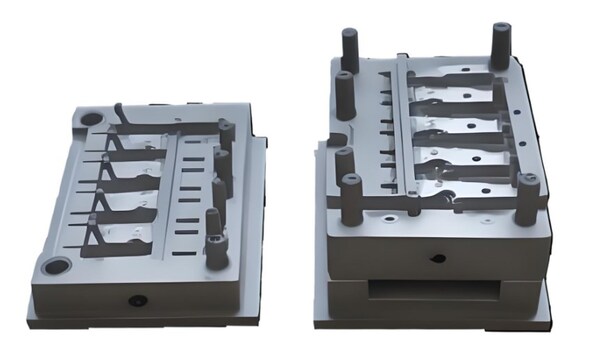
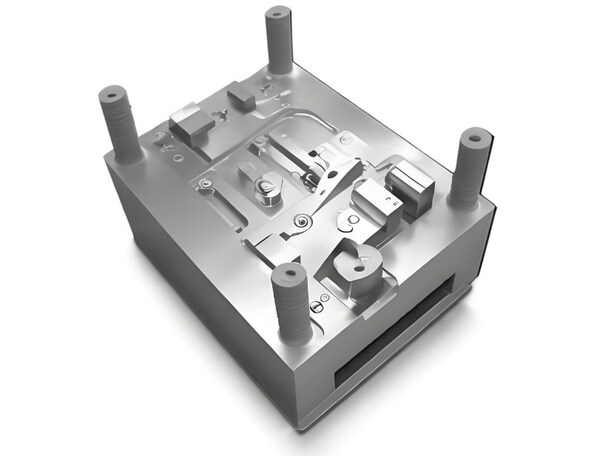
Ihr Werkzeugangebot ist eingetroffen – zwischen $15.000 und $80.000. Die erste Frage Ihres Chefs ist nicht zum Teildesign. Es ist: „Wie viele Schüsse erhalten wir wirklich aus diesem Ding?“ Eine vernünftige Frage. Die Antwort ist keine einzelne Zahl – es ist eine Entscheidung, die Sie vor dem Schneiden des Stahls treffen.
Die Lebensdauer einer Spritzgussform reicht von 500 Zyklen für ein Prototypenwerkzeug bis über 1.000.000 Zyklen für eine gehärtete Produktionsform. Die Zahl hängt von der Formstahlgüte, dem verarbeiteten Material, der Wartungsdisziplin und dem Kühlungsdesign ab – nicht von Glück oder Markenname. Dieser Artikel erläutert jeden Faktor, damit Sie die Formlebensdauer genau vorhersagen und den teuersten Fehler im Werkzeugbau vermeiden können: die falsche Formenklasse für Ihr Produktionsvolumen zu kaufen.
- Produktionsformen in H13- oder S136-Stahl halten typisch 500.000–1.000.000+ Zyklen.
- Die SPI-Klasse 101–105 entspricht direkt der erwarteten Lebensdauer – passen Sie sie an Ihr Volumen an.
- Abrasive und korrosive Werkstoffe (glasfaserverstärkt, PVC) verkürzen die Formstandzeit um 30–60%.[4]
- Vorbeugende Wartung alle 50.000–100.000 Zyklen ist der größte Hebel für die Kapitalrendite.
- Die Stahlgüte ist die größte Vorabentscheidung – ein Wechsel nach der Werkzeugherstellung ist keine Option.
Was ist die Lebensdauer einer Spritzgussform und warum ist sie wichtig?
Die Lebensdauer der Spritzgussform1 ist die Gesamtzahl der Produktionszyklen, die eine Form durchführt, bevor Teile außerhalb akzeptabler Toleranzen fallen. Das ist wichtig, weil es sich bei den Werkzeugkosten um eine feste Investition handelt – Sie amortisieren sie auf jedes produzierte Teil. Eine Form, die für 500.000 Zyklen ausgelegt ist und ein Programm mit einer Million Einheiten durchführt, ist kein technischer Fehler; es handelt sich um ein Budgetproblem, das bereits bei der Entwurfsüberprüfung begann.
Die Industrie verwendet das SPI-Formenklassifizierungssystem als gemeinsame Sprache.[1] Formen der Klasse 101 sind für mehr als 1.000.000 Zyklen mit gehärtetem Werkzeugstahl und vollständigen Kühlkreisläufen gebaut. Formen der Klasse 105 sind Einweg-Prototypen, die für 500 Schüsse oder weniger gebaut sind und häufig aus Aluminium oder Weichstahl bestehen. Wenn Sie das Gespräch darüber, welche Klasse Sie benötigen, überspringen, zahlen Sie entweder zu viel oder Sie erhalten eine Form, die bei 200.000 Zyklen ausfällt, während Ihr Programm 800.000 benötigt.
Die finanzielle Logik ist einfach. Eine $60.000 teure Klasse-101-Form, die 1.000.000 Teile produziert, kostet $0,06 pro Teil in der Werkzeugamortisation. Eine $20.000 teure Klasse-103-Form, die nach 500.000 Zyklen ersetzt werden muss, kostet $0,04 pro Teil – erfordert aber eine zweite $20.000 Investition für die nächsten 500.000 Teile, was insgesamt auf $0,08 pro Teil kommt. Die Formenklasse an das Produktionsvolumen anzupassen ist nicht nur Ingenieursdisziplin; es ist einfache Stückkostenrechnung.
Was sind die SPI-Formklassen und ihre erwarteten Schusszahlen?
Die SPI-Formenklassifizierung bietet einen standardisierten Fünf-Klassen-Rahmen, der die Formenbauqualität direkt mit der erwarteten Schusszahl verknüpft.
| SPI Klasse | Erwartete Zyklen | Typischer Stahl | Am besten für |
|---|---|---|---|
| Klasse 101 | 1,000,000+ | H13, S136, gehärtetes P20 | Hochvolumenproduktion, Automobil, Medizin |
| Klasse 102 | 500,000–1,000,000 | P20, 420 SS | Mittlere bis hohe Stückzahl, mäßige Abrasion |
| Klasse 103 | 100,000–500,000 | P20, 1.2311 | Standardproduktionsläufe |
| Klasse 104 | 100.000 oder weniger | Weicher P20, 1018-Stahl | Geringes Volumen oder limitierte Produktion |
| Klasse 105 | Unter 500 | Aluminium, Epoxid | Nur Prototyp- und Konzeptverifizierung |
Dies sind Branchenrichtwerte, keine Garantien. Eine Klasse-102-Form, die ein ungefülltes Polypropylenteil bei regelmäßiger Wartung verarbeitet, erreicht problemlos das obere Ende ihrer Spanne. Dieselbe Form, die 30% glasfaserverstärktes Nylon ohne Wartungsplan verarbeitet, schafft vielleicht nicht einmal 200.000 Zyklen. Die Stahlgüte setzt die Obergrenze; alles andere bestimmt, ob Sie sie erreichen.
Ein Punkt, den Käufer oft übersehen: Klasse 101 bedeutet nicht „unzerstörbar“. Es bedeutet, dass die Form nach einem Standard gebaut wurde, der 1 Mio.+ Zyklen unter normalen Betriebsbedingungen erreichbar macht. Sie müssen sie dennoch reinigen, schmieren und Verschleißteile planmäßig ersetzen. Wartungsvernachlässigung bei einem Klasse-101-Werkzeug ist wie ein Premiumauto zu kaufen und nie das Öl zu wechseln – die Güte bestimmt nur, was möglich ist, nicht was automatisch geschieht.
Wie beeinflusst die Stahlgüte einer Form ihre Lebensdauer?
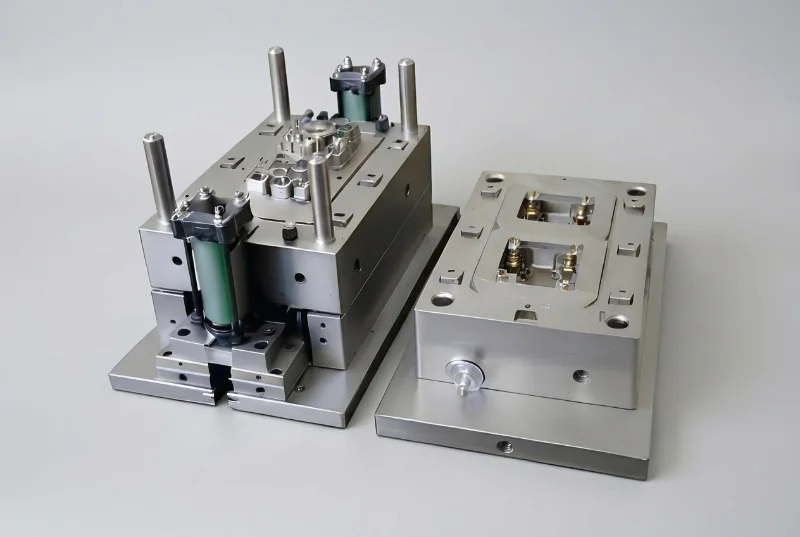
Der Formstahl2 ist der entscheidendste Faktor für die Lebensdauer der Form. Härte, Wärmeleitfähigkeit und Korrosionsbeständigkeit interagieren alle mit den spezifischen Anforderungen Ihres Teils und Materials.
P20 ist das Arbeitstier: vorgehärtet auf 28–34 HRC, [2] gute Bearbeitbarkeit, kostengünstig für die Standardproduktion. Es eignet sich für Formen der Klassen 102–103, in denen nicht abrasive Thermoplaste verarbeitet werden. H13 ist die Wahl für große Stückzahlen: gehärtet auf 48–52 HRC, [3] ausgezeichnete Warmarbeitszähigkeit und thermische Ermüdungsbeständigkeit, die P20 nicht erreichen kann. Für glas- oder mineralgefüllte Materialien ist H13 oft die minimal praktikable Wahl. S136 (1.2083) erhöht die Korrosionsbeständigkeit – wichtig, wenn Sie PVC, flammhemmende Qualitäten oder andere Materialien verwenden, die bei der Verarbeitung korrosive Gase freisetzen.
| Stahlsorte | Härte (HRC) | Korrosionsbeständigkeit | Typischer Lebensdauerbereich | Typische Anwendung |
|---|---|---|---|---|
| P20 / 1.2311 | 28–34 | Niedrig | 100K–500K Zyklen | Allzweck-Kunstharze, nicht abrasiv |
| H13 / 1.2344 | 48–52 | Mittel | 500.000–1 Mio.+ Zyklen | Glasgefüllte Hochtemperaturkunststoffe |
| S136 / 1.2083 | $16.000–$40.000+ | Hoch | 500.000–1 Mio.+ Zyklen | PVC, FR-Qualitäten, lebensmittelkontaktgeeignete Teile |
| 718H / 1.2738 | 33–38 | Mittel-niedrig | 300.000–700.000 Zyklen | Große Formen, geringeres Verzugsrisiko |
| Aluminium (7075) | Brinellhärte 150 | Mittel | 5.000–30.000 Zyklen | Nur für Prototypen und Brückenwerkzeuge |
Der Entscheidungsbaum, den wir in der Praxis verwenden: Beginnen Sie mit P20 für die Standardproduktion bei moderaten Stückzahlen. Wechseln Sie zu H13, wenn das Material einen Füllstoffgehalt über 10% aufweist oder wenn das Programm mehr als 500.000 Zyklen erfordert. Wechseln Sie zu S136, wenn der Kunststoff von Natur aus korrosiv ist – PVC, halogenierte FR-Sorten und hygroskopische Materialien, die bei hohen Temperaturen verarbeitet werden. Der Kostenunterschied zwischen P20 und H13 beträgt typischerweise 15–25% der Werkzeugkosten. Bei einer Millionsteilserie ist das in der Regel die richtige Investition.
„Der Wechsel von P20 zu H13 kann die Produktionslebensdauer einer Form mehr als verdoppeln.“True
P20 (28–34 HRC) ermüdet und verschleißt unter zyklischer thermischer Belastung und abrasiven Harzen schneller. H13, gehärtet auf 48–52 HRC, widersteht Oberflächenrissen und Erosion deutlich besser und verlängert die Formlebensdauer für dasselbe Teil und Material üblicherweise von 300.000 Zyklen auf 700.000–1 Mio.+.
„Aluminiumformen sind eine kostengünstige Wahl für Produktionsserien unter 100.000 Teilen.“False
Aluminiumformen sind typischerweise für 5.000–30.000 Zyklen unter kontrollierten Bedingungen ausgelegt. Bei Programmen mit 100.000 Teilen birgt Aluminium ein echtes Risiko: Oberflächenverschleiß, Trennlinienbeschädigung und Maßabweichungen lange bevor das Zielvolumen erreicht wird. Formen aus weichem Stahl der Klasse 104 sind die richtige Wahl für Serien im Bereich von 50.000–100.000 Teilen.
Wie beeinflusst das Formmaterial die Formlebensdauer?
Der Kunststoff, den Sie durch eine Form laufen lassen, ist genauso wichtig wie der Formstahl selbst. Einige Materialien sind schonend; andere sind stillschweigend zerstörerisch – und der Schaden summiert sich Zyklus für Zyklus.
Ungefüllte Thermoplaste – Standard-ABS, PP, PE und HDPE – sind am formfreundlichsten. Sie sind nicht abrasiv, haben eine relativ niedrige Temperatur und setzen keine korrosiven Nebenprodukte frei. Eine gut gewartete P20-Form mit natürlichem Polypropylen kann die SPI-Klasse realistisch übertreffen. Glasgefüllte Sorten (10 %, 20 %, 30 % GF) sind eine andere Sache.[4] Die Glasfasern wirken wie feines Schleifkorn auf die Oberfläche der Kavität und beschleunigen den Verschleiß an Angussbereichen, Rippen und dünnen Kanten. Bei P20-Formen, die mit 30 % GF-Nylon betrieben werden, kommt es regelmäßig innerhalb von 150.000–200.000 Zyklen zu Angusserosion – deutlich unter der Nennleistung der Klasse 103.
Korrosive Materialien führen zu einem anderen Fehlermodus: chemischer Angriff statt mechanischer Verschleiß. PVC setzt bei der Verarbeitung Salzsäuredämpfe frei;[5] Standard-P20-Hohlräume zeigen Rost und Lochfraß, wenn die Form auch nur ein paar Tage ohne geeigneten Korrosionsinhibitor stillsteht. Flammgeschützte Typen mit halogenierten Zusätzen schaffen ähnliche Bedingungen. Für diese Materialien ist rostfreier Formstahl S136 keine Option, sondern die Basis. Budgetieren Sie entsprechend.
| Material Typ | Verschleißmechanismus | Auswirkung auf Lebensdauer | Empfohlener Mindeststahl |
|---|---|---|---|
| Ungefülltes PP, PE, ABS | Minimal | Keine – kann die SPI-Bewertung überschreiten | P20 |
| PC, Nylon (unverstärkt) | Geringe thermische Ermüdung | ~10% Reduzierung | P20 oder H13 |
| Glasgefüllt (10–30%) | Abrasive Erosion an Anguss/Rippen | 30–50% Reduzierung | H13 |
| Mineralgefüllt | Abrasiv + thermisch | 40–60% Reduktion | H13 oder gehärteter Stahl |
| PVC, FR-Typen (halogeniert) | Korrosiver chemischer Angriff | Schwerwiegend ohne Edelstahl | S136 mindestens |
| Hochtemperaturkunststoffe (PEEK, PPS) | Thermische Ermüdung, Oxidation | Erfordert optimierte Kühlung | H13 + Hartverchromung oder Nitrieren |
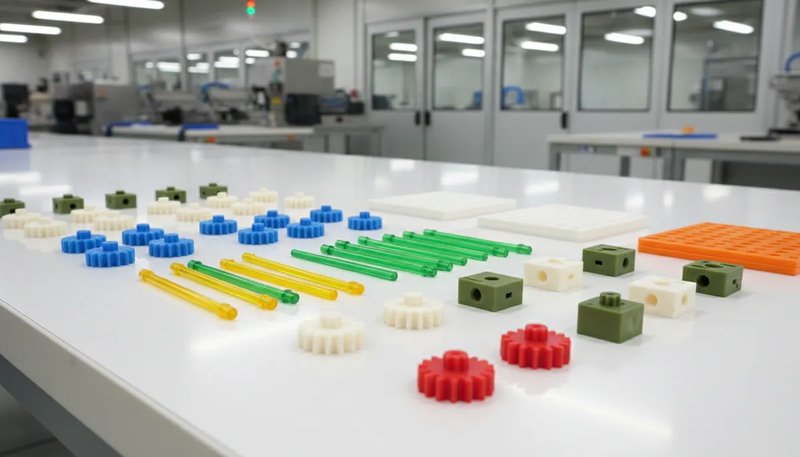
Auch die Verarbeitungsbedingungen spielen eine Rolle. Das Betreiben einer Form bei höheren Temperaturen als vorgeschrieben – sei es aufgrund der Materialviskosität, der Angussdimensionierung oder einfach Ungeduld – beschleunigt die thermische Ermüdung. Temperaturdifferenzen von mehr als 20°C über eine Kavität verursachen unterschiedliche Ausdehnungen, die bei jedem Zyklus die Trennlinien und Kern/Kavität-Schnittstellen belasten. Über Hunderttausende von Zyklen akkumuliert sich diese Belastung zu Grat, dann zu Maßabweichungen und schließlich zu Rissen. Die Spritzgussprozessparameter, die Sie am ersten Tag einstellen, schützen entweder Ihre Forminvestition oder untergraben sie stillschweigend.
Warum ist Formenwartung die rentabelste Maßnahme im Werkzeugbau?
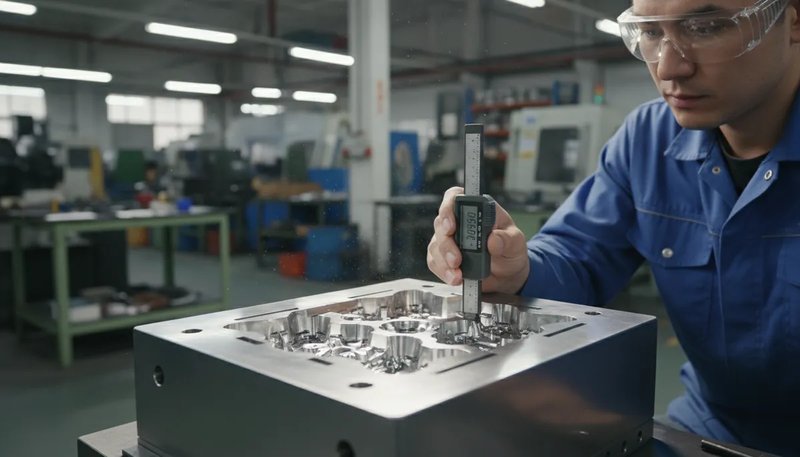
Vorbeugende Wartung ist die einzige Maßnahme mit der höchsten Rendite, die nach dem Bau einer Form verfügbar ist. Die Rechnung ist einfach: Ein $500-PM-Service bei 50.000 Zyklen verhindert eine ungeplante Reparatur von $5.000–$15.000 bei 180.000 Zyklen und einen vorzeitigen Formenaustausch von $30.000–$50.000 bei 400.000 Zyklen.
Das Standard-PM-Protokoll für eine Produktionsform der Klasse 103, in der ein nicht abrasiver Thermoplast verarbeitet wird, umfasst typischerweise: Hohlraum- und Kernreinigung (Entfernen von Harzablagerungen und Oxidation); Inspektion und Schmierung des Auswerferstifts; Reinigung der Entlüftungskanäle (verstopfte Entlüftungsöffnungen führen zu kurzen Schüssen und Verbrennungen, was beides die Form mechanisch belastet); Prüfung der Trennfuge auf Grat oder Verschleiß; und Überprüfung des Kühlkreislaufdurchflusses. Dies dauert bei einer typischen Form 4 bis 8 Stunden und sollte alle 50.000 bis 100.000 Zyklen erfolgen.[6]
Für Werkzeuge, die glasgefüllte oder korrosive Materialien verarbeiten, sinkt das Intervall. Wir empfehlen PM bei jedem 25.000–50.000 Zyklus für abrasive Kunststoffe, mit besonderer Aufmerksamkeit auf Angussinserts (austauschbare Komponenten mit höchstem Verschleiß) und Kavitätenoberflächenprüfung mit einem Profilometer oder mindestens einer geschulten visuellen Kontrolle unter Vergrößerung. Angussinserts, die für $200–$500 pro Set ersetzt werden können, sind deutlich kostengünstiger als das Nachbearbeiten oder Nachpolieren einer gesamten Kavität mit $3,000–$8,000.
| Materialkategorie | PM-Intervall (Zyklus) | Prioritäre Fokusbereiche | Typische PM-Kosten |
|---|---|---|---|
| Ungefülltes PP, PE, ABS | 75,000–100,000 | Entlüftungsreinigung, allgemeine Schmierung | $300–$600 |
| PC, Nylon (unverstärkt) | 50,000–75,000 | Auswerferstifte, Kühlkreislaufprüfung | $400–$800 |
| Glasgefüllt (10–30%) | 25,000–50,000 | Angussinserts, Kavitätenoberflächenprüfung | $600–$1,200 |
| PVC, flammgeschützte Sorten | 15,000–30,000 | Korrosionsschutzmittelanwendung, vollständige Kavitätenprüfung | $800–$1,500 |
| Hochtemperaturkunststoffe (PEEK, PPS) | 20,000–40,000 | Kühlungsgleichmäßigkeit, thermische Ermüdungsprüfung | $700–$1,400 |
Bei ZetarMold fertigen und warten wir seit 2005 Spritzgießformen in unserem Werk in Shanghai. Mit 100+ Formen pro Monat und einem Team aus 8 Formenbauingenieuren erfassen wir die PM-Intervalle jeder Form in unserem Bestand. Unsere Daten zeigen durchgängig, dass Formen mit einem strikten PM-Plan ihre SPI-Klassenbewertung um 15–30% übertreffen, während Formen ohne Wartung selten 70% ihrer Nennlebensdauer erreichen. Für unsere gängigsten Formfamilien bevorraten wir außerdem standardisierte Angusssystem-Einsatzsätze: Der Austausch dauert üblicherweise 24–48 Stunden, gegenüber 2–3 Wochen für die erneute Kavitätsbearbeitung.
Ungeplante Stillstandszeiten sind die versteckten Kosten, die niemand einkalkuliert. Der Ausfall einer Produktionsform während eines Großserienlaufs verursacht nicht nur Reparaturkosten, sondern auch Kosten durch den Anlagenstillstand, Eilzuschläge und Belastungen der Kundenbeziehung. Einen Wartungsplan in die Dokumentation zur Werkzeugübergabe aufzunehmen, gehört zu einer verantwortungsvollen Formkonstruktion und ist kein nachträglicher Zusatz.
“Regelmäßige PM in Intervallen von 50,000 Zyklen kann die Werkzeuglebensdauer um 15–30% über die Nennlebensdauer seiner SPI-Klasse hinaus verlängern.”True
Konsequente Reinigung, Schmierung und Austausch von Verschleißteilen verhindern die kumulative Schädigung, die die Lebensdauer der Form verkürzt. Unsere Produktionsdaten zeigen, dass formgerecht gewartete Formen routinemäßig ihre SPI-Klassenziele übertreffen, während vernachlässigte Formen oft bei 60–70% der Nennlebensdauer versagen.
„Mit der Werkzeugwartung sollte gewartet werden, bis an den Teilen Qualitätsprobleme auftreten.“False
Bis sich die Bauteilqualität verschlechtert, hat die Form bereits erhebliche Schäden erlitten – Fressen an Auswerferstiften, verstopfte Entlüftungen oder Kavitätenverschleiß. Vorbeugende Wartung in definierten Zyklenintervallen kostet nur einen Bruchteil reaktiver Reparaturen und verhindert ungeplante Produktionsausfälle, die oft teurer sind als die Reparatur selbst.
Wie beeinflussen Formdesignentscheidungen die langfristige Lebensdauer?
Entscheidungen zum Formendesign, die getroffen werden, bevor ein einziger Span Stahl abgetragen wird, bestimmen die langfristige Lebensdauer des Werkzeugs. Die drei Entscheidungen mit der größten Auswirkung: Kühlkreislauf-Design, Angussart und -position sowie Auswerfersystem-Design.
| Designentscheidung | Lebensdauerrisiko bei Fehlentscheidung | Beste Praxis |
|---|---|---|
| Kühlkanaldurchmesser | Thermische Ermüdung, vorzeitige Rissbildung | 8–12mm Durchmesser, 1,5× Durchmesser Abstand von Kavitätenwand |
| Angussgröße und Position | Erosion und Strahlbildung im Angussbereich | Austauschbare H13-Angussinserts; Unterdimensionierung vermeiden |
| Anzahl und Anordnung der Auswerferstifte | Fressen, Grat an Auswerferstiften, Verformung | Kraft auf ≥4 Stifte verteilen; mindestens 1° Entformungsschräge |
| Auslegung der Trennlinie | Gratbildung und Verschleiß durch ungleichmäßige Schließkraft | Schließkraft an die projizierte Fläche anpassen; Entlüftungssteg härten |
| Entlüftung | Brandstellen, unvollständige Füllung, lokale Spannungen | Entlüftungssteg 0.025–0.05mm tief; alle 50K Zyklen reinigen |
Kühlung ist der am meisten unterschätzte Faktor der Lebensdauer. Eine schlechte Kühlung führt zu Wärmegradienten in der gesamten Form. Temperaturgradienten erzeugen zyklischen Stress; zyklische Beanspruchung führt zu Ermüdungsrissen – insbesondere an scharfen Ecken, dünnen Kernen und tiefen Rippen. Eine ordnungsgemäße Kühlkonstruktion bedeutet eine gleichmäßige Temperaturverteilung innerhalb von ±5 °C über die Kavität und den Kern, die durch einen angemessenen Kanaldurchmesser (typischerweise 8–12 mm), einen angemessenen Abstand zwischen Kanal und Kavität (mindestens 1,5-facher Durchmesser) und eine ausreichende Kühlmitteldurchflussrate erreicht wird. Formen mit zu kleinen oder schlecht positionierten Kühlkanälen werden heißer als vorgesehen, altern schneller und erfordern eine häufigere Wartung. Dies wird ausführlich in unserem Leitfaden zum Design von Spritzgussformen behandelt.
Die Anschnittauslegung ist der zweite kritische Faktor. Anschnitte sind die verschleißintensivsten Stellen eines Werkzeugs, an denen heißes, druckbeaufschlagtes Harz mit hoher Geschwindigkeit in die Kavität eintritt. Zu kleine Anschnitte verursachen Freistrahlbildung und lokale Erosion; zu große hinterlassen Bindenähte und erfordern höhere Schließkraft. Kantenanschnitte in weichem P20-Stahl zeigen bei der Verarbeitung glasfaserverstärkter Materialien typischerweise innerhalb von 50,000–80,000 Zyklen messbaren Verschleiß. Die Lösung sind austauschbare Anschnitteinsätze aus gehärtetem Stahl (H13 oder mit Hartmetallspitze), auch wenn der Rest des Werkzeugs aus P20 besteht. Diese gezielte Härtung kostet $300–$800 je Anschnittposition und kann die Lebensdauer des Anschnitts um 3–5× verlängern.
„Austauschbare gehärtete Anschnitteinsätze können die Standzeit des Anschnittbereichs um das 3–5-Fache gegenüber massiven P20-Kavitäten verlängern.“True
Anschnittbereiche weisen aufgrund des Auftreffens der Kunststoffschmelze mit hoher Geschwindigkeit in jedem Werkzeug den höchsten Verschleiß auf. Austauschbare Einsätze aus H13 oder mit Hartmetallspitze an den Anschnittpositionen kosten $300–$800 pro Anschnitt, können jedoch eine 3–5× längere Verschleißlebensdauer als massives P20 erreichen — zu einem Bruchteil der Kosten für den Austausch der gesamten Kavität.
„Auswerferstifte sind unbedeutende Komponenten ohne Einfluss auf die Werkzeuglebensdauer.“False
Zu kleine oder ungünstig verteilte Auswerferstifte konzentrieren die Auswerfkraft auf kleine Flächen, sodass die Stiftbohrungen über Hunderttausende von Zyklen fressen und aufgeweitet werden. Dadurch entsteht Grat an den Stiften, und schließlich muss das Werkzeug nachgearbeitet werden. Die richtige Dimensionierung der Auswerferstifte und eine Entformungsschräge von mindestens 1° sind entscheidende Konstruktionsmerkmale für die Lebensdauer.
Die Auswerferkonstruktion beeinflusst die Lebensdauer über einen weniger offensichtlichen Mechanismus: die Belastung der Auswerferstifte. Ist das Auswerfersystem unterdimensioniert – zu wenige Stifte, falscher Stiftdurchmesser oder unzureichende Entformungsschrägen am Teil –, konzentriert sich die Auswerferkraft auf eine kleine Fläche. Wiederholtes Auswerfen mit hoher Kraft verformt das Teil und belastet das Werkzeug. Mit der Zeit fressen die Auswerferbohrungen, weiten sich auf und verursachen schließlich Grat an den Stiften. Die richtige Dimensionierung der Auswerferstifte und die Entformungsschräge des Teils (mindestens 1°, bei strukturierten Oberflächen 2° oder mehr) bestimmen daher nicht nur die Formteilqualität, sondern auch die Lebensdauer.
Welche Anzeichen zeigen, dass eine Form sich dem Ende ihrer Lebensdauer nähert?
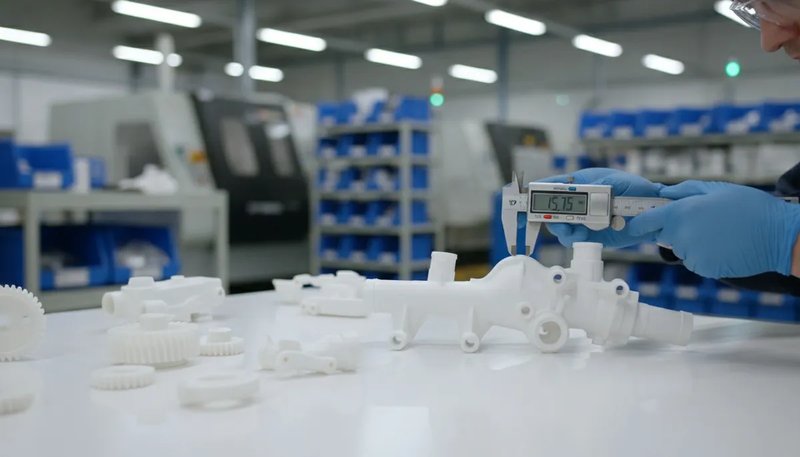
Die meisten Werkzeugausfälle treten nicht als plötzliches katastrophales Ereignis auf – sie kündigen sich schrittweise durch Qualitätssignale an den Bauteilen an, die viele Produktionsteams erst zu spät zu deuten lernen.
Das erste Anzeichen ist Grat an der Trennebene. Grat ab dem ersten Zyklus weist auf einen Fertigungsfehler hin; Grat, der nach 200,000+ Zyklen zunehmend auftritt, deutet in der Regel auf Verschleiß der Trennebene oder eine ermüdungsbedingte Maßverschiebung hin. Das zweite Anzeichen sind Kurzschüsse oder Brandstellen an derselben Stelle — durch Harzablagerungen verstopfte Entlüftungen behindern den Gasaustritt, wodurch ein Gegendruck entsteht, der das Harz verbrennt und die vollständige Kavitätsfüllung verhindert. In frühen Stadien ist dies ein Wartungsproblem, kann später im Formenleben jedoch auf Erosion der Entlüftungsstege hindeuten. Das dritte Anzeichen ist Maßdrift: Teile, die bei T1 innerhalb der Toleranz lagen, nähern sich allmählich dem Grenzwert, verursacht durch Kavitätserosion an Anschnitten, Rippen und dünnen Wänden.
| Signal | Phase | Wahrscheinliche Ursache | Eingriff |
|---|---|---|---|
| Fortschreitende Gratbildung an der Trennebene | Mittlere Lebensdauer (200K+ Zyklen) | Verschleiß der Trennebene oder Maßermüdung | Formtrennlinie nachschleifen, Schließkraft erhöhen |
| Wiederkehrende unvollständige Füllung / Brandstellen | Frühe bis mittlere Lebensdauerphase | Durch Harzablagerungen verstopfte Entlüftungen | Entlüftungen reinigen; bei erodiertem Entlüftungssteg ersetzen |
| Maßdrift (außerhalb der Toleranz) | Mittlere bis späte Lebensdauerphase | Kavitätserosion an Angüssen und Rippen | Erneut gegenüber der T1-Baseline messen; bei Bedarf nachbearbeiten |
| Verschlechterung der Oberflächengüte | Späte Lebensdauerphase | Mikrorissbildung und abrasive Erosion | Nachpolieren (max. 2–3 Zyklen); anschließend nachbearbeiten |
| Grat am Auswerferstift | Mittlere Lebensdauerphase | Fressen oder Verschleiß der Auswerferbohrung | Auswerferstifte ersetzen; Bohrungen bei Bedarf anpassen |
Eine Verschlechterung der Oberflächenbeschaffenheit ist das vierte und oft letzte Signal vor dem Ausmustern der Form. Hohlraumoberflächen, die beim Aufbau auf SPI A1 poliert wurden, werden durch Mikrofrakturierung und Erosion allmählich aufgeraut. Sobald eine Oberfläche nicht mehr gemäß den Spezifikationen nachpoliert werden kann – normalerweise nach zwei bis drei Nachpolierzyklen –, muss die Kavität erneut bearbeitet oder die Form ausgetauscht werden. Je früher Sie diese Signale erkennen, desto günstiger ist der Eingriff: Das Reinigen und Nachpolieren bei 300.000 Zyklen kostet nur einen Bruchteil des Kavitätenaustauschs bei 500.000 Zyklen. Die von Ihnen gepflegten Parameter des Spritzgussprozesses wirken sich auch direkt darauf aus, wie schnell diese Verschlechterungssignale auftreten.
Wie können Sie die Formlebensdauer über ihre ursprüngliche Bewertung hinaus verlängern?
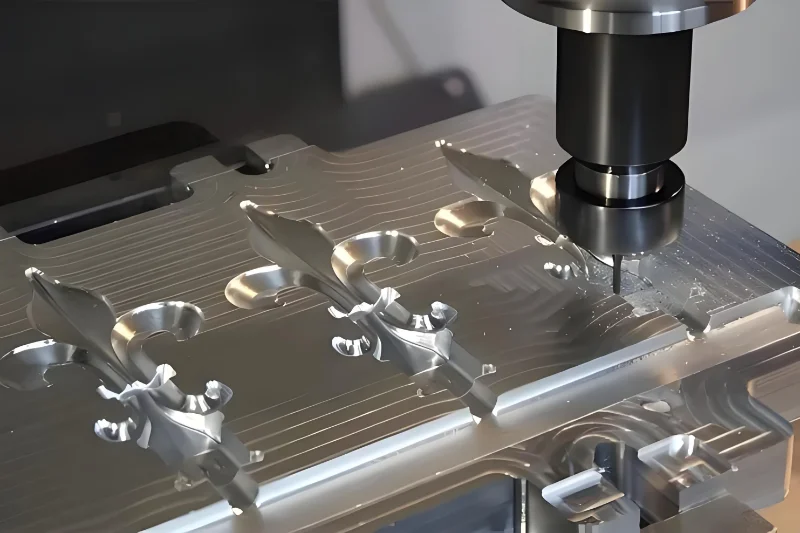
Durch proaktive Maßnahmen lässt sich die Nutzungsdauer eines Werkzeugs tatsächlich über die ursprüngliche Einstufung seiner SPI-Klasse hinaus verlängern — allerdings nur bis zu einem gewissen Punkt und nur mit dem richtigen Vorgehen.
Das Nachbearbeiten und Nachpolieren der Kavität ist die häufigste Strategie zur Verlängerung der Lebensdauer. Wenn die Kavitätsoberflächen messbare Erosion aufweisen, die Kerngeometrie jedoch noch innerhalb der Spezifikation liegt, kann eine Nachbearbeitung zur Wiederherstellung von Oberflächengüte und Maßhaltigkeit die Lebensdauer eines Werkzeugs in der Mitte seines Lebenszyklus um 100,000–300,000 Zyklen verlängern. Die Kosten liegen typischerweise bei 20–40% der ursprünglichen Werkzeugkosten — eine angemessene Investition, wenn das Werkzeug den Großteil seiner Anfangskosten bereits amortisiert hat.
Der Austausch von Kavitätseinsätzen ist die gezielte Version der Nachbearbeitung. Anstatt das gesamte Werkzeug nachzuarbeiten, werden nur die verschlissenen Teile ersetzt – Anguss-Einsätze, hoch beanspruchte Kerne oder beschädigte Auswerferbuchsen. Dieser Ansatz setzt voraus, dass das ursprüngliche Werkzeugdesign einen Austausch vorgesehen hat: Einsatztaschen, standardisierte Schnittstellen und Zugänglichkeit für den Einsatztausch. Werkzeuge, die von Anfang an mit modularen Einsätzen konzipiert sind, lassen sich wesentlich einfacher und kostengünstiger erweitern. Dies ist ein Detail, das es wert ist, bereits in der ursprünglichen Werkzeugbeschreibung spezifiziert zu werden, insbesondere bei Langzeitprogrammen.
Nitrieren und Verchromen sind Oberflächenbehandlungsoptionen, die vorhandenen Stahl härter und korrosionsbeständiger machen und so die Oberflächenlebensdauer verlängern, ohne den Stahl zu ersetzen. Beim Gasnitrieren wird eine 0,1–0,3 mm dicke gehärtete Schicht bis zu einer Tiefe von etwa 0,5 mm hinzugefügt, wodurch die Oberflächenhärte auf ein Äquivalent von 60–70 HRC erhöht wird.[7] Bei der Hartverchromung werden 0,01–0,05 mm Chrom für Korrosions- und Verschleißfestigkeit hinzugefügt.[7] Diese Behandlungen sind am effektivsten als vorbeugende Maßnahmen bei neuen Formen oder als frühe Eingriffe – die Anwendung auf einen Hohlraum, der bereits erhebliche Erosion aufweist, hat nur begrenzte Vorteile.
| Methode | Zusätzliche Zyklen | Kosten (% eines neuen Werkzeugs) | Beste Anwendung |
|---|---|---|---|
| Kavitäten-Nachpolieren | 50K–100K | 5–15% | Oberflächengüteverschlechterung, frühe Erosion |
| Angusseinsatz-Ersatz | 100K–200K | 3–8% | Angussverschleiß bei abrasiven Kunststoffen |
| Kavitäten-Nachbearbeitung | 100K–300K | 20–40% | Messbare Dimensionsdrift, Oberflächenerosion |
| Gasnitrieren | 100K–250K | 10–20% | Präventive oder frühzeitige Oberflächenhärtung |
| Hartverchromung | 50K–150K | 8–15% | Korrosionsbeständigkeit, Freigabeverbesserung |
| Vollständiger Kavitätenersatz | Komplette Formlebensdauer-Rücksetzung | 50–80% | Kerngeometrie noch gültig; Kavitäten abgenutzt |
Die ehrliche Obergrenze: Es gibt einen Punkt, an dem die Aufarbeitung einer Form mehr kostet als der Bau eines neuen Werkzeugs mit den gewonnenen Erfahrungen. Eine Form, die bereits zwei Runden Kavitäten-Nachbearbeitung, mehrere Einsatzerneuerungen und wiederholte Wartungseingriffe benötigt hat, erreicht oft diese Grenze oder liegt nahe daran. Die Entscheidung zwischen Aufarbeitung und Ersatz sollte auf dem verbleibenden Gesamtprogrammvolumen, der verbleibenden technischen Lebensdauer der Form und den Kostenunterschieden zwischen Aufarbeitung und Neubau basieren. Die richtige Antwort ist selten emotional befriedigend – manchmal ist die finanziell korrekte Entscheidung, eine optisch intakte Form stillzulegen und eine bessere zu bauen.
Wie behandelt ZetarMold die Formlebensdauer in Produktionsprogrammen?
Wenn wir ein Werkzeugprogramm planen, ist die Formenlebensdauer eines der ersten technischen Gespräche – kein nachträglicher Gedanke, nachdem der Preis genannt wurde.
ZetarMold stellt seit 2005 in Shanghai Spritzgussformen her. Wir produzieren monatlich über 100 Formen mit Geräten wie CNC-Maschinen, EDM-Anlagen, Schleifmaschinen und Präzisionsgravierern. Unser Ingenieurteam aus 8 Spezialisten mit mehr als 10 Jahren Erfahrung kümmert sich bei jedem Werkzeug um die Stahlauswahl, DFM-Prüfung und Wartungsdokumentation. Wir sind nach ISO 9001, ISO 13485, ISO 14001 und ISO 45001 zertifiziert – das bedeutet, dass unsere Qualitäts- und Dokumentationssysteme extern auditiert werden und nicht nur intern behauptet werden. Wenn Sie eine langlebige Form benötigen, beginnt das Gespräch mit einer Kurzbeschreibung: Ihrer Stückzahl, Ihrem Material und Ihrem Zeitplan. Wir übernehmen den Rest.
Der Prozess beginnt mit der Prognose des Produktionsvolumens. Wenn Ihr Programm 500.000 Teile über drei Jahre umfasst, entwerfen wir eine Klasse-102-Form aus P20 oder H13, abhängig von Ihrem Material. Wenn es 2.000.000 Teile über fünf Jahre sind, ist Klasse 101 mit voller Härtung die Lösung – obwohl sie zunächst mehr kostet.
| Jahresvolumen | Programmdauer | Empfohlene SPI-Klasse | Stahlauswahl |
|---|---|---|---|
| Unter 50.000 | 1–2 Jahre | Klasse 104–105 | Weiches P20 oder Aluminium |
| 50,000–200,000 | 2–3 Jahre | Klasse 103 | P20 (28–34 HRC) |
| 200,000–500,000 | 3–5 Jahre | Klasse 102–103 | P20 oder H13 |
| 500,000–1,000,000 | 5+ Jahre | Klasse 102 | H13 (48–52 HRC) |
| 1,000,000+ | Langfristig / Wiederholend | Klasse 101 | H13 oder S136, vollständig gehärtet |
Wir haben dieses Gespräch oft genug geführt, um zu wissen: Kunden, die bei der anfänglichen Werkzeuginvestition zurückhaltend sind, sind fast immer dieselben, die uns drei Jahre später anrufen und fragen, warum ihre Form bei 60% des erwarteten Volumens versagt. Das Gespräch ist im Angebotsstadium unangenehm und noch unangenehmer, wenn die Form vorzeitig ausfällt.
Unser Prozess für die Konstruktion von Spritzgussformen3 umfasst eine standardmäßige DFM-Überprüfung, die die Stahlauswahl, das Angussdesign, die Anordnung des Kühlkreislaufs und die Auswurfstrategie umfasst – alles mit einer expliziten Analyse der Auswirkungen auf die Lebensdauer. Zu jedem von uns gelieferten Werkzeug liefern wir auch einen Wartungsplan für die Form: Zyklenzählung der PM-Intervalle, Liste der Verbrauchsmaterialien (Auswerferstifte, Federn, Anschnitteinsätze) und eine dokumentierte T1-Maßbasis für zukünftige Vergleiche. Unserer Erfahrung nach erreichen Kunden, die den Wartungsplan einhalten, zuverlässig ihre angestrebte Lebensdauer; diejenigen, die dies nicht tun, melden sich in der Regel innerhalb von 18 bis 24 Monaten wegen ungeplanter Reparaturen bei uns.
Häufig gestellte Fragen zur Lebensdauer von Spritzgussformen
Wie viele Schüsse hält eine typische Spritzgussform?
Eine typische Serienspritzgussform hält 100.000 bis über 1.000.000+ Zyklen, abhängig von der SPI-Klasse. Klasse-101-Formen aus H13-Stahl sind für 1M+ Zyklen ausgelegt; Klasse-103-Formen aus P20-Stahl zielen typischerweise auf 100.000–500.000 Zyklen ab. Prototyp-Klasse-105-Aluminiumformen sind für weniger als 500 Zyklen ausgelegt. Die tatsächliche Lebensdauer hängt stark vom zu verarbeitenden Material, der Wartungsdisziplin und den Prozessbedingungen ab – nicht nur vom nominellen SPI-Klassenrating. Gut gewartete Formen übertreffen regelmäßig ihre bewertete Lebensdauer; vernachlässigte Formen erreichen oft nur 60–70 % des Ziels.
Was verkürzt die Lebensdauer von Spritzgussformen am meisten?
Abrasive und korrosive Materialien verursachen die größte Lebensdauerreduktion: glasgefüllte Harze (10–30 % GF) können die Formlebensdauer um 30–50 % gegenüber ungefüllten Sorten reduzieren, und korrosive Materialien wie PVC können P20-Stahlkavitäten innerhalb von Zehntausenden von Zyklen zerstören, ohne rostfreien Stahlschutz. Mangel an vorbeugender Wartung ist der zweitgrößte Faktor – Formen, die PM-Intervalle überspringen, erreichen selten 70 % ihrer bewerteten Lebensdauer. Falsch abgestimmte Prozessparameter, einschließlich übermäßigen Einspritzdrucks oder Formtemperaturen über der Spezifikation, beschleunigen ebenfalls Verschleiß und thermische Ermüdung.
Kann eine Spritzgussform repariert werden, um ihre Lebensdauer zu verlängern?
Ja – Nachpolieren der Kavität, Ersetzen der Anguss-Einsätze und Nachbearbeitung der Kavität können die Formlebensdauer um 100.000–300.000 zusätzliche Zyklen verlängern. Die Reparaturkosten betragen typischerweise 20–40 % der ursprünglichen Werkzeuginvestition, was sie zu einer lohnenden Option für Formen macht, die bereits den größten Teil ihrer Anfangskosten amortisiert haben. Oberflächenbehandlungen wie Gasnitrieren oder Hartverchromen erhöhen die Härte und Korrosionsbeständigkeit, um die Lebensdauer der Kavitätsoberfläche zu verlängern. Es gibt jedoch eine praktische Obergrenze: Formen, die im Laufe ihrer Lebensdauer mehrere Reparaturrunden erfordern, können wirtschaftlicher durch ein neu gestaltetes Werkzeug ersetzt werden, das die aus dem ursprünglichen Produktionslauf gewonnenen Erkenntnisse berücksichtigt.
Was ist der beste Formenstahl für eine lange Lebensdauer?
H13 (1.2344) gehärtet auf 48–52 HRC ist die am weitesten verbreitete Wahl für Hochlebensdauer-Produktionsformen, die abrasive oder hochtemperaturbeständige Materialien verarbeiten, und liefert konsistente Ergebnisse über 500.000–1.000.000+ Zyklen. S136 (1.2083) wird für korrosive Materialien wie PVC und halogenierte flammhemmende Sorten aufgrund seiner rostfreien Eigenschaften bevorzugt, die chemischen Angriffen durch Prozessgase widerstehen. Für Standard-Nichtabrasiv-Kunststoffe bei moderaten Produktionsmengen bietet P20 (28–34 HRC) eine ausreichende Lebensdauer zu geringeren Anschaffungskosten. Die Stahlauswahl muss Ihrem spezifischen Material und dem gesamten Programmvolumen entsprechen – es gibt keinen universell ‘besten’ Stahl für alle Spritzgussanwendungen.
Wie oft sollte ein Spritzgussform gewartet werden?
Die Intervalle für vorbeugende Wartung hängen vom verarbeiteten Material und der Formklasse ab. Eine Form der Klasse 103, die ungefüllte Thermoplaste verarbeitet, sollte alle 50.000–100.000 Zyklen gewartet werden. Formen, die glasgefüllte oder korrosive Materialien verarbeiten, benötigen eine vorbeugende Wartung alle 25.000–50.000 Zyklen. Jede vorbeugende Wartung sollte die Reinigung von Kavität und Kern zur Entfernung von Kunststoffablagerungen und Oxidation, die Schmierung und Verschleißprüfung der Auswerferstifte, die Reinigung der Entlüftungskanäle zur Vermeidung von Kurzschüssen und Verbrennungen, die Untersuchung der Trennlinie auf Gratbildung oder Verschleiß sowie eine Durchflussprüfung des Kühlkreislaufs zur Bestätigung einer ausreichenden Wärmeabfuhr umfassen.
Beeinflusst die Größe der Form ihre Lebensdauer?
Die Formgröße beeinflusst die Lebensdauer indirekt über die Anforderungen an die Schließkraft, die Verteilung der thermischen Masse und die Komplexität des Kühlkreislaufs. Größere Formen unterliegen größeren Schwankungen der thermischen Masse und sind empfindlicher gegenüber der Qualität des Kühlkreislaufdesigns – ungleichmäßige Kühlung erzeugt zyklische thermische Spannungen, die die Ermüdung beschleunigen. Große Formen, die aus 718H-Stahl (33–38 HRC) anstelle von vollständig gehärtetem H13 gefertigt sind, sind während der Wärmebehandlung weniger anfällig für Verzug, was die Maßhaltigkeit über lange Produktionsläufe hinweg bewahrt. Bei gegebener Stahlsorte und Wartungsprogramm ist die Formgröße allein nicht der primäre Treiber der Lebensdauer.
Was ist der Unterschied zwischen Klasse 101 und Klasse 103 Formen?
Klasse-101-Formen sind für 1.000.000+ Zyklen ausgelegt und verwenden vollständig gehärteten Werkzeugstahl (H13, S136), robuste Kühlkreisläufe sowie Hochleistungs-Auswerfer- und Angusssysteme – einschließlich austauschbarer gehärteter Angusseinsätze. Klasse-103-Formen zielen auf 100.000–500.000 Zyklen mit halbgehärtetem oder vorgehärtetem P20-Stahl mit Standardkühlung und -auswurf ab. Die anfänglichen Kosten sind für Klasse 101 typischerweise 40–80% höher. Die richtige Wahl wird ausschließlich durch Ihr gesamtes Programmvolumen bestimmt: Zu viel für Klasse 101 bei einer 200.000-Teile-Serie auszugeben, ist ebenso verschwenderisch wie zu wenig für Klasse 103 bei einem Millionen-Teile-Produktionsprogramm.
Ist es möglich, einen Spritzguss zu bauen, der unbegrenzt hält?
Keine Spritzgussform hält ewig – jeder Werkzeugstahl unterliegt Ermüdung, Erosion und letztendlich Maßabweichungen durch wiederholte thermische Zyklen. Klasse-101-Formen mit gehärtetem Stahl, optimierter Kühlung und disziplinierten Wartungsprogrammen können unter günstigen Bedingungen mit nicht abrasiven Materialien über 2.000.000 Zyklen erreichen, aber selbst diese benötigen irgendwann Kavitätenersatz oder Nachbearbeitung. Das praktische technische Ziel ist nicht unendliche Lebensdauer, sondern angepasste Lebensdauer: Die Form so zu konstruieren, dass sie Ihr Produktionsprogramm mit ausreichender Reserve überdauert, ohne unnötige Haltbarkeit zu bezahlen, die nie genutzt wird.
Bereit, eine Form zu designen, die so lange hält wie Ihr Programm benötigt?
Einfache Regel für Ihre nächste Werkzeugentscheidung: Passen Sie die SPI-Klasse an Ihr gesamtes Programmvolumen an, wählen Sie den Stahl entsprechend dem Verschleiß- und Korrosionsprofil Ihres Materials und erstellen Sie einen Wartungsplan, bevor die Form ausgeliefert wird – nicht nach dem ersten Qualitätsvorfall. Drucken Sie das aus und nehmen Sie es zu Ihrer nächsten DFM-Überprüfung mit.
ZetarMold fertigt seit 2005 Produktions-Spritzgussformen in Shanghai. Wir produzieren über 100 Formen pro Monat in allen SPI-Klassen, mit einem spezialisierten Team von Formenbauingenieuren, die für jedes Werkzeug Stahlauswahl, DFM-Überprüfung und Wartungsdokumentation übernehmen. Wenn Sie ein Produktionsvolumenziel und eine Materialspezifikation haben, können wir Ihnen genau sagen, welche Formenklasse Sie benötigen und was sie kosten wird – keine vagen Bereiche, kein Upselling unnötiger Funktionen.
Bereit, eine langlebige Form zu bauen? Senden Sie uns Ihre Teilezeichnung, Material und Jahresvolumen – wir ermitteln die passende Werkzeuglösung für Ihr Programm, keine vagen Bereiche, kein Upselling unnötiger Funktionen. ZetarMold liefert seit 2005 Produktionsformen an Kunden in Nordamerika, Europa und Asien.
Referenzen
- Plastics Industry Association – Bräuche und Praktiken der Formenbauindustrie: Definiert SPI-Formenklassifizierungen (Klasse 101–105) und ihre ungefähre Lebensdauer. — plasticsindustry.org
- Eigenschaften des Formstahls P20 / 1.2311 – Vorgehärtete Lieferhärte von ~280–320 HB (≈28–34 HRC), gemäß den Angaben des Stahllieferanten. — mwalloys.com — P20 Formstahl
- H13 Werkzeugstahl (1.2344) Eigenschaften – Warmarbeitsstahl gehärtet auf 48–52 HRC; wird häufig für großvolumige Spritzgussformen verwendet. — hudsontoolsteel.com — H13 Werkzeugstahl
- Glasfaserabrieb an Spritzgussformen – Der Abrieb durch Glasfasern beim Spritzgießen stellt erhebliche Verschleißprobleme für den Formenstahl dar. – ScienceDirect – Wear, Bd. 271 (2011); auch: MoldMaking Technology – Strategische Formmaterialauswahl
- PVC-Korrosionsangriff auf Formenstahl – PVC zersetzt sich während der Verarbeitung und setzt Salzsäuredämpfe frei, die Standard-Werkzeugstähle angreifen; als Basis wird rostfreier Formstahl (S136/1.2083) empfohlen. — MoldMaking-Technologie — Oberflächenbehandlungen schützen die Formoberfläche
- Intervalle für die vorbeugende Wartung der Spritzgussform – Erste PM empfohlen bei 25.000–50.000 Zyklen; regelmäßige Intervalle verlängern die Lebensdauer der Form. — VEM Tooling — Lebenserwartung von Formen
- Eigenschaften von Gasnitrieren und Hartverchromen – Durch Gasnitrieren kann eine Oberflächenhärte von über 67 HRC erreicht werden; Hartverchromungsschicht 0,02–0,05 mm bei HV800–HV1000. — SSAB — Gasnitrier-Werkzeugstahl; Hoorenwell – Leitfaden zur Formenstandardisierung
Spritzgussform: Eine Spritzgussform ist ein präzisionsgefertigtes Stahlwerkzeug, das die Form eines Kunststoffteils durch wiederholte Einspritz-, Abkühl- und Auswurfzyklen definiert. Die Nennlebensdauer wird durch die Stahlsorte und die SPI-Klassifizierung bestimmt. ↩
Formstahl: Formstahl ist eine Kategorie von Werkzeugstahllegierungen – wie P20, H13 und S136 – die speziell für den Spritzgussformenbau aufgrund ihrer Härte, Korrosionsbeständigkeit und thermischen Ermüdungsbeständigkeit ausgewählt werden. ↩
Spritzgussformdesign: Beim Spritzgussformdesign handelt es sich um den technischen Prozess zur Definition der Formgeometrie, der Stahlsorte, der Anguss-, Kühl- und Auswurfsysteme, um maßgenaue Kunststoffteile mit der geringstmöglichen Zykluszeit und der längsten Formlebensdauer herzustellen. ↩