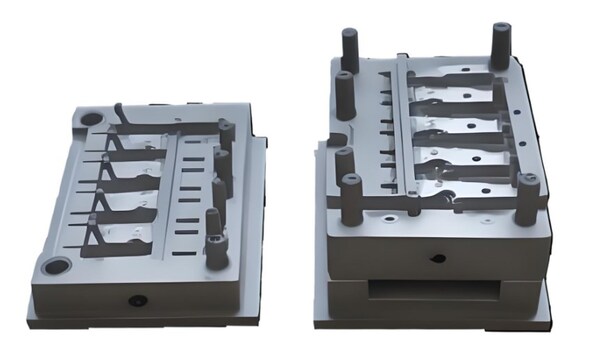
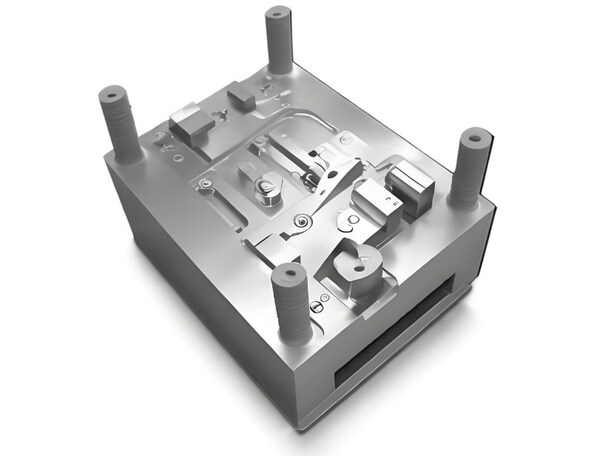
Il tuo preventivo per lo stampo è appena arrivato—da qualche parte tra $15.000 e $80.000. La prima domanda che il tuo capo fa non riguarda il design del pezzo. È: “Quanti cicli riusciremo effettivamente a ottenere da questa cosa?” Domanda ragionevole. La risposta non è un singolo numero—è una decisione che prendi prima che l’acciaio venga tagliato.
La durata dello stampo per iniezione varia da 500 cicli per un stampo prototipo a oltre 1.000.000 cicli per un stampo di produzione temprato. Il numero dipende dalla qualità dell’acciaio dello stampo, dal materiale stampato, dalla disciplina di manutenzione e dal design di raffreddamento—non dalla fortuna o dal nome del brand. Questo articolo analizza ogni fattore così che tu possa prevedere accuratamente la vita dello stampo e evitare l’errore più costoso nella produzione di stampi: acquistare la classe di stampo errata per il tuo volume di produzione.
- Gli stampi di produzione in acciaio H13 o S136 durano tipicamente 500.000–1.000.000+ cicli.
- La valutazione SPI Classe 101–105 si collega direttamente alla durata di vita prevista—abbinatela al vostro volume.
- I materiali abrasivi e corrosivi (rinforzati con fibra di vetro, PVC) riducono la vita dello stampo del 30–60%.[4]
- La manutenzione preventiva ogni 50.000–100.000 cicli è la leva di ROI più importante.
- Il grado di acciaio è la decisione iniziale più importante—cambiarlo dopo la costruzione dello stampo non è un'opzione.
Cos’è la Durata di Vita di uno Stampo a Iniezione e Perché è Importante?
La durata dello stampo a iniezione1 è il numero totale di cicli produttivi eseguiti prima che i pezzi escano dalle tolleranze accettabili. È importante perché il costo dello stampo è un investimento fisso, ammortizzato su ogni pezzo prodotto. Uno stampo da 500.000 cicli impiegato per un programma da un milione di unità non rappresenta un errore tecnico, ma un problema di budget iniziato durante la revisione del progetto.
Il settore usa il sistema di classificazione SPI degli stampi come linguaggio comune.[1] Gli stampi di Classe 101 sono costruiti per oltre 1.000.000 di cicli con acciaio da utensili temprato e circuiti di raffreddamento completi. Gli stampi di Classe 105 sono prototipi monouso, costruiti per non più di 500 stampate, spesso in alluminio o acciaio dolce. Se non si definisce la classe necessaria, si finirà per pagare troppo oppure per ricevere uno stampo che cede a 200.000 cicli quando il programma ne richiede 800.000.
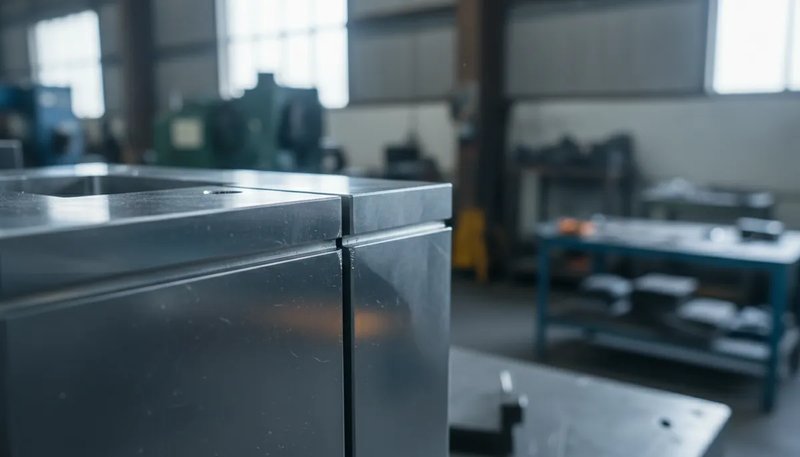
La logica finanziaria è semplice. Uno stampo di Classe 101 da $60.000 che produce 1.000.000 di pezzi costa $0,06 per pezzo in ammortamento dello stampo. Uno stampo di Classe 103 da $20.000 che necessita di sostituzione a 500.000 cicli costa $0,04 per pezzo—ma richiede un secondo investimento di $20.000 per i successivi 500.000 pezzi, portando il totale a $0,08 per pezzo. Abbinare la classe dello stampo al volume di produzione non è solo una disciplina ingegneristica; è economia di base del costo unitario.
Quali sono le Classi di Stampo SPI e i Loro Conteggi di Cicli Previsti?
La classificazione degli stampi SPI fornisce un quadro standardizzato a cinque classi che lega direttamente la qualità di costruzione dello stampo al numero di cicli previsto.
| Classe SPI | Cicli previsti | Acciaio tipico | Il migliore per |
|---|---|---|---|
| Classe 101 | 1,000,000+ | H13, S136, P20 temprato | Produzione ad alto volume, settore automobilistico, medicale |
| Classe 102 | 500,000–1,000,000 | P20, 420 SS | Volume medio-alto, abrasione moderata |
| Classe 103 | 100,000–500,000 | P20, 1.2311 | Lotti di produzione standard |
| Classe 104 | 100.000 o meno | P20 dolce, acciaio 1018 | Basso volume o produzione limitata |
| Classe 105 | Meno di 500 | Alluminio, epossidico | Solo prototipo e verifica del concetto |
Questi sono benchmark di settore, non garanzie. Uno stampo di Classe 102 che produce un pezzo in polipropilene non riempito con manutenzione regolare raggiungerà comodamente l’estremità superiore del suo intervallo. Lo stesso stampo che lavora nylon riempito al 30% con vetro senza un programma di manutenzione potrebbe non arrivare a 200.000 cicli. Il grado di acciaio fissa il limite massimo; tutto il resto determina se lo si raggiunge.
Una cosa che gli acquirenti spesso trascurano: Classe 101 non significa “indistruttibile”. Significa che lo stampo è stato costruito secondo uno standard che rende raggiungibili 1M+ cicli in condizioni operative normali. Devi comunque pulirlo, lubrificarlo e sostituire i componenti soggetti a usura secondo programma. Ignorare la manutenzione di uno strumento di Classe 101 è come comprare un’auto premium e non cambiare mai l’olio: la qualità determina solo ciò che è possibile, non ciò che è automatico.
Come Influenza la Qualità dell’Acciaio dello Stampo la Sua Durata?
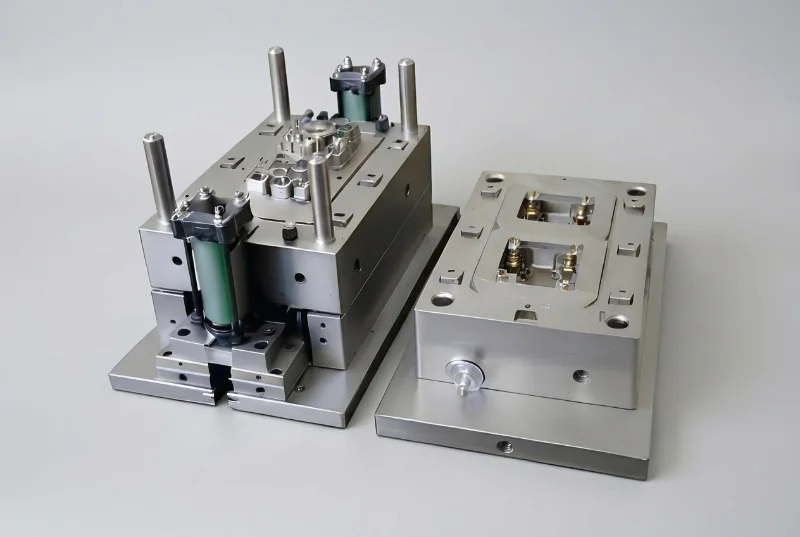
L’acciaio per stampi2 è il fattore più determinante per la durata dello stampo. Durezza, conducibilità termica e resistenza alla corrosione interagiscono con le esigenze specifiche del pezzo e del materiale.
Il P20 è il materiale più versatile: pretemprato a 28–34 HRC,[2] facile da lavorare ed economico per la produzione standard. È adatto agli stampi di Classe 102–103 che lavorano termoplastici non abrasivi. L’H13 è la scelta per gli alti volumi: temprato a 48–52 HRC,[3] offre un’eccellente tenacità a caldo e una resistenza alla fatica termica irraggiungibile dal P20. Per materiali caricati con vetro o minerali, l’H13 è spesso la scelta minima praticabile. L’S136 (1.2083) aggiunge resistenza alla corrosione, essenziale con PVC, gradi ritardanti di fiamma o materiali che liberano gas corrosivi durante la lavorazione.
| Grado di acciaio | Durezza (HRC) | Resistenza alla corrosione | Intervallo di Vita Utile Tipico | Applicazione comune |
|---|---|---|---|---|
| P20 / 1.2311 | 28–34 | Basso | 100K–500K cicli | Resine per uso generale, non abrasive |
| H13 / 1.2344 | 48–52 | Medio | 500K–1M+ cicli | Resine caricate con vetro, ad alta temperatura |
| S136 / 1.2083 | 50–54 | Alto | 500K–1M+ cicli | PVC, gradi FR, parti a contatto con alimenti |
| 718H / 1.2738 | 33–38 | Medio-bassa | 300K–700K cicli | Stampo di grandi dimensioni, rischio di distorsione ridotto |
| Alluminio (7075) | Durezza Brinell 150 | Medio | 5K–30K cicli | Solo prototipo, stampi ponte |
L’albero decisionale che utilizziamo nella pratica: iniziare con P20 per la produzione standard a volume moderato. Passare a H13 se il materiale ha un contenuto di carica superiore al 10%, o se il programma richiede più di 500.000 cicli. Passare a S136 se la resina è corrosiva per natura—PVC, gradi FR alogenati e materiali igroscopici lavorati ad alte temperature. La differenza di costo tra P20 e H13 è tipicamente del 15–25% del costo dello stampo. Su una produzione di oltre un milione di pezzi, è di solito l’investimento giusto.
“Passare da P20 a H13 può più che raddoppiare la durata di vita produttiva di uno stampo.”True
Il P20 (28–34 HRC) si affatica e si usura più velocemente sotto carico termico ciclico e resine abrasive. L'H13 temprato a 48–52 HRC resiste alle crepe superficiali e all'erosione sostanzialmente meglio, estendendo comunemente la vita dello stampo da 300K cicli a 700K–1M+ per lo stesso pezzo e materiale.
"Gli stampi in alluminio sono una scelta economicamente vantaggiosa per produzioni inferiori a 100.000 pezzi."False
Gli stampi in alluminio sono generalmente valutati per 5.000–30.000 cicli in condizioni controllate. Per programmi di 100.000 pezzi, l'alluminio introduce un rischio reale: usura superficiale, danni alla linea di separazione e deriva dimensionale ben prima di raggiungere il volume target. Gli stampi in acciaio dolce Classe 104 sono la scelta corretta per produzioni nell'intervallo 50K–100K.
Come Influisce il Materiale Stampato sulla Vita dello Stampo?
La resina che si utilizza in uno stampo è importante quanto l’acciaio dello stampo stesso. Alcuni materiali sono delicati; altri sono silenziosamente distruttivi — e il danno si accumula ciclo dopo ciclo.
I termoplastici non caricati — ABS, PP, PE e HDPE standard — sono i più favorevoli per gli stampi. Non sono abrasivi, lavorano a temperature relativamente basse e non liberano sottoprodotti corrosivi. Uno stampo P20 ben mantenuto che lavora polipropilene naturale può realisticamente superare la propria classe SPI. I gradi caricati con fibra di vetro (10%, 20%, 30% GF) sono tutt’altra cosa.[4] Le fibre di vetro agiscono come fini particelle abrasive contro la superficie della cavità, accelerando l’usura presso punti di iniezione, nervature e bordi sottili. Sugli stampi P20 che lavorano nylon con 30% GF osserviamo regolarmente erosione del punto di iniezione entro 150.000–200.000 cicli, ben al di sotto della Classe 103 nominale.
I materiali corrosivi generano una modalità di guasto diversa: attacco chimico anziché usura meccanica. Durante la lavorazione il PVC libera vapori di acido cloridrico;[5] le cavità standard in P20 mostrano ruggine e vaiolatura se lo stampo resta fermo anche solo pochi giorni senza un adeguato inibitore di corrosione. I gradi ritardanti di fiamma con additivi alogenati creano condizioni simili. Per questi materiali l’acciaio inossidabile S136 non è facoltativo: è il requisito di base. Pianifica il budget di conseguenza.
| Tipo di materiale | Meccanismo di usura | Impatto sulla durata di vita | Acciaio minimo raccomandato |
|---|---|---|---|
| PP, PE, ABS non caricati | Minimo | Nessuna—può superare la classificazione SPI | P20 |
| PC, Nylon (non rinforzato) | Bassa fatica termica | ~10% riduzione | P20 o H13 |
| Rinforzato con vetro (10–30%) | Erosione abrasiva a livello del gate/delle nervature | Riduzione 30–50% | H13 |
| Caricato con minerali | Abrasion + termico | 40–60% riduzione | H13 o acciaio temprato |
| PVC, gradi FR (alogenati) | Attacco chimico corrosivo | Grave senza acciaio inossidabile | S136 minimo |
| Resine ad alta temperatura (PEEK, PPS) | Fatica termica, ossidazione | Richiede un raffreddamento ottimizzato | H13 + cromo duro o nitrurazione |
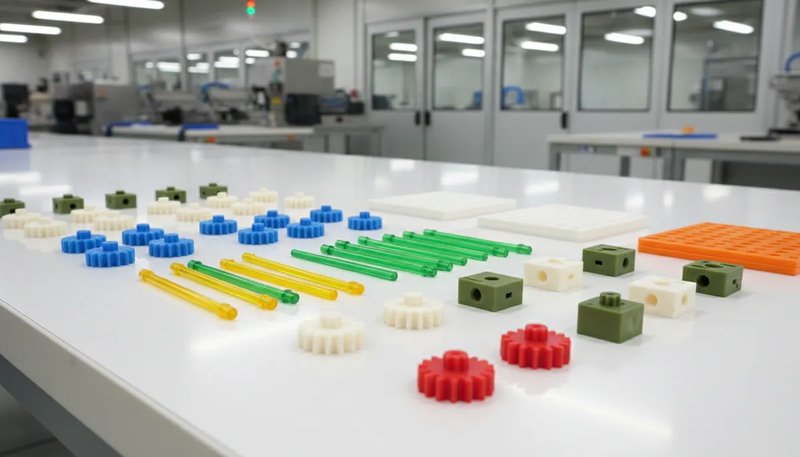
Anche le condizioni di lavorazione contano. Far funzionare uno stampo a temperature più alte di quelle specificate — sia a causa della viscosità del materiale, della dimensione del gate, o semplicemente per impazienza — accelera la fatica termica. Differenziali di temperatura dello stampo superiori a 20°C tra le cavità causano un’espansione differenziale che sollecita le linee di separazione e le interfacce nucleo/cavità ad ogni ciclo. In centinaia di migliaia di cicli, queste sollecitazioni si accumulano in flash, poi in deriva dimensionale, e infine in crepe. I parametri del processo di stampaggio a iniezione impostati il primo giorno proteggono il tuo investimento nello stampo o lo erodono silenziosamente.
Perché la manutenzione dello stampo è l’azione con il ROI più alto nella produzione di stampi?
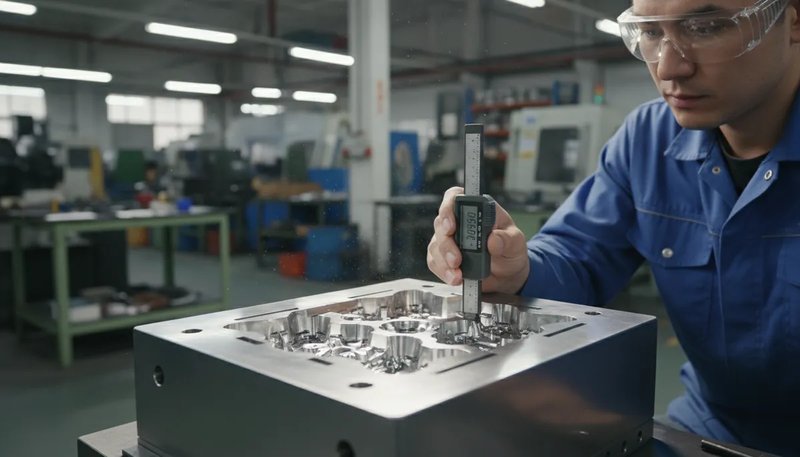
La manutenzione preventiva è l’azione a più alto rendimento disponibile dopo la costruzione di uno stampo. Il calcolo è semplice: un servizio di manutenzione preventiva da $500 a 50.000 cicli previene una riparazione non programmata da $5.000–$15.000 a 180.000 cicli e una sostituzione prematura dello stampo da $30.000–$50.000 a 400.000 cicli.
Il protocollo standard di manutenzione preventiva per uno stampo di produzione di Classe 103 che lavora un termoplastico non abrasivo comprende in genere: pulizia di cavità e anima (rimozione di accumuli di resina e ossidazione); ispezione e lubrificazione degli espulsori; pulizia dei canali di sfiato (gli sfiati ostruiti causano riempimenti incompleti e bruciature, entrambi fonte di sollecitazione meccanica); ispezione della linea di divisione per bave o usura; verifica del flusso nei circuiti di raffreddamento. Su uno stampo tipico richiede 4–8 ore e va eseguito ogni 50.000–100.000 cicli.[6]
Per stampi che lavorano materiali caricati con vetro o corrosivi, l’intervallo si riduce. Raccomandiamo la manutenzione preventiva ogni 25.000–50.000 cicli per resine abrasive, con particolare attenzione agli inserti dei gate (componenti sostituibili soggetti all’usura maggiore) e all’ispezione della superficie della cavità utilizzando un profilometro o, come minimo, un controllo visivo addestrato con ingrandimento. Gli inserti dei gate che possono essere sostituiti per $200–$500 per set sono notevolmente più economici rispetto alla rilavorazione o alla ripulitura completa di una cavità a $3.000–$8.000.
| Categoria Materiale | Intervallo di Manutenzione Programmata (cicli) | Aree di Priorità | Costo tipico della Manutenzione Programmata |
|---|---|---|---|
| PP, PE, ABS non caricati | 75,000–100,000 | Pulizia degli sfoghi, lubrificazione generale | $300–$600 |
| PC, Nylon (non rinforzato) | 50,000–75,000 | Puntoni di espulsione, controllo circuito di raffreddamento | $400–$800 |
| Rinforzato con vetro (10–30%) | 25,000–50,000 | Inserti di gate, ispezione superficie cavità | $600–$1,200 |
| PVC, gradi FR | 15,000–30,000 | Applicazione inibitore di corrosione, controllo completo cavità | $800–$1,500 |
| Resine ad alta temperatura (PEEK, PPS) | 20,000–40,000 | Uniformità di raffreddamento, ispezione della fatica termica | $700–$1,400 |
Presso ZetarMold, produciamo e manteniamo stampi ad iniezione dal 2005 dalla nostra fabbrica di Shanghai. Con oltre 100 stampi prodotti al mese e un team di 8 ingegneri di stampi, monitoriamo gli intervalli di manutenzione preventiva per ogni stampo nel nostro portafoglio. I nostri dati mostrano costantemente che gli stampi sottoposti a un rigoroso programma di manutenzione preventiva superano la valutazione della classe SPI del 15–30%, mentre gli stampi che saltano la manutenzione raramente raggiungono il 70% della loro vita nominale. Teniamo anche in stock set standardizzati di inserti di gate per le nostre famiglie di stampi più comuni: il tempo di sostituzione è tipicamente di 24–48 ore, contro le 2–3 settimane per la rilavorazione della cavità.
I tempi di fermo non pianificati sono il costo nascosto che nessuno budgeta. Un guasto allo stampo di produzione durante una produzione ad alto volume non costa solo la riparazione: costa il fermo linea, le spese di spedizione accelerate, l’attrito con il cliente. Includere un programma di manutenzione nella documentazione di consegna dello stampo fa parte di una progettazione responsabile, non è un ripensamento.
“Una regolare manutenzione preventiva a intervalli di 50.000 cicli può estendere la vita dello stampo del 15–30% oltre la sua classe SPI nominale.”True
Pulizia, lubrificazione e sostituzione dei componenti soggetti a usura costanti prevengono il danno cumulativo che abbrevia la vita dello stampo. I nostri dati di produzione mostrano che gli stampi conformi alla manutenzione programmata superano regolarmente i loro obiettivi di classe SPI, mentre gli stampi trascurati spesso falliscono al 60–70% della vita nominale.
“Dovresti attendere che i pezzi mostrino problemi di qualità prima di eseguire la manutenzione dello stampo.”False
Quando la qualità del pezzo si degrada, lo stampo ha già subito danni significativi: grippaggio degli spingitori, ostruzione delle sfoghi o erosione della cavità. La manutenzione preventiva a intervalli di cicli definiti costa una frazione della riparazione reattiva e previene tempi di fermo produzione non pianificati, che spesso sono più costosi della riparazione stessa.
Come Influiscono le Decisioni di Progettazione dello Stampo sulla Durata a Lungo Termine?
Le scelte progettuali dello stampo, prese prima che venga asportato un solo truciolo di acciaio, determinano la traiettoria di vita a lungo termine dello strumento. Le tre decisioni con l’impatto maggiore: progettazione del circuito di raffreddamento, tipo e posizione del gate, e progettazione del sistema di espulsione.
| Decisione di Progettazione | Rischio per la Durata se Sbagliato | Le migliori pratiche |
|---|---|---|
| Diametro del canale di raffreddamento | Fatica termica, fessurazione prematura | Diametro 8–12 mm, offset di 1,5× il diametro dalla parete della cavità |
| Dimensione e posizione del gate | Erosione e getto nella zona del gate | Inserti sostituibili per il punto di iniezione in H13; evitare il sottodimensionamento |
| Numero e posizionamento degli spingitori | Grippaggio, sbavature sui perni, deformazione | Distribuire la forza su ≥4 puntoni; sformo minimo 1° |
| Progettazione della linea di divisione | Sbavature e usura dovute a squilibrio della forza di chiusura | Adattare la forza di chiusura all'area proiettata; aggiungere tempra della zona di sfogo |
| Sfiato | Segni di bruciatura, iniezioni corte, stress localizzato | Terra di sfogo profondità 0,025–0,05 mm; pulire ogni 50.000 cicli |
Il raffreddamento è il fattore di durata più sottovalutato. Un raffreddamento insufficiente crea gradienti termici nello stampo; questi generano sollecitazioni cicliche, che causano cricche da fatica, soprattutto presso spigoli vivi, anime sottili e nervature profonde. Un progetto corretto garantisce una distribuzione uniforme della temperatura entro ±5 °C tra cavità e anima, mediante diametri adeguati dei canali (in genere 8–12 mm), distanza appropriata tra canale e cavità (almeno 1,5 volte il diametro) e portata sufficiente del refrigerante. Gli stampi con canali sottodimensionati o mal posizionati funzionano a temperature superiori al previsto, invecchiano più rapidamente e richiedono manutenzione più frequente. L’argomento è trattato approfonditamente nella nostra guida alla progettazione degli stampi a iniezione.
La progettazione del punto di iniezione è il secondo fattore critico. I punti di iniezione sono i punti di maggiore usura in qualsiasi stampo—il luogo in cui la resina calda e pressurizzata entra nella cavità ad alta velocità. Punti di iniezione sottodimensionati causano getti ed erosione localizzata; punti di iniezione sovradimensionati lasciano segni di saldatura e richiedono una maggiore forza di chiusura. I punti di iniezione laterali in acciaio dolce P20 che lavorano materiali caricati con vetro mostrano tipicamente un’usura misurabile entro 50.000–80.000 cicli. La soluzione: utilizzare inserti sostituibili per il punto di iniezione in acciaio temprato (H13 o con punta in carburo) nella posizione del punto di iniezione, anche se il resto dello stampo è in P20. Questa tempra mirata costa $300–$800 per ogni posizione del punto di iniezione e può estendere la vita del punto di iniezione di 3–5 volte.
“Gli inserti di gate temprati sostituibili possono prolungare la vita dell'area del gate di 3–5 volte rispetto a cavità in P20 massiccio.”True
Le zone di gate subiscono il maggiore wear in qualsiasi stampo per l'impatto della resina ad alta velocità. Installare inserti sostituibili in H13 o con punta in carburo nelle posizioni dei gate costa 300–800 per gate ma può garantire una durata 3–5 volte maggiore rispetto al P20 solido—a una frazione del costo di sostituzione completa della cavità.
“Gli ejector pin sono un componente minore senza effetto sulla durata dello stampo.”False
Gli ejector pin sottodimensionati o distribuiti male concentrano la forza di estrazione su piccole superfici, causando galling e allargamento dei fori degli ejector pin dopo centinaia di migliaia di cicli. Questo produce flash intorno agli ejector pin e richiede eventualmente la revisione dello stampo. Dimensionamento adeguato degli ejector pin e un minimo di 1° di angolo di sformo sono decisioni di ingegneria cruciali per la durata.
Il design dell’estrazione influisce sulla durata attraverso un meccanismo meno evidente: i carichi degli ejector pin. Se il sistema di estrazione è sottodimensionato—troppo pochi ejector pin, diametro errato degli ejector pin o angoli di sformo insufficienti sul pezzo—la forza di estrazione si concentra su una piccola superficie. L’estrazione ripetuta con forza elevata deforma il pezzo e stressa lo stampo. Nel tempo, questo causa galling e allargamento dei fori degli ejector pin e produce eventualmente flash intorno agli ejector pin. Dimensionamento adeguato degli ejector pin e angolo di sformo del pezzo (minimo 1°, 2° o più per superfici texture) sono decisioni sulla durata, non solo sulla qualità dello stampaggio.
Quali Sono i Segni che uno Stampo si Sta Avvicinando alla Fine della Sua Vita Utile?
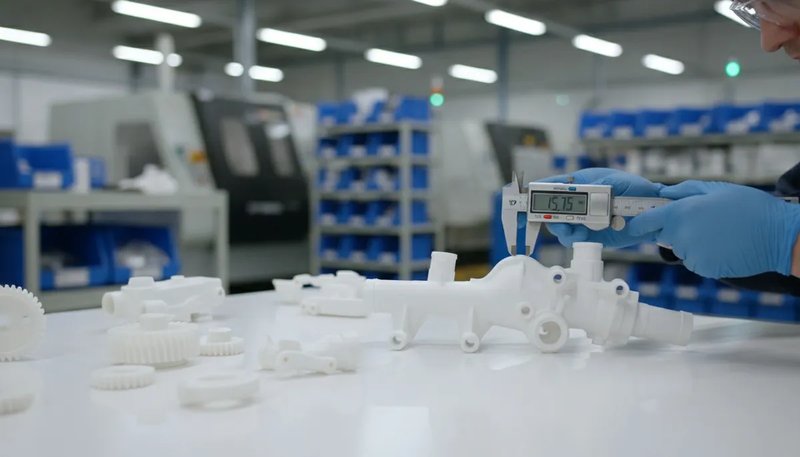
La maggior parte dei guasti degli stampi non si manifesta come eventi catastrofici improvvisi—si annunciano progressivamente attraverso segnali di qualità del pezzo che la maggior parte dei team di produzione impara a leggere troppo tardi.
Il primo segnale è flash sulla parting line. Flash dal primo ciclo indica un problema di costruzione; flash che appare progressivamente dopo 200,000+ cicli significa generalmente wear della parting line o shift dimensionale legato alla fatica. Il secondo segnale è short shots o burn marks nella stessa posizione—vents bloccati dall’accumulo di resina riducono l’uscita del gas, creando back-pressure che brucia la resina e impedisce il fill della cavità. Questo è un problema di maintenance nelle prime fasi ma può indicare erosione del vent land nella vita avanzata dello stampo. Il terzo segnale è drift dimensionale: pezzi che erano in tolleranza a T1 si muovono gradualmente verso il limite, causato da erosione della cavità nei gate, ribs e thin walls.
| Segnale | Fase | Causa probabile | Intervento |
|---|---|---|---|
| Flash progressivo sulla parting line | Vita media (200K+ cicli) | Usura della linea di separazione o fatica dimensionale | Rigrindare la parting line, aumentare la clamp force |
| Carenze di materiale / segni di bruciatura ricorrenti | Da iniziale a metà vita | Vents bloccati dall'accumulo di resina | Pulire i vents; sostituire se il vent land è eroso |
| Deriva dimensionale (fuori tolleranza) | Da metà a fine vita | Erosione della cavità ai canali di colata e alle nervature | Rimisurazione rispetto alla baseline T1; rifrescatura se necessario |
| Degradazione della finitura superficiale | Fine vita | Micro-fratturazione e erosione abrasiva | Ri-lucidatura (massimo 2–3 cicli); poi ri-macchinazione |
| Sbavatura del perno di espulsione | Metà vita | Galling o wear dei fori degli ejector pin | Sostituire gli ejector pin; ridimensionare i fori se necessario |
Il degrado della finitura superficiale è il quarto e spesso ultimo segnale prima del ritiro dello stampo. Le superfici delle cavità, inizialmente lucidate a SPI A1, diventano gradualmente più ruvide per microfratture ed erosione. Quando una superficie non può più essere rilucidata secondo specifica, di solito dopo 2–3 cicli di rilucidatura, la cavità deve essere rilavorata o lo stampo sostituito. Prima si individuano questi segnali, meno costa l’intervento: pulizia e rilucidatura a 300.000 cicli costano una frazione della sostituzione della cavità a 500.000 cicli. Anche i parametri del processo di stampaggio a iniezione influiscono direttamente sulla rapidità con cui compaiono tali segnali.
Come Puoi Estendere la Vita Utile di uno Stampo Oltre la Sua Valutazione Originale?
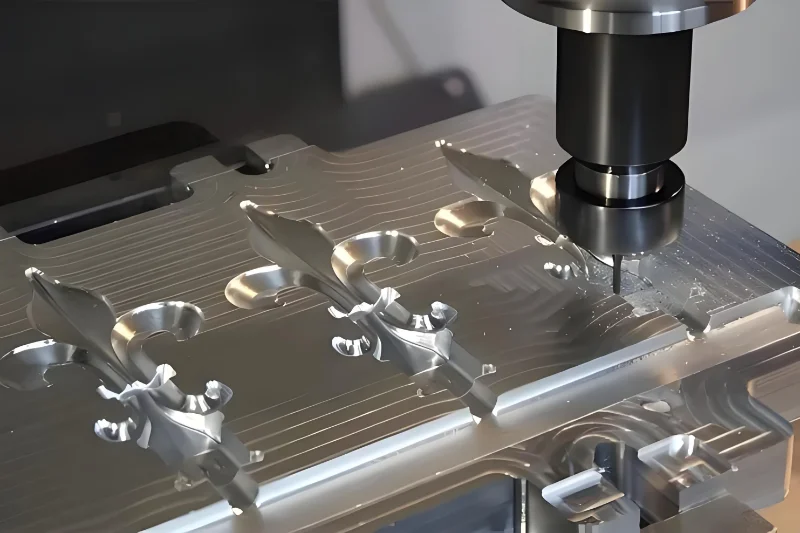
È realmente possibile prolungare la vita utile di un stampo oltre la sua classificazione SPI originale attraverso un intervento proattivo—ma solo fino a un certo punto, e solo con l’approccio corretto.
La ri-macchinazione e la ri-lucidatura della cavità è la strategia più comune di estensione della vita. Quando le superfici della cavità mostrano erosione misurabile ma la geometria del nucleo è ancora nei limiti, la ri-macchinazione per ripristinare la finitura superficiale e la precisione dimensionale può aggiungere 100.000–300.000 cicli a un stampo a metà vita. Il costo è tipicamente 20–40% del costo originale dello stampo—un investimento ragionevole se lo stampo ha già ammortizzato gran parte del suo costo iniziale.
La sostituzione degli inserti della cavità è la versione mirata della rimacchinazione. Invece di revisionare l’intero stampo, sostituire solo le sezioni worn—inserti di gate, core soggetti a wear elevato o bushings degli ejector pin danneggiati. Questo approccio richiede che il design originale dello stampo preveda la sostituzione: pockets per gli inserti, interfacce dimensionali standardizzate e accessibilità per il cambio degli inserti. Stampi designati con inserti modulari dall’inizio sono molto più facili e economici da estendere. Questo è un dettaglio da specificare nel tuo brief iniziale di tooling, soprattutto per programmi di lunga durata.
La nitrurazione e la cromatura sono trattamenti superficiali che aumentano durezza e resistenza alla corrosione dell’acciaio esistente, prolungandone la vita senza sostituirlo. La nitrurazione gassosa crea uno strato temprato di 0,1–0,3 mm fino a profondità di circa 0,5 mm, portando la durezza superficiale a un equivalente di 60–70 HRC.[7] La cromatura dura deposita 0,01–0,05 mm di cromo per resistere a corrosione e usura.[7] Questi trattamenti sono più efficaci come misure preventive su stampi nuovi o interventi nelle fasi iniziali; applicarli a una cavità già notevolmente erosa offre benefici limitati.
| Metodo | Cicli aggiuntivi | Costo (% dello stampo nuovo) | Applicazione ideale |
|---|---|---|---|
| Ripolitura della cavità | 50K–100K | 5–15% | Degradazione della finitura superficiale, erosione precoce |
| Sostituzione dell'inserimento del gate | 100K–200K | 3–8% | Usura del canale di colata su resine abrasive |
| Rifrescatura della cavità | 100K–300K | 20–40% | Deriva dimensionale misurabile, erosione superficiale |
| Nitrurazione gassosa | 100K–250K | 10–20% | Indurimento superficiale preventivo o in fase iniziale |
| Cromatura dura | 50K–150K | 8–15% | Resistenza alla corrosione, miglioramento del rilascio |
| Sostituzione completa della cavità | Reset completo della vita dello stampo | 50–80% | Geometria del nucleo ancora valida; cavità usurata |
Il limite onesto: c’è un punto in cui la ristrutturazione dello stampo costa più che costruire un nuovo strumento con le lezioni apprese. Uno stampo che ha richiesto due cicli di rilavorazione della cavità, molteplici sostituzioni di inserti e ripetuti interventi di manutenzione preventiva è spesso a quel limite o vicino ad esso. La decisione di ristrutturare rispetto a sostituire dovrebbe basarsi sul volume totale rimanente del programma, sulla vita tecnica residua dello stampo e sulla differenza di costo tra ristrutturazione e nuovo strumento. La risposta giusta raramente è emotivamente soddisfacente—a volte la decisione finanziariamente corretta è ritirare uno stampo che sembra funzionante e costruirne uno migliore.
Come Affronta ZetarMold la Durata di Vita degli Stampi nei Programmi di Produzione?
Quando valutiamo un programma di strumentazione, la durata dello stampo è una delle prime conversazioni ingegneristiche—non un ripensamento dopo aver quotato il prezzo.
ZetarMold costruisce stampi per iniezione a Shanghai dal 2005. Produciamo oltre 100 stampi al mese utilizzando macchinari come CNC, EDM, rettifiche e incisori di precisione. Il nostro team di ingegneria degli stampi, composto da 8 specialisti con oltre 10 anni di esperienza, gestisce la selezione dell'acciaio, la revisione DFM e la documentazione di manutenzione per ogni utensile che costruiamo. Siamo certificati ISO 9001, ISO 13485, ISO 14001 e ISO 45001—significa che i nostri sistemi di qualità e documentazione sono verificati da audit esterni, non solo dichiarati internamente. Se necessiti di un stampo che duri, la conversazione comincia con un brief: volume, materiale e timeline. Da qui proseguiamo.
Il processo inizia con la proiezione del volume di produzione. Se il tuo programma prevede 500.000 pezzi in tre anni, progettiamo uno stampo di Classe 102 in P20 o H13 a seconda del tuo materiale. Se si tratta di 2.000.000 di pezzi in cinque anni, la risposta è la Classe 101 con tempra completa—anche se costa di più inizialmente.
| Volume annuo | Durata del Programma | Classe SPI consigliata | Scelta dell'Acciaio |
|---|---|---|---|
| Sotto le 50.000 | 1–2 anni | Classe 104–105 | P20 morbido o alluminio |
| 50,000–200,000 | 2–3 anni | Classe 103 | P20 (28–34 HRC) |
| 200,000–500,000 | 3–5 anni | Classe 102–103 | P20 o H13 |
| 500,000–1,000,000 | 5+ anni | Classe 102 | H13 (48–52 HRC) |
| 1,000,000+ | A lungo termine / ripetuto | Classe 101 | H13 o S136, tempra completa |
Abbiamo avuto questa conversazione così tante volte da sapere che i clienti che si oppongono all’investimento iniziale nell’attrezzatura sono quasi sempre gli stessi che ci chiamano tre anni dopo chiedendoci perché il loro stampo sta fallendo al 60% del volume previsto. La conversazione è scomoda nella fase di preventivo e molto più scomoda quando lo stampo muore prematuramente.
Il nostro processo di progettazione degli stampi a iniezione3 comprende una revisione DFM standard che tratta scelta dell’acciaio, progettazione dei punti di iniezione, disposizione dei circuiti di raffreddamento e strategia di espulsione, con un’analisi esplicita dell’impatto sulla durata. Forniamo inoltre un programma di manutenzione per ogni stampo: intervalli di manutenzione preventiva basati sui cicli, elenco dei consumabili (espulsori, molle, inserti dei punti di iniezione) e una base dimensionale T1 documentata per confronti futuri. Nella nostra esperienza, i clienti che seguono il programma raggiungono in modo affidabile la durata prevista; gli altri tornano di solito da noi per riparazioni impreviste entro 18–24 mesi.
Domande Frequenti sulla Durata di Vita degli Stampi a Iniezione
Quanti colpi dura tipicamente uno stampo ad iniezione?
Uno stampo per iniezione di produzione tipico dura da 100.000 a oltre 1.000.000 di colpi, a seconda della classe SPI. Gli stampi di Classe 101 in acciaio H13 sono progettati per oltre 1M di cicli; gli stampi di Classe 103 in acciaio P20 mirano tipicamente a 100.000–500.000 cicli. Gli stampi prototipo in alluminio di Classe 105 sono valutati per meno di 500 colpi. La durata effettiva dipende fortemente dal materiale stampato, dalla disciplina di manutenzione e dalle condizioni di lavorazione—non solo dalla valutazione nominale della classe SPI. Gli stampi ben mantenuti superano regolarmente la loro durata nominale; gli stampi trascurati spesso falliscono al 60–70% dell’obiettivo.
Cosa riduce maggiormente la durata di vita dello stampo a iniezione?
I materiali abrasivi e corrosivi causano la maggiore riduzione della durata: le resine caricate con vetro (10–30% GF) possono ridurre la vita dello stampo del 30–50% rispetto ai gradi non caricati, e i materiali corrosivi come il PVC possono distruggere le cavità in acciaio P20 entro decine di migliaia di cicli senza protezione in acciaio inossidabile. La mancanza di manutenzione preventiva è il secondo fattore più grande: gli stampi che saltano gli intervalli di manutenzione preventiva raramente raggiungono il 70% della loro durata nominale. I parametri di lavorazione non adeguati, inclusa una pressione di iniezione eccessiva o temperature dello stampo superiori alle specifiche, accelerano anche l’usura e la fatica termica.
Un stampo per iniezione può essere riparato per estendere la sua durata?
Sì—la rilucidatura della cavità, la sostituzione dell’inserto di gate e la rilavorazione della cavità possono estendere la vita dello stampo di 100.000–300.000 cicli aggiuntivi. Il costo della riparazione è tipicamente il 20–40% dell’investimento iniziale dello strumento, rendendolo un’opzione vantaggiosa per stampi che hanno già ammortizzato la maggior parte del loro costo iniziale. Trattamenti superficiali come la nitrurazione gassosa o la cromatura dura aggiungono durezza e resistenza alla corrosione per estendere la vita superficiale della cavità. Tuttavia, c’è un limite pratico: stampi che richiedono più cicli di riparazione nel corso della loro vita potrebbero diventare più economici da sostituire con uno strumento riprogettato che incorpora le lezioni apprese dalla produzione originale.
Qual è il miglior acciaio per stampi per una lunga durata?
L’H13 (1.2344) temprato a 48–52 HRC è la scelta più diffusa per stampi di produzione ad alta durata che lavorano materiali abrasivi o ad alta temperatura, fornendo risultati costanti su 500.000–oltre 1.000.000 di cicli. L’S136 (1.2083) è preferito per materiali corrosivi come PVC e gradi ritardanti di fiamma alogenati grazie alle sue proprietà inossidabili, che resistono all’attacco chimico dei gas di lavorazione. Per resine standard non abrasive a volumi di produzione moderati, il P20 (28–34 HRC) offre una durata adeguata a un costo iniziale inferiore. La selezione dell’acciaio deve corrispondere al materiale specifico e al volume totale del programma—non esiste un acciaio ‘migliore’ universalmente per tutte le applicazioni di stampaggio a iniezione.
Con quale frequenza dovrebbe essere effettuata la manutenzione di uno stampo a iniezione?
Gli intervalli di manutenzione preventiva dipendono dal materiale utilizzato e dalla classe dello stampo. Uno stampo di Classe 103 che lavora termoplastiche non caricate dovrebbe essere revisionato ogni 50.000–100.000 cicli. Stampi che lavorano materiali caricati con vetro o corrosivi necessitano di manutenzione preventiva ogni 25.000–50.000 cicli. Ogni intervento di manutenzione preventiva dovrebbe includere la pulizia di cavità e nucleo per rimuovere accumuli di resina e ossidazione, la lubrificazione e l’ispezione dell’usura dei perni di espulsione, la pulizia dei canali di sfiato per prevenire mancate riempiture e bruciature, l’esame della linea di apertura per verificare bave o usura, e un controllo del flusso del circuito di raffreddamento per confermare un’adeguata rimozione del calore.
La dimensione dello stampo influisce sulla sua durata?
La dimensione dello stampo influisce indirettamente sulla durata attraverso i requisiti di forza di chiusura, la distribuzione della massa termica e la complessità del circuito di raffreddamento. Gli stampi più grandi subiscono una maggiore variazione della massa termica e sono più sensibili alla qualità del design del circuito di raffreddamento—un raffreddamento non uniforme crea stress termico ciclico che accelera la fatica. Gli stampi grandi costruiti in acciaio 718H (33–38 HRC) anziché in H13 completamente temprato sono meno soggetti a distorsioni durante il trattamento termico, preservando la stabilità dimensionale su lunghe produzioni. Per un dato grado di acciaio e programma di manutenzione, la dimensione dello stampo da sola non è il fattore primario della durata.
Qual è la differenza tra gli stampi della Classe 101 e quelli della Classe 103?
Gli stampi di Classe 101 sono progettati per oltre 1.000.000 di cicli utilizzando acciaio utensile completamente temprato (H13, S136), robusti circuiti di raffreddamento e sistemi di espulsione e alimentazione pesanti—inclusi inserti del canale di alimentazione temprati sostituibili. Gli stampi di Classe 103 mirano a 100.000–500.000 cicli utilizzando acciaio P20 semi-temprato o pre-temprato con raffreddamento ed espulsione standard. La differenza di costo iniziale è tipicamente del 40–80% più alta per la Classe 101. La scelta corretta è guidata interamente dal volume totale del programma: spendere troppo per la Classe 101 per una produzione di 200.000 pezzi è tanto dispendioso quanto spendere troppo poco per la Classe 103 per un programma di produzione di un milione di pezzi.
È possibile costruire uno stampo ad iniezione che duri indefinitamente?
Nessuno stampo per iniezione dura indefinitamente—ogni acciaio per utensili subisce fatica, erosione e una deriva dimensionale graduale con cicli termici ripetuti. Stampi di classe 101 con acciaio temprato, raffreddamento ottimizzato e programmi di manutenzione disciplinati possono superare 2.000.000 cicli in condizioni favorevoli con materiali non abrasivi, ma anche questi richiedono alla fine la sostituzione della cavità o la ri-macchinazione. L’obiettivo ingegneristico pratico non è la durata infinita ma la durata corrispondente: progettare lo stampo per durare oltre il tuo programma di produzione con margine adeguato, senza pagare per una durabilità non necessaria che non sarà mai esercitata.
Pronto a Progettare uno Stampo che Dura Quanto il Tuo Programma Richiede?

Regola rapida per la tua prossima decisione sulle attrezzature: abbina la classe SPI al volume totale del programma, seleziona l’acciaio in base al profilo di usura e corrosione del tuo materiale e crea un programma di manutenzione preventiva prima che lo stampo sia spedito—non dopo il primo incidente di qualità. Stampalo e portalo alla tua prossima revisione DFM.
ZetarMold produce stampi per iniezione di produzione a Shanghai dal 2005. Realizziamo oltre 100 stampi al mese in tutte le classi SPI, con un team dedicato di ingegneri di stampi che si occupa della selezione dell’acciaio, della revisione DFM e della documentazione di manutenzione per ogni strumento. Se hai un obiettivo di volume di produzione e una specifica del materiale, possiamo dirti esattamente di quale classe di stampo hai bisogno e quanto costerà—nessun intervallo vago, nessuna spinta alla vendita di caratteristiche non necessarie.
Pronto a costruire uno stampo che dura? Inviaci il tuo disegno del pezzo, il materiale e il volume annuo: definiremo la soluzione di attrezzatura giusta per il tuo programma, senza intervalli vaghi, senza vendita aggiuntiva di funzionalità non necessarie. ZetarMold fornisce stampi di produzione a clienti in Nord America, Europa e Asia dal 2005.
Riferimenti
- Plastics Industry Association — Customs and Practices of the Moldmaking Industry: definisce le classificazioni SPI degli stampi (Classi 101–105) e la loro durata approssimativa. — plasticsindustry.org
- Proprietà dell’acciaio per stampi P20 / 1.2311 — Durezza di fornitura allo stato pretemprato di circa 280–320 HB (≈28–34 HRC), secondo i dati del fornitore dell’acciaio. — mwalloys.com — Acciaio per stampi P20
- Proprietà dell’acciaio da utensili H13 (1.2344) — Acciaio da utensili per lavorazioni a caldo temprato a 48–52 HRC, ampiamente usato per stampi a iniezione ad alto volume. — hudsontoolsteel.com — Acciaio da utensili H13
- Abrasione da fibra di vetro negli stampi a iniezione — L’abrasione delle fibre di vetro durante lo stampaggio a iniezione pone notevoli problemi di usura all’acciaio dello stampo. — ScienceDirect — Wear, vol. 271 (2011); anche: MoldMaking Technology — Selezione strategica dei materiali per stampi
- Attacco corrosivo del PVC sull’acciaio dello stampo — Durante la lavorazione il PVC si degrada, liberando vapori di acido cloridrico che corrodono gli acciai da utensili standard; l’acciaio inossidabile per stampi (S136/1.2083) è la base consigliata. — MoldMaking Technology — I trattamenti superficiali proteggono le finiture degli stampi
- Intervalli di manutenzione preventiva degli stampi a iniezione — Prima manutenzione preventiva consigliata a 25.000–50.000 cicli; intervalli regolari prolungano la vita utile dello stampo. — VEM Tooling — Durata prevista dello stampo
- Proprietà della nitrurazione gassosa e della cromatura dura — La nitrurazione gassosa può raggiungere una durezza superficiale superiore a 67 HRC; lo strato di cromatura dura misura 0,02–0,05 mm a HV800–HV1000. — SSAB — Nitrurazione gassosa dell’acciaio da utensili; Hoorenwell — Guida alla standardizzazione degli stampi
stampo a iniezione: Uno stampo a iniezione è un utensile di precisione in acciaio lavorato che definisce la forma di un pezzo in plastica tramite ripetuti cicli di iniezione, raffreddamento ed espulsione, con una durata nominale determinata dal grado dell'acciaio e dalla classificazione SPI. ↩
acciaio per stampi: L'acciaio per stampi è una categoria di leghe di acciaio da utensili, come P20, H13 e S136, selezionate specificamente per costruire stampi a iniezione in base a durezza, resistenza alla corrosione e resistenza alla fatica termica. ↩
progettazione dello stampo a iniezione: La progettazione dello stampo a iniezione è il processo tecnico che definisce geometria dello stampo, grado dell'acciaio, sistemi di alimentazione, raffreddamento ed espulsione per produrre pezzi in plastica dimensionalmente accurati con il minor tempo ciclo possibile e la massima durata dello stampo. ↩