Sie haben ein Angebot von einem chinesischen Spritzgießwerk erhalten, und der Preis wirkt fast zu gut: 8.000 $ für eine Produktionsform, die in den USA 25.000 $ kosten würde. Ihr Chef sagt: „Machen.“ Ihr Bauchgefühl sagt: „Langsam.“ Dieser Artikel erklärt, was Ihr Bauch bereits weiß — wie Sie ein Spritzgießwerk in China richtig prüfen, bevor Sie Geld überweisen. Die eine Regel, die ich ausdrucken und an die Wand hängen würde: Was Sie nicht überprüfen können, sollten Sie nicht glauben.
- Fordern Sie stets die Originale der ISO-Zertifikate an, keine eingescannten Kopien.
- Die Anzahl der Maschinen sagt nichts aus, wenn Schließkraftbereich und Maschinenalter nicht verifiziert werden.
- Bei Erstaufträgen ist ein Werksaudit — virtuell oder vor Ort — unverzichtbar.
- Geschwindigkeit und Qualität der Kommunikation prognostizieren den Projekterfolg besser als der Preis.
- Fordern Sie einen Probelauf an, bevor Sie sich auf die Produktionsmenge festlegen.
Warum ist die Prüfung einer chinesischen Spritzgießfabrik wichtig?
Die sorgfältige Prüfung eines chinesischen Spritzgusswerks entscheidet zwischen einem zuverlässigen Partner und einer $50,000 teuren Lektion über falsche Sparsamkeit. Was Sie nicht verifizieren können, sollten Sie nicht als gegeben annehmen.
"“Wenn Sie statt nur 3 Mustern 10-20 Versuchsmuster anfordern, erhalten Sie aussagekräftige Daten zur Prozessstabilität.”"True
Drei Muster können zufällig perfekt aussehen. Die Messung kritischer Maße über 10-20 Schuss zeigt die tatsächliche Prozessstreuung und Prozessfähigkeit. Ist die Standardabweichung hoch, ist der Prozess des Werks instabil — selbst wenn einzelne Teile zufällig innerhalb der Toleranz liegen.
"“Eine Fabrik mit 50 Spritzgießmaschinen ist immer die bessere Wahl als eine mit 20 Maschinen.”"False
Die Anzahl der Maschinen allein ist irreführend. Entscheidend ist, wie viele Maschinen im von Ihnen benötigten Schließkraftbereich liegen und wie viele davon tatsächlich für Ihr Projekt verfügbar sind. Ein Werk mit 20 gut gewarteten Maschinen in Ihrem Schließkraftbereich ist leistungsfähiger als eines mit 50 Maschinen, die sämtlich durch andere Aufträge belegt sind oder außerhalb Ihrer Spezifikationen liegen.
Der Unterschied zwischen einem guten und einem schlechten Formenbaupartner liegt nicht im Preis, sondern in den verdeckten Kosten, die drei Monate später auftreten. Ich habe erlebt, dass Unternehmen $50,000 für eine Form verloren, die nie ein brauchbares Teil produzierte, und anschließend weitere $30,000 für ein Eilwerkzeug bei einem anderen Lieferanten ausgaben, weil der erste die Toleranzen nicht einhalten konnte.
Hier ist die unbequeme Wahrheit: Spritzgießen ist ein Präzisionsverfahren, und Präzision kostet Geld. Wenn ein Werk 60 % unter dem Marktpreis anbietet, fehlt etwas im Angebot. Vielleicht ist es der richtige Stahl, eine ausreichende Zahl von Testzyklen oder die technische Unterstützung, die Probleme verhindert, bevor sie entstehen.
Beim Prüfprozess geht es nicht darum, den billigsten Lieferanten zu finden. Entscheidend ist ein Lieferant, dessen tatsächliche Fähigkeiten Ihren Projektanforderungen entsprechen. Dafür müssen Sie über das Verkaufsgespräch hinaus Maschinen, Personal und Systeme prüfen.
Auf welche Warnsignale sollten Sie beim Erstkontakt achten?
Die drei größten Warnsignale sind, dass ein Lieferant allem zustimmt, auf die DFM-Prüfung verzichtet und seine Prozesse nur vage beschreibt. Ein kompetenter Fertigungsbetrieb stellt Fragen und widerspricht unrealistischen Spezifikationen. Nach unserer Erfahrung lässt die Kommunikation eines Betriebs in den ersten 48 Stunden den gesamten weiteren Projektverlauf erkennen.
Noch vor Werksaudits und Zertifikatsprüfungen liefert das Erstgespräch wichtige Hinweise. Nach unserer Erfahrung sagt die Kommunikation eines Werks in den ersten 48 Stunden den gesamten Projektverlauf voraus.
"“Eine nach chinesischem Recht ausgearbeitete NNN-Vereinbarung bietet einen stärkeren Schutz des geistigen Eigentums als eine übliche westliche NDA.”"True
Nach chinesischem Recht ausgearbeitete NNN-Vereinbarungen (Geheimhaltung, Nichtnutzung und Nichtumgehung) sind speziell auf Fertigungsbeziehungen zugeschnitten und vor chinesischen Gerichten durchsetzbar. Herkömmlichen westlichen NDAs fehlen häufig Gerichtsstandsklauseln, die von chinesischen Gerichten anerkannt werden.
"“Die Zertifizierung nach ISO 90011 garantiert, dass jedes Bauteil aus einem Werk Ihre Spezifikationen erfüllt.”"False
ISO 9001 bestätigt, dass ein Qualitätsmanagementsystem besteht — nicht, dass jedes Teil Ihre Spezifikationen erfüllt. Die Zertifizierung bescheinigt dokumentierte Prozesse; die tatsächliche Qualität hängt jedoch von deren Umsetzung ab. Probeläufe und Maßdaten bleiben für den Nachweis der realen Fertigungsfähigkeit unverzichtbar.

Warnsignal Nr. 1: Sie sagen zu allem Ja. Wenn Sie fragen: „Können Sie PEEK mit einer Toleranz von 0,05 mm formen?“ und sofort „Ja, kein Problem“ hören, ist das keine Sicherheit, sondern Unerfahrenheit. Ein kompetentes Werk stellt Rückfragen zu Teilegeometrie, Jahresmenge, Wandstärke und bevorzugter Anschnittposition. Es widerspricht unrealistischen Toleranzen und schlägt Alternativen vor. Dieser Widerspruch ist ein gutes, kein schlechtes Zeichen.
Warnsignal Nr. 2: Kein DFM-Feedback. Senden Sie eine 3D-Datei und sehen Sie, was zurückkommt. Ein gutes Werk liefert innerhalb von 3–5 Tagen einen DFM-Bericht, der Hinterschneidungen, dünne Wände und Probleme mit Entformungsschrägen kennzeichnet. Ein Werk, das ohne Prüfung der Teilegeometrie nur ein Angebot erstellt, kalkuliert blind — und Sie bezahlen später mit Werkzeugänderungen dafür.
Warnsignal Nr. 3: Sie können ihren Prozess nicht erklären. Bitten Sie um eine Erläuterung des Fertigungsablaufs ihrer Spritzgussform — von der Konstruktionsprüfung bis zu den T1-Mustern. Ist die Antwort vage oder besteht nur aus Schlagwörtern ohne konkrete Angaben, vergeben sie die Arbeit, die sie selbst nicht bewältigen können, wahrscheinlich an Unterauftragnehmer.
Wie prüfen Sie Werkszertifizierungen?
Werkszertifizierungen werden geprüft, indem Zertifikatsnummern und ausstellende Stellen angefordert und anschließend in der Datenbank der Zertifizierungsstelle überprüft werden. Seriöse Werke begrüßen dieses Verfahren.
Jedes Werk behauptet, ISO-zertifiziert zu sein. So prüfen Sie dies tatsächlich: Fordern Sie Zertifikatsnummer und ausstellende Stelle an und verifizieren Sie beides. Gültige ISO 9001-Zertifikate werden von akkreditierten Zertifizierungsstellen ausgestellt und lassen sich über Datenbanken wie das IAF (International Accreditation Forum) oder die Website der Zertifizierungsstelle prüfen.
Fordern Sie insbesondere folgende Dokumente an:
ISO 9001:2015 — die grundlegende Qualitätsmanagementnorm. Besitzt ein Werk sie nicht, suchen Sie einen anderen Anbieter.
ISO 13485 — entscheidend, wenn Sie Komponenten für Medizinprodukte herstellen.
ISO 14001 — Umweltmanagement. Wichtig, wenn Ihr Unternehmen Nachhaltigkeitsanforderungen hat.
ISO 45001 — Arbeits- und Gesundheitsschutz. Ein Werk, das sich um seine Beschäftigten kümmert, kümmert sich im Allgemeinen auch um seine Produkte.
Die wichtigste zu prüfende Norm ist ISO 9001 — sie bildet den grundlegenden Rahmen für das Qualitätsmanagement, auf dem alle weiteren Anforderungen aufbauen.
Wenn ein Werk behauptet, „wir verfügen über alle Zertifizierungen“, lassen Sie sich die Originale zeigen. Kein Foto und kein PDF, bei dem das Ablaufdatum abgeschnitten wurde. Ein seriöses Werk stellt Zertifikatsnummern, Ausstellungsdaten und Geltungsbereichsbeschreibungen bereitwillig zur Verfügung.
Worauf sollten Sie bei einem Werksaudit achten?
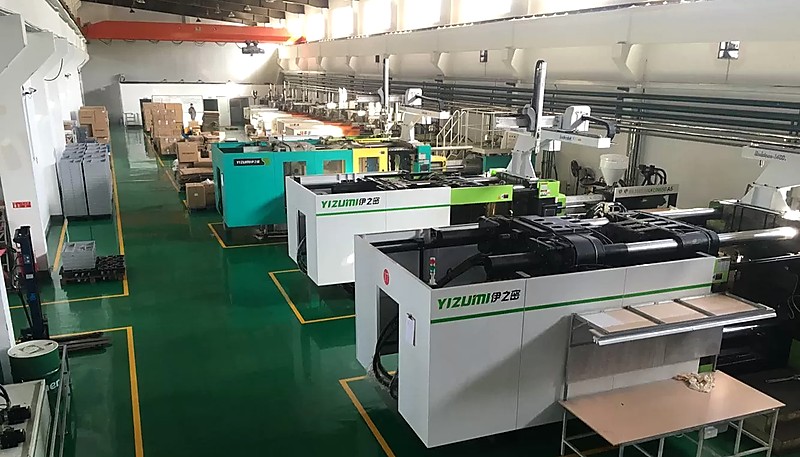
Bei einem Werksaudit haben Maschinenzustand, Ausstattung des QS-Labors, Materiallagerung und Originalzertifikate Vorrang. Ein SGS-Lieferantenaudit2 kann diese Punkte unabhängig prüfen, wenn Sie nicht persönlich vor Ort sein können.
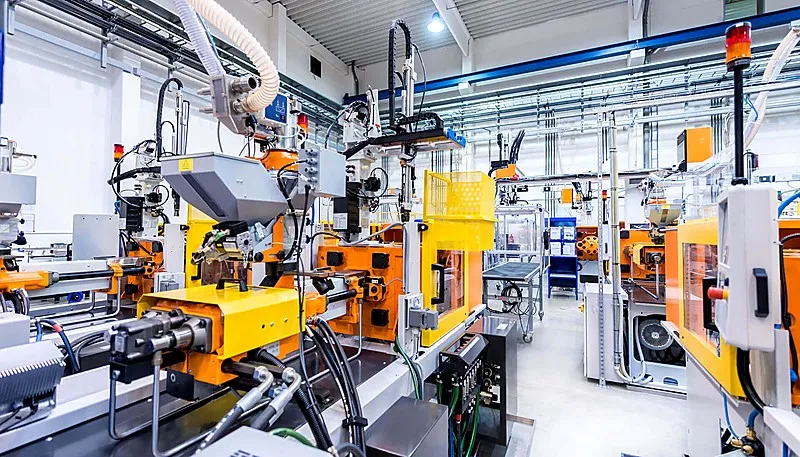
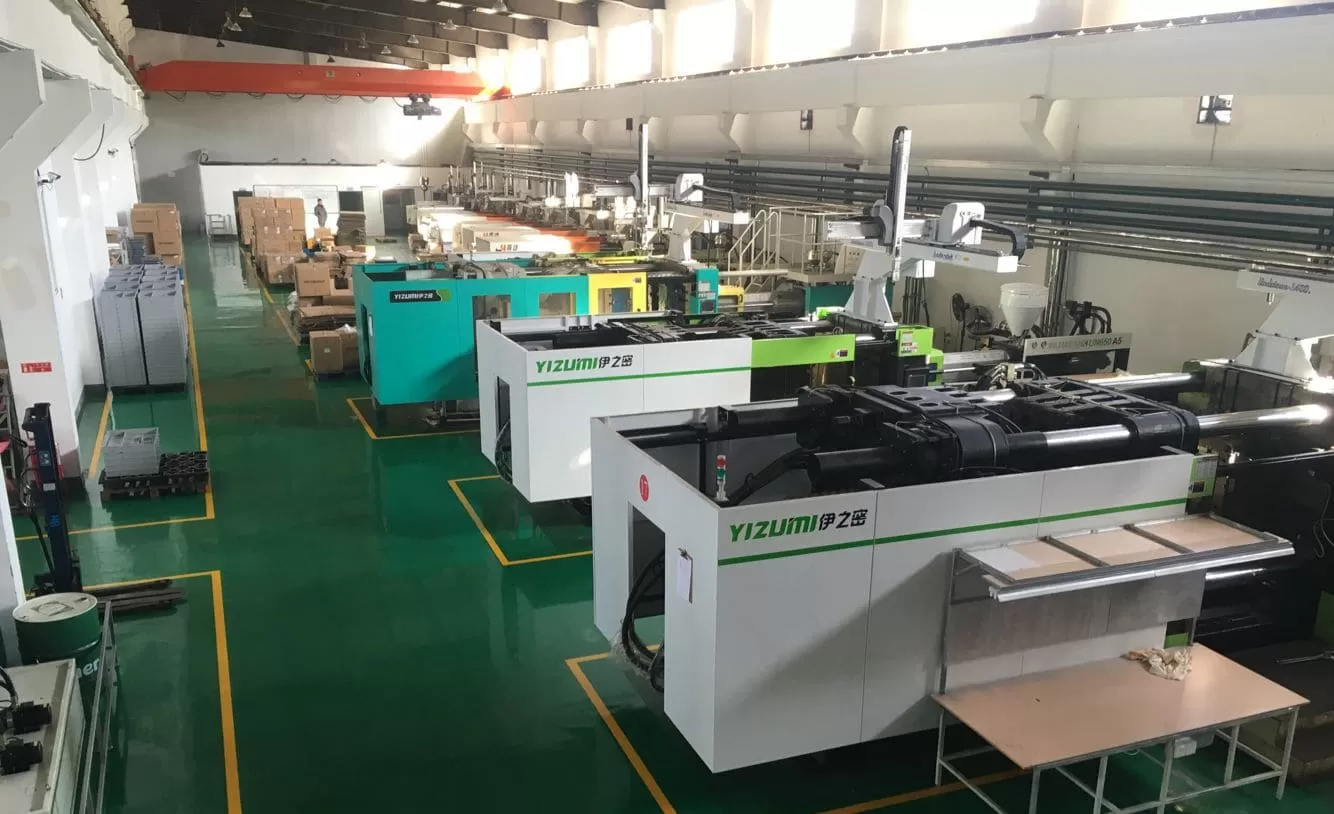
Prüfen Sie die Maschinen, nicht die Empfangshalle. Manche Werke investieren viel in den Empfang und vernachlässigen die Maschinenwartung. In unserem Werk warten wir Maschinen von 90T bis 1850T; für jede Maschine gibt es ein Wartungsprotokoll, das Sie einsehen können. Sehen Sie sich die Spritzgießmaschinen an: Laufen sie? Sind die Schließkraftschilder lesbar? Ein Werk mit mehr als 45 Maschinen sollte Ihnen genau sagen können, auf welcher Maschine Ihr Teil gefertigt wird.
Zählen Sie, was zählt. Die Gesamtzahl der Maschinen ist eine Eitelkeitskennzahl. Sie müssen wissen, wie viele Maschinen im benötigten Schließkraftbereich liegen und wie viele tatsächlich verfügbar sind, also nicht durch andere langfristige Produktionsaufträge belegt. Ein Werk mit 50 Maschinen, aber nur 2 in Ihrem Schließkraftbereich, ist weniger leistungsfähig, als es klingt.
Prüfen Sie den QS-Bereich. Eine ordentliche QS-Ausstattung umfasst kalibrierte Messmittel — Koordinatenmessgeräte, Profilprojektoren und Härteprüfer. Lassen Sie sich die neuesten Kalibrierzertifikate zeigen. Besteht der QS-Bereich aus einem Tisch mit Messschieber und Gut-/Ausschusslehre, haben Sie es mit einem Betrieb zu tun, der nach Augenmaß statt anhand von Daten prüft.
Wie bewerten Sie die tatsächliche Produktionskapazität?
Die Produktionskapazität wird anhand von drei Punkten geprüft: Schließkraftbereich im Maschinenpark, interner Werkzeugbau und Materialtrocknung. Klären Sie zunächst den Schließkraftbereich. Ein Werk mit Maschinen von 90T bis 1850T kann alles von kleinen Präzisionssteckern bis zu großen Automobilverkleidungen fertigen. Benötigt Ihr Bauteil eine 500T-Maschine und beträgt die größte verfügbare Maschine 300T, lässt sich diese Lücke technisch nicht überbrücken. Fragen Sie konkret: “Welchen Schließkraftbereich decken Sie ab, und wie viele Maschinen haben Sie im Bereich 200T-800T?” In diesem Bereich liegen die meisten Produktionsteile.
Klären Sie zunächst den Schließkraftbereich. Eine Fabrik mit Maschinen von 90T bis 1850T kann alles von kleinen Präzisionssteckverbindern bis zu großen Fahrzeugverkleidungen fertigen. Benötigt Ihr Bauteil eine 500T-Maschine und die größte verfügbare Maschine hat 300T, lässt sich diese Lücke durch keine technische Lösung schließen. Fragen Sie konkret: „Welchen Schließkraftbereich decken Sie ab, und wie viele Maschinen haben Sie im Bereich 200T-800T?“ In diesem Bereich liegen die meisten Produktionsteile.
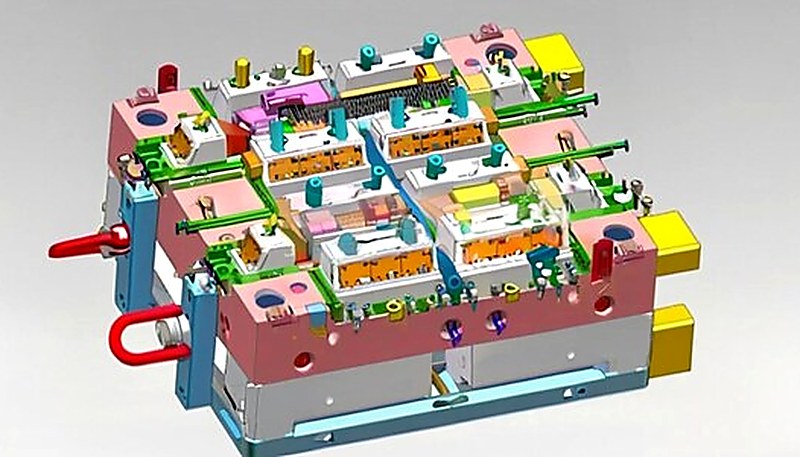
Sehen Sie sich zweitens den Werkzeugbau an. Ein Werk, das nur beschaffen, aber keine Formen bauen kann, ist ein Zwischenhändler. Eigener Werkzeugbau bedeutet schnellere Iterationen, geringere Änderungskosten und bessere Kontrolle über die Werkzeugqualität. Unser umfassender Leitfaden bietet einen strukturierten Ansatz zur Auswahl eines Spritzgießlieferanten.
Drittens sollten Sie den Materialbestand und die Trocknungsanlagen prüfen. Ein Werk, das mit mehr als 400 Materialien arbeitet, verfügt über Trockenöfen, Trichterlader und die Infrastruktur zur Materialhandhabung, um ohne Kontamination zwischen hygroskopischen Materialien (Nylon, Polycarbonat, TPU) wechseln zu können. Das ist keineswegs trivial – meiner Erfahrung nach ist allein eine unsachgemäße Trocknung für rund 30% der Spritzgussfehler verantwortlich.
Wann sollten Sie einen Probelauf anfordern?
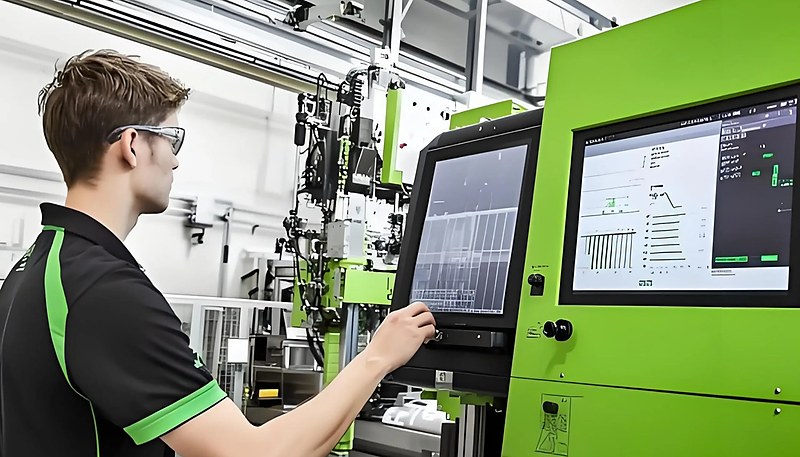
Fordern Sie stets einen Probelauf an, bevor Sie sich auf ein Produktionsvolumen festlegen. Er zeigt Maßfähigkeit, Oberflächenqualität und Materialkonstanz, die keine Werksbesichtigung belegen kann. Ein Werk kann Zertifikate, saubere Maschinen und eindrucksvolle Kundenlisten präsentieren — entscheidend ist jedoch der Probelauf.
Immer. Der Probelauf ist Ihr wertvollstes einzelnes Instrument zur Lieferantenprüfung. Der Grund: Ein Werk kann Ihnen Zertifizierungen, saubere Maschinen und eindrucksvolle Kundenlisten zeigen — doch erst im Probelauf zeigt sich die tatsächliche Leistungsfähigkeit.
Ein ordnungsgemäßer Probelauf sollte T1-Muster zur Validierung liefern – die ersten Schüsse aus dem fertiggestellten Werkzeug –, die Sie anhand Ihrer Zeichnungen vermessen können. Darauf sollten Sie achten:
Maßhaltigkeit: Messen Sie kritische Maße anhand Ihrer Toleranzen. Wenn ein Werk ±0,05 mm anbietet, beim ersten Versuch aber ±0,15 mm liefert, ist seine Prozessbeherrschung schwächer als behauptet.
Oberflächenqualität: Prüfen Sie auf Einfallstellen, Bindenähte, Grat und Fließmarken.
Konstanz über mehrere Schüsse: Fordern Sie 10–20 Muster an, nicht nur 3. Messen Sie an allen dasselbe Maß. Große Schwankungen zwischen den Schüssen weisen auf eine unzureichende Prozessstabilität hin.
Materialzertifizierung: Den Versuchsteilen sollte ein Material-Konformitätszertifikat (CoC) beiliegen, das die tatsächlich verwendete Harzcharge ausweist.
Der Probelauf zeigt auch, wie das Werk Probleme kommuniziert. Jeder Erstschuss weist Probleme auf — hier Gratbildung, dort eine Einfallstelle. Entscheidend ist, wie das Werk die Grundursache ermittelt und ob die vorgeschlagene Lösung technisch schlüssig ist.
Wie schützen Sie Ihr geistiges Eigentum bei der Weitergabe von Konstruktionen?
NNN-Vereinbarungen sind die erste Schutzmaßnahme, wenn Sie Konstruktionen an einen chinesischen Betrieb weitergeben. Geben Sie Daten stufenweise frei und melden Sie vor Produktionsbeginn ein chinesisches Geschmacksmuster an.
Diese Frage wird mir am häufigsten gestellt. Die ehrliche Antwort lautet: Das Risiko lässt sich nicht vollständig ausschließen, mit den richtigen Maßnahmen aber auf ein akzeptables Maß reduzieren.
Schritt 1: Unterzeichnen Sie eine NNN-Vereinbarung. Kein NDA, sondern eine NNN-Vereinbarung (Non-Disclosure, Non-Use, Non-Circumvention). Gewöhnliche westliche NDAs sind vor chinesischen Gerichten schwach. Eine nach chinesischem Recht auf Englisch und Chinesisch verfasste NNN-Vereinbarung mit konkreten Vertragsstrafen für jede Art von Verstoß ist tatsächlich durchsetzbar. Für US-Unternehmen beschreibt der Leitfaden BIS China Compliance3 zusätzliche Sorgfaltspflichten bei Exportkontrollen, wenn technische Daten international weitergegeben werden.
Schritt 2: Kontrollieren Sie den Datenfluss. Senden Sie nicht jedem Werk, das Sie bewerten, vollständige CAD-Dateien. Beginnen Sie mit Screenshots, Grundmaßen und Materialanforderungen. Geben Sie die vollständigen CAD-Daten erst nach Unterzeichnung der NNN-Vereinbarung an das Werk in Ihrer engeren Auswahl weiter.
Schritt 3: Registrieren Sie Ihr Design in China. Für Designpatente gilt in China das „First-to-file“-Prinzip. Wenn Sie ein Konsumprodukt herstellen, melden Sie vor Produktionsbeginn ein chinesisches Designpatent an. Das kostet ungefähr 500–1.000 $ und verschafft Ihnen durchsetzbare Rechte, falls ein Werk versucht, Ihr Produkt zu kopieren.
Woran erkennen Sie einen zuverlässigen langfristigen Werkzeugpartner?
Ein zuverlässiger langfristiger Werkzeugbaupartner ist ein Betrieb, der schwache Konstruktionen hinterfragt, schnell reagiert und in qualifizierte Mitarbeiter investiert. Nach 20 Jahren Lieferantenprüfung unterscheiden diese drei Merkmale die besten Anbieter vom Rest.
Sie sagen Ihnen, was Sie nicht hören möchten. Ein guter Betrieb weist Sie darauf hin, wenn Ihre Konstruktion zwar herstellbar, aber nicht optimal ist. Er wird sagen: “Wir können dieses Teil spritzgießen, aber wenn Sie den Entformungswinkel um 0.5 Grad erhöhen, können wir die Zykluszeit um 15% verkürzen.” Eine solche proaktive technische Beratung ist mehr wert als jede Kosteneinsparung beim ursprünglichen Angebot.
Sie reagieren, wenn etwas schiefläuft. Jedes Projekt hat Probleme. Die Frage ist, was um 23 Uhr geschieht, wenn die T3-Muster einen neuen Fehler zeigen, der bei den T1-Teilen nicht auftrat. Ein reaktionsschnelles Werk meldet sich innerhalb von 24 Stunden mit einer Ursachenanalyse und einem Korrekturmaßnahmenplan.
Sie investieren in Menschen, nicht nur in Maschinen. Ein Werk mit mehr als 120 erfahrenen Produktionsmitarbeitern, langjährig beschäftigten Senior-Ingenieuren und einem eigenen englischsprachigen Projektmanagementteam übertrifft stets ein größeres Werk mit hoher Fluktuation. Maschinen lösen keine Probleme — Menschen tun es.
Fazit: Die Lieferantenprüfung ist kein einmaliges Ereignis. Fabriken, die Ihr Erstaudit bestehen, müssen diesen Standard über alle Projekte hinweg aufrechterhalten. Führen Sie vierteljährliche Qualitätsbewertungen ein, verfolgen Sie die Termintreue und scheuen Sie sich nicht vor einem erneuten Audit, wenn die Qualität nachlässt. Die besten Lieferantenbeziehungen beruhen auf Verifizierung, nicht auf Vertrauen.
Was sind die häufigsten Fragen bei der Prüfung chinesischer Werke?
Welche Zertifizierungen sollte ein chinesischer Spritzgießbetrieb besitzen?
Mindestens ISO 9001:2015 ist unverzichtbar – sie bildet den grundlegenden Qualitätsmanagementrahmen, über den jeder seriöse Spritzgießbetrieb verfügen sollte. Für Komponenten von Medizinprodukten ist ISO 13485 erforderlich. Die Umweltkonformität nach ISO 14001 ist relevant, wenn Ihr Unternehmen Nachhaltigkeitsziele oder ESG-Berichtspflichten hat. Für Automobilanwendungen ist IATF 16949 der maßgebliche Branchenstandard. Fordern Sie stets Zertifikatsnummern und Angaben zur ausstellenden Stelle an und prüfen Sie diese unabhängig in der Online-Datenbank des Registrars, statt sich nur auf Aussagen des Werks zu verlassen.
Wie lange dauert ein Werksaudit?
Ein gründliches Werksaudit dauert 4-6 Stunden vor Ort und deckt systematisch Produktion, QC-Labor, Rohmateriallager und Dokumentenprüfung ab. Planen Sie weitere 1-2 Stunden für das Begrüßungsgespräch und die abschließende Besprechung der Ergebnisse ein. Wer anbietet, Ihnen das gesamte Werk in weniger als 45 Minuten zu zeigen, lässt wichtige Bereiche aus. Ein ordnungsgemäßes Audit sollte Maschinen unter Produktionslast beobachten, Kalibrieraufkleber auf allen Messmitteln prüfen, aktuelle Berichte zu Qualitätsvorfällen einsehen und Gespräche mit dem Engineering-Team umfassen.
Sollte ich das Werk persönlich besuchen?
Für Aufträge über 20.000 USD lohnt sich ein persönlicher Besuch trotz der Reisekosten. Für kleinere Aufträge ist ein Live-Video-Rundgang mit einem Werksvertreter eine praktische und kostengünstige Alternative, die dennoch viel offenbart. Während jeder Videotour bitten Sie sie, spezifische Maschinen nach Tonnageklasse zu zeigen, durch den QC-Messbereich zu gehen und Rohmaterial-Lagerbehälter zu öffnen, um die Etikettierung zu prüfen. Drittanbieter-Audits von SGS oder TUV bieten eine weitere unabhängige Verifizierungsoption, die Ihnen professionelle Dokumentation liefert, ohne dass Sie international reisen müssen.
Was ist eine angemessene Vorlaufzeit für T1-Muster?
Die Standardvorlaufzeit für T1-Muster beträgt 25-35 Tage für eine Einzelkavitäten-Testform. Komplexe Mehrkavitäten-Produktionsformen oder solche, die Schieber, Schwenker und Kernzüge erfordern, können 40-60 Tage bis zur Fertigstellung benötigen. Wenn ein Werk T1-Muster für eine neue Form in weniger als 20 Tagen verspricht, sollten Sie hinterfragen, ob sie bei der Formdesignprüfung oder Materialauswahl Abstriche machen. Planen Sie immer 3-5 Tage für eine ordentliche DFM-Prüfung ein, bevor der Formenbau beginnt, und berücksichtigen Sie zusätzliche Versandzeit für den internationalen Musterversand an Ihr Qualitätsinspektionsteam.
Wie erkenne ich, ob ein Werk meine Form weitervergeben lässt?
Verlangen Sie, deren Formenbau-Werkstatt physisch zu sehen. Wenn sie Ihnen keine CNC-Bearbeitungszentren, Senkerodiermaschinen, Drahterodiermaschinen und Polierstationen zeigen können, die alle vor Ort in Betrieb sind, geben sie Ihre Form sehr wahrscheinlich an eine Drittwerkstatt weiter. Diese versteckte Fremdvergabe erhöht die Kosten, verringert Ihre direkte Qualitätskontrolle und macht zukünftige technische Änderungen deutlich langsamer und teurer. Ein Werk mit echter eigener Formenbau-Kapazität kann Designänderungen schneller umsetzen, engere Maßtoleranzen einhalten und während des gesamten Produktionslebenszyklus laufende Wartungsunterstützung bieten.
Welche Zahlungsbedingungen sollte ich aushandeln?
Typische Zahlungsbedingungen sind eine Anzahlung von 30-50 Prozent mit dem Restbetrag bei Musterfreigabe und Bestätigung des Maßberichts. Stimmen Sie niemals zu, 100 Prozent im Voraus zu zahlen, unabhängig vom angebotenen Rabatt. Bei etablierten Lieferantenbeziehungen mit nachgewiesener Erfolgsbilanz können Sie meilensteinbasierte Zahlungen aushandeln, die an bestimmte Leistungen wie Anzahlung, T1-Musterfreigabe und Auslieferung der Endproduktionscharge geknüpft sind. Akkreditive Ihrer Bank sind eine sichere Option für große Aufträge. Knüpfen Sie die Endzahlung immer an messbare Qualitätsakzeptanzkriterien, die klar in Ihrer Auftragsvereinbarung dokumentiert sind.
Kann ich den von ihnen angegebenen Werksreferenzen vertrauen?
Nur teilweise – von Werken bereitgestellte Referenzen sind immer vorab geprüft und werden ausnahmslos überwiegend positiv sein. Ein viel effektiverer Ansatz ist, gezielt nach Referenzen in Ihrer eigenen Branche oder mit ähnlicher Bauteilkomplexität und Materialanforderungen zu fragen. Kontaktieren Sie dann diese Referenzen direkt und stellen Sie gezielte Fragen zur Reaktionsfähigkeit der Kommunikation, zur tatsächlichen pünktlichen Lieferleistung und vor allem dazu, wie das Werk mit Qualitätsproblemen umgegangen ist, wenn diese unvermeidlich auftraten. Große Branchenmessen wie NPE oder Chinaplas sind ebenfalls ausgezeichnete Orte, um unabhängiges, ehrliches Feedback einzuholen.
Was sollte ein Angebot für eine Form enthalten?
Ein vollständiges Formenangebot muss angeben: Formenstahltyp, Kavitäten- und Kernstahltyp, erwartete Formlebensdauer in Gesamtschusszahl, Oberflächengütestandard, Anzahl der Kavitäten, Anzahl der enthaltenen Änderungsrunden und Lieferbedingungen (FOB oder EXW). Es sollte auch alle Nachbearbeitungen, kundenspezifische Verpackungsanforderungen und jährliche Volumenannahmen, die den Stückpreis beeinflussen, einzeln auflisten. Vage Angebote, die nur einen einzigen Gesamtpreis ohne jegliche Aufschlüsselung zeigen, sind ein deutliches Warnsignal – bestehen Sie immer darauf, ein detailliertes, aufgeschlüsseltes Angebot zu erhalten, bevor Sie eine Vereinbarung unterzeichnen.
Bereit, Ihren nächsten Spritzguss-Partner zu prüfen?
Der richtige Spritzgießpartner ist einer, den Sie durch Werksaudits, Probeläufe und die Prüfung von Zertifizierungen gründlich bewertet haben. ZetarMold fertigt seit 2005 Spritzgussformen und Formteile in Shanghai. Mit 47 Maschinen, eigenem Werkzeugbau und mehr als 30 englischsprachigen Projektmanagern können wir Ihr Projekt von der DFM-Prüfung bis zur Produktionsauslieferung betreuen. Fordern Sie ein kostenloses Angebot an und erleben Sie, wie transparente Preise und fachgerechte technische Unterstützung tatsächlich aussehen.
ISO 9001: bezeichnet ISO-9001-Qualitätsmanagementsysteme — die international anerkannte Norm für Qualitätsmanagement, die bestätigt, dass ein Werk dokumentierte Prozesse, Systeme zur kontinuierlichen Verbesserung und eine gleichbleibende Produktausgabe besitzt. ↩
SGS-Lieferantenaudit: bezeichnet eine von SGS durchgeführte Methode zur unabhängigen Werksprüfung, die Fertigungskompetenz, Qualitätssysteme und die Einhaltung gesetzlicher Vorschriften abdeckt. SGS gehört zu den weltweit führenden Prüf- und Verifizierungsunternehmen. ↩
BIS China Compliance: bezeichnet den Leitfaden des U.S. Bureau of Industry and Security zur China-Compliance — staatliche US-Leitlinien zu Exportkontrollen und Sorgfaltspflichten bei der Beschaffung von Fertigwaren aus China. ↩