Vous avez reçu une offre d’une usine chinoise de moulage par injection et le prix semble presque trop beau : 8 000 $ pour un moule de production qui en coûterait 25 000 aux États-Unis. Votre patron dit « foncez », mais votre instinct vous dit de ralentir. Cet article explique ce que vous pressentez déjà : comment évaluer correctement une usine de moulage par injection en Chine avant de virer de l’argent. La règle que j’imprimerais pour l’afficher au mur est simple : si vous ne pouvez pas le vérifier, ne lui faites pas confiance.
- Demandez toujours les originaux des certificats ISO, et non des copies numérisées.
- Le nombre de machines ne signifie rien sans vérification de leur plage de tonnage et de leur âge.
- Un audit d'usine — virtuel ou sur site — est incontournable pour les premières commandes.
- La rapidité et la qualité de la communication prédisent mieux l’issue d’un projet que le prix.
- Exigez un essai avant de vous engager sur un volume de production.
Pourquoi est-il important d’évaluer une usine chinoise de moulage par injection ?
L’évaluation d’une usine chinoise de moulage fait la différence entre un partenaire fiable et une leçon à $50,000 sur les fausses économies. Si vous ne pouvez pas le vérifier, ne lui faites pas confiance.
"“Demander 10-20 échantillons d'essai au lieu de seulement 3 fournit des données significatives sur la stabilité du procédé.”"True
Trois échantillons peuvent sembler parfaits par hasard. La mesure des dimensions critiques sur 10-20 injections révèle la variation et la capabilité réelles du procédé. Si l’écart-type est élevé, le procédé de l’usine est instable, même si certaines pièces sont par hasard dans les tolérances.
"« Une usine équipée de 50 presses à injecter est toujours un meilleur choix qu’une usine qui en possède 20. »"False
Le nombre de machines est trompeur à lui seul. Ce qui compte, c’est le nombre de machines dans la plage de tonnage requise et leur disponibilité réelle pour votre projet. Une usine disposant de 20 machines bien entretenues dans votre plage de tonnage surpasse une usine de 50 machines toutes affectées à d’autres travaux ou hors spécifications.
La différence entre un bon et un mauvais partenaire mouliste n’est pas le prix — ce sont les coûts cachés que vous découvrez trois mois plus tard. J’ai vu des entreprises perdre $50,000 sur un moule qui n’a jamais produit de pièce exploitable, puis dépenser $30,000 supplémentaires en outillage d’urgence chez un autre fournisseur parce que leur premier choix ne pouvait pas tenir les tolérances.
Voici la vérité qui dérange : le moulage par injection est un procédé de précision, et la précision a un coût. Lorsqu’une usine propose un prix inférieur de 60 % au marché, il manque quelque chose dans l’offre : peut-être un acier adéquat, suffisamment de cycles d’essai ou l’assistance technique qui évite les problèmes avant qu’ils n’apparaissent.
L’évaluation ne consiste pas à trouver le fournisseur le moins cher, mais celui dont les capacités réelles correspondent aux exigences du projet. Il faut donc dépasser le discours commercial et examiner les machines, les personnes et les systèmes.
Quels signaux d’alerte surveiller lors du premier contact ?
Les trois principaux signaux d’alerte sont l’acceptation systématique de toutes les demandes, l’absence de revue DFM et des descriptions de processus vagues. Une usine compétente pose des questions et conteste les spécifications irréalistes. D’après notre expérience, sa communication pendant les 48 premières heures prédit toute la trajectoire du projet.
Avant même les audits et contrôles de certificats, la première conversation en dit long. D’après notre expérience, la communication de l’usine pendant les 48 premières heures prédit toute la trajectoire du projet.
« Un accord NNN rédigé selon le droit chinois protège mieux la propriété intellectuelle qu’un NDA occidental standard. »True
Les accords NNN (Non-Disclosure, Non-Use, Non-Circumvention) rédigés selon le droit chinois sont spécialement conçus pour les relations industrielles et exécutoires devant les tribunaux chinois. Les NDA occidentaux standard ne comportent souvent pas de clauses attributives de compétence reconnues par ces tribunaux.
"« La certification ISO 90011 garantit que chaque pièce produite par une usine respectera vos spécifications. »"False
ISO 9001 certifie l’existence d’un système de management de la qualité, et non la conformité de chaque pièce à vos spécifications. La certification signifie que des processus documentés sont en place, mais la qualité réelle dépend de leur exécution. Les essais et les données dimensionnelles restent essentiels pour vérifier les capacités réelles.

Signal d’alerte n° 1 : ils disent oui à tout. Si vous demandez « pouvez-vous mouler du PEEK avec une tolérance de 0,05 mm ? » et obtenez immédiatement « oui, aucun problème », ce n’est pas de l’assurance, mais de l’inexpérience. Une usine compétente posera des questions sur la géométrie, le volume annuel, l’épaisseur de paroi et vos préférences d’emplacement du point d’injection. Elle contestera les tolérances irréalistes et proposera des solutions. Cette remise en question est un signe positif, pas un signal d’alerte.
Signal d’alerte n° 2 : aucun retour DFM. Envoyez un fichier 3D et observez la réponse. Une bonne usine fournit sous 3 à 5 jours un rapport DFM signalant les contre-dépouilles, les parois minces et les problèmes d’angle de dépouille. Une usine qui établit son devis sans examiner la géométrie de la pièce travaille à l’aveugle, et vous en paierez le prix plus tard lors des modifications du moule.
Signal d’alerte n° 3 : ils ne savent pas expliquer leur processus. Demandez-leur de détailler leur flux de fabrication de moules d’injection, de la revue de conception aux échantillons T1. Si la réponse est vague ou se résume à des mots à la mode sans détails concrets, ils sous-traitent probablement les opérations qu’ils ne maîtrisent pas.
Comment vérifier les certifications d’une usine ?
Les certifications d’usine sont vérifiées en demandant les numéros de certificat et les organismes émetteurs, puis en les contrôlant dans la base de données du certificateur. Les usines légitimes accueillent favorablement cette démarche.
Toutes les usines se disent certifiées ISO. Voici comment le vérifier réellement. Demandez le numéro du certificat et l’organisme émetteur, puis contrôlez-les. Les certificats ISO 9001 légitimes sont délivrés par des organismes accrédités et vérifiables dans des bases telles que celle de l’IAF (International Accreditation Forum) ou sur le site de l’organisme.
Demandez précisément les documents suivants :
ISO 9001:2015 — norme de référence pour le management de la qualité. Si une usine ne la possède pas, passez votre chemin.
ISO 13485 — indispensable si vous fabriquez des composants de dispositifs médicaux.
ISO 14001 — management environnemental. Importante si votre entreprise impose des exigences de durabilité.
ISO 45001 — santé et sécurité au travail. Une usine qui prend soin de ses employés prend généralement soin de ses produits.
La norme la plus critique à vérifier est ISO 9001 — elle constitue le cadre de base du management de la qualité sur lequel repose tout le reste.
Lorsqu’une usine affirme « nous avons toutes les certifications », demandez à voir les originaux. Pas une photo, ni un PDF dont la date d’expiration a été rognée. Une usine légitime fournira volontiers les numéros de certificat, les dates d’émission et la description des périmètres.
Que faut-il examiner lors d’un audit d’usine ?
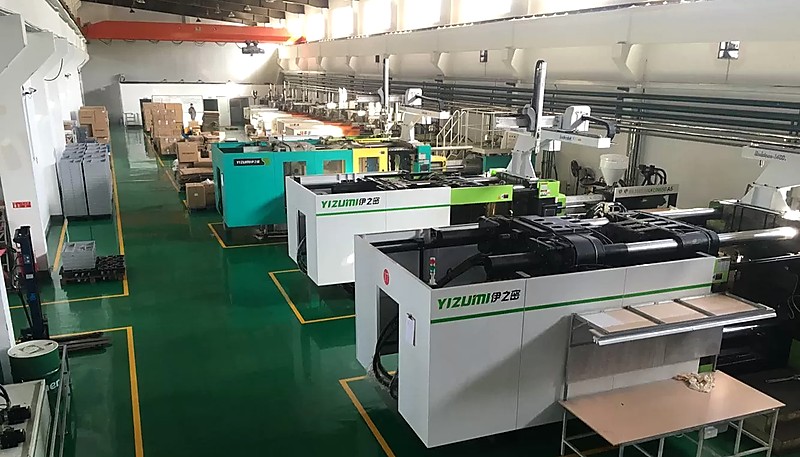
Les priorités d’un audit d’usine sont l’état des machines, l’équipement du laboratoire de contrôle qualité, le stockage des matières et les originaux des certificats. Un audit fournisseur SGS2 peut vérifier ces points de manière indépendante si vous ne pouvez pas vous rendre sur place.
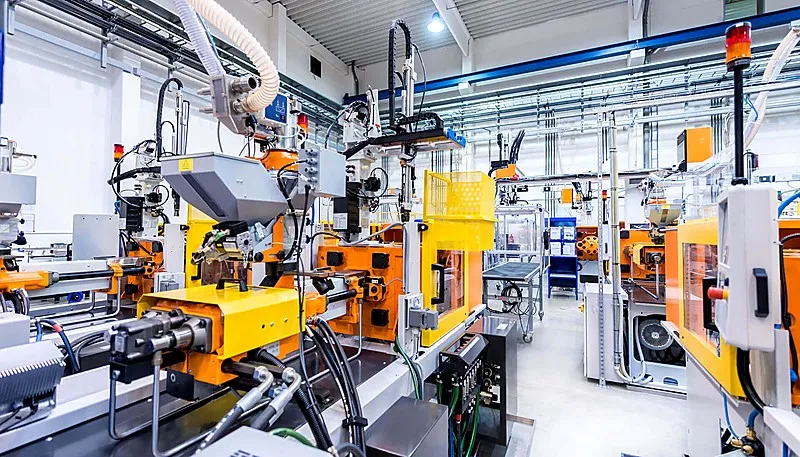
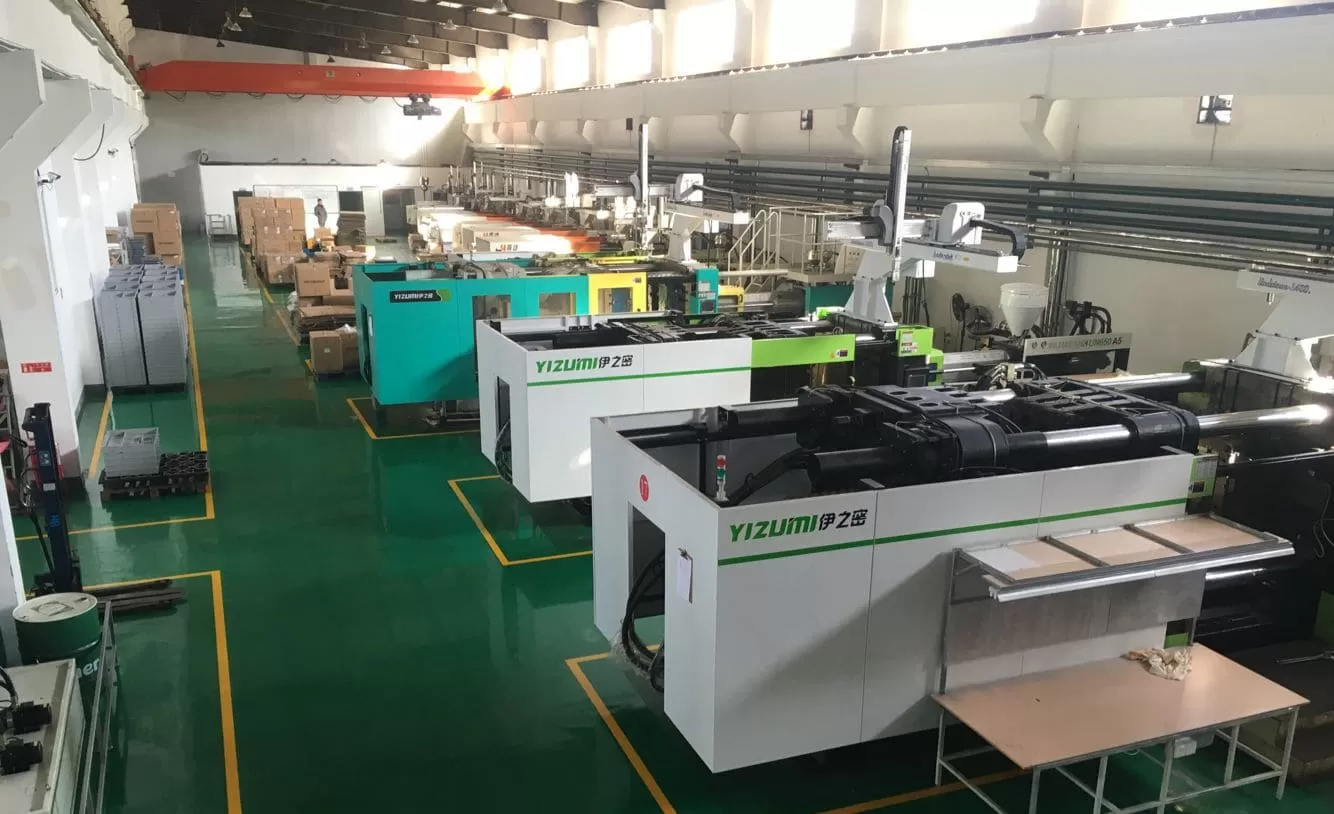
Inspectez les machines, pas le hall d’accueil. Certaines usines investissent beaucoup dans leur réception, mais négligent l’entretien des machines. Dans notre usine, nous entretenons des presses de 90T à 1850T, et chacune dispose d’un journal de maintenance consultable. Observez les presses à injecter : fonctionnent-elles ? Leurs plaques de tonnage sont-elles lisibles ? Une usine exploitant plus de 45 machines doit pouvoir vous indiquer exactement laquelle produira votre pièce.
Comptez ce qui importe. Le nombre total de machines est un indicateur flatteur mais peu utile. Vous devez savoir combien se situent dans la plage de tonnage requise et combien sont réellement disponibles, sans être mobilisées par d’autres productions longues. Une usine de 50 machines dont 2 seulement conviennent à votre tonnage n’est pas aussi compétente qu’elle le prétend.
Inspectez la zone de contrôle qualité. Un équipement adéquat comprend des instruments de mesure étalonnés : machines à mesurer tridimensionnelles, projecteurs de profil et duromètres. Demandez les certificats d’étalonnage les plus récents. Si la zone se résume à un bureau équipé d’un pied à coulisse et d’un calibre passe/ne passe, vous avez affaire à un atelier qui contrôle à l’œil plutôt qu’à partir de données.
Comment évaluer la capacité réelle de production?
La capacité de production se vérifie sur trois points : la plage de tonnage disponible dans l’atelier, les capacités de l’atelier de moulage interne et les équipements de séchage des matériaux. Commencez par examiner la plage de tonnage. Une usine exploitant des machines de 90T à 1850T peut traiter aussi bien de petits connecteurs de précision que de grands panneaux automobiles. Si votre pièce nécessite une machine de 500T et que la plus grande du fournisseur est de 300T, aucune ingénierie ne peut combler cet écart. Demandez précisément : « Quelle est votre plage de tonnage et combien de machines possédez-vous dans la plage 200T-800T ? » C’est dans cette plage que se situent la plupart des pièces de production.
Commencez par connaître la plage de tonnage. Une usine équipée de machines de 90T à 1850T peut traiter aussi bien de petits connecteurs de précision que de grands panneaux automobiles. Si votre pièce exige une machine de 500T et que la plus grande disponible est de 300T, aucune ingénierie ne comblera cet écart. Demandez précisément : « Quelle est votre plage de tonnage et combien de machines possédez-vous dans la plage 200T-800T ? » C’est là que se situent la plupart des pièces de série.
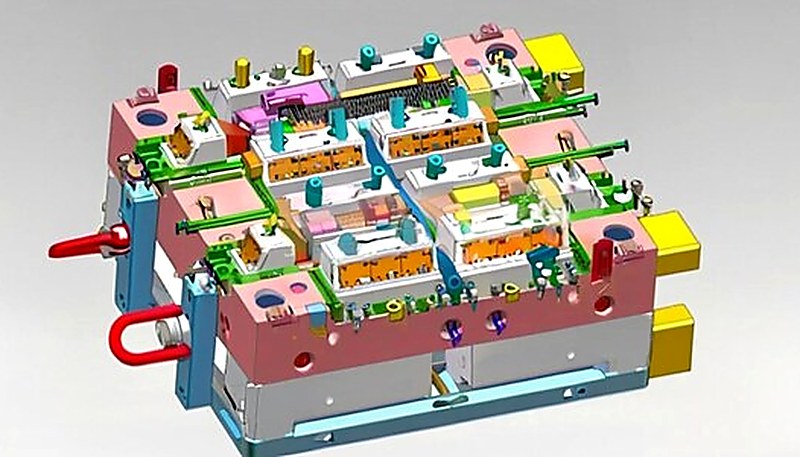
Ensuite, examinez l’atelier de moulage. Une usine qui sait seulement s’approvisionner, mais pas construire les moules, est un intermédiaire. La fabrication interne des moules permet des itérations plus rapides, réduit le coût des modifications et améliore le contrôle de la qualité des outillages. Pour une démarche structurée de sélection d’un fournisseur de moulage par injection, consultez notre guide complet.
Troisièmement, vérifiez le stock de matériaux et les équipements de séchage. Une usine qui travaille avec plus de 400 matériaux dispose des étuves, chargeurs de trémie et infrastructures de manutention nécessaires pour passer d’un matériau hygroscopique à un autre (nylon, polycarbonate, TPU) sans contamination. Ce n’est pas anodin : d’après mon expérience, un séchage incorrect représente à lui seul environ 30% des défauts de moulage.
Quand demander une série d’essai ?
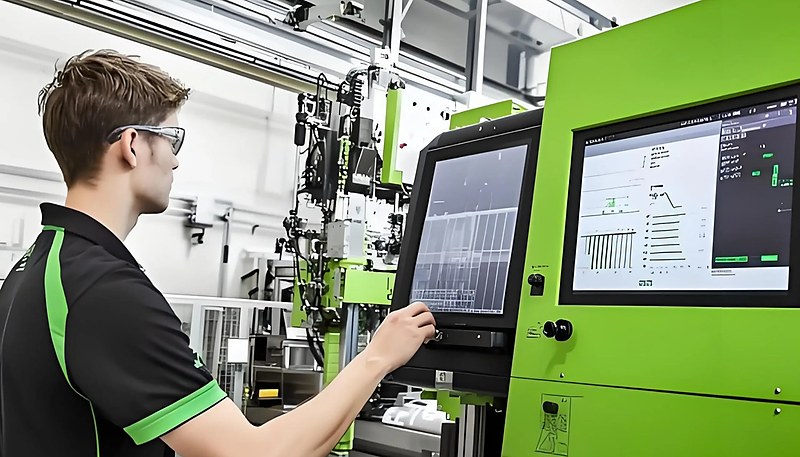
Demandez toujours un essai avant de vous engager sur un volume de production. Il révèle la capabilité dimensionnelle, la qualité de surface et la constance du matériau qu’aucune visite d’usine ne peut montrer. Une usine peut vous présenter des certifications, des machines propres et des listes de clients impressionnantes — mais c’est lors de l’essai que l’on passe à l’épreuve du réel.
Toujours. L’essai de production est votre outil d’évaluation le plus précieux. En voici la raison : une usine peut vous présenter des certifications, des machines propres et des listes de clients prestigieux — mais seul l’essai révèle ses capacités réelles.
Un essai correct doit produire des échantillons T1 à valider (premières injections issues du moule achevé), que vous pouvez mesurer par rapport à vos plans. Points à contrôler :
Précision dimensionnelle : mesurez les dimensions critiques par rapport à vos tolérances. Si une usine annonce ±0,05 mm mais livre ±0,15 mm au premier essai, sa maîtrise du procédé est moins bonne qu’elle ne le prétend.
État de surface : recherchez les retassures, lignes de soudure, bavures et marques d’écoulement.
Régularité entre les injections : demandez 10 à 20 échantillons, pas seulement 3. Mesurez la même dimension sur chacun. Une forte variation d’une injection à l’autre révèle un procédé peu stable.
Certification matière : les pièces d’essai doivent être accompagnées d’un certificat de conformité (CoC) indiquant le lot de résine réellement utilisé.
L’essai révèle également la façon dont l’usine communique sur les problèmes. Chaque première injection présente des défauts : bavure ici, retassure là. Ce qui compte, c’est la manière dont l’usine diagnostique la cause racine et la pertinence technique de la correction proposée.
Comment protéger votre propriété intellectuelle lorsque vous partagez des conceptions ?
Les accords NNN constituent la première ligne de défense lors du partage de conceptions avec une usine chinoise. Contrôlez la transmission des données par étapes et déposez un brevet de dessin chinois avant le début de la production.
C’est la question que l’on me pose le plus souvent. La réponse honnête est la suivante : vous ne pouvez pas éliminer entièrement le risque, mais vous pouvez le ramener à un niveau acceptable en suivant les bonnes étapes.
Étape 1 : signez un accord NNN. Pas un simple NDA, mais un NNN (non-divulgation, non-utilisation et non-contournement). Les NDA occidentaux standards sont peu efficaces devant les tribunaux chinois. Un accord NNN rédigé selon le droit chinois, en anglais et en chinois, prévoyant des pénalités précises pour chaque type de violation, vous offre une véritable protection juridique. Pour les entreprises américaines, les recommandations BIS sur la conformité en Chine3 précisent les exigences supplémentaires de diligence raisonnable relatives au contrôle des exportations lors du partage international de données techniques.
Étape 2 : maîtrisez la circulation des données. N’envoyez pas les fichiers CAO complets à chaque usine évaluée. Commencez par des captures d’écran, les dimensions de base et les exigences matière. Ne communiquez les données CAO complètes à l’usine présélectionnée qu’après la signature du NNN.
Étape 3 : enregistrez votre dessin en Chine. Pour les brevets de dessin, la Chine applique le principe du « premier déposant ». Si vous fabriquez un produit de consommation, déposez un brevet de dessin chinois avant le début de la production. Il coûte environ 500 à 1 000 $ et vous confère des droits opposables si une usine tente de copier votre produit.
À quoi reconnaît-on un partenaire de moulage fiable à long terme ?
Un partenaire moulistе fiable à long terme est une usine qui remet en question les conceptions faibles, répond rapidement et investit dans des collaborateurs qualifiés. Après 20 ans d’évaluation de fournisseurs, ces trois qualités distinguent les meilleurs.
Ils vous disent ce que vous ne voulez pas entendre. Une bonne usine vous signalera qu’une conception est fabricable, mais non optimale. Elle dira : “nous pouvons mouler cette pièce, mais en augmentant l’angle de dépouille de 0.5 degrees, nous pouvons réduire le temps de cycle de 15%.” Ce conseil technique proactif vaut davantage que toute économie sur le devis initial.
Ils répondent lorsque les choses tournent mal. Tous les projets rencontrent des problèmes. La question est de savoir ce qui se passe à 23 h lorsque les échantillons T3 présentent un nouveau défaut absent des pièces T1. Une usine réactive vous répond sous 24 heures avec une analyse des causes profondes et un plan d’action corrective.
Ils investissent dans les personnes, pas seulement dans les machines. Une usine comptant plus de 120 opérateurs expérimentés, des ingénieurs seniors présents depuis des années et une équipe dédiée de chefs de projet anglophones sera toujours plus performante qu’une usine plus grande au personnel très instable. Les machines ne résolvent pas les problèmes ; les personnes, si.
En résumé, la qualification n’est pas ponctuelle. Les usines qui réussissent votre audit initial doivent maintenir ce niveau projet après projet. Organisez des revues qualité trimestrielles, suivez les taux de livraison à l’heure et n’hésitez pas à refaire un audit si la qualité se dégrade. Les meilleures relations fournisseurs reposent sur la vérification, pas sur la confiance.
Quelles sont les questions les plus fréquentes sur la qualification des usines chinoises ?
Quelles certifications une usine chinoise de moulage par injection doit-elle posséder ?
Au minimum, ISO 9001:2015 est non négociable : cette norme constitue le cadre de base du management de la qualité que toute usine légitime de moulage par injection doit appliquer. ISO 13485 est requise pour les composants de dispositifs médicaux. La conformité environnementale ISO 14001 est importante si votre entreprise poursuit des objectifs de durabilité ou doit publier des rapports ESG. Pour l’automobile, IATF 16949 est la norme sectorielle pertinente. Demandez toujours les numéros de certificat et les coordonnées de l’organisme émetteur, puis vérifiez-les indépendamment dans la base en ligne du certificateur au lieu de vous fier uniquement aux déclarations de l’usine.
Combien de temps dure un audit d’usine ?
Un audit d’usine approfondi demande 4-6 heures sur site et couvre systématiquement l’atelier de production, le laboratoire QC, la zone de stockage des matières premières et la salle d’examen documentaire. Prévoyez encore 1-2 heures pour la réunion d’accueil initiale et la synthèse finale des constats. Si quelqu’un propose de vous montrer toute l’usine en moins de 45 minutes, il ne vous montre certainement pas tout ce qui compte. Un audit correct doit inclure l’observation des machines sous charge de production, le contrôle des étiquettes d’étalonnage sur tous les instruments de mesure, l’examen des récents rapports d’incidents qualité et une rencontre avec l’équipe d’ingénierie.
Dois-je visiter l’usine en personne ?
Pour les commandes supérieures à 20,000 USD, une visite en personne justifie largement le déplacement. Pour les petites commandes, une visite vidéo en direct avec un représentant de l’usine est une solution pratique et économique qui reste très instructive. Demandez à voir des machines précises avec leur tonnage, la zone de mesure QC et l’ouverture des conteneurs de matières premières pour vérifier l’étiquetage. Les audits indépendants de SGS ou TUV offrent une autre vérification et une documentation professionnelle sans déplacement international.
Quel est un Délai Raisonnable pour les Échantillons T1 ?
Le délai standard pour les échantillons T1 est de 25-35 jours pour un moule de test monocavité. Les moules de production multicavité complexes ou ceux nécessitant des leviers, des glissières et des tirants de noyau peuvent prendre 40-60 jours à réaliser. Si une usine promet des échantillons T1 en moins de 20 jours pour un nouveau moule, vous devriez questionner si ils réduisent les efforts sur la revue de conception du moule ou la sélection des matériaux. Intégrez toujours 3-5 jours pour une revue DFM appropriée avant que la construction du moule commence, et prenez en compte un temps de livraison supplémentaire pour l’expédition internationale des échantillons à votre équipe d’inspection qualité.
Comment Savoir si une Usine Sous-traite Mon Moule ?
Demandez à voir physiquement leur atelier de fabrication de moules. Si ils ne peuvent pas vous montrer des centres d’usinage CNC, des machines à électroérosion par enfonçage, des découpeurs à fil et des stations de polissage tous fonctionnant sur site, il est très probable qu’ils sous-traitent votre moule à un atelier tiers. Cette sous-traitance cachée augmente les coûts, réduit votre contrôle qualité direct et rend les futures modifications d’ingénierie beaucoup plus lent et plus coûteux. Une usine avec une véritable capacité de fabrication de moules en interne peut itérer sur les changements de conception plus rapidement, maintenir des tolérances dimensionnelles plus strictes et fournir un support de maintenance continu tout au long du cycle de vie de la production.
Quelles Conditions de Paiement Devrais-je Négocier ?
Les conditions de paiement typiques sont 30-50 pourcent d’acompte avec le reste payable après approbation des échantillons et confirmation du rapport dimensionnel. Ne acceptez jamais de payer 100 pourcent upfront indépendamment du discount offert. Pour des relations avec fournisseurs établis ayant un historique prouvé, vous pouvez négocier des paiements basés sur milestones liés à des livrables spécifiques comme acompte, approbation échantillon T1, et livraison batch de production final. Les lettres de crédit de votre banque sont une option sécurisée pour les grandes commandes. Liez toujours le paiement final à des critères d’acceptation qualité mesurables clairement documentés dans votre accord de bon de commande.
Peut-je Faire Confiance aux Références d’Usine Qu’ils Fournissent ?
Partiellement seulement — les références fournies par l’usine sont toujours pré-sélectionnées et seront invariablement extrêmement positives. Une approche beaucoup plus efficace est de demander des références spécifiquement dans votre propre industrie ou avec une complexité de pièce similaire et exigences de matériaux à celles de votre projet. Contactez ensuite ces références directement et posez des questions pointues sur la réactivité de communication, la performance de livraison réellement à temps, et surtout comment l’usine a traité les problèmes qualité quand ils sont arrivés (inevitablement). Les grands salons professionnels industriels comme NPE ou Chinaplas sont aussi des excellentes places pour collecter des feedbacks indépendants candid.
Quoi Devrait Inclure une Quotation de Moule ?
Une quotation complète de moule doit spécifier : type d’acier de la base du moule, type d’acier de la cavité et du noyau, durée de vie attendue du moule en nombre total de cycles, standard de finition de surface, nombre de cavités, nombre de rounds de modifications inclus, et conditions de livraison (FOB ou EXW). Elle doit aussi détailler toutes opérations secondaires, exigences de packaging customisé, et hypothèses de volume annuel affectant le prix unitaire. Les quotations vague montrant seulement un prix total unique sans aucun détail sont un signal d’alarme significatif — insistez toujours pour recevoir une quotation détaillée et itemisée avant signer tout accord.
Prêt à évaluer votre prochain partenaire en moulage par injection ?
Le bon partenaire de moulage par injection est celui que vous avez correctement évalué au moyen d’audits d’usine, d’essais de production et de vérifications des certifications. ZetarMold fabrique des moules d’injection et des pièces moulées à Shanghai depuis 2005. Avec 47 machines, une fabrication des moules en interne et plus de 30 chefs de projet anglophones, nous pouvons prendre en charge votre projet depuis la revue DFM jusqu’à la livraison en production. Demandez un devis gratuit et découvrez concrètement les avantages d’une tarification transparente et d’un véritable accompagnement technique.
ISO 9001 : norme internationalement reconnue relative aux systèmes de management de la qualité, certifiant qu’une usine dispose de processus documentés, de dispositifs d’amélioration continue et d’une production régulière. ↩
Audit fournisseur SGS : méthode d’audit d’usine par un tiers couvrant les capacités de fabrication, les systèmes qualité et la conformité réglementaire, mise en œuvre par SGS, l’une des principales sociétés mondiales d’inspection et de vérification. ↩
Conformité BIS en Chine : recommandations du Bureau of Industry and Security des États-Unis concernant le contrôle des exportations et les obligations de diligence raisonnable lors de l’achat de produits manufacturés en Chine. ↩