Вы получили предложение от китайского завода литья под давлением, и цена кажется почти неправдоподобно низкой: $8,000 за серийную пресс-форму, которая в США стоила бы $25,000. Руководитель говорит: «Соглашайся». Интуиция подсказывает: «Не спеши». Эта статья — о том, что вы уже чувствуете: как правильно проверить китайский завод литья под давлением до перевода денег. Единственное правило, которое я бы распечатал и повесил на стену: если это нельзя проверить, этому нельзя доверять.
- Всегда запрашивайте оригиналы сертификатов ISO, а не сканированные копии.
- Количество машин ничего значит без проверки диапазона тоннажа и возраста машин.
- Аудит завода — виртуальный или личный — обязателен для первых заказов.
- Скорость и качество коммуникации предсказывают результаты проекта лучше, чем цена.
- Требуйте пробный запуск до перехода к серийному объему производства.
Почему проверка китайского завода для литья под давлением важна?
Проверка китайской фабрики по литью под давлением — это разница между надежным партнером и уроком ложной экономии в 50 000 долларов. Если вы не можете это проверить — не доверяйте.
"“Запрос 10-20 пробных образцов вместо всего 3 дает значимые данные о стабильности процесса.”"True
Три образца могут случайно выглядеть идеально. Измерение критических размеров на 10-20 отливках показывает реальную вариацию и возможности процесса. Если стандартное отклонение велико, процесс на фабрике нестабилен — даже если отдельные детали случайно попадают в допуск.
«Предприятие с 50 термопластавтоматами всегда лучше предприятия с 20 машинами».False
Только количество машин является обманчивым показателем. Важно, сколько машин находится в требуемом диапазоне тоннажа и сколько действительно доступны для вашего проекта. Завод с 20 хорошо обслуживаемыми машинами в вашем диапазоне тоннажа лучше, чем завод с 50 машинами, которые все заняты другими проектами или не соответствуют вашим требованиям.
Разница между хорошим и плохим партнером по пресс-формам — не в цене, а в скрытых затратах, которые вы обнаружите через три месяца. Я видел компании, терявшие 50 000 долларов на пресс-форме, которая так и не произвела годную деталь, а затем тратившие еще 30 000 долларов на срочное изготовление оснастки у другого поставщика, потому что их первый выбор не мог выдержать допуски.
Вот неприятная правда: литье под давлением — прецизионный процесс, а точность стоит денег. Если завод предлагает цену на 60% ниже рыночной, в смете чего-то не хватает. Возможно, надлежащей стали, достаточного числа испытательных циклов или инженерной поддержки, предотвращающей проблемы до их появления.
Процесс проверки — не о поиске самого дешевого поставщика. Он о поиске поставщика, чьи реальные возможности соответствуют требованиям вашего проекта. Это значит смотреть дальше рекламных обещаний — на оборудование, людей и системы.
На какие тревожные сигналы следует обращать внимание при первом контакте?
Три самых больших красных флага — согласие на всё, пропуск проверки DFM и расплывчатые описания процессов. Способный завод задает вопросы и возражает против нереалистичных спецификаций. По нашему опыту, то, как завод общается в первые 48 часов, предсказывает всю траекторию проекта.
Прежде чем вы даже перейдете к аудитам заводов и проверке сертификатов, первоначальная беседа многое расскажет. По нашему опыту, то, как завод общается в первые 48 часов, предсказывает всю траекторию проекта.
"“Соглашение NNN, составленное по китайскому законодательству, обеспечивает более надёжную защиту IP, чем стандартное западное NDA.”"True
Соглашения NNN (о неразглашении, неиспользовании и необходе), составленные по китайскому праву, специально разработаны для производственных отношений и имеют силу в китайских судах. Стандартные западные NDA часто не содержат юрисдикционных оговорок, признаваемых китайскими судами.
"“Сертификация ISO 90011 гарантирует соответствие каждой детали с завода вашим спецификациям.”"False
ISO 9001 подтверждает наличие системы управления качеством — но не то, что каждое изделие соответствует вашим спецификациям. Сертификация означает наличие документированных процессов, но фактическое качество зависит от исполнения. Тестовые запуски и данные размеров остаются необходимыми для проверки реальных возможностей.
Тревожный сигнал № 1: они соглашаются на все. Если вы спрашиваете: «Сможете отлить PEEK с допуском 0,05 мм?» — и сразу слышите: «Да, без проблем», это не уверенность, а неопытность. Компетентный завод задаст уточняющие вопросы о геометрии детали, годовом объеме, толщине стенок и предпочтительном расположении литника. Он оспорит нереалистичные допуски и предложит альтернативы. Такие возражения — хороший, а не тревожный признак.
Тревожный сигнал № 2: отсутствие обратной связи по DFM. Отправьте 3D-файл и посмотрите, что вернется. Хороший завод в течение 3–5 дней предоставит отчет DFM, указав поднутрения, тонкие стенки и проблемы с углами уклона. Завод, который просто называет цену, не изучив геометрию детали, делает предложение вслепую — позже вы заплатите за это при доработке пресс-формы.
Тревожный сигнал № 3: они не могут объяснить свой процесс. Попросите поэтапно описать процесс изготовления литьевой пресс-формы — от анализа конструкции до образцов T1. Если ответ расплывчат или состоит из общих модных слов без конкретики, вероятно, завод передает субподрядчикам работу, с которой не справляется сам.
Как проверять сертификаты заводов?
Сертификаты предприятия проверяют, запрашивая номера сертификатов и наименования выдавших их органов, а затем сверяя сведения в базе данных регистратора. Добросовестные предприятия приветствуют такую проверку.
Каждая фабрика заявляет о сертификации ISO. Вот как это проверить на самом деле. Запросите номер сертификата и орган, его выдавший, затем проверьте его. Легитимные сертификаты ISO 9001 выдаются аккредитованными регистраторами и могут быть проверены через базы данных, такие как IAF (Международный форум по аккредитации) или собственный сайт регистратора.
Конкретно запросите эти документы:
ISO 9001:2015 — базовый стандарт менеджмента качества. Если у завода его нет, откажитесь от сотрудничества.
ISO 13485 — критически важен при производстве компонентов медицинских изделий.
ISO 14001 — экологический менеджмент. Важен, если у вашей компании есть требования к устойчивому развитию.
ISO 45001 — охрана здоровья и безопасность труда. Завод, который заботится о работниках, как правило, так же заботится и о продукции.
Самый важный стандарт для проверки — ISO 9001 — он формирует базовую систему управления качеством, на которой строится всё остальное.
Когда фабрика заявляет «у нас есть все сертификаты», попросите показать оригиналы. Не фото, не PDF с обрезанной датой истечения срока. Легитимная фабрика охотно предоставит номера сертификатов, даты выдачи и описания области действия.
На что следует обращать внимание во время аудита фабрики?
Приоритеты аудита завода — состояние машин, оснащение лаборатории контроля качества, хранение материалов и оригиналы сертификатов. Если вы не можете приехать лично, эти пункты поможет независимо проверить аудит поставщика SGS2.
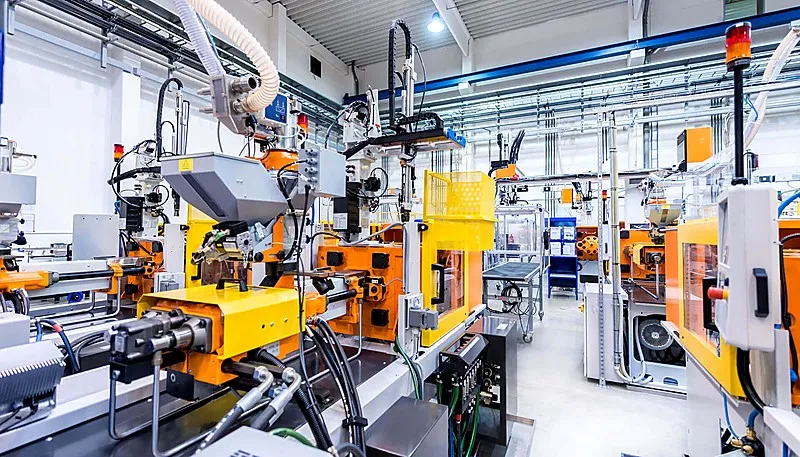
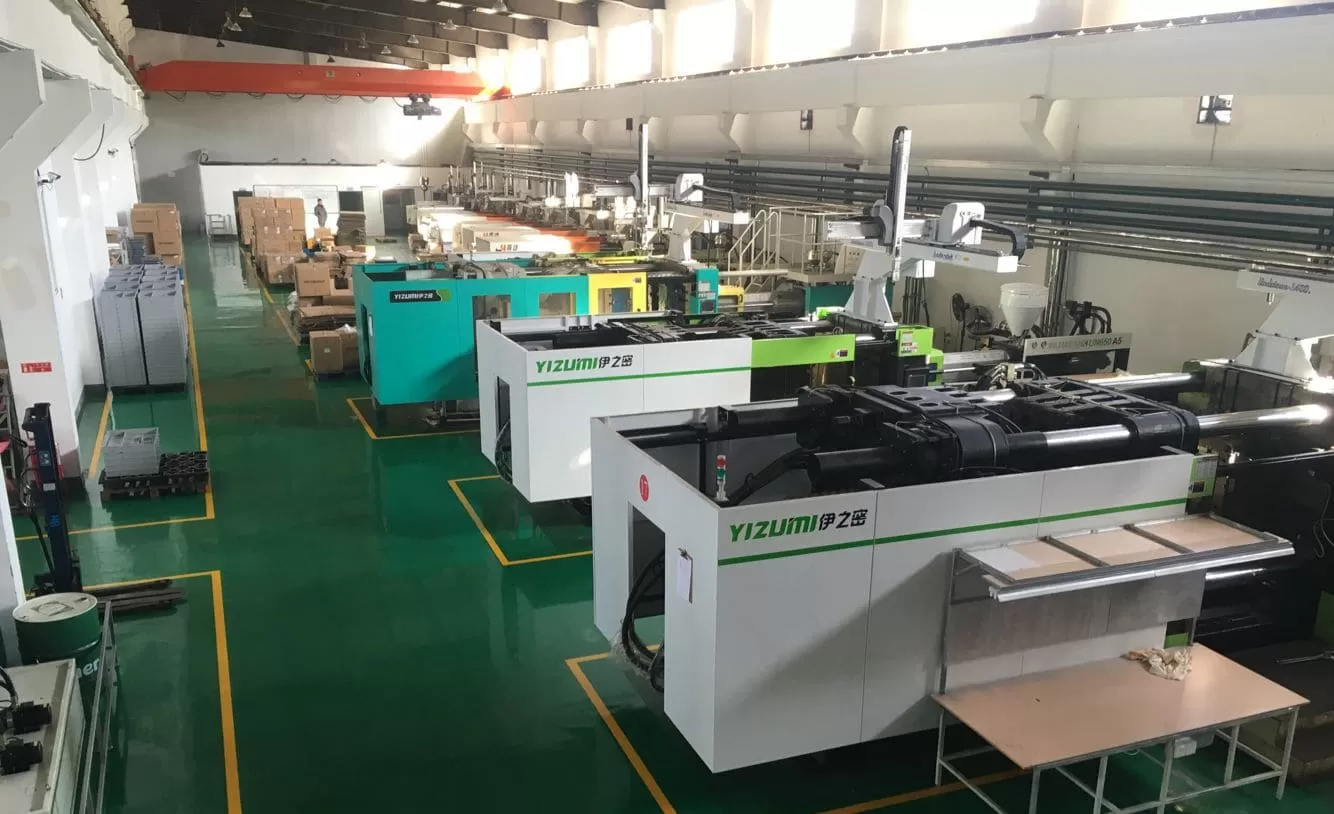
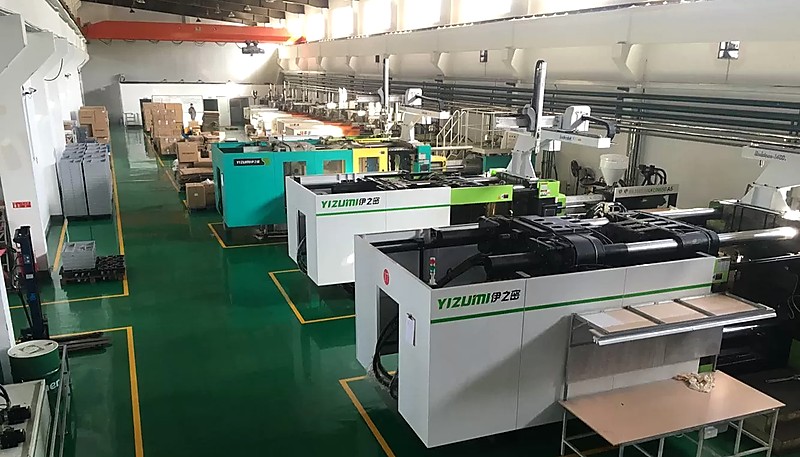
Проверяйте машины, а не вестибюль. Некоторые заводы щедро вкладываются в приемную, но экономят на обслуживании оборудования. На нашем заводе мы обслуживаем машины усилием смыкания от 90T до 1850T, и у каждой есть журнал техобслуживания, который можно запросить. Осмотрите термопластавтоматы: работают ли они? Читаются ли таблички с усилием смыкания? Завод с более чем 45 машинами должен точно сказать, на какой из них будут выпускать вашу деталь.
Считайте то, что имеет значение. Общее число машин — показатель для самолюбования. Вам нужно знать, сколько машин соответствует требуемому диапазону усилия смыкания и сколько из них действительно свободно, а не занято длительными серийными заказами. Завод с 50 машинами, из которых лишь 2 подходят по усилию, не так компетентен, как кажется.
Осмотрите зону контроля качества. Надлежащая лаборатория оснащена калиброванным измерительным оборудованием: координатно-измерительными машинами, профильными проекторами и твердомерами. Попросите показать последние сертификаты калибровки. Если вся зона контроля — это стол со штангенциркулем и проходным/непроходным калибром, перед вами цех, где проверяют на глаз, а не по данным.
Как оценить реальные производственные мощности?
Производственную мощность проверяют по трём параметрам: диапазону усилия смыкания оборудования в цехе, возможностям собственного инструментального производства и наличию оборудования для сушки материалов. Сначала определите диапазон усилий. Завод с машинами от 90T до 1850T способен выпускать всё — от небольших прецизионных разъёмов до крупных автомобильных панелей. Если для детали нужна машина 500T, а крупнейшая у поставщика — 300T, инженерными решениями этот разрыв не устранить. Спросите прямо: «Каков ваш диапазон усилия смыкания и сколько у вас машин в диапазоне 200T-800T?» Именно сюда относится большинство серийных деталей.
Во-первых, поймите диапазон тоннажа. Завод, работающий на машинах от 90 до 1850 тонн, может производить всё: от небольших прецизионных разъёмов до крупных автомобильных панелей. Если для вашей детали нужна машина на 500 тонн, а их самая большая — 300 тонн, никакая инженерия не преодолеет эту разницу. Спросите конкретно: «Какой у вас диапазон тоннажа и сколько у вас машин в диапазоне 200–800 тонн?» Именно в этом диапазоне находится большинство серийных деталей.
Во-вторых, осмотрите инструментальный цех. Завод, который умеет только искать подрядчиков, но не изготавливать пресс-формы, — посредник. Собственное производство пресс-форм ускоряет циклы доработки, снижает стоимость изменений и улучшает контроль качества оснастки. Системный подход к поиску поставщика литья под давлением изложен в нашем полном руководстве.
В-третьих, проверьте склад материалов и сушильное оборудование. На заводе, работающем с 400+ материалами, есть сушильные печи, загрузчики бункеров и инфраструктура для работы с материалами, позволяющая переключаться между гигроскопичными материалами (нейлон, поликарбонат, TPU) без загрязнения. Это нетривиально — по моему опыту, только неправильная сушка является причиной примерно 30% дефектов литья.
Когда следует запрашивать пробный запуск?
Всегда запрашивайте пробный запуск перед переходом на серийное производство. Он показывает возможности по размерам, качество поверхности и однородность материала, которые не может продемонстрировать ни одна экскурсия по заводу. Завод может показать вам сертификаты, чистые станки и впечатляющий список клиентов — но пробный запуск — это момент истины.
Всегда. Пробный запуск — ваш самый ценный инструмент проверки. Вот почему: завод может показать вам сертификаты, чистые машины и впечатляющий список клиентов — но пробный запуск — это момент истины.
Правильная пробная отливка должна производить образцы T1 для валидации (первые отливки из готовой формы), которые вы можете измерить по своим чертежам. На что обращать внимание:
Точность размеров: измерьте критические размеры и сравните их с допусками. Если завод заявляет ±0,05 мм, но с первой попытки выдает ±0,15 мм, управление процессом слабее заявленного.
Качество поверхности: проверьте наличие утяжин, линий спая, облоя и следов течения.
Стабильность от цикла к циклу: запросите 10–20 образцов, а не только 3. Измерьте на каждом один и тот же размер. Большой разброс между циклами указывает на низкую стабильность процесса.
Сертификация материала: к пробным деталям должен прилагаться сертификат соответствия материала (CoC) с указанием фактически использованной партии смолы.
Пробный запуск также показывает, как завод сообщает о проблемах. У каждой первой отливки есть проблемы — облой здесь, усадка там. Важно то, как они диагностируют первопричину и имеет ли их предложенное исправление инженерный смысл.
Как защитить свою интеллектуальную собственность при передаче проектов?
Соглашения NNN — это первая линия обороны при передаче проектов китайскому заводу. Контролируйте обмен данными поэтапно и подайте заявку на китайский патент на промышленный образец до начала производства.
Это вопрос, который мне задают чаще всего, и честный ответ таков: вы не можете полностью устранить риск, но можете снизить его до приемлемого уровня с помощью правильных шагов.
Шаг 1. Подпишите соглашение NNN. Не NDA, а NNN — о неразглашении, неиспользовании и необходе. Обычные западные NDA слабы в китайских судах. Реальную юридическую защиту дает двуязычное соглашение NNN, составленное по китайскому праву на английском и китайском языках и предусматривающее конкретные штрафы за каждый вид нарушения. Для американских компаний руководство BIS по соблюдению требований при работе с Китаем3 описывает дополнительные требования комплексной проверки экспортного контроля при международной передаче технических данных.
Шаг 2. Контролируйте поток данных. Не отправляйте полные CAD-файлы каждому оцениваемому заводу. Начните со снимков экрана, основных размеров и требований к материалу. Полные CAD-данные передавайте только выбранному заводу после подписания NNN.
Шаг 3. Зарегистрируйте промышленный образец в Китае. Для патентов на промышленный образец в Китае действует принцип «первым подал — первым получил». Если вы производите потребительский товар, подайте заявку на китайский патент до начала производства. Это стоит примерно $500–1,000 и дает исполнимые права на случай, если завод попытается скопировать ваш продукт.
Как выглядит надёжный долгосрочный партнёр по пресс-формам?
Надёжный долгосрочный партнёр по пресс-формам — это завод, который указывает на слабые места в дизайне, быстро реагирует и инвестирует в квалифицированных специалистов. После 20 лет проверки поставщиков эти три качества отличают лучших от остальных.
Они сообщают то, что вы не хотели бы услышать. Хороший завод укажет, когда конструкция технологична, но не оптимальна. Его специалисты скажут: «Мы можем отлить эту деталь, но если увеличить формовочный уклон на 0.5°, время цикла сократится на 15%». Такие инициативные инженерные рекомендации ценнее любой экономии в первоначальном коммерческом предложении.
Они отвечают, когда что-то идет не так. Проблемы возникают в каждом проекте. Вопрос в том, что произойдет в 23:00, когда на образцах T3 обнаружится новый дефект, которого не было на деталях T1. Оперативный завод в течение 24 часов предоставит анализ первопричины и план корректирующих действий.
Они инвестируют в людей, а не только в машины. Завод с более чем 120 опытными производственными работниками, старшими инженерами, проработавшими там много лет, и отдельной англоязычной командой управления проектами неизменно превзойдет более крупный завод с высокой текучестью кадров. Машины не решают проблемы — их решают люди.
Суть в том, что проверка — не разовое мероприятие. Заводы, прошедшие первоначальный аудит, должны поддерживать этот стандарт от проекта к проекту. Установите ежеквартальные обзоры качества, отслеживайте процент своевременных поставок и не бойтесь проводить повторный аудит, если качество начинает снижаться. Лучшие отношения с поставщиками строятся на проверке, а не на доверии.
Какие самые частые вопросы о проверке китайских заводов?
Какие сертификаты должны быть у китайского завода по литью под давлением?
Как минимум, ISO 9001:2015 не подлежит обсуждению — это базовая система менеджмента качества, которая должна быть у каждого серьёзного завода по литью под давлением. Для компонентов медицинских изделий требуется ISO 13485. Экологическое соответствие по ISO 14001 важно, если у вашей компании есть цели по устойчивому развитию или требования ESG-отчётности. Для автомобильной промышленности соответствующим отраслевым стандартом является IATF 16949. Всегда запрашивайте номера сертификатов с данными органа по сертификации, а затем проверяйте их независимо через онлайн-базу данных регистратора, а не полагайтесь только на заявления завода.
Сколько времени занимает аудит завода?
Тщательный аудит завода занимает 4–6 часов на месте, систематически охватывая производственный цех, лабораторию контроля качества, зону хранения сырья и комнату для проверки документации. Заложите ещё 1–2 часа на первоначальную вступительную встречу и итоговое обсуждение ваших выводов. Если кто-то предлагает показать вам весь завод менее чем за 45 минут, он определённо не показывает всё важное. Правильный аудит должен включать наблюдение за работой машин под производственной нагрузкой, проверку калибровочных наклеек на всех измерительных инструментах, просмотр отчётов о недавних инцидентах с качеством и встречу с инженерной командой.
Стоит ли посещать завод лично?
Для заказов выше 20 000 долларов США личное посещение вполне оправдывает затраты на поездку. Для меньших заказов живая видеоэкскурсия с представителем завода является практичным и экономичным альтернативным вариантом, который также раскрывает много информации. Во время любой видеоэкскурсии попросите показать конкретные машины по показателю тоннажа, пройтись по зоне контроля качества измерений и открыть контейнеры для хранения сырья, чтобы проверить маркировку. Аудиты третьих сторон от SGS или TUV предоставляют еще один вариант независимой проверки, который дает вам профессиональную документацию без необходимости совершать международные поездки.
Каков разумный срок изготовления образцов T1?
Стандартное время выполнения для образцов T1 составляет 25-35 дней для однокамерной тестовой пресс-формы. Сложные многокамерные производственные пресс-формы или те, требующие выталкивателей, скользящих элементов и вытяжки сердечника, могут занимать 40-60 дней для завершения. Если завод обещает образцы T1 менее чем за 20 дней для новой пресс-формы, следует задаться вопросом, не сокращают они процесс анализа проектирования пресс-формы или выбор материалов. Всегда предусматривайте 3-5 дней для надлежащего анализа DFM перед началом изготовления пресс-формы и учитывайте дополнительное время доставки для международной отправки образцов вашей команде проверки качества.
Как узнать, если завод передает мой пресс-форму субподрядчику?
Попросите физически увидеть их цех по производству пресс-форм. Если они не могут показать вам обрабатывающие центры с ЧПУ, копировально-прошивные станки, проволочные электроэрозионные станки и полировальные участки, работающие на месте, весьма вероятно, что они передают изготовление вашей пресс-формы сторонней мастерской. Такая скрытая аутсорсинговая модель увеличивает стоимость, снижает ваш прямой контроль качества и делает будущие инженерные изменения значительно медленнее и дороже. Завод с реальными собственными возможностями изготовления пресс-форм может быстрее вносить изменения в конструкцию, выдерживать более жесткие допуски размеров и обеспечивать постоянную поддержку по обслуживанию на протяжении всего жизненного цикла производства.
Какие условия оплаты мне следует согласовать?
Обычные условия оплаты — 30-50 процентов предоплаты с остатком, выплачиваемым после утверждения образцов и подтверждения отчетов по размерам. Никогда соглашайтесь платить 100 процентов заранее, независимо от предлагаемой скидки. Для установленных отношений с поставщиками с подтвержденной историей можно договориться о поэтапных платежах, связанных с конкретными результатами, такие как предоплата, утверждение образцов T1 и поставка окончательной производственной партии. Аккредитивы от вашего банка являются безопасным вариантом для крупных заказов. Всегда связывайте окончательный платеж с измеряемыми критериями приемки качества, четко документированными в соглашении вашего заказа.
Можно доверять предоставленным заводом рекомендациям?
Только частично — предоставленные заводом рекомендации всегда предварительно отбираются и неизменно будут чрезвычайно положительными. Более эффективный подход — запросить рекомендации именно в вашей отрасли или с аналогичной сложностью деталей и требованиями к материалам. Затем свяжитесь с этими рекомендациями напрямую и задайте конкретные вопросы о скорости реакции на коммуникацию, фактических показателях своевременной поставки и, самое главное, о том, как завод решал проблемы качества, когда они неизбежно возникали. Крупные промышленные выставки, такие как NPE или Chinaplas, также являются отличными местами для получения честных независимых отзывов.
Что должно включать предложение по пресс-форме?
Полное предложение по пресс-форме должно указывать: тип стали основания пресс-формы, тип стали матрицы и пуансона, ожидаемый срок службы пресс-формы в общем количестве циклов, стандарт обработки поверхности, количество матриц, количество включенных циклов модификации и условия поставки (FOB или EXW). Также должно детализироваться любая дополнительная обработка, требования к специальной упаковке и предположения годового объема, влияющие на цену единицы. Неясные предложения, показывающие только одну общую цену без детализации, являются серьезным тревожным сигналом — всегда требуйте получения детализированного, подробного предложения перед подписанием любого соглашения.
Готовы проверить вашего следующего партнера по литью под давлением?
Подходящий партнер по литью под давлением — тот, кого вы должным образом проверили с помощью аудита завода, пробных запусков и проверки сертификатов. ZetarMold производит литьевые пресс-формы и литые детали в Шанхае с 2005 года. Благодаря 47 машинам, собственному производству пресс-форм и более чем 30 англоговорящим руководителям проектов мы можем вести ваш проект от DFM-анализа до поставки серийной продукции. Запросите бесплатное предложение и узнайте, как на практике выглядят прозрачные цены и полноценная инженерная поддержка.
ISO 9001: международно признанный стандарт систем менеджмента качества, подтверждающий наличие на заводе документированных процессов, систем непрерывного совершенствования и стабильного выпуска продукции. ↩
Аудит поставщика SGS: методика стороннего аудита завода, охватывающая производственные возможности, системы качества и соблюдение нормативных требований; аудит проводит SGS — одна из ведущих мировых компаний в области инспекций и верификации. ↩
Соблюдение требований BIS при работе с Китаем: руководство Бюро промышленности и безопасности США по экспортному контролю и требованиям комплексной проверки при закупке промышленных товаров в Китае. ↩