U hebt een offerte van een Chinese spuitgietfabriek en de prijs lijkt bijna te mooi om waar te zijn: $8.000 voor een productiematrijs die in de VS $25.000 zou kosten. Uw baas zegt: ‘Doen.’ Uw gevoel zegt: ‘Rustig aan.’ Dit artikel gaat over wat uw gevoel al weet: hoe u een spuitgietfabriek in China grondig beoordeelt voordat u geld overmaakt. De ene regel die ik zou uitprinten en aan de muur hangen: als u het niet kunt verifiëren, vertrouw het dan niet.
- Vraag altijd ISO-certificaatoriginelen, geen gescande kopies.
- Machineaantal betekent niets zonder verificatie van drukbereik en machineleeftijd.
- Een fabrieksaudit — virtueel of persoonlijk — is niet-onderhandelbaar voor eerste orders.
- Communicatiesnelheid en kwaliteit voorspellen projectresultaten beter dan prijs.
- Eis een proefrun voordat u zich vastlegt op productievolumes.
Waarom is het belangrijk een Chinese spuitgietfabriek te controleren?
Het screenen van een Chinese spuitgietfabriek maakt het verschil tussen een betrouwbare partner en een les van €50.000 in valse zuinigheid. Als je het niet kunt verifiëren, vertrouw het dan niet.
"“Door 10-20 proefmonsters aan te vragen in plaats van slechts 3, krijgt u betekenisvolle gegevens over de processtabiliteit.”"True
Drie monsters kunnen door toeval perfect lijken. Het meten van kritieke afmetingen over 10-20 shots onthult de werkelijke procesvariatie en -capaciteit. Als de standaarddeviatie hoog is, is het proces van de fabriek instabiel — zelfs als individuele onderdelen toevallig binnen tolerantie vallen.
"‘Een fabriek met 50 spuitgietmachines is altijd een betere keuze dan een fabriek met 20 machines.’"False
Het aantal machines alleen is misleidend. Wat telt is hoeveel machines er zijn in uw vereiste tonnagebereik en hoeveel daadwerkelijk beschikbaar zijn voor uw project. Een fabriek met 20 goed onderhouden machines in uw tonnagebereik presteert beter dan een met 50 machines die allemaal aan andere klussen zijn toegewezen of buiten uw specificaties vallen.
Het verschil tussen een goede matrijsleverancier en een slechte is niet de prijs — het zijn de verborgen kosten die je drie maanden later ontdekt. Ik heb bedrijven $50.000 zien verliezen op een matrijs die nooit een bruikbaar onderdeel produceerde, en vervolgens nog eens $30.000 uitgeven aan noodgereedschap bij een andere leverancier omdat hun eerste keuze de tolerantie niet kon behouden.
Dit is de ongemakkelijke waarheid: spuitgieten is een precisieproces en precisie kost geld. Als een fabriek 60% onder de marktprijs offreert, ontbreekt er iets in die offerte. Misschien is het geschikt staal, misschien zijn het voldoende testcycli of misschien is het de technische ondersteuning die problemen voorkomt voordat ze ontstaan.
Het selectieproces gaat niet over het vinden van de goedkoopste leverancier. Het gaat over het vinden van een leverancier wiens werkelijke capaciteiten overeenkomen met uw projectvereisten. Dat betekent voorbij de verkooppraat kijken naar de machines, de mensen en de systemen.
Welke rode vlaggen moet je in het eerste contact opmerken?
De drie grootste rode vlaggen zijn overal ja op zeggen, de DFM-beoordeling overslaan en vage procesbeschrijvingen. Een capabele fabriek stelt vragen en gaat in tegen onrealistische specificaties. In onze ervaring voorspelt hoe een fabriek communiceert in de eerste 48 uur het hele projectverloop.
Voordat je zelfs fabrieksaudits en certificaatchecks doet, zegt het eerste gesprek je veel. In onze ervaring, hoe een fabriek communiceert in de eerste 48 uur voorspelt het hele projecttraject.
"‘Een NNN-overeenkomst die volgens Chinees recht is opgesteld, biedt sterkere IE-bescherming dan een standaard westerse NDA.’"True
NNN-overeenkomsten (Non-Disclosure, Non-Use, Non-Circumvention) opgesteld onder Chinese wetgeving zijn specifiek ontworpen voor productierelaties en zijn uitvoerbaar in Chinese rechtbanken. Standaard westerse NDA's hebben vaak geen jurisdictieclausules die door Chinese rechtbanken worden erkend.
"“ISO 90011-certificering garandeert dat elk onderdeel uit een fabriek aan uw specificaties voldoet.”"False
ISO 9001 certificeert dat er een kwaliteitsmanagementsysteem bestaat — niet dat elk onderdeel aan uw specificaties voldoet. Certificering betekent dat er gedocumenteerde processen zijn, maar de werkelijke kwaliteit hangt af van de uitvoering. Proefruns en dimensionale gegevens blijven essentieel om de werkelijke capaciteit te verifiëren.

Alarmsignaal 1: ze zeggen overal ja op. Vraagt u ‘kunnen jullie PEEK spuitgieten met een tolerantie van 0,05 mm?’ en krijgt u direct ‘ja, geen probleem’ als antwoord, dan is dat geen zelfvertrouwen maar onervarenheid. Een capabele fabriek stelt vervolgvragen over de onderdeelgeometrie, het jaarvolume, de wanddikte en voorkeuren voor de aanspuitlocatie. Ze spreken onrealistische toleranties tegen en stellen alternatieven voor. Die tegenspraak is een goed teken, geen alarmsignaal.
Alarmsignaal 2: geen DFM-feedback. Stuur een 3D-bestand en kijk wat u terugkrijgt. Een goede fabriek levert binnen 3–5 dagen een DFM-rapport dat ondersnijdingen, dunne wanden en problemen met lossingshoeken aangeeft. Een fabriek die alleen een offerte opstelt zonder de onderdeelgeometrie te beoordelen, offreert blind, en u betaalt daar later voor bij matrijswijzigingen.
Alarmsignaal 3: ze kunnen hun proces niet uitleggen. Vraag ze stap voor stap hun productieproces voor een spuitgietmatrijs uit te leggen, van ontwerpbeoordeling tot T1-monsters. Is het antwoord vaag of bestaat het uit modewoorden zonder concrete details, dan besteden ze waarschijnlijk het werk uit dat ze zelf niet aankunnen.
Hoe Verifieer je Fabriekscertificeringen?
Fabriekscertificeringen worden geverifieerd door certificaatnummers en uitgevende instanties op te vragen en deze vervolgens in de database van de registrar te controleren. Legitieme fabrieken werken hier graag aan mee.
Elke fabriek claimt ISO-certificering. Zo kunt u het daadwerkelijk verifiëren. Vraag om het certificaatnummer en de uitgevende instantie en controleer het. Legitieme ISO 9001-certificaten worden uitgegeven door geaccrediteerde registratie-instellingen en kunnen worden geverifieerd via databases zoals de IAF (International Accreditation Forum) of de eigen website van de registratie-instelling.
Vraag specifiek om deze documenten:
ISO 9001:2015 — de basisnorm voor kwaliteitsmanagement. Heeft een fabriek deze certificering niet, loop dan weg.
ISO 13485 — essentieel als u onderdelen voor medische hulpmiddelen maakt.
ISO 14001 — milieumanagement. Belangrijk als uw bedrijf duurzaamheidseisen stelt.
ISO 45001 — gezondheid en veiligheid op het werk. Een fabriek die goed voor haar medewerkers zorgt, zorgt doorgaans ook goed voor haar producten.
De meest kritieke norm om te verifiëren is ISO 9001 — dit vormt het basiskwaliteitsmanagementsysteem waar alles op voortbouwt.
Als een fabriek zegt ‘we hebben alle certificeringen’, vraag dan om de originelen te zien. Geen foto, geen PDF met de vervaldatum uitgeknipt. Een legitieme fabriek verstrekt graag certificaatnummers, uitgiftedata en beschrijvingen van de reikwijdte.
Waar Moet Je Op Letten Tijdens een Fabrieksaudit?
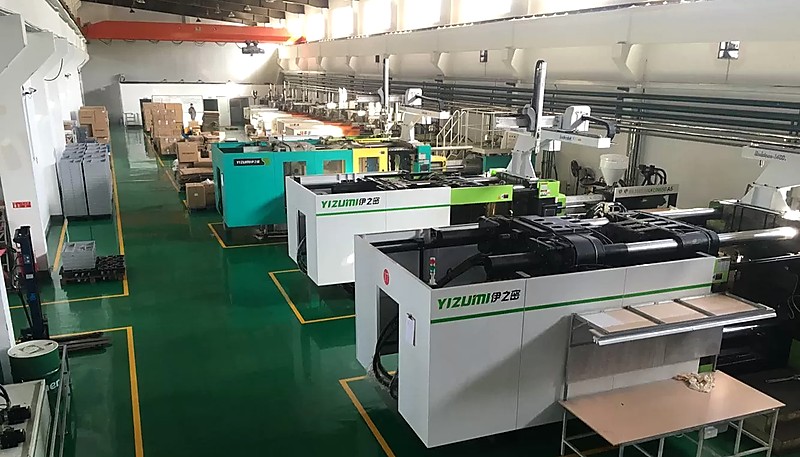
Prioriteiten bij een fabrieksaudit zijn de staat van de machines, de inrichting van het QC-laboratorium, de materiaalopslag en de originele certificaten. Een SGS-leveranciersaudit2 kan deze punten onafhankelijk verifiëren als u niet persoonlijk kunt langskomen.
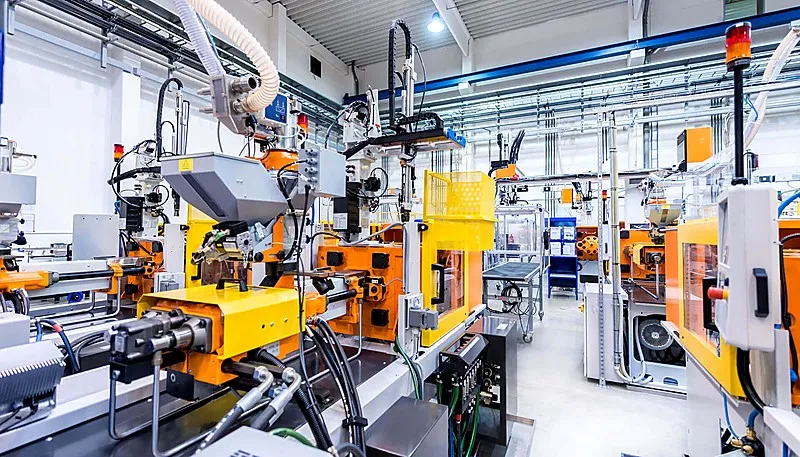
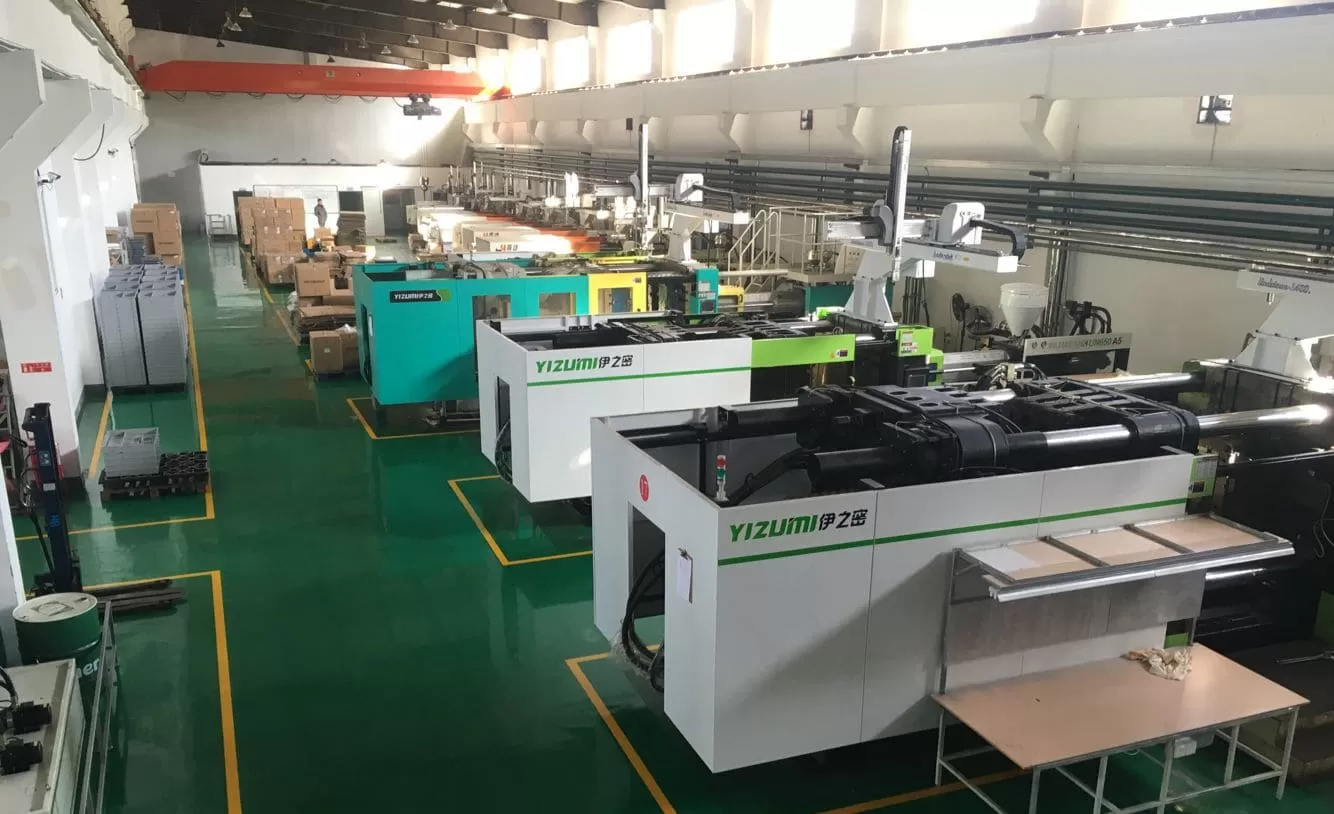
Controleer de machines, niet de lobby. Sommige fabrieken investeren veel in de ontvangstruimte en slaan machineonderhoud over. In onze fabriek onderhouden we machines van 90T tot 1850T en heeft elke machine een onderhoudslogboek dat u mag inzien. Bekijk de spuitgietmachines: draaien ze? Zijn de typeplaten met de sluitkracht leesbaar? Een fabriek met meer dan 45 machines moet precies kunnen aangeven op welke machine uw onderdeel wordt geproduceerd.
Tel wat ertoe doet. Het totale aantal machines is een ijdelheidsmaatstaf. U moet weten hoeveel machines binnen het benodigde bereik aan sluitkracht vallen en hoeveel daarvan daadwerkelijk beschikbaar zijn, dus niet vastliggen in andere langdurige productieruns. Een fabriek met 50 machines maar slechts 2 in uw bereik is minder capabel dan ze klinkt.
Inspecteer de QC-ruimte. Een goede QC-opstelling omvat gekalibreerde meetapparatuur, zoals CMM-machines, profielprojectoren en hardheidsmeters. Vraag om de meest recente kalibratiecertificaten. Bestaat de QC-ruimte uit een bureau met een schuifmaat en een goed-/afkeurkaliber, dan hebt u te maken met een bedrijf dat op het oog inspecteert, niet op basis van data.
Hoe beoordeelt u de werkelijke productiecapaciteit?
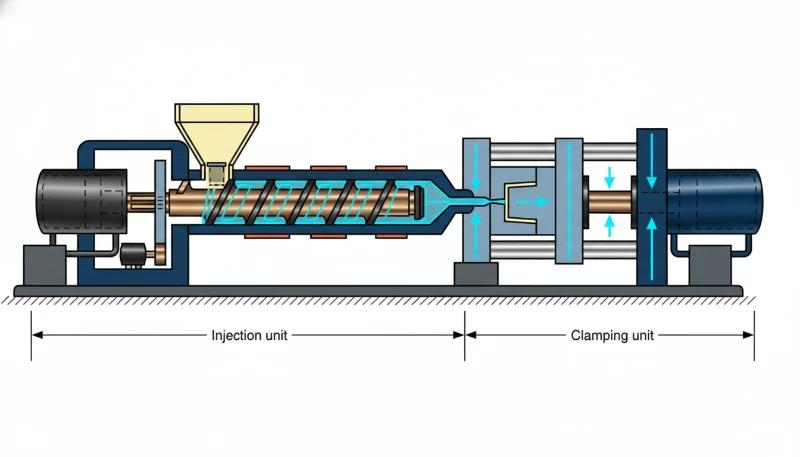
De productiecapaciteit wordt aan drie punten getoetst: het tonnagebereik op de werkvloer, de capaciteit van de interne matrijzenmakerij en de droogapparatuur voor materialen. Bepaal eerst het tonnagebereik. Een fabriek met machines van 90T tot 1850T kan alles verwerken, van kleine precisieconnectoren tot grote automotivepanelen. Heeft uw onderdeel een 500T-machine nodig en is hun grootste machine 300T, dan kan geen enkele engineeringoplossing dat verschil overbruggen. Vraag specifiek: “Wat is uw tonnagebereik en hoeveel machines hebt u in het bereik 200T-800T?” Daarbinnen vallen de meeste productieonderdelen.
Breng eerst het tonnagebereik in kaart. Een fabriek met machines van 90T tot 1850T kan alles verwerken, van kleine precisieconnectoren tot grote autopanelen. Als uw onderdeel een machine van 500T vereist en hun grootste machine 300T is, kan geen enkele hoeveelheid engineering dat verschil overbruggen. Vraag specifiek: “Wat is uw tonnagebereik en hoeveel machines hebt u in het bereik 200T-800T?” Daar vallen de meeste productieonderdelen onder.
Bekijk ten tweede de matrijzenmakerij. Een fabriek die alleen inkoopt maar geen matrijzen bouwt, is een tussenhandelaar. Interne matrijzenbouw betekent snellere iteraties, lagere wijzigingskosten en meer controle over de gereedschapskwaliteit. Raadpleeg voor een gestructureerde aanpak van het selecteren van een spuitgietleverancier onze uitgebreide gids.
Controleer ten derde de materiaalvoorraad en droogapparatuur. Een fabriek die met 400+ materialen werkt, beschikt over droogovens, hopperladers en infrastructuur voor materiaalbehandeling om zonder verontreiniging tussen hygroscopische materialen (nylon, polycarbonaat, TPU) te wisselen. Dat is niet vanzelfsprekend — naar mijn ervaring veroorzaakt alleen onjuist drogen al ongeveer 30% van de spuitgietdefecten.
Wanneer moet u een proefrun aanvragen?
Vraag altijd om een proefrun voordat u zich vastlegt op het productievolume. Deze toont de maatvoering, oppervlaktekwaliteit en materiaalconsistentie die geen enkele fabrieksrondleiding kan laten zien. Een fabriek kan certificeringen, schone machines en indrukwekkende klantenlijsten tonen — maar tijdens de proefrun blijkt wat zij werkelijk kan.
Altijd. De proefrun is uw waardevolste beoordelingsinstrument. Dit is waarom: een fabriek kan certificaten, schone machines en indrukwekkende klantenlijsten tonen — maar tijdens de proefrun blijkt wat zij werkelijk kan.
Een goede proefrun levert T1-monsters voor validatie op, te meten tegen uw tekeningen. Let op:
Maatnauwkeurigheid: meet kritieke afmetingen ten opzichte van uw toleranties. Offerteert een fabriek ±0,05 mm maar levert ze bij de eerste poging ±0,15 mm, dan is haar procesbeheersing zwakker dan beweerd.
Oppervlakteafwerking: controleer op inval, laslijnen, braamvorming en vloeistrepen.
Consistentie tussen cycli: vraag om 10–20 monsters, niet slechts 3. Meet bij allemaal dezelfde afmeting. Grote variatie tussen cycli wijst op een slechte processtabiliteit.
Materiaalcertificering: bij de proefonderdelen hoort een materiaalconformiteitscertificaat (CoC) te zitten waarop de daadwerkelijk gebruikte harspartij staat.
De proefrun laat ook zien hoe de fabriek over problemen communiceert. Elke eerste shot kent problemen — hier een braam, daar inval. Wat telt is hoe ze de hoofdoorzaak diagnosticeren en of hun voorgestelde oplossing technisch logisch is.
Hoe beschermt u uw intellectuele eigendom bij het delen van ontwerpen?
NNN-overeenkomsten zijn de eerste verdediging bij het delen van ontwerpen met een Chinese fabriek. Deel gegevens gefaseerd en registreer vóór productie een Chinees modeloctrooi.
Dit is de vraag die mij het vaakst wordt gesteld. Het eerlijke antwoord is: u kunt risico’s niet volledig uitsluiten, maar met de juiste stappen wel tot een aanvaardbaar niveau beperken.
Stap 1: onderteken een NNN-overeenkomst. Geen NDA, maar een NNN (Non-Disclosure, Non-Use, Non-Circumvention). Standaard westerse NDA’s zijn zwak bij Chinese rechtbanken. Een NNN-overeenkomst die naar Chinees recht is opgesteld, zowel in het Engels als Chinees, en voor elk type inbreuk specifieke boetes bevat, biedt daadwerkelijk juridische slagkracht. Voor Amerikaanse bedrijven beschrijft de richtlijn BIS China Compliance3 aanvullende due-diligencevereisten voor exportcontrole bij het internationaal delen van technische gegevens.
Stap 2: beheer de gegevensstroom. Stuur niet elke fabriek die u beoordeelt volledige CAD-bestanden. Begin met schermafbeeldingen, basisafmetingen en materiaaleisen. Deel de volledige CAD-gegevens pas met de geselecteerde fabriek nadat de NNN is ondertekend.
Stap 3: registreer uw ontwerp in China. China hanteert voor modelrechten een ‘first-to-file’-systeem. Produceert u een consumentenproduct, vraag dan vóór de productiestart een Chinees modelrecht aan. Dat kost ongeveer $500–1.000 en geeft u afdwingbare rechten als een fabriek uw product probeert te kopiëren.
Hoe ziet een betrouwbare matrijspartner voor de lange termijn eruit?
Een betrouwbare matrijspartner voor de lange termijn is een fabriek die zwakke ontwerpen ter discussie stelt, snel reageert en in vakmensen investeert. Na twintig jaar leveranciers te hebben beoordeeld, onderscheiden deze drie eigenschappen de besten van de rest.
Ze vertellen u wat u niet wilt horen. Een goede fabriek geeft aan wanneer uw ontwerp produceerbaar, maar niet optimaal is. Ze zegt: “we kunnen dit spuitgieten, maar als u de lossingshoek met 0.5 graden vergroot, kunnen we de cyclustijd met 15% verkorten.” Dergelijk proactief technisch advies is meer waard dan welke kostenbesparing op de eerste offerte ook.
Ze reageren wanneer er iets misgaat. Elk project kent problemen. De vraag is wat er om 23.00 uur gebeurt wanneer de T3-monsters een nieuw defect vertonen dat bij de T1-onderdelen niet aanwezig was. Een responsieve fabriek komt binnen 24 uur terug met een oorzaakanalyse en een plan voor corrigerende maatregelen.
Ze investeren in mensen, niet alleen in machines. Een fabriek met meer dan 120 ervaren productiemedewerkers, senior ingenieurs die er al jaren werken en een speciaal Engelssprekend projectmanagementteam presteert altijd beter dan een grotere fabriek met veel personeelsverloop. Machines lossen geen problemen op; mensen wel.
Kortom: leveranciersbeoordeling is geen eenmalige gebeurtenis. Fabrieken die uw eerste audit doorstaan, moeten die norm project na project handhaven. Voer elk kwartaal kwaliteitsbeoordelingen uit, volg tijdige leveringen en aarzel niet om opnieuw te auditen als de kwaliteit terugloopt. De beste leveranciersrelaties zijn gebaseerd op verificatie, niet op vertrouwen.
Wat zijn de meest gestelde vragen over het beoordelen van Chinese fabrieken?
Welke certificeringen moet een Chinese spuitgietfabriek hebben?
Minimaal is ISO 9001:2015 niet onderhandelbaar — dit vormt het basiskader voor kwaliteitsmanagement dat elke legitieme spuitgietfabriek moet hebben. Voor componenten van medische hulpmiddelen is ISO 13485 vereist. Milieunaleving via ISO 14001 is van belang als uw bedrijf duurzaamheidsdoelen of ESG-rapportageverplichtingen heeft. Voor automobieltoepassingen is IATF 16949 de relevante industrienorm. Vraag altijd om certificaatnummers en gegevens van de uitgevende instantie en verifieer deze vervolgens onafhankelijk in de onlinedatabase van de registrar, in plaats van uitsluitend op de claims van de fabriek te vertrouwen.
Hoe Lang Duurt een Fabrieksaudit?
Een grondige fabrieksaudit duurt 4-6 uur ter plaatse en behandelt systematisch de productievloer, het QC-laboratorium, de opslagruimte voor ruwmateriaal en de documentatieruimte. Houd nog eens 1-2 uur extra vrij voor het eerste welkomstgesprek en een laatste bespreking van je bevindingen. Als iemand aanbiedt om je de hele fabriek in minder dan 45 minuten te laten zien, dan laten ze zeker niet alles belangrijks zien. Een goede audit moet omvatten: machines bekijken die onder productielast draaien, controle van de kalibratiestickers op alle meetgereedschappen, beoordeling van recente kwaliteitsincidentrapporten en een ontmoeting met het technische team.
Moet Ik de Fabriek Persoonlijk Bezoeken?
Voor bestellingen boven 20.000 USD is een persoonlijk bezoek de reisinvestering meer dan waard. Voor kleinere bestellingen is een live videorondleiding met een fabrieksvertegenwoordiger een praktisch en kosteneffectief alternatief dat nog steeds veel aan het licht brengt. Tijdens elke videotour moet je vragen om specifieke machines te tonen op basis van hun tonnage-classificatie, door de QC-meetruimte te lopen en ruwmateriaalopslagcontainers te openen om de etikettering te controleren. Audits door derden, zoals van SGS of TUV, bieden een andere onafhankelijke verificatieoptie die je professionele documentatie oplevert zonder dat je zelf internationaal hoeft te reizen.
Wat Is een Redelijke Doorlooptijd voor T1-monsters?
Standard lead time voor T1-samples is 25-35 dagen voor een single-cavity testmatrijs. Complexe multi-cavity productiematrijsen of die lifters, sliders en core pulls vereisen kunnen 40-60 dagen nodig hebben. Als een fabriek T1-samples in minder dan 20 dagen voor een nieuwe matrijs belooft, moet u vragen of ze shortcuts nemen in matrijsontwerp review of materiaalselectie. Plan altijd 3-5 dagen voor een correcte DFM review voordat matrijsconstructie begint, en houd extra shipping time in rekening voor internationale sample levering aan uw kwaliteitsinspectieteam.
Hoe weet ik of een fabriek mijn matrijs onderaannemt?
Vraag om hun matrijsproductievloer fysiek te zien. Als ze geen CNC-machiningcenters, EDM-sinker machines, wire cutters en polijststations kunnen tonen die allemaal op locatie opereren, is het zeer waarschijnlijk dat ze uw matrijs uitbesteden aan een workshop van derden. Deze verborgen outsourcing verhoogt kosten, vermindert uw directe kwaliteitscontrole en maakt toekomstige engineeringmodificaties significant trager en duurder. Een fabriek met echt eigen matrijsproductiecapaciteit kan sneller itereren op ontwerpwijzigingen, strakkere dimensionale toleranties houden en voortdurende onderhoudsondersteuning leveren tijdens de hele productielevenscyclus.
Welke betaalvoorwaarden moet ik onderhandelen?
Typische betaalvoorwaarden zijn een aanbetaling van 30-50 procent met de resterende balans bij goedkeuring van het sample en bevestiging van het dimensionaal rapport. Ga nooit akkoord met 100 procent voorafbetaling, ongeacht de aangeboden korting. Voor gevestigde leveranciersrelaties met een bewezen trackrecord kunt u onderhandelen over mijlpaalgebaseerde betalingen gekoppeld aan specifieke deliverables zoals aanbetaling, goedkeuring van T1-sample en levering van de laatste productiebatch. Letters of credit van uw bank zijn een veilige optie voor grote orders. Koppel de laatste betaling altijd aan meetbare kwaliteitsacceptatiecriteria die duidelijk zijn gedocumenteerd in uw aankooporderovereenkomst.
Kan ik fabrieksreferenties die ze leveren vertrouwen?
Slechts gedeeltelijk — fabrieksverstrekte referenties zijn altijd vooraf gescreened en zullen onvermijdelijk overweldigend positief zijn. Een veel effectievere aanpak is om referenties specifiek in uw eigen industrie of met vergelijkbare part complexiteit en materiaalvereisten te vragen. Contacteer dan die referenties direct en stel gerichte vragen over communicatie responsiviteit, actual on-time delivery performance, en vooral hoe de fabriek kwaliteitsproblemen behandelde wanneer ze onvermijdelijk voorkwamen. Grote industrie trade shows zoals NPE of Chinaplas zijn ook excellent om candid independent feedback te verzamelen.
Wat moet een matrijsofferte bevatten?
Een complete matrijsofferte moet specificeren: matrijsbasis staaltype, cavity en core staaltype, verwachte matrijslife in totale shots, oppervlakfinish standaard, aantal cavities, aantal inbegrepen modificatie rondes, en levervoorwaarden (FOB of EXW). Het moet ook secundaire operaties, custom packaging vereisten en jaarlijkse volumeassumpties die unit pricing beïnvloeden itemiseren. Vage offertes die alleen een enkele totale prijs tonen zonder breakdown zijn een significante rode vlag — eis altijd een gedetailleerde, itemized offerte voor het ondertekenen van een overeenkomst.
Klaar om uw volgende spuitgietpartner te beoordelen?
De juiste spuitgietpartner is een partner die u grondig hebt beoordeeld via fabrieksaudits, proefruns en certificaatverificatie. Bij ZetarMold produceren we sinds 2005 spuitgietmatrijzen en gespuitgiete onderdelen in Shanghai. Met 47 machines, interne matrijzenbouw en meer dan 30 Engelssprekende projectmanagers kunnen we uw project begeleiden van DFM-beoordeling tot productielevering. Vraag een gratis offerte aan en ervaar hoe transparante prijzen en goede technische ondersteuning er werkelijk uitzien.
ISO 9001: verwijst naar ISO 9001-kwaliteitsmanagementsystemen, de internationaal erkende norm voor kwaliteitsmanagement die certificeert dat een fabriek gedocumenteerde processen, systemen voor continue verbetering en een consistente productoutput heeft. ↩
SGS-leveranciersaudit: verwijst naar de SGS Supplier Audit, een methode voor fabrieksaudits door een onafhankelijke partij die productiecapaciteit, kwaliteitssystemen en naleving van regelgeving beoordeelt en wordt uitgevoerd door SGS, een van ’s werelds grootste inspectie- en verificatiebedrijven. ↩
BIS China Compliance: verwijst naar de China Compliance Guidance van het Amerikaanse Bureau of Industry and Security, overheidsrichtlijnen voor exportcontrole en due-diligencevereisten bij het inkopen van in China geproduceerde goederen. ↩