Wanneer u uw producttekeningen, matrijsontwerpen en bedrijfseigen specificaties overdraagt aan een spuitgiet leverancier, vertrouwt u hem de kern van uw concurrentievoordeel toe. Eén lek, één ongeoorloofd hergebruik van uw spuitgietmatrijs ontwerp en uw marktvoorsprong kan van de ene op de andere dag verdwijnen. Bescherming van intellectueel eigendom is bij productie geen extraatje — het is een voorwaarde om te overleven. Deze gids behandelt elke laag van het IE-risico bij het uitbesteden van spuitgieten en biedt u een praktische checklist om uw matrijsgegevens, producttekeningen en bedrijfsgeheimen vóór, tijdens en na de productie te beschermen.
- NDA's en NNND's vormen de minimale juridische basis voordat u matrijsgegevens deelt
- Clausules over matrijseigendom moeten expliciet zijn — neem nooit aan dat de leverancier eigenaar is van het gereedschap
- Praktijken voor gegevensbeveiliging (versleutelde overdracht, toegangscontroles) onderscheiden professionals van risicovolle leveranciers
- Waarschuwingssignalen: onwil om NDA's te ondertekenen, geen ISO-certificering, vage eigendomsvoorwaarden
- Registreer octrooien en ontwerpen voordat u een buitenlandse leverancier inschakelt
Waarom is IE-bescherming belangrijk bij het kiezen van een spuitgietleverancier?
IE-bescherming is essentieel wanneer u spuitgieten uitbesteedt, omdat u uw waardevolste concurrentiemiddelen met uw leverancier deelt. Bij elk project worden gevoelige CAD-bestanden, materiaalspecificaties en soms volledige productontwerpen overgedragen. Zodra u deze bestanden deelt, verliest u de fysieke controle over uw intellectuele eigendom. In sectoren zoals medische hulpmiddelen, auto-onderdelen en consumentenelektronica kan één gelekt ontwerp miljoenen kosten aan misgelopen omzet en concurrentiepositie. Volgens de Wereldorganisatie voor de Intellectuele Eigendom1 (WIPO) is het aantal IE-geschillen rond productie gestaag toegenomen naarmate toeleveringsketens internationaler worden. Het risico is niet theoretisch: we hebben gevallen gezien waarin een leverancier binnen enkele maanden na ontvangst van de oorspronkelijke gereedschapsontwerpen identieke onderdelen voor een concurrent produceerde.
IE-bescherming is in elke fase belangrijk: tijdens de eerste offerteaanvraag, gedurende de prototyping, bij volledige productie en vooral nadat het project is beëindigd. Veel inkopers richten zich op de productiefase, maar vergeten dat het risico op ongeoorloofd hergebruik het grootst is in de periode na het project — wanneer uw matrijs nog bij de leverancier is opgeslagen. Dit is vooral relevant bij het internationaal inkopen van spuitgietwerk, waarbij juridische handhaving over verschillende rechtsgebieden extra complexiteit meebrengt.
“modeloctrooien2 moeten worden aangevraagd voordat u productontwerpen met een spuitgietleverancier deelt.”Waar
Door modeloctrooien vóór openbaarmaking aan te vragen, behoudt u in de meeste rechtsgebieden uw nieuwheidsrechten. Openbare bekendmaking vóór de aanvraag kan uw mogelijkheid om octrooibescherming te verkrijgen tenietdoen. Dien eerst de aanvraag in en deel de informatie daarna onder een NDA.
“Een standaard-NDA volstaat om uw matrijsontwerpen volledig tegen ongeoorloofd hergebruik te beschermen.”Onwaar
Hoewel een NDA geheimhoudingsverplichtingen vastlegt, regelt deze niet het eigendom van de matrijs, de reikwijdte van toegestaan gebruik of omzeilingsrisico's. Een uitgebreide NNND-overeenkomst in combinatie met expliciete clausules over matrijseigendom biedt veel sterkere bescherming dan alleen een NDA.
Welke soorten intellectueel eigendom lopen risico bij spuitgieten?
Begrijpen welke activa risico lopen, is de eerste stap om ze te beschermen. Bij spuitgieten lopen vier categorieën intellectueel eigendom het grootste risico: matrijsontwerpen en gereedschapsgegevens, producttekeningen en CAD-bestanden, procesparameters en materiaalformuleringen, en bedrijfsgeheimen die in de geometrie van onderdelen zijn verwerkt. Matrijsontwerpen zijn bijzonder waardevol omdat ze maanden engineeringwerk en aanzienlijke kapitaalinvesteringen vertegenwoordigen — één matrijs met meerdere holtes kan, afhankelijk van de complexiteit, $50,000 tot $200,000 of meer kosten. Producttekeningen onthullen uw ontwerpintentie, toleranties en materiaalkeuzes, die concurrenten via reverse-engineering kunnen achterhalen als ze toegang krijgen. Procesparameters — injectiedruk, temperatuurprofielen en koeltijd — zijn vaak bedrijfseigen optimalisaties die uw product zijn prestatievoordeel geven.
| IE-categorie | Wat wordt blootgesteld | Risiconiveau | Beschermingsmethode |
|---|---|---|---|
| Matrijs-/gereedschapsontwerp | CAD-bestanden, holte-indeling, koelkanalen | Hoog | NDA + clausule over matrijseigendom |
| Producttekeningen | Onderdeelgeometrie, toleranties, oppervlaktespecificaties | Hoog | NDA + versleutelde bestandsoverdracht |
| Procesparameters | Injectiesnelheid, druk, temperatuur | Gemiddeld | Protocollen voor bedrijfsgeheimen |
| Materiaalformuleringen | Aangepaste mengsels, additieven, vulverhoudingen | Gemiddeld-hoog | NNND + leveranciersscreening |
| Onderdeelgeometrie | Ontwerpkenmerken, wanddikte, ribpatronen | Hoog | Modeloctrooien + NDA |
Hoe kunnen NDA's en juridische overeenkomsten uw matrijsgegevens beschermen?
Een geheimhoudingsovereenkomst3 (NDA) is het fundamentele juridische instrument voor IE-bescherming in de productie. Maar niet alle NDA's zijn gelijk. Een standaard bilaterale NDA legt wederzijdse geheimhoudingsverplichtingen vast, terwijl een unilaterale NDA alleen de bekendmakende partij beschermt — wat u als inkoper doorgaans wilt. Belangrijker is dat een overeenkomst inzake niet-gebruik, geheimhouding en niet-omzeiling (NNND) verder gaat door de leverancier uitdrukkelijk te verbieden uw informatie voor enig ander doel dan uw project te gebruiken en u te omzeilen om rechtstreeks met uw klanten of leveranciers samen te werken.
Belangrijke clausules die uw NDA of NNND moet bevatten: een specifieke definitie van vertrouwelijke informatie (niet alleen “alle informatie”), toegestaan gebruik dat strikt tot uw project is beperkt, de verplichting om toegang te beperken tot medewerkers die de informatie nodig hebben, teruggave of vernietiging van bestanden na voltooiing van het project, een duidelijke geheimhoudingstermijn (wij adviseren 5 tot 10 jaar voor matrijsgerelateerd intellectueel eigendom), en het rechtsgebied en toepasselijke recht voor geschillenbeslechting. Wanneer u met leveranciers in China werkt, moet de overeenkomst tweetalig zijn en rekening houden met handhaving volgens het Chinese contractenrecht — een contract dat uitsluitend onder Amerikaans of EU-recht valt, kan lokaal moeilijk afdwingbaar zijn. Laat deze documenten altijd door een juridisch adviseur beoordelen; standaard-NDA's van internet dekken zelden de specifieke risico's voor intellectueel eigendom bij productie.
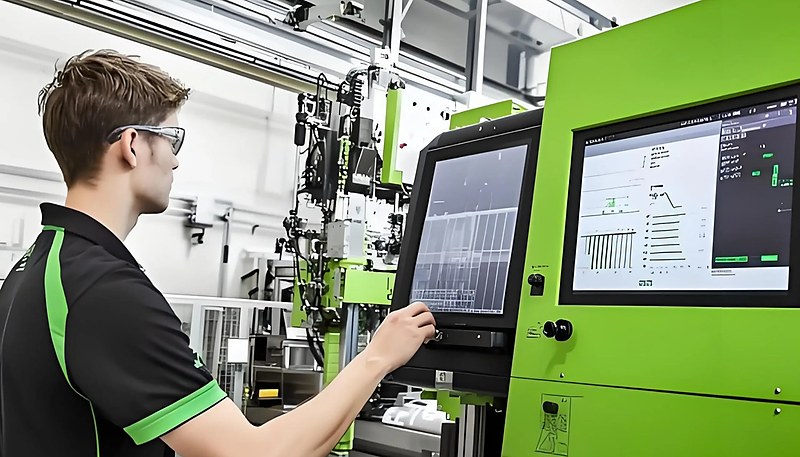
In onze fabriek in Shanghai hebben we gedurende 20+ jaar samenwerking met internationale klanten IE-bescherming in onze processen verankerd. Onze 8 senior engineers begrijpen dat vertrouwelijkheid niet alleen om ondertekende documenten draait — het gaat om operationele discipline, van beperkte servertoegang tot een clean-deskbeleid voor klanttekeningen.
Waar moet u op letten bij de gegevensbeveiligingspraktijken van een leverancier?
De essentiële beveiligingspraktijken zijn versleutelde systemen voor bestandsoverdracht, rolgebaseerde toegangscontroles, ISO-certificeringen en een duidelijk beleid voor gegevensverwerking. Beoordeel bij de evaluatie van een leverancier rechtstreeks diens infrastructuur voor gegevensbeveiliging. Begin met de belangrijkste vragen: hoe ontvangt en bewaart de leverancier klantbestanden? Is er een beveiligd systeem voor bestandsoverdracht met versleuteling? Wie heeft toegang tot de ontwerpbestanden van klanten en wordt die toegang geregistreerd?
ISO-certificeringen bieden een basisindicator voor de volwassenheid van de beveiliging. ISO 9001 waarborgt dat er kwaliteitsmanagementprocessen bestaan, terwijl ISO 27001 een sterk signaal is van systematische gegevensbescherming. Praktische beveiligingsmaatregelen omvatten: versleutelde e-mail en bestandsoverdracht (SFTP of beveiligde portalen), projectspecifieke mapstructuren met rolgebaseerde toegang, een clean-deskbeleid in engineeringruimten, bezoekersbeperkingen in productiezones en regelmatige geheimhoudingstraining voor medewerkers.
Hoe werken eigendomsclausules in matrijscontracten?
Matrijseigendom is een van de meest verkeerd begrepen aspecten van spuitgietcontracten. Dit is het kernprincipe: de partij die voor het gereedschap betaalt, is eigenaar van het gereedschap, ongeacht wie het fysiek vervaardigt. Dit betekent dat een matrijs uw eigendom is wanneer u een leverancier opdracht geeft deze te bouwen en ervoor betaalt. Zonder expliciete contracttekst waarin dit staat, kunnen echter geschillen ontstaan — vooral als de leverancier tijdens de bouw van de matrijs ontwerpwijzigingen of technische verbeteringen heeft aangebracht.
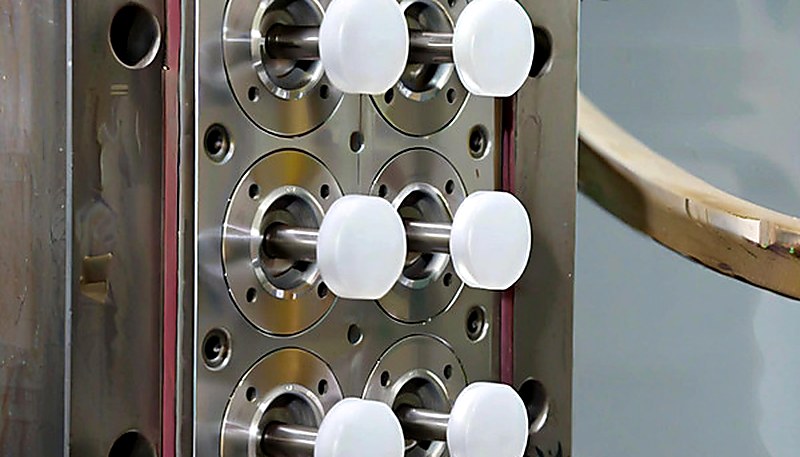
Een solide clausule over matrijseigendom moet het volgende omvatten: een expliciete verklaring dat de matrijs eigendom is van de inkoper, de rol van de leverancier uitsluitend als bewaarder — de leverancier mag de matrijs alleen opslaan en gebruiken voor bestellingen van de inkoper, de voorwaarden waaronder de matrijs kan worden opgehaald of aan een andere leverancier kan worden overgedragen, onderhoudsverantwoordelijkheden en wie de kosten draagt van reparaties door slijtage tegenover ontwerpgerelateerde correcties, verzekeringseisen voor de matrijs terwijl deze bij de leverancier wordt bewaard, en een termijn voor overdracht van de matrijs als de samenwerking eindigt. Bij ZetarMold houden we duidelijke bewaarregistraties voor matrijzen bij en verstrekken we klanten volledige documentatie van hun gereedschapsactiva die in onze fabriek zijn opgeslagen.
Elke matrijs wordt in ons systeem gelabeld, gecatalogiseerd en gevolgd, zodat er nooit onduidelijkheid over het eigendom bestaat.
“Versleutelde bestandsoverdracht en het gebruik van beveiligde portalen zijn een basisvereiste voor elke gekwalificeerde spuitgietleverancier.”Waar
In de moderne productie behoort versleutelde bestandsoverdracht via SFTP of beveiligde portalen tot de standaardpraktijk. Leveranciers die bestanden alleen via persoonlijke e-mail of niet-versleutelde kanalen accepteren, vormen een onnodig risico voor uw intellectuele eigendom.
“Als u betaalt om bij een leverancier een matrijs te laten bouwen, bent u automatisch eigenaar van die matrijs.”Onwaar
Zonder expliciete contracttekst kan het eigendom worden betwist, vooral als de leverancier technische wijzigingen heeft aangebracht. Neem altijd een duidelijke clausule over matrijseigendom op waarin staat dat de matrijs eigendom van de inkoper is en de leverancier uitsluitend de bewaarder is.
Wat zijn de waarschuwingssignalen dat een leverancier uw IE mogelijk verkeerd behandelt?
De grootste waarschuwingssignalen zijn onwil om NDA's te ondertekenen, het ontbreken van ISO-certificeringen en het zonder toestemming delen van producten van andere klanten. Als een leverancier erop staat uitsluitend zijn standaardovereenkomst te gebruiken of bezwaar maakt tegen geheimhoudingsvoorwaarden, is dat een duidelijk signaal om af te zien van samenwerking. Andere waarschuwingssignalen zijn: weigeren een rondleiding door de fabriek te geven, geen duidelijk proces voor bestandsverwerking hebben, vage antwoorden geven over wie toegang heeft tot uw ontwerpen en vergelijkbare producten voor concurrerende merken produceren.
Andere waarschuwingssignalen zijn: geen ISO-certificeringen of documentatie van het kwaliteitsmanagementsysteem, weigeren een rondleiding door de fabriek te geven of de toegang tot bepaalde ruimten beperken, zonder toestemming voorbeelden van producten van andere klanten delen, geen duidelijk proces voor de verwerking en opslag van klantbestanden, vage of ontwijkende antwoorden over wie toegang heeft tot uw ontwerpen, en een voorgeschiedenis van het produceren van vergelijkbare producten voor concurrerende merken in hetzelfde marktsegment.
Een andere vaak over het hoofd geziene risico-indicator is het klantenportfolio van de leverancier. Als een leverancier publiekelijk klanten in rechtstreeks concurrerende marktsegmenten vermeldt, vraag u dan af: hoe beheert de leverancier de informatiescheidingen tussen deze klanten? Een leverancier met solide IE-praktijken heeft firewalls — zowel fysiek als digitaal — tussen projecten voor concurrerende klanten. De leverancier zet afzonderlijke engineeringteams in, gebruikt geïsoleerde serveromgevingen en kan zelfs specifieke productielijnen reserveren. Als een leverancier zijn protocollen voor informatiescheiding niet duidelijk kan uitleggen, lopen uw gegevens mogelijk risico op vermenging tussen projecten.
Werken volgens ISO 9001, ISO 1Elk spuitgietproject houdt in dat u gevoelige gegevens met uw leverancier deelt. Elk spuitgietproject begint met de overdracht van gevoelige informatie — CAD-bestanden, materiaalspecificaties, toleranties, eisen aan de oppervlakteafwerking en soms het volledige productontwerp.485, ISO 14001 en ISO 45001 betekent dat onze gegevensverwerking, traceerbaarheid en toegangscontroles regelmatig worden gecontroleerd. In combinatie met onze eigen matrijzenfabriek zorgt dit ervoor dat uw gereedschapsgegevens onze gecontroleerde omgeving nooit verlaten.
Hoe kunt u de capaciteiten van een leverancier op het gebied van IE-bescherming verifiëren?
De beste manier om de IE-capaciteiten van een leverancier te verifiëren, is diens infrastructuur voor gegevensbeveiliging rechtstreeks te auditen. Vraag tijdens een fabrieksaudit om te zien hoe klantbestanden worden opgeslagen, welke IT-infrastructuur voor toegangscontroles wordt gebruikt, hoe productieorders van verschillende klanten worden gescheiden en hoe de opslagruimten voor matrijzen fysiek worden beveiligd. Vraag om de NDA-sjablonen te bekijken. Vraag om referenties van langdurige klanten.
Overweeg voor projecten met een hoge waarde een gefaseerde bekendmakingsaanpak. Deel niet meteen uw volledige ontwerppakket, maar verstrek alleen wat nodig is voor elke fase van de evaluatie en offerte. Begin met algemene specificaties zonder kritieke afmetingen en deel pas meer details nadat de NDA is ondertekend en de leverancier uw eerste screening heeft doorstaan. Dit beperkt uw blootstelling en maakt tegelijk inhoudelijke technische besprekingen mogelijk. Een andere doeltreffende strategie is uw toeleveringsketen te splitsen — laat matrijzen door de ene leverancier bouwen en het productiespuitgieten door een andere uitvoeren — zodat geen enkele leverancier een volledig beeld van uw product heeft.

Wanneer moet u uw IE registreren voordat u een leverancier inschakelt?
Het juiste moment om uw octrooien en modelaanvragen te registreren is voordat u bedrijfseigen informatie met een leverancier deelt. In de meeste rechtsgebieden kan openbare bekendmaking van een uitvinding vóór de aanvraag uw mogelijkheid om octrooibescherming te verkrijgen tenietdoen. Zodra u ontwerpen met een potentiële leverancier deelt, begint in veel octrooisystemen de termijn voor de nieuwheidsvereisten te lopen.
Modeloctrooien zijn bijzonder relevant voor spuitgegoten producten, omdat ze het decoratieve uiterlijk van een onderdeel beschermen — de vorm, oppervlaktepatronen en visuele ontwerpelementen. Uitvindingsoctrooien beschermen functionele aspecten. Vraag voor maximale bescherming beide soorten aan wanneer dat van toepassing is. Specifiek in China kunnen modeloctrooien relatief snel worden aangevraagd en bieden ze afdwingbare bescherming tegen imitaties. Het kernprincipe is dat geregistreerde IE-rechten u een juridische grondslag geven om op te treden als een leverancier uw vertrouwen schendt. Zonder registratie bent u beperkt tot contractuele vorderingen, die vooral internationaal moeilijker afdwingbaar zijn.
Veelgestelde vragen
Kan ik mijn matrijs terugkrijgen van een leverancier als de samenwerking eindigt?
Ja, u kunt uw matrijs terugkrijgen als uw contract een duidelijke clausule over matrijseigendom bevat. De leverancier is wettelijk verplicht de matrijs bij beëindiging van het contract aan u of uw aangewezen fabriek terug te geven of over te dragen. Controleer voordat u een overeenkomst ondertekent of daarin de termijn voor het ophalen van de matrijs, alle openstaande financiële verplichtingen die moeten worden voldaan, wie de kosten van verzending en verzekering tijdens de overdracht draagt en de staatseisen voor de geretourneerde matrijs zijn vastgelegd. Zonder een expliciete eigendomsclausule kan het ophalen uitmonden in een langdurig en kostbaar juridisch geschil dat uw productieplanning aanzienlijk vertraagt.
Wat is het verschil tussen een NDA en een NNND-overeenkomst?
Een NDA (geheimhoudingsovereenkomst) legt wederzijdse geheimhoudingsverplichtingen tussen partijen vast en voorkomt dat een van beide partijen gevoelige informatie met derden deelt. Een NNND-overeenkomst (Non-Use, Non-Disclosure, Non-Circumvention) gaat aanzienlijk verder door de leverancier uitdrukkelijk te verbieden uw informatie voor enig ander doel dan uw specifieke project te gebruiken en u te omzeilen om rechtstreeks met uw klanten of andere partijen in uw toeleveringsketen samen te werken. Voor IE-bescherming bij productie met een hoog concurrentierisico worden NNND-overeenkomsten sterk aanbevolen boven standaard-NDA's, omdat ze het volledige spectrum van mogelijk misbruik bestrijken.
Moet ik octrooien in China registreren als mijn leverancier daar gevestigd is?
Ja, het aanvragen van model- of uitvindingsoctrooien bij de China National Intellectual Property Administration (CNIPA) is essentieel wanneer uw leverancier in China actief is. Chinese octrooien bieden afdwingbare rechten binnen het Chinese rechtsgebied, waardoor u bij inbreuk via Chinese rechtbanken een verbod en schadevergoeding kunt vorderen. Dit is veel praktischer en doeltreffender dan te proberen buitenlandse octrooirechten in China af te dwingen. De aanvraag moet zijn voltooid voordat u bedrijfseigen ontwerpen met de leverancier deelt, omdat bekendmaking vóór de aanvraag uw aanspraak op nieuwheid volgens het Chinese octrooirecht in gevaar kan brengen.
Hoe weet ik of een leverancier mijn ontwerpen met concurrenten deelt?
Waarschuwingssignalen zijn onder meer dat de leverancier zichtbaar vergelijkbare producten voor concurrerende merken in uw marktsegment produceert, niet wil praten over de protocollen voor informatiescheiding tussen klantprojecten, dat identieke of bijna identieke producten kort na de start van uw productie op de markt verschijnen en dat de leverancier niet kan of wil uitleggen wie binnen de organisatie toegang heeft tot uw ontwerpbestanden. Regelmatige fabrieksaudits, de markt controleren op kopieën en open met uw leverancier communiceren over uw IE-zorgen zijn uw beste middelen voor detectie en preventie.
Wat moet ik doen als ik vermoed dat mijn spuitgietleverancier mijn IE steelt?
Documenteer eerst al het bewijs grondig — bewaar communicatiegegevens, logboeken van bestandstoegang indien beschikbaar, foto's van verdachte producten en alle marktinformatie die ongeoorloofde kopieën aantoont. Neem onmiddellijk contact op met uw juridisch adviseur om uw NDA, NNND en contractvoorwaarden op handhavingsmogelijkheden te laten beoordelen. Overweeg een spoedverbod aan te vragen om verdere ongeoorloofde productie of distributie te voorkomen. Als u octrooien in het rechtsgebied van de leverancier hebt geregistreerd, zet dan formele handhaving via de juiste juridische kanalen in gang. Snel handelen is cruciaal, omdat vertraging zowel uw juridische positie als uw vermogen om de concurrentieschade te beperken verzwakt.
Kan gesplitste productie mijn IE echt beter beschermen?
Ja, gesplitste productie kan zinvolle aanvullende IE-bescherming bieden. Door de bouw van de matrijs en het productiespuitgieten over verschillende leveranciers te verdelen, heeft geen enkele partij een volledig beeld van uw product. De matrijzenbouwer kent het gereedschapsontwerp, maar beschikt niet over de volledige productcontext en informatie over het eindgebruik, terwijl de productiespuitgieter onderdelen verwerkt zonder toegang tot de oorspronkelijke CAD-bestanden van het gereedschap. Deze strategie brengt wel extra logistieke complexiteit mee — u moet de overdracht van de matrijs coördineren en ervoor zorgen dat beide leveranciers aan uw kwaliteitsnormen voldoen — maar verkleint aanzienlijk het risico dat één leverancier uw product zelfstandig kan namaken.
-
Wereldorganisatie voor de Intellectuele Eigendom: De Wereldorganisatie voor de Intellectuele Eigendom (WIPO) is een agentschap van de Verenigde Naties dat mondiale verdragen inzake intellectueel eigendom beheert en diensten voor geschillenbeslechting verleent. ↩
-
modeloctrooien: Een modeloctrooi is een intellectueel-eigendomsrecht dat het decoratieve uiterlijk en visuele ontwerp van een product beschermt. ↩
-
geheimhoudingsovereenkomst: Een geheimhoudingsovereenkomst (NDA) is een juridisch bindend contract dat geheimhoudingsverplichtingen vastlegt tussen partijen die bedrijfseigen informatie delen. ↩