Bij de inkoop van spuitgietonderdelen bij buitenlandse leveranciers is de documentatie even belangrijk als de onderdelen zelf. Ontbrekende of onjuiste exportdocumenten kunnen zendingen weken vertragen, douaneblokkades veroorzaken en duizenden aan onverwachte kosten opleveren. Na 20+ jaar matrijzen en spuitgietcomponenten te hebben verzonden naar inkopers in Noord-Amerika, Europa en Azië-Pacific, hebben we elke mogelijke valkuil in de documentatie gezien. Deze gids behandelt elk document dat uw spuitgietleverancier moet verstrekken — van handelsfacturen en oorsprongscertificaten tot kwaliteitsdossiers en douaneaangiften — zodat uw volgende bestelling probleemloos door de douane komt en op tijd arriveert.
- Vraag vóór verzending altijd om een handelsfactuur, paklijst en cognossement
- Controleer of uw leverancier beschikt over geldige ISO-certificeringen die relevant zijn voor uw sector
- Certificaten van oorsprong kunnen invoerrechten op grond van handelsovereenkomsten verlagen of elimineren
- Kwaliteitsdocumentatie — inspectierapporten, materiaalcertificaten — is uw bewijs van conformiteit
- Ontbrekende exportvergunningen voor goederen voor tweeërlei gebruik kunnen leiden tot inbeslagname van de zending
Welke exportdocumenten moet u opvragen bij een spuitgietleverancier?
Uw leverancier moet minimaal een handelsfactuur, paklijst, cognossement en certificaat van oorsprong leveren.
Naast de basisdocumenten vragen ervaren kopers ook om een certificaat van oorsprong (CO), afgegeven door de lokale Kamer van Koophandel of douaneautoriteit. Het CO vermeldt waar de goederen zijn vervaardigd — in ons geval Shanghai, China — en kan preferentiële tarieven ontsluiten op grond van overeenkomsten zoals RCEP of bilaterale handelsverdragen. Als uw leverancier geen correct CO kan verstrekken, kunt u met hogere invoerrechten of zelfs weigering van de invoer in de bestemmingshaven te maken krijgen.
"Een oorsprongscertificaat kan uw invoerrechten verlagen onder handelsovereenkomsten zoals RCEP."True
Juist. Een geldig CO van een bevoegde instantie bewijst het productieland en kwalificeert de zending voor preferentiële tarieven onder toepasselijke handelsovereenkomsten.
"Een cognossement is optioneel voor zeetransporten van spuitgegoten onderdelen."False
Onjuist. De B/L is een verplicht document voor zeevracht dat dient als ontvangstbewijs, vervoersovereenkomst en eigendomsdocument. Zonder dit document kunt u uw goederen niet in de bestemmingshaven opeisen.
Vraag vóór productiestart om een documentenchecklist. Een betrouwbare sourcinggids voor spuitgieten helpt bepalen welke documenten verplicht zijn voor uw land en product. Wacht niet tot de goederen zijn verpakt: een ontbrekend certificaat kan dan dagen of weken toevoegen.
Waarom beschermt goede documentatie uw investering?
Onvolledige documentatie is niet alleen administratief lastig, maar vormt een financieel risico. Douaneautoriteiten in de Verenigde Staten, de Europese Unie en andere grote markten kunnen zendingen vasthouden voor inspectie wanneer documenten ontbreken of inconsistent zijn. Opslagkosten in havens kunnen –200 per container per dag bedragen en overliggeld loopt snel op. Kopers kunnen een volledig productievenster verliezen doordat één certificaat in het documentenpakket ontbreekt.
Goede documentatie beschermt ook bij geschillen. Arriveren spuitgegoten onderdelen beschadigd of afwijkend, dan zijn handelsfactuur en inspectierapport juridisch referentiemateriaal. Zonder die stukken wordt een claim bij expediteur of verzekeraar veel moeilijker. De paklijst bewijst wat is verzonden; het inspectierapport dat het vóór vertrek voldeed.
Consistente documentatie maakt de keten traceerbaar. Bij een herhaalorder zes maanden later kan uw douaneagent sneller aangifte doen en kan kwaliteit inkomende goederen met de oorspronkelijke specificaties vergelijken. Zo wordt één transactie een herhaalbaar proces en bouwt u betrouwbaarheid in uw toeleveringsketen voor spuitgietmatrijzen.
Welke Certificeringen Moet Uw Spuitgietleverancier Hebben?
Certificeringen tonen het snelst dat een leverancier internationaal erkende normen volgt. Voor spuitgieten is ISO 90011 de basis; medische hulpmiddelen vereisen ISO 13485 en automotive meestal IATF 16949. ISO 14001 en ISO 45001 tonen aandacht voor milieu en arbeidsveiligheid. Vraag actuele certificaten en controleer of de scope uw processen dekt.
Naast systeemcertificeringen zijn ook materiaalspecifieke certificaten van belang. Als uw onderdelen UL-geclassificeerde kunststoffen, vlamvertragende compounds of materialen voor voedselcontact gebruiken die aan FDA of EU 10/2011 voldoen, moet de leverancier traceerbaarheidscertificaten verstrekken die elke productiepartij aan de grondstofpartij koppelen. Deze documentatieketen is cruciaal als uw eindproduct aan audits door toezichthouders wordt onderworpen. In onze fabriek in Shanghai bewaren we traceerbaarheidsgegevens voor 400+ materialen, juist omdat onze klanten — vooral in de automobiel- en medische sector — deze nodig hebben voor hun eigen conformiteitsdossiers.
Onze fabriek in Shanghai werkt volgens ISO 9001-, ISO 13485-, ISO 14001- en ISO 45001-systemen, met traceerbaarheidsgegevens voor 400+ kunststofmaterialen — omdat onze klanten in de automobiel- en medische sector deze documentatieketen nodig hebben voor hun eigen naleving van regelgeving.
Hoe waarborgen verzenddocumenten een veilige levering van spuitgietonderdelen?
Het cognossement (B/L) is het belangrijkste vervoersdocument voor zeevracht. Het heeft drie functies: ontvangstbewijs voor de goederen, bewijs van de vervoersovereenkomst en eigendomsdocument. Voor luchtvracht heeft de luchtvrachtbrief (AWB) een vergelijkbare functie, maar deze is niet verhandelbaar — eigendom kan er tijdens het vervoer niet mee worden overgedragen. Uw leverancier moet u vóór afgifte van het origineel een concept-B/L ter controle sturen, zodat u de gegevens van de geadresseerde, de te informeren partijen en de verzendvoorwaarden (Incoterms) kunt verifiëren.
Wat Incoterms betreft, bepaalt de overeengekomen handelsterm — FOB, CIF, DDP of EXW — wie verantwoordelijk is voor welke documenten en kosten. Bij FOB (Free On Board) verzorgt de leverancier de exportinklaring en documenten tot aan de vertrekhaven; u regelt het transport en de invoerinklaring. Bij DDP (Delivered Duty Paid) regelt de leverancier alles, inclusief de invoerformaliteiten op de bestemming. Zorg dat de Incoterm duidelijk op de handelsfactuur en B/L staat, want verschillen tussen documenten behoren tot de meest voorkomende redenen waarom de douane een zending tegenhoudt.
Voor zendingen van spuitgietmatrijzen of gereedschappen — kostbare en vaak onvervangbare bedrijfsmiddelen — raden wij sterk aan documentatie voor zeevracht- of transportverzekering toe te voegen. Een verzekeringscertificaat moet de gedekte waarde, voorwaarden en claimprocedure vermelden. De kosten bedragen doorgaans 0,3 tot 0,5 procent van de aangegeven goederenwaarde: een geringe prijs voor de bescherming van een matrijs ter waarde van twintig- tot honderdduizend dollar die 8 tot 12 weken productietijd vergde.
Bij geconsolideerde zendingen met meerdere onderdeelnummers moet elk artikel afzonderlijk op de paklijst worden vermeld, met de bijbehorende HS-code. Dit detailniveau voorkomt dat douanebeambten verpakkingen openen om de inhoud te controleren, wat twee tot vijf werkdagen inspectievertraging kan opleveren.
Welke kwaliteits- en inspectiedocumenten mag u verwachten?
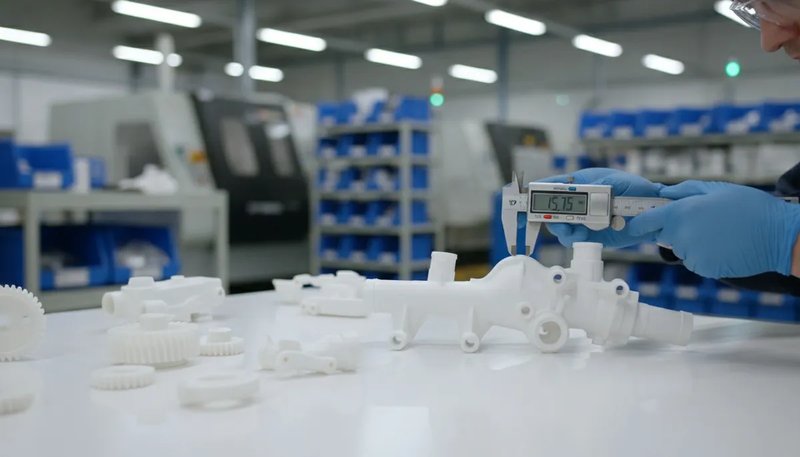
Kwaliteitsdocumentatie bewijst dat de ontvangen onderdelen overeenkomen met uw bestelling. Vraag bij elke zending minimaal om een eindinspectierapport (FIR) of kwaliteitscontrolecertificaat. Dit moet maatmetingen van een statistisch geldige steekproef, resultaten van visuele inspecties en materiaalverificatie bevatten. Voor precisiecomponenten moet het rapport verwijzen naar de specifieke tekeningrevisie en tolerantie-eisen.
First Article Inspection (FAI)-rapporten verdienen bijzondere aandacht, vooral bij nieuwe onderdelen of leveranciers. Een FAI vergelijkt de eerste productiemonsters met elke maat en specificatie op de tekening. Dit is de grondigste verificatie en vormt de basis voor alle toekomstige productie. AS9102 is de luchtvaartnorm voor FAI, maar het principe geldt universeel — als uw leverancier geen gedetailleerde FAI kan leveren, is dat een waarschuwingssignaal.
Materiaaltestrapporten (MTR’s) en analysecertificaten (CoA’s) moeten elke zending vergezellen waarbij materiaaleigenschappen essentieel zijn. Deze documenten bevestigen dat de partij grondstoffen aan de opgegeven mechanische, thermische en chemische eigenschappen voldoet. Ons team van ruim 10 kwaliteitscontrolespecialisten stelt deze rapporten voor elke productierun op, omdat zij weten dat de kwaliteitsteams van onze klanten ze verderop in de keten met de binnenkomende onderdelen vergelijken.
Met 10+ QC-specialisten en een team van 120+ productiemedewerkers verlaat elke zending onze fabriek met een volledig kwaliteitsdocumentatiepakket—eindinspectierapporten, maatgegevens en materiaalcertificaten.
Naast kwaliteits- en inspectieregistraties vragen ervaren kopers voor elke zending ook om een conformiteitscertificaat (CoC). Het CoC is een formele verklaring van de fabrikant dat de geleverde onderdelen voldoen aan alle overeengekomen specificaties, materiaaleisen en toepasselijke regelgevende normen. Het is een beknopt document, maar weegt zwaar bij douanecontroles en kwaliteitsbeoordelingen door klanten.
Hoe beïnvloedt douanedocumentatie uw doorlooptijd?
HS-codes, voorafgaande aangiften en veiligheidsinformatiebladen zijn de drie factoren die de snelheid van uw inklaring bepalen.
Importeisen verschillen per land. De VS vereist voor zeevracht een douaneborg en Importer Security Filing2 (ISF/10+2), minstens 24 uur vóór laden. De EU gebruikt ICS voor voorafgaande ladingaangifte. Uw leverancier moet tijdig nauwkeurige gegevens geven. Late of onjuiste ISF-aangiften kosten in de VS $5.000 per overtreding en kunnen zendingen blokkeren.
Een document dat vaak over het hoofd wordt gezien, is het veiligheidsinformatieblad (Material Safety Data Sheet, MSDS), dat tegenwoordig meestal Safety Data Sheet (SDS) wordt genoemd. Hoewel dit niet altijd vereist is voor afgewerkte kunststof onderdelen, vragen sommige douaneautoriteiten om SDS-documentatie voor goederen die specifieke chemicaliën bevatten of wanneer de materiaalsamenstelling niet duidelijk uit de productbeschrijving blijkt. Door SDS-bladen gereed te hebben, voorkomt u vertragingen op het laatste moment.
Wanneer hebt u speciale exportvergunningen nodig voor gevormde onderdelen?
De meeste gegoten onderdelen zijn vrijgesteld van exportvergunningen, maar militaire artikelen en artikelen voor tweeërlei gebruik vallen onder exportcontroles.
Ook Chinese exportcontroles gelden. Het Chinese ministerie van Handel houdt lijsten met beperkte en verboden export bij. Internationaal regelt het Wassenaar Arrangement3 dual-use-goederen en wapens voor 42 staten. Standaard kunststofdelen en matrijzen zijn niet beperkt, maar sommige hoogwaardige polymeren of strategisch bruikbare precisiecomponenten vereisen mogelijk een vergunning. Een verantwoordelijke leverancier meldt dit bij de offerte, niet bij verzending.
Als uw project technologieoverdracht omvat — bijvoorbeeld het versturen van gedetailleerde matrijsontwerpen naar een Chinese fabriek voor productie — wees u er dan van bewust dat de ontwerpbestanden zelf onderworpen kunnen zijn aan exportcontrole in uw thuisland. Raadpleeg altijd uw juridisch team over exportconformiteit voordat u technische gegevens over grenzen heen deelt. Sinds 2013 navigeert ons team voor buitenlandse kopers door deze vereisten en houden we interne processen aan om orders te screenen op basis van toepasselijke exportcontrolelijsten.
Welke betaaldocumentatie beschermt beide partijen?
Een proforma-factuur en een documentair krediet zijn de belangrijkste documenten die beide partijen in de handel beschermen.
Voor grotere orders biedt een documentair krediet (L/C) uitgegeven door uw bank betalingszekerheid voor de leverancier en leveringszekerheid voor u. Het L/C specificeert de documenten die de leverancier moet overleggen om betaling te ontvangen - meestal de commerciële factuur, B/L, paklijst en inspectiecertificaten. Als een vereist document ontbreekt of afwijkt, zal de bank geen betaling vrijgeven. Dit creëert een sterke prikkel voor complete, accurate documentatie aan beide kanten.
Zelfs voor eenvoudigere transacties die per bankoverschrijving (T/T) worden betaald, dient u een duidelijke papieren spoor bij te houden. Betalingsbewijzen, bank-SWIFT-berichten en bevestigingen van de leverancier moeten allemaal worden gearchiveerd naast de verzend- en kwaliteitsdocumenten. In het geval van een geschil is deze complete documentatiemap — van proforma-factuur tot eindinspectierapport en bevestiging van levering — uw bewijsmateriaal.
| Document | Doel | Wanneer vereist |\n| --- | --- | --- |\n| Handelsfactuur | Vermeldt goederen, waarde en betalingsvoorwaarden | Elke zending |\n| Paklijst | Vermeldt hoeveelheid, gewicht en afmetingen | Elke zending |\n| Cognossement | Vervoersovereenkomst en eigendomsdocument | Zeevracht |\n| Certificaat van oorsprong | Bewijst het productieland | Aanspraak op preferentieel tarief |\n| Inspectierapport | Documenteert kwaliteitsconformiteit | Elke zending |\n| Materiaalcertificaat | Bevestigt grondstofeigenschappen | Gereguleerde sectoren |
"ISO 9001-certificering dekt het kwaliteitsmanagementsysteem van een spuitgietfabriek."True
Waar. ISO 9001 stelt de basisnorm voor kwaliteitsmanagement. Voor medische of auto-onderdelen zijn aanvullende certificeringen zoals ISO 13485 of IATF 16949 ook vereist.
"Uw douane-expediteur is verantwoordelijk voor het verstrekken van de handelsfactuur."False
Onjuist. De leverancier stelt de commerciële factuur op en verstrekt deze. Uw douane-expediteur gebruikt deze - samen met andere documenten - om importaangiftes in te dienen, maar de expediteur genereert de factuur niet.
Veelgestelde vragen over exportdocumentatie
Veelgestelde vragen
Wat is een commerciële factuur voor zendingen spuitgietwerk?
Een commerciële factuur is een verplichte handelsdocument die door de leverancier wordt opgesteld en waarin de verzonden goederen, hun eenheids- en totale waarde, betalingsvoorwaarden, en gegevens van zowel koper als verkoper, inclusief adressen en fiscale identificatienummers, worden gedeclareerd. Deze is vereist voor elke internationale zending en dient als het primaire document voor douanewaardebepaling, berekening van invoerrechten en betalingsverwerking door de douaneautoriteit van het importerende land. Controleer altijd of de productbeschrijving, hoeveelheid en gedeclareerde waarde op de commerciële factuur overeenkomen met uw inkooporder en de daadwerkelijke goederen om douaneafwijkingen te voorkomen.
Hoe verifieer ik de ISO-certificeringen van mijn leverancier?
Vraag kopieën van de huidige ISO-certificaten rechtstreeks aan bij de leverancier en verifieer deze vervolgens online bij de uitgevende certificeringsinstantie of registrar. De meeste geaccrediteerde certificeringsinstanties onderhouden verificatiedatabases waarin u op bedrijfsnaam of certificaatnummer kunt zoeken om de geldigheid te bevestigen. Controleer of de certificeringsscope expliciet spuitgietprocessen of de specifieke productieactiviteiten omvat die relevant zijn voor uw order, en bevestig dat het certificaat niet is verlopen en de juiste vestigingslocatie omvat waar uw onderdelen worden geproduceerd. Deze verificatiestap beschermt uw toeleveringsketen tegen frauduleuze claims.
Welke Incoterm is het beste voor het importeren van spuitgietonderdelen?
FOB (Free On Board) is de meest gebruikte Incoterm voor het importeren van spuitgietonderdelen omdat het de koper controle geeft over transportkosten, vervoerderkeuze en route, terwijl de leverancier verantwoordelijk blijft voor exportafhandeling en levering aan de vertrekhaven. DDP (Delivered Duty Paid) is handig voor kopers die een totaaloplossing willen, maar verschuift alle kosten, logistieke coördinatie en risico naar de leverancier, wat meestal resulteert in hogere eenheidsprijzen. Kies de Incoterm die het beste aansluit bij uw logistieke capaciteiten en risicotolerantie.
Heb ik een exportvergunning nodig om spuitgietmatrijzen uit China te verschepen?
Standaard spuitgietmallen en gegoten kunststofonderdelen vereisen voor de meeste commerciële toepassingen geen speciale exportvergunningen uit China. Onderdelen bestemd voor militaire of defensietoepassingen, dual-use componenten met potentiële strategische toepassingen, of artikelen gemaakt van gecontroleerde hoogwaardige materialen kunnen echter exportvergunningen van het Chinese Ministerie van Handel vereisen. Een verantwoordelijke leverancier zal orders screenen tegen toepasselijke exportcontrolelijsten en eventuele complianceproblemen signaleren voordat de productie begint, om beide partijen te beschermen tegen aanzienlijk juridisch en financieel risico tijdens internationale handel.
Wat gebeurt er als douanedocumentatie onvolledig is?
Onvolledige douanedocumentatie kan leiden tot aanhouding van zendingen in de bestemmingshaven, opslagkosten van vijftig tot tweehonderd dollar per container per dag, geldboetes voor te late of onnauwkeurige importaangiftes, en in ernstige gevallen inbeslagname van de zending of terugzending naar het land van herkomst op kosten van de verzender. De meest voorkomende documentatieproblemen zijn niet-overeenkomende GS-codes tussen de factuur en paklijst, ontbrekende certificaten van oorsprong voor preferentiële tariefclaims, en onvolledige commerciële facturen die vereiste koper- of verkopergegevens missen.
Hoe lang moet ik exportdocumentatie bewaren?
De meeste rechtsgebieden vereisen dat bedrijven invoer- en uitvoerdocumenten minimaal drie tot zeven jaar bewaren. In de Verenigde Staten eist de douane (Customs and Border Protection) van importeurs dat zij documenten vijf jaar bewaren vanaf de datum van invoer. De Europese Unie vereist over het algemeen vijf jaar bewaren van douanedocumenten voor controle doeleinden. Best practice is om alle commerciële facturen, paklijsten, cognossementen, certificaten en inspectierapporten te ordenen op verzenddatum en ze zowel digitaal als fysiek op te slaan voor gemakkelijke toegang tijdens douanecontroles.
Kan mijn leverancier helpen bij douane-importafhandeling?
Ja, ervaren spuitgietleveranciers helpen routinematig bij importafhandeling door alle vereiste documentatie tijdig te verstrekken en rechtstreeks te coördineren met uw aangewezen douane-expediteur. Onder DDP (Delivered Duty Paid) voorwaarden regelt de leverancier de importafhandeling en douanebetaling rechtstreeks in het land van bestemming. Onder FOB- of CIF-voorwaarden beheert u de importafhandeling, maar moet de leverancier accurate exportdocumenten op tijd leveren. Het vroegtijdig vaststellen van een duidelijke tijdlijn voor documentuitwisseling en een communicatiekanaal met uw leverancier voorkomt last-minute douanevertragingen.
Waarom Zou U ZetarMold Kiezen als Uw Documentatie-Gereed Leverancier?
ZetarMold is een leverancier die verzendt met complete ISO-certificaten, kwaliteitsrapporten en douanedocumentatie.
Klaar voor een leverancier die betrouwbaar verzendt? Vraag een gratis offerte aan en ontdek hoe onze documentatiegerichte aanpak uw keten laat doorlopen.
ISO 9001: ISO 9001 is een internationale kwaliteitsmanagementnorm van de International Organization for Standardization die wereldwijd in fabrieken wordt gebruikt. ↩
Importer Security Filing: Importer Security Filing (ISF of 10+2) is een Amerikaanse douane-eis om ladinggegevens minstens 24 uur vóór het laden van zeevracht in te dienen. ↩
Wassenaar Arrangement: Het Wassenaar Arrangement is een multilateraal exportcontroleregime van 42 deelnemende staten voor dual-use-goederen en conventionele wapens. ↩