Avete ricevuto un preventivo da una fabbrica cinese di stampaggio a iniezione e il prezzo sembra quasi troppo conveniente: $8,000 per uno stampo di produzione che negli Stati Uniti costerebbe $25,000. Il capo dice «procedi», l’istinto dice «vai piano». Questo articolo spiega ciò che il vostro istinto sa già: come valutare correttamente una fabbrica cinese di stampaggio a iniezione prima di inviare denaro. Stamperei una sola regola da appendere alla parete: se non puoi verificarlo, non fidarti.
- Richiedete sempre gli originali dei certificati ISO, non copie scannerizzate.
- Il numero di macchine non significa nulla senza verificare la gamma di tonnellaggio e l'età delle macchine.
- Un audit della fabbrica — virtuale o di persona — è non negoziabile per i primi ordini.
- La velocità e la qualità della comunicazione predicono i risultati del progetto meglio del prezzo.
- Richiedi una prova di produzione prima di impegnarti per volumi di produzione.
Perché È Importante Verificare una Fabbrica Cinese di Stampaggio a Iniezione?
Verificare una fabbrica cinese di stampaggio a iniezione è la differenza tra un partner affidabile e una lezione da $50.000 in false economie. Se non potete verificarlo, non fidatevi.
"“Richiedere 10-20 campioni di prova anziché solo 3 fornisce dati significativi sulla stabilità del processo.”"True
Tre campioni possono sembrare perfetti per coincidenza. Misurare le dimensioni critiche su 10-20 colpi rivela la variazione e la capacità effettiva del processo. Se la deviazione standard è alta, il processo della fabbrica è instabile — anche se singoli pezzi risultano essere in tolleranza.
"“Una fabbrica con 50 presse a iniezione è sempre una scelta migliore di una con 20 presse.”"False
Il solo numero di macchine è fuorviante. Ciò che conta è quante macchine rientrano nel tuo intervallo di tonnellaggio richiesto e quante sono effettivamente disponibili per il tuo progetto. Una fabbrica con 20 macchine ben mantenute nel tuo intervallo di tonnellaggio supera una con 50 macchine tutte impegnate in altri lavori o al di fuori delle tue specifiche.
La differenza tra un buon partner per gli stampi e uno cattivo non è il prezzo — sono i costi nascosti che scopri tre mesi dopo. Ho visto aziende perdere 50.000 dollari su uno stampo che non ha mai prodotto un componente utilizzabile, per poi spendere altri 30.000 dollari per utensili di emergenza da un fornitore diverso perché la loro prima scelta non riusciva a mantenere la tolleranza.
Ecco la scomoda verità: lo stampaggio a iniezione è un processo di precisione e la precisione costa. Quando una fabbrica presenta un preventivo inferiore del 60% al prezzo di mercato, manca qualcosa: potrebbe essere l’acciaio corretto, un numero adeguato di cicli di prova o il supporto tecnico che previene i problemi prima che si verifichino.
Il processo di verifica non consiste nel trovare il fornitore più economico. Consiste nel trovare un fornitore le cui capacità effettive corrispondano ai requisiti del tuo progetto. Ciò significa guardare oltre le promesse commerciali e concentrarsi sulle macchine, sulle persone e sui sistemi.
Quali Segnali di Allarme Dovreste Cercare Durante il Primo Contatto?
I tre segnali di allarme più grandi sono dire di sì a tutto, saltare la revisione DFM e le descrizioni vaghe del processo. Una fabbrica capace fa domande e respinge specifiche irrealistiche. Nella nostra esperienza, il modo in cui una fabbrica comunica nelle prime 48 ore predice l’intera traiettoria del progetto.
Prima ancora di arrivare agli audit della fabbrica e ai controlli dei certificati, la conversazione iniziale vi dice molto. Nella nostra esperienza, come una fabbrica comunica nelle prime 48 ore predice l’intera traiettoria del progetto.
"“Un accordo NNN redatto ai sensi della legge cinese offre una protezione della proprietà intellettuale più forte rispetto a un NDA occidentale standard.”"True
Gli accordi NNN (Non Divulgazione, Non Utilizzo, Non Aggiramento) redatti secondo la legge cinese sono specificamente progettati per le relazioni di produzione e sono applicabili nei tribunali cinesi. I normali NDA occidentali spesso mancano di clausole di giurisdizione riconosciute dai tribunali cinesi.
"“La certificazione ISO 90011 garantisce che ogni pezzo prodotto da uno stabilimento soddisferà le vostre specifiche.”"False
La ISO 9001 certifica l'esistenza di un sistema di gestione della qualità — non che ogni componente soddisfi le tue specifiche. La certificazione significa che sono presenti processi documentati, ma la qualità effettiva dipende dall'esecuzione. Le prove di produzione e i dati dimensionali rimangono essenziali per verificare la reale capacità.

Segnale d’allarme n. 1: dicono sì a tutto. Se chiedi «potete stampare il PEEK con una tolleranza di 0,05 mm?» e la risposta immediata è «sì, nessun problema», non è sicurezza: è inesperienza. Una fabbrica competente farà domande di approfondimento sulla geometria del pezzo, il volume annuo, lo spessore delle pareti e le preferenze per la posizione del punto di iniezione. Contesterà tolleranze irrealistiche e suggerirà alternative. Questa obiezione è un segnale positivo, non negativo.
Segnale d’allarme n. 2: nessun riscontro DFM. Invia loro un file 3D e osserva cosa restituiscono. Una buona fabbrica fornisce entro 3-5 giorni un rapporto DFM che evidenzia sottosquadri, pareti sottili e problemi relativi agli angoli di sformo. Una fabbrica che si limita a formulare un preventivo senza esaminare la geometria del pezzo procede alla cieca, e in seguito ne pagherai il prezzo con modifiche allo stampo.
Segnale d’allarme n. 3: non sanno spiegare il proprio processo. Chiedi loro di illustrarti l’intero flusso di produzione dello stampo a iniezione, dalla revisione del progetto ai campioni T1. Se la risposta è vaga o consiste in parole alla moda prive di dettagli concreti, probabilmente subappaltano il lavoro che non sono in grado di gestire.
Come Verificare le Certificazioni della Fabbrica?
Le certificazioni dello stabilimento si verificano richiedendo i numeri dei certificati e gli organismi emittenti, quindi consultando il database dell’ente di registrazione. Gli stabilimenti legittimi accolgono favorevolmente questo processo.
Ogni fabbrica dichiara di avere la certificazione ISO. Ecco come verificarla effettivamente. Chiedete il numero del certificato e l’ente emittente, poi controllatelo. I certificati ISO 9001 legittimi sono rilasciati da registri accreditati e possono essere verificati tramite database come l’IAF (International Accreditation Forum) o il sito web del registro stesso.
In particolare, chiedete questi documenti:
ISO 9001 2015: lo standard di riferimento per la gestione della qualità. Se una fabbrica non lo possiede, è meglio lasciar perdere.
ISO 13485: fondamentale se si producono componenti per dispositivi medici.
ISO 14001: gestione ambientale. È importante se la tua azienda ha requisiti di sostenibilità.
ISO 45001: salute e sicurezza sul lavoro. In genere, una fabbrica che si prende cura dei propri lavoratori si prende cura anche dei propri prodotti.
Lo standard più critico da verificare è l’ISO 9001 — costituisce il quadro di gestione della qualità di base su cui tutto il resto si costruisce.
Quando una fabbrica dice “abbiamo tutte le certificazioni”, chiedi di vedere gli originali. Non una foto, non un PDF con la data di scadenza tagliata. Una fabbrica legittima fornirà volentieri i numeri dei certificati, le date di emissione e le descrizioni dell’ambito.
Cosa Dovresti Cercare Durante un Audit di Fabbrica?
Le priorità di un audit di fabbrica sono le condizioni dei macchinari, l’allestimento del laboratorio QC, lo stoccaggio dei materiali e gli originali delle certificazioni. Un Audit dei fornitori SGS2 può verificare questi aspetti in modo indipendente se non puoi recarti sul posto.
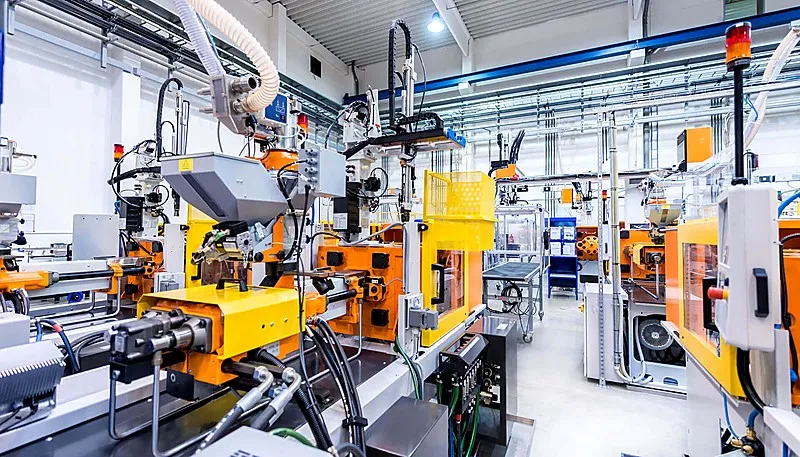
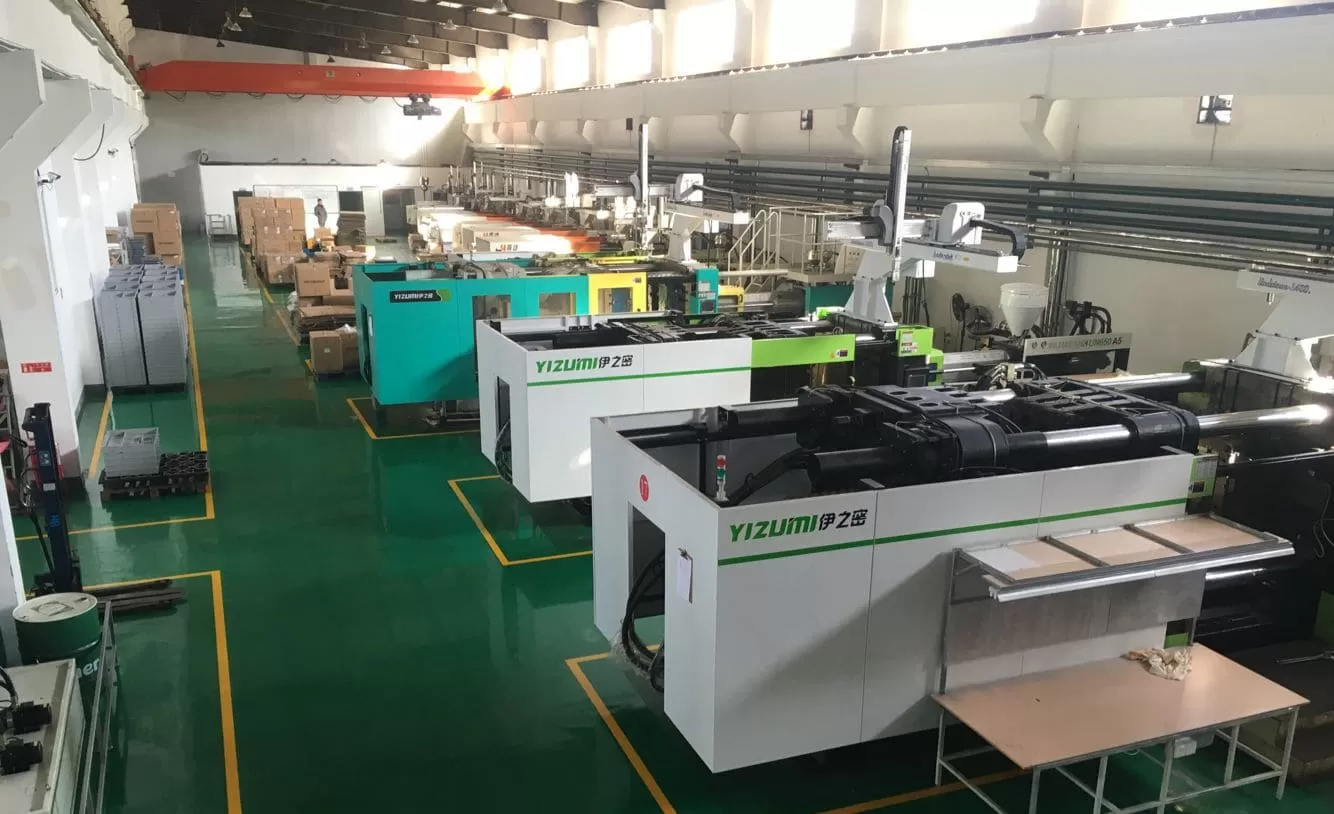
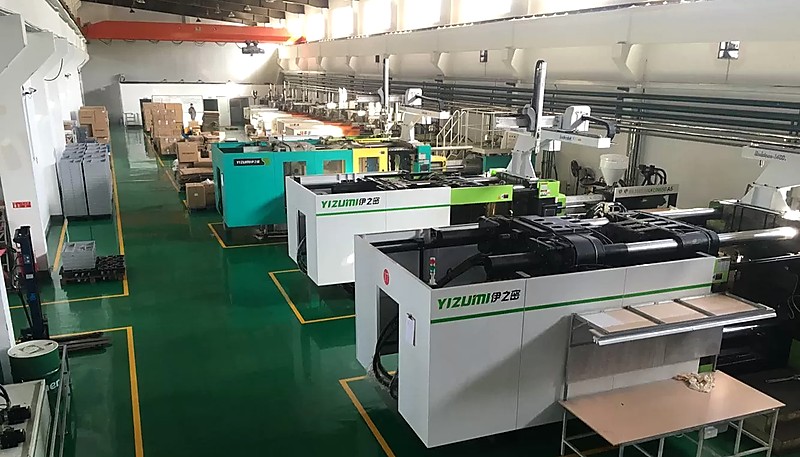
Controlla i macchinari, non la hall. Alcune fabbriche investono molto nell’area reception e trascurano la manutenzione delle macchine. Nella nostra fabbrica eseguiamo la manutenzione di macchine da 90T a 1850T e ciascuna dispone di un registro di manutenzione che puoi chiedere di consultare. Osserva le presse a iniezione: sono in funzione? Le targhette del tonnellaggio sono leggibili? Una fabbrica con oltre 45 macchine deve saper indicare con precisione quale produrrà il tuo pezzo.
Conta ciò che conta davvero. Il numero totale di macchine è un indicatore di facciata. Devi sapere quante macchine rientrano nella fascia di tonnellaggio richiesta e quante sono effettivamente disponibili, cioè non impegnate in altre produzioni di lunga durata. Una fabbrica con 50 macchine ma soltanto 2 nella fascia che ti serve non è capace quanto sembra.
Ispeziona l’area QC. Un reparto QC adeguato comprende strumenti di misura calibrati: macchine CMM, proiettori di profili e durometri. Chiedi di vedere i certificati di taratura più recenti. Se l’area QC è una scrivania con un calibro e un tampone passa/non passa, hai a che fare con un’officina che controlla a vista anziché basarsi sui dati.
Come Valutare la Reale Capacità Produttiva?
La capacità produttiva si verifica controllando tre aspetti: gamma di tonnellaggio in reparto, capacità interna di costruzione stampi e attrezzature per l’essiccazione dei materiali. Innanzitutto, comprendere la gamma di tonnellaggio. Una fabbrica con presse da 90T a 1850T può gestire dai piccoli connettori di precisione ai grandi pannelli automobilistici. Se il pezzo richiede una pressa da 500T e la più grande disponibile è da 300T, nessuna capacità ingegneristica può colmare il divario. Chiedere espressamente: “Qual è la vostra gamma di tonnellaggio e quante presse avete nella fascia 200T-800T?” È qui che ricade la maggior parte dei pezzi di produzione.
Per prima cosa, comprendere la gamma di tonnellaggio. Una fabbrica che utilizza macchine da 90T a 1850T può gestire qualsiasi prodotto, dai piccoli connettori di precisione ai grandi pannelli automobilistici. Se il vostro pezzo richiede una macchina da 500T e la più grande disponibile è da 300T, nessuna competenza tecnica può colmare il divario. Chiedere in modo specifico: “Qual è la vostra gamma di tonnellaggio e quante macchine avete nella fascia 200T-800T?” È in questa fascia che rientra la maggior parte dei pezzi di produzione.
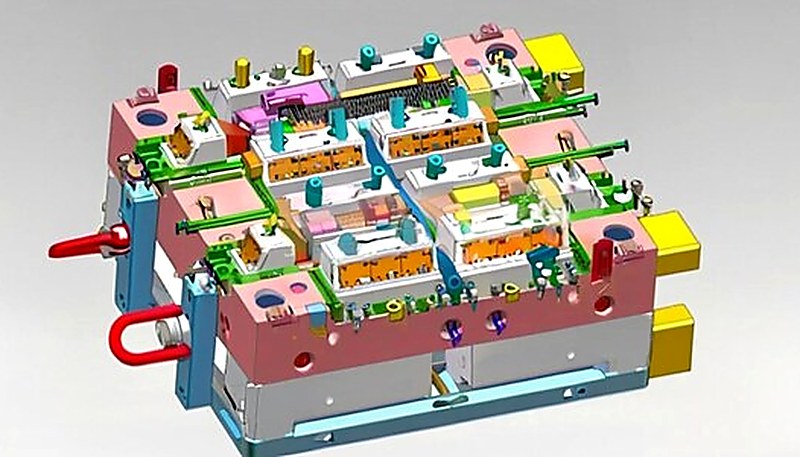
In secondo luogo, osserva l’officina stampi. Una fabbrica che sa soltanto approvvigionarsi ma non costruire stampi è un intermediario. La produzione interna degli stampi consente cicli di iterazione più rapidi, costi di modifica inferiori e un maggiore controllo sulla qualità delle attrezzature. Per un metodo strutturato di selezione di un fornitore di stampaggio a iniezione, consulta la nostra guida completa.
Terzo, verificate le scorte di materiali e le apparecchiature di essiccazione. Una fabbrica che lavora oltre 400 materiali dispone di forni di essiccazione, caricatori a tramoggia e infrastrutture di movimentazione idonee a passare da un materiale igroscopico all’altro (nylon, policarbonato, TPU) senza contaminazioni. Non è un aspetto secondario: nella mia esperienza, la sola essiccazione inadeguata causa circa il 30% dei difetti di stampaggio.
Quando Dovresti Richiedere una Prova?
Richiedete sempre una prova prima di impegnarvi per il volume produttivo. Rivela capacità dimensionale, qualità superficiale e costanza del materiale che nessuna visita in fabbrica può mostrare. Una fabbrica può esibire certificazioni, macchine pulite e clienti prestigiosi — ma è nella prova che emerge la realtà.
Sempre. La prova produttiva è lo strumento di qualifica più importante. Certificazioni, macchine pulite ed elenchi clienti possono impressionare, ma è nella prova che si verifica davvero la capacità.
Una corretta prova stampo deve produrre campioni T1 per la validazione, ossia le prime stampate ottenute dallo stampo completato, da misurare rispetto ai disegni. Aspetti da controllare:
Precisione dimensionale: misura le dimensioni critiche rispetto alle tolleranze richieste. Se una fabbrica dichiara ±0,05 mm ma al primo tentativo consegna ±0,15 mm, il suo controllo di processo è più debole di quanto affermato.
Finitura superficiale: verifica la presenza di risucchi, linee di saldatura, bave e segni di flusso.
Uniformità tra le stampate: chiedi 10-20 campioni, non soltanto 3. Misura la stessa dimensione su tutti. Un’elevata variazione tra una stampata e l’altra indica una scarsa stabilità del processo.
Certificazione del materiale: i pezzi di prova devono essere accompagnati da un certificato di conformità del materiale (CoC) che indichi il lotto di resina effettivamente utilizzato.
La prova rivela anche come lo stabilimento comunica in merito ai problemi. Ogni prima stampata presenta inconvenienti: una bava qui, un risucchio là. Ciò che conta è il modo in cui viene diagnosticata la causa principale e se la soluzione proposta è valida dal punto di vista ingegneristico.
Come Proteggi la Tua Proprietà Intellettuale Quando Condividi i Progetti?
Gli accordi NNN sono la prima linea di difesa quando si condividono progetti con una fabbrica cinese. Controlla la condivisione dei dati per fasi e deposita un brevetto cinese per disegno prima dell’avvio della produzione.
È la domanda che mi viene posta più spesso e la risposta sincera è questa: non è possibile eliminare completamente il rischio, ma con le misure adeguate lo si può ridurre a un livello accettabile.
Passaggio 1: firma un accordo NNN. Non un NDA, bensì un NNN (Non-Disclosure, Non-Use, Non-Circumvention). Gli NDA occidentali standard sono deboli nei tribunali cinesi. Un accordo NNN redatto secondo il diritto cinese, in inglese e cinese e con penali specifiche per ogni tipo di violazione, offre una tutela legale concreta. Per le aziende statunitensi, le linee guida BIS sulla conformità in Cina3 illustrano ulteriori requisiti di due diligence sui controlli delle esportazioni quando si condividono dati tecnici a livello internazionale.
Passaggio 2: controlla il flusso dei dati. Non inviare file CAD completi a ogni fabbrica che stai valutando. Inizia con schermate, dimensioni di base e requisiti dei materiali. Condividi i dati CAD completi soltanto con la fabbrica selezionata, dopo la firma dell’NNN.
Passaggio 3: registra il progetto in Cina. Per i brevetti di design, la Cina adotta il sistema «first to file». Se produci un bene di consumo, deposita un brevetto di design cinese prima di avviare la produzione. Costa all’incirca $500-1.000 e ti conferisce diritti azionabili se una fabbrica tenta di copiare il prodotto.
Come Si Presenta un Partner Affidabile per Stampaggi a Lungo Termine?
Un partner affidabile a lungo termine è una fabbrica che contesta i progetti deboli, risponde rapidamente e investe in personale qualificato. Dopo 20 anni di valutazione dei fornitori, questi tre tratti distinguono i migliori.
Vi dicono ciò che non vorreste sentirvi dire. Una buona fabbrica vi segnalerà quando il vostro progetto è producibile, ma non ottimale. Vi dirà: “possiamo stampare questo componente, ma aumentando l’angolo di sformo di 0.5 gradi possiamo ridurre il tempo ciclo del 15%.” Una consulenza tecnica proattiva di questo tipo vale più di qualsiasi risparmio sul preventivo iniziale.
Rispondono quando qualcosa va storto. Ogni progetto incontra problemi. La domanda è cosa accade alle 23:00 quando i campioni T3 mostrano un nuovo difetto che non era presente nei pezzi T1. Una fabbrica reattiva risponde entro 24 ore con un’analisi della causa principale e un piano di azioni correttive.
Investono nelle persone, non soltanto nelle macchine. Una fabbrica con oltre 120 addetti alla produzione esperti, ingegneri senior presenti da anni e un team dedicato di project management che parla inglese supererà ogni volta una fabbrica più grande con un elevato ricambio del personale. Le macchine non risolvono i problemi: lo fanno le persone.
In sintesi, la qualifica non è un evento una tantum. Gli stabilimenti che superano l’audit iniziale devono mantenere quello standard progetto dopo progetto. Programmare revisioni trimestrali della qualità, monitorare i tassi di consegna puntuale e non esitare a ripetere l’audit se la qualità inizia a peggiorare. I migliori rapporti con i fornitori si basano sulla verifica, non sulla fiducia.
Quali sono le domande più comuni sulla verifica delle fabbriche cinesi?
Quali certificazioni deve possedere una fabbrica cinese di stampaggio a iniezione?
Come minimo, ISO 9001:2015 è imprescindibile: è la base del sistema di gestione qualità di ogni stampatore qualificato. Per componenti medicali serve ISO 13485. ISO 14001 è rilevante per obiettivi di sostenibilità o rendicontazione ESG. Per l’automotive si applica IATF 16949. Richiedere numeri di certificato ed ente emittente e verificarli nel database del registro, senza affidarsi alle sole dichiarazioni della fabbrica.
Quanto dura un audit di fabbrica?
Un audit completo richiede 4-6 ore in sito per reparto produttivo, laboratorio QC, deposito materie prime e documentazione, più 1-2 ore per riunione iniziale e chiusura. Una visita sotto 45 minuti non mostra tutto. L’audit deve osservare macchine a carico, etichette di taratura, rapporti recenti sulle non conformità e team tecnico.
Dovrei Visitare la Fabbrica di Persona?
Per ordini superiori a 20.000 USD, una visita di persona vale ampiamente l’investimento di viaggio. Per ordini più piccoli, un tour video in diretta con un rappresentante della fabbrica è un’alternativa pratica ed economica che rivela comunque molto. Durante qualsiasi tour video, chiedi loro di mostrare macchine specifiche per tonnellaggio, di attraversare l’area di misurazione QC e di aprire i contenitori di stoccaggio delle materie prime per verificare l’etichettatura. Gli audit di terze parti di SGS o TUV forniscono un’altra opzione di verifica indipendente che ti dà documentazione professionale senza richiedere viaggi internazionali da parte tua.
Qual è un Tempo di Consegna Ragionevole per i Campioni T1?
Il tempo di consegna standard per i campioni T1 è di 25-35 giorni per uno stampo di prova a singola cavità. Stampi di produzione complessi a più cavità o quelli che richiedono espulsori, slitte ed estrattori possono richiedere 40-60 giorni per essere completati. Se una fabbrica promette campioni T1 in meno di 20 giorni per un nuovo stampo, dovresti chiederti se stanno facendo scorciatoie nella revisione del design dello stampo o nella selezione dei materiali. Prevedi sempre 3-5 giorni per una corretta revisione DFM prima che inizi la costruzione dello stampo, e considera il tempo aggiuntivo di spedizione per la consegna internazionale del campione al tuo team di controllo qualità.
Come Faccio a Sapere se una Fabbrica Sta Subappaltando il Mio Stampo?
Chiedi di vedere fisicamente il loro reparto di produzione di stampi. Se non possono mostrarti centri di lavorazione CNC, macchine a elettroerosione per affondamento, taglierine a filo e stazioni di lucidatura tutte operative in loco, è molto probabile che stiano subappaltando il tuo stampo a un’officina di terze parti. Questo subappalto nascosto aumenta i costi, riduce il tuo controllo qualità diretto e rende le future modifiche ingegneristiche significativamente più lente e costose. Una fabbrica con una reale capacità di produzione di stampi interna può iterare più velocemente sui cambiamenti di design, mantenere tolleranze dimensionali più strette e fornire supporto di manutenzione continua durante l’intero ciclo di vita della produzione.
Quali Termini di Pagamento Dovrei Negozia re?
I termini di pagamento tipici prevedono un acconto del 30-50% con il saldo dovuto all’approvazione del campione e conferma del report dimensionale. Non accettare mai di pagare il 100% in anticipo, indipendentemente dallo sconto offerto. Per rapporti consolidati con fornitori di comprovata affidabilità, puoi negoziare pagamenti basati su milestone legati a specifici deliverable come acconto, approvazione del campione T1 e consegna del lotto di produzione finale. Le lettere di credito della tua banca sono un’opzione sicura per ordini di grandi dimensioni. Associa sempre il pagamento finale a criteri di accettazione della qualità misurabili, chiaramente documentati nel tuo accordo d’ordine di acquisto.
Posso Fidarmi dei Riferimenti di Fabbrica che Forniscono?
Solo parzialmente — i riferimenti forniti dalla fabbrica sono sempre pre-selezionati e saranno invariabilmente estremamente positivi. Un approccio molto più efficace è chiedere riferimenti specifici del tuo settore o con complessità di parti e requisiti di materiale simili ai tuoi. Contatta poi quei riferimenti direttamente e poni domande mirate sulla reattività nella comunicazione, le prestazioni effettive di consegna puntuale e, soprattutto, su come la fabbrica ha gestito i problemi di qualità quando si sono inevitabilmente verificati. Le principali fiere di settore come NPE o Chinaplas sono anche ottimi luoghi per raccogliere feedback indipendenti e sinceri.
Cosa Dovrebbe Includere un Preventivo per uno Stampo?
Un preventivo completo per uno stampo deve specificare: tipo di acciaio della base dello stampo, tipo di acciaio della cavità e del nucleo, vita attesa dello stampo in numero totale di colpi, standard di finitura superficiale, numero di cavità, numero di cicli di modifica inclusi e termini di consegna (FOB o EXW). Dovrebbe anche dettagliare qualsiasi operazione secondaria, requisiti di imballaggio personalizzati e ipotesi sul volume annuale che influenzano il prezzo unitario. I preventivi vaghi che mostrano solo un prezzo totale senza alcuna suddivisione sono un segnale d’allarme significativo — insisti sempre per ricevere un preventivo dettagliato e suddiviso prima di firmare qualsiasi accordo.
Pronti a Verificare il Vostro Prossimo Partner di Stampaggio a Iniezione?
Il partner giusto per lo stampaggio a iniezione è quello che hai valutato accuratamente tramite audit di fabbrica, prove di produzione e verifica delle certificazioni. In ZetarMold produciamo stampi a iniezione e pezzi stampati a Shanghai dal 2005. Con 47 macchine, produzione interna degli stampi e oltre 30 project manager che parlano inglese, siamo organizzati per gestire il tuo progetto dalla revisione DFM fino alla consegna della produzione. Richiedi un preventivo gratuito e scopri concretamente cosa significano prezzi trasparenti e un’assistenza ingegneristica adeguata.
ISO 9001: si riferisce ai Sistemi di gestione della qualità ISO 9001, lo standard riconosciuto a livello internazionale per la gestione della qualità che certifica la presenza in fabbrica di processi documentati, sistemi di miglioramento continuo e una produzione uniforme. ↩
Audit dei fornitori SGS: indica l'audit dei fornitori SGS, una metodologia di verifica indipendente della fabbrica che copre capacità produttiva, sistemi qualità e conformità normativa, condotta da SGS, una delle principali società mondiali di ispezione e verifica. ↩
BIS sulla conformità in Cina: indica le linee guida sulla conformità in Cina del Bureau of Industry and Security degli Stati Uniti, ossia le indicazioni del governo statunitense sui controlli delle esportazioni e sui requisiti di due diligence per l'approvvigionamento di prodotti fabbricati in Cina. ↩