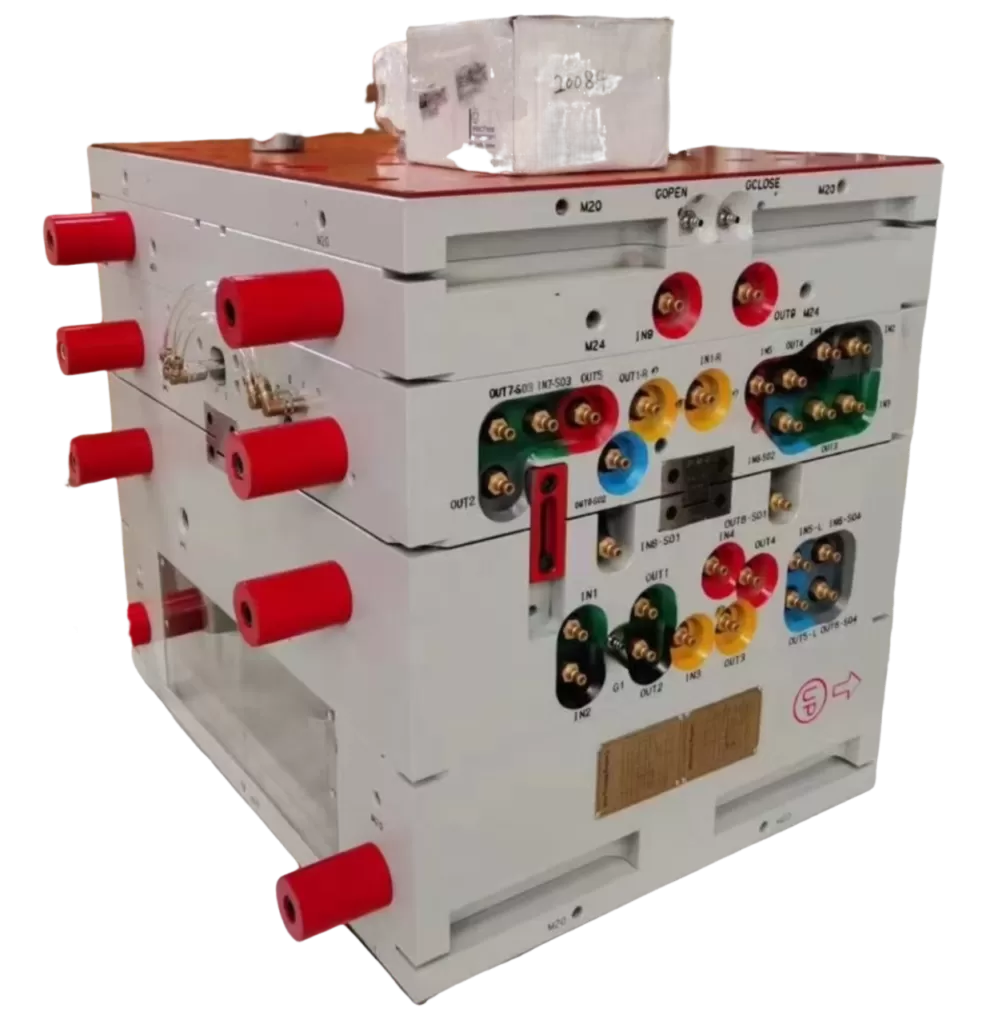
- Ein Spritzgusswerkzeug ist ein Präzisionswerkzeug aus Stahl mit einer Kavität in Form des fertigen Teils. Die Kosten reichen von $3,000 für einfache Einkavitätenwerkzeuge bis über $100,000 für Mehrkavitäten-Heißkanalwerkzeuge.
- Die drei wichtigsten Werkzeugtypen sind Zweiplatten-, Dreiplatten- und Heißkanalwerkzeuge — jeweils geeignet für unterschiedliche Bauteilgeometrien und Produktionsvolumen.
- Die Stahlwahl bestimmt die Werkzeugstandzeit: P20 für mittlere Serien (500K Schuss), H13 für Großserien (1M+ Schuss) und rostfreier S136-Stahl für korrosive Harze wie PVC und PC.
- Eine DFM-Prüfung vor Beginn der Werkzeugbearbeitung senkt die durchschnittliche Zahl der Werkzeugänderungszyklen von 3 auf weniger als 1 und spart dadurch Wochen bei der Durchlaufzeit.
- Vorbeugende Wartung alle 50,000–100,000 Schuss hält die Zykluszeiten stabil und verhindert kostspielige Kavitätsschäden.
Alles im Spritzgussverfahren Plastik1 Ein Teil – vom Zylinder einer medizinischen Spritze bis zum Armaturenbrett eines Automobils – beginnt mit einer Sache: dem Spritzgussform2. Die Form ist der kapitalintensivste Vermögenswert im Prozess, und jede Entscheidung, die während der Konstruktion, der Materialauswahl und des Betriebs getroffen wird, bestimmt direkt das Teil Qualität3, Zykluszeit und Gesamtproduktionskosten.
Für vergleichende Leser Spritzguss Optionen, dies Leitfaden für Spritzgussformen verbindet Formenbau, Kunststoffverhalten, Lieferantenbeschaffungund Qualitätskontrollentscheidungen, die bestimmen, ob ein Projekt vom Entwurf zur wiederholbaren Produktion übergehen kann.
Das Spritzguss Der Leitfaden deckt den gesamten Lebenszyklus einer Spritzgussform ab: Was es ist und wie es funktioniert, die wichtigsten Typen und ihre Anwendungen, wie man den richtigen Stahl auswählt, was die Kosten beeinflusst und wie man eine Form so wartet, dass sie Hunderttausende Schüsse zuverlässig läuft. Unabhängig davon, ob Sie Ihre erste Form beschaffen oder ein vorhandenes Werkzeug optimieren, wirken sich die Entscheidungen hier auf die Teilequalität, die Zykluszeit und die Gesamtbetriebskosten aus.
Was ist ein Spritzgießwerkzeug und wie funktioniert es?
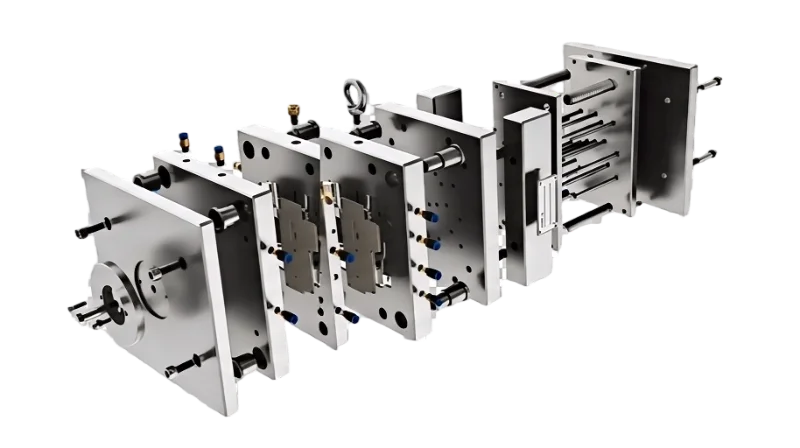
Eine Spritzgießform ist ein Präzisionswerkzeug, das geschmolzenen Kunststoff durch Füllen, Abkühlen und Auswerfen einer durch die Kavität bestimmten Form zu reproduzierbaren Bauteilen verarbeitet. Sie besteht aus zwei Stahlhälften, der Kavitätsseite und der Kernseite, die sich schließen, bevor das geschmolzene Harz durch Angussbuchse, Verteilerkanal und Anschnittsystem eintritt. Der Kunststoff kühlt an den Stahlwänden ab und wird nach dem Öffnen der Form ausgeworfen.
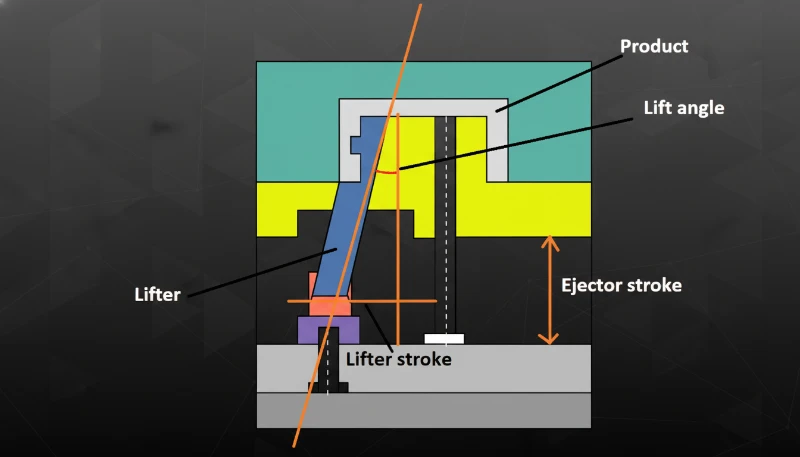
Zu den Grundkomponenten jedes Spritzgießwerkzeugs gehören Kavitäts- und Kerneinsätze, die die Bauteilgeometrie bestimmen, das Anguss- und Anschnittsystem, das den Kunststoff von der Maschinendüse zur Kavität führt, der Kühlkreislauf, der dem Stahl Wärme entzieht, das Auswerfersystem (Stifte, Hülsen oder Klingen), das das Bauteil aus dem Werkzeug drückt, sowie der Formaufbau, der alle Komponenten präzise ausgerichtet hält.
Die Werkzeuggenauigkeit wird in Tausendstel Zoll gemessen. Ein fachgerecht gefertigtes Einkavitätenwerkzeug kann bei kritischen Abmessungen Toleranzen von ±0.002 inches einhalten. Mehrkavitätenwerkzeuge — die pro Zyklus zwei, vier, acht, sechzehn oder sogar zweiunddreißig Teile fertigen — müssen dieselben Toleranzen gleichzeitig in allen Kavitäten einhalten. Deshalb sind sie wesentlich teurer und erfordern eine präzisere Bearbeitung.
Bevor Stahl bearbeitet wird, führen Ingenieure eine Moldflow-Analyse durch. Sie simuliert, wie der Kunststoff die Kavität füllt, wo Bindenähte entstehen und ob der Kühlkreislauf die Wärme gleichmäßig abführen kann. Eine prototypische Darstellung der Fließsimulation hilft dem Team, Probleme visuell zu erkennen, bevor es sich auf den Werkzeugbau festlegt. Das Engineering-Team von ZetarMold führt diese Simulation für jedes neue Werkzeug als Bestandteil des standardmäßigen DFM-Prozesses durch — Probleme werden in der Konstruktionsphase erkannt und nicht erst nach $20,000 Bearbeitungskosten.
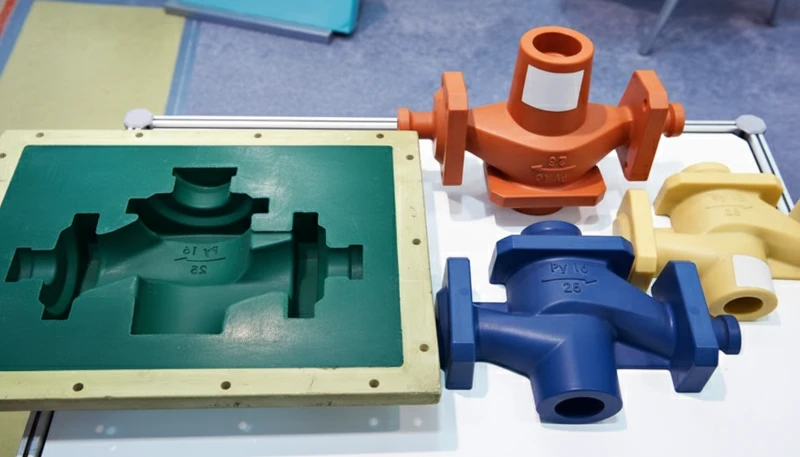
In unserem Werk in Shanghai betreiben wir 47 Spritzgießmaschinen von 90T bis 1850T. Dadurch können wir alles von Mikropräzisionsteilen bis hin zu großen Automobilkomponenten flexibel im eigenen Haus fertigen.
Welche Hauptarten von Spritzgießwerkzeugen gibt es?
Spritzgusswerkzeuge werden nach ihrer inneren Bauweise klassifiziert. Die Wahl des Werkzeugtyps bestimmt die Flexibilität der Anschnittgestaltung, die Zykluszeit, den Angussabfall und die anfänglichen Werkzeugkosten. In der Produktion kommen drei Haupttypen zum Einsatz.
Zwei-Platten-Form
Das Zweiplattenwerkzeug ist der häufigste Werkzeugtyp der Branche. Eine einzige Trennebene teilt das Werkzeug in zwei Hälften. Verteiler und Anschnittsystem liegen in der Trennebene; beim Öffnen werden Anguss, Verteiler und Teile gemeinsam ausgeworfen. Anschließend muss der Verteiler manuell oder durch Beschnitt von den Teilen getrennt werden. Zweiplattenwerkzeuge sind kostengünstiger, wartungsfreundlicher und eignen sich für die meisten Standardgeometrien mit seitlichem Anschnitt.
Drei-Platten-Form
Die Dreiplattenform ergänzt eine zweite Trennebene zwischen Kavitäten- und Angussplatte. Dadurch kann das Angusssystem getrennt von den Teilen angeordnet werden und runde oder symmetrische Teile lassen sich mittig anspritzen, ohne dass auf der Außenfläche eine sichtbare Anschnittmarke entsteht. Dreiplattenformen öffnen in zwei Stufen und trennen Teile automatisch vom Anguss. Sie sind komplexer und kosten 20–40% mehr als vergleichbare Zweiplattenkonstruktionen, beseitigen dafür aber das manuelle Abtrennen des Angusses.
Heißkanalwerkzeug
In einer Heißkanalform wird das Kanalsystem während des gesamten Zyklus auf der Verarbeitungstemperatur des Kunststoffs gehalten. Der Kunststoff erstarrt nie in den Kanälen, sodass kein Angussabfall und kein Entgratungsschritt anfallen. Die Zykluszeiten sind 15–30% kürzer als bei vergleichbaren Kaltkanalwerkzeugen, weil die thermische Masse des Kanals nicht gekühlt werden muss. Heißkanalformen kosten pro Verteiler $5,000–$30,000 mehr, amortisieren sich in der Großserienproduktion jedoch durch Materialeinsparungen und schnellere Zyklen rasch. Sie sind Standard bei Mehrkavitätenwerkzeugen, die mehr als 500,000 Teile pro Jahr herstellen.
Die Wahl zwischen Zweiplatten-, Dreiplatten- und Heißkanalwerkzeugen hängt von der Bauteilgeometrie, den Einschränkungen der Angussposition, dem Produktionsvolumen und den optischen Anforderungen ab. Zweiplattenwerkzeuge lassen sich am schnellsten und kostengünstigsten bauen und warten. Sie sind daher ideal für Funktionsteile, bei denen Angussmarken akzeptabel oder verdeckt sind. Dreiplattenwerkzeuge sind komplexer, machen jedoch die nachträgliche Angussabtrennung überflüssig. Dies ist vorteilhaft, wenn die Arbeitskosten hoch sind oder eine angussfreie Optik zwingend erforderlich ist. Heißkanalwerkzeuge sind wirtschaftlich nur sinnvoll, wenn die jährliche Stückzahl 500,000 Einheiten übersteigt, da die Investition in den beheizten Verteiler und die Steuerungssysteme durch Materialeinsparungen und kürzere Zykluszeiten gerechtfertigt werden muss.
"Heißkanalwerkzeuge reduzieren den Materialabfall in der Großserienfertigung auf nahezu null."True
Da der Verteilerkanal während des gesamten Produktionslaufs geschmolzen bleibt, fällt kein Anguss- und Verteilerkanalabfall eines Kaltkanalsystems an. Bei Harzen mit einem Preis von $2–$5 pro Pfund kann allein dies bei Werkzeugen für hohe Stückzahlen den Aufpreis des Heißkanals innerhalb von sechs bis zwölf Monaten amortisieren.
„Ein Dreiplattenwerkzeug ist immer besser als ein Zweiplattenwerkzeug.“False
Dreiplattenwerkzeuge erhöhen die mechanische Komplexität (eine zweite Trennebene, zusätzliche Zugstangen und ein längerer Öffnungshub) und kosten 20–40% mehr. Bei Teilen, für die eine seitliche Anspritzung zulässig oder die Position der Anspritzmarke unkritisch ist, lässt sich ein Zweiplattenwerkzeug schneller bauen, kostengünstiger betreiben und einfacher warten.
Welcher Stahl wird für Spritzgießformen verwendet?
Die Stahlauswahl ist die folgenreichste Werkstoffentscheidung im Werkzeugbau. Eine falsche Wahl führt zu vorzeitigem Verschleiß, Korrosionsnarben oder katastrophalem Versagen. Die richtige Wahl stimmt Härte, Zähigkeit, Korrosionsbeständigkeit und Zerspanbarkeit auf das erwartete Produktionsvolumen und den Harztyp ab. Jedes Spritzgießwerkzeug ist letztlich eine Investition in Produktionskapazität; die Stahlsorte bestimmt unmittelbar, wie viele Teile das Werkzeug herstellen kann, bevor Verschleiß an Teilemaßen oder Oberflächengüte sichtbar wird.
Drei Stahlsorten machen über 90% aller weltweit gefertigten Kavitätseinsätze für Spritzgießwerkzeuge aus: P20 für Standardproduktion, H13 für Großserien und Anwendungen mit gefüllten Harzen sowie rostfreier S136 für korrosionsempfindliche Anwendungen. P20 ist die Standardwahl für die meisten Produktionswerkzeuge; H13 wird bei abrasivem Harz oder Teilemengen über einer Million Zyklen spezifiziert; und S136 ist für PVC, PC, medizinische Harze und alle Anwendungen mit kritischer Korrosionsbeständigkeit vorgeschrieben.
P20 ist das Arbeitspferd des Formenbaus. Dieser vorgehärtete Chrom-Molybdän-legierte Stahl wird mit 28–34 HRC geliefert und kann daher direkt bearbeitet werden, ohne nach der Zerspanung gehärtet zu werden. Gegenüber ungehärteten Stählen, die nach der Bearbeitung vakuumwärmebehandelt werden müssen, spart dieser vorgehärtete Zustand 1–2 Wochen Lieferzeit. P20 bietet gute Polierbarkeit, ausgezeichnete Schweißbarkeit für Reparaturen und ausreichende Verschleißfestigkeit für Produktionsläufe über 500,000 Zyklen mit Standardharzen. Weltweit wird er für den Großteil der Formaufbauten und Kavitätseinsätze verwendet.
Die größte Schwäche ist die geringe Korrosionsbeständigkeit – Feuchtigkeit, Ausgasungen von PVC und halogenierte Harze verursachen Lochfraß an der Oberfläche und bei längerer Lagerung Maßabweichungen.
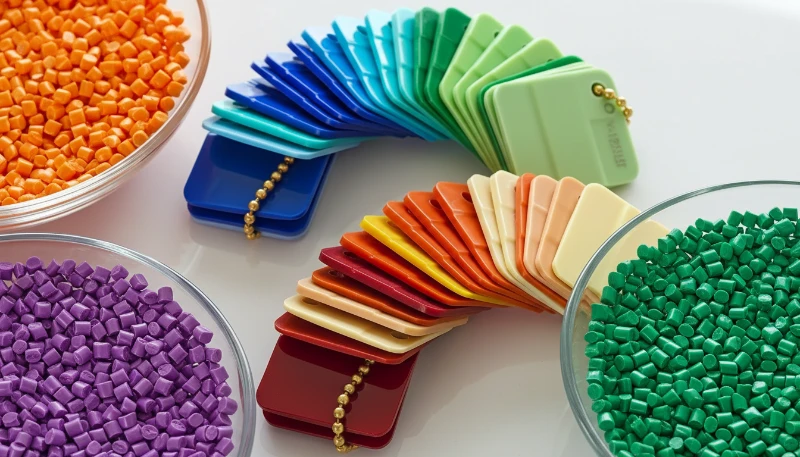
H13 ist ein Warmarbeitsstahl, der nach der Bearbeitung auf 46–54 HRC wärmebehandelt wird. Seine höhere Härte verleiht ihm ausgezeichnete Abriebfestigkeit und macht ihn zur bevorzugten Wahl für glasfaserverstärkte Nylons, mineralgefüllte Polypropylene und andere abrasive Compounds, die weichere P20-Kavitäten schnell erodieren würden. Eine einzelne Glasfaser kann härter als P20-Stahl sein; der kumulierte Verschleiß durch Millionen Faserpartikel an der Kavitätsoberfläche führt innerhalb von 500,000 Schüssen zu messbarer Maßvergrößerung. H13 wird außerdem für Großserienformen in der Automobil- und Verpackungsindustrie eingesetzt, die mehr als eine Million Schüsse erreichen sollen.
S136 ist ein rostfreier Formenstahl mit einer Edelstahlzusammensetzung der 420-Serie. Sein hoher Chromgehalt (13–14%) bietet echte Korrosionsbeständigkeit gegen PVC-Ausgasungen (Salzsäure), Feuchtigkeitskondensation in Umgebungen mit hoher Luftfeuchtigkeit und aggressive Flammschutzadditive. S136 wird typischerweise für Formen für Medizinprodukte, Lebensmittelkontaktteile und optische Linsen mit hohen Anforderungen an die Oberflächenqualität spezifiziert. Der Stahl lässt sich für optisch transparente Teile auf Hochglanz polieren (SPI A1) und widersteht bei langfristiger Lagerung Korrosion durch Fingerabdrücke. S136 bietet zudem eine sehr gute Maßstabilität in Formen für dünnwandige und hochpräzise optische Anwendungen mit engen Toleranzen.
| Stahlsorte | Härte (HRC) | Typische Werkzeugstandzeit | Am besten für | Korrosionsbeständigkeit |
|---|---|---|---|---|
| P20 | 28–34 | 500,000 Schuss | ABS, PP, PE, Standardharze | Niedrig |
| H13 | 46–54 | 1,000,000+ Schuss | Großserien, abrasive Harze, gefüllte Materialien | Mäßig |
| S136 (420SS) | $16.000–$40.000+ | 1,000,000+ Schuss | PVC, PC, klare Teile, medizinisch | Hoch |
| NAK80 | 37–43 | 500,000 Schuss | Optische, hochglanzpolierte kosmetische Teile | Mäßig |
| 718H | 29–33 | 300.000–500.000 Schüsse | Prototyp, niedrig bis mittlere Stückzahl | Niedrig |
Wie wird ein Spritzgießwerkzeug konstruiert?
Spritzgusswerkzeugkonstruktion ist eine Ingenieursdisziplin, die Bauteilgeometrie, Materialwissenschaft, Fertigungsprozess und Produktionswirtschaft verbindet. Ein gut konstruiertes Werkzeug produziert Teile nach Spezifikation mit der kürzestmöglichen Zykluszeit und der geringstmöglichen Ausschussrate.
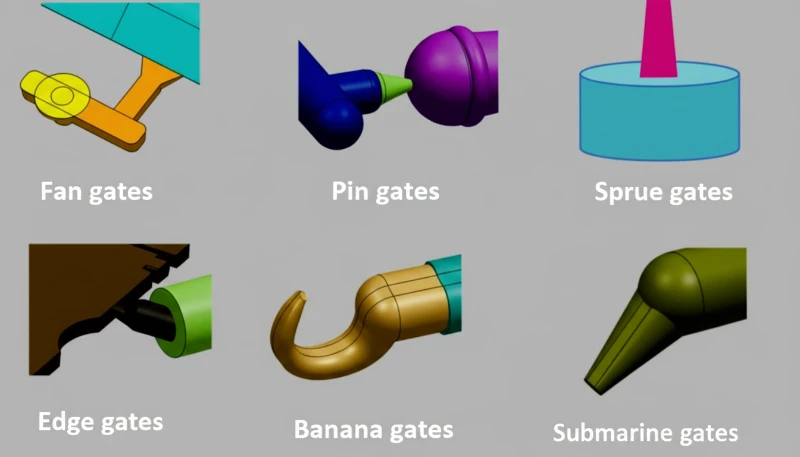
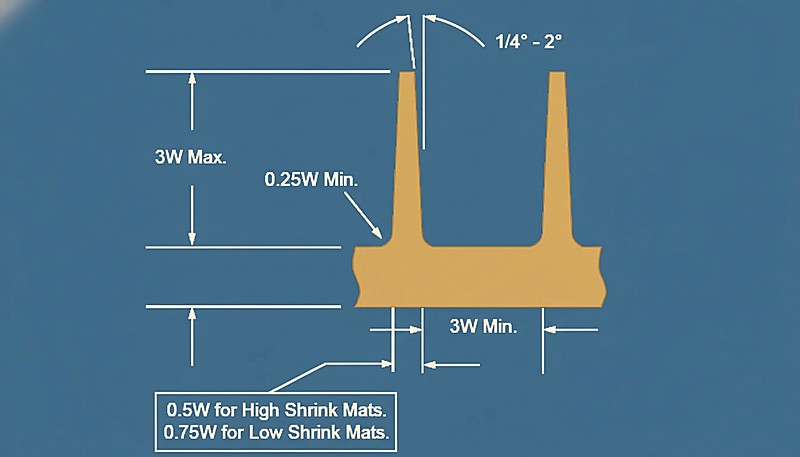
Der Designprozess beginnt mit Teilgeometrieanalyse. Der Werkzeugingenieur überprüft das 3D CAD Modell für Wanddickenkonstanz (Ziel: 2–3 mm für meisten Thermoplasten, mit Variation unter 30%), Schräge (Minimum 0,5° auf allen vertikalen Wänden, 1–2° bevorzugt), Hinterschneidungen, die Seitenaktionen benötigen, und Oberflächenfinishanforderungen. Diese Überprüfung, genannt der DFM Report, identifiziert typisch fünf bis fünfzehn Verbesserungsmöglichkeiten bevor jegliche Bearbeitung beginnt. Angussplatzierung ist die nächste kritische Entscheidung. Der Anguss – die restriktive Öffnung durch die Kunststoff in die Kavität eintritt – bestimmt Füllrichtung, Bindelinienplatzierung und wo der Angussmark auf dem fertigen Teil auftritt.
Unsere interne Formenfertigungseinrichtung wird von 8 Senior-Ingenieuren betrieben, die gemeinsam jahrzehntelange Werkzeugerfahrung in den Bereichen Automobil, Medizin und Unterhaltungselektronik mitbringen. Da sich die Formenwerkstatt auf demselben Gelände wie die Spritzgießhalle befindet, erkennen wir fertigungsgerechte Konstruktionsprobleme, bevor Stahl gefräst wird – und nicht erst nach der T1-Musterung.
Faustregeln: Platziere das Anguss an der dicksten Wandstelle, halte es fern von Bereichen, die hohe kosmetische Qualität benötigen, und positioniere es so, dass Kunststoff von dick zu dünn fließt (niemals von dünn zu dick). Schlechte Angussplatzierung führt zu Kurzschüssen, Bindelinien in strukturell kritischen Stellen oder unakzeptablen Oberflächenfehlern.
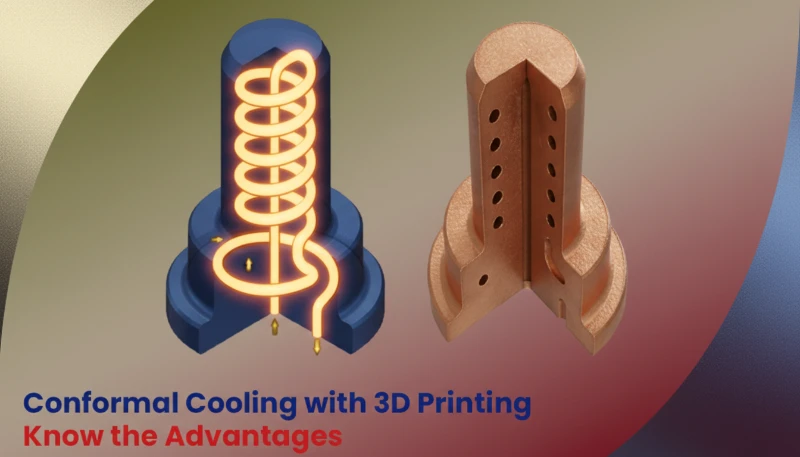
Das Design des Kühlkreislaufs folgt der Angussplatzierung. Das Kühlsystem ist ein Netzwerk von gebohrten Kanälen (typisch 8–12 mm Durchmesser), die temperiertes Wasser bei 10–40°C durch das Stahl nahe der Kavitätoberfläche führen. Kanalspacing, Tiefe unter der Kavitätoberfläche (typisch 1,5× Durchmesser) und Kühlmittelflussrate bestimmen, wie schnell Wärme aus dem Kunststoff extrahiert wird. Schlecht designede Kühlkreisläufe erzeugen Hotspots, die den Zyklus verlängern, Verzug verursachen und Dimensionsvariation zwischen Kavitäten einführen. Das Ausstoßsystem muss designed sein, um das Teil herauszustoßen, ohne es zu markieren oder zu verformen.
"Die Auslegung des Kühlkreislaufs hat von allen Entscheidungen im Werkzeugbau den größten Einfluss auf die Zykluszeit."True
Die Kühlung macht 60–70 % der gesamten Zykluszeit aus. Die Optimierung der Platzierung der Kühlkanäle und der Kühlmitteltemperatur kann die Zykluszeit um 20–40 % reduzieren – was die Produktion direkt vervielfacht, ohne Änderungen an der Spritzgießmaschine oder den Prozessparametern.
"Entformungsschrägen sind bei Spritzgussteilen optional."False
Schrägen sind zwingend erforderlich, nicht optional. Ohne Schräge klemmt das Teil beim Erstarren aufgrund von thermischer Kontraktion und Schrumpfung am Stahl, was Ziehspuren, Festkleben oder Werkzeugschäden verursacht. Die meisten Serienformen benötigen mindestens 0,5° Schräge, und strukturierte Oberflächen benötigen 1–3°, um zu verhindern, dass die Struktur wie Widerhaken wirkt, die das Teil am Stahl festhalten.
Wie viel kostet eine Spritzgussform?
Die Kosten eines Spritzgießwerkzeugs werden durch Teilekomplexität, Kavitätenzahl, Stahlsorte, Toleranzanforderungen und Standort des Lieferanten bestimmt. Wer die Kostentreiber versteht, kann wirksamer verhandeln und bessere Mengenentscheidungen treffen.
| Form Typ | Kavitäten | Komplexität | Typischer Kostenbereich | Vorlaufzeit |
|---|---|---|---|---|
| Prototyp / Weichwerkzeug | 1 | Niedrig | $3,000 – $10,000 | 2–4 Wochen |
| Einfaches Produktionswerkzeug | 1–2 | Niedrig | $8,000 – $20,000 | 4–6 Wochen |
| Mittleres Produktionswerkzeug | 4–8 | Mittel | $20,000 – $60,000 | 6–10 Wochen |
| Komplexes Produktionswerkzeug | 8–16 | Hoch | $50,000 – $120,000 | 10–16 Wochen |
| Hoch-Kavitäten-Heisskanal | 16–32+ | Sehr hoch | $80,000 – $250,000 | 14–20 Wochen |
Die Kavitätenkomplexität ist der dominierende Kostentreiber und macht 40–60% der gesamten Formkosten aus. Eine einfache flache Halterung mit zwei Durchgangsbohrungen wird in wenigen Stunden pro Kavität bearbeitet; ein Automobilspiegelgehäuse mit inneren Gitterrippen, vier Seitenaktionen und einer spiegelglatten Außenfläche erfordert 80–200 Bearbeitungsstunden. EDM (Funkenerosion) wird für enge Ecken, tiefe Rippen und Texturen verwendet, die Fräser nicht erreichen können – EDM erhöht Kosten und Zeit, ist aber bei komplexen kosmetischen Teilen unvermeidlich. Die Anzahl der Kavitäten vervielfacht die Bearbeitungszeit, aber auch den Output. Die Wirtschaftlichkeit spricht für mehr Kavitäten, wenn das Jahresvolumen steigt.
Ein gängiges Entscheidungsrahmenwerk: Einfachform für unter 50.000 Teile pro Jahr, Zwei- bis Vierfachform für 50.000–500.000, Acht- bis Sechzehnfachform für 500.000–2.000.000 und 16+ Kavitäten mit Heißkanal für über zwei Millionen Teile jährlich. Jede Steigerung der Kavitätenanzahl verdoppelt in etwa die Formkosten, während die Maschinenkosten pro Teil halbiert werden.
Der Kompromiss ist eine längere Versandzeit (2–4 Wochen per Schiff) und die Notwendigkeit einer rigorosen Lieferantenqualifizierung.
Die Formen von ZetarMold werden auf Standardgrundgestellen nach DME/HASCO mit Einsätzen aus gehärtetem Stahl aufgebaut; die Freigabe der T1-Muster ist im Angebotspreis enthalten.
"Mehrkavitätenwerkzeuge senken bei hohen Stückzahlen die Kosten pro Teil erheblich."True
Eine 16-fach-Form, die mit derselben Zykluszeit wie ein Einfachwerkzeug läuft, produziert 16 Teile pro Zyklus und senkt die Maschinenkosten pro Teil um über 90 Prozent.
"Alle Spritzgießwerkzeuge sehen unabhängig von der Teilekomplexität gleich aus."False
Die Komplexität von Formen variiert enorm. Eine einfache Halterung benötigt ein einfaches Zweiplattenwerkzeug, während eine Automobiltürverkleidung eine 40-Tonnen-Form mit acht Seitenaktionen und sequenzieller Ventilanschnitttechnik erfordert.
Was sind die wichtigsten Werkzeugkomponenten und ihre Funktionen?
Die wichtigsten Spritzgusswerkzeugkomponenten sind die Kavität, der Kern, der Verteilerkanal, der Anguss, die Kühlkanäle, die Entlüftungen, das Ausstoßsystem, die Führungshardware und die Trägerplatten. Jede Komponente kontrolliert einen spezifischen Teil des Füllens, Kühlen, Ausrichtens, Freisetzens oder der Dimensionsstabilität, sodass eine schwache Komponente Defekte erzeugen kann, selbst wenn die Einstellungen der Spritzgussmaschine korrekt scheinen.
| Komponente | Funktion | Allgemeine Materialien |
|---|---|---|
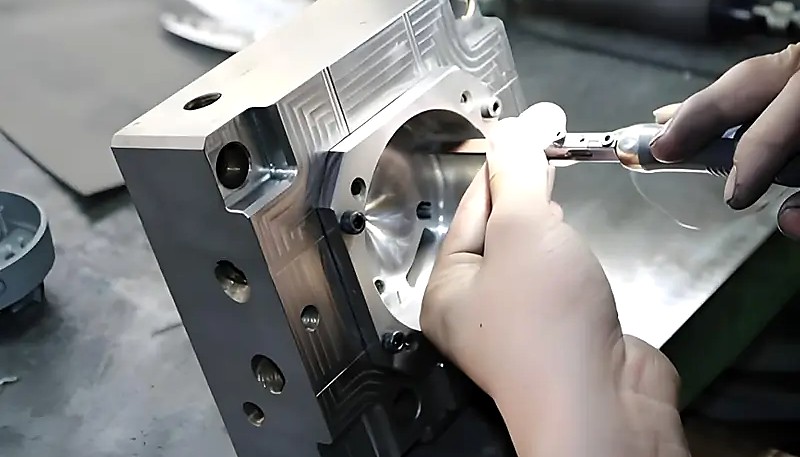
| Kavitäteninsert (A-Seite) | Bildet die sichtbare Außenfläche des Teils | CNC-Bearbeitung ist ein entscheidender Schritt bei der Herstellung von Mehrfachkavitäten-Formwerkzeugen. |
| Kerninsert (B-Seite) | Bildet die Innenfläche und strukturellen Merkmale | P20, H13 |
| Angussbuchse | Empfängt Kunststoff von der Maschinendüse in den Anguss | Vergüteter Werkzeugstahl |
| Läufersystem | Verteilt Kunststoff vom Anguss zu allen Einlässen | P20 (kalt), beheizter Verteiler (heiß) |
| Tor | Reguliert den Kunststoffflussrate und die Richtung in die Kavität | Stahl, Hartmetall für Anschnitte mit hohem Verschleiß |
| Auswerferstifte | Erstarrtes Teil beim Auswerfen aus der Kavität drücken | H13, nitrierter D2-Stahl |
| Kühlungskanäle | Wasser zirkulieren lassen, um dem Kunststoff Wärme zu entziehen | In A/B-Platten gebohrt |
| Führungssäulen und -buchsen | A- und B-Werkzeughälfte beim Schließen ausrichten | Gehärteter Stahl, Bronzebuchse |
| Seitlicher Kern / Schieber | Formt Hinterschneidungen senkrecht zur Entformungsrichtung | H13, gehärtet |
| Entlüftungen | Luft während des Füllens aus der Kavität entweichen lassen (0.02–0.05 mm tief) | In die Trennlinie eingearbeitet |
Die Entlüftung zählt zu den am stärksten unterschätzten Aspekten der Werkzeugkonstruktion. Kann die Luft vor der vorrückenden Kunststofffront nicht aus der Kavität entweichen, wird sie adiabatisch verdichtet und erhitzt — ein als Dieseleffekt bezeichnetes Phänomen. Dies kann den Kunststoff verbrennen und den Stahl an der zuletzt gefüllten Stelle erodieren. Entlüftungen sind flache Nuten (0.02–0.05 mm tief, 5–10 mm breit), die in die Trennfuge eingebracht werden. Sie lassen Luft entweichen, ohne dass Kunststoff austritt. Eine unzureichende Entlüftung ist eine der Hauptursachen für unvollständig gefüllte Bauteile, Brandstellen und einen hohen erforderlichen Einspritzdruck.
Führungssäulen und -buchsen halten die A/B-Ausrichtung über Millionen Zyklen innerhalb von 0.005 mm.
Wie wird ein Spritzgießwerkzeug instand gehalten?
Ein ordnungsgemäß gewartetes Spritzgusswerkzeug ist ein langfristiges Investitionsgut. Vernachlässigte Wartung führt zu einer nachlassenden Teilequalität, ungeplanten Stillständen und kostspieligen Reparaturen. Ziel eines Werkzeugwartungsprogramms ist es, das Werkzeug über seine gesamte Produktionslebensdauer im Zustand der T1-Bemusterung zu halten. In unserem Werk haben wir erlebt, dass Werkzeuge, die nur sechs Monate lang vernachlässigt wurden, Korrosionsnarben auf P20-Kavitätsoberflächen entwickelten – eine Reparatur im Wert von $15,000, die durch einen standardmäßigen vorbeugenden Wartungszyklus nach 50,000 Schuss hätte vermieden werden können.
Die vorbeugende Wartung (PM) sollte nach Schusszahl und nicht nach Kalenderzeit geplant werden. Das übliche PM-Intervall für P20-Formen, die mit Standardharzen betrieben werden, beträgt 50,000–100,000 Schuss. Zu den PM-Aufgaben gehören die Reinigung der Kavitäts- und Kernoberflächen mit zugelassenen kunststoffverträglichen Reinigern, die Prüfung und Schmierung von Auswerferstiften und Gleitflächen seitlicher Schieber, die Kontrolle der Entlüftungen auf Kunststoffablagerungen, die nach 20,000–30,000 Schuss die Entlüftung zu blockieren beginnen, die Messung kritischer Maße an Musterteilen zur Erkennung von Verschleißtrends sowie die Prüfung von Anschlüssen und Schläuchen des Kühlkreislaufs auf Leckagen. Auswerferstifte sind die Komponenten mit dem höchsten Verschleiß in einer Form.
Sie arbeiten bei hoher Geschwindigkeit und Belastung in jedem Zyklus in Bohrungen mit engem Spiel (H7/h6-Passung).
Anzeichen für Verschleiß an Auswerferstiften sind Schleifspuren auf Bauteiloberflächen, Stiftbruch und unrunde Bohrungen in der Auswerferplatte. Für jedes aktive Serienwerkzeug sollte ein Satz Ersatzauswerferstifte mit dem richtigen Durchmesser und der richtigen Länge auf Lager gehalten werden.
Wie wählen Sie den richtigen Spritzgießformenlieferanten aus?
Die Wahl des falschen Werkzeuglieferanten ist der teuerste Fehler, den ein Produktentwicklungsteam machen kann. Bei einem Werkzeug geringer Qualität können drei bis fünf Änderungsschleifen und sechs Monate Verzögerung erforderlich sein, bevor akzeptable Teile gefertigt werden. Vor der Vergabe eines Werkzeugauftrags sollten Sie Folgendes prüfen. Bewerten Sie zunächst die Bearbeitungskompetenz und den Maschinenpark. Ein glaubwürdiger Werkzeugbaubetrieb sollte über CNC-Bearbeitungszentren mit einer Positioniergenauigkeit von ±0.005 mm, EDM-Anlagen (Senkerodieren und Drahterodieren) für komplexe Geometrien, CMM-Koordinatenmessgeräte für die Maßprüfung und Flachschleifmaschinen für die Ebenheit der Trennfuge verfügen.
Betriebe ohne CMM-Kapazitäten können nicht überprüfen, ob das von ihnen gebaute Werkzeug der Konstruktionsabsicht entspricht — sämtliche Toleranzangaben werden damit zur Schätzung.
Zweitens: Verlangen Sie vor Beginn des Werkzeugbaus einen formellen DFM-Bericht. Jeder seriöse Werkzeuglieferant sollte einen schriftlichen DFM-Bericht vorlegen, der Probleme mit der Wanddicke, unzureichende Entformungsschrägen, Hinterschneidungen mit erforderlichen seitlichen Schiebern und Empfehlungen zur Anschnittposition aufführt. Wenn ein Lieferant ohne DFM-Bericht anbietet und baut, lässt er entweder diesen Schritt aus (wodurch das Änderungsrisiko steigt) oder kalkuliert die erwarteten Änderungskosten ein, ohne sie offenzulegen. Drittens: Machen Sie sich mit dem Freigabeprozess für T1-Muster vertraut. T1-Muster sind die ersten Teile, die mit dem fertiggestellten Werkzeug gefertigt werden. Der Käufer sollte zulässige Toleranzen, Oberflächengüte und Messprotokoll festlegen, bevor die T1-Freigabe beginnt.
Erfahrene Einkäufer messen 30–50 kritische Maße an drei bis fünf T1-Mustern aus jeder Kavität, statt nur eine Sichtprüfung durchzuführen. ZetarMold liefert zu jeder T1-Einreichung einen Maßbericht, der für alle spezifizierten kritischen Maße Ist- und Nennwerte ausweist. Fragen Sie abschließend nach den Fähigkeiten zum Umspritzen von Einlegeteilen, wenn Ihre Bauteile eingebettete Metallkomponenten erfordern. Einlegewerkzeuge benötigen präzise Vorrichtungen zur Positionierung der Einlegeteile und häufig eine manuelle oder robotergestützte Beladung. Diese Fähigkeiten erhöhen die Komplexität und erfordern spezielle Prozesserfahrung.
Wie lang ist die Vorlaufzeit für den Bau eines Spritzgießwerkzeugs?
Die Vorlaufzeit von der Konstruktionsfreigabe bis zu den ersten T1-Mustern ist eine der am genauesten geprüften Variablen in der Neuproduktentwicklung. Wer die Einflussfaktoren kennt, kann realistisch planen und Terminüberraschungen vermeiden. Ein einfaches P20-Einkavitätenwerkzeug für ein unkritisches Teil kann in 3–4 Wochen gebaut und für die T1-Bemusterung bereitgestellt werden. Ein Werkzeug mittlerer Komplexität mit vier Kavitäten und zwei Seitenschiebern benötigt üblicherweise 6–8 Wochen. Komplexe Heißkanalwerkzeuge mit mehreren Kavitäten für Automobil- oder Unterhaltungselektronikanwendungen erfordern häufig 12–18 Wochen.
Jedes Bauteil mit strukturierter Oberfläche verlängert den Ablauf um 2–4 Wochen für die Strukturierung, die nach Abschluss der Stahlbearbeitung von einem spezialisierten Lieferanten ausgeführt wird.
Häufig gestellte Fragen zu Spritzgießformen?
Häufig gestellte Fragen
Was ist beim Spritzguss der Unterschied zwischen einem Formwerkzeug und einem Stanzwerkzeug?
Beim Spritzgießen bezeichnet „mold“ das Stahlwerkzeug, das Thermoplast formt. Der Begriff „die“ wird beim Druckgießen von Metalllegierungen und beim Stanzen von Blech verwendet. In der Werkstattpraxis verwenden viele Ingenieure beide Begriffe für Kunststoffwerkzeuge synonym. Technisch werden „molds“ jedoch für Thermoplaste und Duroplaste, „dies“ dagegen für Metalle eingesetzt. Der wesentliche Funktionsunterschied: Ein Spritzgusswerkzeug arbeitet bei relativ niedriger Temperatur (15–60°C Kühlmittel), während ein Druckgießwerkzeug flüssigem Aluminium bei 650–750°C standhalten muss.
Wie viele Schüsse kann eine Spritzgießform produzieren, bevor sie ersetzt werden muss?
Die Werkzeugstandzeit hängt wesentlich von der Stahlsorte und der Abrasivität des Harzes ab. Eine Form aus P20-Stahl erreicht bei Standard-ABS oder Polypropylen typischerweise 500,000–800,000 Schuss, bevor sich Kavitätsverschleiß in den Teilemaßen zeigt. Gehärteter H13-Stahl verlängert die Standzeit auf 1,000,000–2,000,000 Schuss. S136-Edelstahl kann bei sachgerechter Wartung mit korrosionsbeständigen Harzen mehr als 1,000,000 Schuss erreichen. Glasfaser- oder mineralgefüllte Harze sind deutlich abrasiver und können die Werkzeugstandzeit gegenüber ungefüllten Sorten um 30–50% verkürzen. Regelmäßige Maßtrendanalysen bei PM-Prüfungen erkennen Verschleiß, bevor Ausschuss entsteht.
Was ist ein Familienwerkzeug und wann sollte es eingesetzt werden?
Ein Familienwerkzeug fertigt mehrere unterschiedliche Teilenummern in einem Werkzeug, beispielsweise eine linke und eine spiegelbildliche rechte Abdeckung. Familienwerkzeuge senken gegenüber separaten Werkzeugen für jedes Teil die anfänglichen Werkzeugkosten, bringen aber Prozessbeschränkungen mit sich: Alle Teile müssen denselben Kunststoff und dieselbe Farbe verwenden sowie mit denselben Einstellungen gefüllt, nachgedrückt und gekühlt werden. Zeigt eine Kavität bei Einstellungen, die für die anderen Kavitäten geeignet sind, dauerhaft Fehler, muss das gesamte Werkzeug mit einem Kompromiss betrieben werden. Familienwerkzeuge eignen sich am besten für Teile mit ähnlicher Geometrie, ähnlichem Volumen und vergleichbarem Füllverhalten.
Was ist der Unterschied zwischen einem weichen und einem harten Werkzeug?
Ein weiches Werkzeug, auch Prototypen- oder Schnellwerkzeug genannt, wird aus Aluminium oder ungehärtetem P20-Stahl gefertigt, um Muster in kleinen Stückzahlen schnell und kostengünstiger herzustellen — typischerweise für $3,000–$15,000 bei einer Vorlaufzeit von 2–4 Wochen. Weiche Werkzeuge sind auf 1,000–50,000 Schüsse begrenzt und können möglicherweise nicht die engen Toleranzen eines Produktionswerkzeugs einhalten. Ein hartes Werkzeug besteht aus gehärtetem H13, S136 oder wärmebehandeltem P20-Stahl und ist für 500,000–2,000,000+ Schüsse mit Produktionstoleranzen ausgelegt. Teams verwenden weiche Werkzeuge für Markttests, Vorserienmuster und behördliche Einreichungen, bevor sie die vollständige Investition in ein hartes Werkzeug tätigen.
Wie beeinflusst Schwindung die Spritzgießwerkzeugkonstruktion?
Alle thermoplastischen Harze schwinden beim Abkühlen von der Schmelz- auf Raumtemperatur. Die Schwindungsraten reichen von 0.2% bei gefüllten Harzen bis 2.5% bei ungefüllten teilkristallinen Werkstoffen wie Nylon oder Polyethylen. Die Formkavität muss entsprechend der erwarteten Schwindungsrate größer gefertigt werden, damit die Fertigteilmaße nach dem Abkühlen dem Nennmaß entsprechen. Verwendet der Formenbauingenieur den falschen Schwindungswert – etwa die PP-Schwindung von 1.5% für ein PA66-Teil mit 1.8% Schwindung –, liegen kritische Maße durchgängig außerhalb der Toleranz. Eine genaue Schwindungsspezifikation aus dem Datenblatt des Harzlieferanten gehört zu den ersten DFM-Eingaben.
Wie groß ist der Kostenunterschied zwischen chinesischen und westlichen Werkzeugbauern bei gleicher Spezifikation?
Bei gleichwertigen Spezifikationen – gleiche Stahlsorte, gleiche Kavitätenanzahl, gleiche Toleranzklasse und gleiche Oberflächengüte – liegen die Angebote zertifizierter chinesischer Formenlieferanten in der Regel 40–70% unter den Preisen vergleichbarer europäischer oder nordamerikanischer Werkzeuge. ZetarMold bietet eine standardmäßige P20-Form mit 4 Kavitäten für $12,000–$25,000 an, während dasselbe in Deutschland oder den Vereinigten Staaten gebaute Werkzeug $30,000–$60,000 kostet. Die wichtigsten Kompromisse sind die längere Versanddauer (3–5 Wochen auf dem Seeweg), die Zeitverschiebung bei der Kommunikation und die Notwendigkeit einer gründlichen Lieferantenqualifizierung. Für Käufer, die Großserienteile fertigen lassen, finanzieren die Einsparungen bei den Werkzeugkosten mehrere Reisen nach China für Werksaudits.
Kann eine Spritzgussform nach ihrer Fertigstellung geändert werden?
Ja, die meisten Spritzgießwerkzeuge können nach der Erstfertigung geändert werden. Das Aufschweißen von Stahl in der Kavität verkleinert ein Maß; das Abtragen von Stahl vergrößert es. Häufige nachträgliche Änderungen sind das Versetzen von Anschnittpositionen, Hinzufügen oder Entfernen von Auswerferstiften, Anpassen der Entlüftungstiefe, Aufbringen einer Textur und Ändern der Schiebergeometrie. Änderungen, die Stahlauftrag durch Schweißen erfordern, sind komplexer und verlängern die Dauer um 1–3 Wochen. Änderungen, die nur eine Bearbeitung durch Stahlabtrag erfordern, gehen schneller. Änderungen mit umfangreicher struktureller Überarbeitung — Versetzen der Trennlinie, Ändern der Werkzeuggrundkörpergröße oder vollständige Neugestaltung des Angusslayouts — sind meist teurer als ein neues Werkzeug.
Welche Qualitätsprüfungen sollten bei Erhalt eines neuen Spritzgießwerkzeugs durchgeführt werden?
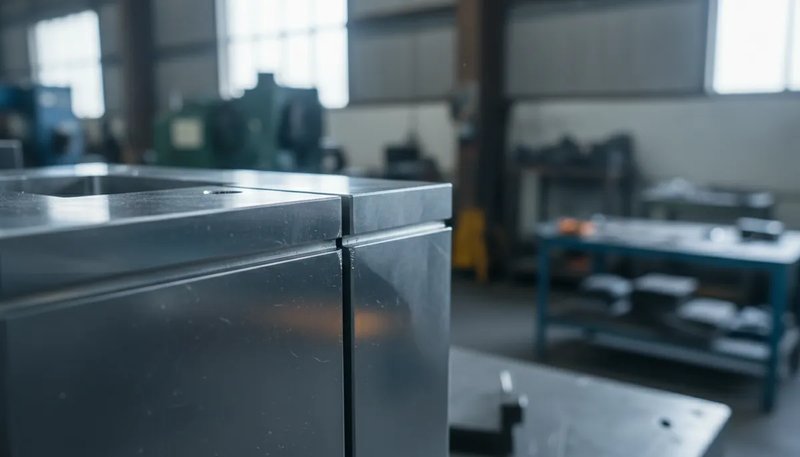
Bei der Übernahme eines neuen Werkzeugs von einem Lieferanten sollten Einkäufer prüfen, ob das Werkzeug der freigegebenen Zeichnung entspricht (Abmessungen des Werkzeugaufbaus, auf den Komponenten eingeprägte Stahlsorten und Kavitätenanzahl prüfen). Außerdem sollten sie den T1-Maßbericht prüfen, in dem alle festgelegten kritischen Maße an mindestens drei Teilen je Kavität gemessen wurden, und den Zustand der Trennebene auf Ebenheit, Grate und Entlüftungstiefe untersuchen. Prüfen Sie die Kühlkreisläufe auf Durchflussmenge und Druckabfall (sie sollten der Spezifikation der Werkzeugkonstruktion entsprechen), betätigen Sie das Auswerfersystem manuell, um einen leichtgängigen Betrieb ohne Klemmen zu bestätigen, und fahren Sie 50–100 Schuss unter Nennprozessbedingungen. Überwachen Sie dabei die Zykluszeit und zeichnen Sie alle kritischen Maße auf.
Plastik: Kunststoff ist eine Materialfamilie, deren Fließfähigkeit, Schrumpfung, Festigkeit, Hitzebeständigkeit, kosmetische Qualität, Zykluszeit und langfristige Leistung die Formgebung beeinflussen. ↩
Spritzgussform: Eine Spritzgussform ist ein Präzisionsstahlwerkzeug, das geschmolzenen Kunststoff durch Kühl-, Auswurf- und Angusssysteme in eine definierte Geometrie formt, um wiederholbare Teile herzustellen. ↩
Qualität: Qualität ist eine Produktionsdisziplin, die DFM, Formvalidierung, Prozessfenster, Inspektionspläne und Korrekturmaßnahmen zu wiederholbaren Ergebnissen verbindet. ↩