Sie haben gerade Ihren ersten 3D-gedruckten Prototyp fertiggestellt. Auf der Werkbank sieht er richtig aus, doch Sie wissen bereits, dass Kunststoffdrucke dem realen Einsatz nicht standhalten werden. Nun benötigen Sie Spritzgussteile — Hunderttausende davon — und jemand hat gerade China vorgeschlagen. Die Frage ist nicht, ob China das leisten kann. Entscheidend ist, ob Sie die Lücke zwischen einem funktionsfähigen Prototyp und einer stabilen, wiederholbaren Massenproduktion überwinden können, ohne sechs Monate und $50,000 durch vermeidbare Fehler zu verschwenden.
Dieser Artikel beschreibt den vollständigen Weg vom Prototyp zur Serie, wie er in einem chinesischen Spritzgießbetrieb tatsächlich abläuft — nicht idealisiert, sondern mit realen DFM-Revisionen, relevanten Stahlentscheidungen und planbaren Terminen.
- Prototypenformen (weiche Werkzeuge) erreichen 1,000–10,000 Schuss; Produktionsformen erreichen 1M+.
- Eine DFM-Prüfung vor dem Werkzeugbau senkt die Änderungskosten um bis zu 60%.
- Typischer Zeitrahmen vom Prototyp bis zur Produktion: 8–16 Wochen.
- China bietet Kosteneinsparungen von 30–50%, ohne Abstriche bei der Qualität nach ISO-Standard.
- Entscheidungen zu Anschnittposition und Wanddicke während der Prototypenphase legen Ihre spätere Produktionsqualität fest.
Wie verläuft der Spritzgussprozess vom Prototyp bis zur Serienproduktion?
Der Prozess vom Prototyp zur Serienfertigung im Spritzguss wird durch die in diesem Abschnitt erläuterten Funktionen, Randbedingungen und Zielkonflikte bestimmt. Er umfasst drei Fertigungsphasen: die Konstruktionsvalidierung durch Rapid Prototyping, Brückenwerkzeuge für Tests in Kleinserie und anschließend Serienwerkzeuge für die Großserienfertigung. Jede Phase verringert Ihr Risiko und fixiert Entscheidungen, die später nur mit hohem Aufwand rückgängig zu machen sind.
In Phase eins geht es um eine einzige Frage: Funktioniert dieses Bauteil? Geprüft werden Passform, Funktion und grundlegende Materialleistung. 3D-Druck oder CNC-Bearbeitung eignen sich hierfür, weil Geschwindigkeit wichtiger ist als Präzision oder Skalierbarkeit. Sobald Sie jedoch 500+ Bauteile im tatsächlichen Serienmaterial benötigen, reichen Prototyping-Verfahren nicht mehr aus.
Phase zwei — das Übergangswerkzeug — ist der Abschnitt, dessen Komplexität die meisten Ingenieure unterschätzen. Ein weiches Werkzeug, meist aus Aluminium oder minderwertigem Stahl, liefert echte Spritzgussteile aus dem richtigen Material, hält jedoch nicht lange. Bevor Verschleiß die Maße beeinträchtigt, sind 1,000 bis höchstens 10,000 Schuss möglich. Das reicht für Markttests, Zulassungsunterlagen und erste Montageversuche.
Phase drei ist der Serienwerkzeugbau. Hier werden Stahlsorte, Kavitätenzahl, Anschnittauslegung und Kühlkanalanordnung dauerhaft festgelegt. Ein gut ausgelegtes Serienwerkzeug aus P20- oder H13-Stahl erreicht bei gleichbleibender Bauteilqualität eine Million Zyklen oder mehr. Diese Phase ohne Überraschungen zu erreichen, unterscheidet einen reibungslosen von einem kostspieligen Produktionsanlauf.
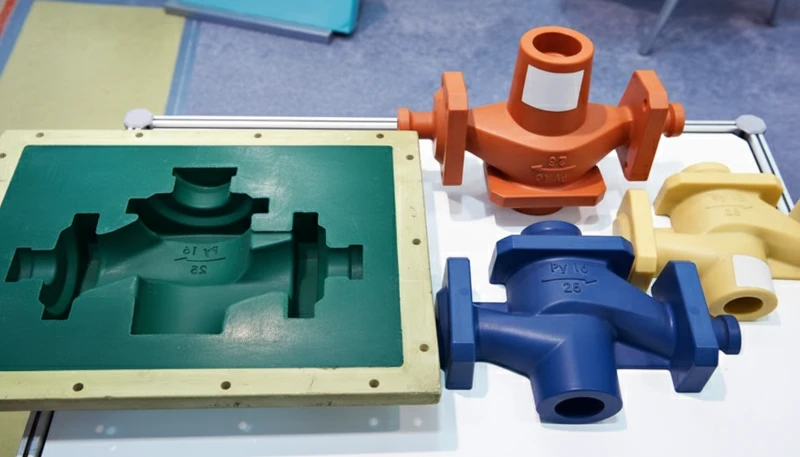
Wie unterscheidet sich die Prototypenfertigung vom Serienspritzguss?
Prototypen- und Produktionsspritzguss unterscheiden sich durch Werkzeugstahl, Zykluskonstanz und Stückkosten bei hohen Mengen. Ein Prototypenwerkzeug besteht aus Aluminium oder weichem Stahl, kostet $1,500–$8,000 und liefert Teile mit einer Toleranz von ±0.1 mm. Ein Produktionswerkzeug verwendet gehärteten Werkzeugstahl (P20, H13, S136), kostet $15,000–$100,000+ und hält über Hunderttausende Zyklen eine Toleranz von ±0.02 mm ein.
| Kenngröße | Prototypenform | Produktionswerkzeug |
|---|---|---|
| Formstahl | Aluminium / 5052 | P20 / H13 / S136 |
| Werkzeugkosten | $1,500–$8,000 | $15,000–$100,000+ |
| Standzeit in Schuss | 1,000–10,000 | 500,000–1,000,000+ |
| Toleranz | ±0.1 mm | ±0.02 mm |
| Vorlaufzeit | 7–15 Tage | 30–60 Tage |
| Kavitätenzahl | Einzeln | Mehrkavitätenwerkzeug möglich |
| Oberfläche | Begrenzte Optionen | Vollständiges Spektrum (SPI A-1 bis D-3) |
Ein häufiger Fehler von Ingenieuren ist, das Prototypenwerkzeug als “Entwurf” des Produktionswerkzeugs zu behandeln. Tatsächlich erfüllen beide unterschiedliche Zwecke. Das Prototypenwerkzeug validiert Geometrie und Materialfluss. Das Produktionswerkzeug optimiert Zykluszeit, Lebensdauer und Teil-zu-Teil-Konstanz. Die Konstruktionsabsicht ist verschieden, selbst wenn die Bauteilgeometrie identisch aussieht.
Ein praktischer Hinweis: Wenn Ihr Teil an funktionskritischen Merkmalen enge Toleranzen aufweist, etwa an Schnappverbindungen, Lagersitzen oder Dichtflächen, integrieren Sie diese Merkmale von Anfang an in das Prototypenwerkzeug. Passung und Funktion an einer übermäßig vereinfachten Geometrie zu testen und anschließend für die Serienfertigung neu zu konstruieren, kostet Projekte schnell drei Wochen.
Ein weiterer Unterschied, der häufig überrascht, ist die Zykluszeit. Ein Prototypenwerkzeug arbeitet oft mit einer nicht optimalen Kühlung, da Aluminium Wärme anders ableitet als gehärteter Stahl. Ein Vorgang, der bei einem Serienwerkzeug 30 Sekunden dauert, kann bei einem Prototypenwerkzeug 45 Sekunden beanspruchen. Bei 500 Teilen spielt dies keine Rolle; wenn Sie jedoch versuchen, 10,000 Teile mit einem weichen Werkzeug zu fertigen, verändert sich Ihre Stückkostenrechnung erheblich.
"Eine Prototypenform (Soft Tooling) hält in der Regel 1,000–10,000 Schuss, bevor Maßverschleiß messbar wird."True
Formen aus Aluminium und Baustahl verformen sich unter wiederholtem Einspritzdruck und thermischer Wechselbelastung. Nach etwa 10,000 Zyklen zeigen die Kavitätsoberflächen erste Erosion und eine Maßabweichung von mehr als ±0.05 mm; damit sind sie für Produktionsteile mit engen Toleranzen ungeeignet.
"Serienwerkzeuge und Prototypenwerkzeuge bestehen aus derselben Stahlsorte und unterscheiden sich lediglich in der Kavitätenzahl."False
Produktionsformen verwenden gehärtete Werkzeugstähle wie P20 (vorgehärtet auf 28–32 HRC) oder H13 (wärmebehandelt auf 48–52 HRC), während Prototypenformen typischerweise Aluminium 6061-T6 oder Baustahl 1045 verwenden. Die Stahlsorte bestimmt unmittelbar die Standzeit der Form, die erreichbare Oberflächengüte und die langfristige Maßstabilität.
Warum entscheiden sich Ingenieure für die Spritzgießproduktion in China?
China ist ein bevorzugter Produktionsstandort, weil es 30–50% niedrigere Werkzeugkosten mit ausgereiften, ISO-zertifizierten Lieferketten verbindet. Der Kostenvorteil entsteht durch integrierte Lieferketten (Stahl, Zerspanung und Polieren unter einem Dach) und eine höhere Maschinenauslastung, nicht durch Abstriche bei der Qualität.
Ein Serienwerkzeug, das in den USA $45,000 kostet, liegt bei einem qualifizierten chinesischen Betrieb typischerweise bei $25,000–$30,000. Bei Mehrkavitäten-Serienwerkzeugen oder Familienwerkzeugen summieren sich die Einsparungen. Wenn Sie jährlich 500,000 Teile zu $0.08 weniger pro Teil fertigen, spricht die Rechnung für sich.
Der Kostenvergleich ist unkompliziert. Dabei gibt es jedoch eine Nuance, die in den meisten Kostenanalysen fehlt: Die Gesamtbetriebskosten umfassen auch den Kommunikationsaufwand, Änderungsschleifen und die Versandlogistik. Ein Lieferant mit eigenen englischsprachigen Ingenieuren reduziert Kommunikationsprobleme auf nahezu null. Fehlt diese Fähigkeit, entstehen versteckte Kosten durch missverstandene Spezifikationen, verzögerte Rückmeldeschleifen und Nacharbeit.
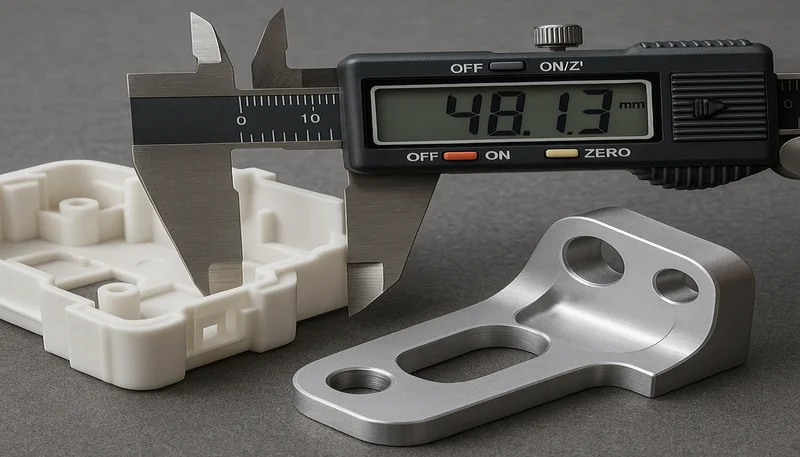
Der wahre Vorteil liegt nicht nur in den Kosten, sondern in der vertikalen Integration. Fabriken mit eigener Spritzgussform-Fertigungskapazität kümmern sich unter einem Dach um die DFM-Prüfung, den Formenbau, den Werkzeugbau, die Bemusterung und die Massenproduktion. Dadurch entfällt das Hin und Her zwischen einer US-amerikanischen Konstruktionswerkstatt und einem ausländischen Werkzeughersteller, der jedes Projekt um mehrere Wochen verlängert.
Kommunikation ist die Variable, die Ingenieuren am meisten Sorge bereitet. Diese Sorge ist berechtigt. Ob ein Projekt reibungslos oder frustrierend verläuft, hängt häufig davon ab, ob der Lieferant englischsprachige Projektmanager beschäftigt, die die technische Absicht und nicht nur Bestelldetails verstehen. Ein Team, das bei einer ungeeigneten Anschnittposition während der DFM-Prüfung widerspricht, ist mehr wert als jeder Stückpreisrabatt.
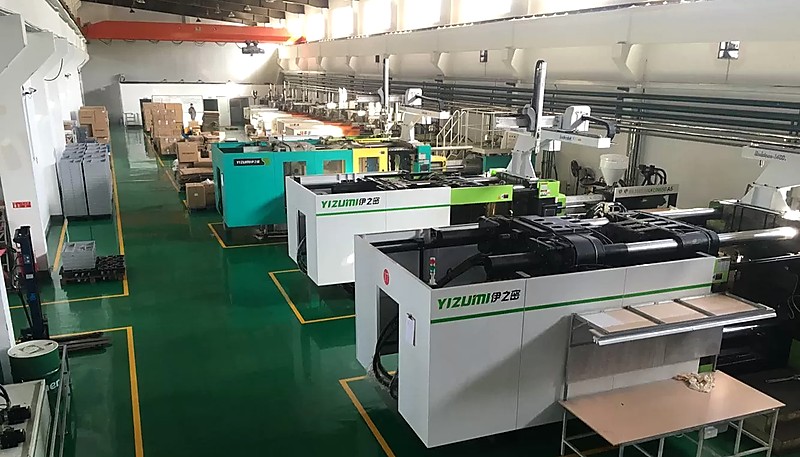
Unser Beschaffungsleitfaden für Spritzgusslieferanten erleichtert die Vorlaufzeitplanung. Chinesische Spritzgießer mit mehr als 40 Spritzgießmaschinen können den Werkzeugbau und die Produktionsbemusterung parallel durchführen und so den Gesamtzeitrahmen verkürzen. Wenn Ihr Lieferant über spezielle CNC-, Erodier- und Drahterodiergeräte für den Formenbau verfügt, müssen Sie nicht in der Warteschlange hinter den Produktionsaufträgen anderer Kunden stehen. Der Formenbau arbeitet nach eigenem Zeitplan.
Auch Flexibilität bei der Materialauswahl ist wichtig. Chinesische Spritzgießer, die mit 400+ Materialien arbeiten, können technische Kunststoffe — glasfaserverstärktes Nylon, Polycarbonat in Medizinqualität, PEEK — häufig im Inland und zu Preisen beschaffen, die 15–25% unter denen westlicher Händler liegen. Bei Projekten mit Materialzertifizierung, etwa UL94-Brandschutzklassen oder FDA-konformen Typen, ist zu prüfen, ob der Lieferant bei autorisierten Händlern einkauft und für jede Produktionscharge Materialzertifikate mit Chargenrückverfolgbarkeit bereitstellt.
Wie erfolgt der Übergang vom Prototyp zur Serienproduktion?
Der Übergang vom Prototyp zur Massenproduktion erfolgt in einem fünfstufigen Arbeitsablauf. Zu diesen Schritten gehören die DFM-Überprüfung, die Genehmigung des Werkzeugdesigns, die T1-Bemusterung, die Prozessoptimierung und die PPAP1-Abnahme. Das Überspringen eines Schritts spart zunächst Zeit, kostet sie durch Produktionsfehler jedoch wieder.
Schritt 1: DFM-Prüfung. Bevor Stahl bearbeitet wird, sollte Ihr Lieferant eine vollständige Analyse der Fertigungsgerechtheit durchführen. Dabei erkennen Sie Hinterschneidungen, die seitliche Bewegungen erfordern, Wanddickenunterschiede, die Einfallstellen verursachen, und Angusspositionen, welche die Lage von Bindenähten beeinflussen. Eine gründliche DFM-Prüfung dauert 2–3 Tage und verhindert 80% der Werkzeugänderungen.
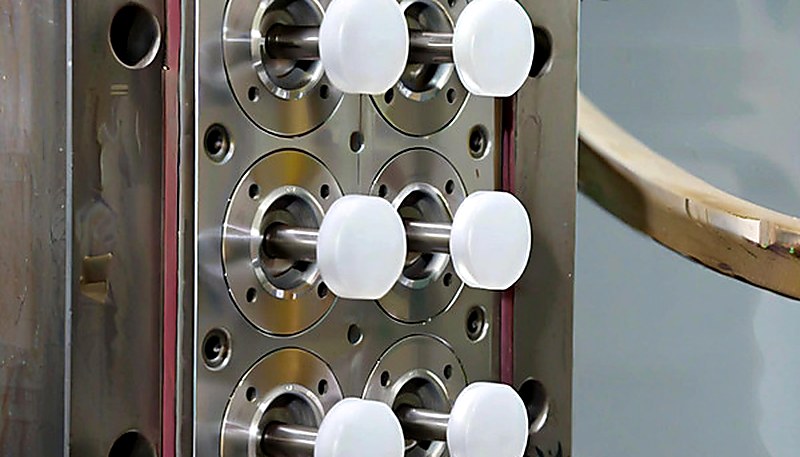
Schritt 2: Freigabe der Werkzeugkonstruktion. Die Werkzeugkonstruktion (2D-Layout + 3D-Modell) ist vor Beginn der Bearbeitung zu prüfen und schriftlich freizugeben. Prüfen Sie Kavitätsanordnung, Verlauf der Kühlkanäle, Auswerfermethode und Anschnittart. Änderungen nach diesem Zeitpunkt erfordern eine erneute Bearbeitung und verursachen Kosten sowie Verzögerungen.
Schritt 3: T1-Bemusterung. Erstmuster aus dem fertiggestellten Werkzeug zeigen, was die Simulation korrekt vorhergesagt hat und was nicht – tatsächliche Füllbilder, reale Schwindungswerte und die Sichtbarkeit von Bindenähten. Rechnen Sie vor der Freigabe mit 1–3 Bemusterungsrunden und geringfügigen Anpassungen.
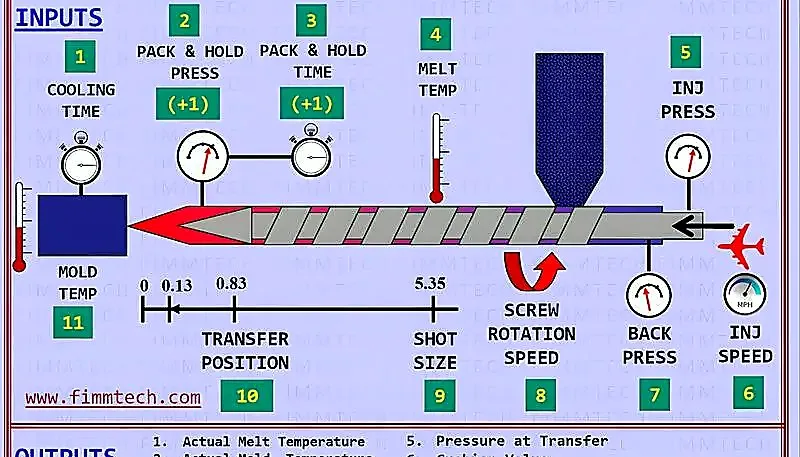
Schritt 4: Prozessoptimierung. Legen Sie die Einspritzparameter — Temperaturprofil, Druckkurve, Nachdruckzeit und Kühlzeit — anhand der Moldflow-Analysedaten und der tatsächlichen Versuchsergebnisse verbindlich fest. Dokumentieren Sie alles. Diese Parameter werden zu Ihrem Produktionsstandard.
Schritt 5: PPAP oder gleichwertige Freigabe. Für regulierte Branchen (Medizin, Automobil) benötigen Sie dokumentierte Erstmusterprüfung2-Berichte, Dimensionsdaten und Materialzertifizierungen. Auch ohne regulatorische Anforderungen verhindert eine formelle Freigabe mit Golden Samples spätere Streitigkeiten über den Geltungsbereich.
Mit welchem Zeitplan ist vom Prototyp bis zur Produktion zu rechnen?
In unseren Produktionsprogrammen beträgt der typische Zeitraum vom Prototyp bis zur Serienfertigung 8–16 Wochen. DFM erfolgt in Woche 1–2, der Werkzeugbau in Woche 3–8, die Bemusterung in Woche 7–10 und die Prozessvalidierung in Woche 10–14. Beschleunigte Zeitpläne von 4–6 Wochen sind möglich, verkürzen jedoch zugunsten der Geschwindigkeit die Testzyklen.
| Phase | Dauer | Wesentliches Ergebnis |
|---|---|---|
| DFM-Prüfung | 3–5 Tage | Freigegebener Konstruktionsbericht |
| Formenbau | 5–7 Tage | 2D/3D-Werkzeugzeichnungen |
| Werkzeugbau | 25–35 Tage | Fertiggestelltes Werkzeug |
| T1-Bemusterung | 5–10 Tage | Erstmuster |
| Überarbeitungen (1–2 Runden) | 5–10 Tage | Freigegebene Muster |
| Prozess-Validierung | 3–5 Tage | Festgeschriebene Prozessparameter |
| Gesamt | 8–12 Wochen | Serienreif |
Wo entstehen Verzögerungen? Bei der Beschaffung des Formenstahls (bei importiertem Stahl zusätzlich 5–7 Tage), bei Konstruktionsänderungen nach Beginn des Werkzeugbaus (jede Änderung = 3–10 Tage) und beim Versand von Musterteilen zur Freigabe (Expresskurier nutzen und international 3–5 Tage einplanen). Die größte einzelne Verzögerungsursache sind späte Konstruktionsänderungen – jede Woche, die Sie mit der Finalisierung der Geometrie warten, verlängert die Lieferzeit um eine Woche.
Für Ingenieure, die mit chinesischen Lieferanten arbeiten, können Zeitzonenunterschiede sogar hilfreich sein. Ihr um 5 PM EST gesendetes DFM-Feedback wird während der dortigen Frühschicht bearbeitet und liegt vor, wenn Sie Ihren nächsten Arbeitstag beginnen. Entscheidend ist, die Prüfzyklen so zu strukturieren, dass Rückfragen minimiert werden. Geben Sie konsolidiertes Feedback in einem Paket statt häppchenweise.
"Eine gründliche DFM-Prüfung vor Beginn des Werkzeugbaus kann die Kosten für Werkzeugänderungen um bis zu 60% senken."True
Branchendaten zeigen, dass 70–80% der Änderungen nach dem Werkzeugbau auf Probleme zurückgehen, die während der DFM erkennbar sind: unzureichende Entformungsschrägen, ungleichmäßige Wandstärken, Anschnittpositionen mit Bindenähten auf Sichtflächen und fehlende Dichtschrägen. Die Erkennung am Bildschirm dauert Stunden; die Korrektur im Stahl dauert Tage und kostet Tausende Dollar.
"Sie müssen 100% der Prototypenentwicklung und Prüfung abschließen, bevor Sie mit dem Bau des Produktionswerkzeugs beginnen."False
In der Praxis überschneiden sich bei den meisten Projekten die abschließende Prototypenvalidierung und die Konstruktion des Produktionswerkzeugs. Sobald kritische Maße und Materialauswahl feststehen, kann die Formkonstruktion parallel zu den letzten Funktionsprüfungen beginnen. Dieser parallele Ansatz verkürzt den Gesamtzeitplan ohne zusätzliches Risiko um 2–4 Wochen.
Welche Qualitätsstandards sollte Ihr chinesischer Spritzgießer erfüllen?
Die grundlegenden Zertifizierungen sind ISO 9001:2015 für die allgemeine Fertigung, ISO 13485 für Medizinprodukte und IATF 16949 für Automobilteile. Eine Zertifizierung allein reicht nicht — fordern Sie aktuelle Auditberichte an und prüfen Sie, ob das Zertifikat den konkreten Standort abdeckt, der Ihre Teile produziert.
Achten Sie über die Zertifizierung hinaus auf einen sechsstufigen Qualitätsprozess: Wareneingangskontrolle (IQC), prozessbegleitende Stichprobenkontrollen, Prozesskontrolle, Verpackungs- und Montagekontrolle, abschließende Qualitätskontrolle (FQC) und Ausgangsqualitätskontrolle (OQC). Ein Lieferant, der Sie durch die Inspektionshäufigkeit, die AQL3-Stufen und den Korrekturmaßnahmenprozess führen kann, ist jemand, der sein Qualitätssystem tatsächlich nutzt – und nicht nur das Zertifikat umrahmt.
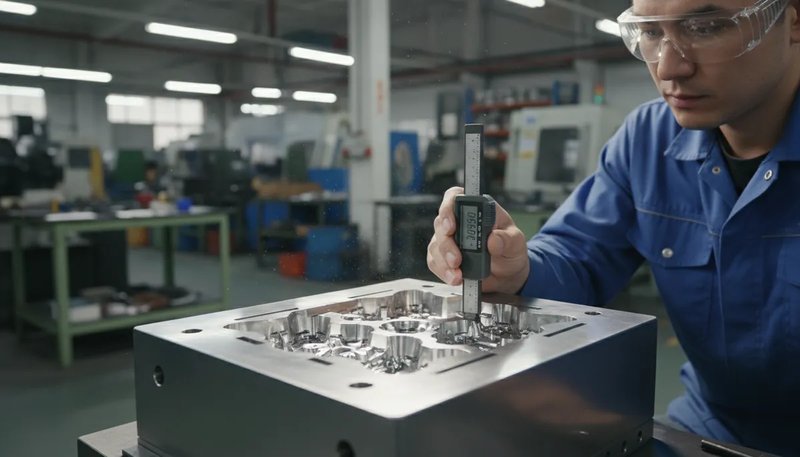
Auch die Messtechnik zur Maßprüfung ist wichtig. Koordinatenmessgeräte (CMM), Profilprojektoren und Härteprüfgeräte sollten kalibriert und für die Erstmusterprüfung verfügbar sein. Lassen Sie sich vor der Beauftragung einen FAI-Musterbericht zeigen. Dessen Detailtiefe sagt mehr über die Qualitätskultur eines Lieferanten aus als jedes Verkaufsgespräch.
Bei der Fertigung von Serienwerkzeugen für Kunden aus Übersee haben wir eines gelernt: In den ersten drei Produktionsläufen zeigt sich die Stabilität. Sind die Maßdaten über die Läufe 1, 2 und 3 hinweg konsistent, ist der Prozess stabil. Driften die Maße, muss der Prozess vor dem Hochlauf der Stückzahlen stabil festgelegt werden. Deshalb überwachen die 8 erfahrenen Ingenieure von ZetarMold (jeweils mit 10+ Jahren Erfahrung) die ersten Läufe persönlich — eine frühzeitige Erkennung der Drift ist kostengünstiger als das Sortieren von 50,000 nichtkonformen Teilen.
Ausländische Kunden, die das Werk nicht besuchen können, sollten während des ersten Produktionslaufs einen Videoanruf verlangen. Die laufende Maschine, das Auswerfen der Teile und die Echtzeitprüfung der CMM-Daten vermitteln mehr Sicherheit als jeder nachträglich zugesandte Prüfbericht.
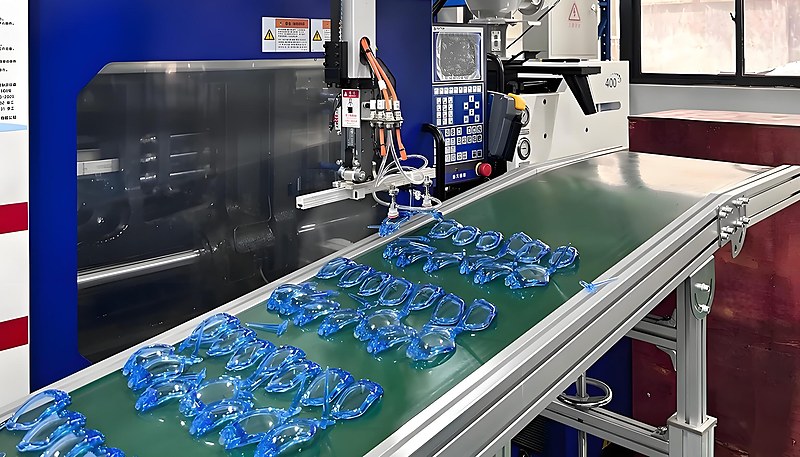
Welche Fehler treten häufig beim Übergang vom Prototyp zur Serienproduktion auf?
Der teuerste Fehler besteht darin, die Prototypengeometrie ohne DFM-Prüfung als endgültige Produktionsgeometrie zu behandeln. Merkmale, die sich leicht 3D-drucken lassen — Hinterschneidungen, unabhängig von der Funktion gleichmäßige Wanddicken und Entformungsschrägen von null Grad — werden im Produktionswerkzeug zu teuren Problemen.
Fehler 1: Entformungsschrägen ignorieren. Jede vertikale Fläche benötigt für sauberes Auswerfen eine Entformungsschräge von 0.5°–2°. Wände ohne Entformungsschräge funktionieren im 3D-Druck. Beim Spritzgießen verursachen sie Haften, Riefen und beschädigte Bauteile. Wird die Entformungsschräge erst spät ergänzt, müssen die Kavitätsoberflächen nachbearbeitet werden – teuer und vermeidbar.
Fehler 2: Überall enge Toleranzen festlegen. Nicht jedes Maß benötigt ±0.02 mm. Eine Überbemaßung mit zu engen Toleranzen erhöht die Formkosten durch präzisere Bearbeitung und verlängert die Prüfzeit durch zusätzliche CMM-Messungen. Wenden Sie enge Toleranzen nur auf funktionale Schnittstellen an – Lagersitze, Dichtflächen und Ausrichtungsmerkmale – und belassen Sie kosmetische Maße bei ±0.1 mm.
Fehler 3: Wahl des falschen Werkzeugstahls. P20 eignet sich für die meisten Anwendungen bis zu 500,000 Zyklen. Wenn Sie jedoch glasfaserverstärktes Nylon verarbeiten, das abrasiv ist, oder 1M+ Zyklen benötigen, ist H13 oder S136 von Anfang an die richtige Wahl. Eine nachträgliche Neuanfertigung des Werkzeugs aufgrund einer zu niedrig angesetzten Stahlspezifikation kostet mehr als die anfängliche Aufrüstung.
Fehler 4: Prozessdokumentation überspringen. Wenn Ihre Produktionsparameter nur im Kopf eines Technikers existieren, ist jeder Schichtwechsel ein Qualitätsspiel. Dokumentieren Sie Temperaturprofile, Druckkurven und Zeitabläufe. Verriegeln Sie sie in der Maschinensteuerung. Der Spritzgussverfahren ist wiederholbar – aber nur, wenn der Vorgang tatsächlich identisch wiederholt wird.
Fehler 5: Teileentnahme und Verpackung nicht einplanen. Das klingt banal, bis monatlich 50,000 Teile gefertigt werden und diese beim Auswerfen verkratzen oder sich beim Transport verformen. Die Auswerfermethode (Stift, Hülse, Abstreiferplatte) sollte während der Werkzeugkonstruktion festgelegt werden, nicht erst nach den Erstmustern. Verpackungsspezifikationen wie Beutel, Tray-Typ und Stapelgrenzen sind vor der ersten Serienlieferung zu definieren.
Fehler 6: Anzunehmen, alle chinesischen Spritzgießer seien gleich. Der Unterschied zwischen einer Form für $5,000 aus einer Hinterhofwerkstatt und einer Form für $25,000 aus einem ISO-zertifizierten Betrieb liegt nicht nur im Preis, sondern auch in Maßhaltigkeit, Oberflächengüte, Formlebensdauer und der Fähigkeit, Ihre Spezifikation bereits beim ersten T1 tatsächlich zu erfüllen. Wer ausschließlich nach dem Preis auswählt, riskiert Formen, die Änderungen im Wert von $10,000 benötigen, bevor sie akzeptable Teile produzieren.
Was kostet der vollständige Prozess in China?
Die Gesamtkosten vom Prototyp bis zur Produktion liegen in China üblicherweise zwischen $20,000 und $120,000+. Der Endbetrag hängt von Teilekomplexität, Werkzeugstahl, Kavitätenzahl und Jahresvolumen ab. Das Werkzeug macht 60–80% der Anfangsinvestition aus; mit steigender Stückzahl sinken die Stückpreise deutlich.
| Element | Geringe Komplexität | Hohe Komplexität |
|---|---|---|
| Prototypenwerkzeug (Soft Tooling) | $1,500–$3,000 | $5,000–$8,000 |
| Serienform (gehärteter Stahl) | $15,000–$25,000 | $50,000–$100,000+ |
| T1-Bemusterung (pro Runde) | $200–$500 | $500–$1,500 |
| Stückkosten (1K–10K Menge) | $0.50–$2.00 | $1.50–$5.00 |
| Stückkosten (100K+ Stückzahl) | $0.10–$0.50 | $0.30–$1.50 |
| Versand (Muster-Express) | $50–$150 | $100–$300 |
| Gesamtkosten erstes Jahr (10K Teile) | $18,000–$32,000 | $55,000–$115,000+ |
Zwei Kostenfaktoren, die die meisten Ingenieure übersehen: Änderungsbudget und Versandlogistik. Budgetieren Sie 10–15% der Werkzeugkosten für erwartete Änderungen (selbst gut konstruierte Werkzeuge benötigen nach T1 kleine Anpassungen). Und berechnen Sie die Landed Cost, nicht nur den ab Werk-Preis – Seefracht, Zollgebühren und Lagerhaltung addieren je nach Zielort 8–15%.
Für Unternehmen, die Spritzguss in geringen Stückzahlen (unter 10.000 Teilen/Jahr) in Betracht ziehen, macht Bridge-Tooling oft mehr wirtschaftlichen Sinn, als direkt auf ein Produktionswerkzeug zu setzen. Sie erhalten echte Spritzgussteile im Produktionsmaterial zu einem Bruchteil der Werkzeuginvestition. Der Kompromiss sind höhere Stückkosten und eine begrenzte Lebensdauer – aber wenn sich Ihr Design ändern könnte, hat diese Flexibilität einen echten Wert.
Faustregel für die Budgetierung: Eine Einfachkavitäten-P20-Form für ein Teil in der Größe eines Kartenspiels kostet in China etwa $12.000–$18.000. Jede zusätzliche Kavität erhöht die Werkzeugkosten um 40–60%, senkt aber den Stückpreis fast um die Hälfte. Der Break-even-Punkt, an dem sich Mehrfachkavitäten-Werkzeuge amortisieren, liegt typischerweise bei etwa 20.000–30.000 Gesamtteilen, abhängig von Geometrie und Material.
Was fragen Einkäufer zum Spritzguss vom Prototyp bis zur Serienfertigung in China?
Häufig gestellte Fragen
Wie lange dauert es, in China von einem Prototyp zur Serienfertigung im Spritzguss zu gelangen?
Der typische Zeitplan beträgt 8–16 Wochen von genehmigten 3D-CAD-Daten bis zur ersten Produktionsserie. Die DFM-Prüfung dauert 3–5 Tage, Werkzeugkonstruktion 5–7 Tage, Werkzeugbau 25–35 Tage und Mustererstellung mit Überarbeitungen 10–20 Tage. Eilzeitpläne von 4–6 Wochen sind möglich, reduzieren aber Testzyklen und erhöhen das Risiko von Nachbesserungen nach dem Start. Für einen qualifizierten Lieferanten mit eigenem Werkzeugbau und 40+ Maschinen ist der Engpass normalerweise die Anzahl der Design-Iterationsrunden, nicht die Produktionskapazität. Eine effiziente Planung Ihrer Feedback-Zyklen – konsolidierte Kommentare in einem Schwung statt inkrementelle Änderungen – kann den Gesamtzeitplan um 1–2 Wochen verkürzen, ohne die Qualität zu beeinträchtigen.
Was ist die Mindestbestellmenge (MOQ) für Spritzguss in China?
Die MOQ variiert je nach Lieferant und Teilekomplexität und liegt typischerweise zwischen 500 und 5.000 Stück für Produktionsläufe. Prototyp- oder Bridge-Tooling-Aufträge können bereits ab 100 Stück beginnen. Die MOQ existiert, weil Maschineneinrichtung, Materialvorbereitung und Erstmusterprüfung feste Kosten haben, unabhängig von der Losgröße. Bei ZetarMold bedeutet eine monatliche Kapazität von 100+ Werkzeugsätzen, dass sowohl Klein- als auch Großserienprojekte ohne Terminkonflikte unterstützt werden. Für Erstaufträge sollten Sie in Erwägung ziehen, mit Bridge-Tooling bei 500–1.000 Stück zu beginnen, um das Design zu validieren, bevor Sie sich für ein Produktionswerkzeug und höhere Stückzahlen entscheiden.
Kann ich meine Prototypenform für erste Produktionsläufe verwenden?
Ja, Prototypenwerkzeuge (Soft Tooling) können 1.000–10.000 Teile im korrekten Produktionsmaterial herstellen. Sie eignen sich gut für Markttests, Zulassungsanträge und den Aufbau von Erstbeständen, während das Serienwerkzeug parallel gebaut wird. Allerdings ist mit größeren Toleranzabweichungen (±0,1 mm gegenüber ±0,02 mm) und einer kürzeren Werkzeuglebensdauer im Vergleich zu Serienwerkzeugen aus gehärtetem Stahl zu rechnen. Beachten Sie auch, dass die Oberflächengüteoptionen bei Aluminiumwerkzeugen begrenzt sind – bestenfalls SPI B oder C Grad. Wenn Ihr Produkt kosmetische Anforderungen hat, validieren Sie die Oberflächengüte am Prototypenwerkzeug, bevor Sie eine vollständige Serienbestellung aufgeben.
Welche Zertifizierungen sollte ein chinesischer Spritzgusslieferant haben?
Mindestens ISO 9001:2015 für allgemeines Qualitätsmanagement in der Fertigung. Medizinproduktteile erfordern ISO 13485, und Automobilteile benötigen die IATF-16949-Zertifizierung. ZetarMold verfügt über die Zertifizierungen ISO 9001, ISO 13485, ISO 14001 und ISO 45001, die Qualitätsmanagement, Medizinprodukte, Umweltmanagement bzw. Arbeitsschutz und Gesundheitsschutz abdecken. Über die Zertifikate hinaus sollten Sie prüfen, ob der Zertifizierungsumfang die spezifische Anlage abdeckt, in der Ihre Teile gefertigt werden. Fordern Sie Kopien aktueller Auditberichte an und bestätigen Sie, dass die Zertifizierungsstelle international anerkannt ist (TÜV, SGS, BSI usw.).
Wie stelle ich die Qualität bei der Herstellung von Spritzgussteilen in China sicher?
Erfordern Sie einen dokumentierten Qualitätsprozess, der mindestens vier Phasen abdeckt: Eingangsmaterialprüfung (IQC), Prozessprüfung während des Spritzgießens, Endkontrolle (FQC) und Ausgangskontrolle (OQC). Fordern Sie Erstmusterprüfberichte mit CMM-Maßdaten für jede kritische Dimension an. Stellen Sie sicher, dass die Zertifizierungen den spezifischen Produktionsstandort abdecken. Führen Sie eine erste Werksprüfung – vor Ort oder virtuell – durch, die die Produktionshalle, das QC-Labor und die Kalibrierungsaufzeichnungen umfasst. Legen Sie klare AQL-Annahmekriterien fest (typischerweise 0,65 für kritische Fehler, 1,0 für größere, 2,5 für geringfügige), bevor die erste Produktionsserie beginnt.
Was ist der Unterschied zwischen Bridge-Tooling und Produktionswerkzeug?
Bridge-Tooling verwendet Aluminium- oder Weichstahlformen für kurze Produktionsläufe von 1.000–10.000 Teilen zu geringeren Kosten ($1.500–$8.000). Produktionswerkzeuge verwenden gehärteten Stahl wie P20 (vorvergütet, 28–32 HRC) oder H13 (wärmebehandelt, 48–52 HRC) für Hochvolumenfertigungsläufe von 500.000+ Teilen zu höheren Kosten ($15.000–$100.000+). Bridge-Tooling liefert echte Spritzgussteile im tatsächlichen Produktionsmaterial und ist ideal für Designvalidierung, Markttests und regulatorische Einreichungen. Produktionswerkzeuge bieten überlegene Maßstabilität, Oberflächenausführungsoptionen und Mehrfachkavitätenfähigkeit für langfristige Kosteneffizienz.
Sollte ich die Fabrik besuchen, bevor ich einen Auftrag für ein Produktionswerkzeug erteile?
Bei Erstaufträgen mit Werkzeugbauinvestitionen über $30,000 wird ein Werksbesuch vor Ort dringend empfohlen. Sie sehen unmittelbar die Organisation der Fertigung, den Kalibrierstatus der QC-Ausrüstung, die Leistungsfähigkeit des Formenbaus und die Arbeitsbedingungen. Für kleinere Erstaufträge ist ein virtuelles Audit per Live-Videoanruf durch Fertigung, QC-Labor und Musterraum eine praktikable Alternative. Das Werk von ZetarMold in Shanghai begrüßt Besucher vor Ort und bietet Remote-Kunden detaillierte Videorundgänge. Entscheidend ist bei jedem Audit, ob das Werk organisiert und systematisch arbeitet – Werkzeugtafeln, gekennzeichnete Materialbehälter und dokumentierte Prozessblätter weisen auf einen professionellen Betrieb hin.
PPAP: PPAP (Production Part Approval Process) ist ein standardisiertes Rahmenwerk, das hauptsächlich in der Automobilindustrie verwendet wird, um zu überprüfen, ob der Produktionsprozess eines Zulieferers konsequent den technischen Designanforderungen des Kunden entspricht. ↩
Erstmusterprüfung: Die Erstmusterprüfung (FAI) ist ein detaillierter Messprozess, bei dem alle Abmessungen der ersten Produktionsmuster anhand von Konstruktionszeichnungen überprüft werden, bevor die Serienproduktion genehmigt wird. ↩
AQL: AQL (Acceptable Quality Level) ist eine statistische Qualitätsmessung, die den maximalen Prozentsatz fehlerhafter Einheiten in einer Produktionscharge definiert, die während der Inspektion als akzeptabel angesehen werden. ↩