- P20 jest podstawowym materiałem w przemyśle formierskim. Jest to wstępnie utwardzona stal stopowa chromowo-molibdenowa dostarczana w stanie 28–34 HRC, co oznacza, że może być obrabiana bezpośrednio bez etapu utwardzania po obróbce. Ten wstępnie utwardzony stan skraca czas realizacji o 1–2 tygodnie w porównaniu ze stalami nieutwardzonymi, które wymagają obróbki cieplnej w próżni po obróbce mechanicznej. P20 oferuje dobrą polerowalność, doskonałą spawalność do napraw oraz wystarczającą odporność na zużycie dla serii produkcyjnych liczących 500 000 cykli ze standardowymi żywicami. Stanowi większość podstaw form i wkładów gniazdowych na świecie. Jej główną słabością jest słaba odporność na korozję – wilgoć, wydzielanie gazów z PVC oraz halogenowane żywice powodują wżery na powierzchni i prowadzą do dryfu wymiarowego podczas długotrwałego przechowywania.
- Trzy główne rodzaje form to formy dwupłytowe, trójpłytowe i gorącokanałowe — każdy z nich nadaje się do innych geometrii części i wielkości produkcji.
- Dobór stali decyduje o trwałości formy: P20 do średnich serii (500K wtrysków), H13 do produkcji wielkoseryjnej (1M+ wtrysków), a stal nierdzewna S136 do żywic korozyjnych, takich jak PVC i PC.
- Przegląd DFM przed rozpoczęciem obróbki oprzyrządowania skraca średnią liczbę cykli poprawek formy z 3 do mniej niż 1 — oszczędzając tygodnie czasu realizacji.
- Konserwacja zapobiegawcza co 50,000–100,000 wtrysków utrzymuje stabilne czasy cyklu i zapobiega kosztownym uszkodzeniom gniazd.
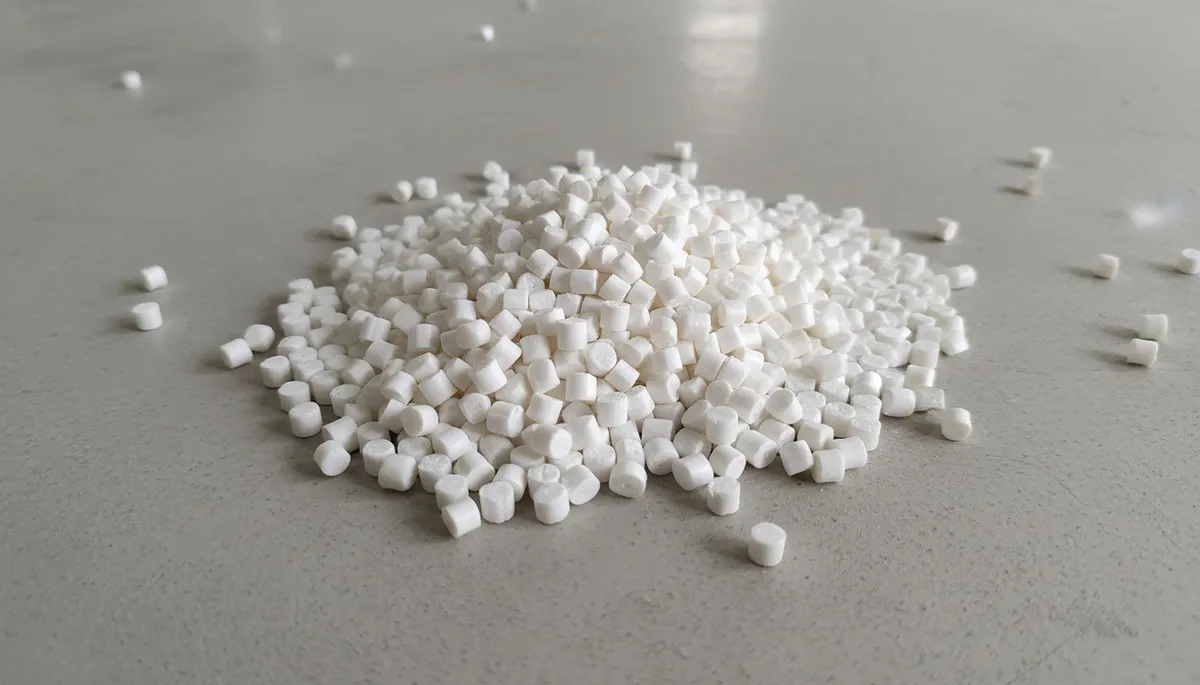
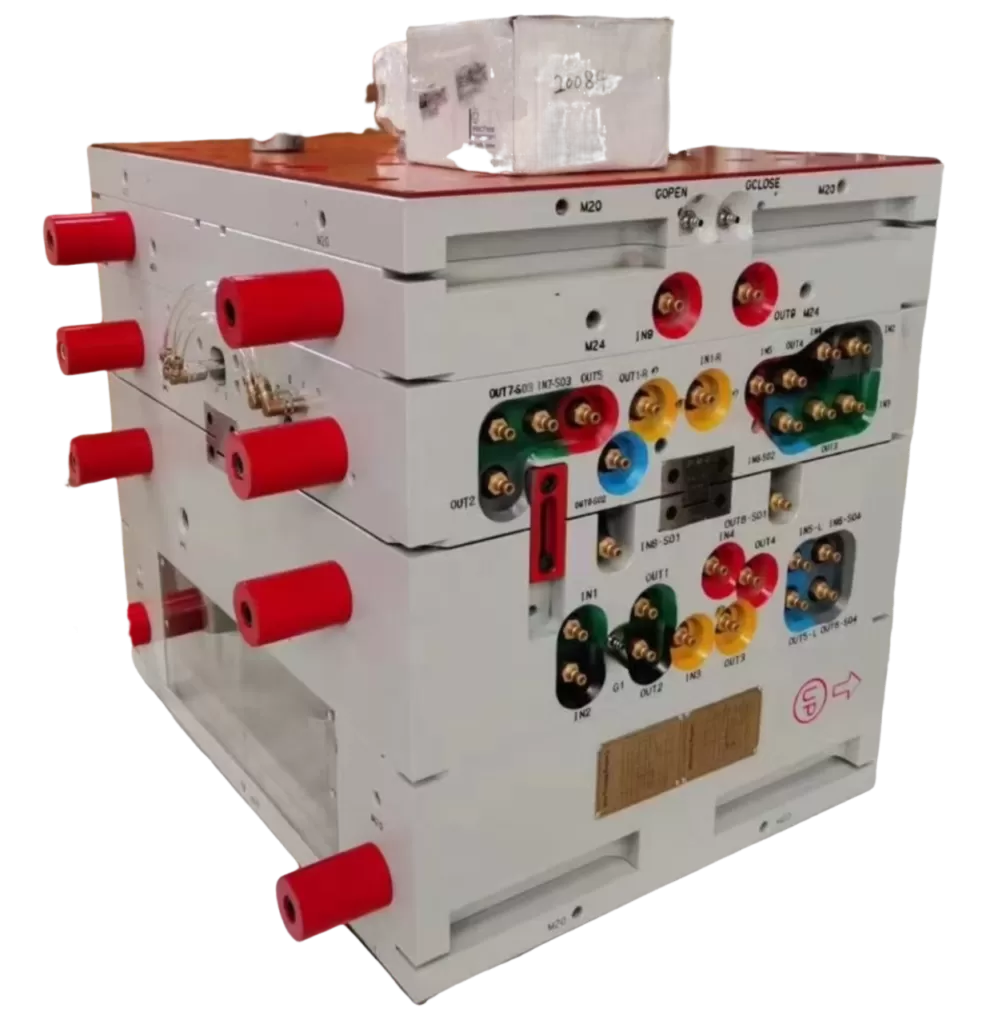
Każdy detal z tworzywa1 formowany wtryskowo — od cylindra strzykawki medycznej po panel deski rozdzielczej samochodu — zaczyna się od jednego elementu: formy wtryskowej2. Forma jest najbardziej kapitałochłonnym składnikiem procesu, a każda decyzja dotycząca jej projektu, doboru materiału i eksploatacji bezpośrednio określa jakość3 detalu, czas cyklu i całkowity koszt produkcji.
Czytelnikom porównującym możliwości formowania wtryskowego ten przewodnik po formach wtryskowych pokazuje powiązania między konstrukcją formy, zachowaniem tworzywa, pozyskiwaniem dostawców i decyzjami dotyczącymi kontroli jakości, które decydują, czy projekt może przejść od koncepcji do powtarzalnej produkcji.
Ten przewodnik po formowaniu wtryskowym omawia cały cykl życia formy wtryskowej: czym jest i jak działa, główne rodzaje i ich zastosowania, dobór właściwej stali, czynniki kosztowe oraz utrzymanie zapewniające niezawodną pracę przez setki tysięcy cykli. Niezależnie od tego, czy zamawiasz pierwszą formę, czy optymalizujesz istniejące narzędzie, opisane tu decyzje wpływają na jakość detali, czas cyklu i całkowity koszt posiadania.
Czym jest forma wtryskowa i jak działa?
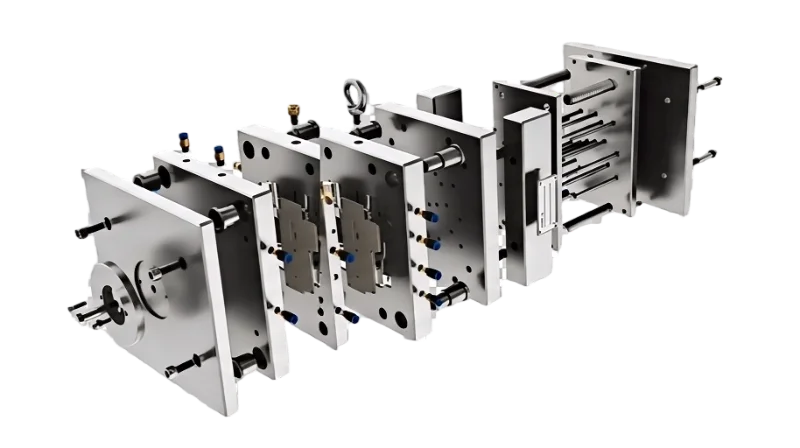
Forma wtryskowa to precyzyjne narzędzie, które nadaje stopionemu tworzywu kształt powtarzalnych części przez wypełnienie, chłodzenie i wypchnięcie wyrobu uformowanego w gnieździe. Składa się z dwóch stalowych połówek — strony matrycowej i strony stemplowej — które zamykają się przed doprowadzeniem stopionej żywicy przez układ tulei wlewowej, kanału wlewowego i przewężki. Tworzywo stygnie przy stalowych ściankach, a po otwarciu formy zostaje wypchnięte.
Podstawowe elementy każdej formy wtryskowej obejmują wkładki gniazda i rdzenia definiujące geometrię części, układ kanałów wlewowych i przewężek doprowadzający tworzywo z dyszy maszyny do gniazda, obieg chłodzenia odprowadzający ciepło ze stali, układ wypychania (wypychacze, tuleje lub listwy) usuwający część z formy oraz korpus formy utrzymujący wszystkie elementy w precyzyjnym położeniu.
Dokładność form mierzy się w tysięcznych częściach cala. Dobrze wykonana forma jednogniazdowa może utrzymać tolerancję ±0.002 cala dla wymiarów krytycznych. Formy wielogniazdowe — wytwarzające w jednym cyklu dwa, cztery, osiem, szesnaście, a nawet trzydzieści dwa detale — muszą jednocześnie zachować takie same tolerancje we wszystkich gniazdach. Z tego powodu kosztują znacznie więcej i wymagają precyzyjniejszej obróbki.
Przed rozpoczęciem obróbki stali inżynierowie wykonują analizę przepływu, aby zasymulować napełnianie gniazda, miejsca powstawania linii łączenia i równomierność odbioru ciepła przez obieg chłodzenia. Wizualizacja symulacji pomaga wykryć problemy przed wykonaniem oprzyrządowania. Zespół inżynieryjny ZetarMold wykonuje tę symulację dla każdego nowego narzędzia w standardowym procesie DFM — wykrywając problemy na etapie projektu, a nie po wydaniu $20,000 na obróbkę.
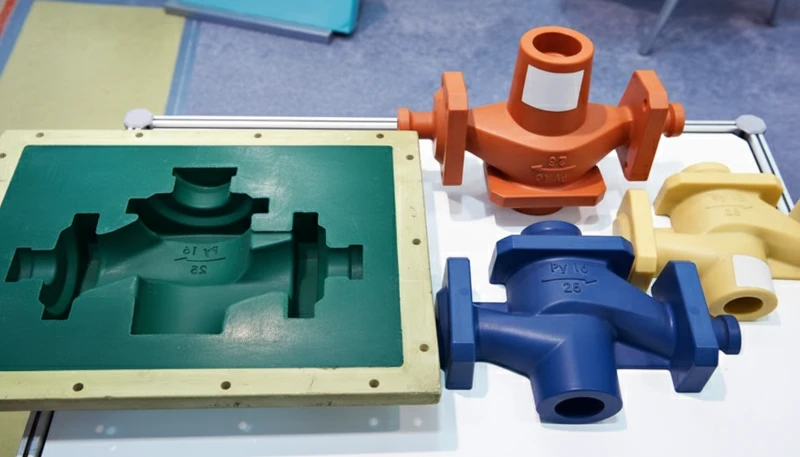
W naszym zakładzie w Szanghaju pracuje 47 wtryskarek o sile zwarcia od 90 T do 1850 T, co pozwala nam we własnym zakresie formować zarówno mikroczęści precyzyjne, jak i duże komponenty motoryzacyjne.
Jakie są główne rodzaje form wtryskowych?
Formy wtryskowe klasyfikuje się według ich architektury wewnętrznej. Wybór typu formy determinuje elastyczność doprowadzenia tworzywa, czas cyklu, odpady z kanałów oraz początkowy koszt oprzyrządowania. W produkcji stosuje się trzy podstawowe typy.
Forma dwupłytowa
Forma dwupłytowa jest najpopularniejszym typem w branży. Ma jedną linię podziału, która dzieli formę na dwie połowy. Układ kanałów doprowadzających i punktów wtrysku jest wykonany w płaszczyźnie podziału, a po otwarciu formy wlew główny, kanały i części są wypychane razem. Następnie kanały trzeba oddzielić od części ręcznie lub przez odcięcie. Formy dwupłytowe są tańsze, łatwiejsze w konserwacji i dobrze sprawdzają się w przypadku większości standardowych geometrii części z bocznym punktem wtrysku.
Forma z trzema płytkami
Forma trójpłytowa ma drugą linię podziału między płytą gniazdową a płytą kanałów doprowadzających. Pozwala to oddzielić układ kanałów od części i zasilać okrągłe lub symetryczne części centralnie bez widocznego śladu przewężki na powierzchni zewnętrznej. Formy trójpłytowe otwierają się w dwóch etapach i automatycznie oddzielają części od kanałów. Są bardziej złożone i kosztują o 20–40% więcej niż odpowiadające im konstrukcje dwupłytowe, ale eliminują ręczne odcinanie przewężek.
Forma gorącokanałowa
W formie gorącokanałowej układ kanałów wlewowych jest przez cały cykl utrzymywany w temperaturze przetwórstwa tworzywa. Tworzywo nigdy nie zestala się w kanałach, dzięki czemu nie powstają odpady wlewków i nie jest potrzebna operacja ich oddzielania. Czas cyklu jest o 15–30% krótszy niż w porównywalnych formach zimnokanałowych, ponieważ nie trzeba chłodzić masy cieplnej układu wlewowego. Formy gorącokanałowe kosztują o $5,000–$30,000 więcej za każdy kolektor, ale w produkcji wielkoseryjnej szybko się zwracają dzięki oszczędności materiału i krótszym cyklom. Są standardem w formach wielogniazdowych produkujących ponad 500,000 części rocznie.
Wybór między formami dwupłytowymi, trzypłytowymi i gorącokanałowymi zależy od geometrii detalu, ograniczeń dotyczących położenia przewężki, wolumenu produkcji i wymagań estetycznych. Formy dwupłytowe buduje i konserwuje się najszybciej i najtaniej, dlatego są idealne do detali funkcjonalnych, w których ślady przewężki są dopuszczalne lub ukryte. Formy trzypłytowe są bardziej złożone, ale eliminują operację oddzielania wlewu, co jest korzystne przy wysokich kosztach pracy lub obowiązkowym braku śladów przewężki. Formy gorącokanałowe mają uzasadnienie ekonomiczne dopiero wtedy, gdy roczny wolumen detali przekracza 500 000 sztuk, ponieważ inwestycję kapitałową w ogrzewany kolektor i układy sterowania muszą uzasadniać oszczędności materiału i krótszy czas cyklu.
"Formy gorącokanałowe ograniczają odpady materiałowe niemal do zera w produkcji wielkoseryjnej."True
Ponieważ kanał wlewowy pozostaje stopiony przez całą serię produkcyjną, nie powstają odpady wlewu głównego i kanałów zimnokanałowych. W przypadku żywic kosztujących $2–$5 za funt same te oszczędności mogą zwrócić dopłatę za układ gorącokanałowy w ciągu sześciu do dwunastu miesięcy w narzędziach do dużych wolumenów.
"Forma trójpłytowa jest zawsze lepsza od formy dwupłytowej."False
Formy trójpłytowe zwiększają złożoność mechaniczną (druga płaszczyzna podziału, dodatkowe cięgna i dłuższy skok otwierania) oraz kosztują o 20–40% więcej. W przypadku części, dla których dopuszczalne jest boczne doprowadzenie tworzywa lub położenie śladu po przewężce nie ma krytycznego znaczenia, narzędzie dwupłytowe można zbudować szybciej, taniej eksploatować i łatwiej konserwować.
Jakiej stali używa się do form wtryskowych?
Dobór stali jest najważniejszą decyzją materiałową przy budowie formy. Niewłaściwy wybór prowadzi do przedwczesnego zużycia, wżerów korozyjnych lub katastrofalnej awarii. Właściwy wybór równoważy twardość, udarność, odporność na korozję i skrawalność z przewidywaną wielkością produkcji oraz rodzajem żywicy. Każda forma wtryskowa jest w istocie inwestycją w zdolność produkcyjną, a gatunek stali bezpośrednio określa, ile części forma może wytworzyć, zanim zużycie stanie się widoczne w wymiarach części lub wykończeniu powierzchni.
Trzy gatunki stali stanowią ponad 90% wszystkich wkładek gniazd form wtryskowych wykonywanych na świecie: P20 do standardowej produkcji, H13 do produkcji wielkoseryjnej i zastosowań z żywicami napełnionymi oraz nierdzewna S136 do zastosowań wymagających odporności na korozję. P20 jest domyślnym wyborem dla większości form produkcyjnych; H13 stosuje się, gdy żywica jest ścierna lub liczba cykli przekracza milion; S136 jest zaś niezbędna dla PVC, PC, żywic klasy medycznej oraz wszędzie tam, gdzie kluczowa jest odporność na korozję.
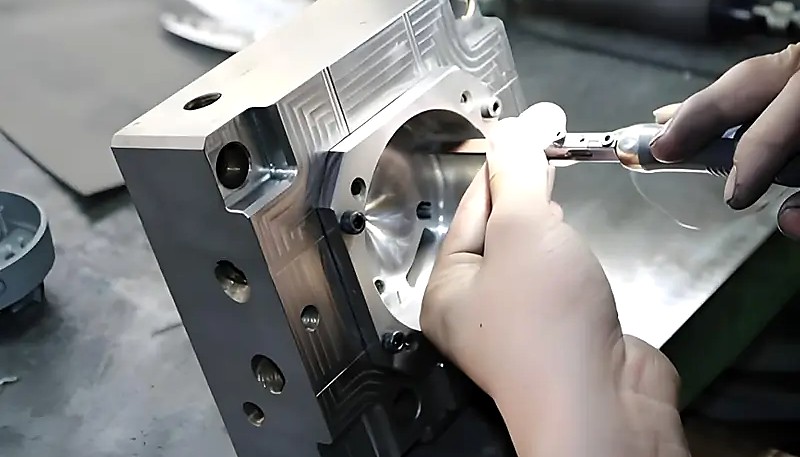
P20 jest podstawowym materiałem w branży produkcji form. To wstępnie hartowana chromowo-molibdenowa stal stopowa dostarczana w twardości 28–34 HRC, dzięki czemu można ją obrabiać bezpośrednio, bez hartowania po obróbce. W porównaniu ze stalami niehartowanymi, które po obróbce wymagają próżniowej obróbki cieplnej, stan wstępnie hartowany skraca czas realizacji o 1–2 tygodnie. P20 zapewnia dobrą polerowalność, doskonałą spawalność przy naprawach oraz odporność na zużycie wystarczającą do serii produkcyjnych liczących 500,000 cykli przy użyciu standardowych tworzyw. Na całym świecie wykonuje się z niej większość korpusów form i wkładek gniazdowych.
Jego główną wadą jest niska odporność na korozję — wilgoć, odgazowanie PVC i żywice halogenowane powodują wżery powierzchni oraz zmiany wymiarowe podczas długotrwałego przechowywania.
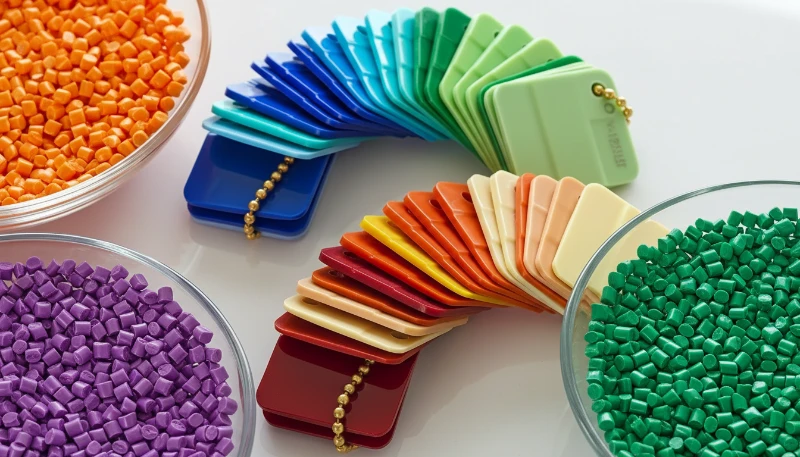
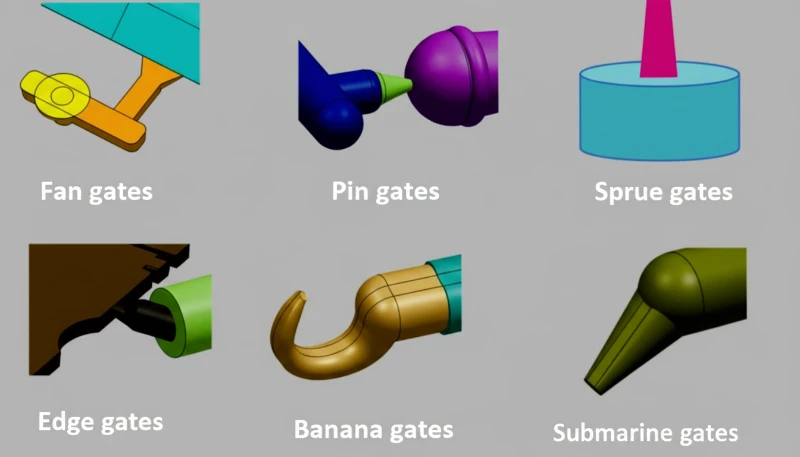
porównanie typów wlewów pokazujące konstrukcje wlewów szczelinowych i pinowych” style=”max-width:100%;height:auto;” />
S136 jest nierdzewną stalą formierską o składzie odpowiadającym stali nierdzewnej serii 420. Wysoka zawartość chromu (13–14%) zapewnia rzeczywistą odporność na korozyjne gazy wydzielane przez PVC (kwas solny), kondensację wilgoci w środowiskach o wysokiej wilgotności oraz agresywne dodatki uniepalniające. S136 jest zwykle wymagana w formach do wyrobów medycznych, części mających kontakt z żywnością i soczewek optycznych o wysokich wymaganiach dotyczących powierzchni. Można ją wypolerować na lustro (SPI A1) dla części optycznie przezroczystych, a podczas długotrwałego przechowywania jest odporna na korozję od odcisków palców. S136 zapewnia również większą stabilność wymiarową w formach do cienkościennych i precyzyjnych zastosowań optycznych wymagających węższych tolerancji.
| Gatunek stali | Twardość (HRC) | Typowa trwałość formy | Najlepsze dla | Odporność na korozję |
|---|---|---|---|---|
| P20 | 28–34 | 500,000 wtrysków | ABS, PP, PE, standardowe żywice | Niski |
| H13 | 46–54 | Ponad 1 000 000 wtrysków | Produkcja wielkoseryjna, żywice ścierne, materiały z napełniaczami | Umiarkowany |
| S136 (420SS) | Standardowa produkcja masowa | Ponad 1 000 000 wtrysków | PVC, PC, części przezroczyste, wyroby medyczne | Wysoki |
| NAK80 | 37–43 | 500,000 wtrysków | Optyczne części dekoracyjne o wysokim połysku | Umiarkowany |
| 718H | 29–33 | 300,000–500,000 cykli | Prototyp, produkcja mało- i średnioseryjna | Niski |
Jak projektuje się formę wtryskową?
Projektowanie form wtryskowych jest dyscypliną inżynieryjną łączącą geometrię części, materiałoznawstwo, proces produkcyjny i ekonomikę produkcji. Dobrze zaprojektowana forma wytwarza części zgodne ze specyfikacją przy możliwie najkrótszym czasie cyklu i najniższym wskaźniku braków.
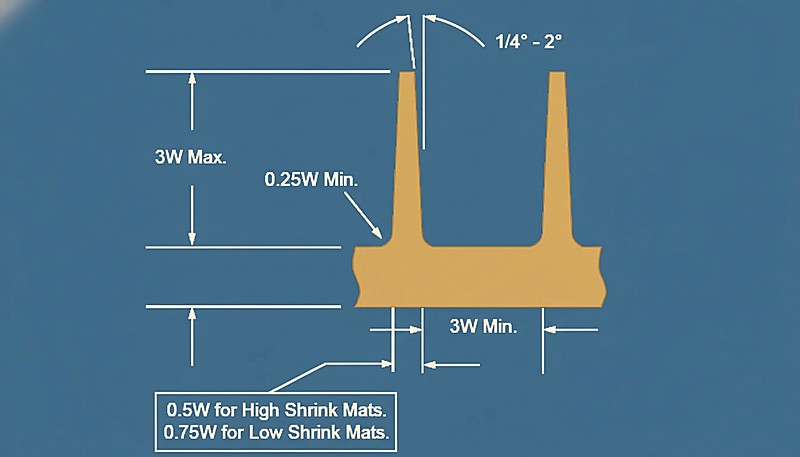
Proces projektowania rozpoczyna się od analizy geometrii części. Inżynier formy sprawdza model CAD 3D pod kątem jednorodności grubości ścianek (cel: 2–3 mm dla większości tworzyw termoplastycznych, ze zmiennością poniżej 30%), kąta pochylenia (minimum 0,5° na wszystkich pionowych ściankach, preferowane 1–2°), podcięć wymagających mechanizmów bocznych oraz wymagań dotyczących wykończenia powierzchni. Taki przegląd, zwany raportem DFM, zwykle wskazuje od pięciu do piętnastu możliwości poprawy przed rozpoczęciem obróbki. Kolejną kluczową decyzją jest położenie wlewu. Wlew — zwężony otwór, przez który tworzywo wpływa do gniazda — określa kierunek napełniania, położenie linii łączenia i miejsce śladu po wlewie na gotowej części.
W naszej własnej narzędziowni pracuje 8 starszych inżynierów, którzy łącznie mają dziesięciolecia doświadczenia w budowie oprzyrządowania dla branży motoryzacyjnej, medycznej i elektroniki użytkowej. Umieszczenie narzędziowni w tym samym kompleksie co hala wtryskarek pozwala nam wykrywać problemy związane z projektowaniem pod kątem produkcji przed rozpoczęciem obróbki stali, a nie dopiero po próbach T1.
Reguły praktyczne: umieść przewężkę w najgrubszym przekroju ścianki, z dala od obszarów wymagających wysokiej jakości wizualnej, tak aby tworzywo płynęło od części grubej do cienkiej (nigdy odwrotnie). Złe położenie powoduje niedolewy, linie łączenia w miejscach krytycznych konstrukcyjnie lub niedopuszczalne skazy powierzchni.
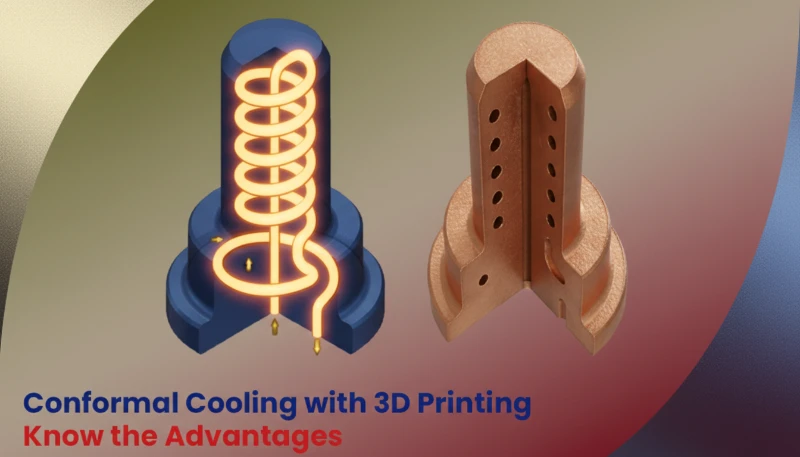
Konstrukcja obiegu chłodzenia wynika z położenia przewężki. Układ chłodzenia jest siecią wierconych kanałów (zwykle o średnicy 8–12 mm), którymi przez stal w pobliżu powierzchni gniazda przepływa woda o kontrolowanej temperaturze 10–40°C. Rozstaw kanałów, głębokość pod powierzchnią gniazda (zwykle 1,5 średnicy) i natężenie przepływu czynnika chłodzącego określają szybkość odprowadzania ciepła z tworzywa. Źle zaprojektowane obiegi tworzą gorące punkty wydłużające cykl, powodujące paczenie i różnice wymiarowe między gniazdami. Układ wypychania musi usuwać część bez pozostawiania śladów ani odkształceń.
"Konstrukcja obiegu chłodzenia ma największy wpływ na czas cyklu spośród wszystkich decyzji dotyczących formy."True
Chłodzenie stanowi 60–70% całkowitego czasu cyklu. Optymalizacja rozmieszczenia kanałów chłodzących i temperatury chłodziwa może skrócić czas cyklu o 20–40%, bezpośrednio zwiększając produkcję bez jakichkolwiek zmian wtryskarki lub parametrów procesu.
"Pochylenia technologiczne są opcjonalne w częściach formowanych wtryskowo."False
Kąty pochylenia są obowiązkowe. Bez nich detal wskutek skurczu cieplnego zaciska się na stali podczas krzepnięcia, powodując ślady tarcia, przywieranie lub uszkodzenie narzędzia. Większość form produkcyjnych wymaga co najmniej 0.5°, a powierzchnie teksturowane 1–3°, aby tekstura nie działała jak zadziory blokujące detal na stali.
Ile kosztuje forma wtryskowa?
Koszt formy wtryskowej zależy od złożoności części, liczby gniazd, gatunku stali, wymagań dotyczących tolerancji oraz lokalizacji dostawcy. Znajomość czynników kosztotwórczych pomaga nabywcom skutecznie negocjować i podejmować trafniejsze decyzje dotyczące wielkości produkcji.
| Typ formy | Gniazda | Złożoność | Typowy zakres kosztów | Czas realizacji |
|---|---|---|---|---|
| Prototyp / miękkie oprzyrządowanie | 1 | Niski | $3,000 – $10,000 | 2–4 tygodnie |
| Prosta forma produkcyjna | 1–2 | Niski | $8,000 – $20,000 | 4–6 tygodni |
| Forma do produkcji średnioseryjnej | 4–8 | Średni | $20,000 – $60,000 | 6–10 tygodni |
| Złożona forma produkcyjna | 8–16 | Wysoki | $50,000 – $120,000 | 10–16 tygodni |
| Wielogniazdowy system gorącokanałowy | 16–32+ | Bardzo wysoka | $80,000 – $250,000 | 14–20 tygodni |
Złożoność gniazda jest głównym czynnikiem kosztowym i odpowiada za 40–60% całkowitego kosztu formy. Prosty płaski wspornik z dwoma otworami przelotowymi obrabia się w ciągu kilku godzin na gniazdo; obudowa lusterka samochodowego z wewnętrznymi żebrami kratowymi, czterema suwakami bocznymi i zewnętrzną powierzchnią o lustrzanym wykończeniu wymaga 80–200 godzin obróbki. EDM (obróbkę elektroerozyjną) stosuje się do ciasnych narożników, głębokich żeber i tekstur niedostępnych dla frezów palcowych — zwiększa ona koszt i czas, ale jest nieunikniona w przypadku złożonych części estetycznych. Liczba gniazd zwielokrotnia czas obróbki, lecz również wydajność. Wraz ze wzrostem rocznej wielkości produkcji rachunek ekonomiczny przemawia za większą liczbą gniazd.
Typowy schemat decyzyjny: jedno gniazdo dla produkcji poniżej 50,000 części rocznie, od dwóch do czterech gniazd dla 50,000–500,000, od ośmiu do szesnastu gniazd dla 500,000–2,000,000 oraz 16+ gniazd z układem gorącokanałowym dla ponad dwóch milionów części rocznie. Każde zwiększenie liczby gniazd mniej więcej podwaja koszt formy, jednocześnie zmniejszając o połowę koszt pracy maszyny przypadający na część.
Kompromisem jest dłuższy czas transportu (2–4 tygodnie drogą morską) oraz konieczność rygorystycznej kwalifikacji dostawcy.
Formy ZetarMold są wykonywane na standardowych płytach DME/HASCO, wyposażone w hartowane wkładki stalowe, a zatwierdzenie próbek T1 jest wliczone w cenę podaną w ofercie.
"Formy wielogniazdowe znacznie obniżają koszt jednostkowy przy dużych wolumenach produkcji."True
Forma 16-gniazdowa, pracująca z takim samym czasem cyklu jak forma jednogniazdowa, wytwarza 16 detali w każdym cyklu, obniżając koszt pracy maszyny przypadający na detal o ponad 90 procent.
"Wszystkie formy wtryskowe wyglądają tak samo, niezależnie od złożoności detalu."False
Złożoność form może być skrajnie różna. Prosty wspornik wymaga podstawowej formy dwupłytowej, natomiast panel drzwi samochodowych — 40-tonowej formy z ośmioma suwakami bocznymi i sekwencyjnymi przewężkami zaworowymi.
Jakie są kluczowe elementy formy i ich funkcje?
Najważniejsze elementy formy wtryskowej to gniazdo, rdzeń, kanał wlewowy, przewężka, kanały chłodzące, odpowietrzenia, układ wypychania, elementy prowadzące i płyty podporowe. Każdy z nich odpowiada za określony aspekt napełniania, chłodzenia, pozycjonowania, wyjmowania wypraski lub stabilności wymiarowej, dlatego wadliwy element może powodować defekty nawet wtedy, gdy ustawienia wtryskarki wydają się prawidłowe.
| Komponent | Funkcja | Wspólne materiały |
|---|---|---|
| Wkładka gniazda (strona A) | Tworzy widoczną zewnętrzną powierzchnię części | P20, H13, S136 |
| Wkład rdzenia (strona B) | Tworzy powierzchnię wewnętrzną i elementy konstrukcyjne | P20, H13 |
| Tuleja wlewowa | Odbiera tworzywo z dyszy maszyny i kieruje je do kanału wlewowego | Hartowana stal narzędziowa |
| System Runner | Rozprowadza tworzywo z kanału głównego do wszystkich punktów wtrysku | P20 (kanał zimny), ogrzewany rozdzielacz (kanał gorący) |
| Brama | Steruje natężeniem i kierunkiem przepływu tworzywa do gniazda | Stal, węglik do przewężek narażonych na duże zużycie |
| Kołki wypychacza | Wypchnięcie zestalonej części z gniazda podczas wyrzutu | H13, azotowana stal D2 |
| Kanały chłodzące | Cyrkulacja wody w celu odprowadzania ciepła z tworzywa | Wywiercone w płytach A/B |
| Słupy i tuleje prowadzące | Wyrównanie połówek A i B formy podczas zamykania | Hartowana stal, tuleja z brązu |
| Rdzeń boczny / suwak | Tworzy podcięcia prostopadłe do kierunku rozformowania | H13, hartowana |
| Odpowietrzenia | Umożliwiają ujście powietrza z gniazda podczas napełniania (głębokość 0,02–0,05 mm) | Wykonaj w linii podziału |
Odpowietrzanie jest jednym z najbardziej niedocenianych aspektów projektowania form. Jeśli powietrze nie może wydostać się z gniazda przed przemieszczającym się czołem tworzywa, ulega sprężeniu i nagrzaniu adiabatycznemu — zjawisku nazywanemu efektem Diesla — co może przypalić tworzywo i powodować erozję stali w punkcie wypełnianym jako ostatni. Odpowietrzenia to płytkie rowki (o głębokości 0.02–0.05 mm i szerokości 5–10 mm) wykonane w linii podziału, które umożliwiają ujście powietrza bez wycieku tworzywa. Niedostateczne odpowietrzanie jest jedną z głównych przyczyn niedolewów, przypaleń i konieczności stosowania wysokiego ciśnienia wtrysku.
Słupy prowadzące i tuleje utrzymują współosiowość stron A/B z dokładnością do 0.005 mm przez miliony cykli.
Jak konserwować formę wtryskową?
“Wczesna analiza DFM ogranicza liczbę poprawek formy i nieprzewidzianych problemów produkcyjnych.”
Konserwację zapobiegawczą (PM) należy planować według liczby cykli, a nie czasu kalendarzowego. Standardowy odstęp między przeglądami form ze stali P20 przetwarzających typowe tworzywa wynosi 50 000–100 000 cykli. Zakres PM obejmuje czyszczenie powierzchni gniazd i rdzeni zatwierdzonymi środkami bezpiecznymi dla tworzyw sztucznych, kontrolę i smarowanie wypychaczy oraz powierzchni ślizgowych mechanizmów bocznych, kontrolę odpowietrzeń pod kątem nagromadzonego tworzywa (które po 20 000–30 000 cykli zaczyna blokować przepływ powietrza), pomiary wymiarów krytycznych na detalach próbnych w celu wykrywania postępującego zużycia oraz kontrolę złączy i przewodów układu chłodzenia pod kątem nieszczelności. Wypychacze są elementami formy zużywającymi się najszybciej.
Pracują z dużą prędkością i obciążeniem w każdym cyklu, w otworach o małym luzie z pasowaniem H7/h6.
Oznaki zużycia wypychaczy obejmują ślady tarcia na powierzchni części, pękanie trzpieni oraz utratę okrągłości otworów w płycie wypychaczy. Dla każdej aktywnej formy produkcyjnej należy przechowywać pod ręką zestaw zapasowych wypychaczy o właściwej średnicy i długości.
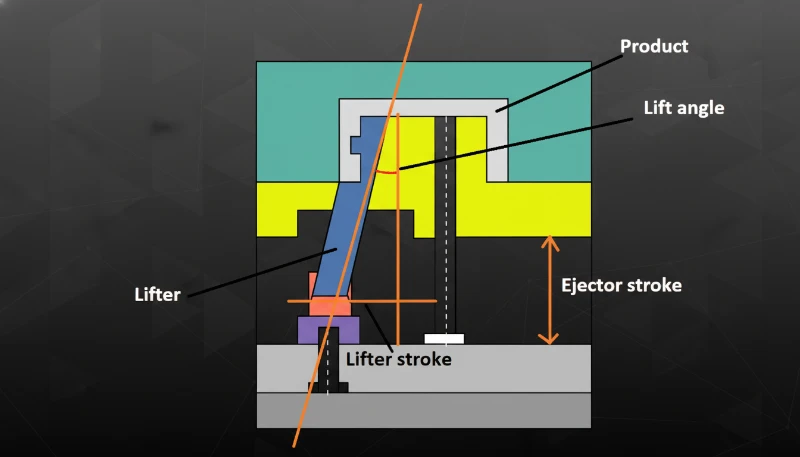
Jak wybrać odpowiedniego dostawcę form wtryskowych?
Wybór niewłaściwego dostawcy form jest najkosztowniejszym błędem, jaki może popełnić zespół rozwoju produktu. Forma niskiej jakości może wymagać od trzech do pięciu cykli poprawek i spowodować sześciomiesięczne opóźnienie, zanim zacznie wytwarzać akceptowalne części. Oto kryteria, które należy ocenić przed udzieleniem zamówienia na oprzyrządowanie. Najpierw należy sprawdzić możliwości obróbcze i wyposażenie. Wiarygodna narzędziownia powinna dysponować centrami obróbczymi CNC o dokładności pozycjonowania ±0.005 mm, obrabiarkami EDM (wgłębnymi i drutowymi) do wykonywania złożonych geometrii, maszyną CMM (współrzędnościową maszyną pomiarową) do kontroli wymiarowej oraz szlifierkami do płaszczyzn zapewniającymi płaskość linii podziału.
Zakłady bez możliwości wykonywania pomiarów CMM nie mogą zweryfikować, czy wykonana forma odpowiada założeniom projektowym — wszystkie deklaracje dotyczące tolerancji stają się zgadywaniem.
Po drugie, przed rozpoczęciem wykonywania oprzyrządowania wymagaj formalnego raportu DFM. Każdy renomowany dostawca form powinien dostarczyć pisemny raport DFM identyfikujący problemy z grubością ścianek, niedostateczne kąty pochylenia, podcięcia wymagające mechanizmów bocznych i zalecenia dotyczące położenia przewężek. Jeśli dostawca wycenia i buduje bez raportu DFM, albo pomija ten etap (co zwiększa ryzyko poprawek), albo uwzględnia oczekiwany koszt poprawek w cenie, nie ujawniając go. Po trzecie, poznaj proces zatwierdzania próbek T1. Próbki T1 są pierwszymi częściami wykonanymi z gotowej formy. Nabywca powinien określić dopuszczalne tolerancje, wykończenie powierzchni i protokół pomiarowy przed rozpoczęciem zatwierdzania T1.
Doświadczeni kupujący mierzą 30–50 wymiarów krytycznych na trzech do pięciu próbkach T1 z każdego gniazda, zamiast polegać tylko na kontroli wizualnej. ZetarMold dołącza raporty wymiarowe do każdego zestawu T1, pokazując wartości zmierzone i nominalne wszystkich wskazanych wymiarów krytycznych. Zapytaj też o formowanie z wkładkami, jeśli części wymagają osadzonych elementów metalowych. Takie formy potrzebują precyzyjnych przyrządów pozycjonujących i często ręcznego lub robotycznego załadunku — zwiększa to złożoność i wymaga specjalistycznej wiedzy procesowej.
Jaki jest czas realizacji budowy formy wtryskowej?
Czas od zatwierdzenia projektu do uzyskania pierwszych próbek T1 jest jednym z najdokładniej analizowanych parametrów podczas opracowywania nowego produktu. Znajomość czynników wpływających na termin realizacji pozwala zespołom realistycznie planować i unikać niespodziewanych opóźnień. Prostą jednogniazdową formę ze stali P20 do niekrytycznego detalu można wykonać i przygotować do prób T1 w ciągu 3–4 tygodni. Forma czterogniazdowa o średniej złożoności, z dwoma mechanizmami bocznymi, wymaga zwykle 6–8 tygodni. Złożone wielogniazdowe formy gorącokanałowe do zastosowań motoryzacyjnych lub elektroniki użytkowej wymagają zazwyczaj 12–18 tygodni.
Każda część wymagająca teksturowanej powierzchni wydłuża realizację o 2–4 tygodnie na etap teksturowania, wykonywany przez specjalistycznego dostawcę po zakończeniu obróbki stali.
Najczęściej zadawane pytania dotyczące form wtryskowych
Często zadawane pytania
Jaka jest różnica między formą a matrycą w formowaniu wtryskowym?
W formowaniu wtryskowym termin „mold” odnosi się do stalowej formy, która nadaje kształt żywicy termoplastycznej. Terminu „die” używa się w odlewaniu ciśnieniowym (stopów metali) i tłoczeniu (blachy). W codziennych rozmowach na hali wielu inżynierów używa tych dwóch terminów zamiennie w odniesieniu do oprzyrządowania do tworzyw, jednak technicznie form „mold” używa się do tworzyw termoplastycznych i termoutwardzalnych, a narzędzi „die” — do metali. Kluczowa różnica funkcjonalna polega na tym, że forma wtryskowa pracuje w stosunkowo niskiej temperaturze (chłodziwo 15–60°C), natomiast forma do odlewania ciśnieniowego musi wytrzymać kontakt ze stopionym aluminium o temperaturze 650–750°C.
Ile strzałów może wyprodukować forma wtryskowa, zanim będzie wymagała wymiany?
Trwałość formy w dużym stopniu zależy od gatunku stali i ścieralności żywicy. Forma ze stali P20 pracująca ze standardowym ABS lub polipropylenem wytrzymuje zwykle 500 000–800 000 cykli, zanim zużycie gniazda stanie się widoczne w wymiarach części. Stal hartowana H13 wydłuża trwałość do 1 000 000–2 000 000 cykli. Prawidłowo utrzymana stal nierdzewna S136 może przekroczyć 1 000 000 cykli przy żywicach odpornych na korozję. Żywice wzmacniane włóknem szklanym lub wypełnione minerałami są znacznie bardziej ścierne i mogą skrócić trwałość formy o 30–50% względem gatunków bez wypełniaczy. Regularne śledzenie trendów wymiarowych podczas przeglądów prewencyjnych wykrywa zużycie, zanim zacznie ono powodować braki.
Czym jest forma rodzinna i kiedy należy jej używać?
Forma rodzinna wytwarza wiele różnych numerów detali w jednym narzędziu — na przykład lewą i prawą pokrywę będące wzajemnymi odbiciami lustrzanymi. W porównaniu z oddzielnym narzędziem dla każdego detalu formy rodzinne obniżają początkowy koszt oprzyrządowania, lecz nakładają ograniczenia procesowe: wszystkie detale w rodzinie muszą korzystać z tej samej żywicy i tego samego koloru oraz muszą być napełniane, dociskane i chłodzone przy tych samych ustawieniach. Jeśli przy parametrach odpowiednich dla pozostałych gniazd jedno gniazdo stale generuje wady, całe narzędzie musi pracować w warunkach kompromisowych. Formy rodzinne najlepiej sprawdzają się w przypadku detali o podobnej geometrii, wolumenie i charakterystyce napełniania.
Czym jest narzędzie miękkie w porównaniu do twardego?
Kompletny przewodnik po formowaniu wtryskowym: Projektowanie, Rodzaje i Koszty (2026)
Jak kurczliwość wpływa na projekt formy wtryskowej?
Wszystkie żywice termoplastyczne kurczą się podczas chłodzenia od temperatury stopu do pokojowej. Skurcz wynosi od 0.2% dla żywic napełnianych do 2.5% dla nienapełnianych materiałów półkrystalicznych, takich jak nylon lub polietylen. Gniazdo formy musi być powiększone o przewidywany skurcz, aby po schłodzeniu część miała wymiary nominalne. Jeśli inżynier użyje złej wartości — np. skurczu PP 1.5% dla części PA66 kurczącej się o 1.8% — krytyczne wymiary będą stale poza tolerancją. Dokładna wartość skurczu z karty dostawcy żywicy jest jednym z pierwszych danych wejściowych DFM.
Jaka jest różnica w kosztach między chińskimi a zachodnimi producentami form o tych samych specyfikacjach?
Przy równoważnych specyfikacjach — tym samym gatunku stali, tej samej liczbie gniazd, tej samej klasie tolerancji i takim samym wykończeniu powierzchni — certyfikowani chińscy dostawcy form zazwyczaj oferują ceny o 40–70% niższe od cen porównywalnego oprzyrządowania europejskiego lub północnoamerykańskiego. Cena ZetarMold za standardową 4-gniazdową formę z P20 wynosiłaby $12,000–$25,000, w porównaniu z $30,000–$60,000 za takie samo narzędzie wykonane w Niemczech lub Stanach Zjednoczonych. Główne kompromisy to dłuższy czas transportu (3–5 tygodni drogą morską), różnica stref czasowych utrudniająca komunikację oraz konieczność starannej kwalifikacji dostawcy. W przypadku nabywców produkujących części wielkoseryjnie oszczędności na oprzyrządowaniu pokrywają koszty wielu podróży do Chin w celu przeprowadzenia audytów zakładu.
Czy formę wtryskową można zmodyfikować po jej zbudowaniu?
Tak, większość form wtryskowych można modyfikować po ich początkowym wykonaniu. Dodanie stali do gniazda zmniejsza wymiar; usunięcie stali zwiększa wymiar. Typowe modyfikacje po wykonaniu obejmują zmianę położenia przewężek, dodawanie lub usuwanie wypychaczy, regulację głębokości odpowietrzeń, dodawanie tekstury oraz zmianę geometrii mechanizmów bocznych. Modyfikacje wymagające dodania stali (spawania) są bardziej złożone i wydłużają termin o 1–3 tygodnie. Modyfikacje wymagające wyłącznie obróbki (usuwania stali) są szybsze. Zmiany wymagające poważnej przebudowy konstrukcji — przesunięcia linii podziału, zmiany rozmiaru korpusu formy, całkowitego przeprojektowania układu kanałów — są zwykle droższe niż wykonanie nowego narzędzia.
Jakie kontrole jakości należy przeprowadzić przy odbiorze nowej formy wtryskowej?
Po otrzymaniu nowego formularza od dostawcy, kupujący powinien sprawdzić, czy formularz odpowiada zatwierdzonym rysunkom (sprawdzić wymiary podstawy formularza, gatunki stali wybite na elementach oraz liczbę gniazd); przejrzeć raport wymiarowy T1, mierząc wszystkie określone krytyczne wymiary z przynajmniej trzech części na każde gniazdo; sprawdzić stan linii rozdzielającej na płaskość, zadziory i głębienie wentylacyjne. Przetestować układ chłodzenia na przepływ i spadek ciśnienia (powinny odpowiadać specyfikacji projektu formularza); cyklicznie uruchomić system wypychania ręcznie, aby potwierdzić płynną, bez zacięć operację; oraz przeprowadzić 50–100 prób w nominalnych warunkach procesowych, monitorując czas cyklu i rejestrując wszystkie krytyczne wymiary.
tworzywo sztuczne: Tworzywa sztuczne to rodzina materiałów, których płynięcie, skurcz, wytrzymałość, odporność cieplna, jakość wizualna, czas cyklu i zachowanie długoterminowe kształtują decyzje dotyczące formowania. ↩
forma wtryskowa: Forma wtryskowa to precyzyjne stalowe narzędzie, które za pomocą układów chłodzenia, wypychania i doprowadzania tworzywa nadaje stopionemu tworzywu określoną geometrię, umożliwiając produkcję powtarzalnych detali. ↩
jakość: Jakość to dyscyplina produkcyjna łącząca DFM, walidację formy, okna procesowe, plany kontroli i działania korygujące w celu uzyskania powtarzalnych wyników. ↩