Produkcja form wtryskowych w Indiach: kompletny przewodnik po wyborze dostawców
Oceniasz dostawców części z tworzyw sztucznych, a ktoś w zespole zapytał o Indie. To zasadne pytanie — wartość indyjskiego rynku tworzyw formowanych wtryskowo wyniosła 27,84 mld USD w 2024 roku i według prognoz osiągnie 38,13 mld USD do 2030 roku, przy CAGR równym 5,5%. W kraju działa ponad 5 000 zakładów przetwórstwa tworzyw, jest młoda siła robocza, a zachęty rządowe wspierają lokalną produkcję. Czy jednak rosnący rynek oznacza dobrego dostawcę dla konkretnego projektu? Nie zawsze. Ten przewodnik uczciwie pokazuje najważniejszych graczy, ich mocne i słabe strony oraz porównanie Indii z Chinami pod kątem zakupu części z tworzyw sztucznych.
Szerszy obraz przedstawia nasz kompletny przewodnik po formowaniu wtryskowym, obejmujący podstawy procesu, zachowanie materiałów i decyzje produkcyjne.
- Przewiduje się, że indyjski rynek formowania wtryskowego osiągnie USD 38.13 miliarda do 2030 roku, napędzany przez sektory motoryzacyjny, opakowaniowy i medyczny.
- Do czołowych indyjskich firm należą Samvardhana Motherson, Tata AutoComp, Supreme Industries i NSK — każda z nich ma odmienne mocne strony.
- Indie oferują koszty pracy niższe o 15-30% niż Chiny, ale jakość form, terminy realizacji i infrastruktura znacznie różnią się między dostawcami.
- Kluczowe kryteria wyboru: certyfikaty ISO/IATF, możliwość produkcji w pomieszczeniu czystym, komunikacja w języku angielskim oraz gotowość do przeprowadzenia prób formy.
- W przypadku złożonych lub wielkoseryjnych projektów chińscy producenci nadal mają przewagę pod względem precyzji form, zakresu sił zwarcia i skali produkcji.
Jaki jest obecny stan branży formowania wtryskowego w Indiach?
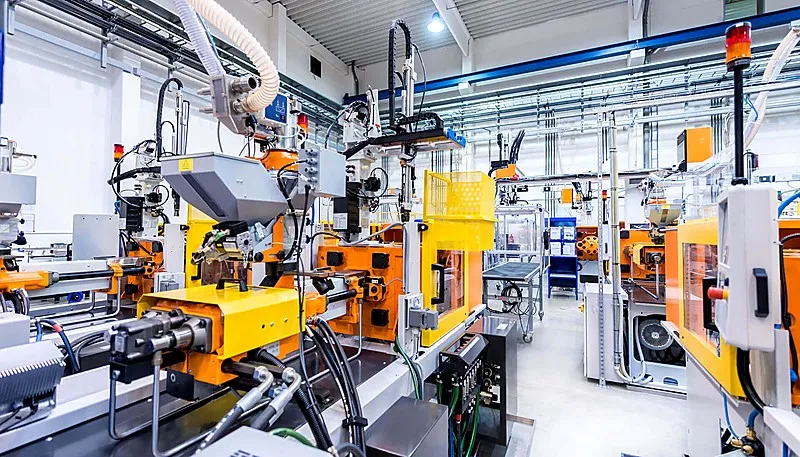
Indyjska branża formowania wtryskowego1 jest duża, rozdrobniona i szybko rośnie — przetwarza rocznie ponad 20 mln ton polimerów. Zaopatruje motoryzację, która jest największym odbiorcą, a także elektronikę użytkową, opakowania, ochronę zdrowia i budownictwo. Programy rządowe, takie jak inicjatywa Make in India i system Production Linked Incentive, przyspieszyły inwestycje w infrastrukturę produkcyjną.
Branża pozostaje jednak rozdrobniona. Nieliczne duże spółki giełdowe współistnieją z tysiącami małych zakładów usługowych wykorzystujących maszyny 50-200T i dysponujących ograniczonymi systemami jakości. Sam sektor motoryzacyjny zużywa około 30% indyjskiej produkcji tworzyw formowanych wtryskowo. Firmy takie jak Maruti Suzuki, Tata Motors i Mahindra polegają na krajowych dostawcach Tier-1 i Tier-2 w zakresie elementów wykończenia wnętrz, komponentów pod maskę oraz obudów elektrycznych.
Segment wyrobów medycznych rozwija się najszybciej, napędzany dążeniem Indii do rozwoju krajowej produkcji dla ochrony zdrowia oraz rosnącym eksportem na rynki regulowane, takie jak USA i UE. Formowanie w pomieszczeniach czystych — niegdyś rzadko spotykane w Indiach — jest obecnie dostępne w coraz większej liczbie zakładów, choć nadal koncentruje się wśród dostawców najwyższej klasy.
Prognozuje się, że do 2030 roku zużycie polimerów w Indiach podwoi się, przy czym polipropylen (PP) i polietylen (PE) będą łącznie odpowiadać za ponad 60% całkowitego popytu. Zależność kraju od importowanych tworzyw konstrukcyjnych — takich jak poliwęglan, PEEK i LCP — pozostaje strukturalną słabością wpływającą zarówno na koszt materiału, jak i czas realizacji zamówień klientów, którzy wskazują te gatunki w specyfikacji.
Jakie trendy kształtują indyjski sektor formowania wtryskowego?
Kilka makrotrendów zmienia krajobraz indyjskiego sektora formowania wtryskowego. Po pierwsze, przejście na pojazdy elektryczne tworzy zupełnie nowe kategorie popytu — obudowy akumulatorów, obudowy układów zarządzania temperaturą i lekkie wsporniki konstrukcyjne — które nie istniały pięć lat temu. Indyjskie wtryskownie, które zainwestowały w maszyny o dużym tonażu (1000T+), wykorzystują ten wzrost.
Po drugie, sektor wyrobów medycznych rośnie o 15-20% rocznie. Formowanie w pomieszczeniach czystych przestaje być niszową kompetencją i staje się podstawowym wymaganiem dla dostawców obsługujących OEM z branży medycznej.
Po trzecie, rośnie presja na zrównoważony rozwój. Przepisy rozszerzonej odpowiedzialności producenta wymagają obecnie uwzględnienia recyklingu po zakończeniu użytkowania. Czołowi indyjscy producenci eksperymentują z żywicami pokonsumenckimi (PCR) i polimerami biopochodnymi, choć wdrożenia są nadal na wczesnym etapie.
Po czwarte, automatyzacja przyspiesza. Sama przewaga kosztu pracy nie zdobywa zamówień. Firmy inwestują w robotyczny odbiór części, czujniki w formie i SPC w czasie rzeczywistym, aby dorównać jakości dostawców z Chin i Azji Południowo-Wschodniej.
Piąty trend, który warto obserwować: kilku indyjskich dostawców Tier-1 zakłada lub przejmuje zakłady produkcyjne w Azji Południowo-Wschodniej i Europie Wschodniej. Motherson i Tata AutoComp mają obecnie zakłady produkcyjne w ponad 40 krajach. Ta ekspansja oznacza, że współpraca z indyjską firmą może czasem zapewnić dostęp do produkcji typu nearshore w Europie lub regionie ASEAN — a nie tylko do produkcji w Indiach.
"Przewiduje się, że indyjski rynek tworzyw formowanych wtryskowo będzie rósł w tempie 5.5% CAGR do 2030 roku."True
Według Grand View Research wartość rynku w 2024 roku wyniosła 27,84 mld USD, a do 2030 roku ma osiągnąć 38,13 mld USD, napędzana popytem ze strony branży motoryzacyjnej, medycznej i opakowaniowej.
"Indyjskie firmy zajmujące się formowaniem wtryskowym dorównują chińskiej precyzji form i skali produkcji w przypadku wszystkich typów części."False
Choć czołowe indyjskie firmy, takie jak Motherson i NSK, osiągają wysoką precyzję w swoich specjalizacjach, szersza branża ma trudności ze złożonymi formami wielogniazdowymi i stałym utrzymaniem wąskich tolerancji w produkcji seryjnej. Chiński ekosystem narzędziowy nadal ma istotną przewagę pod względem złożoności form, terminów realizacji i kosztów w większości zastosowań komercyjnych.
Jak wybrać dostawcę usług formowania wtryskowego w Indiach?
Wybór indyjskiego partnera w zakresie formowania nie polega na znalezieniu największej firmy, lecz na dopasowaniu jej możliwości do konkretnych wymagań. Poniżej przedstawiamy praktyczne ramy oceny opracowane na podstawie 20+ lat współpracy z dostawcami w całej Azji.
Najpierw określ wymagania techniczne
Przed kontaktem z dostawcą jasno udokumentuj specyfikację części: materiał, zakres tolerancji, roczny wolumen, wykończenie powierzchni, spójność koloru i wymagania regulacyjne (UL94, FDA, USP Class VI). Im precyzyjniejsza specyfikacja, tym szybciej oddzielisz kompetentnych dostawców od składających nierealne deklaracje.
Weryfikuj certyfikaty, a nie tylko deklaracje
Poproś o aktualne kopie certyfikatów — nie zrzuty ekranu ze strony internetowej. IATF 16949 jest niezbędny w motoryzacji, a ISO 13485 w branży medycznej. ISO 9001 to minimum; jeśli firma go nie ma, należy ją odrzucić. Sprawdź, czy zakres certyfikatu obejmuje konkretny zakład, który będzie produkował części, a nie tylko centralę firmy.
Poproś o próby formy przed podjęciem zobowiązania
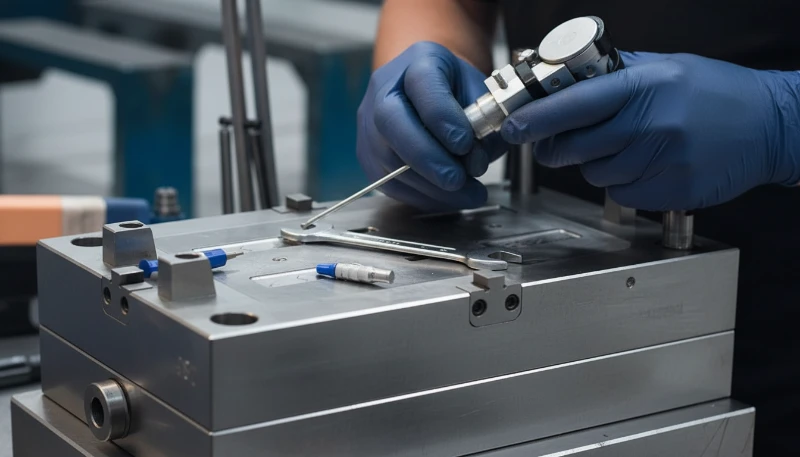
Każdy wiarygodny producent formy wtryskowej2 powinien zgodzić się na wykonanie próbek przed podpisaniem umowy na produkcję seryjną. Zapłać za próbę — to najtańsze ubezpieczenie, jakie możesz kupić. Sprawdź próbki samodzielnie lub skorzystaj z zewnętrznej kontroli. Szukaj wypływek, zapadnięć, linii łączenia i oceń powtarzalność wymiarów w całej partii próbnej.
Próba formy pokazuje także sposób rozwiązywania problemów przez dostawcę. Jeśli próbki T1 mają wypływki lub niedolewy, czy dostawca sam proponuje poprawki, czy czeka na instrukcje? Reakcja na problemy pierwszej serii mówi więcej o kompetencjach inżynierskich niż prezentacja handlowa.
Oceń komunikację i zarządzanie projektem
Indyjskie firmy na ogół dobrze komunikują się po angielsku — to realna zaleta dla nabywców z Ameryki Północnej i Europy. Jakość komunikacji bardzo się jednak różni między organizacją klasy Motherson a zakładem z 20 maszynami. Zapytaj: Kto będzie bezpośrednim kontaktem? Jaki jest gwarantowany czas odpowiedzi? Czy firma dostarcza cotygodniowe raporty produkcyjne?
Oceń również gotowość dostawcy do udostępniania danych produkcyjnych: monitoringu maszyn w czasie rzeczywistym, kart SPC i raportów uzysku. Dostawcy, którzy aktywnie udostępniają dane, zwykle są bardziej niezawodnymi partnerami długoterminowymi niż ci, którzy kontaktują się tylko w razie problemu.
"W porównaniu z większością chińskich dostawców Indie oferują zachodnim nabywcom rzeczywiste korzyści wynikające z komunikacji w języku angielskim."True
Język angielski jest w Indiach językiem urzędowym i powszechnie używa się go w biznesie. Większość średnich i dużych indyjskich firm zajmujących się formowaniem zatrudnia anglojęzycznych kierowników projektów, co ułatwia zachodnim nabywcom omawianie zapytań ofertowych RFQ, prowadzenie przeglądów technicznych i rozwiązywanie problemów.
"Wszyscy indyjscy producenci wyrobów formowanych wtryskowo automatycznie dostarczają cotygodniowe raporty z produkcji."False
Podczas gdy czołowe indyjskie firmy, takie jak Motherson i Tata AutoComp, dysponują zaawansowanymi systemami zarządzania projektami i regularnego raportowania, średniej wielkości dostawcy często zapewniają jedynie podstawową komunikację. Cotygodniowe raporty produkcyjne, monitorowanie SPC w czasie rzeczywistym i proaktywne informowanie o problemach są zazwyczaj dostępne tylko u dostawców klasy premium, a nie jako standardowa praktyka w całej branży.
10 największych firm zajmujących się formowaniem wtryskowym w Indiach
Poniżej przedstawiono praktyczny przegląd najbardziej kompetentnych indyjskich firm zajmujących się formowaniem wtryskowym. Nie jest to ranking — to przewodnik terenowy oparty na reputacji w branży, certyfikatach i możliwościach produkcyjnych.
1. Samvardhana Motherson Group (Motherson Sumi)
Motherson jest największym producentem komponentów motoryzacyjnych w Indiach i jednym z największych na świecie dostawców wiązek przewodów oraz modułów z tworzyw sztucznych. Firma prowadzi ponad 400 zakładów w ponad 40 krajach, w tym dziesiątki zakładów formowania wtryskowego w Indiach. Jej możliwości obejmują produkcję zarówno małych złączy elektrycznych, jak i dużych modułów zderzaków i desek rozdzielczych, przy użyciu maszyn o sile zwarcia do 2,000T. Firma posiada certyfikaty IATF 16949, ISO 9001 oraz liczne certyfikaty właściwe dla poszczególnych OEM. Jeżeli potrzebują Państwo produkcji wielkoseryjnej w standardzie motoryzacyjnym, Motherson powinien być pierwszym wyborem. Firma została założona w 1986 roku, ma siedzibę w Noidzie i zatrudnia na całym świecie ponad 150,000 pracowników.
2. Tata AutoComp Systems
Tata AutoComp, należąca do ekosystemu Tata Group, dostarcza części z tworzyw firmom Tata Motors, Jaguar Land Rover i innym globalnym producentom OEM. Jej działalność wtryskowa obejmuje elementy wnętrza, nadwozia i komory silnika. Firma wykorzystuje precyzyjne formy wielogniazdowe i znacząco inwestuje w programy obudów akumulatorów pojazdów elektrycznych (EV). Niektóre nowsze programy obejmują obtryskiwanie3 miękkich powierzchni wnętrza. Tata AutoComp posiada certyfikaty IATF 16949 i ISO 14001. Firma została założona w 1995 roku, ma siedzibę w Pune i zatrudnia około 6 000 osób.
3. Supreme Industries Ltd
Supreme Industries jest największym w Indiach przetwórcą tworzyw sztucznych pod względem wolumenu. Formowanie wtryskowe jest ich podstawowym procesem. Obsługują budownictwo (rury, złączki), dobra konsumpcyjne, meble i opakowania przemysłowe. Dysponując ponad 25 zakładami produkcyjnymi i setkami wtryskarek, Supreme wykonuje wszystko: od standardowych wiader z PP po komponenty z tworzyw konstrukcyjnych. Ich mocną stroną jest skala i efektywność kosztowa. Firma została założona w 1942 roku, ma siedzibę w Mumbaju, zatrudnia ponad 5,000 pracowników i osiąga przychody przekraczające USD 700 milionów.
4. NSK Bearings India (Nippon Seiko)
NSK wnosi na rynek indyjski japońską dyscyplinę produkcyjną. Indyjskie zakłady firmy wytwarzają precyzyjnie formowane koszyki łożyskowe, obudowy czujników i inne elementy o wąskich tolerancjach do zastosowań motoryzacyjnych i przemysłowych. Jeżeli projekt wymaga dokładności wymiarowej w zakresie ±0.02mm, NSK należy do nielicznych indyjskich przetwórców, którzy regularnie osiągają ten poziom. Firma została założona w 1916 roku w Japonii, działa w Indiach od lat 90. XX wieku, ma siedzibę w Chennai i zatrudnia tam ponad 2,000 pracowników.
5. Arihant Dies and Moulds
Arihant jest jedną z najszybciej rozwijających się indyjskich firm zajmujących się formowaniem wtryskowym, mocno ukierunkowaną na części samochodowe i podzespoły urządzeń elektrycznych. Oferuje kompleksową obsługę od projektowania form i ich wykonania po produkcję seryjną. Własna narzędziownia jest wyróżnikiem — wielu indyjskich przetwórców zleca wykonanie form na zewnątrz, co wydłuża terminy i zwiększa ryzyko jakościowe. Firma została założona w 1998 roku, ma siedzibę w Pune, zatrudnia około 500 osób i posiada certyfikat IATF 16949.
6. Hero AutoParts (Hero Group)
Hero AutoParts jest działem komponentów z tworzyw sztucznych w Hero Group, największym indyjskim producencie pojazdów jednośladowych. Dział formowania wtryskowego wytwarza zbiorniki paliwa, owiewki, tablice przyrządów i elementy konstrukcyjne do motocykli oraz skuterów. W wielu zakładach w północnych Indiach firma eksploatuje ponad 47 wtryskarek o tonażu od 80T do 1200T. Przedsiębiorstwo założono w 1985 roku, ma siedzibę w Gurgaon i zatrudnia około 3,000 pracowników. Posiada certyfikaty ISO 9001 i IATF 16949.
7. UNO Minda (Minda Industries)
UNO Minda jest dużym dostawcą motoryzacyjnym Tier-1, produkującym formowane wtryskowo elementy wnętrza i nadwozia, zespoły przełączników oraz obudowy oświetlenia. Obsługuje Maruti Suzuki, Hyundai India, Honda i indyjskie zakłady Toyota. Jej wtryskownie mają maszyny do 1600T oraz własne linie lakiernicze i chromowania. Firma powstała w 1958 roku, ma siedzibę w Gurgaon, zatrudnia ponad 7,000 osób i posiada certyfikaty IATF 16949 oraz ISO 14001.
8. Primex Plastics India
Primex Plastics specjalizuje się w niestandardowym formowaniu wtryskowym części do urządzeń konsumenckich, komponentów przemysłowych i opakowań. Firma prowadzi zakład średniej wielkości wyposażony w 30+ maszyn o sile zwarcia od 50T do 650T, ukierunkowany na średnioseryjną produkcję w formach wielogniazdowych. Primex jest dobrym wyborem dla nabywców potrzebujących elastycznych MOQ, którzy są gotowi zrezygnować z maksymalnej skali na rzecz bardziej uważnego zarządzania projektem. Firma została założona w 2001 roku, ma siedzibę w Vadodarze w stanie Gudźarat, zatrudnia około 200 pracowników i posiada certyfikat ISO 9001.
9. Mefron Technologies
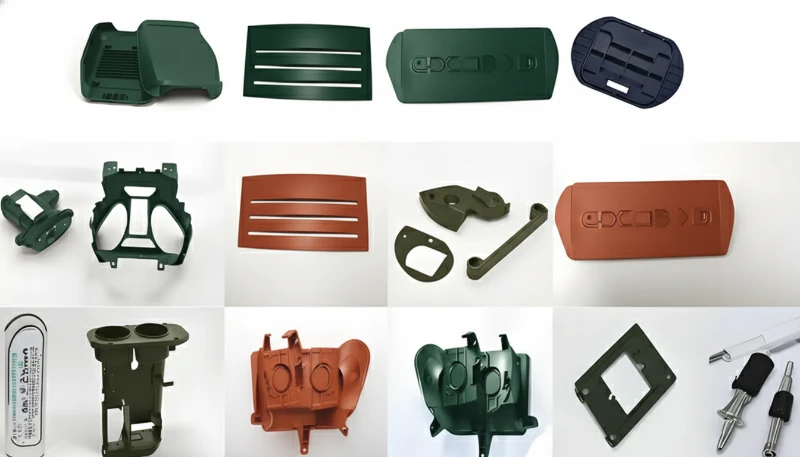
Firma Mefron specjalizuje się w precyzyjnym formowaniu wtryskowym dla branży elektronicznej i wyrobów medycznych. Zakład dysponuje pomieszczeniami czystymi klasy ISO 7 i ISO 8 do formowania wtryskowego, dzięki czemu Mefron należy do nielicznych indyjskich firm zdolnych do produkcji komponentów objętych regulacjami FDA. Przetwarza tworzywa konstrukcyjne, w tym PEEK, LCP i PPSU. Firma została założona w 2005 roku, ma siedzibę w Bangalore i zatrudnia około 150 pracowników. Posiada certyfikaty ISO 9001, ISO 13485 i ISO 14001.
10. Firma Ikon Moulders
Ikon Moulders specjalizuje się w precyzyjnych komponentach dla przemysłu lotniczego i obronnego. Działalność firmy w zakresie formowania koncentruje się na nisko- i średnioseryjnej produkcji z materiałów o wysokich parametrach użytkowych, przy zachowaniu wąskich tolerancji. Jej możliwości obejmują obtryskiwanie w zastosowaniach wielomateriałowych. Oprócz ISO 9001 firma posiada certyfikat AS9100 (norma jakości dla przemysłu lotniczego), co jest rzadkością wśród indyjskich zakładów formowania wtryskowego. Firma została założona w 2003 roku, ma siedzibę w Hajdarabadzie i zatrudnia około 120 osób.
Jak Indie wypadają na tle Chin w zaopatrzeniu w tworzywa?
To pytanie słyszymy najczęściej, dlatego odpowiemy wprost. Chiny pozostają dominującym na świecie dostawcą usług formowania wtryskowego z uzasadnionych powodów: dojrzałego ekosystemu narzędziowego, ogromnej skali produkcji i dużej koncentracji łańcucha dostaw, która skraca terminy realizacji. Indie są konkurencyjne i szybko się rozwijają, lecz różnica nadal jest wyraźna.
| Czynnik | Indie | Chiny |
|---|---|---|
| Jakość formy (złożone narzędzia) | Umiarkowane — ograniczone możliwości produkcji w formach wielogniazdowych | Silny — rozbudowany klaster narzędziowy |
| Koszt pracy | O 15-30% niższe niż w Chinach | Wyższe, lecz kompensowane przez większą efektywność |
| Komunikacja w języku angielskim | Znacząca przewaga | Często wymaga pośrednika |
| Skala produkcji | Rosnący, lecz rozdrobniony | Masywne i skonsolidowane |
| Czas realizacji (forma + próbki T1) | Typowo 8-14 tygodni | Zwykle 4-8 tygodni |
| Dostępność materiałów | Dobre rozwiązanie do żywic masowych, ograniczone do specjalistycznych | Doskonałe do wszystkich rodzajów żywic |
| Infrastruktura logistyczna | Sytuacja się poprawia, ale opóźnienia w portach są częste | Dojrzała infrastruktura, szybki transport między portami |
Dla firm kierujących ofertę na indyjski rynek krajowy — uruchamiających lokalną produkcję dla Maruti, Tata lub indyjskich marek konsumenckich — wybór jest oczywisty. Formowanie w Indiach ma sens ekonomiczny i logistyczny. Dla firm zaopatrujących się globalnie i porównujących Indie z Chinami wyłącznie pod względem kosztów i możliwości Chiny nadal wygrywają w większości parametrów technicznych i operacyjnych.
"Chiny pozostają dominującym światowym dostawcą usług formowania wtryskowego pod względem łącznych mocy produkcyjnych."True
Chiny odpowiadają za około 30% światowej produkcji wyrobów z tworzyw sztucznych metodą formowania wtryskowego, a ponad 15 000 dużych zakładów przetwórczych skupia się w prowincjach Guangdong, Jiangsu i Zhejiang. Koncentracja ta zapewnia dojrzałe zaplecze narzędziowe, krótsze terminy realizacji złożonych form oraz lepszą dostępność tworzyw konstrukcyjnych niż w Indiach i Azji Południowo-Wschodniej.
"Niższe koszty pracy w Indiach automatycznie oznaczają niższy całkowity koszt części niż w Chinach."False
Stawki robocizny pracowników produkcyjnych w Indiach są rzeczywiście o 15-30% niższe niż w Chinach. Całkowity koszt dostawy zależy jednak od cen materiałów (często wyższych w Indiach ze względu na zależność od importu tworzyw konstrukcyjnych), infrastruktury logistycznej, kosztu formy i wskaźników uzysku. W przypadku złożonych części konstrukcyjnych całkowity koszt w Chinach często pozostaje niższy po uwzględnieniu jakości oprzyrządowania, efektywności czasu cyklu i poziomu braków.
Optymalnym obszarem zaopatrzenia z Indii są części średnioseryjne z popularnych lub półkonstrukcyjnych żywic, gdzie oszczędności kosztów pracy przewyższają tarcia infrastrukturalne. W pozostałych przypadkach — złożone formy wielogniazdowe, żywice konstrukcyjne, wąskie tolerancje lub agresywne terminy — Chiny zachowują mierzalną przewagę pod względem możliwości i kosztu całkowitego.
Jednym z czynników często niedoszacowywanych przez nabywców jest koszt materiału. Indie produkują PP i PE na rynku krajowym za pośrednictwem Reliance i Indian Petrochemicals, dlatego ceny tworzyw masowych są konkurencyjne. Jednak tworzywa konstrukcyjne — PC, POM, PBT, PPS, PEEK — są w dużej mierze importowane, a ich koszt po dostarczeniu do Indii może być o 10-25% wyższy niż w Chinach, gdzie krajowa produkcja tworzyw jest bardziej zróżnicowana. W przypadku części, w której materiał stanowi 40-60% całkowitego kosztu, sama ta różnica może zniwelować oszczędności na robociźnie.
Kolejną zmienną jest logistyka. Główne indyjskie porty, takie jak Nhava Sheva (Mumbaj) i Ćennaj, sprawnie obsługują ruch kontenerowy, lecz transport lądowy z ośrodków przemysłowych w Pune, Gurgaon lub Bangalore do portu wydłuża realizację o 2-5 dni i istotnie zwiększa koszty frachtu. Infrastruktura portowa Chin oraz bliskość stref przemysłowych względem portów w Szanghaju, Shenzhen i Ningbo zapewniają szybszą obsługę i niższe koszty transportu lądowego przesyłek eksportowych.
Kiedy Indie są właściwym kierunkiem zaopatrzenia?
Indie są właściwym wyborem, gdy potrzebujesz dostępu do rynku krajowego, taniej produkcji wielkoseryjnej lub dywersyfikacji łańcucha dostaw poza Chiny. Poniżej wskazujemy sytuacje, w których rzeczywiście je rekomendujemy.
Sprzedajesz na indyjskim rynku krajowym. Jeżeli klientem końcowym jest indyjski producent OEM — Maruti Suzuki, Tata Motors, Reliance lub Godrej — lokalna produkcja pozwala uniknąć ceł importowych wynoszących 20–30% i ogranicza złożoność logistyki. Ramy programu Make in India wymagają również udziału lokalnego w wielu zamówieniach publicznych.
Potrzebujesz średnich serii części ze standardowych lub półtechnicznych żywic. W przypadku części z PP, PE, ABS i podstawowych odmian nylonu, produkowanych w liczbie od 10 000 do 500 000 sztuk rocznie, indyjscy dostawcy mogą być konkurencyjni kosztowo, zwłaszcza gdy znaczenie mają komunikacja po angielsku i zgodność stref czasowych z Europą.
Projekt wymaga formowania w pomieszczeniu czystym wyrobów medycznych przeznaczonych na rynek indyjski. Firmy takie jak Mefron i NSK zainwestowały w pomieszczenia czyste klasy ISO 7/8. W przypadku wyrobów medycznych sprzedawanych szybko rozwijającemu się indyjskiemu sektorowi ochrony zdrowia przepisy coraz częściej wymagają lokalnej produkcji.
"Rynek wyrobów medycznych w Indiach rośnie o 15-20% rocznie, napędzając inwestycje w formowanie w pomieszczeniach czystych."True
Indyjski rynek wyrobów medycznych należy do najszybciej rozwijających się w Azji, a rząd aktywnie wspiera produkcję krajową przez program PLI i reformy regulacyjne. Wzrost ten skłania indyjskie wtryskownie do inwestowania w infrastrukturę cleanroom, aby pozyskiwać zlecenia medyczne OEM wcześniej realizowane w Chinach lub Azji Południowo-Wschodniej.
"Wszystkie główne indyjskie firmy formowania wtryskowego mają obecnie własne narzędziownie."False
W rzeczywistości większość indyjskich producentów wtryskowych nadal zleca budowę form zewnętrznym warsztatom narzędziowym. Tylko mniejszość firm — takich jak Motherson, Arihant i kilka innych — utrzymuje wewnętrzne projektowanie i wytwarzanie form. To outsourcing wydłuża czas realizacji i może tworzyć luki w kontroli jakości, ponieważ producent wtryskowy nie może bezpośrednio wprowadzać modyfikacji narzędzi podczas uruchamiania produkcji.
Chcesz zdywersyfikować łańcuch dostaw poza Chiny. Jest to decyzja strategiczna, a nie wyłącznie ekonomiczna. Niektóre firmy celowo dzielą produkcję między Chiny i Indie, aby ograniczyć ryzyko geopolityczne. Premia kosztowa w Indiach jest realna — całkowity koszt z dostawą tej samej części jest zwykle wyższy o 10–20% — ale w danej organizacji ograniczenie ryzyka może ją uzasadniać.
We wszystkich pozostałych przypadkach — przy złożonych formach wielogniazdowych, żywicach konstrukcyjnych o wąskich tolerancjach, programach wielkoseryjnych przekraczających 1M sztuk rocznie lub napiętych terminach realizacji — chiński ekosystem narzędziowy i produkcyjny pozostaje lepszym wyborem.
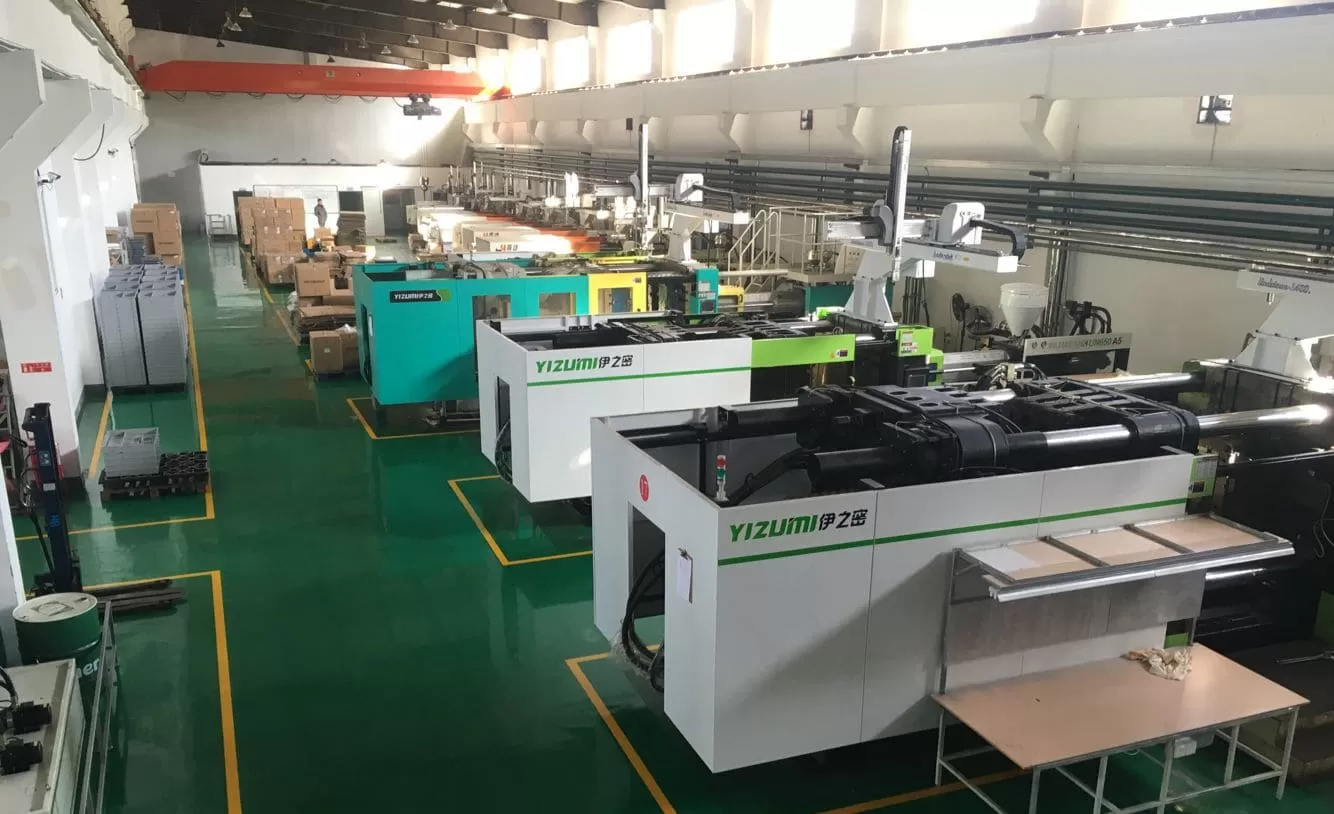
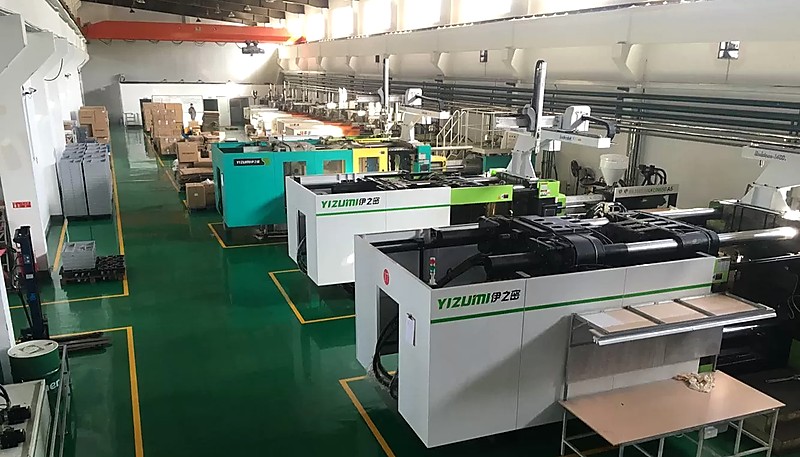
W naszej fabryce w Szanghaju pracujemy na 47 maszynach do formowania wtryskowego o sile zwarciowej od 90T do 1850T, wspieranych przez własny zakład produkcji form i doświadczeniem z ponad 400 materiałami z tworzyw sztucznych — zdolnościami, które pozwalają nam obsługiwać wszystko, od mikro-precyzyjnych złączy po duże obudowy motoryzacyjne pod jednym dachem.
W ZetarMold postrzegamy Indie jako uzupełniający — a nie konkurencyjny — rynek zaopatrzeniowy. Nasz zakład w Szanghaju obsługuje 47 maszyn wtryskowych o sile zwarcia od 90T do 1850T, z wewnętrznym warsztatem formowym dostarczającym ponad 100 zestawów form miesięcznie. Dysponujemy 8 starszymi inżynierami z ponad 10-letnim doświadczeniem, ponad 30 anglojęzycznymi kierownikami projektów i przetwarzamy ponad 400 materiałów. Dla nabywców potrzebujących złożonych form i wysokiej powtarzalności w wielkich nakładach pozostajemy silniejszą opcją. Ale dla scenariuszy wymienionych powyżej, wykwalifikowany indyjski partner może być właściwym wyborem.
FAQ: Pozyskiwanie formowania wtryskowego z Indii
Często zadawane pytania
Jak duży jest indyjski rynek formowania wtryskowego?
Według Grand View Research indyjski rynek wtryskiwanych tworzyw był wart około USD 27.84 billion w 2024 roku i ma osiągnąć USD 38.13 billion do 2030 przy CAGR 5.5%. Największym odbiorcą jest motoryzacja, dalej opakowania, elektronika i ochrona zdrowia. Make in India i PLI napędzają inwestycje, zwłaszcza w zastosowania medyczne i EV, wspierane przez rosnącą klasę średnią.
Która indyjska firma jest największym przetwórcą wtryskowym?
Samvardhana Motherson Group, często nazywana Motherson Sumi, jest powszechnie uznawana za największe indyjskie przedsiębiorstwo formowania wtryskowego pod względem przychodów i skali produkcji. Prowadzi ponad 400 zakładów w przeszło 40 krajach, w tym dziesiątki wtryskowni w Indiach obsługujących światowych producentów OEM z branży motoryzacyjnej. Zakres produkcji obejmuje elementy od małych złączy elektrycznych po duże moduły zderzaków i desek rozdzielczych, wykonywane na maszynach do 2000 t. Poza motoryzacją największym przetwórcą tworzyw w Indiach pod względem całkowitego przerobu polimerów jest Supreme Industries, która prowadzi ponad 25 zakładów w kraju i produkuje wszystko od złączy budowlanych po towary konsumpcyjne.
Jak porównują się koszty wtrysku tworzyw sztucznych w Indiach z kosztami w Chinach?
Koszty pracy w Indiach są zwykle o 15-30% niższe niż w Chinach, lecz całkowity koszt dostarczony zależy od wielu czynników. Tworzywa konstrukcyjne bywają w Indiach droższe z powodu importu, infrastruktura logistyczna może zwiększać opóźnienia i koszty, a złożone formy mogą kosztować więcej z powodu mniejszej liczby wyspecjalizowanych narzędziowni. Indie mogą być konkurencyjne dla prostych części z PP lub PE. W przypadku złożonych części o ciasnych tolerancjach całkowity koszt w Chinach — z uwzględnieniem jakości narzędzia, czasu cyklu i braków — często pozostaje niższy.
Jakich certyfikatów należy szukać u indyjskiego producenta wtryskowego?
Przynajmniej każdy wiarygodny indyjski producent wtryskowy powinien posiadać certyfikat ISO 9001 dotyczący zarządzania jakością. W przypadku części motoryzacyjnych niezbędny jest certyfikat IATF 16949. W przypadku wyrobów medycznych wymagany jest certyfikat ISO 13485. Certyfikaty zarządzania środowiskowego (ISO 14001) oraz bezpieczeństwa i higieny pracy (ISO 45001) są wskaźnikami bardziej dojrzałej działalności. Zawsze sprawdzaj, czy zakres certyfikacji obejmuje konkretny zakład produkujący Twoje części, a nie tylko centralę firmy. Żądaj bezpośrednio od dostawcy aktualnych kopii certyfikatów zamiast polegać na oświadczeniach ze strony internetowej lub materiałach marketingowych.
Jaki jest typowy czas realizacji form wtryskowych z Indii?
Typowy termin wykonania nowej formy wtryskowej przez indyjskiego dostawcę wynosi od 8 do 14 tygodni, zależnie od złożoności formy, liczby gniazd i bieżącego obciążenia dostawcy. Obejmuje to przegląd projektu formy, obróbkę stali, dostarczenie próbek T1 oraz poprawki. Dla porównania chińscy producenci form zazwyczaj realizują formy o podobnej złożoności w ciągu 4–8 tygodni. Dłuższy termin realizacji w Indiach wynika częściowo z mniejszej koncentracji łańcucha dostaw oprzyrządowania — mniejsza liczba wyspecjalizowanych dostawców stali formierskiej i zakładów obróbki cieplnej sprawia, że więcej operacji wykonuje się sekwencyjnie zamiast równolegle.
Czy indyjscy producenci form radzą sobie z zaawansowanymi tworzywami sztucznymi jak PEEK, LCP czy PPSU?
Tak, ale tylko niewielka liczba indyjskich firm dysponuje wyposażeniem i wiedzą procesową potrzebną do przetwarzania wysokotemperaturowych tworzyw konstrukcyjnych. Firmy takie jak Mefron Technologies i NSK India potrafią niezawodnie przetwarzać materiały, takie jak PEEK, LCP i PPSU. Większość indyjskich firm wtryskowych koncentruje się na tworzywach masowych (PP, PE, ABS) i standardowych tworzywach konstrukcyjnych (PA6, PA66, PC, POM). Jeśli projekt wymaga specjalistycznych materiałów wysokotemperaturowych, przed złożeniem zamówienia seryjnego sprawdź doświadczenie dostawcy z konkretnym tworzywem i poproś o dane próbek z wcześniejszych serii produkcyjnych.
Gotowy do pozyskania części formowanych wtryskowo?
Indyjski przemysł formowania wtryskowego jest dobrze rozwinięty i nadal rośnie. Firmy takie jak Motherson, Tata AutoComp i Supreme Industries dostarczają wysokiej jakości części na dużą skalę dla branży motoryzacyjnej i sektora produktów konsumenckich. Jednak w przypadku złożonych form, wąskich tolerancji, tworzyw konstrukcyjnych i wymagających terminów realizacji chiński ekosystem produkcyjny wciąż ma przewagę strukturalną.
Nasza sugestia: zacznij od małego zamówienia próbnego. Przetestuj jakość formy, szybkość reakcji w komunikacji i niezawodność dostaw przed zaangażowaniem się w produkcję wielkoseryjną. Niezależnie od tego, czy ta próba trafi do Indii, czy Chin, dane z rzeczywistej produkcji powiedzą Ci więcej niż jakakolwiek broszura marketingowa.
Jeżeli potrzebujesz partnera do złożonego, wielkoseryjnego formowania wtryskowego — form wielogniazdowych, części z tworzyw konstrukcyjnych o wąskich tolerancjach lub programów wymagających ponad 100 tys. sztuk o stałej jakości — porozmawiaj z naszym zespołem inżynierów. ZetarMold eksportuje z Szanghaju na cały świat od 2013 roku, dysponuje 47 maszynami, ponad 400 opcjami materiałowymi i sześciostopniowym procesem jakości od IQC do OQC.
formowanie wtryskowe: Formowanie wtryskowe to proces produkcyjny, w którym stopiony materiał jest wtryskiwany pod wysokim ciśnieniem do gniazda formy, gdzie stygnie i zestala się w żądany kształt; jest powszechnie stosowany do masowej produkcji części z tworzyw sztucznych. ↩
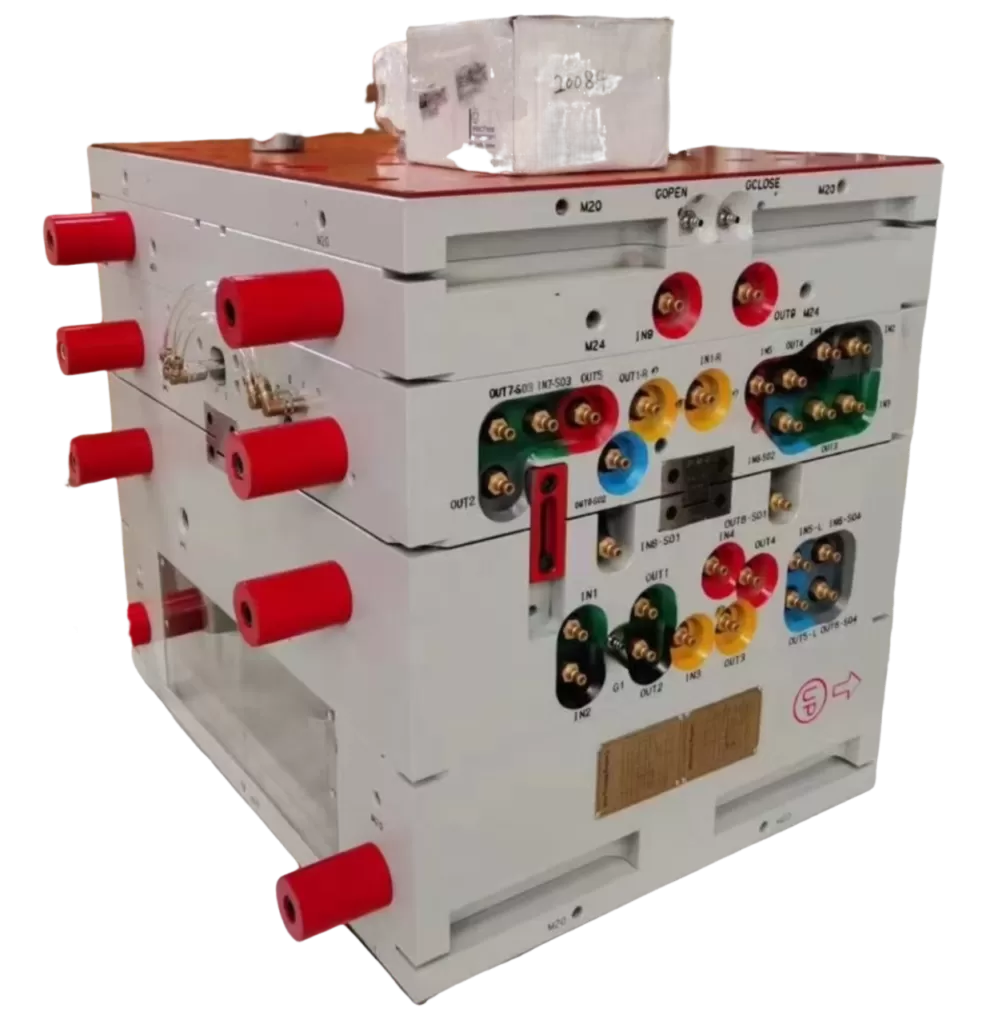
forma wtryskowa: Forma wtryskowa to precyzyjnie obrobione narzędzie ze stali lub aluminium, które wyznacza geometrię gniazda, do którego w procesie formowania wtryskowego trafia stopione tworzywo, aby utworzyć część. ↩
obtryskiwanie: Obtryskiwanie to dwuetapowy proces formowania wtryskowego, w którym drugi materiał jest formowany na wcześniej wykonanym podłożu, aby dodać miękką powierzchnię, uszczelnienie lub wielokolorowe elementy części. ↩