Productie van spuitgietmatrijzen in India: een complete inkoopgids
U beoordeelt leveranciers van kunststofonderdelen en iemand in uw team vroeg naar India. Een terechte vraag: de Indiase markt voor spuitgegoten kunststof werd in 2024 gewaardeerd op USD 27,84 miljard en zal naar verwachting in 2030 USD 38,13 miljard bereiken, met een CAGR van 5,5%. Het land heeft meer dan 5.000 kunststofverwerkende bedrijven, een jonge beroepsbevolking en overheidsstimulansen voor lokale productie. Maar betekent een groeiende markt ook dat u er een goede leverancier voor uw specifieke project vindt? Niet altijd. Deze gids geeft een eerlijk beeld: wie de belangrijkste spelers zijn, waar ze goed in zijn, waar ze tekortschieten en hoe India zich voor de inkoop van kunststofonderdelen verhoudt tot China.
Voor een breder overzicht behandelt onze complete gids over spuitgieten de basisprincipes van het proces, materiaalgedrag en productiebeslissingen.
- De Indiase spuitgietmarkt zal naar verwachting in 2030 USD 38.13 miljard bedragen, aangedreven door de automobiel-, verpakkings- en medische sector.
- Tot de belangrijkste Indiase bedrijven behoren Samvardhana Motherson, Tata AutoComp, Supreme Industries en NSK — elk met eigen sterke punten.
- India biedt 15-30% lagere arbeidskosten dan China, maar de matrijskwaliteit, doorlooptijden en infrastructuur verschillen sterk per leverancier.
- Belangrijkste selectiecriteria: ISO/IATF-certificeringen, cleanroomcapaciteit, communicatie in het Engels en bereidheid tot matrijsproeven.
- Voor complexe programma's of productie in grote volumes behouden Chinese fabrikanten voordelen op het gebied van matrijsprecisie, sluitkrachtbereik en productieschaal.
Wat is de huidige stand van de Indiase spuitgietindustrie?
De Indiase spuitgietindustrie1 is groot, versnipperd en groeit snel — jaarlijks wordt er meer dan 20 miljoen ton polymeren verwerkt. De sector levert aan de automobielindustrie, de grootste afnemer, consumentenelektronica, verpakkingen, gezondheidszorg en bouw. Overheidsprogramma’s zoals Make in India en de Production Linked Incentive-regeling hebben investeringen in productie-infrastructuur versneld.
De sector blijft echter versnipperd. Enkele grote beursgenoteerde ondernemingen bestaan naast duizenden kleine loonspuitgieters met 50-200T-machines en beperkte kwaliteitssystemen. Alleen al automotive verbruikt circa 30% van India’s spuitgegoten kunststofproductie. Maruti Suzuki, Tata Motors en Mahindra vertrouwen op binnenlandse Tier-1- en Tier-2-leveranciers voor interieurdelen, onderdelen onder de motorkap en elektrische behuizingen.
Het segment medische hulpmiddelen groeit het snelst, gedreven door de Indiase stimulering van binnenlandse productie voor de gezondheidszorg en de toenemende export naar gereguleerde markten zoals de US en EU. Spuitgieten in een cleanroom — ooit zeldzaam in India — is nu bij een groeiend aantal fabrieken beschikbaar, al blijft deze capaciteit geconcentreerd bij de toonaangevende leveranciers.
Het polymeerverbruik in India zal naar verwachting tegen 2030 verdubbelen; polypropyleen (PP) en polyethyleen (PE) zijn samen goed voor meer dan 60% van de totale vraag. De afhankelijkheid van geïmporteerde technische harsen — materialen als polycarbonaat, PEEK en LCP — blijft een structurele zwakte die zowel materiaalkosten als doorlooptijd beïnvloedt voor inkopers die deze kwaliteiten specificeren.
Welke trends bepalen de Indiase spuitgietsector?
Verschillende macrotrends hervormen het Indiase spuitgietlandschap. Ten eerste creëert de transitie naar elektrische voertuigen volledig nieuwe vraagcategorieën — batterijbehuizingen, behuizingen voor thermisch beheer en lichtgewicht constructiebeugels — die vijf jaar geleden niet bestonden. Indiase spuitgieters die in machines met een hoge sluitkracht (1000T+) hebben geïnvesteerd, profiteren van deze groei.
Ten tweede groeit de sector voor medische hulpmiddelen jaarlijks met 15-20%. Spuitgieten in cleanroomomgevingen verandert van een nichecapaciteit in een basiseis voor elke leverancier die zich op OEM’s in de gezondheidszorg richt.
Ten derde neemt de druk op duurzaamheid toe. Regelgeving inzake uitgebreide producentenverantwoordelijkheid verplicht kunststofproducenten nu rekening te houden met recycling aan het einde van de levensduur. Toonaangevende Indiase spuitgietbedrijven experimenteren met post-consumer gerecyclede (PCR) harsen en biogebaseerde polymeren, hoewel de toepassing zich nog in een vroeg stadium bevindt.
Ten vierde versnelt automatisering. Alleen loonarbitrage wint geen orders meer. Bedrijven investeren in robotische productuitname, sensoren in de matrijs en realtime SPC-bewaking om de kwaliteitsconsistentie te evenaren die inkopers van Chinese of Zuidoost-Aziatische leveranciers verwachten.
Een vijfde trend om in de gaten te houden: verschillende Indiase Tier-1-leveranciers vestigen of verwerven productiefaciliteiten in Zuidoost-Azië en Oost-Europa. Motherson en Tata AutoComp hebben nu productievestigingen in meer dan 40 landen. Deze uitbreiding betekent dat samenwerking met een Indiaas bedrijf soms toegang kan bieden tot nearshore-productie in Europa of ASEAN — en niet alleen tot productie in India.
"De Indiase markt voor gespuitgiete kunststoffen zal naar verwachting tot 2030 groeien met een CAGR van 5.5%."True
Volgens Grand View Research bedroeg de marktwaarde in 2024 USD 27.84 miljard en zal deze naar verwachting in 2030 USD 38.13 miljard bereiken, gedreven door de vraag vanuit de auto-, medische en verpakkingssector.
"Indiase spuitgietbedrijven kunnen voor alle onderdeeltypen de Chinese matrijsprecisie en productieschaal evenaren."False
Hoewel grote Indiase bedrijven zoals Motherson en NSK in hun specialismen uitstekende precisie behalen, heeft de bredere industrie moeite met complexe matrijzen met meerdere holten en consistent nauwe toleranties in serieproductie. Het Chinese gereedschapsecosysteem houdt voor de meeste commerciële toepassingen duidelijke voordelen in matrijscomplexiteit, levertijd en kosten.
Hoe kiest u een spuitgietleverancier in India?
Bij het selecteren van een Indiase spuitgietpartner gaat het niet om het grootste bedrijf, maar om het afstemmen van capaciteiten op uw specifieke eisen. Op basis van 20+ jaar samenwerking met leveranciers in heel Azië volgt hier een praktisch kader.
Definieer eerst uw technische vereisten
Documenteer vóór contact met een leverancier uw onderdeelspecificaties duidelijk: materiaal, tolerantiebereik, jaarvolume, oppervlakteafwerking, kleurconsistentie en wettelijke eisen (UL94, FDA, USP Class VI). Hoe nauwkeuriger de specificatie, hoe sneller u gekwalificeerde leveranciers van wensdenkers onderscheidt.
Verifieer certificeringen, niet alleen beweringen
Vraag actuele kopieën van certificaten, geen screenshots van een website. IATF 16949 is essentieel voor automotive, ISO 13485 voor medisch. ISO 9001 is een basisvoorwaarde; ontbreekt die, kies dan een ander bedrijf. Controleer of de certificaatscope de specifieke productielocatie dekt en niet alleen het hoofdkantoor.
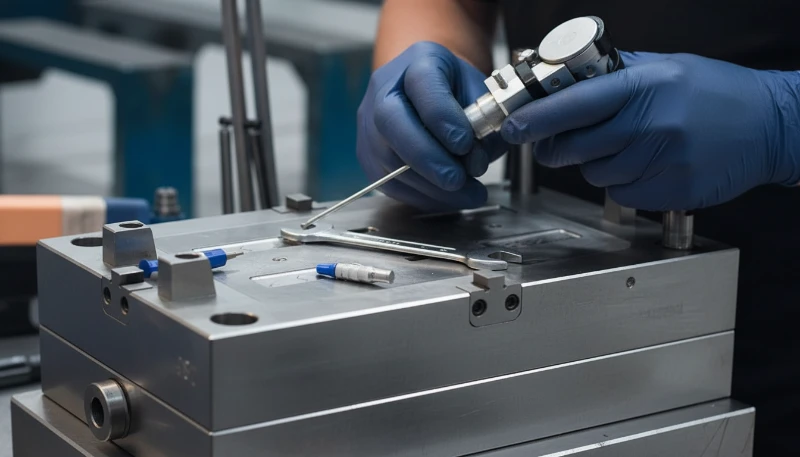
Vraag om matrijsproeven voordat u zich vastlegt
Elke geloofwaardige fabrikant van spuitgietmatrijzen2 moet bereid zijn proefonderdelen te produceren voordat u een overeenkomst voor serieproductie tekent. Betaal voor de proef — het is de goedkoopste verzekering die u ooit zult afsluiten. Inspecteer de monsters zelf of schakel een externe inspectiedienst in. Controleer de hele proefserie op bramen, inval, laslijnen en maatvastheid.
Een matrijsproef laat ook zien hoe de leverancier problemen aanpakt. Als T1-monsters braamvorming of onvolledige vulling vertonen, stelt de leverancier dan proactief oplossingen voor of wacht hij op uw instructies? De reactie op problemen bij de eerste proefrun zegt meer over de technische diepgang van een leverancier dan welke verkooppresentatie ook.
Evalueer communicatie en projectmanagement
Indiase bedrijven beschikken doorgaans over goede Engelse communicatievaardigheden — een reëel voordeel voor Noord-Amerikaanse en Europese inkopers. De communicatiekwaliteit verschilt echter sterk tussen een organisatie van het niveau van Motherson en een loonspuitgieterij met 20 machines. Vraag: wie wordt uw directe contactpersoon? Welke SLA geldt voor de reactietijd? Leveren ze wekelijkse productierapporten?
Beoordeel ook de bereidheid om productiegegevens te delen: realtime machinebewaking, SPC-grafieken en opbrengstrapporten. Leveranciers die proactief gegevens delen, zijn doorgaans betrouwbaardere langetermijnpartners dan leveranciers die alleen communiceren wanneer er een probleem is.
"India biedt westerse kopers echte voordelen voor communicatie in het Engels ten opzichte van de meeste Chinese leveranciers."True
Engels is een officiële taal in India en wordt veel in het bedrijfsleven gebruikt. De meeste middelgrote tot grote Indiase vormbedrijven hebben Engelssprekende projectmanagers in dienst, waardoor RFQ-besprekingen, technische beoordelingen en probleemoplossing eenvoudiger zijn voor westerse kopers.
"Alle Indiase spuitgieters leveren automatisch wekelijkse productierapporten."False
Indiase topbedrijven zoals Motherson en Tata AutoComp beschikken over geavanceerde projectmanagementsystemen met regelmatige rapportage, terwijl middelgrote leveranciers vaak alleen basale communicatie bieden. Wekelijkse productierapporten, realtime SPC-bewaking en proactieve probleemupdates zijn doorgaans alleen beschikbaar bij premiumleveranciers en zijn geen standaardpraktijk in de hele sector.
Top 10 spuitgietbedrijven in India
Hieronder staat een praktisch overzicht van de meest capabele spuitgietbedrijven in India. Dit is geen ranglijst, maar een veldgids op basis van reputatie, certificeringen en productiecapaciteit.
1. Samvardhana Motherson Group (Motherson Sumi)
Motherson is de grootste fabrikant van automotive componenten in India en een van ‘s werelds grootste leveranciers van kabelbomen en kunststofmodules. Het bedrijf exploiteert meer dan 400 vestigingen in 40+ landen, waaronder tientallen spuitgietfabrieken in India. De spuitgietcapaciteit varieert van kleine elektrische connectoren tot grote bumper- en dashboardmodules, met machines tot 2,000T. Het bedrijf beschikt over IATF 16949, ISO 9001 en meerdere OEM-specifieke certificeringen. Als u volumes van automotive kwaliteit nodig hebt, is Motherson de eerste partij om te bellen. Het bedrijf werd opgericht in 1986, heeft zijn hoofdkantoor in Noida en telt wereldwijd meer dan 150,000 medewerkers.
2. Tata AutoComp Systems
Tata AutoComp maakt deel uit van het ecosysteem van de Tata Group en levert kunststofonderdelen aan Tata Motors, Jaguar Land Rover en andere wereldwijde OEM’s. De spuitgietactiviteiten omvatten toepassingen voor auto-interieurs, exterieurs en onder de motorkap. Het bedrijf gebruikt precisiematrijzen met meerdere caviteiten en heeft zwaar geïnvesteerd in behuizingsprogramma’s voor accu’s van elektrische voertuigen (EV’s). Enkele nieuwere programma’s gebruiken overspuiten3 voor zacht aanvoelende interieurvlakken. Tata AutoComp is gecertificeerd volgens IATF 16949 en ISO 14001. Het bedrijf werd opgericht in 1995, heeft zijn hoofdkantoor in Pune en telt ongeveer 6.000 werknemers.
3. Bedrijf Supreme Industries Ltd
Supreme Industries is naar volume de grootste kunststofverwerker van India. Spuitgieten is hun kernproces. Ze bedienen de bouw (buizen, fittingen), consumentengoederen, meubels en industriële verpakkingen. Met meer dan 25 productielocaties en honderden spuitgietmachines verwerkt Supreme alles van standaard PP-emmers tot technische kunststofcomponenten. Hun kracht ligt in schaalgrootte en kostenefficiëntie. Het bedrijf is opgericht in 1942, gevestigd in Mumbai, telt meer dan 5,000 medewerkers en heeft een omzet van ruim USD 700 miljoen.
4. NSK Bearings India (Nippon Seiko)
NSK brengt Japanse productiediscipline naar de Indiase markt. Hun Indiase activiteiten produceren precisie-gegoten lagercages, sensorbehuizingen en andere componenten met strakke toleranties voor automotive en industriële toepassingen. Als uw project dimensionale nauwkeurigheid vereist in het ±0,02mm bereik, is NSK een van de weinige Indiase spuitgieters die dat niveau consistent halen. Opgericht in 1916 (Japan), Indiase activiteiten sinds de jaren 90, hoofdkantoor in Chennai, met meer dan 2.000 werknemers in India.
5. Arihant Dies and Moulds
Arihant is een van de snelst groeiende spuitgietbedrijven in India en richt zich sterk op componenten voor auto’s en elektrische apparaten. Het bedrijf biedt integrale dienstverlening, van matrijsontwerp en -fabricage tot serieproductie. De interne matrijzenbouw is onderscheidend: veel Indiase spuitgieters besteden de matrijzenbouw uit, wat extra doorlooptijd en kwaliteitsrisico oplevert. Arihant werd opgericht in 1998, heeft zijn hoofdkantoor in Pune, telt ongeveer 500 werknemers en is IATF 16949-gecertificeerd.
6. Hero AutoParts (Hero Groep)
Hero AutoParts is de kunststofcomponentendivisie van Hero Group, India’s grootste fabrikant van tweewielers. De spuitgietdivisie produceert brandstoftanks, stroomlijnkappen, instrumentpanelen en constructiecomponenten voor motorfietsen en scooters. In meerdere fabrieken in Noord-India draaien meer dan 47 spuitgietmachines van 80T tot 1200T. Opgericht in 1985, hoofdkantoor in Gurgaon, ongeveer 3,000 medewerkers. ISO 9001- en IATF 16949-gecertificeerd.
7. UNO Minda (Minda Industries)
UNO Minda is een grote Tier-1-leverancier voor de auto-industrie en produceert gespuitgiete interieur- en exterieurcomponenten, schakelaarmodules en lampbehuizingen. Het bedrijf levert aan Maruti Suzuki, Hyundai India, Honda en de Indiase activiteiten van Toyota. De spuitgietfabrieken gebruiken machines tot 1600T en beschikken over eigen lak- en chroomgalvaniseerlijnen. UNO Minda is opgericht in 1958, heeft zijn hoofdkantoor in Gurgaon, telt meer dan 7,000 medewerkers en is gecertificeerd volgens IATF 16949 en ISO 14001.
8. Primex Plastics India
Primex Plastics richt zich op op maat gemaakt spuitgieten voor consumentenapparatuur, industriële componenten en verpakkingen. Ze exploiteren een middelgrote faciliteit met 30+ machines variërend van 50T tot 650T, gericht op het zoete punt van middelgrote, multi-cavitatieproductie. Primex is een goede optie voor kopers die flexibele MOQ’s nodig hebben en bereid zijn maximale schaal in te ruilen voor meer aandachtig projectmanagement. Opgericht in 2001, gevestigd in Vadodara, Gujarat, met ongeveer 200 werknemers en ISO 9001-certificering.
9. Mefron Technologies
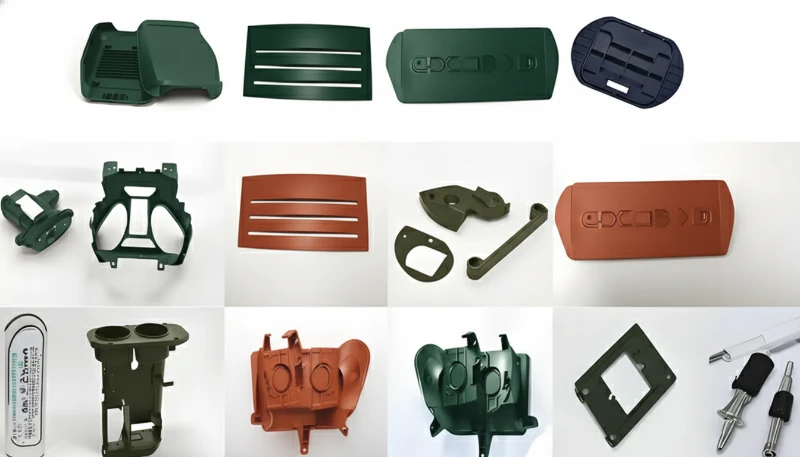
Mefron is gespecialiseerd in precisie spuitgieten voor elektronica en medische apparaten. Hun faciliteit omvat ISO Klasse 7 en Klasse 8 cleanroom spuitgietruimtes, waardoor ze een van de weinige Indiase bedrijven zijn die FDA-gereguleerde componenten kunnen produceren. Ze verwerken technische kunststoffen zoals PEEK, LCP en PPSU. Opgericht in 2005, gevestigd in Bangalore, met ongeveer 150 werknemers. Certificeringen omvatten ISO 9001, ISO 13485 en ISO 14001.
10. Ikon Moulders
Ikon Moulders heeft een niche in precisiecomponenten voor lucht- en ruimtevaart- en defensietoepassingen. Hun spuitgietactiviteiten richten zich op nauwe tolerantie, lage tot middelmatige volumeproductie in hoogwaardige materialen, met mogelijkheden waaronder overspuiten voor multi-materiaal toepassingen. Ze hebben naast ISO 9001 ook AS9100 (lucht- en ruimtevaartkwaliteitsstandaard), wat zeldzaam is onder Indiase spuitgieters. Opgericht in 2003, gevestigd in Hyderabad, met ongeveer 120 werknemers.
Hoe Verhoudt India Zich tot China voor Kunststof Sourcing?
Dit is de vraag die we het vaakst horen, dus laten we direct zijn. China blijft om goede redenen wereldwijd de dominante leverancier voor spuitgieten: een volwassen ecosysteem voor matrijsbouw, een enorme productieschaal en een hoge dichtheid van de toeleveringsketen die doorlooptijden verkort. India is concurrerend en verbetert snel, maar het verschil is reëel.
| Invloedsfactor | India | China |
|---|---|---|
| Gietvormkwaliteit (Complexe Gereedschappen) | Matig — beperkte hoog-cavitatiecapaciteit | Sterk — diepgaand ecosysteem van gereedschapsclusters |
| Arbeidskosten | 15-30% lager dan China | Hoger maar gecompenseerd door efficiëntie |
| Engelstalige communicatie | Sterk voordeel | Vereist vaak een tussenpersoon |
| Productieschaal | Groeiend, maar gefragmenteerd | Enorm en geconsolideerd |
| Doorlooptijd (Gietvorm + T1 Monsters) | 8-14 weken gebruikelijk | 4-8 weken gebruikelijk |
| Beschikbaarheid materiaal | Goed voor commodity-kunststoffen, beperkt voor specialiteiten | Uitstekend voor alle kunststoftypes |
| Logistieke Infrastructuur | Verbeterend, maar havenvertragingen komen vaak voor | Volwassen, snelle haven-naar-haven |
Voor bedrijven die zich richten op de Indiase binnenlandse markt — het opzetten van lokale productie om Maruti, Tata of Indiese consumentenmerken te bedienen — is de beslissing duidelijk. Op India gebaseerd spuitgieten is economisch en logistiek zinvol. Voor bedrijven die wereldwijd inkopen en India versus China puur vergelijken op kosten en capaciteit, wint China nog steeds op de meeste technische en operationele indicatoren.
"China blijft wereldwijd de dominante leverancier van spuitgietwerk gemeten naar totale productiecapaciteit."True
China vertegenwoordigt ongeveer 30% van de wereldwijde productie van kunststof spuitgieten, met meer dan 15.000 grootschalige spuitgietfaciliteiten geconcentreerd in de provincies Guangdong, Jiangsu en Zhejiang. Deze concentratie creëert een volwassen gereedschapsecosysteem, kortere levertijden voor complexe matrijzen en betere beschikbaarheid van technische kunststoffen vergeleken met India of Zuidoost-Azië.
"Lagere arbeidskosten in India betekenen automatisch lagere totale onderdeelkosten dan in China."False
De arbeidskosten voor productiemedewerkers in India zijn inderdaad 15-30% lager dan in China. De totale landed cost hangt echter af van materiaalprijzen (in India vaak hoger door importafhankelijkheid voor technische harsen), logistieke infrastructuur, matrijskosten en opbrengstpercentages. Voor complexe technische onderdelen zijn de totale kosten in China vaak nog lager wanneer gereedschapskwaliteit, cyclustijdefficiëntie en uitvalpercentages meetellen.
Het ideale gebied voor sourcing uit India zijn middelhoge volumes onderdelen in commodity- of semi-geëngineerde kunststoffen, waar de besparingen op arbeidskosten de infrastructuurwrijving overtreffen. Voor al het andere — complexe meervoudige gietvormen, technische kunststoffen, strakke toleranties of agressieve tijdlijnen — behoudt China een meetbaar voordeel in zowel capaciteit als totale kosten.
Een factor die kopers vaak onderschatten, is materiaalkosten. India produceert PP en PE lokaal via Reliance en Indian Petrochemicals, dus prijzen voor standaardharsen zijn concurrerend. Maar technische kunststoffen — PC, POM, PBT, PPS, PEEK — worden grotendeels geïmporteerd, en de totale kosten in India kunnen 10-25% hoger zijn dan in China, waar de lokale harsproductie meer gediversifieerd is. Voor een onderdeel waar materiaal 40-60% van de totale kosten vertegenwoordigt, kan dit verschil alleen al de arbeidsbesparingen tenietdoen.
Logistiek is een andere variabele. Grote Indiase havens zoals Nhava Sheva (Mumbai) en Chennai verwerken containerverkeer efficiënt, maar binnenlands transport vanuit productieclusters in Pune, Gurgaon of Bangalore naar de haven voegt 2-5 dagen en aanzienlijke vrachtkosten toe. De Chinese haveninfrastructuur en de nabijheid van productiezones tot de havens van Shanghai, Shenzhen en Ningbo zorgen voor snellere doorlooptijden en lagere binnenlandse vrachtkosten voor exportzendingen.

Wanneer is India de Juiste Sourcingkeuze?
India is de juiste keuze wanneer u toegang tot de binnenlandse markt nodig heeft, goedkope hoogvolumeproductie, of diversificatie van de toeleveringsketen buiten China. Dit is wanneer we het oprecht zouden aanbevelen.
U verkoopt op de Indiase binnenlandse markt. Als uw eindklant een Indiase OEM is — Maruti Suzuki, Tata Motors, Reliance of Godrej — vermijdt lokale productie invoerrechten van 20–30% en vermindert zij de logistieke complexiteit. Het Make in India-kader vereist bovendien lokale inhoud voor veel overheidsopdrachten.
U hebt middelgrote volumes onderdelen nodig uit standaard- of semitechnische harsen. Voor onderdelen van PP, PE, ABS en eenvoudig nylon in aantallen van 10.000 tot 500.000 eenheden per jaar kunnen Indiase leveranciers concurrerend zijn, vooral wanneer Engelstalige communicatie en afstemming met de Europese tijdzones meetellen.
Uw project vereist cleanroomspuitgieten voor medische hulpmiddelen die bestemd zijn voor de Indiase markt. Bedrijven als Mefron en NSK hebben geïnvesteerd in cleanrooms van ISO-klasse 7/8. Voor medische hulpmiddelen die in India’s snelgroeiende zorgsector worden verkocht, wordt lokale productie steeds vaker wettelijk verplicht.
"De Indiase markt voor medische hulpmiddelen groeit jaarlijks met 15-20%, wat investeringen in cleanroomspuitgieten stimuleert."True
De Indiase markt voor medische hulpmiddelen behoort tot de snelst groeiende in Azië. De overheid bevordert binnenlandse productie actief via de PLI-regeling en hervormingen van de regelgeving. Deze groei zet Indiase spuitgieters ertoe aan te investeren in cleanroominfrastructuur om opdrachten van medische OEM's binnen te halen die voorheen in China of Zuidoost-Azië werden ingekocht.
"Alle grote Indiase spuitgietbedrijven beschikken nu over interne matrijzenbouwcapaciteit."False
In werkelijkheid besteden de meeste Indiase spuitgieters de matrijsbouw nog steeds uit aan gespecialiseerde matrijzenmakers. Slechts een minderheid van de bedrijven — zoals Motherson, Arihant en enkele andere — ontwerpt en vervaardigt matrijzen intern. Deze uitbesteding verlengt de doorlooptijd en kan hiaten in de kwaliteitscontrole veroorzaken, omdat de spuitgieter tijdens de productieopschaling niet rechtstreeks aanpassingen aan de matrijs kan itereren.
U wilt uw toeleveringsketen buiten China diversifiëren. Dit is een strategische, niet uitsluitend economische beslissing. Sommige bedrijven verdelen de productie bewust over China en India om geopolitieke risico’s te beperken. De meerkosten van India zijn reëel — doorgaans liggen de totale geleverde kosten voor hetzelfde onderdeel 10–20% hoger — maar voor uw organisatie kan de risicoreductie dat rechtvaardigen.
In alle andere situaties — complexe meervoudige matrijzen, technische harsen met nauwe toleranties, grote series boven 1M stuks/jaar of agressieve doorlooptijden — blijft het Chinese ecosysteem voor gereedschap en productie de sterkere keuze.
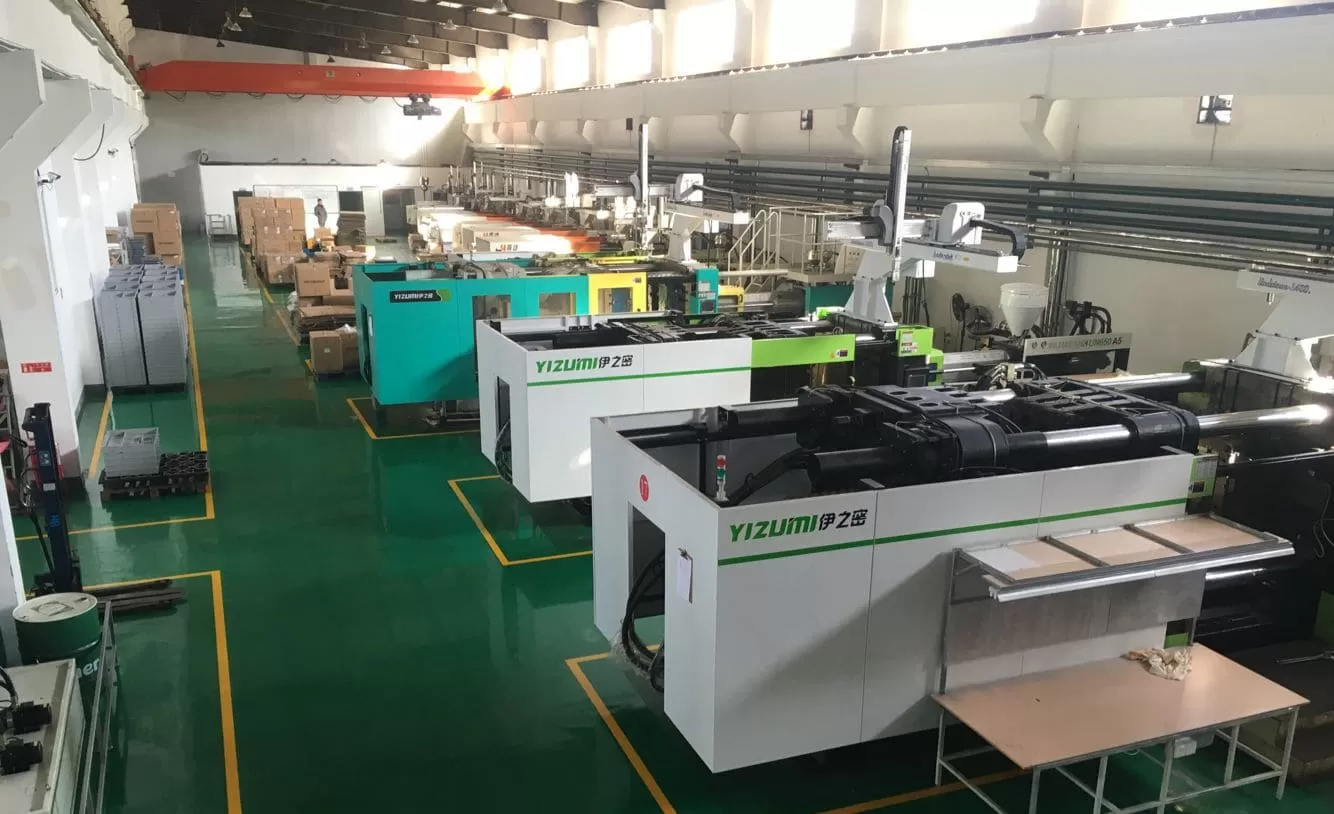
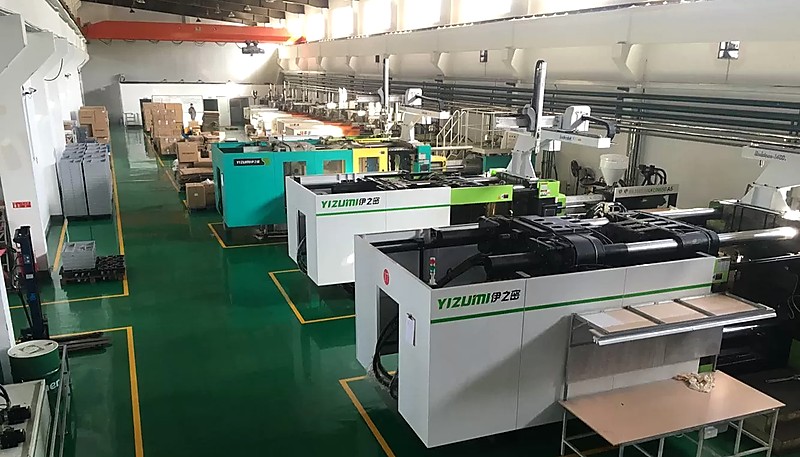
In onze fabriek in Shanghai draaien 47 spuitgietmachines met klemkrachten van 90T tot 1850T, ondersteund door een eigen matrijzenmakerij en ervaring met 400+ kunststoffen. Daardoor produceren we onder één dak alles van microprecisieconnectoren tot grote automotive behuizingen.
Bij ZetarMold zien wij India als een aanvullende — niet concurrerende — inkoopmarkt. Onze fabriek in Shanghai gebruikt 47 spuitgietmachines van 90T tot 1850T en heeft een eigen matrijzenmakerij die 100+ matrijssets per maand levert. Wij hebben 8 senior ingenieurs met 10+ jaar ervaring, 30+ Engelssprekende projectmanagers en verwerken 400+ materialen. Voor inkopers die complexe matrijzen en een consistente productie bij hoge volumes nodig hebben, blijven wij de sterkere optie. Voor de hierboven beschreven situaties kan een gekwalificeerde Indiase partner echter de juiste keuze zijn.
FAQ: inkoop van spuitgietwerk in India
Veelgestelde vragen
Hoe groot is de Indiase spuitgietmarkt?
Volgens Grand View Research was de Indiase markt voor spuitgegoten kunststof in 2024 ongeveer USD 27.84 miljard waard. Naar verwachting bereikt deze USD 38.13 miljard in 2030, met een samengestelde jaarlijkse groei van 5.5%. De automobielsector is de grootste afnemer, gevolgd door verpakkingen, consumentenelektronica en gezondheidszorg. Initiatieven zoals Make in India en de PLI-regeling stimuleren investeringen in binnenlandse productiecapaciteit, vooral voor medische toepassingen en elektrische voertuigen. Groei wordt ook gedragen door de groeiende middenklasse en hogere binnenlandse consumptie van kunststofproducten in alle belangrijke eindmarkten.
Welk Indiaas bedrijf is de grootste spuitgieter?
Samvardhana Motherson Group (vaak Motherson Sumi genoemd) wordt op basis van omzet en productieschaal algemeen beschouwd als India’s grootste spuitgietbedrijf. Het concern exploiteert meer dan 400 vestigingen in 40+ landen, waaronder tientallen spuitgietfabrieken in India die wereldwijde automotive-OEM’s bedienen. De spuitgietcapaciteit loopt van kleine elektrische connectoren tot grote bumper- en dashboardmodules op machines tot 2,000T. Voor niet-automotive volumes is Supreme Industries, gemeten naar totale polymeerverwerking, de grootste kunststofverwerker van India, met meer dan 25 fabrieken in het hele land en producten van bouwfittingen tot consumentengoederen.
Hoe verhouden de Indiase spuitgietkosten zich tot die in China?
De Indiase arbeidskosten voor productiemedewerkers zijn over het algemeen 15-30% lager dan de Chinese arbeidskosten. De totale gelande kosten hangen echter af van meerdere factoren naast arbeid: de materiaalprijzen voor technische harsen zijn in India vanwege de importafhankelijkheid vaak hoger, de logistieke infrastructuur kan vertragingen en extra kosten veroorzaken en complexe matrijsgereedschappen kunnen bij Indiase matrijzenmakers zelfs duurder zijn omdat er minder gespecialiseerde leveranciers zijn. Voor eenvoudige onderdelen van standaardharsen zoals PP of PE kan India kostentechnisch concurrerend zijn. Voor complexe technische onderdelen die nauwe toleranties vereisen, zijn de totale kosten in China, inclusief gereedschapskwaliteit, cyclustijdefficiëntie en uitvalpercentages, vaak nog steeds lager.
Op welke certificeringen moet ik letten bij een Indiase spuitgieter?
Elke betrouwbare Indiase spuitgieter moet minimaal ISO 9001-gecertificeerd zijn voor kwaliteitsmanagement. Voor auto-onderdelen is IATF 16949 essentieel. Voor medische hulpmiddelen is ISO 13485 vereist. Certificering voor milieumanagement (ISO 14001) en gezond en veilig werken (ISO 45001) wijst op een volwassener bedrijf. Controleer altijd of de certificeringsscope de specifieke productielocatie van uw onderdelen omvat, niet alleen het hoofdkantoor. Vraag actuele certificaatkopieën rechtstreeks bij de leverancier op in plaats van te vertrouwen op websiteclaims of marketingmateriaal.
Wat is de gebruikelijke levertijd voor spuitgietmatrijzen uit India?
De gebruikelijke doorlooptijd voor een nieuwe spuitgietmatrijs van een Indiase leverancier bedraagt 8 tot 14 weken, afhankelijk van de complexiteit van de matrijs, het aantal matrijsholten en de huidige werklast van de leverancier. Dit omvat de beoordeling van het matrijsontwerp, het verspanen van staal, het indienen van T1-monsters en revisies. Ter vergelijking: Chinese matrijzenmakers leveren bij een vergelijkbare complexiteit doorgaans binnen 4 tot 8 weken. De langere doorlooptijd in India is deels te wijten aan een minder geconcentreerde toeleveringsketen voor gereedschappen — doordat er minder gespecialiseerde leveranciers van matrijsstaal en warmtebehandelingsfaciliteiten zijn, vindt meer sequentiële dan parallelle verwerking plaats.
Kunnen Indiase spuitgieters technische harsen zoals PEEK, LCP of PPSU verwerken?
Ja, maar slechts een klein aantal Indiase bedrijven beschikt over de apparatuur en proceskennis voor technische hogetemperatuurharsen. Bedrijven zoals Mefron Technologies en NSK India kunnen materialen als PEEK, LCP en PPSU betrouwbaar verwerken. De meeste Indiase spuitgieters richten zich op standaardkunststoffen (PP, PE, ABS) en gangbare technische harsen (PA6, PA66, PC, POM). Als uw project speciale hogetemperatuurmaterialen vereist, controleer dan de ervaring van de leverancier met die specifieke hars en vraag vóór een volumebestelling om monstergegevens uit eerdere productieseries.
Klaar om spuitgegoten onderdelen in te kopen?
De Indiase spuitgietindustrie is reëel en groeit. Bedrijven zoals Motherson, Tata AutoComp en Supreme Industries leveren op schaal kwaliteitsonderdelen voor auto- en consumententoepassingen. Voor complexe matrijzen, nauwe toleranties, technische harsen en korte doorlooptijden behoudt het Chinese productie-ecosysteem echter structurele voordelen.
Ons advies: begin met een kleine proeforder. Test matrijskwaliteit, reactiesnelheid en leverbetrouwbaarheid voordat u volume vastlegt. Of de proef naar India of China gaat, gegevens uit een echte productierun zeggen meer dan marketingmateriaal.
Hebt u een partner nodig voor complex spuitgieten in grote volumes — matrijzen met meerdere caviteiten, onderdelen met nauwe toleranties uit technische harsen of programma’s van meer dan 100K eenheden met constante kwaliteit — neem dan contact op met ons engineeringteam. ZetarMold exporteert sinds 2013 wereldwijd vanuit Shanghai en beschikt over 47 machines, meer dan 400 materiaalopties en een kwaliteitsworkflow in zes stappen, van IQC tot OQC.
Spuitgieten: Spuitgieten is een productieproces waarbij gesmolten materiaal onder hoge druk in een matrijsholte wordt geïnjecteerd, daar afkoelt en stolt tot de gewenste vorm, en veel wordt gebruikt voor massaproductie van kunststofonderdelen. ↩
Spuitgietmatrijs: Een spuitgietmatrijs is een nauwkeurig bewerkt gereedschap van staal of aluminium dat de geometrie bepaalt van de holte waarin gesmolten kunststof tijdens het spuitgietproces wordt geïnjecteerd om een onderdeel te vormen. ↩
Overspuiten: Overspuiten is een spuitgietproces in twee stappen waarbij een tweede materiaal over een eerder gevormd substraat wordt gegoten om een onderdeel te voorzien van zacht aanvoelende oppervlakken, afdichtingen of meerkleurige kenmerken. ↩