Fabricación de moldes de inyección en India: guía completa de abastecimiento
Está evaluando proveedores de piezas plásticas y alguien de su equipo ha preguntado por la India. Es una pregunta razonable: el mercado indio del plástico moldeado por inyección se valoró en USD 27.840 millones en 2024 y se prevé que alcance USD 38.130 millones en 2030, con una CAGR del 5,5 %. El país cuenta con más de 5.000 unidades de transformación de plástico, una población activa joven e incentivos públicos que impulsan la fabricación local. Pero ¿un mercado en crecimiento implica un buen proveedor para su proyecto concreto? No siempre. Esta guía ofrece una visión honesta: quiénes son los principales actores, qué hacen bien, dónde fallan y cómo se compara la India con China para el abastecimiento de piezas plásticas.
Para obtener una perspectiva más amplia, nuestra guía completa de moldeo por inyección aborda los fundamentos del proceso, el comportamiento de los materiales y las decisiones de producción.
- Se prevé que el mercado del moldeo por inyección de la India alcance USD 38.13 billion en 2030, impulsado por los sectores de automoción, envases y medicina.
- Entre las principales empresas indias se encuentran Samvardhana Motherson, Tata AutoComp, Supreme Industries y NSK, cada una con puntos fuertes distintos.
- India ofrece un ahorro de costes laborales del 15-30% frente a China, pero la calidad del molde, los plazos y la infraestructura varían mucho entre proveedores.
- Criterios clave de selección: certificaciones ISO/IATF, capacidad de sala limpia, comunicación en inglés y disposición para realizar pruebas de molde.
- Para programas complejos o de gran volumen, los fabricantes chinos siguen ofreciendo ventajas en precisión de moldes, rango de tonelaje y escala de producción.
¿Cuál es la situación actual de la industria del moldeo por inyección en la India?
La industria india del moldeo por inyección1 es grande, fragmentada y crece con rapidez: procesa más de 20 millones de toneladas de polímeros al año. El sector abastece a la automoción —su mayor consumidor—, electrónica de consumo, envases, sanidad y construcción. Programas públicos como la iniciativa Make in India y el plan Production Linked Incentive han acelerado la inversión en infraestructura manufacturera.
Sin embargo, la industria sigue fragmentada. Unas pocas grandes empresas cotizadas conviven con miles de pequeños talleres que operan máquinas de 50-200T y cuentan con sistemas de calidad limitados. Solo el sector automotriz consume aproximadamente el 30% de la producción india de plástico moldeado por inyección. Empresas como Maruti Suzuki, Tata Motors y Mahindra dependen de proveedores nacionales Tier-1 y Tier-2 para revestimientos interiores, componentes bajo el capó y carcasas eléctricas.
El segmento de dispositivos médicos es el de mayor crecimiento, impulsado por el fomento de la fabricación sanitaria nacional en la India y el aumento de las exportaciones a mercados regulados como EE. UU. y la UE. La capacidad de moldeo en sala limpia —antes poco común en la India— ya está disponible en un número creciente de instalaciones, aunque sigue concentrada entre los proveedores de primer nivel.
Se prevé que el consumo de polímeros de India se duplique para 2030, y que el polipropileno (PP) y el polietileno (PE) representen conjuntamente más del 60% de la demanda total. La dependencia del país de resinas de ingeniería importadas —materiales como policarbonato, PEEK y LCP— sigue siendo una debilidad estructural que afecta tanto al coste del material como al plazo de entrega para los compradores que especifican estos grados.
¿Qué tendencias están configurando el sector del moldeo por inyección de la India?
Varias tendencias macroeconómicas están transformando el sector del moldeo por inyección en India. En primer lugar, la transición al vehículo eléctrico está creando categorías de demanda completamente nuevas —envolventes de baterías, carcasas de gestión térmica y soportes estructurales ligeros— que no existían hace cinco años. Los moldeadores indios que invirtieron en máquinas de gran tonelaje (1000T+) están aprovechando este crecimiento.
En segundo lugar, el sector de dispositivos médicos crece un 15-20% anual. El moldeo por inyección en entornos de sala limpia está pasando de ser una capacidad especializada a un requisito básico para cualquier proveedor dirigido a OEMs del sector sanitario.
En tercer lugar, aumenta la presión por la sostenibilidad. Las normas de responsabilidad ampliada del productor exigen ahora a los fabricantes de plásticos considerar el reciclaje al final de la vida útil. Los principales moldeadores indios experimentan con resinas recicladas posconsumo (PCR) y polímeros de base biológica, aunque su adopción aún es incipiente.
En cuarto lugar, la automatización se acelera. El arbitraje laboral por sí solo ya no consigue pedidos. Las empresas invierten en extracción robotizada de piezas, sensores en el molde y supervisión SPC en tiempo real para alcanzar la uniformidad de calidad que los compradores esperan de proveedores chinos o del sudeste asiático.
Una quinta tendencia que conviene observar: varios proveedores Tier-1 indios están estableciendo o adquiriendo plantas de fabricación en el Sudeste Asiático y Europa del Este. Motherson y Tata AutoComp ya cuentan con presencia productiva en más de 40 países. Esta expansión significa que asociarse con una empresa india a veces puede dar acceso a producción de proximidad en Europa o ASEAN, no solo a fabricación en India.
"Se prevé que el mercado indio del plástico moldeado por inyección crezca a una CAGR del 5.5% hasta 2030."True
Según Grand View Research, el mercado estaba valorado en USD 27.84 mil millones en 2024 y se espera que alcance USD 38.13 mil millones en 2030, impulsado por la demanda de los sectores automotriz, médico y de embalaje.
"Las empresas indias de moldeo por inyección pueden igualar la precisión de los moldes y la escala de producción de China para todos los tipos de piezas."False
Aunque las principales empresas indias, como Motherson y NSK, alcanzan una precisión excelente en sus especialidades, el sector en general tiene dificultades con los moldes complejos de múltiples cavidades y el mantenimiento de tolerancias estrechas uniformes en la producción en volumen. El ecosistema de moldes de China aún ofrece ventajas importantes en complejidad, plazo de entrega y coste para la mayoría de las aplicaciones comerciales.
¿Cómo se elige un proveedor de moldeo por inyección en la India?
Seleccionar un socio de moldeo indio no consiste en encontrar la empresa más grande, sino en adecuar sus capacidades a los requisitos específicos. Este es un marco práctico basado en más de 20 años de trabajo con proveedores de toda Asia.
Defina primero sus requisitos técnicos
Antes de contactar con un proveedor, documente claramente las especificaciones de la pieza: material, rango de tolerancia, volumen anual, acabado superficial, uniformidad del color y cualquier requisito normativo (UL94, FDA, USP Class VI). Cuanto más precisa sea la especificación, antes podrá distinguir a los proveedores cualificados de quienes prometen sin fundamento.
Verifique las certificaciones, no solo las afirmaciones
Solicite copias vigentes de los certificados, no capturas de un sitio web. IATF 16949 es esencial para automoción; ISO 13485, para productos médicos. ISO 9001 es un requisito básico: descarte a cualquier empresa que no lo tenga. Compruebe que el alcance del certificado cubra la instalación específica que producirá sus piezas, no solo una sede corporativa.
Solicite pruebas del molde antes de comprometerse
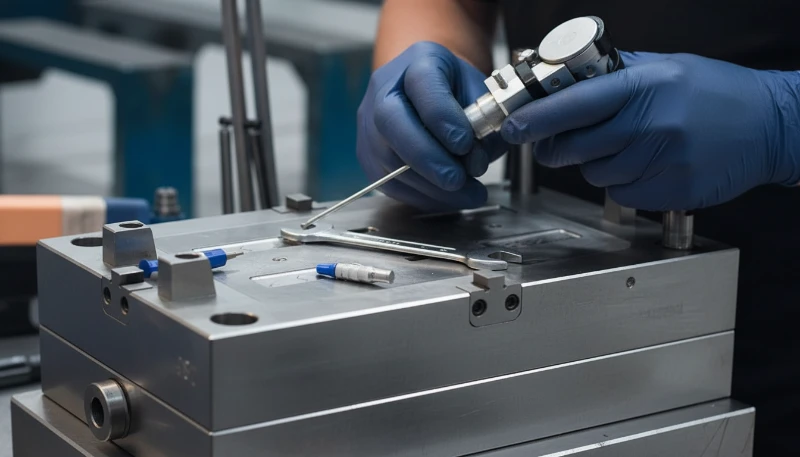
Todo fabricante de moldes de inyección2 solvente debe estar dispuesto a producir piezas de muestra antes de que usted firme un acuerdo de volumen. Pague la prueba: es el seguro más barato que puede comprar. Inspeccione usted mismo las muestras o contrate un servicio de inspección externo. Busque rebabas, rechupes, líneas de soldadura y uniformidad dimensional en todo el lote de muestras.
Una prueba de molde también revela cómo gestiona los problemas el proveedor. Si las muestras T1 presentan rebaba o inyecciones incompletas, ¿propone el proveedor soluciones de forma proactiva o espera sus instrucciones? La respuesta a los problemas de la primera tirada revela más sobre la capacidad técnica de un proveedor que cualquier presentación comercial.
Evaluar la comunicación y la gestión de proyectos
Las empresas indias suelen tener buenos conocimientos de inglés, una ventaja real para los compradores norteamericanos y europeos. Sin embargo, la calidad de la comunicación varía enormemente entre una organización del nivel de Motherson y un taller de 20 máquinas. Pregunte: ¿quién será su contacto directo? ¿Cuál es su SLA de tiempo de respuesta? ¿Proporcionan informes de producción semanales?
Evalúe también su disposición a compartir datos de producción: supervisión de máquinas en tiempo real, gráficos SPC e informes de rendimiento. Los proveedores que comparten datos de forma proactiva suelen ser socios a largo plazo más fiables que quienes solo se comunican cuando surge un problema.
"India ofrece verdaderas ventajas de comunicación en inglés para los compradores occidentales frente a la mayoría de los proveedores chinos."True
El inglés es un idioma oficial en la India y se utiliza ampliamente en los negocios. La mayoría de las empresas indias de moldeo medianas y grandes emplean jefes de proyecto de habla inglesa, lo que facilita las conversaciones sobre RFQ, las revisiones técnicas y la resolución de problemas para los compradores occidentales.
"Todos los moldeadores por inyección indios proporcionan automáticamente informes semanales de producción."False
Aunque empresas indias líderes como Motherson y Tata AutoComp disponen de sofisticados sistemas de gestión de proyectos con informes periódicos, los proveedores medianos suelen ofrecer solo comunicación básica. Los informes semanales, la supervisión SPC en tiempo real y las actualizaciones proactivas suelen estar disponibles únicamente con proveedores prémium, no como práctica estándar del sector.
Las 10 principales empresas de moldeo por inyección de India
A continuación se ofrece un resumen práctico de las empresas de moldeo por inyección más capaces de India. No es una clasificación, sino una guía de campo basada en la reputación del sector, las certificaciones y la capacidad productiva.
1. Grupo Samvardhana Motherson (Motherson Sumi)
Motherson es el mayor fabricante de componentes de automoción de India y uno de los principales proveedores mundiales de mazos de cables y módulos de plástico. Opera más de 400 instalaciones en 40+ países, incluidas decenas de plantas de moldeo por inyección en India. Su capacidad abarca desde pequeños conectores eléctricos hasta grandes módulos de parachoques y salpicaderos, con máquinas de hasta 2,000T. Cuenta con IATF 16949, ISO 9001 y varias certificaciones específicas de OEM. Si necesita volumen de calidad automotriz, Motherson es la primera opción. Fundada en 1986, tiene su sede en Noida y más de 150,000 empleados en todo el mundo.
2.º Tata AutoComp Systems
Como parte del ecosistema Tata Group, Tata AutoComp suministra piezas plásticas a Tata Motors, Jaguar Land Rover y otros OEM mundiales. Sus operaciones de moldeo por inyección abarcan interiores y exteriores de automóviles y aplicaciones bajo el capó. Utiliza moldes de precisión multicavidad y ha invertido mucho en programas de carcasas para baterías de vehículos eléctricos (EV). Algunos programas recientes incluyen sobremoldeo3 para superficies interiores de tacto suave. Tata AutoComp posee las certificaciones IATF 16949 e ISO 14001. Fue fundada en 1995, tiene sede en Pune y aproximadamente 6.000 empleados.
3. Supreme Industries Ltd
Supreme Industries es el mayor procesador de plásticos de la India por volumen. El moldeo por inyección es su proceso principal. Atiende a los sectores de la construcción (tuberías y accesorios), los bienes de consumo, el mobiliario y los embalajes industriales. Con más de 25 plantas de fabricación y cientos de máquinas de moldeo, Supreme gestiona desde cubos de PP de uso general hasta componentes de plásticos técnicos. Su fortaleza reside en la escala y la eficiencia de costes. Fundada en 1942, tiene su sede en Mumbai, más de 5,000 empleados e ingresos superiores a USD 700 millones.
4. NSK Bearings India (Nippon Seiko)
NSK aporta la disciplina de fabricación japonesa al mercado indio. Sus operaciones en India producen jaulas de rodamientos moldeadas con precisión, carcasas de sensores y otros componentes de tolerancia estrecha para aplicaciones automotrices e industriales. Si su proyecto exige precisión dimensional en el rango de ±0.02mm, NSK está entre los pocos moldeadores indios que cumplen consistentemente a ese nivel. Fundada en 1916 (Japón), opera en India desde los años 90, con sede en Chennai, cuenta con más de 2.000 empleados en India.
5. Arihant Dies and Moulds
Arihant es una de las empresas de moldeo por inyección de mayor crecimiento de la India y se centra especialmente en componentes para automoción y electrodomésticos. Presta servicios integrales desde el diseño de moldes y la fabricación hasta la producción en volumen. Su capacidad interna de construcción de moldes la diferencia: muchos moldeadores indios subcontratan esta tarea, lo que añade plazos y riesgos de calidad. Fundada en 1998, tiene sede en Pune, alrededor de 500 empleados y certificación IATF 16949.
6. Hero AutoParts (Grupo Hero)
Hero AutoParts es la división de componentes de plástico de Hero Group, el mayor fabricante de vehículos de dos ruedas de India. Su división de moldeo por inyección produce depósitos de combustible, carenados, paneles de instrumentos y componentes estructurales para motocicletas y scooters. Opera más de 47 máquinas de moldeo por inyección de 80T a 1200T en varias plantas del norte de India. Fundada en 1985, tiene su sede en Gurgaon y unos 3,000 empleados. Cuenta con las certificaciones ISO 9001 e IATF 16949.
7. UNO Minda (Minda Industries)
UNO Minda es un importante proveedor automotriz Tier-1 que produce componentes interiores y exteriores moldeados por inyección, conjuntos de interruptores y carcasas de iluminación. Presta servicio a Maruti Suzuki, Hyundai India, Honda y las operaciones de Toyota en India. Sus plantas de moldeo operan máquinas de hasta 1600T e incluyen líneas internas de pintura y cromado. Fue fundada en 1958, tiene su sede en Gurgaon, cuenta con más de 7,000 empleados y posee las certificaciones IATF 16949 e ISO 14001.
8. Primex Plastics India
Primex Plastics se centra en el moldeo por inyección personalizado para electrodomésticos de consumo, componentes industriales y envases. Operan una instalación de escala media con más de 30 máquinas que van desde 50T hasta 650T, apuntando al punto óptimo de producción de volumen medio y multicavidad. Primex es una buena opción para compradores que necesitan cantidades mínimas de pedido flexibles y están dispuestos a intercambiar la escala máxima por una gestión de proyectos más atenta. Fundada en 2001, con sede en Vadodara, Gujarat, con aproximadamente 200 empleados y certificación ISO 9001.
9. Mefron Technologies
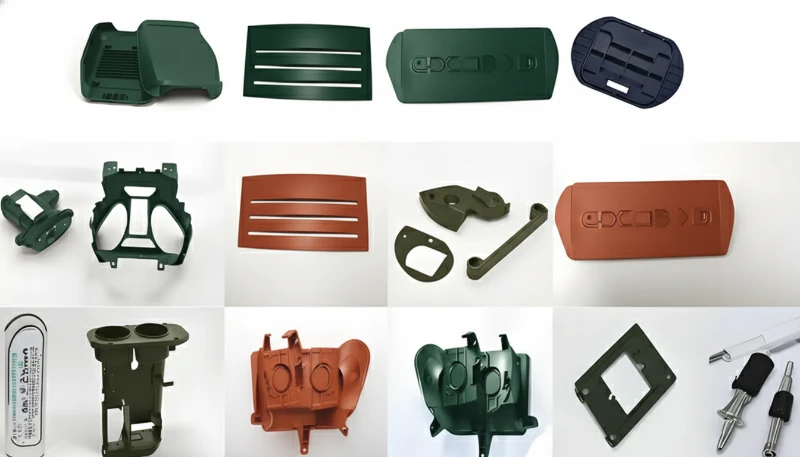
Mefron se especializa en moldeo por inyección de precisión para dispositivos electrónicos y médicos. Sus instalaciones incluyen salas de moldeo en salas limpias Clase ISO 7 y Clase 8, siendo una de las pocas empresas indias capaces de producir componentes regulados por la FDA. Manejan resinas de ingeniería como PEEK, LCP y PPSU. Fundada en 2005, con sede en Bangalore, cuenta con aproximadamente 150 empleados. Sus certificaciones incluyen ISO 9001, ISO 13485 e ISO 14001.
10. Ikon Moulders
Ikon Moulders ocupa un nicho en componentes de precisión para aplicaciones aeroespaciales y de defensa. Sus operaciones de moldeo se centran en producción de baja a media volumen con tolerancias estrechas en materiales de alto rendimiento, con capacidades que incluyen sobre-moldeo para aplicaciones multimaterial. Poseen AS9100 (estándar de calidad aeroespacial) además de ISO 9001, lo cual es raro entre los moldeadores por inyección indios. Fundada en 2003, con sede en Hyderabad, con aproximadamente 120 empleados.
¿Cómo se compara la India con China para el abastecimiento de plásticos?
Es la pregunta más frecuente, así que seremos directos. China sigue dominando el suministro mundial de moldeo por buenas razones: ecosistema maduro de utillaje, enorme escala y densidad de cadena de suministro que acorta plazos. India es competitiva y mejora rápidamente, pero la brecha es real.
| Factor | Mercado de India | China |
|---|---|---|
| Calidad del Molde (Herramientas Complejas) | Moderada — capacidad limitada de alta cavitación | Fuerte — ecosistema de clúster de matricería profunda |
| Coste laboral | 15-30% más bajo que China | Mayor pero compensado por la eficiencia |
| Comunicación en inglés | Fuerte ventaja | A menudo requiere intermediario |
| Escala de Producción | Creciente, pero fragmentada | Masiva y consolidada |
| Tiempo de entrega (Molde + Muestras T1) | 8-14 semanas típicas | 4-8 semanas típicas |
| Disponibilidad de material | Buena para resinas comunes, limitada para especializadas | Excelente para todos los tipos de resina |
| Infraestructura logística | Mejorando, pero los retrasos portuarios son comunes | Madura, rápida de puerto a puerto |
Para las empresas que apuntan al mercado interno indio —establecer producción local para servir a Maruti, Tata o a las marcas de consumo indias— la decisión es obvia. El moldeo con base en India tiene sentido económico y logístico. Para las empresas que se abastecen globalmente y comparan India vs. China únicamente en costo y capacidad, China aún gana en la mayoría de las métricas técnicas y operativas.
"China sigue siendo el principal proveedor mundial de moldeo por inyección por capacidad total de fabricación."True
China representa aproximadamente el 30% de la producción mundial de moldeo por inyección de plástico, con más de 15,000 instalaciones de moldeo a gran escala concentradas en las provincias de Guangdong, Jiangsu y Zhejiang. Esta concentración crea un ecosistema de moldes maduro, tiempos de entrega más cortos para moldes complejos y mejor disponibilidad de materiales para resinas de ingeniería en comparación con India o el Sudeste Asiático.
"Los costes laborales más bajos en la India implican automáticamente un coste total por pieza inferior al de China."False
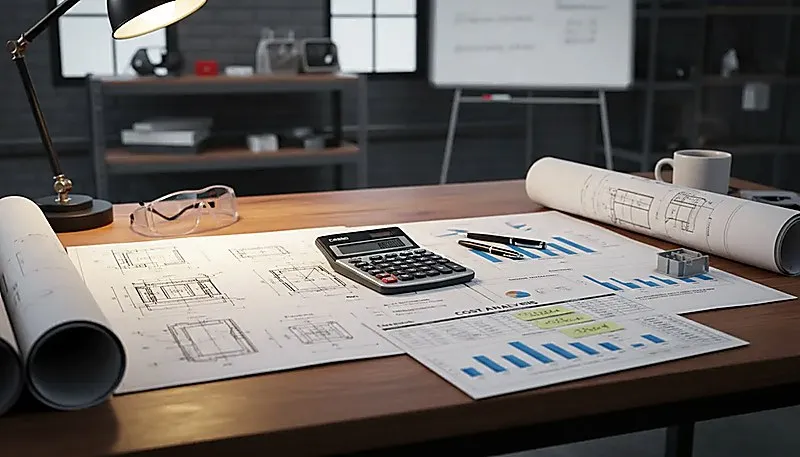
Los salarios de los trabajadores de producción en India son, efectivamente, un 15-30% inferiores a los de China. Sin embargo, el coste total en destino depende de los precios de los materiales (a menudo más altos en India debido a la dependencia de las importaciones de resinas de ingeniería), la infraestructura logística, el coste de los moldes y las tasas de rendimiento. En el caso de piezas técnicas complejas, el coste total de China suele seguir siendo inferior al tener en cuenta la calidad del utillaje, la eficiencia del tiempo de ciclo y las tasas de desperdicio.
El punto óptimo para el abastecimiento en India son piezas de volumen medio en resinas comunes o semi-ingenierizadas, donde el ahorro en costos laborales supera la fricción de infraestructura. Para todo lo demás — moldes multicavidad complejos, resinas de ingeniería, tolerancias estrechas o cronogramas ajustados — China mantiene una ventaja medible tanto en capacidad como en costo total.
Un factor que los compradores a menudo subestiman es el costo del material. India produce PP y PE a nivel nacional a través de Reliance e Indian Petrochemicals, por lo que el precio de las resinas básicas es competitivo. Pero las resinas de ingeniería — PC, POM, PBT, PPS, PEEK — son en gran parte importadas, y el costo de importación en India puede ser un 10-25% más alto que en China, donde la producción nacional de resinas es más diversificada. Para una pieza donde el material representa el 40-60% del costo total, esta diferencia por sí sola puede eliminar los ahorros en mano de obra.
La logística es otra variable. Los principales puertos de la India, como Nhava Sheva (Bombay) y Chennai, gestionan eficazmente el tráfico de contenedores, pero el transporte interior desde los centros de fabricación de Pune, Gurgaon o Bangalore hasta el puerto añade 2-5 días y un coste de flete considerable. La infraestructura portuaria de China y la proximidad de las zonas de fabricación a los puertos de Shanghái, Shenzhen y Ningbo permiten plazos más rápidos y menores costes de transporte interior para los envíos de exportación.
¿Cuándo es India la opción de abastecimiento adecuada?
India es la elección correcta cuando necesita acceso al mercado interno, producción de alto volumen y bajo costo, o diversificación de la cadena de suministro más allá de China. Aquí es cuando realmente la recomendaríamos.
Vende en el mercado nacional indio. Si su cliente final es un OEM indio —Maruti Suzuki, Tata Motors, Reliance o Godrej—, producir localmente evita aranceles de importación del 20-30 % y reduce la complejidad logística. El marco Make in India también exige contenido local en muchos contratos públicos.
Necesita piezas de volumen medio en resinas básicas o semitécnicas. Para piezas de PP, PE, ABS y nailon básico en el intervalo de 10.000 a 500.000 unidades/año, los proveedores indios pueden ser competitivos en costes, especialmente cuando importan la comunicación en inglés y la compatibilidad horaria con Europa.
Su proyecto exige moldeo en sala limpia para dispositivos médicos destinados al mercado indio. Empresas como Mefron y NSK han invertido en salas limpias ISO Clase 7/8. Para los dispositivos médicos vendidos al sector sanitario indio, que crece rápidamente, la normativa exige cada vez más la producción local.
"El mercado de dispositivos médicos de India crece entre un 15-20% anual, lo que impulsa la inversión en moldeo en sala limpia."True
El mercado de dispositivos médicos de la India es uno de los de mayor crecimiento de Asia, y el gobierno promueve activamente la fabricación nacional mediante el programa PLI y reformas normativas. Este crecimiento impulsa a los moldeadores por inyección indios a invertir en infraestructura de salas limpias para captar negocio de OEM médicos que anteriormente se abastecía en China o el Sudeste Asiático.
"Todas las grandes empresas indias de moldeo por inyección cuentan ahora con capacidad interna para fabricar moldes."False
En realidad, la mayoría de los moldeadores por inyección indios todavía subcontratan la construcción de moldes a talleres especializados en utillaje. Solo una minoría de empresas, como Motherson, Arihant y algunas otras, mantienen internamente el diseño y la fabricación de moldes. Esta subcontratación alarga los plazos y puede crear deficiencias en el control de calidad, ya que el moldeador no puede iterar directamente las modificaciones del utillaje durante el aumento progresivo de la producción.
Desea diversificar la cadena de suministro más allá de China. Es una decisión estratégica, no puramente económica. Algunas empresas dividen deliberadamente la producción entre China y la India para reducir el riesgo geopolítico. El sobrecoste de la India es real —normalmente un coste total puesto en destino un 10-20 % superior para la misma pieza—, pero la reducción del riesgo puede justificarlo para su organización.
En todos los demás casos —moldes multicavidad complejos, resinas de ingeniería con tolerancias estrechas, programas de gran volumen superiores a 1M units/year o plazos de entrega exigentes— el ecosistema de utillaje y producción de China sigue siendo la opción más sólida.
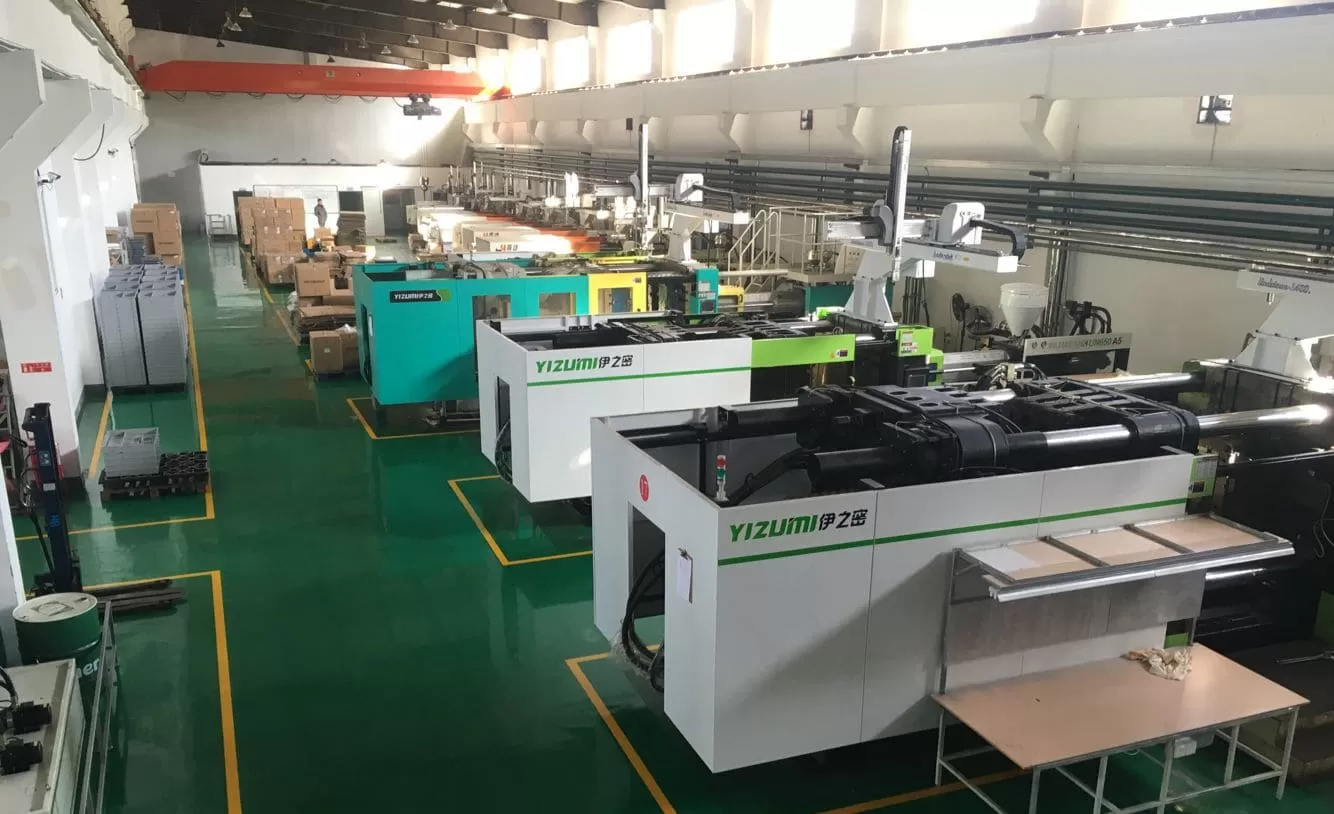
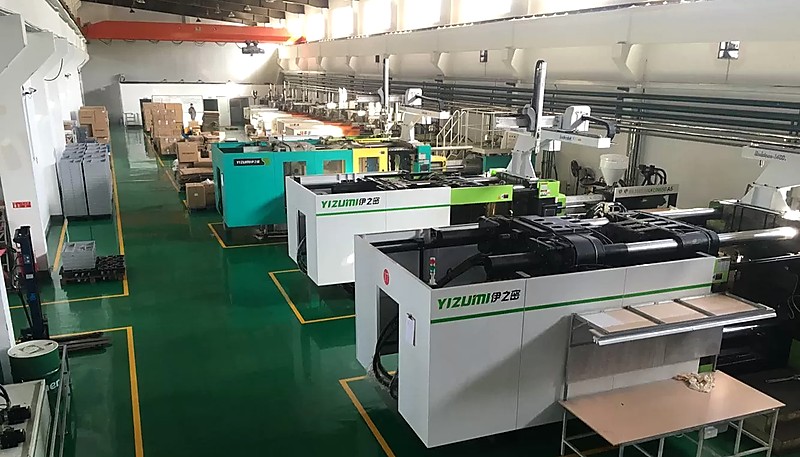
En nuestra fábrica de Shanghái operamos 47 máquinas de moldeo por inyección con fuerzas de cierre de 90T a 1850T, respaldadas por instalaciones internas de fabricación de moldes y experiencia con más de 400 materiales plásticos; estas capacidades nos permiten gestionar bajo un mismo techo desde conectores de microprecisión hasta grandes carcasas de automoción.
En ZetarMold consideramos la India un mercado de abastecimiento complementario, no competidor. Nuestras instalaciones de Shanghái operan 47 máquinas de moldeo por inyección de 90T a 1850T y cuentan con un taller interno que entrega más de 100 juegos de moldes al mes. Tenemos 8 ingenieros sénior con más de 10 años de experiencia, más de 30 directores de proyecto angloparlantes y procesamos más de 400 materiales. Para los compradores que necesitan moldes complejos y uniformidad en grandes volúmenes, seguimos siendo la opción más sólida. Sin embargo, para los escenarios indicados anteriormente, un socio indio cualificado puede ser la decisión correcta.
Preguntas frecuentes: abastecimiento de moldeo por inyección en India
Preguntas frecuentes
¿Cuál es el tamaño del mercado del moldeo por inyección en la India?
Según Grand View Research, el mercado indio de plásticos moldeados por inyección se valoró en aproximadamente USD 27.84 mil millones en 2024. Se prevé que alcance USD 38.13 mil millones en 2030, con una tasa de crecimiento anual compuesta del 5.5%. La automoción es el mayor consumidor, seguida del embalaje, la electrónica de consumo y la sanidad. Iniciativas gubernamentales como Make in India y el programa PLI siguen impulsando la inversión en capacidad de fabricación nacional, sobre todo para aplicaciones médicas y vehículos eléctricos. El crecimiento también se apoya en la expansión de la clase media india y el aumento del consumo nacional de productos plásticos en los principales sectores de uso final.
¿Qué empresa india es el mayor proveedor de moldeo por inyección?
Samvardhana Motherson Group (a menudo denominado Motherson Sumi) está ampliamente considerado la mayor empresa de moldeo por inyección de India por ingresos y escala de producción. Opera más de 400 instalaciones en 40+ países, con decenas de plantas de moldeo por inyección en India que atienden a OEM mundiales de automoción. Su capacidad de moldeo abarca desde pequeños conectores eléctricos hasta grandes módulos de parachoques y salpicaderos, con máquinas de hasta 2,000T. En cuanto al volumen no automotriz, Supreme Industries es el mayor procesador de plásticos de India por consumo total de polímeros; opera más de 25 plantas en todo el país y trabaja desde accesorios para la construcción hasta bienes de consumo.
¿Cómo se comparan los costes del moldeo por inyección en India con los de China?
Los costes laborales de los operarios de producción en India suelen ser un 15-30% inferiores a los de China. Sin embargo, el coste total puesto en destino depende de múltiples factores además de la mano de obra: los precios de las resinas de ingeniería suelen ser más altos en India por su dependencia de las importaciones; la infraestructura logística puede añadir retrasos y costes; y los utillajes de moldes complejos pueden costar más en los talleres indios debido al menor número de proveedores especializados. Para piezas sencillas de resinas básicas como PP o PE, India puede ser competitiva. Para piezas de ingeniería complejas con tolerancias estrechas, el coste total de China, incluida la calidad del molde, la eficiencia del ciclo y las tasas de rechazo, suele seguir siendo menor.
¿Qué certificaciones debo buscar en un moldeador por inyección de la India?
Como mínimo, cualquier moldeador por inyección indio fiable debe contar con la certificación ISO 9001 de gestión de la calidad. Para piezas de automoción, IATF 16949 es esencial. Para dispositivos médicos, se requiere ISO 13485. Las certificaciones de gestión ambiental (ISO 14001) y de salud y seguridad en el trabajo (ISO 45001) indican una operación más madura. Verifique siempre que el alcance de la certificación cubra la planta específica que fabrica sus piezas, no solo la sede corporativa. Solicite directamente al proveedor copias vigentes de los certificados en lugar de confiar en afirmaciones del sitio web o materiales de marketing.
¿Cuál es el plazo de entrega habitual de los moldes de inyección procedentes de India?
El plazo habitual para un molde de inyección nuevo de un proveedor indio es de 8 a 14 semanas, según la complejidad, el número de cavidades y la carga de trabajo actual del proveedor. Incluye la revisión del diseño, el corte del acero, la entrega de muestras T1 y las modificaciones. En comparación, los fabricantes chinos suelen entregar moldes de complejidad similar en 4 a 8 semanas. El mayor plazo en India se debe en parte a una cadena de suministro de utillajes menos concentrada: hay menos proveedores especializados en acero para moldes e instalaciones de tratamiento térmico, por lo que el procesamiento es más secuencial que paralelo.
¿Pueden los moldeadores indios procesar resinas técnicas como PEEK, LCP o PPSU?
Sí, pero pocas empresas indias disponen del equipo y experiencia necesarios para resinas de ingeniería de alta temperatura. Mefron Technologies y NSK India procesan de forma fiable PEEK, LCP y PPSU. La mayoría se concentra en resinas básicas (PP, PE, ABS) y de ingeniería estándar (PA6, PA66, PC, POM). Para materiales especiales de alta temperatura, verifique la experiencia con esa resina y solicite datos de muestras de producciones anteriores antes de comprometer un pedido de volumen.
¿Listo para adquirir piezas moldeadas por inyección?
La industria india del moldeo por inyección es una realidad y está creciendo. Empresas como Motherson, Tata AutoComp y Supreme Industries suministran piezas de calidad a gran escala para aplicaciones de automoción y consumo. Sin embargo, para moldes complejos, tolerancias estrechas, resinas de ingeniería y plazos de entrega exigentes, el ecosistema manufacturero de China aún conserva ventajas estructurales.
Nuestra sugerencia: empiece con un pequeño pedido de prueba. Evalúe la calidad del molde, la rapidez de la comunicación y la fiabilidad de la entrega antes de comprometerse con un volumen. Tanto si la prueba se realiza en India como en China, los datos de una producción real aportan más información que cualquier folleto de marketing.
Si necesita un socio para moldeo por inyección complejo y de gran volumen —moldes multicavidad, piezas con tolerancias estrictas en resinas técnicas o programas de más de 100K unidades con calidad uniforme—, hable con nuestro equipo de ingeniería. ZetarMold exporta a todo el mundo desde Shanghái desde 2013 y cuenta con 47 máquinas, más de 400 opciones de materiales y un flujo de calidad de seis pasos, desde IQC hasta OQC.
moldeo por inyección: El moldeo por inyección es un proceso de fabricación en el que se inyecta material fundido a alta presión en la cavidad de un molde, donde se enfría y solidifica con la forma deseada; se utiliza ampliamente para producir piezas plásticas en serie. ↩
molde de inyección: Un molde de inyección es una herramienta mecanizada con precisión en acero o aluminio que define la geometría de la cavidad en la que se inyecta plástico fundido para formar una pieza durante el proceso de moldeo por inyección. ↩
sobremoldeo: El sobremoldeo es un proceso de moldeo por inyección en dos etapas en el que se moldea un segundo material sobre un sustrato previamente moldeado para añadir a la pieza superficies de tacto suave, juntas o características multicolor. ↩