Fabrico de moldes de injeção na Índia: guia completo de aprovisionamento
Você está avaliando fornecedores de peças plásticas e alguém da sua equipe perguntou sobre a Índia. Pergunta justa – o mercado de plástico moldado por injeção da Índia foi avaliado em US$ 27,84 bilhões em 2024 e deverá atingir US$ 38,13 bilhões até 2030, crescendo a um CAGR de 5,5%. O país tem mais de 5.000 unidades de processamento de plástico, uma força de trabalho jovem e incentivos governamentais que impulsionam a produção local. Mas será que um mercado em crescimento significa um bom fornecedor para o seu projeto específico? Nem sempre. Este guia oferece uma imagem honesta - quem são os principais participantes, o que eles fazem bem, onde ficam aquém e como a Índia se compara à China no fornecimento de peças plásticas.
Para uma visão mais ampla, nosso guia completo sobre moldagem por injeção abrange fundamentos do processo, comportamento do material e decisões de produção.
- Prevê-se que o mercado indiano de moldação por injeção atinja USD 38.13 mil milhões até 2030, impulsionado pelos setores automóvel, da embalagem e médico.
- Entre as principais empresas indianas encontram-se a Samvardhana Motherson, a Tata AutoComp, a Supreme Industries e a NSK — cada uma com pontos fortes distintos.
- A Índia oferece uma poupança de 15-30% nos custos laborais face à China, mas a qualidade dos moldes, os prazos e as infraestruturas variam significativamente entre fornecedores.
- Principais critérios de seleção: certificações ISO/IATF, capacidade de sala limpa, comunicação em inglês e disponibilidade para realizar ensaios do molde.
- Nos programas complexos ou de grande volume, os fabricantes chineses continuam a ter vantagens na precisão dos moldes, na gama de tonelagem e na escala de produção.
Qual é o estado atual da indústria de moldagem por injeção na Índia?
A indústria de moldagem por injeção1 da Índia é grande, fragmentada e cresce rapidamente – processa mais de 20 milhões de toneladas de polímeros anualmente. O setor alimenta o setor automotivo (o maior consumidor), produtos eletrônicos de consumo, embalagens, saúde e construção. Programas governamentais como a iniciativa Make in India e o esquema de incentivos ligados à produção aceleraram o investimento em infra-estruturas industriais.
Contudo, o setor continua fragmentado. Um pequeno número de grandes empresas cotadas em bolsa coexiste com milhares de pequenas oficinas que operam máquinas de 50-200T e dispõem de sistemas de qualidade limitados. Só o setor automóvel consome cerca de 30% da produção indiana de plásticos moldados por injeção. Empresas como a Maruti Suzuki, a Tata Motors e a Mahindra dependem de fornecedores nacionais Tier-1 e Tier-2 para acabamentos interiores, componentes sob o capô e caixas elétricas.
O segmento dos dispositivos médicos é o que mais cresce, impulsionado pela aposta da Índia na produção nacional de equipamentos de saúde e pelo aumento das exportações para mercados regulamentados, como os EUA e a UE. A capacidade de moldagem em sala limpa — anteriormente rara na Índia — está agora disponível num número crescente de instalações, embora continue concentrada entre os fornecedores de topo.
Prevê-se que o consumo de polímeros da Índia duplique até 2030, representando o polipropileno (PP) e o polietileno (PE), em conjunto, mais de 60% da procura total. A dependência do país de resinas de engenharia importadas — materiais como policarbonato, PEEK e LCP — continua a ser uma fragilidade estrutural que afeta tanto o custo do material como o prazo de entrega para os compradores que especificam estes tipos.
Que tendências estão a moldar o setor de moldagem por injeção da Índia?
Várias tendências macroeconómicas estão a reformular o setor da moldação por injeção na Índia. Em primeiro lugar, a transição para veículos elétricos está a criar categorias de procura totalmente novas — caixas de baterias, invólucros de gestão térmica e suportes estruturais leves — que não existiam há cinco anos. As empresas indianas de moldação que investiram em máquinas de grande tonelagem (1000T+) estão a beneficiar deste crescimento.
Em segundo lugar, o setor dos dispositivos médicos está a crescer 15-20% por ano. A moldação por injeção em ambientes de sala limpa está a passar de uma capacidade de nicho para um requisito de base de qualquer fornecedor que pretenda servir OEMs do setor da saúde.
Em terceiro lugar, as pressões de sustentabilidade estão a aumentar. Os regulamentos de responsabilidade alargada do produtor exigem agora que os fabricantes de plásticos tenham em conta a reciclagem no fim da vida útil. As principais empresas indianas de moldação estão a experimentar resinas recicladas pós-consumo (PCR) e polímeros de base biológica, embora a adoção ainda esteja numa fase inicial.
Em quarto lugar, a automatização está a acelerar. A arbitragem da mão de obra, por si só, já não permite ganhar encomendas. As empresas estão a investir na remoção robotizada de peças, em sensores no molde e na monitorização SPC em tempo real para igualar a consistência da qualidade que os compradores esperam dos fornecedores chineses ou do Sudeste Asiático.
Uma quinta tendência a acompanhar: vários fornecedores indianos Tier-1 estão a criar ou a adquirir fábricas no Sudeste Asiático e na Europa de Leste. A Motherson e a Tata AutoComp têm agora operações de produção em mais de 40 países. Esta expansão significa que uma parceria com uma empresa indiana pode, por vezes, dar acesso a produção de proximidade na Europa ou na ASEAN — e não apenas a produção sediada na Índia.
"Prevê-se que o mercado indiano de plásticos moldados por injeção cresça a uma CAGR de 5.5% até 2030."True
Segundo a Grand View Research, o mercado estava avaliado em USD 27.84 mil milhões em 2024 e deverá atingir USD 38.13 mil milhões até 2030, impulsionado pela procura dos setores automóvel, médico e da embalagem.
"As empresas indianas de moldagem por injeção conseguem igualar a precisão dos moldes e a escala de produção chinesas para todos os tipos de peças."False
Embora as principais empresas indianas, como a Motherson e a NSK, alcancem uma excelente precisão nas respetivas áreas de especialização, o setor em geral tem dificuldades com moldes multicavidade complexos e com a manutenção de tolerâncias apertadas consistentes na produção em série. O ecossistema chinês de fabrico de moldes continua a apresentar vantagens significativas na complexidade dos moldes, no prazo de entrega e no custo para a maioria das aplicações comerciais.
Como escolher um fornecedor de moldagem por injeção na Índia?
Selecionar um parceiro de moldação indiano não consiste em encontrar a maior empresa, mas sim em adequar as capacidades aos seus requisitos específicos. Eis um enquadramento prático resultante de mais de 20 anos de trabalho com fornecedores em toda a Ásia.
Defina Primeiro os Seus Requisitos Técnicos
Antes de contactar um fornecedor, documente claramente as especificações da peça: material, intervalo de tolerância, volume anual, acabamento superficial, consistência da cor e quaisquer requisitos regulamentares (UL94, FDA, USP Class VI). Quanto mais precisa for a sua especificação, mais rapidamente conseguirá distinguir os fornecedores qualificados dos que fazem promessas irrealistas.
Verifique as certificações, não apenas as alegações
Solicite cópias atuais dos certificados — não capturas de ecrã de um site. A IATF 16949 é essencial para o setor automóvel. A ISO 13485 para o setor médico. A ISO 9001 é um requisito básico; se uma empresa não a tiver, procure outra. Verifique se o âmbito do certificado abrange a instalação específica que produzirá as suas peças, e não apenas uma sede social.
Solicite ensaios do molde antes de assumir um compromisso
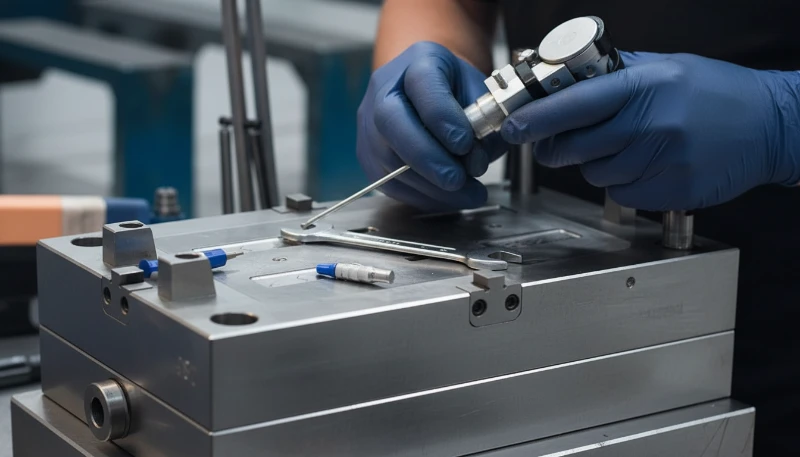
Qualquer fabricante confiável de moldes de injeção2 deve estar disposto a executar amostras de peças antes de assinar um contrato de volume. Pague pelo teste – é o seguro mais barato que você comprará. Inspecione as amostras você mesmo ou use um serviço de inspeção terceirizado. Procure flashes, marcas de afundamento, linhas de solda e consistência dimensional em todo o lote de amostra.
Um ensaio do molde também revela como o fornecedor lida com os problemas. Se as amostras T1 apresentarem rebarbas ou enchimentos incompletos, o fornecedor propõe correções de forma proativa ou aguarda as suas instruções? A resposta aos problemas da primeira série diz mais sobre a competência de engenharia de um fornecedor do que qualquer apresentação comercial.
Avaliar a comunicação e a gestão de projetos
As empresas indianas possuem, em geral, sólidas competências de comunicação em inglês — uma verdadeira vantagem para os compradores norte-americanos e europeus. Contudo, a qualidade da comunicação varia enormemente entre uma organização ao nível da Motherson e uma oficina com 20 máquinas. Pergunte: quem será o seu contacto direto? Qual é o SLA do tempo de resposta? Fornecem relatórios de produção semanais?
Avalie também a disponibilidade do fornecedor para partilhar dados de produção: monitorização das máquinas em tempo real, gráficos SPC e relatórios de rendimento. Os fornecedores que partilham dados de forma proativa tendem a ser parceiros mais fiáveis a longo prazo do que aqueles que apenas comunicam quando surge um problema.
"A Índia oferece vantagens reais de comunicação em inglês aos compradores ocidentais, em comparação com a maioria dos fornecedores chineses."True
O inglês é uma língua oficial na Índia e é amplamente utilizado nos negócios. A maioria das empresas indianas de moldagem de média e grande dimensão emprega gestores de projeto que falam inglês, tornando as discussões de RFQ, as análises técnicas e a resolução de problemas mais simples para os compradores ocidentais.
"Todos os moldadores por injeção indianos fornecem automaticamente relatórios de produção semanais."False
Embora empresas indianas de topo, como a Motherson e a Tata AutoComp, disponham de sistemas sofisticados de gestão de projetos com relatórios regulares, os fornecedores de média dimensão prestam frequentemente apenas uma comunicação básica. Os relatórios semanais de produção, a monitorização SPC em tempo real e as atualizações proativas sobre problemas só costumam estar disponíveis nos fornecedores de gama superior, não sendo uma prática normalizada em todo o setor.
As 10 principais empresas de moldação por injeção na Índia
Segue-se uma síntese prática das empresas de moldação por injeção mais competentes da Índia. Não se trata de uma classificação — é um guia de campo baseado na reputação do setor, nas certificações e nas capacidades de produção.
1. Samvardhana Motherson Group (Motherson Sumi)
A Motherson é o maior fabricante de componentes automóveis da Índia e um dos maiores fornecedores mundiais de cablagens e módulos de plástico. Opera mais de 400 instalações em 40+ países, incluindo dezenas de fábricas de moldação por injeção na Índia. A sua capacidade de moldação abrange desde pequenos conectores elétricos até grandes módulos de para-choques e painéis de instrumentos, utilizando máquinas até 2,000T. Detém as certificações IATF 16949, ISO 9001 e várias certificações específicas de OEM. Se necessitar de volumes de qualidade automóvel, a Motherson deve ser o primeiro contacto. Foi fundada em 1986, tem sede em Noida e emprega mais de 150,000 pessoas em todo o mundo.
2. Tata AutoComp Systems
Parte do ecossistema do Grupo Tata, a Tata AutoComp fornece peças plásticas para Tata Motors, Jaguar Land Rover e outros OEMs globais. Suas operações de moldagem por injeção abrangem interiores, exteriores e aplicações sob o capô automotivo. Eles executam moldes de precisão com múltiplas cavidades e investiram pesadamente em programas de alojamento de baterias de veículos elétricos (EV). Alguns de seus programas mais recentes envolvem sobremoldagem3 para superfícies internas de toque suave. A Tata AutoComp possui certificações IATF 16949 e ISO 14001. Fundada em 1995, com sede em Pune, conta com aproximadamente 6.000 funcionários.
3. Supreme Industries Ltd
A Supreme Industries é o maior transformador de plásticos da Índia em volume. A moldagem por injeção é o seu processo principal. Serve os setores da construção (tubos, acessórios), bens de consumo, mobiliário e embalagens industriais. Com mais de 25 fábricas e centenas de máquinas de moldagem, a Supreme trata de tudo, desde baldes de PP de uso corrente até componentes de plástico de engenharia. O seu ponto forte é a escala e a eficiência de custos. Fundada em 1942, tem sede em Mumbai, mais de 5,000 colaboradores e receitas superiores a USD 700 milhões.
4. NSK Bearings India (Nippon Seiko)
A NSK traz a disciplina de fabrico japonesa para o mercado indiano. As suas operações na Índia produzem gaiolas de rolamentos moldadas com precisão, caixas de sensores e outros componentes de tolerância apertada para aplicações automóveis e industriais. Se o seu projeto exige precisão dimensional na gama de ±0,02mm, a NSK está entre os poucos moldadores indianos que consistentemente entregam a esse nível. Fundada em 1916 (Japão), operações na Índia desde a década de 1990, com sede em Chennai, com mais de 2.000 funcionários na Índia.
5. Arihant Dies and Moulds
A Arihant é uma das empresas de moldagem por injeção que mais cresce na Índia, com forte foco em componentes automotivos e de eletrodomésticos. Eles fornecem serviços completos, desde o projeto e fabricação de moldes até a produção em volume. Sua capacidade interna de construção de moldes é um diferencial – muitos moldadores indianos terceirizam a construção de moldes, o que aumenta o tempo de entrega e o risco de qualidade. Fundada em 1998, com sede em Pune, conta com aproximadamente 500 funcionários e certificação IATF 16949.
6. Hero AutoParts (Grupo Hero)
A Hero AutoParts é a divisão de componentes plásticos do Hero Group, o maior fabricante indiano de veículos de duas rodas. A sua divisão de moldação por injeção produz depósitos de combustível, carenagens, painéis de instrumentos e componentes estruturais para motociclos e scooters. Opera mais de 47 máquinas de moldação por injeção, de 80T a 1200T, em várias fábricas no norte da Índia. Fundada em 1985, tem sede em Gurgaon e aproximadamente 3,000 funcionários. Certificada segundo as normas ISO 9001 e IATF 16949.
7. UNO Minda (Minda Industries)
A UNO Minda é um importante fornecedor automóvel Tier-1 que produz componentes interiores e exteriores moldados por injeção, conjuntos de interruptores e caixas para iluminação. Fornece a Maruti Suzuki, a Hyundai India, a Honda e as operações indianas da Toyota. As suas fábricas de moldação utilizam máquinas até 1600T e dispõem de linhas internas de pintura e cromagem. Fundada em 1958, tem sede em Gurgaon, mais de 7,000 trabalhadores e certificações IATF 16949 e ISO 14001.
8. Primex Plastics India
A Primex Plastics concentra-se na moldagem por injeção personalizada para eletrodomésticos, componentes industriais e embalagem. Operam uma instalação de média escala com mais de 30 máquinas que variam de 50T a 650T, visando o ponto ideal de produção de médio volume e multicavidade. A Primex é uma boa opção para compradores que necessitam de MOQs flexíveis e estão dispostos a trocar a escala máxima por uma gestão de projeto mais atenta. Fundada em 2001, com sede em Vadodara, Gujarat, com aproximadamente 200 funcionários e certificação ISO 9001.
9. Mefron Technologies
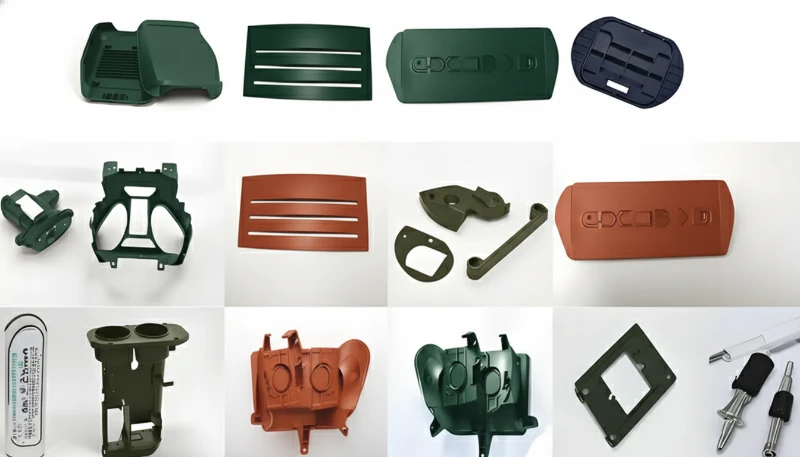
A Mefron especializa-se em moldagem por injeção de precisão para dispositivos eletrónicos e médicos. A sua instalação inclui salas limpas de moldagem Classe ISO 7 e Classe 8, tornando-a uma das poucas empresas indianas capazes de produzir componentes regulados pela FDA. Trabalham com resinas de engenharia, incluindo PEEK, LCP e PPSU. Fundada em 2005, com sede em Bangalore, com aproximadamente 150 funcionários. As certificações incluem ISO 9001, ISO 13485 e ISO 14001.
10. Ikon Moulders
A Ikon Moulders ocupa um nicho em componentes de precisão para aplicações aeroespaciais e de defesa. As suas operações de moldagem focam-se na produção de baixo a médio volume e tolerância apertada em materiais de alto desempenho, com capacidades incluindo sobremoldagem para aplicações multimaterial. Possuem a AS9100 (norma de qualidade aeroespacial) além da ISO 9001, o que é raro entre os moldadores por injeção indianos. Fundada em 2003, com sede em Hyderabad, com aproximadamente 120 funcionários.
Como se Compara a Índia com a China no Abastecimento de Plásticos?
Esta é a pergunta que ouvimos com maior frequência, por isso sejamos diretos. A China continua a ser o principal fornecedor mundial de moldação por injeção por bons motivos: um ecossistema maduro de fabrico de moldes, uma enorme escala de produção e uma elevada densidade da cadeia de abastecimento, que reduz os prazos. A Índia é competitiva e está a melhorar rapidamente, mas a diferença é real.
| Fator | Índia | China |
|---|---|---|
| Qualidade do Molde (Ferramentas Complexas) | Moderado — capacidade limitada de alta cavitação | Forte — ecossistema de cluster de ferramentaria profundo |
| Custo do trabalho | 15-30% mais baixo que a China | Mais elevado, mas compensado pela eficiência |
| Comunicação em inglês | Forte vantagem | Frequentemente requer intermediário |
| Escala de produção | A crescer, mas fragmentado | Massivo e consolidado |
| Prazo de Entrega (Molde + Amostras T1) | 8-14 semanas típico | 4-8 semanas típicas |
| Disponibilidade do material | Bom para resinas comuns, limitado para especialidades | Excelente para todos os tipos de resina |
| Infraestrutura Logística | A melhorar, mas atrasos portuários comuns | Maduro, rápido porto a porto |
Para empresas que visam o mercado doméstico indiano — estabelecer produção local para servir a Maruti, Tata, ou marcas de consumo indianas — a decisão é óbvia. A moldagem com base na Índia faz sentido económico e logístico. Para empresas que se aprovisionam globalmente e comparam a Índia vs. a China puramente em custo e capacidade, a China ainda ganha na maioria das métricas técnicas e operacionais.
"A China continua a ser o fornecedor dominante de moldagem por injeção a nível mundial em termos de capacidade total de fabrico."True
A China representa aproximadamente 30% da produção global de moldagem por injeção de plástico, com mais de 15.000 instalações de moldagem de grande escala concentradas nas províncias de Guangdong, Jiangsu e Zhejiang. Esta concentração cria um ecossistema de ferramentaria maduro, prazos de entrega mais curtos para moldes complexos e melhor disponibilidade de material para resinas de engenharia em comparação com a Índia ou o Sudeste Asiático.
"Os custos laborais mais baixos na Índia significam automaticamente um custo total por peça inferior ao da China."False
Os custos laborais na Índia são efetivamente 15-30% inferiores aos da China para os trabalhadores da produção. No entanto, o custo total no destino depende dos preços dos materiais (frequentemente mais elevados na Índia devido à dependência da importação de resinas de engenharia), da infraestrutura logística, do custo do molde e das taxas de rendimento. Para peças de engenharia complexas, o custo total da China continua muitas vezes a ser inferior quando se consideram a qualidade da ferramenta, a eficiência do tempo de ciclo e as taxas de desperdício.
O ponto ideal para o aprovisionamento na Índia são peças de volume médio em resinas comuns ou semiprojetadas, onde a poupança em custos laborais supera o atrito da infraestrutura. Para tudo o resto — moldes complexos de múltiplas cavidades, resinas de engenharia, tolerâncias apertadas ou prazos agressivos — a China mantém uma vantagem mensurável tanto em capacidade como em custo total.
Um fator que os compradores frequentemente subestimam é o custo do material. A Índia produz PP e PE domesticamente através da Reliance e da Indian Petrochemicals, pelo que o preço das resinas de base é competitivo. Mas as resinas de engenharia — PC, POM, PBT, PPS, PEEK — são em grande parte importadas, e o custo aterrado na Índia pode ser 10-25% superior ao da China, onde a produção doméstica de resina é mais diversificada. Para uma peça em que o material representa 40-60% do custo total, esta diferença por si só pode anular as poupanças em mão de obra.
A logística é outra variável. Os principais portos indianos, como Nhava Sheva (Mumbai) e Chennai, processam o tráfego de contentores com eficiência, mas o transporte terrestre dos polos de produção de Pune, Gurgaon ou Bangalore até ao porto acrescenta 2-5 dias e custos de frete significativos. A infraestrutura portuária da China e a proximidade das zonas de produção aos portos de Shanghai, Shenzhen e Ningbo permitem tempos de resposta mais rápidos e custos de transporte terrestre inferiores para expedições de exportação.
Quando é a Índia a Escolha Certa de Aprovisionamento?
A Índia é a escolha certa quando precisa de acesso ao mercado doméstico, produção de alto volume a baixo custo ou diversificação da cadeia de abastecimento para além da China. Eis quando a recomendamos genuinamente.
Você está vendendo no mercado interno indiano. Se o seu cliente final for um OEM indiano – Maruti Suzuki, Tata Motors, Reliance, Godrej – a produção local evita taxas de importação de 20 a 30% e reduz a complexidade logística. A estrutura Make in India também exige conteúdo local para muitos contratos de compras governamentais.
Você precisa de peças de volume médio em resinas commodities ou semiprojetadas. Para peças de PP, PE, ABS e náilon básico na faixa de 10.000 a 500.000 unidades/ano, os fornecedores indianos podem ser competitivos em termos de custos, especialmente quando a comunicação em inglês e o alinhamento do fuso horário com a Europa são fatores.
Seu projeto requer moldagem em sala limpa para dispositivos médicos direcionados ao mercado indiano. Empresas como Mefron e NSK investiram em salas limpas ISO Classe 7/8. Para os dispositivos médicos vendidos no setor de saúde em rápido crescimento da Índia, a produção local é cada vez mais exigida pela regulamentação.
"O mercado indiano de dispositivos médicos está a crescer 15-20% por ano, impulsionando o investimento na moldação em sala limpa."True
O mercado indiano de dispositivos médicos é um dos que mais cresce na Ásia, com o governo a promover ativamente o fabrico nacional através do programa PLI e de reformas regulamentares. Este crescimento está a levar os moldadores por injeção indianos a investir em infraestruturas de sala limpa para conquistar contratos de OEM médicos que antes eram adquiridos à China ou ao Sudeste Asiático.
"Todas as principais empresas indianas de moldação por injeção dispõem agora de capacidade interna para fabricar moldes."False
Na realidade, a maioria das empresas indianas de moldagem por injeção ainda subcontrata a construção de moldes a oficinas especializadas em ferramentas. Apenas uma minoria das empresas — como a Motherson, a Arihant e algumas outras — mantém internamente a conceção e o fabrico de moldes. Esta subcontratação aumenta o prazo de entrega e pode criar falhas no controlo da qualidade, pois a empresa de moldagem não consegue iterar diretamente as alterações das ferramentas durante o aumento gradual da produção.
Você quer a diversificação da cadeia de abastecimento além da China. Esta é uma decisão estratégica e não puramente económica. Algumas empresas estão deliberadamente a dividir a produção entre a China e a Índia para reduzir o risco geopolítico. O custo adicional para a Índia é real — normalmente um custo total de entrega 10-20% maior para a mesma peça — mas a redução de risco pode justificá-lo para sua organização.
Em todos os outros cenários — moldes complexos com várias cavidades, resinas de engenharia com tolerâncias apertadas, programas de grande volume superiores a 1M unidades/ano ou prazos exigentes — o ecossistema chinês de ferramentas e produção continua a ser a escolha mais sólida.
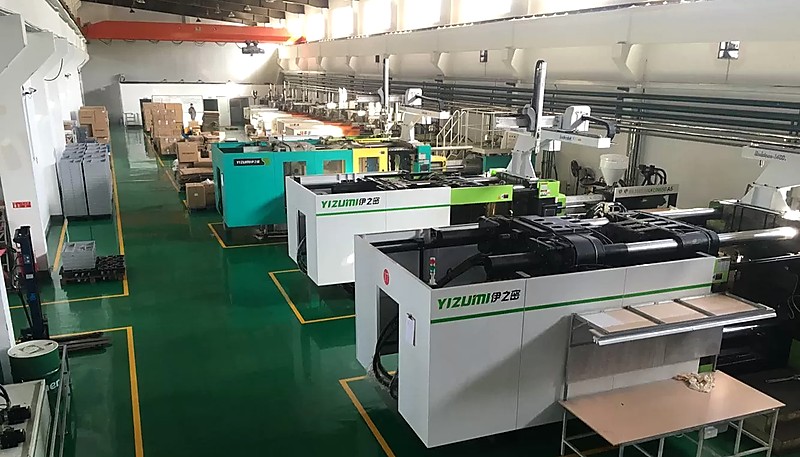
Na nossa fábrica de Xangai, operamos 47 máquinas de moldação por injeção com forças de fecho de 90T a 1850T, apoiadas por instalações internas de fabrico de moldes e experiência com 400+ materiais plásticos — capacidades que nos permitem tratar, sob o mesmo teto, desde conectores de microprecisão até grandes carcaças para o setor automóvel.
Na ZetarMold, consideramos a Índia um mercado de aprovisionamento complementar — e não concorrente. As nossas instalações em Xangai operam 47 máquinas de moldação por injeção, de 90T a 1850T, e dispõem de uma oficina de moldes interna que entrega 100+ conjuntos de moldes por mês. Temos 8 engenheiros séniores com 10+ anos de experiência, 30+ gestores de projeto anglófonos e processamos 400+ materiais. Para compradores que necessitam de moldes complexos e consistência em grandes volumes, continuamos a ser a opção mais sólida. Contudo, nos cenários acima indicados, um parceiro indiano qualificado pode ser a escolha certa.
FAQ: Aprovisionamento de moldação por injeção na Índia
Perguntas mais frequentes
Qual é a dimensão do mercado de moldagem por injeção na Índia?
O mercado indiano de plásticos moldados por injeção foi avaliado em aproximadamente 27.84 mil milhões de USD em 2024, segundo a Grand View Research. Prevê-se que o mercado atinja 38.13 mil milhões de USD até 2030, com uma taxa de crescimento anual composta de 5.5%. O setor automóvel é o maior consumidor, seguido das embalagens, da eletrónica de consumo e dos cuidados de saúde. Iniciativas governamentais como a Make in India e o regime PLI continuam a impulsionar o investimento na capacidade de produção nacional, sobretudo em aplicações médicas e para veículos elétricos. O crescimento é também sustentado pela expansão da classe média indiana e pelo aumento do consumo interno de artigos de plástico em todos os principais setores de utilização final.
Qual é a maior empresa indiana de moldação por injeção?
O Samvardhana Motherson Group (frequentemente designado Motherson Sumi) é amplamente considerado a maior empresa de moldação por injeção da Índia em termos de receitas e escala de produção. Opera mais de 400 instalações em 40+ países, com dezenas de fábricas de moldação por injeção na Índia que fornecem OEM automóveis globais. A sua capacidade de moldação abrange desde pequenos conectores elétricos até grandes módulos de para-choques e painéis de instrumentos, utilizando máquinas até 2,000T. Para volumes não automóveis, a Supreme Industries é a maior empresa de processamento de plásticos da Índia por volume total de polímeros processados, operando mais de 25 fábricas em todo o país e produzindo desde acessórios para construção até bens de consumo.
Como se comparam os custos da moldação por injeção na Índia com os da China?
Os custos da mão de obra na Índia são geralmente 15-30% inferiores aos da China para os trabalhadores da produção. Contudo, o custo total à chegada depende de vários fatores além da mão de obra: os preços das resinas de engenharia são frequentemente mais elevados na Índia devido à dependência das importações, as infraestruturas logísticas podem acrescentar atrasos e custos e as ferramentas para moldes complexos podem, na realidade, custar mais nas ferramentarias indianas devido ao menor número de fornecedores especializados. Para peças simples em resinas de uso geral, como PP ou PE, a Índia pode ser competitiva em termos de custos. Para peças técnicas complexas que exigem tolerâncias apertadas, o custo total da China, incluindo a qualidade das ferramentas, a eficiência do tempo de ciclo e as taxas de rejeição, continua frequentemente a ser inferior.
Que certificações devo procurar num moldador por injeção indiano?
No mínimo, qualquer empresa indiana credível de moldação por injeção deve possuir a certificação ISO 9001 para a gestão da qualidade. Para peças automóveis, a IATF 16949 é essencial. Para dispositivos médicos, é exigida a ISO 13485. As certificações de gestão ambiental (ISO 14001) e de saúde e segurança no trabalho (ISO 45001) são indicadores de uma operação mais madura. Confirme sempre que o âmbito da certificação abrange a unidade específica que produz as suas peças, e não apenas a sede da empresa. Solicite diretamente ao fornecedor cópias atualizadas dos certificados, em vez de confiar em alegações no sítio Web ou em materiais de marketing.
Qual é o prazo de entrega habitual dos moldes de injeção provenientes da Índia?
O prazo típico para um novo molde de injeção fornecido na Índia varia entre 8 e 14 semanas, consoante a complexidade do molde, o número de cavidades e a carga de trabalho atual do fornecedor. Este prazo inclui a análise da conceção do molde, a maquinação do aço, a apresentação das amostras T1 e as revisões. Em comparação, os fabricantes chineses de moldes entregam normalmente em 4 a 8 semanas para uma complexidade semelhante. O prazo mais longo na Índia deve-se, em parte, a uma cadeia de fornecimento de ferramentas menos concentrada — a existência de menos fornecedores especializados de aço para moldes e de instalações de tratamento térmico implica mais processamento sequencial do que paralelo.
Os moldadores indianos conseguem processar resinas de engenharia como PEEK, LCP ou PPSU?
Sim, mas apenas um pequeno número de empresas indianas dispõe do equipamento e dos conhecimentos de processo necessários para resinas de engenharia de alta temperatura. Empresas como a Mefron Technologies e a NSK India processam com fiabilidade materiais como PEEK, LCP e PPSU. A maioria dos transformadores indianos concentra-se em materiais correntes (PP, PE, ABS) e resinas de engenharia padrão (PA6, PA66, PC, POM). Se o seu projeto exigir materiais especiais de alta temperatura, confirme a experiência do fornecedor com essa resina e peça dados de amostras de produções anteriores antes de adjudicar uma encomenda em volume.
Está preparado para adquirir peças moldadas por injeção?
A indústria de moldagem por injeção da Índia é real e está em crescimento. Empresas como a Motherson, a Tata AutoComp e a Supreme Industries fornecem peças de qualidade em grande escala para aplicações automóveis e de consumo. Contudo, no caso de moldes complexos, tolerâncias apertadas, resinas de engenharia e prazos de entrega exigentes, o ecossistema de fabrico da China continua a apresentar vantagens estruturais.
A nossa sugestão: comece com uma pequena encomenda experimental. Teste a qualidade do molde, a rapidez da comunicação e a fiabilidade das entregas antes de se comprometer com grandes volumes. Quer o ensaio seja realizado na Índia ou na China, os dados de uma produção real fornecem mais informação do que qualquer brochura de marketing.
Se você precisar de um parceiro para moldagem por injeção complexa e de alto volume — moldes com múltiplas cavidades, peças com tolerâncias restritas em resinas de engenharia ou programas que exigem mais de 100 mil unidades com qualidade consistente — fale com nossa equipe de engenharia. A ZetarMold exporta globalmente de Xangai desde 2013, com 47 máquinas, mais de 400 opções de materiais e um fluxo de trabalho de qualidade em seis etapas, do IQC ao OQC.
moldagem por injeção: A moldagem por injeção é um processo de fabricação no qual o material fundido é injetado em uma cavidade do molde sob alta pressão, onde esfria e solidifica no formato desejado, amplamente utilizado na produção em massa de peças plásticas. ↩
molde de injeção: Um molde de injeção é uma ferramenta usinada com precisão feita de aço ou alumínio que define a geometria da cavidade na qual o plástico fundido é injetado para formar uma peça durante o processo de moldagem por injeção. ↩
sobremoldagem: sobremoldagem é um processo de moldagem por injeção em duas etapas, onde um segundo material é moldado sobre um substrato previamente moldado, usado para adicionar superfícies de toque suave, vedações ou recursos multicoloridos a uma peça. ↩