Produzione di Stampi a Iniezione in India: Una Guida Completa all’Approvvigionamento
State valutando fornitori di componenti in plastica e qualcuno nel team ha proposto l’India. È una domanda legittima: il mercato indiano della plastica stampata a iniezione valeva USD 27,84 miliardi nel 2024 e dovrebbe raggiungere USD 38,13 miliardi entro il 2030, con un CAGR del 5,5%. Il Paese conta oltre 5.000 unità di lavorazione della plastica, una forza lavoro giovane e incentivi pubblici alla produzione locale. Ma un mercato in crescita implica necessariamente un buon fornitore per il vostro progetto? Non sempre. Questa guida offre un quadro sincero: chi sono gli operatori principali, quali sono i loro punti di forza e limiti e come si confronta l’India con la Cina nell’approvvigionamento di componenti in plastica.
Per una panoramica più ampia, la nostra guida completa allo stampaggio a iniezione tratta i fondamenti del processo, il comportamento dei materiali e le decisioni produttive.
- Si prevede che il mercato indiano dello stampaggio a iniezione raggiunga USD 38.13 miliardi entro il 2030, trainato dai settori automobilistico, dell'imballaggio e medicale.
- Le principali aziende indiane includono Samvardhana Motherson, Tata AutoComp, Supreme Industries e NSK — ciascuna con punti di forza distinti.
- L'India offre risparmi sui costi del lavoro del 15-30% rispetto alla Cina, ma la qualità degli stampi, i tempi di consegna e le infrastrutture variano significativamente tra i fornitori.
- Criteri di selezione chiave: certificazioni ISO/IATF, capacità in camera bianca, comunicazione in inglese e disponibilità a prove stampo.
- Per programmi complessi o ad alto volume, i produttori cinesi mantengono ancora vantaggi in precisione degli stampi, gamma di forze di chiusura e scala produttiva.
Qual è lo stato attuale dell’industria indiana dello stampaggio a iniezione?
Il settore indiano dello stampaggio a iniezione1 è vasto, frammentato e in rapida crescita: lavora ogni anno oltre 20 milioni di tonnellate di polimeri. Alimenta l’automotive, che è il maggiore consumatore, l’elettronica di consumo, l’imballaggio, la sanità e l’edilizia. Programmi governativi come Make in India e il Production Linked Incentive hanno accelerato gli investimenti nelle infrastrutture manifatturiere.
Tuttavia, il settore resta frammentato. Poche grandi società quotate coesistono con migliaia di piccoli terzisti dotati di macchine da 50-200T e sistemi qualità limitati. Il solo settore automobilistico assorbe circa il 30% della produzione indiana di plastica stampata a iniezione. Aziende come Maruti Suzuki, Tata Motors e Mahindra si affidano a fornitori nazionali Tier-1 e Tier-2 per rivestimenti interni, componenti sottocofano e involucri elettrici.
Il segmento dei dispositivi medici registra la crescita più rapida, trainato dall’impulso dell’India alla produzione sanitaria nazionale e dall’aumento delle esportazioni verso mercati regolamentati come gli Stati Uniti e l’UE. La capacità di stampaggio in camera bianca, un tempo rara in India, è ora disponibile presso un numero crescente di stabilimenti, sebbene rimanga concentrata tra i fornitori di fascia più alta.
Si prevede che il consumo di polimeri in India raddoppierà entro il 2030; il polipropilene (PP) e il polietilene (PE) rappresentano insieme oltre il 60% della domanda totale. La dipendenza del Paese dalle resine tecniche importate, materiali come policarbonato, PEEK e LCP, rimane una debolezza strutturale che incide sia sul costo dei materiali sia sui tempi di consegna per gli acquirenti che specificano queste classi.
Quali tendenze stanno plasmando il settore dello stampaggio a iniezione in India?
Diverse macrotendenze stanno trasformando il settore indiano dello stampaggio a iniezione. In primo luogo, la transizione ai veicoli elettrici crea categorie di domanda completamente nuove — involucri per batterie, alloggiamenti per la gestione termica e staffe strutturali leggere — che non esistevano cinque anni fa. Gli stampatori indiani che hanno investito in presse ad alto tonnellaggio (1000T+) stanno intercettando questa crescita.
In secondo luogo, il settore dei dispositivi medici si sta espandendo del 15-20% all’anno. Lo stampaggio a iniezione in ambienti a camera bianca sta passando da una capacità di nicchia a un requisito di base per qualsiasi fornitore che mira agli OEM sanitari.
In terzo luogo, le pressioni per la sostenibilità sono in aumento. Le normative sulla Responsabilità Estesa del Produttore ora richiedono che i produttori di plastica si occupino del riciclo a fine vita. I principali stampatori indiani stanno sperimentando con resine riciclate post-consumo (PCR) e polimeri bio-based, sebbene l’adozione sia ancora iniziale.
In quarto luogo, l’automazione sta accelerando. Il solo arbitraggio sul lavoro non vince più gli ordini. Le aziende stanno investendo in rimozione robotizzata dei pezzi, sensori nello stampo e monitoraggio SPC in tempo reale per eguagliare la coerenza qualitativa che gli acquirenti si aspettano dai fornitori cinesi o del Sud-est asiatico.
Un quinto trend da tenere d’occhio: diversi fornitori indiani Tier-1 stanno stabilendo o acquisendo stabilimenti produttivi nel Sud-est asiatico e nell’Europa orientale. Motherson e Tata AutoComp hanno ora una presenza produttiva in oltre 40 paesi. Questa espansione significa che collaborare con un’azienda indiana può a volte fornire accesso a una produzione vicina in Europa o ASEAN — non solo alla produzione basata in India.
"Si prevede che il mercato indiano della plastica stampata a iniezione crescerà con un CAGR del 5.5% fino al 2030."True
Secondo Grand View Research, il mercato è stato valutato a 27,84 miliardi di dollari nel 2024 e si prevede raggiunga i 38,13 miliardi di dollari entro il 2030, trainato dalla domanda automobilistica, medica e del packaging.
"Le aziende indiane di stampaggio a iniezione possono eguagliare precisione stampi e scala produttiva cinesi per tutti i tipi di pezzo."False
Sebbene le principali aziende indiane, come Motherson e NSK, raggiungano una precisione eccellente nei rispettivi ambiti specialistici, il settore nel suo complesso incontra difficoltà con stampi multicavità complessi e tolleranze strette costanti nella produzione in serie. Per la maggior parte delle applicazioni commerciali, l'ecosistema cinese degli stampi conserva vantaggi significativi in termini di complessità degli stampi, tempi di consegna e costi.
Come si Sceglie un Fornitore di Stampaggio a Iniezione in India?
Selezionare un partner indiano di stampaggio non significa trovare l’azienda più grande — significa abbinare le capacità ai tuoi requisiti specifici. Ecco un quadro pratico dopo aver lavorato con fornitori in tutta Asia per oltre 20 anni.
Definisci Prima i Tuoi Requisiti Tecnici
Prima di contattare un fornitore, documentate chiaramente le specifiche della vostra parte: materiale, range di tolleranza, volume annuale, finitura superficiale, consistenza del colore e qualsiasi requisito normativo (UL94, FDA, USP Class VI). Più precise sono le vostre specifiche, più rapidamente potete separare i fornitori qualificati dai semplici aspiranti.
Verifica le Certificazioni, Non Solo le Dichiarazioni
Richiedi copie attuali dei certificati — non screenshot da un sito web. IATF 16949 è essenziale per l’automotive. ISO 13485 per il medicale. ISO 9001 è un requisito minimo; se un’azienda non lo possiede, passa oltre. Verifica se l’ambito del certificato copre lo stabilimento specifico che produrrà i tuoi componenti, non solo la sede centrale aziendale.
Richiedere Prove di Stampaggio Prima di Impegnarsi
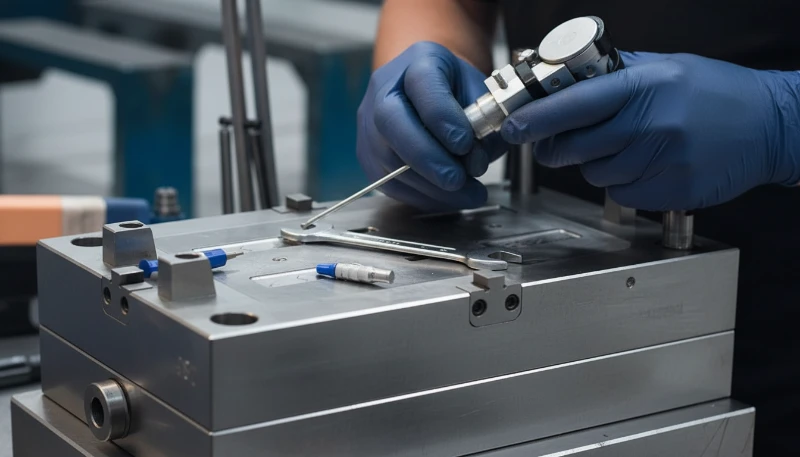
Qualsiasi costruttore credibile di stampi a iniezione2 dovrebbe essere disposto a produrre pezzi campione prima della firma di un accordo sui volumi. Pagate la prova: è l’assicurazione più economica che possiate acquistare. Ispezionate personalmente i campioni oppure ricorrete a un servizio di controllo indipendente. Cercate bave, risucchi, linee di saldatura e costanza dimensionale nell’intero lotto campione.
Una prova stampo rivela anche come il fornitore gestisce i problemi. Se i campioni T1 presentano bava o riempimenti incompleti, il fornitore propone proattivamente delle correzioni oppure attende le vostre istruzioni? La risposta ai problemi della prima produzione dice più sulla competenza ingegneristica di un fornitore di qualsiasi presentazione commerciale.
Valutare la Comunicazione e la Gestione del Progetto
Le compagnie indiane generalmente hanno forti capacità di comunicazione in inglese — un vantaggio genuino per gli acquirenti nordamericani e europei. Ma la qualità della comunicazione varia enormemente tra una organizzazione di livello Motherson e una job shop con 20 macchine. Chiedete: Chi sarà il vostro contatto diretto? Qual è il loro SLA di tempo di risposta? Forniscono report di produzione settimanali?
Valuta anche la loro disponibilità a condividere i dati di produzione: monitoraggio in tempo reale delle macchine, grafici SPC, rapporti di resa. I fornitori che condividono proattivamente i dati tendono a essere partner a lungo termine più affidabili di quelli che comunicano solo quando c’è un problema.
"Rispetto alla maggior parte dei fornitori cinesi, l'India offre reali vantaggi nella comunicazione in inglese per gli acquirenti occidentali."True
L'inglese è una lingua ufficiale in India e viene utilizzata diffusamente nel business. La maggior parte delle compagnie di stampaggio indiane di medie e grandi dimensioni impiega project manager che parlano inglese, rendendo le discussioni sulle RFQ, le revisioni tecniche e la risoluzione dei problemi più dirette per gli acquirenti occidentali.
"Tutti gli stampatori a iniezione indiani forniscono automaticamente rapporti di produzione settimanali."False
Mentre le aziende indiane di primo livello come Motherson e Tata AutoComp dispongono di sofisticati sistemi di gestione dei progetti con reportistica regolare, i fornitori di medie dimensioni spesso forniscono solo comunicazioni di base. I rapporti settimanali di produzione, il monitoraggio SPC in tempo reale e gli aggiornamenti proattivi sui problemi sono generalmente disponibili solo presso fornitori premium, non come pratica standard in tutto il settore.
Le 10 principali aziende di stampaggio a iniezione in India
Di seguito trovi una panoramica pratica delle aziende indiane di stampaggio a iniezione più capaci. Non è una classifica, ma una guida sul campo basata su reputazione, certificazioni e capacità produttive.
1. Samvardhana Motherson Group (Motherson Sumi)
Motherson è il maggiore produttore indiano di componenti automobilistici e uno dei maggiori fornitori mondiali di cablaggi e moduli in plastica. Gestisce oltre 400 stabilimenti in più di 40 paesi, comprese decine di fabbriche di stampaggio a iniezione in India. La capacità va dai piccoli connettori elettrici ai grandi moduli per paraurti e cruscotti, con macchine fino a 2.000T. Possiede certificazioni IATF 16949, ISO 9001 e varie certificazioni specifiche degli OEM. Per volumi di grado automobilistico, Motherson è il primo interlocutore. Fondata nel 1986, ha sede a Noida e oltre 150.000 dipendenti nel mondo.
2. Tata AutoComp Systems
Parte dell’ecosistema Tata Group, Tata AutoComp fornisce componenti in plastica a Tata Motors, Jaguar Land Rover e altri OEM globali. Le attività di stampaggio a iniezione coprono interni, esterni e applicazioni sotto cofano. L’azienda usa stampi di precisione multicavità e ha investito molto nei programmi per alloggiamenti delle batterie dei veicoli elettrici (EV). Alcuni programmi più recenti prevedono il sovrastampaggio3 per superfici interne morbide al tatto. Tata AutoComp possiede le certificazioni IATF 16949 e ISO 14001. Fondata nel 1995, ha sede a Pune e circa 6.000 dipendenti.
3. Azienda Supreme Industries Ltd
Supreme Industries è il maggiore trasformatore di materie plastiche dell’India per volume. Lo stampaggio a iniezione è il processo principale. Serve edilizia (tubi, raccordi), beni di consumo, arredamento e imballaggi industriali. Con oltre 25 stabilimenti e centinaia di presse, Supreme gestisce dai secchi in PP di largo consumo ai componenti in tecnopolimero. I suoi punti di forza sono scala ed efficienza dei costi. Fondata nel 1942, ha sede a Mumbai, oltre 5,000 dipendenti e ricavi superiori a USD 700 milioni.
4. NSK Bearings India (Nippon Seiko)
NSK porta la disciplina manifatturiera giapponese sul mercato indiano. Le loro operazioni indiane producono gabbie per cuscinetti stampate con precisione, alloggiamenti per sensori e altri componenti a tolleranze strette per applicazioni automobilistiche e industriali. Se il vostro progetto richiede precisione dimensionale nell’intervallo di ±0,02 mm, NSK è tra i pochi stampatori indiani che forniscono costantemente a quel livello. Fondata nel 1916 (Giappone), operazioni in India dagli anni ‘90, sede a Chennai, con oltre 2.000 dipendenti in India.
5. Arihant Dies and Moulds
Arihant è una delle aziende indiane di stampaggio a iniezione in più rapida crescita, fortemente concentrata sui componenti per automotive ed elettrodomestici. Offre servizi completi, dalla progettazione dello stampo e fabbricazione fino alla produzione in serie. La capacità interna di costruire gli stampi è un elemento distintivo: molti stampatori indiani esternalizzano questa attività, aumentando tempi e rischi per la qualità. Fondata nel 1998, ha sede a Pune, circa 500 dipendenti e certificazione IATF 16949.
6. Hero AutoParts (Gruppo Hero)
Hero AutoParts è il ramo dei componenti plastici di Hero Group, il maggiore produttore indiano di veicoli a due ruote. Produce serbatoi, carenature, quadri strumenti e componenti strutturali per motocicli e scooter. Gestisce oltre 47 presse da 80T a 1200T in più impianti nel Nord India. Fondata nel 1985, ha sede a Gurgaon, circa 3.000 dipendenti e certificazioni ISO 9001 e IATF 16949.
7. Azienda UNO Minda (Minda Industries)
UNO Minda è un importante fornitore automobilistico Tier-1 che produce componenti interni ed esterni stampati a iniezione, gruppi di interruttori e alloggiamenti per sistemi di illuminazione. Serve Maruti Suzuki, Hyundai India, Honda e le attività indiane di Toyota. I suoi stabilimenti di stampaggio utilizzano macchine fino a 1600T e comprendono linee interne di verniciatura e cromatura. Fondata nel 1958, ha sede a Gurgaon, oltre 7,000 dipendenti e certificazioni IATF 16949 e ISO 14001.
8. Azienda Primex Plastics India
Primex Plastics si concentra sullo stampaggio a iniezione su misura per elettrodomestici, componenti industriali e imballaggi. Gestiscono uno stabilimento di medie dimensioni con oltre 30 macchine che vanno da 50T a 650T, puntando al punto ottimale della produzione a medio volume e multi-cavità. Primex è una buona opzione per gli acquirenti che necessitano di lotti minimi d’ordine flessibili e sono disposti a scambiare la massima scala per una gestione del progetto più attenta. Fondata nel 2001, con sede a Vadodara, Gujarat, con circa 200 dipendenti e certificazione ISO 9001.
9. Azienda Mefron Technologies
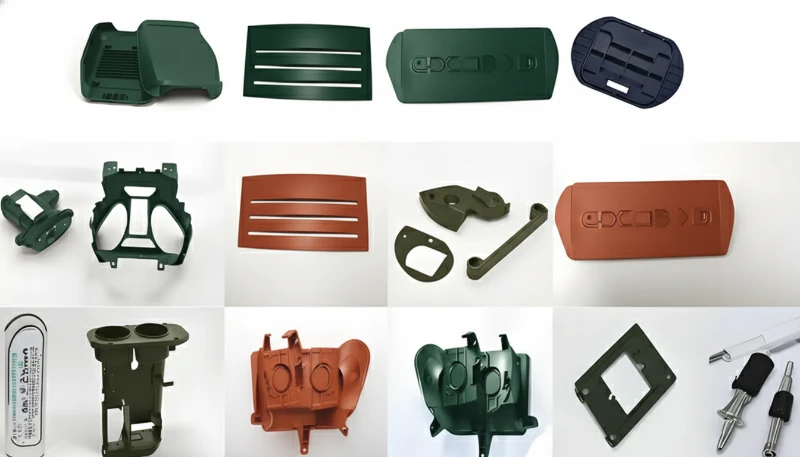
Mefron è specializzata nello stampaggio a iniezione di precisione per l’elettronica e i dispositivi medici. Il loro stabilimento include camere bianche per stampaggio di classe ISO 7 e ISO 8, rendendoli una delle poche aziende indiane in grado di produrre componenti regolamentati dalla FDA. Gestiscono resine tecniche tra cui PEEK, LCP e PPSU. Fondata nel 2005, con sede a Bangalore, con circa 150 dipendenti. Le certificazioni includono ISO 9001, ISO 13485 e ISO 14001.
10. Ikon Moulders
Ikon Moulders occupa una nicchia nei componenti di precisione per applicazioni aerospaziali e di difesa. Le loro operazioni di stampaggio si concentrano sulla produzione a tolleranze strette, da basso a medio volume, in materiali ad alte prestazioni, con capacità che includono lo stampaggio sovrapposto per applicazioni multi-materiale. Possiedono la certificazione AS9100 (standard di qualità aerospaziale) oltre alla ISO 9001, cosa rara tra gli stampatori ad iniezione indiani. Fondata nel 2003, con sede a Hyderabad, conta circa 120 dipendenti.
Come si Posiziona l’India rispetto alla China per l’Acquisto di Materie Plastiche?
È la domanda che ci viene posta più spesso, quindi rispondiamo con chiarezza. La Cina continua a dominare la fornitura mondiale di stampaggio a iniezione per validi motivi: un ecosistema maturo per la costruzione di stampi, un’enorme scala produttiva e una fitta rete di fornitura che riduce i tempi di consegna. L’India è competitiva e migliora rapidamente, ma il divario è reale.
| Fattore | India | Cina |
|---|---|---|
| Qualità dello Stampo (Utensili Complessi) | Moderata — capacità limitata di alta cavitazione | Forte — ecosistema di cluster di utensileria consolidato |
| Costo del lavoro | 15-30% inferiore alla Cina | Più alto ma compensato dall'efficienza |
| Comunicazione in inglese | Vantaggio forte | Spesso richiede un intermediario |
| Scala di produzione | In crescita, ma frammentato | Enorme e consolidata |
| Tempo di Consegna (Stampo + Campioni T1) | 8-14 settimane tipiche | 4-8 settimane tipiche |
| Disponibilità del materiale | Buono per resine comuni, limitato per quelle speciali | Eccellente per tutti i tipi di resina |
| Infrastruttura logistica | In miglioramento, ma ritardi portuali comuni | Maturo, rapido da porto a porto |
Per le aziende che puntano al mercato interno indiano — stabilire una produzione locale per servire Maruti, Tata o marchi di consumo indiani — la decisione è ovvia. Lo stampaggio basato in India ha senso economico e logistico. Per le aziende che si approvvigionano a livello globale e confrontano India vs. Cina puramente su costo e capacità, la Cina vince ancora sulla maggior parte degli indicatori tecnici e operativi.
"La Cina resta il principale fornitore mondiale di stampaggio a iniezione per capacità produttiva totale."True
La Cina rappresenta circa il 30% della produzione globale di stampaggio a iniezione plastica, con oltre 15.000 grandi stabilimenti di stampaggio concentrati nelle province di Guangdong, Jiangsu e Zhejiang. Questa concentrazione crea un ecosistema di stampi maturo, tempi di consegna più brevi per stampi complessi e una migliore disponibilità di materiali per resine tecniche rispetto all'India o al Sud-est asiatico.
"Il minor costo del lavoro in India comporta automaticamente un costo totale del pezzo inferiore rispetto alla Cina."False
Le tariffe della manodopera indiana sono effettivamente inferiori del 15-30% rispetto a quelle cinesi per gli addetti alla produzione. Tuttavia, il costo totale a destino dipende dai prezzi dei materiali, spesso più elevati in India per la dipendenza dalle importazioni di resine tecniche, dall'infrastruttura logistica, dal costo dello stampo e dai tassi di resa. Per pezzi tecnici complessi, il costo totale cinese è spesso ancora inferiore considerando qualità dello stampo, efficienza del tempo ciclo e tasso di scarto.
Il punto ideale per l’approvvigionamento in India sono i componenti a medio volume in resine comuni o semi-ingegnerizzate, dove il risparmio sui costi del lavoro supera gli attriti infrastrutturali. Per tutto il resto — stampi complessi multi-cavità, resine ingegnerizzate, tolleranze strette o tempistiche aggressive — la Cina mantiene un vantaggio misurabile sia in capacità che in costo totale.
Un fattore che gli acquirenti spesso sottovalutano è il costo del materiale. L’India produce PP e PE a livello nazionale attraverso Reliance e Indian Petrochemicals, quindi il prezzo delle resine commodity è competitivo. Ma le resine tecniche — PC, POM, PBT, PPS, PEEK — sono in gran parte importate, e il costo di approvvigionamento in India può essere superiore del 10-25% rispetto alla Cina, dove la produzione nazionale di resine è più diversificata. Per un componente in cui il materiale rappresenta il 40-60% del costo totale, questa differenza da sola può annullare il risparmio sulla manodopera.
La logistica è un’altra variabile. Porti indiani come Nhava Sheva e Chennai gestiscono bene i container, ma il trasporto da Pune, Gurgaon o Bangalore aggiunge 2-5 giorni e costi. In Cina, la vicinanza delle aree produttive a Shanghai, Shenzhen e Ningbo riduce tempi e trasporto interno.

Quando l’India è la Scelta di Sourcing Corretta?
L’India è la scelta giusta quando hai bisogno di accesso al mercato interno, produzione ad alto volume a basso costo o diversificazione della catena di fornitura oltre la Cina. Ecco quando la consiglieremmo sinceramente.
Vendete sul mercato interno indiano. Se il cliente finale è un OEM indiano, come Maruti Suzuki, Tata Motors, Reliance o Godrej, produrre localmente evita dazi all’importazione del 20-30% e riduce la complessità logistica. Il quadro Make in India impone inoltre contenuti locali per molti contratti di appalto pubblico.
Vi servono pezzi a medio volume in resine standard o semitecniche. Per pezzi in PP, PE, ABS e nylon di base, con volumi tra 10.000 e 500.000 unità/anno, i fornitori indiani possono essere competitivi, soprattutto quando contano la comunicazione in inglese e l’allineamento del fuso orario con l’Europa.
Il progetto richiede stampaggio in camera bianca per dispositivi medici destinati al mercato indiano. Aziende come Mefron e NSK hanno investito in camere bianche ISO Class 7/8. Per i dispositivi medici venduti nel settore sanitario indiano, in rapida crescita, la produzione locale è sempre più spesso un requisito normativo.
"Il mercato indiano dei dispositivi medici cresce del 15-20% all'anno, stimolando gli investimenti nello stampaggio in camera bianca."True
Il mercato indiano dei dispositivi medici è tra i più dinamici dell'Asia; il governo sostiene la produzione interna con il programma PLI e riforme normative. Ciò spinge gli stampatori indiani a investire in camere bianche per acquisire commesse OEM medicali prima affidate a Cina o Sud-est asiatico.
"Tutte le principali aziende indiane di stampaggio a iniezione dispongono ormai di capacità interne di costruzione stampi."False
In realtà, la maggior parte degli stampatori a iniezione indiani esternalizza ancora la costruzione degli stampi a officine specializzate. Solo una minoranza di aziende — come Motherson, Arihant e poche altre — mantiene progettazione e fabbricazione degli stampi interne. Questa esternalizzazione aggiunge tempo di consegna e può creare lacune nel controllo qualità, poiché lo stampatore non può iterare direttamente sulle modifiche dello stampo durante la fase di ramp-up produttivo.
Volete diversificare la catena di fornitura oltre la Cina. È una decisione strategica, non puramente economica. Alcune aziende dividono deliberatamente la produzione tra Cina e India per ridurre il rischio geopolitico. Il sovrapprezzo dell’India è reale, in genere un costo totale a destino superiore del 10-20% per lo stesso pezzo, ma la riduzione del rischio può giustificarlo per la vostra organizzazione.
In tutti gli altri scenari, ossia stampi multicavità complessi, resine tecniche con tolleranze strette, programmi ad alto volume superiori a 1M unità/anno o tempi di consegna aggressivi, l’ecosistema cinese di attrezzaggio e produzione resta la scelta più forte.
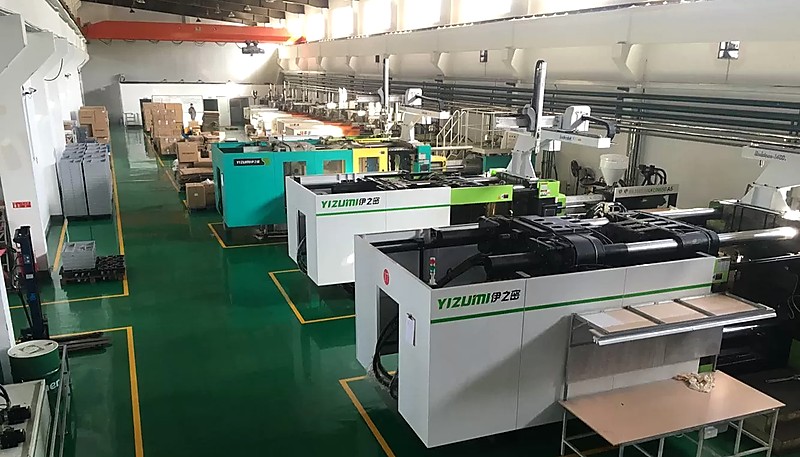
Nel nostro stabilimento di Shanghai, gestiamo 47 macchine per stampaggio a iniezione con forza di chiusura da 90T a 1850T, supportate da una struttura interna di produzione stampi ed esperienza con oltre 400 materiali plastici — capacità che ci permettono di gestire tutto, dai connettori micro-precisione agli alloggiamenti automobilistici di grandi dimensioni sotto un unico tetto.
In ZetarMold, vediamo l’India come un mercato di approvvigionamento complementare — non concorrente. Il nostro stabilimento di Shanghai gestisce 47 macchine per stampaggio a iniezione da 90T a 1850T con un’officina stampi interna che consegna oltre 100 set di stampi al mese. Abbiamo 8 ingegneri senior con oltre 10 anni di esperienza, oltre 30 project manager di lingua inglese e lavoriamo oltre 400 materiali. Per gli acquirenti che necessitano di stampi complessi e coerenza ad alto volume, rimaniamo l’opzione più forte. Ma per gli scenari sopra elencati, un partner indiano qualificato può essere la scelta giusta.
FAQ: Approvvigionamento di stampaggio a iniezione in India
Domande frequenti
Quali sono le dimensioni del mercato indiano dello stampaggio a iniezione?
Secondo Grand View Research, nel 2024 il mercato indiano della plastica stampata a iniezione valeva circa USD 27.84 miliardi. Si prevede che raggiunga USD 38.13 miliardi entro il 2030, con un tasso di crescita annuale composto del 5.5%. Il settore automobilistico è il maggiore consumatore, seguito da imballaggi, elettronica di consumo e sanità. Iniziative governative come Make in India e il programma PLI continuano a stimolare gli investimenti nella capacità produttiva nazionale, in particolare nelle applicazioni medicali e per veicoli elettrici. La crescita è sostenuta anche dall’espansione della classe media indiana e dall’aumento del consumo interno di prodotti in plastica in tutti i principali settori d’impiego.
Quale azienda indiana è la più grande nel settore dello stampaggio a iniezione?
Samvardhana Motherson Group (spesso chiamato Motherson Sumi) è ampiamente considerato la maggiore azienda indiana di stampaggio a iniezione per fatturato e scala produttiva. Gestisce oltre 400 stabilimenti in più di 40 Paesi, con decine di impianti di stampaggio a iniezione in India al servizio degli OEM automobilistici globali. La capacità di stampaggio spazia dai piccoli connettori elettrici ai grandi moduli paraurti e cruscotto, con macchine fino a 2,000T. Per i volumi non automobilistici, Supreme Industries è il maggiore trasformatore di materie plastiche in India per volume complessivo di polimeri, con oltre 25 stabilimenti nel Paese e produzioni che vanno dai raccordi per edilizia ai beni di consumo.
Come si confrontano i costi di stampaggio a iniezione indiani con quelli cinesi?
In genere, il costo della manodopera indiana è inferiore del 15-30% rispetto a quello della manodopera cinese per gli addetti alla produzione. Tuttavia, il costo totale a destino dipende da numerosi fattori oltre alla manodopera: in India i prezzi delle resine tecniche sono spesso più elevati a causa della dipendenza dalle importazioni, l’infrastruttura logistica può comportare ritardi e costi aggiuntivi e le attrezzature per stampi complessi possono addirittura costare di più presso le officine indiane, a causa del minor numero di fornitori specializzati. Per pezzi semplici realizzati con resine di largo consumo come PP o PE, l’India può essere competitiva in termini di costi. Per pezzi tecnici complessi che richiedono tolleranze strette, il costo totale cinese, comprendente la qualità delle attrezzature, l’efficienza del tempo di ciclo e i tassi di scarto, è spesso ancora inferiore.
Quali certificazioni dovrei cercare in uno stampatore a iniezione indiano?
Al minimo, qualsiasi stampatore a iniezione indiano credibile dovrebbe possedere la certificazione ISO 9001 per la gestione della qualità. Per i componenti automobilistici, IATF 16949 è essenziale. Per i dispositivi medici, è richiesta ISO 13485. Le certificazioni di gestione ambientale (ISO 14001) e di salute e sicurezza sul lavoro (ISO 45001) sono indicatori di un’operazione più matura. Verificate sempre che l’ambito della certificazione copra lo stabilimento specifico che produce i vostri componenti, non solo la sede centrale. Richiedete copie dei certificati attuali direttamente al fornitore, piuttosto che affidarvi a dichiarazioni sul sito web o materiali di marketing.
Qual è il tempo di consegna tipico per gli stampi a iniezione dall’India?
Il tempo di consegna tipico di un nuovo stampo a iniezione da un fornitore indiano varia da 8 a 14 settimane, a seconda della complessità dello stampo, del numero di cavità e del carico di lavoro attuale del fornitore. Questo periodo comprende la revisione del progetto dello stampo, la lavorazione dell’acciaio, la presentazione del campione T1 e le modifiche. In confronto, i costruttori di stampi cinesi consegnano generalmente in 4–8 settimane per una complessità analoga. I tempi più lunghi in India dipendono in parte da una filiera dell’attrezzaggio meno concentrata: un numero inferiore di fornitori specializzati di acciai per stampi e di impianti di trattamento termico comporta più lavorazioni sequenziali anziché parallele.
Le aziende di stampaggio indiane possono gestire resine tecniche come PEEK, LCP o PPSU?
Sì, ma solo un numero limitato di aziende indiane dispone delle attrezzature e delle competenze di processo necessarie per le resine tecniche ad alta temperatura. Aziende come Mefron Technologies e NSK India possono lavorare in modo affidabile materiali come PEEK, LCP e PPSU. La maggior parte degli stampatori indiani si concentra su resine di largo consumo (PP, PE, ABS) e resine tecniche standard (PA6, PA66, PC, POM). Se il vostro progetto richiede materiali speciali ad alta temperatura, verificate l’esperienza del fornitore con quella specifica resina e richiedete dati di campionatura relativi a produzioni precedenti prima di confermare un ordine di volume.
Pronto a approvvigionare componenti stampati a iniezione?
L’industria indiana dello stampaggio a iniezione è concreta e in crescita. Aziende come Motherson, Tata AutoComp e Supreme Industries forniscono su larga scala componenti di qualità per applicazioni automobilistiche e di consumo. Tuttavia, per stampi complessi, tolleranze strette, resine tecniche e tempi di consegna molto serrati, l’ecosistema produttivo cinese conserva vantaggi strutturali.
Il nostro suggerimento: inizia con un piccolo ordine di prova. Testa la qualità dello stampo, la reattività della comunicazione e l’affidabilità della consegna prima di impegnarsi in volumi. Che quella prova vada in India o in Cina, i dati di un reale ciclo di produzione ti dicono più di qualsiasi brochure di marketing.
Se cercate un partner per lo stampaggio a iniezione complesso e ad alto volume, con stampi multicavità, pezzi a tolleranza stretta in resine tecniche o programmi da oltre 100K unità con qualità costante, contattate il nostro team di ingegneria. ZetarMold esporta in tutto il mondo da Shanghai dal 2013, con 47 macchine, oltre 400 opzioni di materiali e un flusso qualità in sei fasi, dall’IQC all’OQC.
stampaggio a iniezione: lo stampaggio a iniezione è un processo produttivo in cui il materiale fuso viene iniettato ad alta pressione nella cavità di uno stampo, dove si raffredda e solidifica assumendo la forma desiderata; è ampiamente usato per produrre in serie pezzi in plastica. ↩
stampo a iniezione: uno stampo a iniezione è un utensile di precisione lavorato in acciaio o alluminio che definisce la geometria della cavità in cui viene iniettata la plastica fusa per formare un pezzo durante lo stampaggio a iniezione. ↩
sovrastampaggio: il sovrastampaggio è un processo di stampaggio a iniezione in due fasi nel quale un secondo materiale viene stampato sopra un substrato precedentemente formato, per aggiungere al pezzo superfici morbide al tatto, guarnizioni o caratteristiche multicolore. ↩