 Перейти к содержанию

Injection Mold Manufacturing in India: A Complete Sourcing Guide
You are evaluating plastic part suppliers, and someone on your team asked about India. Fair question — India’s injection molded plastic market was valued at USD 27.84 billion in 2024 and is projected to reach USD 38.13 billion by 2030, growing at a CAGR of 5.5%. The country has over 5,000 plastic processing units, a young workforce, and government incentives pushing local manufacturing. But does a growing market mean a good supplier for your specific project? Not always. This guide gives you the honest picture — who the key players are, what they do well, where they fall short, and how India compares to China for plastic part sourcing.
Для более широкого обзора, наше injection molding complete guide охватывает основы процесса, поведение материалов и производственные решения.
- India’s injection molding market is projected to reach USD 38.13 billion by 2030, driven by automotive, packaging, and medical sectors.
- Top Indian companies include Samvardhana Motherson, Tata AutoComp, Supreme Industries, and NSK — each with distinct strengths.
- India offers 15-30% labor cost savings over China, but mold quality, lead times, and infrastructure vary significantly between suppliers.
- Key selection criteria: ISO/IATF certifications, cleanroom capability, English communication, and mold trial willingness.
- For complex or high-volume programs, Chinese manufacturers still hold advantages in mold precision, tonnage range, and production scale.
What Is the Current State of India’s Injection Molding Industry?
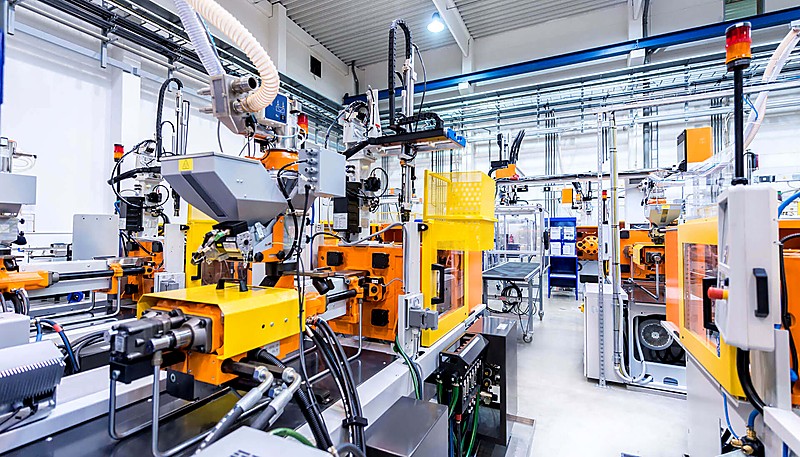
India’s литьё под давлением1 industry is large, fragmented, and growing fast — it processes over 20 million tonnes of polymers annually. The sector feeds automotive (the biggest consumer), consumer electronics, packaging, healthcare, and construction. Government programs like the Make in India initiative and the Production Linked Incentive scheme have accelerated investment in manufacturing infrastructure.
However, the industry remains fragmented. A handful of large, publicly listed companies coexist with thousands of small job shops running 50-200T machines with limited quality systems. The automotive sector alone consumes roughly 30% of India’s injection-molded plastic output. Companies like Maruti Suzuki, Tata Motors, and Mahindra rely on domestic Tier-1 and Tier-2 suppliers for interior trim, under-hood components, and electrical housings.
The medical device segment is the fastest-growing, driven by India’s push for domestic healthcare manufacturing and rising exports to regulated markets like the US and EU. Cleanroom molding capability — once rare in India — is now available at a growing number of facilities, though still concentrated among the top tier of suppliers.
India’s polymer consumption is projected to double by 2030, with polypropylene (PP) and polyethylene (PE) together accounting for over 60% of total demand. The country’s dependence on imported engineering resins — materials like polycarbonate, PEEK, and LCP — remains a structural weakness that affects both material cost and lead time for buyers specifying these grades.
Which Trends Are Shaping India’s Injection Molding Sector?
Several macro trends are reshaping India’s injection molding landscape. First, the electric vehicle transition is creating entirely new demand categories — battery enclosures, thermal management housings, lightweight structural brackets — that did not exist five years ago. Indian molders who invested in large-tonnage machines (1000T+) are capturing this growth.
Second, the medical device sector is expanding at 15-20% annually. Injection molding in cleanroom environments is shifting from a niche capability to a baseline requirement for any supplier targeting healthcare OEMs.
Third, sustainability pressures are increasing. Extended Producer Responsibility regulations now require plastic manufacturers to account for end-of-life recycling. Leading Indian molders are experimenting with post-consumer recycled (PCR) resins and bio-based polymers, though adoption remains early.
Fourth, automation is accelerating. Labor arbitrage alone no longer wins orders. Companies are investing in robotic part removal, in-mold sensors, and real-time SPC monitoring to match the quality consistency that buyers expect from Chinese or Southeast Asian suppliers.
A fifth trend worth watching: several Indian Tier-1 suppliers are establishing or acquiring manufacturing plants in Southeast Asia and Eastern Europe. Motherson and Tata AutoComp now have production footprints in over 40 countries. This expansion means that partnering with an Indian company can sometimes provide access to near-shore production in Europe or ASEAN — not just India-based manufacturing.
“India’s injection molded plastic market is projected to grow at 5.5% CAGR through 2030.”Правда
According to Grand View Research, the market was valued at USD 27.84 billion in 2024 and is expected to reach USD 38.13 billion by 2030, driven by automotive, medical, and packaging demand.
“Indian injection molding companies can match Chinese mold precision and production scale for all part types.”Ложь
While top Indian firms like Motherson and NSK achieve excellent precision in their specialty areas, the broader industry struggles with complex multi-cavity molds and consistent tight tolerances across volume production. China’s tooling ecosystem still holds significant advantages in mold complexity, lead time, and cost for most commercial applications.
How Do You Choose an Injection Molding Supplier in India?
Selecting an Indian molding partner is not about finding the biggest company — it is about matching capabilities to your specific requirements. Here is a practical framework after working with suppliers across Asia for 20+ years.
Define Your Technical Requirements First
Before you contact a supplier, document your part specifications clearly: material, tolerance range, annual volume, surface finish, color consistency, and any regulatory requirements (UL94, FDA, USP Class VI). The more precise your specification, the faster you can separate qualified suppliers from wishful thinkers.
Verify Certifications, Not Just Claims
Ask for current certificate copies — not screenshots from a website. IATF 16949 is essential for automotive. ISO 13485 for medical. ISO 9001 is table stakes; if a company does not have it, move on. Check whether the certificate scope covers the specific facility that will produce your parts, not just a corporate headquarters.
Request Mold Trials Before Committing
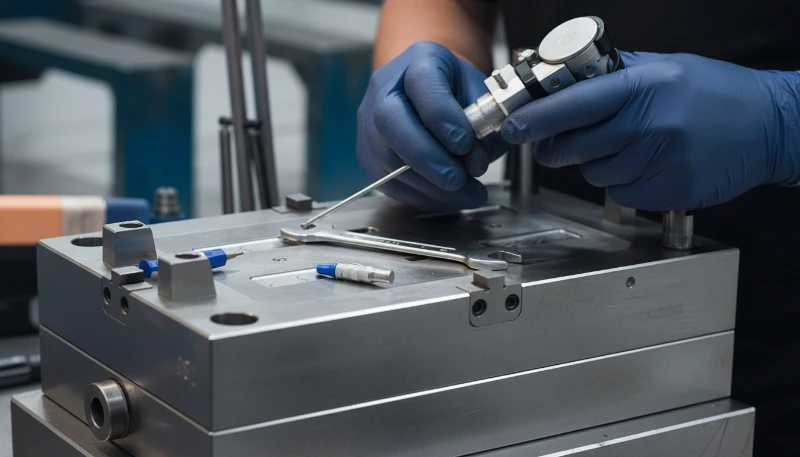
Any credible литьевая форма2 maker should be willing to run sample parts before you sign a volume agreement. Pay for the trial — it is the cheapest insurance you will ever buy. Inspect the samples yourself or use a third-party inspection service. Look for flash, sink marks, weld lines, and dimensional consistency across the sample lot.
A mold trial also reveals how the supplier handles problems. If T1 samples come back with flash or short shots, does the supplier proactively propose fixes, or do they wait for your instruction? The response to first-run problems tells you more about a supplier’s engineering depth than any sales presentation.
Evaluate Communication and Project Management
Indian companies generally have strong English communication skills — a genuine advantage for North American and European buyers. But communication quality varies enormously between a Motherson-level organization and a 20-machine job shop. Ask: Who will be your direct contact? What is their response time SLA? Do they provide weekly production reports?
Also evaluate their willingness to share production data: real-time machine monitoring, SPC charts, yield reports. Suppliers who proactively share data tend to be more reliable long-term partners than those who only communicate when there is a problem.
“India offers genuine English-language communication advantages for Western buyers compared to most Chinese suppliers.”Правда
English is an official language in India and widely used in business. Most mid-to-large Indian molding companies employ English-speaking project managers, making RFQ discussions, technical reviews, and issue resolution more straightforward for Western buyers.
“All Indian injection molders automatically provide weekly production reports.”Ложь
While top-tier Indian companies like Motherson and Tata AutoComp have sophisticated project management systems with regular reporting, mid-size suppliers often provide basic communication only. Weekly production reports, real-time SPC monitoring, and proactive issue updates are typically available only from premium suppliers, not as a standard practice across the industry.
Top 10 Injection Molding Companies in India
Below is a practical rundown of India’s most capable injection molding companies. This is not a ranking — it is a field guide based on industry reputation, certifications, and production capabilities.
1. Samvardhana Motherson Group (Motherson Sumi)
Motherson is India’s largest automotive component manufacturer and one of the world’s biggest wiring harness and plastic module suppliers. They operate over 400 facilities across 40+ countries, including dozens of injection molding plants in India. Their molding capacity spans from small electrical connectors to large bumper and dashboard modules, using machines up to 2,000T. They hold IATF 16949, ISO 9001, and multiple OEM-specific certifications. If you need automotive-grade volume, Motherson is the first call. Founded in 1986, headquartered in Noida, with over 150,000 employees globally.
2. Tata AutoComp Systems
Part of the Tata Group ecosystem, Tata AutoComp supplies plastic parts to Tata Motors, Jaguar Land Rover, and other global OEMs. Their injection molding operations cover automotive interiors, exteriors, and under-hood applications. They run multi-cavity precision molds and have invested heavily in electric vehicle (EV) battery housing programs. Some of their newer programs involve овермолдинг3 for soft-touch interior surfaces. Tata AutoComp holds IATF 16949 and ISO 14001 certifications. Founded in 1995, headquartered in Pune, with approximately 6,000 employees.
3. Supreme Industries Ltd
Supreme Industries is India’s largest plastics processor by volume. Injection molding is their core process. They serve construction (pipes, fittings), consumer goods, furniture, and industrial packaging. With over 25 manufacturing plants and hundreds of molding machines, Supreme handles everything from commodity PP buckets to engineered plastic components. Their strength is scale and cost efficiency. Founded in 1942, headquartered in Mumbai, with over 5,000 employees and revenue exceeding USD 700 million.
4. NSK Bearings India (Nippon Seiko)
NSK brings Japanese manufacturing discipline to the Indian market. Their Indian operations produce precision-molded bearing cages, sensor housings, and other tight-tolerance components for automotive and industrial applications. If your project demands dimensional accuracy in the ±0.02mm range, NSK is among the few Indian molders who consistently deliver at that level. Founded in 1916 (Japan), Indian operations since the 1990s, headquartered in Chennai, with over 2,000 employees in India.
5. Arihant Dies and Moulds
Arihant is one of India’s fastest-growing injection molding companies, with a strong focus on automotive and electrical appliance components. They provide end-to-end services from проектирование пресс-форм and fabrication through volume production. Their in-house mold building capability is a differentiator — many Indian molders outsource mold construction, which adds lead time and quality risk. Founded in 1998, headquartered in Pune, with approximately 500 employees and IATF 16949 certification.
6. Hero AutoParts (Hero Group)
Hero AutoParts is the plastic component arm of the Hero Group, India’s largest two-wheeler manufacturer. Their injection molding division produces fuel tanks, fairings, instrument panels, and structural components for motorcycles and scooters. They run over 47 injection molding machines ranging from 80T to 1200T across multiple plants in North India. Founded in 1985, headquartered in Gurgaon, with approximately 3,000 employees. ISO 9001 and IATF 16949 certified.
7. UNO Minda (Minda Industries)
UNO Minda is a major Tier-1 automotive supplier producing injection-molded interior and exterior components, switch assemblies, and lighting housings. They serve Maruti Suzuki, Hyundai India, Honda, and Toyota’s Indian operations. Their molding plants run machines up to 1600T and include in-house paint and chrome plating lines. Founded in 1958, headquartered in Gurgaon, with over 7,000 employees and IATF 16949 and ISO 14001 certifications.
8. Primex Plastics India
Primex Plastics focuses on custom injection molding for consumer appliances, industrial components, and packaging. They operate a mid-scale facility with 30+ machines ranging from 50T to 650T, targeting the sweet spot of medium-volume, multi-cavity production. Primex is a good option for buyers who need flexible MOQs and are willing to trade maximum scale for more attentive project management. Founded in 2001, headquartered in Vadodara, Gujarat, with approximately 200 employees and ISO 9001 certification.
9. Mefron Technologies
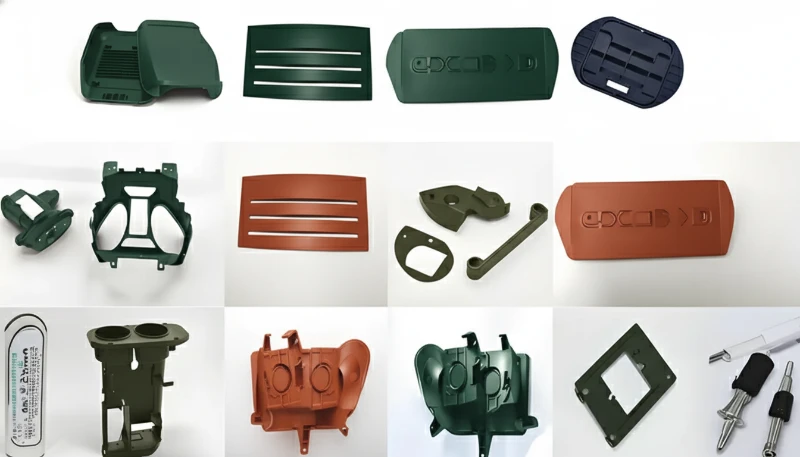
Mefron specializes in precision injection molding for electronics and medical devices. Their facility includes ISO Class 7 and Class 8 cleanroom molding suites, making them one of the few Indian companies capable of producing FDA-regulated components. They handle engineering resins including PEEK, LCP, and PPSU. Founded in 2005, headquartered in Bangalore, with approximately 150 employees. Certifications include ISO 9001, ISO 13485, and ISO 14001.
10. Ikon Moulders
Ikon Moulders occupies a niche in precision components for aerospace and defense applications. Their molding operations focus on tight-tolerance, low-to-medium volume production in high-performance materials, with capabilities including overmolding for multi-material applications. They hold AS9100 (aerospace quality standard) in addition to ISO 9001, which is rare among Indian injection molders. Founded in 2003, headquartered in Hyderabad, with approximately 120 employees.
How Does India Compare to China for Plastic Sourcing?
This is the question we hear most often, so let us be direct. China remains the world’s dominant injection molding supplier for good reasons: a mature tooling ecosystem, massive production scale, and supply chain density that compresses lead times. India is competitive and improving rapidly, but the gap is real.
| Фактор | India | China |
|---|---|---|
| Mold Quality (Complex Tools) | Moderate — limited high-cavitation capability | Strong — deep tooling cluster ecosystem |
| Стоимость труда | 15-30% lower than China | Higher but offset by efficiency |
| English Communication | Strong advantage | Often requires intermediary |
| Production Scale | Growing, but fragmented | Massive and consolidated |
| Lead Time (Mold + T1 Samples) | 8-14 weeks typical | 4-8 weeks typical |
| Доступность материала | Good for commodity resins, limited for specialty | Excellent for all resin types |
| Logistics Infrastructure | Improving, but port delays common | Mature, fast port-to-port |
For companies targeting the Indian domestic market — setting up local production to serve Maruti, Tata, or Indian consumer brands — the decision is obvious. India-based molding makes economic and logistical sense. For companies sourcing globally and comparing India vs. China purely on cost and capability, China still wins on most technical and operational metrics.
“China remains the dominant injection molding supplier globally by total manufacturing capacity.”Правда
China accounts for approximately 30% of global plastic injection molding output, with over 15,000 large-scale molding facilities concentrated in Guangdong, Jiangsu, and Zhejiang provinces. This concentration creates a mature tooling ecosystem, shorter lead times for complex molds, and better material availability for engineering resins compared to India or Southeast Asia.
“Lower labor costs in India automatically mean lower total part cost compared to China.”Ложь
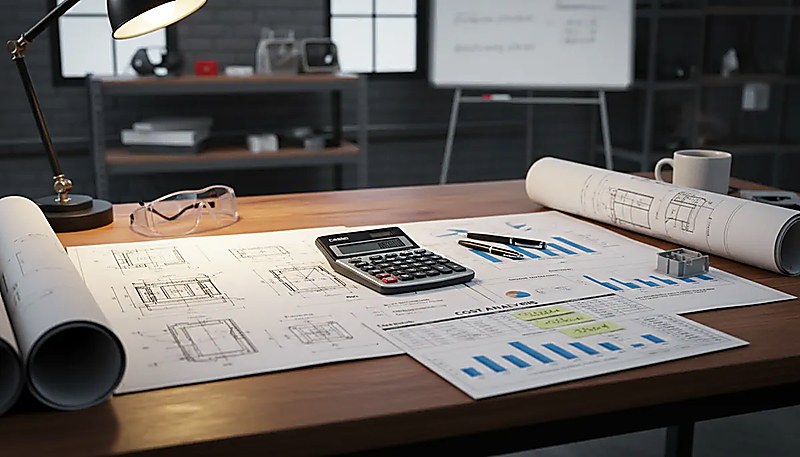
India’s labor rates are indeed 15-30% lower than China’s for production workers. However, total landed cost depends on material prices (often higher in India due to import dependence for engineering resins), logistics infrastructure, mold cost, and yield rates. For complex engineered parts, China’s total cost is often still lower when you factor in tool quality, cycle time efficiency, and scrap rates.
The sweet spot for India sourcing is mid-volume parts in commodity or semi-engineered resins, where labor cost savings outweigh infrastructure friction. For everything else — complex multi-cavity molds, engineering resins, tight tolerances, or aggressive timelines — China retains a measurable edge in both capability and total cost.
One factor buyers often underestimate is material cost. India produces PP and PE domestically through Reliance and Indian Petrochemicals, so commodity resin pricing is competitive. But engineering resins — PC, POM, PBT, PPS, PEEK — are largely imported, and the landed cost in India can be 10-25% higher than in China where domestic resin production is more diversified. For a part where material represents 40-60% of total cost, this difference alone can erase the labor savings.
Logistics is another variable. Major Indian ports like Nhava Sheva (Mumbai) and Chennai handle container traffic efficiently, but inland transportation from manufacturing clusters in Pune, Gurgaon, or Bangalore to the port adds 2-5 days and meaningful freight cost. China’s port infrastructure and proximity of manufacturing zones to Shanghai, Shenzhen, and Ningbo ports means faster turnaround and lower inland freight costs for export shipments.
When Is India the Right Sourcing Choice?
India is the right choice when you need domestic market access, low-cost high-volume production, or supply chain diversification beyond China. Here is when we would genuinely recommend it.
Вы продаёте на внутренний рынок Индии. Если ваш конечный заказчик — индийский OEM (Maruti Suzuki, Tata Motors, Reliance, Godrej) — производство на месте позволяет избежать импортных пошлин в 20–30% и снижает логистическую сложность. Программа «Make in India» также требует местного содержания для многих государственных контрактов на закупки.
Вам нужны среднесерийные детали из стандартных или полуинженерных пластиков. Для деталей из PP, PE, ABS и базовых нейлонов в диапазоне от 10 000 до 500 000 единиц/год индийские поставщики могут быть конкурентоспособны по стоимости, особенно когда важны общение на английском и совпадение часового пояса с Европой.
Ваш проект требует литья в чистых помещениях для медицинских приборов, предназначенных для индийского рынка. Компании, такие как Mefron и NSK, инвестировали в чистые помещения класса ISO 7/8. Для медицинских приборов, продаваемых в быстрорастущий сектор здравоохранения Индии, местное производство всё чаще требуется по нормативам.
«Рынок медицинских приборов Индии растёт на 15–20% ежегодно, что стимулирует инвестиции в литьё в чистых помещениях».Правда
Рынок медицинских приборов Индии является одним из самых быстрорастущих в Азии, при этом правительство активно стимулирует внутреннее производство через схему PLI и регуляторные реформы. Этот рост побуждает индийских производителей литья под давлением инвестировать в чистые помещения, чтобы захватить бизнес с медицинскими OEM-заказчиками, который ранее поставлялся из Китая или Юго-Восточной Азии.
«Все крупные индийские компании по литью под давлением теперь имеют собственные возможности по изготовлению пресс-форм».Ложь
В реальности большинство индийских производителей литья под давлением по-прежнему передают изготовление пресс-форм на аутсорсинг специализированным инструментальным цехам. Лишь меньшинство компаний — таких как Motherson, Arihant и некоторые другие — сохраняют внутренние возможности по проектированию и изготовлению пресс-форм. Этот аутсорсинг увеличивает сроки поставки и может создавать пробелы в контроле качества, поскольку производитель литья не может напрямую вносить итеративные изменения в инструмент во время наращивания производства.
Вы хотите диверсифицировать цепочку поставок за пределы Китая. Это стратегическое, а не чисто экономическое решение. Некоторые компании сознательно разделяют производство между Китаем и Индией, чтобы снизить геополитические риски. Наценка на стоимость в Индии реальна — обычно на 10-20% выше общая стоимость поставки для той же детали — но снижение риска может оправдать ее для вашей организации.
Во всех остальных случаях — сложные многогнёздные пресс-формы, инженерные пластики с жёсткими допусками, крупносерийные проекты свыше 1 млн единиц/год или сжатые сроки поставки — инструментальная и производственная экосистема Китая остаётся более сильным выбором.
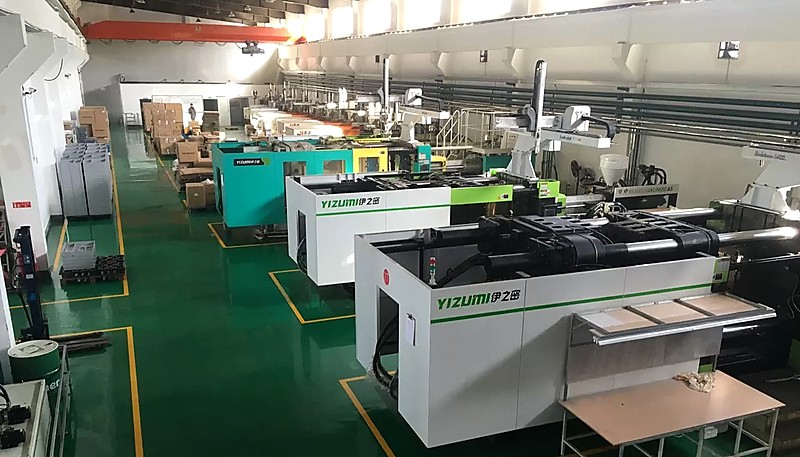
На нашем шанхайском заводе мы эксплуатируем 47 машин для литья под давлением с усилием смыкания от 90 до 1850 тонн, поддерживаемых собственным производством пресс-форм и опытом работы с более чем 400 видами пластиков — это возможности, которые позволяют нам выполнять всё, от микропрецизионных разъёмов до крупных автомобильных корпусов, под одной крышей.
В ZetarMold мы рассматриваем Индию как дополнительный, а не конкурирующий рынок закупок. Наше предприятие в Шанхае располагает 47 машинами для литья под давлением от 90 до 1850 тонн, с собственным цехом пресс-форм, выпускающим более 100 комплектов пресс-форм в месяц. У нас есть 8 старших инженеров с опытом более 10 лет, 30+ англоговорящих менеджеров проектов, и мы обрабатываем более 400 материалов. Для покупателей, которым нужны сложные пресс-формы и стабильность в крупных сериях, мы остаемся более сильным вариантом. Но для сценариев, перечисленных выше, квалифицированный индийский партнер может быть правильным выбором.
Часто задаваемые вопросы: Поиск поставщиков литья под давлением в Индии
Часто задаваемые вопросы
Какой размер рынка литья под давлением в Индии?
По данным Grand View Research, рынок литых под давлением пластиков Индии в 2024 году оценивался примерно в 27,84 млрд долларов США. Ожидается, что к 2030 году рынок достигнет 38,13 млрд долларов США, демонстрируя совокупный годовой темп роста в 5,5%. Автомобильный сектор является крупнейшим потребителем, за ним следуют упаковка, бытовая электроника и здравоохранение. Государственные инициативы, такие как «Make in India» и схема PLI, продолжают стимулировать инвестиции в внутренние производственные мощности, особенно для медицинских и электромобильных применений. Рост также поддерживается расширяющимся средним классом Индии и растущим внутренним потреблением пластиковых изделий во всех основных секторах конечного использования.
Какая индийская компания является крупнейшим производителем литья под давлением?
Samvardhana Motherson Group (часто называемая Motherson Sumi) широко считается крупнейшей компанией по литью под давлением в Индии по выручке и масштабам производства. Они управляют более чем 400 предприятиями в 40+ странах, с десятками заводов литья под давлением в Индии, обслуживающих глобальных автопроизводителей. Их мощности по литью варьируются от мелких электрических разъемов до крупных модулей бамперов и панелей приборов с использованием машин до 2000 тонн. Для неавтомобильного сегмента Supreme Industries является крупнейшим переработчиком пластмасс в Индии по общему объему переработки полимеров, управляя более чем 25 заводами по всей стране и занимаясь всем, от строительной арматуры до потребительских товаров.
Как сравниваются затраты на литьё под давлением в Индии и Китае?
Затраты на рабочую силу в Индии, как правило, на 15-30% ниже, чем в Китае, для производственных рабочих. Однако общая стоимость поставки зависит от множества факторов, помимо труда: цены на материалы для инженерных пластиков часто выше в Индии из-за зависимости от импорта, логистическая инфраструктура может добавлять задержки и расходы, а сложные пресс-формы могут стоить дороже у индийских производителей оснастки из-за меньшего числа специализированных поставщиков. Для простых деталей из стандартных пластиков, таких как ПП или ПЭ, Индия может быть конкурентоспособной по стоимости. Для сложных инженерных деталей, требующих жестких допусков, общая стоимость в Китае, включая качество оснастки, эффективность цикла и процент брака, часто все еще ниже.
Какие сертификаты следует искать у индийского производителя литья под давлением?
Как минимум, любой серьёзный индийский производитель литья под давлением должен иметь сертификат ISO 9001 по системе менеджмента качества. Для автокомпонентов необходим IATF 16949. Для медицинских приборов требуется ISO 13485. Сертификаты по системе экологического менеджмента (ISO 14001) и охране труда и безопасности (ISO 45001) указывают на более зрелую организацию. Всегда проверяйте, что область сертификации покрывает конкретное предприятие, производящее ваши детали, а не только головной офис компании. Запрашивайте актуальные копии сертификатов напрямую у поставщика, а не полагайтесь на заявления на сайте или маркетинговые материалы.
Какой типичный срок изготовления пресс-форм для литья под давлением из Индии?
Типичный срок изготовления новой пресс-формы для литья под давлением у индийского поставщика составляет от 8 до 14 недель, в зависимости от сложности пресс-формы, количества гнезд и текущей загрузки поставщика. Это включает проверку дизайна пресс-формы, обработку стали, предоставление образцов T1 и доработки. Для сравнения, китайские производители пресс-форм обычно выполняют заказы аналогичной сложности за 4–8 недель. Более длительные сроки в Индии частично обусловлены менее концентрированной цепочкой поставок оснастки — меньшее количество специализированных поставщиков стали для пресс-форм и термических установок означает более последовательную, а не параллельную обработку.
Могут ли индийские литейщики работать с инженерными пластиками, такими как PEEK, LCP или PPSU?
Да, но лишь небольшое число индийских компаний обладает оборудованием и опытом для работы с высокотемпературными инженерными пластиками. Такие компании, как Mefron Technologies и NSK India, могут надежно обрабатывать материалы типа PEEK, LCP и PPSU. Большинство индийских литейщиков сосредоточены на стандартных (ПП, ПЭ, АБС) и обычных инженерных пластиках (PA6, PA66, ПК, ПОМ). Если ваш проект требует специальных высокотемпературных материалов, проверьте опыт поставщика с конкретным пластиком и запросите данные образцов из предыдущих производственных циклов, прежде чем размещать крупный заказ.
Готовы к поиску поставщиков для литья под давлением?
Индустрия литья под давлением в Индии реальна и растет. Компании, такие как Motherson, Tata AutoComp и Supreme Industries, производят качественные детали в больших объемах для автомобильной промышленности и потребительских товаров. Однако для сложных пресс-форм, жестких допусков, инженерных пластиков и сжатых сроков поставки производственная экосистема Китая по-прежнему сохраняет структурные преимущества.
Наше предложение: начните с небольшого пробного заказа. Проверьте качество пресс-формы, оперативность коммуникации и надежность поставок, прежде чем переходить к крупным объемам. Независимо от того, будет ли этот пробный заказ выполнен в Индии или Китае, данные реального производства скажут вам больше, чем любой рекламный буклет.
Если вам нужен партнер для сложных, крупносерийных литьё под давлением — многогнёздные пресс-формы, детали с жёсткими допусками из инженерных пластиков или проекты, требующие 100 тыс.+ единиц со стабильным качеством — обратитесь к нашей инженерной команде. ZetarMold экспортирует продукцию по всему миру из Шанхая с 2013 года, располагая 47 машинами, более чем 400 вариантами материалов и шестиэтапным рабочим процессом контроля качества от входного контроля до контроля готовой продукции.
-
литьё под давлениемЛитье под давлением — это производственный процесс, при котором расплавленный материал впрыскивается под высоким давлением в полость формы, где он охлаждается и затвердевает, принимая нужную форму; широко используется для массового производства пластиковых деталей. ↩
-
литьевая формаПресс-форма для литья под давлением — это высокоточный инструмент, изготовленный из стали или алюминия, который определяет геометрию полости, в которую впрыскивается расплавленный пластик для формирования детали в процессе литья под давлением. ↩
-
овермолдингМногокомпонентное литьё — это двухэтапный процесс литья под давлением, при котором второй материал отливается поверх ранее отлитой основы, используется для добавления мягких на ощупь поверхностей, уплотнений или многоцветных элементов к детали. ↩



 EN
EN  ES
ES  FR
FR  DE
DE  PT
PT  AR
AR  RU
RU  JA
JA  KO
KO  IT
IT  NL
NL  TR
TR  PL
PL 