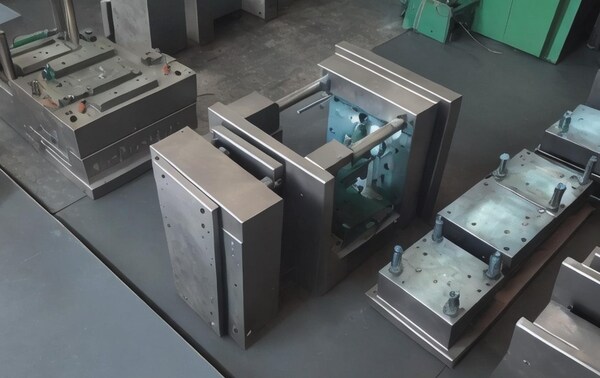
U hebt net $30.000 uitgegeven aan een productiematrijst in een Chinese fabriek. Zes maanden later wilt u de productie elders voortzetten — en de fabriek zegt dat de matrijs van hen is. Nee, ze zullen hem niet verzenden. Ja, ze zijn bereid uw onderdelen te blijven produceren. Op hun voorwaarden. Klinkt bekend? Het gebeurt vaker dan iemand wil toegeven, en het verschil tussen uw matrijs terugkrijgen of hem helemaal verliezen, hangt af van één document: de matrijs eigendomsverklaring.
- Chinese leveranciers claimen vaak standaard matrijseigendom — een schriftelijke overeenkomst is essentieel
- NNN-overeenkomsten beschermen uw intellectueel eigendom maar bepalen geen matrijseigendom
- Matrijs eigendomscontracten moeten onder Chinees recht afdwingbaar zijn, in het Chinees
- Neem duidelijke overdrachts-, opslag-, verzekerings- en beëindigingsclausules op
- Due diligence op uw leverancier is even belangrijk als het contract zelf
Wat is een Spuitgietmatrijs Eigendomsovereenkomst?
Een eigendomsovereenkomst voor spuitgietmatrijzen is een juridisch document dat bewijst dat u — niet de fabriek — eigenaar bent van uw matrijsgereedschap1. In China is dit document niet optioneel: zonder overeenkomst nemen veel fabrieken standaard aan dat het gereedschap dat zij op hun locatie maakten van hen is. De overeenkomst bestrijkt doorgaans IE op matrijsontwerpen, overdrachtsrechten, opslagvoorwaarden, verzekeringsplichten, onderhoudsverantwoordelijkheden en wat er gebeurt als de leverancier failliet gaat.
De overeenkomst omvat doorgaans het intellectuele eigendom van het matrijsontwerp, overdrachtsrechten, opslagvoorwaarden, verzekeringsverplichtingen, onderhoudsverantwoordelijkheden en wat er gebeurt als de leverancier failliet gaat. Zie het als de eigendomsakte van een bedrijfsmiddel met een waarde van zes cijfers dat in het gebouw van iemand anders staat — alleen staat dat gebouw 8,000 mijl verderop en werkt het lokale rechtssysteem anders dan u wellicht verwacht.
Waarom verzetten Chinese fabrieken zich tegen overdracht van matrijseigendom?
De reden waarom Chinese fabrieken zich tegen eigendomsoverdracht van matrijzen verzetten is eenvoudig: behoud van uw gereedschap verzekert terugkerende productieomzet. De meeste Chinese leveranciers van spuitgieten werken met kleine marges op massaproductie, niet op gereedschap. Hun bedrijfsmodel vereist dat uw onderdelen intern worden geproduceerd. Sommige fabrieken offreren gereedschap tegen of onder kostprijs om toekomstige productievolumes vast te leggen — een gangbare strategie bij elke leverancier van spuitgieten in China.
Dit is niet inherent oneerlijk – het is een veelgebruikte prijsstrategie in de Chinese productie. De fabriek investeert in het bouwen van uw matrijs tegen een concurrerende prijs omdat ze verwachten die investering terug te verdienen via onderdeelproductie gedurende 12–36 maanden. Wanneer u de matrijs na drie productieruns wegtrekt, lijden zij daadwerkelijk verlies op die gereedschapsbouw.
Bij ZetarMold hebben we een interne matrijsproductiefaciliteit in Shanghai die meer dan 100 matrijssets per maand produceert. Met meer dan 20 jaar ervaring in het bouwen en overdragen van matrijzen voor internationale kopers, hebben we eigendomsgeschillen uit eerste hand gezien — en onze standaardpraktijk is om vanaf dag één duidelijke eigendomsoverdrachtsvoorwaarden op te nemen in elke gereedschapsovereenkomst.
De praktische implicatie is dat u eigendomsverwachtingen vooraf moet bespreken, voordat er geld wordt overgemaakt. Fabrieken die zich tegen dit gesprek verzetten, zijn vaak dezelfde die later uw matrijs niet willen vrijgeven. In onze ervaring bij ZetarMold versterkt transparantie over eigendomsvoorwaarden vanaf dag één de zakelijke relatie — beide partijen weten precies waar ze aan toe zijn.
In onze ervaring bij ZetarMold met internationale klanten hebben we projecten gezien waarbij de vorige leverancier weigerde matrijzen ter waarde van meer dan €50.000 vrij te geven, simpelweg omdat er geen schriftelijke eigendomsovereenkomst was. De koper had volledig betaald. De leverancier gaf er niet om – zij hadden fysiek bezit, en zonder een contract onder Chinees recht had de koper vrijwel geen invloed.
Welke belangrijke clausules moet een matrijseigendomsovereenkomst bevatten?
Een afdwingbare matrijseigendomsovereenkomst is er een die zes essentiële clausules behandelt. Dit zijn: (1) een duidelijke eigendomsverklaring, (2) overdrachts- en ophaalrechten, (3) opslag- en onderhoudsverplichtingen, (4) verzekeringseisen, (5) een verbod op ongeautoriseerd gebruik, en (6) beëindigings- en geschillenbeslechtingsvoorwaarden. Het ontbreken van één van deze creëert een opening die een leverancier kan uitbuiten.
| Clausule | Wat het omvat | Waarom dit belangrijk is |
|---|---|---|
| Eigendomsverklaring | Expliciete verklaring dat de koper eigenaar is van de matrijs en alle intellectuele eigendomsrechten | Stelt juridische titel vast — voorkomt standaard leveranciersclaims |
| Overdrachtsrechten | Voorwaarden en tijdlijn voor het ophalen van de matrijs | Zonder dit kan de leverancier voor onbepaalde tijd uitstellen |
| Opslag en onderhoud | Hoe de matrijs wordt opgeslagen, wie het onderhoud betaalt | Voorkomt achteruitgang en onverwachte reparatiekosten |
| Verzekering | Wie verzekert de matrijs en voor welk bedrag | Beschermt tegen verlies, schade of faillissement van de fabriek |
| Gebruiksverbod | Leverancier mag de matrijs niet voor andere klanten gebruiken | Voorkomt ongeautoriseerd kopiëren of produceren |
| Beëindigingsvoorwaarden | Wat gebeurt er wanneer de relatie eindigt | Beschrijft het exitproces en de ophaaltijd |
"Een overeenkomst over matrijseigendom moet het exacte tijdschema voor het ophalen van de matrijs vermelden."True
Het opnemen van een specifieke teruggave tijdlijn (meestal 30 dagen na schriftelijk verzoek) met sancties voor vertraging geeft u afdwingbare deadlines in plaats van vage verplichtingen.
"Een standaard-NDA die in het Engels is ondertekend, volstaat om het eigendom van een matrijs in China vast te leggen."False
Een alleen-Engelse NDA stelt geen matrijs eigendom vast onder Chinees recht. U heeft een aparte matrijs eigendomsovereenkomst in het Chinees nodig, beheerst door Chinees recht, met duidelijke bepalingen voor titeloverdracht.
Hoe Behandelt het Chinese Recht Matrijseigendom?
Volgens Chinees recht wordt het eigendom van matrijzen bepaald door wat in het schriftelijke contract staat — in het Chinees, onder Chinees recht en via Chinese arbitrage. Uitspraken van buitenlandse rechtbanken zijn in China doorgaans niet afdwingbaar. Volgens het Burgerlijk Wetboek van de VRC, van kracht sinds januari 2021, volgt het eigendom van matrijzen het contract tussen partijen. Als het contract zegt dat u eigenaar bent, bent u dat — in theorie. In de praktijk vereist handhaving specifieke contractbepalingen.
Dit betekent dat een Engelstalige overeenkomst over matrijseigendom naar het recht van New York vrijwel waardeloos is wanneer de fabriek in Shenzhen staat en besluit uw matrijs te houden. U hebt een tweetalige overeenkomst nodig — waarbij de Chinese tekst bij afwijkingen leidend is — die is geregistreerd bij een erkende Chinese arbitrage-instelling. Dit kost vooraf meer, maar is de enige versie die een Chinese fabriek daadwerkelijk zal respecteren.
Wat Is het Verschil Tussen een NNN Overeenkomst en een Matrijs Eigendomsovereenkomst?
Een NNN-overeenkomst2 en een eigendomsovereenkomst voor de matrijs zijn twee afzonderlijke documenten die verschillende zaken beschermen — uw IE tegenover uw fysieke gereedschap. Een NNN-overeenkomst (Non-Disclosure, Non-Use, Non-Circumvention) beschermt uw intellectuele eigendom: ontwerpen, tekeningen en specificaties. Een eigendomsovereenkomst beschermt uw fysieke bezit: het stalen spuitgietmatrijsgereedschap zelf. Ze dienen verschillende doelen en u hebt beide nodig.
We hebben kopers gezien die een degelijke NNN-overeenkomst hadden maar hun matrijzen verloren omdat zij nooit een afzonderlijke eigendomsovereenkomst tekenden. De NNN verhinderde de leverancier theoretisch het ontwerp te kopiëren, maar zei niets over wie de fysieke matrijs bezat. De fabriek voerde met succes aan dat de matrijs zonder specifieke eigendomsclausule volgens lokaal handelsgebruik van haar was. Twee verschillende documenten, twee verschillende vormen van bescherming. Sla geen van beide over.
De les is duidelijk: neem nooit aan dat één document alles afdekt. Bescherming van intellectueel eigendom en bescherming van fysieke bedrijfsmiddelen zijn parallelle maar afzonderlijke juridische behoeften, en Chinese rechtbanken behandelen ze als afzonderlijke kwesties waarvoor afzonderlijke contractuele grondslagen nodig zijn.
De beschermingsomvang verschilt fundamenteel. Een NNN voorkomt dat de fabriek uw CAD-bestanden deelt of uw product zonder toestemming maakt — dit betreft informatiebeveiliging. Een matrijseigendomsovereenkomst betreft eigendomsrechten: wie de juridische eigendom heeft, wie de toegang beheert en wat er met het fysieke staal gebeurt wanneer de relatie eindigt. In de Chinese rechtspraktijk zijn dit afzonderlijke juridische begrippen die door verschillende rechtsgebieden worden geregeld.
"Door uw bedrijfsnaam in de matrijs te graveren, kunt u bij geschillen het eigendom beter aantonen."True
Fysieke markering van de matrijs met identificatie van de koper ondersteunt de Bailment3-claim en maakt het voor de fabriek moeilijker om te stellen dat de matrijs tot haar activa behoort.
‘Chinese rechtbanken zullen buitenlandse rechterlijke uitspraken over geschillen inzake matrijseigendom ten uitvoer leggen.’False
China legt buitenlandse rechterlijke uitspraken doorgaans niet ten uitvoer. Uw overeenkomst inzake het eigendom van de matrijs moet Chinese arbitrage, bijvoorbeeld CIETAC, voorschrijven om geschillen afdwingbaar te kunnen beslechten.
Wanneer Moet U Matrijseigendomsvoorwaarden Onderhandelen?
Het beste moment om over het matrijseigendom te onderhandelen is vóórdat u de matrijs bestelt — niet tijdens en zeker niet na de productie. Tijdens de offerte- en leveranciersselectiefase wil de leverancier uw opdracht het liefst binnenhalen. Zodra u de aanbetaling hebt gedaan en de staalbewerking is begonnen, neemt uw onderhandelingspositie sterk af.
Neem eigendomsbepalingen op in uw eerste RFQ of inkoopovereenkomst. Maak vanaf het eerste contact duidelijk dat matrijseigendom een doorslaggevende voorwaarde is. Leveranciers die weigeren een eigendomsovereenkomst te ondertekenen voordat zij uw matrijsorder aannemen, geven daarmee een belangrijk signaal af over het toekomstige verloop van de relatie.
Praktisch adviseren we deze onderhandelingsvolgorde: (1) Onderteken eerst de NNN, voordat u ontwerpbestanden deelt. (2) Neem bepalingen over matrijseigendom op in de productieovereenkomst of een afzonderlijk addendum. (3) Betaal de matrijs pas nadat beide documenten zijn ondertekend. (4) Sta erop dat matrijsontwerpbestanden (CAD-data) deel uitmaken van de levering. Deze vier stappen beschermen zowel uw IP als uw fysieke investering in de matrijs.
"In een eigendomsovereenkomst voor een matrijs moet worden vastgelegd wie bevoegd is om de matrijs namens de koper op te halen."True
Door in de overeenkomst een bevoegde vertegenwoordiger of externe gemachtigde aan te wijzen, worden geschillen voorkomen over wie bij het terughalen van de matrijs het recht heeft deze fysiek in bezit te nemen.
"Zodra u een overeenkomst over matrijseigendom ondertekent, hebt u geen NNN-overeenkomst meer nodig."False
Deze dienen verschillende doelen. De eigendomsovereenkomst dekt de fysieke matrijs; de NNN beschermt uw ontwerp-IP. Voor volledige bescherming hebt u beide nodig.
Wat gebeurt er met uw matrijs als de Chinese leverancier failliet gaat?
Bij een Chinees faillissement wordt uw matrijs als bedrijfsactief behandeld — tenzij uw overeenkomst deze expliciet uitzondert. De meeste kopers denken nooit aan deze clausule, terwijl dit een van de belangrijkste bepalingen is. Zonder een specifieke faillissementsuitzondering bent u slechts een van de concurrente schuldeisers die achteraan in de rij staat.
De oplossing is een contractuele bepaling waarin staat dat de matrijs eigendom van de koper is en in bewaarneming wordt gehouden (een bewaarnemingsrelatie volgens Chinees recht), en geen bedrijfsmiddel van de fabriek is. In combinatie met een apparatuurlabel of gravering met de naam en het activanummer van de koper versterkt dit de aanspraak dat de matrijs niet tot de faillissementsboedel van de fabriek behoort. Het is niet waterdicht — Chinese faillissementsprocedures kunnen onvoorspelbaar zijn — maar het biedt een juridisch argument dat ontbreekt bij aanspraken die uitsluitend op bezit zijn gebaseerd.
We adviseren een specifieke bepaling op te nemen dat de matrijs is uitgesloten van alle aanspraken van schuldeisers, verpandingen of retentierechten door de fabriek of gelieerde ondernemingen. Eis bovendien dat de fabriek matrijzen van klanten afzonderlijk opslaat — fysiek gescheiden van de eigen gereedschapsvoorraad. Deze structurele scheidingen, gecombineerd met correcte documentatie, verbeteren uw positie aanzienlijk bij insolventie.
Hoe Haalt U Fysiek een Matrijs Op uit een Chinese Fabriek?
Het terughalen van een matrijs is een formeel proces. U beroept zich op de eigendomsovereenkomst, dient een overdrachtsverzoek met een termijn van 30 dagen in en regelt het transport. Als de fabriek weigert, resteert arbitrage volgens Chinees recht. De praktische stappen zijn: (1) Stuur een formeel schriftelijk verzoek onder verwijzing naar de eigendomsovereenkomst, met een redelijke termijn (doorgaans 30 dagen). (2) Regel en betaal transport, verzekering en openstaande onderhoudskosten. (3) Laat vóór vertrek een externe inspecteur de matrijsconditie controleren. (4) Start bij weigering arbitrage volgens de geschillenclausule van het contract.
In onze fabriek in Shanghai beschikt ZetarMold over 47 spuitgietmachines van 90T tot 1850T. Wanneer een klant een matrijs wil terughalen en de productie naar onze locatie wil verplaatsen, kunnen we het gereedschap doorgaans binnen twee weken kwalificeren en met proefspuiten beginnen — omdat het machinepark vrijwel elke matrijsspecificatie dekt.
Het terughalen zelf duurt onder normale omstandigheden 2–6 weken. Bij tegenwerking kan arbitrage in China 6–12 maanden duren. Daarom moet de overeenkomst een duidelijke overdrachtstermijn en sancties bij niet-naleving bevatten. Een clausule die de fabriek verplicht de matrijs binnen 30 dagen na een schriftelijk verzoek vrij te geven, met een dagelijkse boete bij vertraging, biedt meetbaar verhaal.
Sommige inkopers laten een sourcingagent of externe logistieke dienstverlener de spuitgietmatrijs ophalen. Dat vermindert wrijving omdat de fabriek de matrijs mogelijk liever aan een neutrale partij dan aan een concurrent afgeeft. Leg in de eigendomsovereenkomst vast wie namens u bevoegd is de matrijs op te halen.
Wat Zijn de Meest Voorkomende Vragen over Matrijseigendom in China?
Mag een Chinese fabriek mijn matrijs wettelijk houden als er geen schriftelijke overeenkomst is?
Ja. Zonder een schriftelijke eigendomsovereenkomst waarop Chinees recht van toepassing is, kan de fabriek op basis van bezit en productiegebruik aanspraak maken op het eigendom. Mondelinge overeenkomsten zijn in China uiterst moeilijk af te dwingen en alleen bevestigingen per e-mail hebben voor Chinese rechtbanken beperkte juridische bewijskracht. De juridische uitgangspositie in veel Chinese rechtsgebieden bevoordeelt de partij die het gereedschap fysiek in bezit heeft; dat is vrijwel altijd de fabriek die de matrijs heeft gebouwd en op haar terrein bewaart. Juist daarom is een formeel tweetalig contract niet optioneel — het is de enige betrouwbare bescherming voor uw investering in gereedschap.
Hoeveel kost het opstellen van een matrijseigendomsovereenkomst?
Een gekwalificeerde, op China gespecialiseerde productiejurist rekent doorgaans $2,000–$5,000 voor een uitgebreide overeenkomst over matrijseigendom inclusief NNN-bepalingen. Dit is een fractie van de vervangingswaarde: de meeste productiematrijzen voor spuitgieten kosten $10,000 tot $80,000, afhankelijk van aantal holten, staalsoort en geometrische complexiteit. Zie de overeenkomstskosten als een verzekeringspremie voor een waardevol productiemiddel dat duizenden kilometers verderop staat onder een mogelijk onbekend rechtsstelsel.
Moet de overeenkomst over het matrijseigendom in het Chinees of Engels zijn opgesteld?
Beide talen, waarbij in de overeenkomst zelf expliciet wordt bepaald dat de Chinese tekst de geldende en doorslaggevende versie is. Chinese rechtbanken en arbitrage-instanties gebruiken bij geschillen uitsluitend de Chinese tekst als gezaghebbend juridisch document. Elk verschil tussen de Engelse en Chinese versie wordt op basis van de Chinese tekst opgelost. Daarom moeten beide versies zorgvuldig en consistent worden opgesteld door gekwalificeerde juristen die gespecialiseerd zijn in grensoverschrijdende productiecontracten en het opstellen en afdwingen van tweetalige commerciële overeenkomsten.
Wat als mijn leverancier weigert een overeenkomst over matrijseigendom te ondertekenen?
Zoek onmiddellijk een andere leverancier — dit is een breekpunt. Een fabriek die niet instemt met elementaire eigendomsvoorwaarden geeft duidelijk aan uw gereedschap als drukmiddel voor toekomstige opdrachten te willen behouden. Dit is een niet-onderhandelbaar waarschuwingssignaal in elke spuitgietsamenwerking, ongeacht hoe concurrerend de onderdeelprijzen lijken. Het langetermijnrisico dat u geen toegang meer hebt tot een matrijs ter waarde van tienduizenden dollars weegt veel zwaarder dan elke kortetermijnbesparing die de fabriek op afzonderlijke onderdeelprijzen kan bieden.
Kan ik mijn matrijsinvestering in China verzekeren?
Ja, gereedschapsverzekering is verkrijgbaar via kredietverzekeraars en gespecialiseerde verzekeraars voor de maakindustrie die de Chinese markt begrijpen. Deze polissen kunnen verlies van matrijzen, fysieke schade of wanbetaling door leveranciers dekken. Uw eigendomsovereenkomst moet de fabriek verplichten een uitgebreide verzekering te hebben waarin u als uitkeringsgerechtigde wordt genoemd, met dekking ter hoogte van de volledige vervangingskosten van het matrijsgereedschap. Dit vormt een financiële vangrail die volledig onafhankelijk werkt van de financiële gezondheid van de fabriek of haar bereidheid om op enig moment mee te werken aan uw verzoeken om de matrijs terug te halen.
Word ik in China automatisch eigenaar als ik de matrijs volledig betaal?
Nee, betaling alleen vestigt volgens de Chinese handelspraktijk of het contractenrecht geen eigendom. Een schriftelijke overeenkomst waarin de eigendomstitel wordt vastgelegd — los van het betalingsbewijs, de inkooporder of de handelsfactuur — is nodig om bij een geschil de juridische eigendom aan te tonen. De factuur van de fabriek bevestigt dat u voor matrijsdiensten hebt betaald, maar niet dat u eigenaar bent van de resulterende fysieke matrijs. Alleen een afzonderlijke, juridisch correct opgestelde eigendomsovereenkomst schept die afdwingbare aanspraak op grond van het Burgerlijk Wetboek van de Volksrepubliek China.
Hoe lang duurt arbitrage over het terughalen van een matrijs in China?
CIETAC-arbitrage over geschillen inzake matrijseigendom duurt doorgaans 6–12 maanden, van de eerste indiening tot de definitieve arbitrale uitspraak. Lokale arbitragecommissies in grote productiesteden zoals Shenzhen, Dongguan of Shanghai kunnen zaken sneller afhandelen, soms binnen 3–6 maanden, maar de snelheid van tenuitvoerlegging verschilt sterk per rechtsgebied en mate van medewerking door lokale rechtbanken. Neem altijd een specifieke arbitrageclausule in de eigendomsovereenkomst op waarin de instelling, de stad en de toepasselijke taal worden genoemd, om procedurele vertragingen en bevoegdheidsgeschillen tijdens de arbitrage te beperken.
Wat moet ik doen als een leverancier mijn matrijs voor een andere klant gebruikt?
Stuur onmiddellijk een formele schriftelijke sommatie tot staking, waarbij u zowel uw NNN-overeenkomst als de overeenkomst inzake matrijseigendom als rechtsgrond vermeldt. Documenteer het ongeoorloofde gebruik grondig met foto’s van de gekopieerde onderdelen, fysieke monsters die via derden zijn gekocht en verzendgegevens voordat u formele juridische stappen neemt. Start direct een arbitrageprocedure volgens de geschillenclausule van uw contract als de leverancier na ontvangst van uw kennisgeving doorgaat met ongeoorloofde productie. Snel handelen en alles volledig documenteren versterkt uw juridische positie aanzienlijk.
Vuistregel: zorg voordat u in China voor gereedschap betaalt voor twee documenten — een NNN voor uw IE en een eigendomsovereenkomst (in het Chinees, naar Chinees recht) voor de fysieke matrijs. Wil de fabriek beide niet tekenen, loop dan weg. Geen korting is het verlies van een kostbare matrijs waard. Bij ZetarMold zijn transparante eigendomsovereenkomsten standaard — uw gereedschap is uw bezit, geen onderhandelingsmiddel. Met 47 machines voor spuitgieten in Shanghai, maandelijks 100+ geleverde matrijzen en 8 senior engineers voor spuitgietmatrijzen beschikken we over de schaal en documentatie om uw investering te beschermen. Vraag een gratis offerte aan en ervaar hoe eenvoudig matrijseigendom kan zijn.
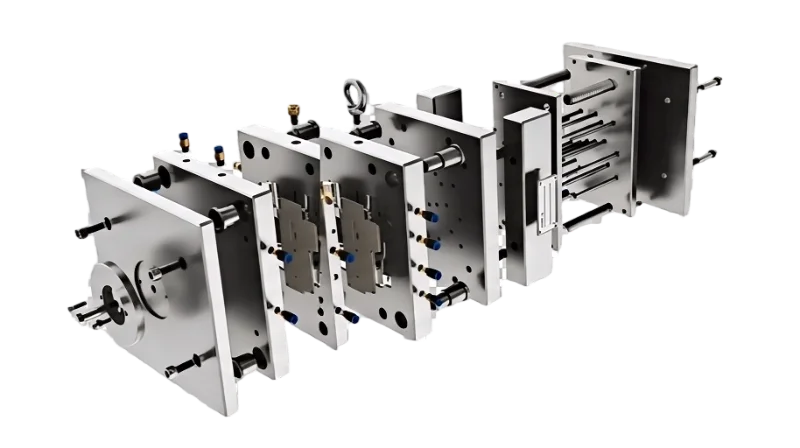
Matrijsgereedschap: de stalen precisiematrijs die bij spuitgieten gesmolten kunststof tot afgewerkte onderdelen vormt en, afhankelijk van de complexiteit, doorgaans $5,000–$100,000 kost. ↩
NNN-overeenkomst: een overeenkomst voor geheimhouding, niet-gebruik en niet-omzeilen is een driedelig contract dat in de Chinese productie veel wordt gebruikt om IE van kopers te beschermen tegen openbaarmaking, onbevoegd gebruik en omzeiling door leveranciers. ↩
Bewaarneming: een rechtsverhouding waarbij één partij tijdelijk eigendom van een andere partij onder zich houdt — hier een fabriek die het matrijsgereedschap van een klant bewaart zonder er eigenaar van te zijn. ↩