- Очищайте литьевые формы каждые 50 000–100 000 выстрелов или при появлении дефектов, таких как облой, следы обгорания или поверхностная дымка.
- Следуйте пятиэтапной последовательности: сухая чистка, протирка растворителем, глубокая очистка, обработка от ржавчины, затем смазка.
- Всегда используйте латунные щетки на полированных поверхностях полости — никогда стальную проволоку или абразивные подушечки.
- Струйная очистка сухим льдом удаляет тяжелые углеродистые отложения без разборки или химических отходов за 30–60 минут.
- Регистрируйте каждое мероприятие по очистке с датой, методом и именем техника для построения графика прогнозируемого технического обслуживания.
Прошло три часа производственной серии, когда специалист QC подходит и кладет деталь на стол. На поверхности видна слабая коричневая полоса, поначалу едва заметная. Две смены назад форма выпускала идеальные детали. Теперь на каждом пятом цикле появляется прижог. Вы останавливаете линию, снимаете форму и обнаруживаете ожидаемую причину: вентиляционные каналы полностью забиты обугленной смолой. 30-минутная очистка, которую следовало провести два дня назад, обернулась четырьмя часами простоя и полным лотком брака.
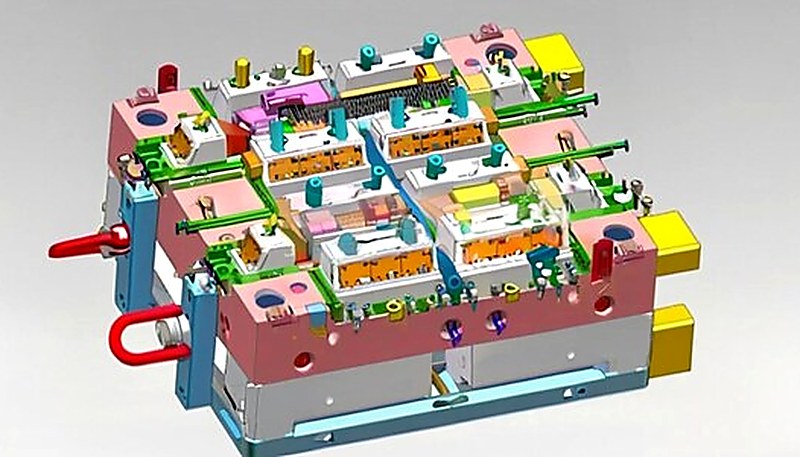
Для читателей, сравнивающих варианты литья под давлением1, эта статья связывает воедино литьевую форму2, поведение пластика, оценку поставщика и решения по контролю качества, от которых зависит переход проекта от проектирования к стабильному серийному производству.
Наши 8 ведущих инженеров, каждый из которых имеет более 10 лет опыта обслуживания пресс-форм, следуют 6-этапному процессу качества: от входной проверки формы до выходного контроля. Мы наблюдали, как пропуск проверки поверхности после очистки приводил к незамеченным микропиттингам, которые позднее вызывали облой на серийных деталях.
На нашем заводе 47 термопластавтоматов работают в три смены. На собственном горьком опыте мы убедились, что очистка формы — не разовая мера при возникновении проблем, а обязательная часть каждого производственного графика. В этом руководстве описан точный пятиэтапный процесс наших специалистов, выбор подходящего метода очистки и ошибки, из-за которых формы повреждаются, даже если операторы считают, что действуют правильно.
Почему очистка литьевых форм важна для качества деталей
Загрязнение формы является основной причиной дефектов деталей при литье под давлением. Остатки накапливаются из четырех источников: отложения деградированного полимера (углерод и воск), накопление разделительного агента, миграция смазки от толкателей и окисление на незащищенных стальных поверхностях.
| Дефект | Предотвращает образование утяжин на противоположной поверхности | Влияние на производство |
|---|---|---|
| Прижоги | Карбонизированная смола в вентиляционных каналах (эффект дизелинга) | Косметический брак, питтинг углерода на полости |
| Вспышка | Фреттинговые отложения на поверхностях плоскости разъёма | Дополнительная обрезка, брак по размерам |
| Недоливы | Заблокированные вентиляционные каналы или литники | 100% брак, остановка линии |
| Помутнение поверхности | Разделительный агент или углеродная плёнка на полости | Потеря глянца, жалоба клиента |
| Затруднённое извлечение | Остатки на толкателях или стенках полости | Поломка толкателей, повреждение детали |
Отраслевые данные по техническому обслуживанию показывают, что пресс-формы, обслуживаемые по документированному графику профилактических работ, служат в 2–3× дольше, чем пресс-формы, которые очищают только после появления дефектов. Для пресс-формы стоимостью $20,000–$80,000 это увеличение срока службы напрямую снижает себестоимость одной детали и ускоряет амортизацию оснастки. Очистка пресс-формы — не статья расходов, а стратегия защиты капитальных вложений.
"Плановая очистка пресс-формы через каждые 50,000–100,000 впрысков предотвращает большинство дефектов поверхности деталей до их обнаружения на участке контроля качества."True
После первых 50,000 впрысков образование отложений ускоряется, поскольку продукты разложения полимера и выделившиеся из добавок газы накапливаются на поверхностях вентиляционных каналов. Очистка с таким интервалом удаляет загрязнения до их химического связывания со сталью пресс-формы3, сохраняет чистоту поверхности полостей в пределах спецификации и поддерживает проектную глубину вентиляционных каналов 0.01–0.03 mm.
"Пресс-форму нужно очищать только тогда, когда на деталях появляются видимые дефекты."False
К тому времени, когда дефекты становятся видны, форма уже достаточно загрязнена, чтобы производить брак — и загрязнение могло начать химически связываться со сталью полости. Невидимые слои остатков всё ещё ухудшают значения шероховатости поверхности Ra и ограничивают поток вентиляции, вызывая скрытые несоответствия, которые ускользают от визуального контроля. Плановое профилактическое очищение обходится в доли стоимости простоя и потерь от брака при аварийной разборке.
Когда чистить: триггеры и рекомендации по частоте
Очищайте литьевую форму после 50 000–100 000 циклов при работе со стандартными инженерными термопластами либо немедленно при появлении дефектов деталей. Правильный интервал зависит от типа смолы, сложности детали и фактических данных о качестве, а не от единого фиксированного числа. Смолы с высоким содержанием наполнителя и коррозионно-активные материалы требуют более коротких интервалов. Только тщательно ведущийся журнал очистки позволяет составить точный график планово-предупредительного обслуживания для конкретной формы. Понимание того, как параметры процесса литья под давлением — температура смолы, скорость заполнения и давление выдержки — влияют на образование отложений, помогает установить правильный интервал очистки для каждой формы.
| Триггер | Требуемое действие | Оценка времени простоя |
|---|---|---|
| Каждые 50 000–100 000 выстрелов (стандартные смолы) | Полная 5-шаговая профилактическая очистка | 4–8 часов |
| Каждые 25 000–50 000 циклов (смолы с наполнителем GF/CF или FR) | Полная очистка по 5 шагам + проверка вентиляционных каналов | 4–8 часов |
| Подпалины на деталях | Очистка вентиляционных каналов + протирка полостей растворителем | 1–2 часа |
| Облой на линии разъема | Контроль поверхности разъема и повторная притирка камнем | 1–3 часа |
| Помутнение поверхности или потеря блеска | Очистка растворителем + оценка полировки полости | 2–4 часа |
| После остановки >2 weeks | Антикоррозийная обработка + проверка смазки | 1–2 часа |
| После работы с ПВХ или антипиреном | Немедленная очистка растворителем + продувка вентиляционных каналов | 2–3 часа |
Смолы, наполненные стекловолокном (GF) и углеродным волокном (CF), оставляют абразивные частицы в вентиляционных каналах и на поверхностях полости, что требует очистки каждые 25 000–50 000 выстрелов. ПВХ выделяет газ хлороводорода, который атакует незащищенную сталь пресс-формы в течение нескольких часов при рабочей температуре. Огнестойкие смолы выделяют коррозионные газы (соединения фосфора и брома), которые разъедают полированные поверхности. Для этих материалов мы рассматриваем конец каждого производственного цикла как сигнал к очистке — полная протирка растворителем перед хранением пресс-формы.
5-шаговый процесс очистки формы для литья под давлением
Пятиступенчатая последовательность очистки пресс-формы включает: сухую очистку при 40–60°C, протирку растворителем, глубокую очистку, обработку от коррозии и смазку. Каждый этап обязателен — пропуск обработки от коррозии или финальной смазки после очистки делает пресс-форму уязвимой к коррозии и ускоренному износу во время следующего производственного цикла.
Шаг 1: Сухая очистка
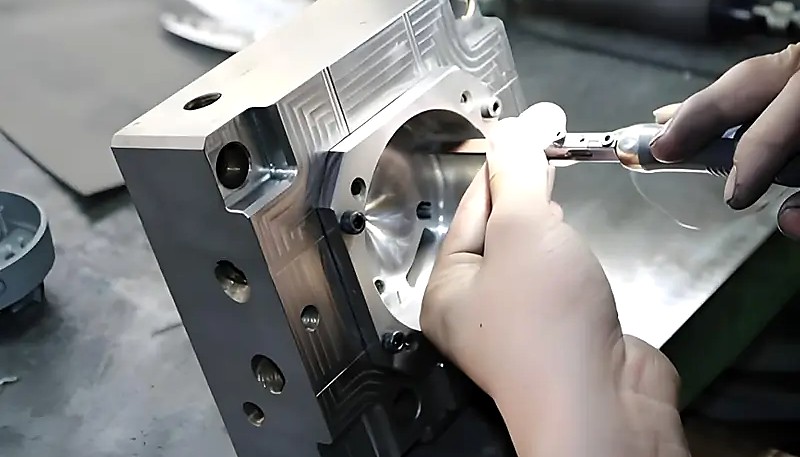
Пока форма ещё тёплая (40–60°C) после последнего цикла, используйте мягкую латунную щётку или деревянную зубочистку, чтобы удалить свободные полимерные облои, остатки литников и поверхностные отложения с неотполированных участков. Никогда не используйте стальные щётки на полированных поверхностях полости — латунь достаточно мягкая, чтобы очищать, не оставляя царапин на закалённой инструментальной стали. Используйте фильтрованный безмасляный сжатый воздух давлением не более 0,3 МПа, чтобы выдуть остатки из вентиляционных каналов, отверстий толкателей и углублений по линии разъёма. Для закрытых зон предпочтительнее использовать вакуум вместо сжатого воздуха, чтобы избежать переноса частиц на уже очищенные поверхности.
| Инструмент / Материал | Приложение | Ключевое ограничение |
|---|---|---|
| Латунная щётка (мягкая щетина) | Неотполированные участки полости, система литников | Никогда не используйте на полированных или зеркальных поверхностях |
| Деревянная зубочистка / бамбуковая шпажка | Глубокие углы, основания ребер, тонкая детализация полостей | Нулевой риск царапин — безопасно для любой поверхности |
| Ворсоотталкивающий пылесос | Вентиляционные каналы, отверстия толкателей, зазоры по линии разъёма | Предпочтительнее сжатого воздуха в закрытых зонах |
| Фильтрованный сжатый воздух (≤0,3 МПа) | Выдувание загрязнений из вентиляционных каналов и отверстий | Должно быть обезжиренным и сухим |
| Ватные палочки | Прецизионные зоны, гравировка текста, канавки для уплотнительных колец | Одноразовое использование — не использовать повторно |
Шаг 2: Очистка растворителем
Нанесите безопасный для формы растворитель на безворсовую салфетку или поролоновый аппликатор. Изопропиловый спирт (IPA) чистотой 99% — самый безопасный универсальный выбор для полированных и покрытых поверхностей. Ацетон эффективен на неотполированной стали, но может повредить некоторые хромированные и PVD-покрытия. Специальные очистители для пресс-форм — золотой стандарт для производственных условий: они имеют сбалансированный pH для конкретных марок стали и химии загрязнений. Протирайте поверхности полости только в одном направлении — никогда не трите круговыми движениями, так как это втирает абразивные частицы с ткани в полированную сталь, создавая характерный вихревой узор, видимый при 10-кратном увеличении.
Избегайте хлорированных растворителей, таких как трихлорэтилен или дихлорметан, на хромированных, никелированных или покрытых методом PVD поверхностях — они разрушают покрытие и ускоряют расслоение. Всегда проверяйте совместимость растворителя с маркой стали вашей пресс-формы и поверхностной обработкой перед первым использованием на производственном оснащении. Позвольте растворителю полностью испариться перед переходом к Шагу 3.
Шаг 3: Глубокая очистка (сухим льдом или ультразвуком)
Для сильных углеродистых отложений, обгоревшей смолы или труднодоступных для ручной очистки зон доступны два продвинутых метода. Струйная очистка сухим льдом использует гранулы твёрдого CO₂, разгоняемые с высокой скоростью — они сублимируются при контакте, удаляя загрязнения без вторичных отходов или влаги. Её можно проводить, не снимая форму с пресса, без разборки, и она не создаёт химических отходов. Очистка одногнёздной формы занимает 30–60 минут. Это предпочтительный метод глубокой очистки для массового производства, так как он минимизирует простой.
Ультразвуковая очистка погружает разобранные компоненты пресс-формы в нагретый до 60–80°C чистящий раствор, активируемый ультразвуковыми волнами частотой 20–40 кГц. Кавитационные пузырьки проникают в тонкие вентиляционные щели глубиной 0,01–0,03 мм, отверстия под толкатели и входы охлаждающих каналов — в зоны, недоступные для ручного инструмента. Планируйте ультразвуковую очистку на периоды капитального ремонта, обычно каждые 500 000 циклов или ежегодно. Разборка добавляет 2–4 часа к общему времени очистки, поэтому данный метод предназначен для плановых окон обслуживания, а не для рутинного ТО.
Шаг 4: Обработка ржавчины и проверка поверхности
После очистки осмотрите все поверхности полости, плоскости разъема и отверстия толкателей под ярким косым светом или с помощью 10-кратной лупы. При легкой поверхностной ржавчине (белесая пленка окисления, без питтинга) нанесите средство для удаления ржавчины на основе фосфорной кислоты, выдержите 5–15 минут согласно инструкции производителя, нейтрализуйте чистой водой, немедленно высушите фильтрованным сжатым воздухом и нанесите антикоррозионное масло в течение 15 минут. При умеренном питтинге требуется механическая полировка от наждачной бумаги зернистостью 400 до 2000, затем пастами с алмазным зерном 6 мкм и 1 мкм для восстановления исходной шероховатости поверхности Ra.
| Степень серьёзности | Описание | Метод обработки |
|---|---|---|
| Легкая (пленка на поверхности) | Белёсое окисление, видимых язвин нет | Средство для удаления ржавчины + антикоррозионное масло — полировка не требуется |
| Умеренная (неглубокое коррозионное растрескивание) | Красноватые пятна, значение Ra ухудшено | Средство для удаления ржавчины + бумага зернистостью 1200–2000 + алмазная паста 1 мкм |
| Тяжелая степень (раковины >0,1 mm) | Видимая потеря металла, влияние на размеры | Цех пресс-форм: ремонт сваркой TIG или повторная электроэрозионная обработка |
| Фреттинг-коррозия (линия разъёма) | Микро-заусенцы, нарушение герметичности под зажимным усилием | Переточить мелкозернистым бруском, повторно притечь до плоскостности |
Шаг 5: Смазка и защита от коррозии
Нанесите тонкий равномерный слой смазки для пресс-форм на все движущиеся компоненты: толкатели и втулки толкателей, направляющие штыри и направляющие втулки, направляющие слайдеров и штоки подъёмников. Используйте тип смазки, указанный для вашей формы — сухую смазку на основе ПТФЭ для медицинских форм или форм для контакта с пищевыми продуктами, силиконовую смазку для температур форм выше 100°C и литиевую смазку для стандартного производства при высоких механических нагрузках. Наносите экономно и сразу удаляйте все излишки — избыточная смазка мигрирует на поверхность полости в течение первых нескольких выстрелов и вызывает дефекты загрязнения деталей.
Если форма будет простаивать более 48 часов, нанесите антикоррозионное масло или воск на все поверхности полостей и сердечников. Для длительного хранения более одного месяца оберните компоненты в плёнку с ЛИК (летучим ингибитором коррозии) после нанесения антикоррозионного масла. Храните горизонтально в среде с контролируемой температурой и влажностью: идеально 20–25°C, относительная влажность ниже 60%. Повторно проверяйте каждые 90 дней во время хранения.
Выбор правильного метода очистки для вашей формы
Ручная очистка растворителем лучше всего подходит для планового ТО (1–2 часа), сухой лед — для глубокой очистки в прессе (0,5–1 ч), а ультразвуковая очистка — для капитального ремонта через каждые 500 000 циклов (4–8 часов). Подбирайте метод в зависимости от уровня загрязнения и доступного времени простоя.
| Метод | Лучшее для | Безопасно для поверхности? | Время простоя | Химические отходы |
|---|---|---|---|---|
| Ручная (латунная щётка + растворитель) | Лёгкие поверхностные отложения, плановая профилактическая очистка | Да — только латунной щеткой на полированных поверхностях | 1–2 ч | Минимальный |
| Очистка сухим льдом | Сильные углеродистые отложения, очистка в прессе | Да — безопасно для зеркальных поверхностей | 0,5–1 ч | Нет |
| Ультразвуковая очистка | Сложная геометрия, глубокие вентиляционные каналы, полная переборка | Да — проверьте совместимость с чистящим раствором | 4–8 ч (требуется разборка) | Утилизация очищающего раствора |
| Лазерная очистка | Прецизионные медицинские/оптические формы, бесконтактная | Да — без абразивного контакта | 1–3 ч | Нет |
| Химическое удаление покрытий | Сильное прилипание полимера, удаление покрытия | Зависит от типа покрытия | 2–6 ч | Значительные — требуется надлежащая утилизация |
Грамотная конструкция литьевой формы во многом определяет удобство её очистки. До глубоких узких рёбер с углами уклона менее 0,5° почти невозможно добраться ручным инструментом. Вентиляционные канавки на линии разъёма глубиной менее 0,01 мм засоряются быстрее и требуют более частого обслуживания. При оценке новой оснастки на нашем заводе удобство очистки входит в критерии DFM (проектирования с учётом технологичности): чем проще очищать форму, тем дешевле её обслуживание на протяжении всего срока службы.
"Струйная очистка сухим льдом при 0.3–0.6 MPa безопасна для зеркальных поверхностей полостей пресс-форм классов SPI A1 и A2."True
Гранулы CO₂ сублимируются при контакте, не образуя вторичных абразивных остатков. Тепловой перепад -78°C между гранулой и тёплой сталью формы вызывает хрупкость и чистое скалывание слоёв загрязнений с поверхности без механического истирания. Правильные параметры процесса — расстояние сопла 150–300 мм и контролируемая скорость перемещения — крайне важны. Всегда выполняйте пробный проход на некритичной области новым пескоструйным аппаратом или оператором перед очисткой прецизионных поверхностей.
"Ультразвуковая очистка — самый быстрый вариант регулярного обслуживания пресс-форм между производственными сериями."False
Ультразвуковая очистка требует полной разборки формы, погружения компонентов, времени цикла очистки 20–40 минут и повторной сборки — добавляя 2–4 часа к базовому процессу. Это самый тщательный метод для внутренних поверхностей, но он слишком трудоёмок для плановых интервалов профилактики. Ручная очистка растворителем и очистка сухим льдом — правильные инструменты для межциклового обслуживания; ультразвуковая очистка относится к запланированным окнам капитального ремонта.
Распространённые ошибки очистки, повреждающие формы для литья под давлением
Стальная проволочная щетка — самый разрушительный инструмент для очистки пресс-форм — она необратимо увеличивает шероховатость поверхности Ra на полированных полостях. После появления абразивные повреждения требуют полной механической переполировки от зернистости 400 до 2000 и алмазной пасты для восстановления. Неправильное время и отсутствие журналов технического обслуживания — следующие по стоимости ошибки.
Большинство повреждений при очистке относится к трем категориям: неправильный выбор инструмента (абразивные материалы на полированных поверхностях), неправильное время (очистка холодной пресс-формы или ожидание появления дефектов) и неправильная техника (избыточная смазка, круговое протирание, полный пропуск очистки вентиляционных каналов). Четвертая категория — отсутствие документации — не повреждает пресс-форму сразу, но превращает каждое последующее решение об интервалах очистки в догадку.
Неправильный инструмент, неправильное время: две основные причины
"Удаление рыхлых загрязнений сжатым воздухом перед нанесением растворителя предотвращает появление микроскопических царапин на полированных поверхностях гнезда при очистке."True
Свободные абразивные частицы — фрагменты полимерного облоя, углеродистые чешуйки и металлическая износная пыль — действуют как полировальная паста при протягивании под тканью по полированной стали. Предварительная продувка их очищенным сжатым воздухом (0,3 МПа, без масла) перед любым контактом с растворителем или тканью устраняет этот механизм абразивного износа. Этот единственный шаг сохраняет шероховатость поверхности Ra между плановыми циклами полировки и является наиболее экономически эффективной привычкой предотвращения повреждений в любой программе ТО пресс-форм.
"Стальную вату или мелкозернистую наждачную бумагу можно использовать для быстрого удаления стойких отложений с поверхностей гнезда пресс-формы."False
Даже наждачная бумага зернистостью 400 оставляет царапины, видимые при 10-кратном увеличении на закалённой инструментальной стали. Эти царапины необратимо увеличивают шероховатость поверхности Ra, вызывают сопротивление при выталкивании, создают точки концентрации напряжений в тонких стенках и передают текстуру на формованные детали. После появления абразивные повреждения требуют контролируемого механического полирования по полной последовательности зернистости 400–600–800–1200–2000 плюс алмазная паста для восстановления спецификации. Всегда сначала используйте латунные инструменты, деревянные щупы или одобренные химические методы.
Другие распространённые ошибки: очистка полностью остывшей пресс-формы (при температуре ниже 40°C остатки становятся твёрже и лучше прилипают; очистка при 40–60°C измеримо эффективнее), избыточная смазка выталкивающих штифтов (лишняя смазка попадает на поверхность полости и загрязняет первые отливки следующего запуска), отказ от очистки вентиляции, поскольку деталь «выглядит нормально» (засорённые каналы вызывают прижоги, которые часто ошибочно связывают со скоростью впрыска или давлением выдержки), и отсутствие журнала очистки (без журнала невозможно составить прогнозный график, остаётся только реагировать на проблемы).
Интеграция очистки в общую программу обслуживания пресс-форм
Очистка — один из элементов комплексной программы обслуживания пресс-форм. Полный график PM объединяет очистку с контролем размеров, заменой изнашиваемых деталей, проверкой расхода в каналах охлаждения и оценкой окончания срока службы. Цель — максимально увеличить общее число впрысков за расчётный срок службы формы: обычно 500,000–1,000,000 впрысков для предварительно закалённой формовой стали P20 и 1,000,000–2,000,000 впрысков для H13 или закалённой нержавеющей стали S136. На нашем заводе каждая форма имеет физический или цифровой журнал обслуживания, где регистрируются каждая очистка, каждый обнаруженный дефект и каждый выполненный ремонт.
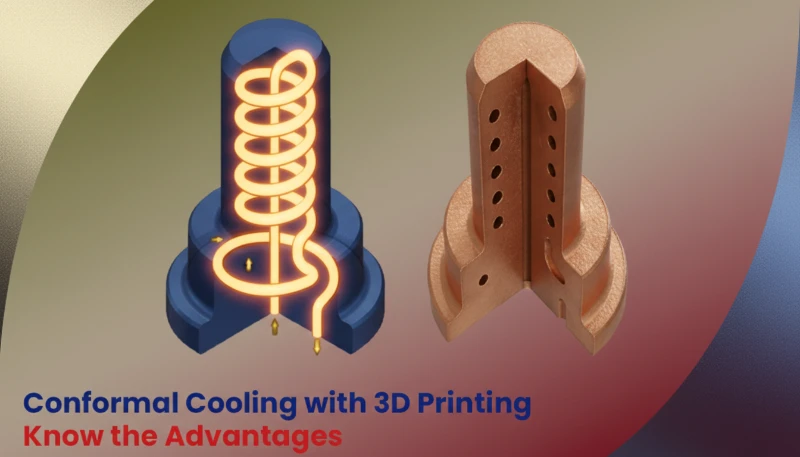
Обслуживание каналов охлаждения часто упускают в программах планово-предупредительного ремонта. Накипь, биологические отложения и ржавчина изолируют стенки каналов и снижают скорость теплоносителя, в тяжёлых случаях уменьшая эффективность теплообмена на 20–40%. При каждом капитальном обслуживании мы промываем систему от накипи и измеряем расход на каждой паре вход-выход. Восстановление расчётной эффективности охлаждения напрямую сокращает цикл и повышает повторяемость деталей без дополнительных затрат, кроме планового простоя.
Техническое обслуживание каналов охлаждения: недооценённый приоритет
Мы также проводим формальную оценку состояния пресс-формы через каждые 250,000 циклов — в середине интервала между капитальными ремонтами. Инструментальщик измеряет Ra поверхности полости в трех контрольных точках профилометром, проверяет зазор выталкивателей по исходной спецификации и плоскостность линии разъема прецизионной поверочной линейкой. Любое отклонение свыше 50% поля допуска требует немедленных корректирующих действий, без ожидания следующего планового ремонта. Такая промежуточная оценка предотвращает перерастание мелких проблем в дорогостоящий ремонт.
Документация — наиболее недооценённый элемент любой программы обслуживания форм. Без полного журнала невозможно построить прогнозный график: вы всегда реагируете на дефекты, а не предотвращаете их. В нашем журнале фиксируются ID формы, дата, число циклов на момент очистки, метод очистки, обнаруженные дефекты, выполненный ремонт и подпись техника. Через шесть месяцев данные выявляют закономерности, позволяя сокращать или увеличивать интервалы ТО на основе фактического поведения формы, а не общих отраслевых рекомендаций. Блокнот за $15 или простая таблица превращают реактивное обслуживание в профилактическое.
| Этап | Действие | Ключевая проверка |
|---|---|---|
| Очистка при каждом профилактическом обслуживании (50K–100K циклов) | 5-этапная последовательность очистки | Глубина вентиляции, Ra полости, плоскостность линии разъема |
| 250,000 циклов (середина ресурса) | Оценка состояния + проверка размеров | Зазор штифта, шероховатость поверхности Ra в 3 контрольных точках |
| 500,000 циклов (капитальный ремонт) | Полная разборка, ультразвуковая очистка, промывка системы охлаждения | Расход по каждому каналу, замена изнашиваемых деталей |
| Ежегодно (или 1M впрысков) | Полный контроль и оценка ресурса оснастки | Выборочная проверка твердости стали, посадка вставки формующей полости |
"Промывка каналов охлаждения пресс-формы раствором для удаления накипи при каждом капитальном обслуживании после 500,000 циклов предотвращает снижение эффективности теплопередачи на 20–40% из-за накопления отложений."True
Минеральные отложения из жесткой воды образуют слои на внутренних стенках каналов и действуют как теплоизоляция. Промышленный раствор для удаления накипи (обычно на основе лимонной или фосфорной кислоты, циркулирующий при 40–60°C в течение 30–60 минут) растворяет отложения карбоната кальция и оксида железа, не повреждая стенки каналов. Затем промойте систему чистой водой и измерьте расход на каждой паре каналов, чтобы перед повторной сборкой подтвердить полное устранение засора.
"Для рабочих характеристик пресс-формы важна только чистота поверхности гнезда, а состояние каналов охлаждения вторично."False
Чистота поверхности полости влияет на отделку и извлечение детали, а загрязнение системы охлаждения одновременно ухудшает цикл, размерную стабильность и коробление. По нашему опыту, деградацию охлаждения трудно диагностировать без тепловизора: она проявляется нестабильной усадкой, а не видимыми дефектами. Состояние каналов столь же важно, как состояние полости; оба требуют планового обслуживания.
Часто задаваемые вопросы об очистке литьевых форм?
Часто задаваемые вопросы
Как часто следует очищать пресс-форму?
В качестве базового интервала PM для стандартных конструкционных термопластов, таких как ABS, PP и нейлон, выполняйте очистку через каждые 50,000–100,000 циклов впрыска. Высоконаполненные полимеры (GF30, CF15), огнестойкие марки и материалы на основе PVC требуют очистки через каждые 25,000–50,000 циклов, поскольку они образуют более агрессивные отложения или выделяют коррозионно-активные газы. Всегда выполняйте очистку сразу после любого производственного цикла, в ходе которого на деталях появились прижоги, облой или изменение цвета поверхности, независимо от количества впрысков. Регистрируйте даты очистки и количество впрысков в журнале технического обслуживания, чтобы выявлять тенденции и корректировать интервал с учётом фактического поведения пресс-формы и материала.
Какой растворитель наиболее безопасен для очистки полированных полостей пресс-формы?
Изопропиловый спирт (IPA) чистотой 99% — наиболее безопасный универсальный растворитель для полированных поверхностей гнёзд. Он растворяет большинство остатков термопластов, включая отложения полиолефинового воска, накопления стирольных полимеров и плёнки разделительных составов, не повреждая хромовое покрытие, покрытия PVD или полированную инструментальную сталь. Для более плотного нагара, который IPA не растворяет, используйте специализированный очиститель пресс-форм, например Moldklenz или Slide Mold Cleaner. Ацетон эффективен для неполированной стали, но может повреждать некоторые покрытия. Перед первым применением на серийной оснастке обязательно проверьте совместимость растворителя с маркой стали и обработкой поверхности пресс-формы.
Можно ли очистить литьевую пресс-форму, не снимая её с термопластавтомата?
Да — и струйную очистку сухим льдом, и ручную очистку растворителем можно выполнять непосредственно на термопластавтомате, не снимая пресс-форму. Для максимальной эффективности очистки поддерживайте температуру пресс-формы на уровне 40–60°C, пока она ещё тёплая после последнего производственного цикла, и убедитесь, что термопластавтомат полностью переведён в состояние блокировки и маркировки (LOTO), чтобы исключить случайное смыкание формы во время очистки. Очистка на термопластавтомате исключает трудозатраты на замену пресс-формы, устраняет риск ошибок при повторной сборке и является стандартным подходом на крупносерийных предприятиях, где максимальное время полезной работы оборудования — одна из основных эксплуатационных целей. Только ультразвуковая очистка требует полного снятия и разборки пресс-формы.
Как удалить ржавчину из полостей литьевой пресс-формы?
Нанесите средство для удаления ржавчины на основе фосфорной кислоты, специально предназначенное для формовой стали, соблюдая указанное изготовителем время выдержки — обычно 5–15 minutes в зависимости от степени коррозии. Нейтрализуйте средство чистой водой или разбавленным раствором пищевой соды (10 g/L), затем немедленно высушите поверхность фильтрованным сжатым воздухом во избежание мгновенной коррозии. Нанесите антикоррозионное масло в течение 15 minutes после сушки. При умеренном питтинге для восстановления исходной шероховатости Ra требуется механическая полировка бумагой от 600 grit до 2000 grit, затем алмазной пастой 6 µm и 1 µm. Если глубина питтинга превышает 0.1 mm, обратитесь в инструментальный цех: обычно требуется ремонт сваркой TIG или повторная обработка EDM.
Какую смазку следует использовать для выталкивателей пресс-формы?
Используйте сухую смазку на основе PTFE для пресс-форм, предназначенных для чистых помещений, медицинских изделий или контакта с пищевыми продуктами, где недопустима миграция силикона или консистентной смазки на поверхность детали. Для стандартных производственных пресс-форм эффективна специальная литиевая смазка, умеренно нанесённая на выталкиватели, направляющие колонки и втулки при нормальной нагрузке. Для высокотемпературных применений (температура пресс-формы выше 100°C) предпочтительна силиконовая смазка, поскольку литиевая может разрушаться или чрезмерно растекаться. Сразу после нанесения всегда удаляйте все излишки смазки — уже при первых циклах они попадают на поверхность полости и вызывают загрязнение поверхности деталей.
литьё под давлением: литьё под давлением — это производственный процесс, при котором пластик расплавляют, впрыскивают в полость формы, охлаждают полученную деталь и повторяют цикл для стабильного серийного производства. ↩
литьевая форма: литьевая форма — это прецизионный инструмент, определяющий геометрию детали, условия охлаждения, извлечение, подачу расплава, качество поверхности и повторяемость. ↩
формовая сталь: формовая сталь — категория инструментальных сталей, выбираемых для изготовления литьевых форм с учётом твёрдости, коррозионной стойкости и полируемости; к ней относятся, например, марки P20, H13 и S136. ↩