- Enjeksiyon kalıplarını her 50.000–100.000 atışta veya taşma, yanık izleri veya yüzey puslanması gibi kusurlar göründüğünde temizleyin.
- Beş adımlı bir sıra izleyin: kuru temizlik, solvent silme, derin temizlik, pas tedavisi, ardından yağlama.
- Polisajlı boşluk yüzeylerinde sadece pirinç fırça kullanın — çelik tel veya aşındırıcı pedler asla kullanmayın.
- Dry-ice temizleme, ağır karbon kalıntılarını parça sökümü veya kimyasal atık gerektirmeden 30–60 dakika içinde temizler.
- Tahmine dayalı bir bakım programı oluşturmak için her temizlik olayını tarih, yöntem ve teknisyen adı ile kaydedin.
Üretimin üçüncü saatinde QC teknisyeni yanınıza gelip masaya bir parça bırakıyor. İşte orada: yüzey boyunca uzanan ve ilk bakışta zor görülen soluk kahverengi bir çizgi. Kalıp iki vardiya önce kusursuz parçalar üretiyordu. Şimdi her beş baskıdan birinde yanık izi var. Hattı durduruyor, kalıbı çıkarıyor ve zaten şüphelendiğiniz şeyi görüyorsunuz: tahliye kanalları karbonlaşmış reçineyle tamamen tıkanmış. İki gün önce yapılması gereken 30 dakikalık bir temizlik işi, şimdi dört saatlik duruşa ve bir tepsi dolusu hurdaya mal oldu.
Okurlar enjeksiyon kalıplama seçeneklerini1 karşılaştırırken bu makale; bir projenin tasarımdan tekrarlanabilir üretime geçip geçemeyeceğini belirleyen enjeksiyon kalıbı unsurunu2, plastik malzeme davranışını, tedarikçi değerlendirmesi ölçütlerini ve kalite kontrol kararlarını birbiriyle ilişkilendirir.
Her biri 10+ yıllık kalıp bakım deneyimine sahip 8 kıdemli mühendisimiz, gelen kalıp muayenesiyle başlayıp çıkış kalite kontrolüyle sona eren 6 adımlı bir kalite iş akışını izler. Temizlikten sonra yüzey muayenesi adımının atlanmasının, daha sonra üretim parçalarında çapak kusurlarına neden olan mikro oyukların gözden kaçmasına nasıl yol açtığını gördük.
Fabrikamızda üç vardiyada 47 enjeksiyon kalıplama makinesi çalıştırıyoruz. Kalıp temizliğinin sorunlar ortaya çıktığında yapılan bir iş değil, her üretim programına yerleştirilmesi gereken bir disiplin olduğunu zor yoldan öğrendik. Bu kılavuz, teknisyenlerimizin izlediği beş adımlı süreci, doğru temizleme yönteminin nasıl seçileceğini ve operatörler doğru yaptıklarını düşünürken bile kalıplara zarar veren hataları ayrıntılarıyla ele alır.
Parça Kalitesi İçin Enjeksiyon Kalıbı Temizliği Neden Önemlidir
Kalıp kirliliği, enjeksiyon kalıplamada parça kusurlarının önde gelen nedenidir. Tortular dört kaynaktan birikir: bozunmuş polimer birikintileri (karbon ve mum), kalıp ayırıcı madde birikimi, itici pimlerden yağlayıcı göçü ve korumasız çelik yüzeylerde oksidasyon.
| Kusur | Karşı yüzeyde çökme izlerini önler | Üretime Etkisi |
|---|---|---|
| Yanık izleri | Havalandırmalarda karbonlaşmış reçine (dizel etkisi) | Kozmetik red, boşlukta karbon çukurlanması |
| Flaş | Ayırma çizgisi yüzeylerinde fretting kalıntıları | İkinci kesim, boyutsal talaş |
| Eksik dolum | Bloke havalandırma kanalları veya geçitler | 100% hurda, hat durması |
| Yüzey pusu | Kalıp boşluğunda ayırıcı madde veya karbon filmi | Parlaklık kaybı, müşteri şikayeti |
| Zorlu çıkarma | Çıkarma pimleri veya boşluk duvarlarında kalıntı | Pim kopması, parça hasarı |
Sektörel bakım verileri, belgelenmiş bir önleyici bakım programındaki kalıpların yalnızca kusurlar ortaya çıktığında temizlenen kalıplara göre 2–3× daha uzun hizmet ömrüne ulaştığını gösterir. $20,000–$80,000 değerindeki bir kalıp için bu çarpan doğrudan daha düşük parça başı maliyete ve kalıp yatırımının daha hızlı amortismanına dönüşür. Kalıp temizliği bir maliyet değil, sermayeyi koruma stratejisidir.
"50,000–100,000 baskıda bir planlı kalıp temizliği, yüzey kaynaklı parça kusurlarının çoğunu kalite kontrol masasına ulaşmadan önler."True
Polimer bozunma yan ürünleri ve gaz çıkaran katkılar havalandırma yüzeylerinde biriktikçe, ilk 50,000 baskıdan sonra kalıntı oluşumu hızlanır. Bu aralıkta temizlik yapılması, kirlenmeyi kalıp çeliğine3 kimyasal olarak bağlanmadan giderir, kavite yüzeylerini yüzey kalitesi spesifikasyonu içinde tutar ve havalandırma geometrisini tasarlanan 0.01–0.03 mm derinlikte korur.
"Bir enjeksiyon kalıbını yalnızca parçalarda görünür kusurlar oluştuğunda temizlemeniz gerekir."False
Hatalar görünür olduğunda kalıp, talaş üretmeye yetecek kadar kirli olmuştur — ve kir kalıp boşluğu çeliğine kimyasal olarak bağlanmaya başlamış olabilir. Görünmez kalıntı tabakaları yüzey finişi Ra değerlerini düşürür ve havalandırma akışını kısıtlar, görsel kontrolten kaçan sessiz uyumsuzluklar yaratır. Proaktif planlı temizlik, reaktif acil sökümden kaynaklanan üretim kesintisi ve talaş kaybının çok küçük bir kısmına mal olur.
Temizlik Zamanı: Tetikleyiciler ve Frekans Yönergeleri
Standart mühendislik termoplastiklerinde atış sayısı 50.000–100.000’e ulaştığında veya parça kusurları görülür görülmez enjeksiyon kalıbını temizleyin. Doğru aralık, evrensel ve sabit bir sayıya değil; reçine türüne, parça karmaşıklığına ve gözlemlenen kalite verilerine bağlıdır. Yüksek dolgulu reçineler ve aşındırıcı malzemeler daha kısa aralıklar gerektirir. Doğru ve kalıba özgü koruyucu bakım programları oluşturmanın tek yolu, düzenli tutulan bir temizlik kaydıdır. Reçine sıcaklığı, dolum hızı ve tutma basıncı gibi enjeksiyon kalıplama süreci parametrelerinin birikinti oluşumunu nasıl etkilediğini anlamak, her takım için doğru temizlik aralığının belirlenmesine yardımcı olur.
| Tetikleyici | Gerekli İşlem | Duruş Süresi Tahmini |
|---|---|---|
| Her 50,000–100,000 atışta (standart reçineler) | Tam 5 adımlı önleyici temizlik | 4–8 saat |
| Her 25.000–50.000 atışta (GF/CF dolgulu veya FR reçineler) | Eksiksiz 5 adımlı temizlik + hava tahliye kanalı kontrolü | 4–8 saat |
| Parçalardaki yanık izleri | Hava tahliyesi temizliği + kalıp boşluğunu solventle silme | 1–2 saat |
| Ayırma çizgisinde çapak | Ayırma yüzeyi muayenesi ve yeniden taşlama | 1–3 saat |
| Yüzeyde puslanma veya parlaklık kaybı | Solventle temizlik + kalıp boşluğu parlatma değerlendirmesi | 2–4 saat |
| >2 haftalık duruş sonrasında | Pas önleme işlemi + yağlama kontrolü | 1–2 saat |
| PVC veya alev geciktirici üretiminden sonra | Hemen solventle temizleme + hava tahliyesini yıkama | 2–3 saat |
Cam elyaf (GF) ve karbon elyaf (CF) dolgulu reçineler, hava tahliyelerinde ve kavite yüzeylerinde aşındırıcı parçacıklar biriktirerek her 25,000–50,000 baskıda temizlik gerektirir. PVC, çalışma sıcaklığında korunmamış kalıp çeliğine saatler içinde zarar veren hidroklorik asit gazı salar. Alev geciktirici reçineler, parlatılmış yüzeyleri aşındıran korozif gazlar (fosfor ve brom bileşikleri) çıkarır. Bu malzemelerde her üretim serisinin sonunu temizlik tetikleyicisi olarak kabul ederiz — kalıp depolanmadan önce solventle tamamen silinir.
5 Adımlı Enjeksiyon Kalıbı Temizlik Süreci
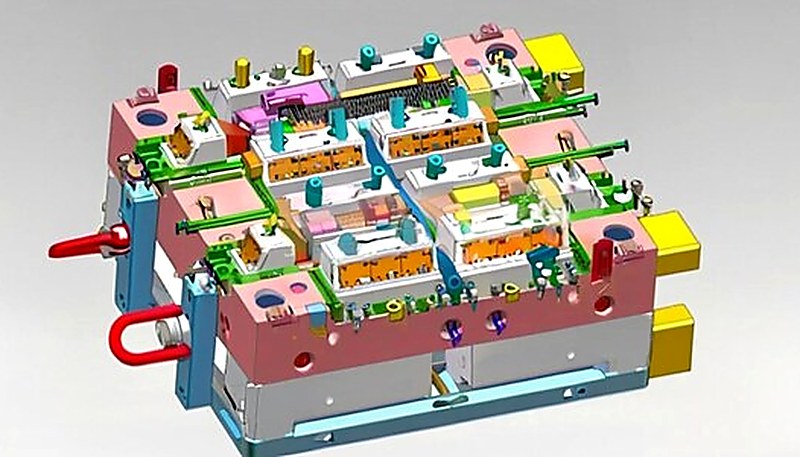
Beş adımlı kalıp temizleme sırası şöyledir: 40–60°C’de kuru temizleme, solventle silme, derinlemesine temizleme, pas giderme ve yağlama. Her adım gereklidir; pas gidermeyi veya temizlik sonrası son yağlamayı atlamak, kalıbı bir sonraki üretim çalışmasında korozyona ve hızlandırılmış aşınmaya açık bırakır.
Adım 1: Kuru Temizleme
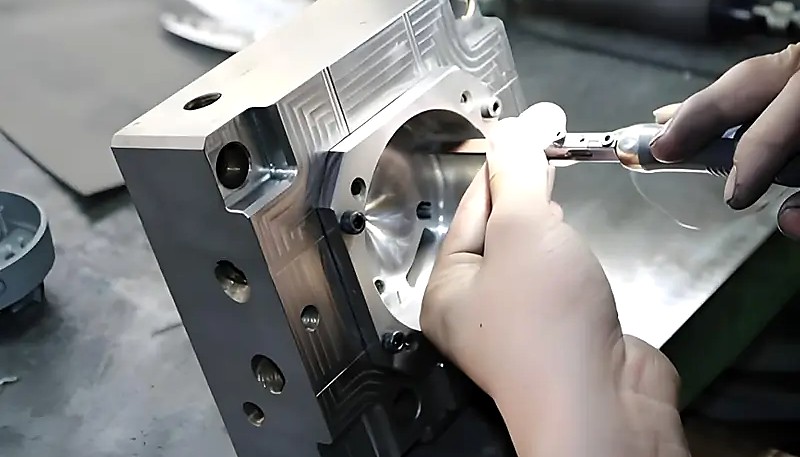
Son baskıdan sonra kalıp hâlâ 40–60°C sıcaklıktayken, polisajsız alanlardaki gevşek polimer çapağını, yolluk kalıntısını ve yüzey birikintilerini yumuşak pirinç fırça veya ahşap uçla temizleyin. Polisajlı boşluk yüzeylerinde asla çelik tel fırça kullanmayın — pirinç, sertleştirilmiş takım çeliğini çizmeden temizleyecek kadar yumuşaktır. Havalandırma kanallarındaki, itici pim deliklerindeki ve ayırma çizgisi girintilerindeki kalıntıları çıkarmak için en fazla 0.3 MPa basınçta filtrelenmiş, yağsız basınçlı hava kullanın. Parçacıkların temizlenmiş yüzeylere yeniden dağılmasını önlemek için kapalı alanlarda basınçlı hava yerine vakum tercih edilir.
| Takım / Malzeme | Uygulama | Temel Kısıtlama |
|---|---|---|
| Pirinç fırça (yumuşak kıllı) | Parlatılmamış kavite alanları, yolluk sistemi | Polisajlı veya ayna finisajlı yüzeylerde kesinlikle kullanmayın |
| Tahta kürdan / bambu şiş | Derin köşeler, nervür tabanları, ince kavite detayları | Sıfır çizilme riski — her yüzeyde güvenli |
| Tüy bırakmayan vakum | Hava kanalları, itici pim delikleri, ayırma çizgisi boşlukları | Kapalı alanlarda basınçlı havaya tercih edilir |
| Filtrelenmiş basınçlı hava (≤0.3 MPa) | Hava kanalları ve deliklerdeki kalıntıların üflenerek temizlenmesi | Yağ ve nem içermemelidir |
| Pamuklu çubuklar | Hassas bölgeler, metin gravürleri, O-ring kanalları | Yalnızca tek kullanımlıktır — yeniden daldırmayın |
Adım 2: Solventle Temizleme
Kalıba zarar vermeyen bir solventi tüy bırakmayan beze veya köpük aplikatöre uygulayın. 99% saflıkta izopropil alkol (IPA), parlatılmış ve kaplanmış yüzeyler için en güvenli genel amaçlı seçenektir. Aseton, parlatılmamış çelikte etkilidir ancak bazı krom ve PVD kaplamalara zarar verir. Özel formüle edilmiş kalıp temizleyicileri üretim ortamları için en iyi standarttır; belirli çelik kalitelerine ve kirlenme kimyasına uygun pH dengesine sahiptir. Kalıp gözü yüzeylerini yalnızca tek yönde silin; dairesel ovalama, bezdeki aşındırıcı parçacıkları parlatılmış çeliğe gömer ve 10× büyütmede görülebilen karakteristik dairesel izler oluşturur.
Krom kaplı, nikel kaplı veya PVD kaplamalı yüzeylerde trikloroetilen veya metilen klorür gibi klorlu çözücüler kullanmayın; kaplamaya zarar verir ve katman ayrılmasını hızlandırırlar. Üretim kalıbında ilk kullanımdan önce çözücü uyumluluğunu daima kalıp çeliği sınıfınız ve yüzey işleminizle doğrulayın. Adım 3’e geçmeden önce çözücünün tamamen uçmasını bekleyin.
Adım 3: Derin Temizlik (Kuru Buz veya Ultrasonik)
Yoğun karbon birikintileri, yanmış reçine veya elle temizlenemeyen alanlar için iki gelişmiş yöntem vardır. Kuru buzla temizlemede yüksek hızla ivmelendirilen katı CO₂ peletleri kullanılır; temas anında süblimleşerek ikincil atık veya nem bırakmadan kirleri kaldırır. Kalıp pres içindeyken uygulanabilir, sökme gerektirmez ve kimyasal atık üretmez. Tek kaviteli kalıbın temizliği 30–60 dakika sürer. Duruş süresini en aza indirdiği için yüksek hacimli üretimde tercih edilen derin temizlik yöntemidir.
Ultrasonik temizlikte sökülmüş kalıp bileşenleri, 20–40 kHz ultrasonik dalgalarla çalkalanan 60–80°C sıcaklıktaki bir temizleme çözeltisine daldırılır. Kavitasyon kabarcıkları; 0.01–0.03 mm derinliğindeki ince havalandırma kanallarına, itici pim boşluklarına ve soğutma kanalı girişlerine, yani hiçbir el aletinin erişemeyeceği yüzeylere ulaşır. Ultrasonik temizliği büyük revizyon aralıklarında, tipik olarak her 500,000 baskıda bir veya yılda bir planlayın. Sökme işlemi toplam temizlik süresine 2–4 saat eklediği için bu yöntem rutin PM yerine planlı bakım aralıklarında kullanılır.
Adım 4: Pas Giderme ve Yüzey Kontrolü
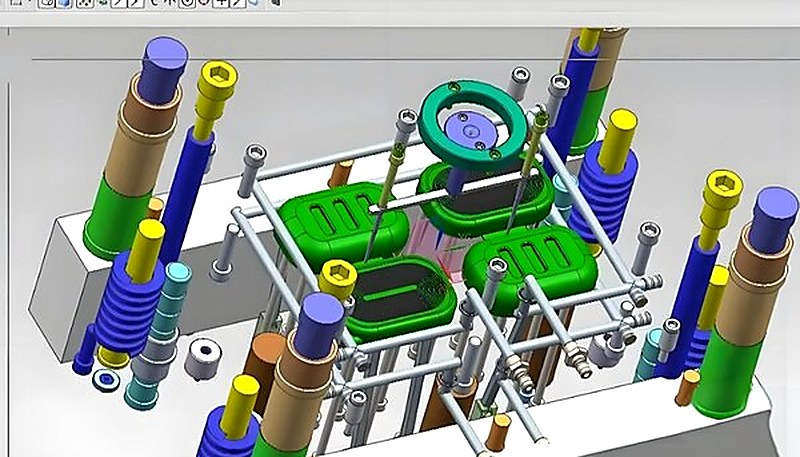
Temizlikten sonra tüm kalıp boşluğu yüzeylerini, ayırma çizgisi yüzlerini ve itici pim deliklerini parlak eğik ışık altında veya 10× büyüteçle inceleyin. Hafif yüzey pasında (beyazımsı oksidasyon filmi, çukurlaşma yok) fosforik asit bazlı pas sökücü uygulayın, üreticinin talimatlarına göre 5–15 dakika bekletin, temiz suyla nötralize edin, filtrelenmiş basınçlı havayla hemen kurutun ve 15 dakika içinde pas önleyici yağ uygulayın. Orta düzey çukurlaşmada, orijinal Ra yüzey kalitesini geri kazanmak için 400 ile 2000 grit kâğıt, ardından 6 µm ve 1 µm elmas pasta ile mekanik parlatma gerekir.
| Şiddet | Açıklama | Tedavi Yöntemi |
|---|---|---|
| Hafif (yüzey filmi) | Beyazımsı oksidasyon, gözle görülür çukurlaşma yok | Pas sökücü + pas önleyici yağ — parlatmaya gerek yok |
| Orta (sığ çukurlaşma) | Kırmızımsı lekeler, Ra değeri bozulmuş | Pas sökücü + 1200–2000 zımpara kağıdı + 1 µm elmas macun |
| Ağır (çukurlaşma >0,1 mm) | Görünür çelik kaybı, boyutsal etki | Kalıp atölyesi: TIG kaynak onarımı veya EDM yeniden kıvılcım |
| Ovalama (ayrım çizgisi) | Mikro talaşlar, sıkıştırma kuvveti altında sızdırmazlık hatası | İnce bileği taşıyla yeniden taşlama, düzlük için yeniden perdah |
Adım 5: Yağlama ve Korozyon Koruma
Tüm hareketli bileşenlere ince, düzgün bir kalıp sınıfı yağlayıcı tabakası uygulayın: itici pimler ve burçlar, kılavuz pimler ve kılavuz burçlar, sürgü rayları ve kaldırma çubukları. Kalıbınız için belirtilen yağlayıcı türünü kullanın — tıbbi veya gıda temaslı kalıplar için PTFE bazlı kuru yağlayıcı, 100°C üzeri kalıp sıcaklıkları için silikon bazlı gres ve ağır mekanik yükler altındaki standart üretim için lityum gresi. İdareli uygulayın ve tüm fazlalığı hemen silin — fazla yağlayıcı ilk birkaç enjeksiyon içinde boşluk yüzeyine geçer ve parça kirlenme hatalarına neden olur.
Kalıp 48 saatten fazla boşta kalacaksa, tüm kavite ve çekirdek yüzeylerine pas önleyici yağ veya mum uygulayın. Bir aydan uzun süreli depolama için, pas önleyici yağ ile kapladıktan sonra bileşenleri VCI (uçucu korozyon inhibitörü) filmine sarın. Sıcaklık ve nem kontrollü bir ortamda yatay olarak depolayın: ideal olarak 20–25°C, bağıl nem ‘ın altında. Depolama sırasında her 90 günde bir yeniden kontrol edin.
Kalıbınız İçin Doğru Temizlik Yöntemini Seçme
Rutin PM için manuel solvent temizliği en iyisidir (1–2 saat), pres içi derin temizlik için kuru-buzla üfleme (0,5–1 saat) ve 500.000 atış aralıklarında büyük revizyonlar için ultrasonik temizleme (4–8 saat). Yöntemi kirlilik seviyenize ve mevcut duruş sürenize göre seçin.
| Yöntem | İçin En İyisi | Yüzey Güvenli mi? | Kesinti Süresi | Kimyasal Atık |
|---|---|---|---|---|
| Manuel (pirinç fırça + çözücü) | Hafif yüzey birikintileri, rutin PM temizliği | Evet — sadece parlatılmış yüzeylerde pirinç fırça | 1–2 saat | Asgari |
| Kuru-buzla üfleme | Yoğun karbon birikintileri, pres içi temizlik | Evet — ayna yüzeylerde güvenli | 0.5–1 saat | Yok |
| Ultrasonik temizleme | Karmaşık geometri, derin havalandırma kanalları, tam revizyon | Evet — temizleme solüsyonu uyumluluğunu doğrulayın | 4–8 saat (sökülmesi gerekiyor) | Temizleme solüsyonu bertarafı |
| Lazer temizleme | Hassas tıbbi/optik kalıplar, temasız | Evet — aşındırıcı temas yok | 1–3 saat | Yok |
| Kimyasal sıyırma | Şiddetli polimer bağlanması, kaplama giderme | Kaplama türüne bağlıdır | 2–6 saat | Önemli — uygun bertaraf gereklidir |
İyi bir enjeksiyon kalıbı tasarımı, kalıbın ne kadar kolay temizlenebileceğinde kritik rol oynar. Çekme açısı 0,5°‘nin altında olan derin ve dar nervürlere el aletleriyle ulaşmak neredeyse imkânsızdır. Ayırma çizgisinde 0,01 mm’den sığ havalandırma kanalları daha hızlı tıkanır ve daha sık bakım gerektirir. Fabrikamızda yeni takımları incelerken temizlenebilirlik, DFM (üretilebilirlik için tasarım) değerlendirme ölçütlerimizden biridir; temizlenmesi daha kolay bir kalıbın kullanım ömrü boyunca bakım maliyeti de daha düşük olur.
"0.3–0.6 MPa basınçta kuru buz püskürtme, SPI A1 ve A2 ayna yüzeyli enjeksiyon kalıp boşluğu yüzeyleri için güvenlidir."True
CO₂ pelletleri temasla süblimleşir ve ikincil aşındırıcı kalıntı oluşturmaz. Pellet ile sıcak kalıp çeliği arasındaki -78°C termal fark, kirletici katmanların gevrek hale gelmesine ve mekanik aşınma olmadan yüzeyden temiz bir şekilde kesilmesine neden olur. Doğru işlem parametreleri — nozul mesafesi 150–300 mm ve kontrollü geçiş hızı — esastır. Hassas yüzeyleri temizlemeden önce, yeni bir püskürtme ünitesi veya operatörle her zaman kritik olmayan bir alanda test geçişi yapın.
"Ultrasonik temizleme, üretim serileri arasındaki rutin kalıp bakımı için en hızlı seçenektir."False
Ultrasonik temizleme, kalıbın tamamen sökülmesini, bileşenlerin daldırılmasını, 20–40 dakikalık temizleme döngüsünü ve yeniden montajı gerektirir — temel işleme 2–4 saat ekler. İç yüzeyler için en kapsamlı yöntemdir ancak rutin PM aralıkları için çok zaman alıcıdır. Manuel solvent temizliği ve kuru-buzla üfleme, çalışmalar arası bakım için doğru araçlardır; ultrasonik temizleme planlı büyük revizyon pencerelerine aittir.
Enjeksiyon Kalıplarına Zarar Veren Yaygın Temizlik Hataları
Çelik tel fırça, kalıp temizliğindeki en zararlı alettir — parlatılmış boşluklarda yüzey pürüzlülüğü Ra’yı kalıcı olarak artırır. Bir kez ortaya çıktığında, aşındırıcı hasarın onarılması için 400’den 2000’e kadar zımpara ve elmas macunu ile tam mekanik yeniden parlatma gerektirir. Yanlış zamanlama ve eksik bakım kayıtları, sonraki en maliyetli hatalardır.
Temizlik hasarlarının çoğu üç kategoriye girer: yanlış araç seçimi (parlatılmış yüzeylerde aşındırıcı malzemeler), yanlış zamanlama (soğuk kalıbı temizlemek veya kusurlar ortaya çıkana kadar beklemek) ve yanlış teknik (aşırı yağlama, dairesel silme, havalandırma kanallarını hiç temizlememe). Dördüncü kategori olan dokümantasyon eksikliği kalıba hemen zarar vermez, ancak gelecekte temizlik aralıklarına ilişkin her kararı tahmine dönüştürür.
Yanlış Alet, Yanlış Zamanlama: İki Kök Neden
"Solvent uygulamadan önce gevşek kalıntıları basınçlı havayla üflemek, polisajlı kalıp boşluğu yüzeylerinde temizliğin yol açtığı mikro çizikleri önler."True
Gevşek aşındırıcı parçacıklar — polimer talaş parçaları, karbon pulları ve metalik aşınma kalıntıları — bir bez altında parlatılmış çelik üzerinde sürüklendiğinde parlatma bileşiği gibi davranır. Herhangi bir solvent veya bez temasından önce bunları filtreli sıkıştırılmış hava (0.3 MPa, yağsız) ile temizlemek bu aşınma mekanizmasını ortadan kaldırır. Bu tek adım, planlanmış parlatma döngüleri arasında Ra yüzey bitişini korur ve herhangi bir kalıp bakım programındaki en uygun maliyetli hasar önleme alışkanlığıdır.
"Enjeksiyon kalıbı boşluğu yüzeylerindeki inatçı birikintileri hızla gidermek için çelik yünü veya ince taneli zımpara kâğıdı kullanılabilir."False
400 grit zımpara kağıdı bile sertleştirilmiş takım çeliğinde 10× büyütmede görülebilen çizikler bırakır. Bu çizikler yüzey pürüzlülüğü Ra'yı kalıcı olarak artırır, çıkarma sürtünmesine neden olur, ince duvarlarda gerilim yoğunlaşma noktaları oluşturur ve kalıplanmış parçalara doku aktarır. Bir kez oluştuğunda, aşındırıcı hasarın spesifikasyona geri döndürülmesi için tam bir 400–600–800–1200–2000 grit dizisi artı elmas macunu ile kontrollü mekanik parlatma gerektirir. Her zaman önce pirinç aletler, ahşap çubuklar veya onaylı kimyasal yöntemler kullanın.
Sık yapılan diğer hatalar: tamamen soğumuş kalıbı temizlemek (kalıntı 40°C’nin altında daha sert ve yapışkandır — 40–60°C’de temizlik ölçülebilir biçimde daha etkilidir), itici pimleri aşırı yağlamak (fazla gres boşluk yüzeyine taşınır ve sonraki üretimin ilk birkaç baskısını kirletir), parça “uygun göründüğü” için havalandırmaları temizlememek (tıkanmış havalandırmalar, rutin olarak enjeksiyon hızı veya tutma basıncı sorunu sanılan yanık izlerine yol açar) ve temizlik işlemlerini kaydetmemek (kayıt olmadan öngörücü planlama değil, yalnızca reaktif müdahale vardır).
Temizliği Toplam Kalıp Bakım Programına Entegre Etmek
Temizlik, eksiksiz bir kalıp bakım programının temel unsurlarından biridir. Kapsamlı bir PM programı; temizlik faaliyetlerini ölçüsel doğrulama, aşınan parça değişimi, soğutma kanalı debi testi ve kullanım ömrü sonu değerlendirmesiyle bütünleştirir. Amaç, kalıbın tasarlanan hizmet ömrü boyunca toplam baskı sayısını en üst düzeye çıkarmaktır: P20 ön sertleştirilmiş kalıp çeliği için genellikle 500,000–1,000,000 baskı, H13 veya S136 sertleştirilmiş paslanmaz çelik için 1,000,000–2,000,000 baskı. Fabrikamızda her kalıbın, fiziksel veya dijital, her temizlik faaliyetini, bulunan her kusuru ve yapılan her onarımı kaydeden bir bakım kayıt defteri vardır.
Soğutma kanalı bakımı, rutin PM programlarında sıklıkla gözden kaçar. Soğutma kanallarının içindeki kireç, biyolojik büyüme ve pas birikintileri kanal duvarlarını yalıtır ve soğutucu hızını azaltır, şiddetli durumlarda ısı transferi verimliliğini –40 oranında keser. Her büyük revizyonda her giriş-çıkış çiftinde bir kireç çözme temizliği ve debi ölçümü yaparız. Soğutma verimliliğini spesifikasyona geri getirmek, döngü süresini doğrudan azaltır ve parça-parça tutarlılığını iyileştirir — planlanmış duruş süresinin ötesinde hiçbir maliyeti olmayan iki iyileştirme.
Soğutma Kanalı Bakımı: Gözden Kaçan Öncelik
Ayrıca, her 250.000 atış aralığında — tam revizyonların orta noktasında — resmi bir kalıp durum değerlendirmesi entegre ediyoruz. Bu değerlendirme sırasında, bir kalıpçı, bir yüzey profilometresi kullanarak üç referans noktasında boşluk yüzeyi Ra’sını inceler, itici pim boşluğunu orijinal spesifikasyona göre ölçer ve bir hassas düz kenar ile ayırma hattı düzlüğünü kontrol eder. Tolerans bandının ‘sini aşan herhangi bir sapma, bir sonraki planlı revizyonu beklemek yerine derhal düzeltici önlem tetikler. Bu döngü ortası değerlendirmesi, küçük sorunların pahalı onarımlara dönüşmesini önler.
Dokümantasyon, herhangi bir kalıp bakım programının en hafife alınan unsurudur. Eksiksiz bir bakım kaydı olmadan, tahmine dayalı bir program oluşturamazsınız — kusurları önlemek yerine daima onlara tepki veriyor olursunuz. Kayıt formatımız şunları kaydeder: kalıp kimliği, tarih, temizlemedeki atış sayısı, kullanılan temizleme yöntemi, bulunan kusurlar, yapılan onarımlar ve teknisyen imzası. Altı aylık veriden sonra, genel endüstri yönergeleri yerine gerçek kalıp davranışına dayanarak PM aralıklarını kısaltmamıza veya uzatmamıza izin veren örüntüler ortaya çıkar. Bir not defteri veya basit bir elektronik tablo, reaktif bakımı önleyici bakıma dönüştürür.
| Kilometre Taşı | Eylem | Temel Kontrol |
|---|---|---|
| Her PM temizliğinde (50K–100K çekim) | 5 adımlı temizleme sırası | Havalandırma derinliği, kavite Ra, ayrım çizgisi düzlüğü |
| 250.000 atış (döngü ortası) | Durum değerlendirmesi + boyutsal kontrol | Pim açıklığı, 3 referans noktasında yüzey Ra |
| 500.000 atış (revizyon) | Tamamen sökme, ultrasonik temizlik, soğutma kanalı yıkaması | Kanal başına akış hızı, aşınmış parça değişimi |
| Yıllık (veya 1M çekim) | Tam inceleme + takım ömrü değerlendirmesi | Çelik sertlik nokta kontrolü, kavite insert uyumu |
"Enjeksiyon kalıbı soğutma kanallarının her 500,000 baskılık revizyonda kireç çözücü solüsyonla yıkanması, kireç birikiminden kaynaklanan 20–40% ısı transferi verimliliği kaybını önler."True
Sert sudan gelen mineral kireç, iç kanal duvarlarında ısı yalıtımı görevi gören katmanlar biriktirir. Ticari bir kireç çözme solüsyonu (genellikle sitrik veya fosforik asit bazlı, 40–60°C'de 30–60 dakika dolaştırılır), kanal duvarlarına zarar vermeden kalsiyum karbonat ve demir oksit birikintilerini çözer. Ardından temiz su ile durulayın ve yeniden montajdan önce tam tıkanıklık giderimini doğrulamak için her kanal çiftinde debiyi ölçün.
"Enjeksiyon kalıbı performansı için önemli olan tek şey temiz bir boşluk yüzeyidir — soğutma kanallarının durumu ikincildir."False
Boşluk yüzeyi temizliği yüzey bitirmesini ve parça çıkarmayı etkiler, ancak kirlenmiş bir soğutma sistemi aynı anda döngü süresini, boyutsal stabiliteyi ve eğilmeyi etkiler. Üretim deneyimimize göre, bozulmuş soğutma, görünür yüzey kusurları yerine tutarsız büzülme olarak ortaya çıktığı için termal görüntüleme olmadan teşhis edilmesi zor olan parça-parça varyasyonuna neden olur. Soğutma kanalı durumu, boşluk yüzeyi durumu kadar önemlidir — her ikisi de planlı bakım gerektirir.
Enjeksiyon Kalıbı Temizliği Hakkında Sıkça Sorulan Sorular?
Sıkça Sorulan Sorular
Bir enjeksiyon kalıbını ne sıklıkla temizlemelisiniz?
ABS, PP ve naylon gibi standart mühendislik termoplastikleri için temel bir PM aralığı olarak her 50.000–100.000 çekimde bir temizleyin. Yüksek dolgulu reçineler (GF30, CF15), alev geciktirici dereceler ve PVC bazlı malzemeler daha agresif kalıntı bıraktıkları veya aşındırıcı gazlar saldıkları için her 25.000–50.000 çekimde bir temizlik gerektirir. Parçalarda yanık izleri, yanak veya yüzey renk değişimi görülen her çalışmadan sonra, çekim sayısına bakılmaksızın derhal temizleyin. Bakım günlüğünde temizlik tarihlerini ve çekim sayılarını takip ederek eğilimleri belirleyin ve kalıp ve malzeme davranışına dayalı aralığınızı iyileştirin.
Parlatılmış enjeksiyon kalıp boşluklarını temizlemek için en güvenli çözücü nedir?
%99 saflıktaki izopropil alkol (IPA), parlatılmış kavite yüzeyleri için en güvenli genel amaçlı solventtir. Poliolefin mum birikintileri, stirenik polimer kalıntıları ve ayırıcı madde filmleri dâhil çoğu termoplastik kalıntısını krom kaplamaya, PVD kaplamalara veya parlatılmış takım çeliğine zarar vermeden çözer. IPA’nın çözemediği daha ağır karbon birikintileri için Moldklenz veya Slide Mold Cleaner gibi özel formüle edilmiş bir kalıp temizleyici kullanın. Aseton, parlatılmamış çelikte etkilidir ancak bazı kaplamalara zarar verebilir. Üretim takımında ilk kullanımdan önce solventin kalıbınızın çelik sınıfı ve yüzey işlemiyle uyumlu olduğunu mutlaka doğrulayın.
Bir enjeksiyon kalıbı hala pres içindeyken temizleyebilir misiniz?
Evet — hem kuru buzla temizleme hem de manuel çözücü temizliği, kalıbı makineden çıkarmadan pres içinde yapılabilir. Maksimum temizlik etkinliği için kalıbı 40–60°C’de (son üretim çalışmasından kalan sıcaklıkta) tutun ve temizlik sırasında kazara kalıp kapanmasını önlemek için presin tamamen kilitleme/etiketleme (LOTO) durumunda olduğundan emin olun. Pres içi temizlik, kalıp değişim işçiliğini ortadan kaldırır, yeniden montaj hataları riskini önler ve maksimum pres çalışma süresinin birincil operasyonel hedef olduğu yüksek hacimli tesislerde standart yaklaşımdır. Yalnızca ultrasonik temizlik tam kalıp çıkarma ve sökme gerektirir.
Enjeksiyon kalıp boşluklarından pas nasıl çıkarılır?
Üreticinin bekletme süresine uyarak kalıp çeliği için özel olarak formüle edilmiş fosforik asit bazlı bir pas sökücü uygulayın — pasın şiddetine bağlı olarak genellikle 5–15 dakika. Temiz su veya seyreltik karbonat çözeltisiyle (10 g/L) nötralize edin, ardından ani paslanmayı önlemek için filtrelenmiş basınçlı havayla hemen kurutun. Kurutmadan sonraki 15 dakika içinde pas önleyici yağ uygulayın. Orta düzey çukurlaşmada, orijinal Ra yüzey finisajını geri kazandırmak için 600 grit kâğıttan 2000 grit kâğıda kadar mekanik polisaj, ardından 6 µm ve 1 µm elmas pasta gerekir. Çukurlaşma derinliği 0.1 mm’yi aşarsa bir kalıp atölyesine danışın — bu düzey genellikle TIG kaynak onarımı veya EDM ile yeniden işleme gerektirir.
Enjeksiyon kalıp itici pimlerinde hangi yağlayıcıyı kullanmalısınız?
Silikon veya gresin parça yüzeylerine geçişinin kabul edilemez olduğu temiz oda, tıbbi cihaz veya gıda temaslı kalıplar için PTFE bazlı kuru yağlayıcı kullanın. Standart üretim kalıpları için, normal yük altındaki itici pimler, kılavuz pimler ve burçlar için ölçülü olarak uygulanan kalıp sınıfı lityum gresi etkilidir. Yüksek sıcaklıklı kalıp uygulamalarında (kalıp sıcaklığı 100°C üzeri) lityum gresinin bozulabileceği veya aşırı akabileceği durumlarda silikon bazlı gres tercih edilir. Uygulamadan hemen sonra tüm fazla yağlayıcıyı mutlaka silin — fazlalık ilk birkaç atış içinde boşluk yüzeyine geçer ve parça yüzeyi kirlenme kusurlarına neden olur.
enjeksiyon kalıplama: Plastiğin eritildiği, bir kalıp boşluğuna enjekte edildiği, parçanın soğutulduğu ve istikrarlı seri üretim için çevrimin tekrarlandığı üretim sürecidir. ↩
enjeksiyon kalıbı: Parça geometrisini, soğutma davranışını, parçanın çıkarılmasını, yolluk girişini, yüzey kalitesini ve tekrarlanabilirliği belirleyen hassas takımdır. ↩
kalıp çeliği: P20, H13 ve S136 gibi kaliteleri kapsayan; sertlik, korozyon direnci ve parlatılabilirlik özelliklerine göre enjeksiyon kalıbı yapımında kullanılmak üzere seçilen takım çelikleri kategorisidir. ↩