FDM 3D Baskı Teknolojisi Nedir ve Nasıl Çalışır?
Ergiyik Biriktirme Modellemesi (FDM), termoplastik filamentler kullanarak nesneleri katman katman üreten, yaygın olarak kullanılan bir katmanlı imalat teknolojisidir. Birçok sektörde dayanıklı prototipler ve fonksiyonel parçalar üretmek için ekonomik ve çok yönlü bir çözümdür.
FDM Nasıl Çalışır: Detaylı Adım Adım Süreç
Filament Yükleme
Termoplastik filament makaraları yazıcıya yüklenir ve yapım için ham madde görevi görür.
Isıtma ve Ekstrüzyon
Filament, ısıtılmış bir nozuldan geçirilir ve erimiş hale gelir.
Katman Katman Biriktirme
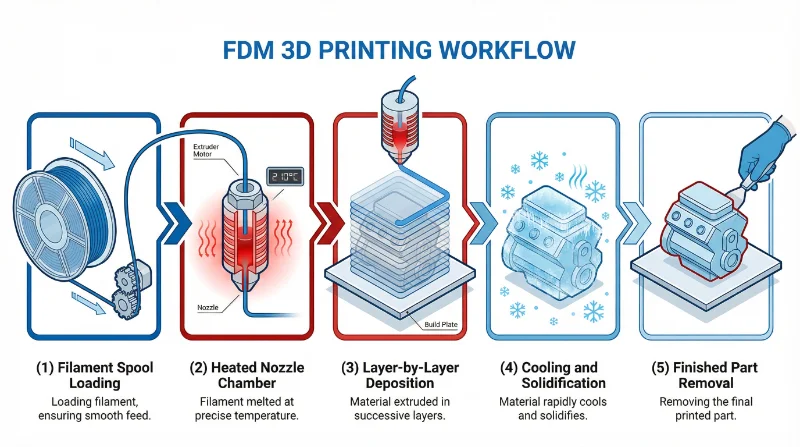
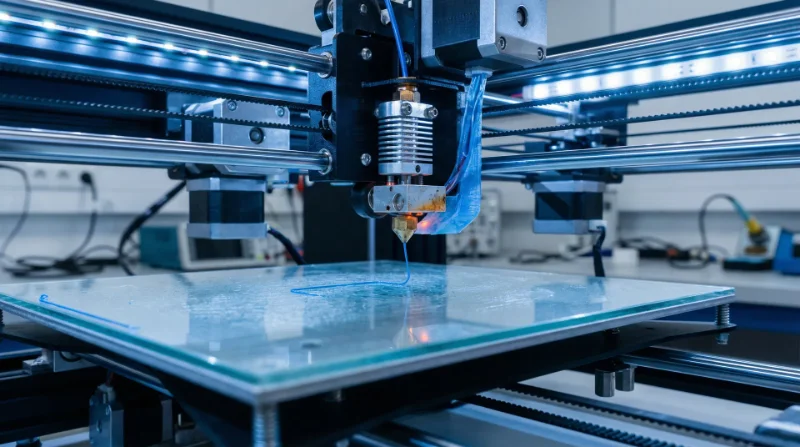
Yazıcı, erimiş filamentleri, CAD modelinin enine kesit geometrisini takip ederek bir yapı platformuna yerleştirir.
Soğutma ve Katılaştırma
Erimiş filament yerleştirilirken, neredeyse anında soğur ve katılaşır.
Nesnenin Tamamlanması
Tüm katmanlar oluşturulduktan sonra, çıkarılıp son işlem görebilen bitmiş bir parça ortaya çıkar.
FDM ile Stereolitografi (SLA) ve Seçici Lazer Sinterleme (SLS) karşılaştırması
FDM'yi SLA ve SLS ile karşılaştırmak, belirli uygulamanız için en iyi baskı teknolojisini belirlemenize yardımcı olur.
| Özellik | FDM (Birleştirilmiş Biriktirme Modelleme) | SLA (Stereolitografi) | SLS (Seçici Lazer Sinterleme) |
|---|---|---|---|
| Malzeme Türü | Termoplastik filamentler | Fotopolimer reçine | Toz bazlı polimerler |
| Güç | Mekanik uygulamalar için dayanıklı, fonksiyonel parçalar | Yüksek hassasiyet; detaylı ve estetik parçalar için uygundur | Güçlü ve karmaşık geometriler için uygun |
| Yüzey İşlemi | Görünür katman çizgileri | Pürüzsüz, parlak yüzeyler | Toz kalıntısı nedeniyle hafif pürüzlü, mat bitiş |
| Destek Yapıları | Çıkıntılar ve karmaşık geometriler için gereklidir | Desteksiz geometriler için gereklidir | Destek gerekmez (toz destek sağlar) |
| Maliyet | Uygun kurulum ve malzeme maliyetleri | Daha yüksek malzeme ve operasyonel maliyetler | Pahalı endüstriyel sınıf teknoloji |
| Kullanım Kolaylığı | Kullanıcı dostu ve yaygın olarak bulunabilir | Orta düzeyde karmaşıklık; reçine işleme gerektirir | Karmaşık ve özel ekipman gerektirir |
| En İyi Uygulamalar | Prototipler, işlevsel parçalar ve düşük hacimli üretim | Diş ve mücevher parçaları gibi yüksek çözünürlüklü modeller | Karmaşık, yüksek detaylı seri üretim |
FDM ve SLA
Dayanıklılık ve maliyet öncelikliyse, özellikle fonksiyonel mekanik parçalar için FDM'yi tercih edin. Diş modelleri ve takı tasarımları gibi yüksek hassasiyet gerektiren detaylı estetik prototipler için SLA kullanın.
FDM: Termoplastikler, dayanıklı, bütçe dostu, görünür katman çizgileri
SLA: Işığa duyarlı reçine, hassas, pürüzsüz yüzey, daha yüksek maliyet
FDM ve SLS
FDM'nin uygun fiyatı küçük seriler ve prototipleme ihtiyaçları için öne çıkarken, SLS seri üretim için ölçeklenebilirlik ve karmaşık geometrilerde mükemmeldir.
FDM: Termoplastik filamentler, destek gerektirir, basit çalışma
SLS: Toz bazlı, destek gerektirmez, karmaşık endüstriyel sınıf
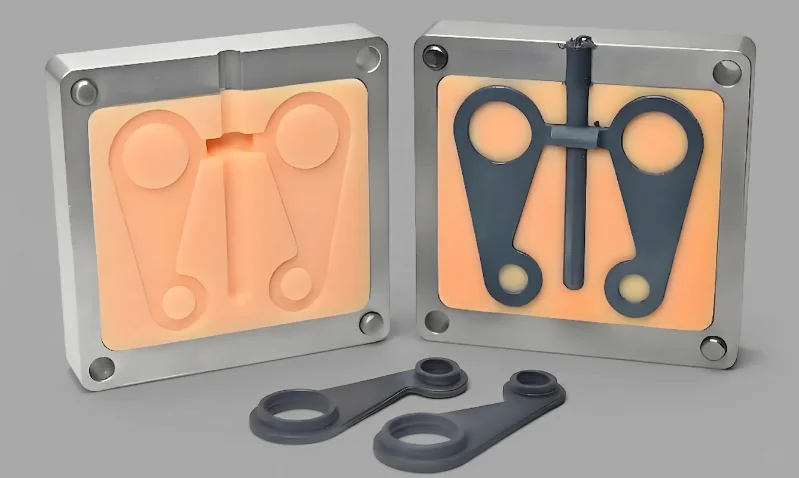
FDM ve Enjeksiyon Kalıplama Karşılaştırması
Enjeksiyon kalıplama ve FDM, hacim gereksinimlerine ve üretim zaman çizelgelerine bağlı olarak farklı amaçlara hizmet eder.
Üretim Hacmi
FDM: Düşük ila orta | Enjeksiyon Kalıplama: Yüksek
Teslim Süresi
FDM: Hızlı (günler) | Enjeksiyon Kalıplama: Uzun (haftalar/aylar)
Kurulum Maliyeti
FDM: Minimal | Enjeksiyon Kalıplama: Yüksek (takım)
Uzman İpucu
Üretimi ölçeklendirmeden önce FDM ile prototip oluşturarak verimliliği en üst düzeye çıkarın — ve zamandan ve kaynaklardan tasarruf edin.
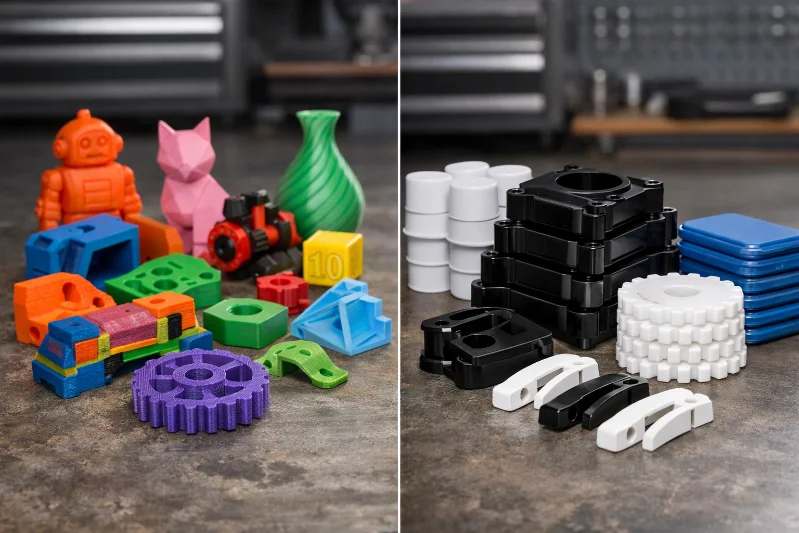
FDM
Enjeksiyon Kalıplama
FDM ve CNC İşlenmiş Parçalar Karşılaştırması
FDM ve CNC işleme, tasarım gereksinimlerine ve malzeme seçimine bağlı olarak benzersiz avantajlar sunar.
Maliyet Verimliliği
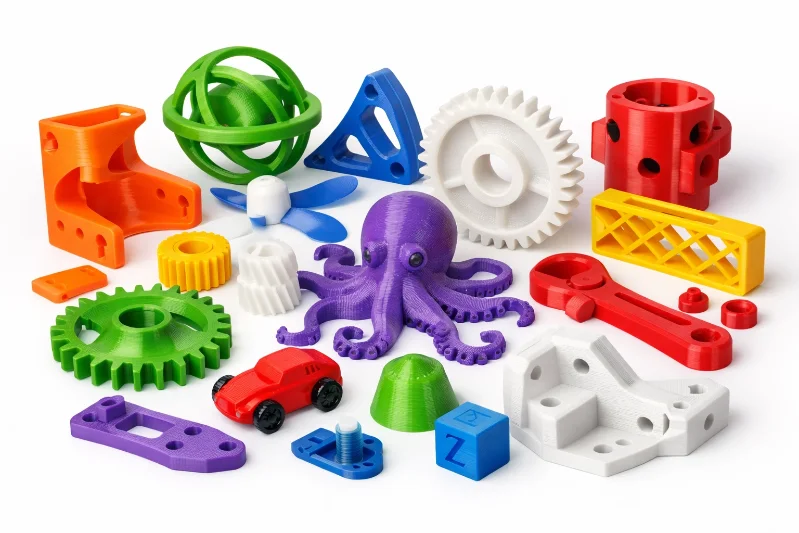
FDM
Özel veya karmaşık parçalar için daha düşük üretim maliyetleri
CNC
Malzeme israfı ve işleme nedeniyle daha yüksek maliyet
Malzeme Türleri
FDM
Termoplastik filamentlere odaklanır
CNC
FDM Uygulamaları Nelerdir?
FDM, çok yönlülük, maliyet verimliliği ve işlevsel güvenilirlik sunarak çok çeşitli endüstrilerde fikirleri somut çözümlere dönüştürür:
1. Havacılık ve uzay:
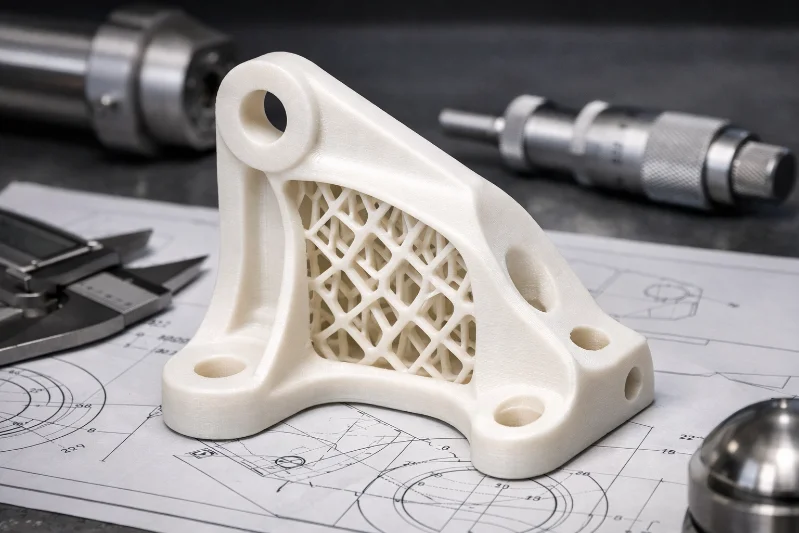
Hafif bileşenler yakıt verimliliğini artırırken, düşük maliyetli jigler, fikstürler ve talep üzerine üretilen kalıplar, geliştirme süreci boyunca hızlı tasarım yinelemelerine olanak tanır.
2. Otomotiv:
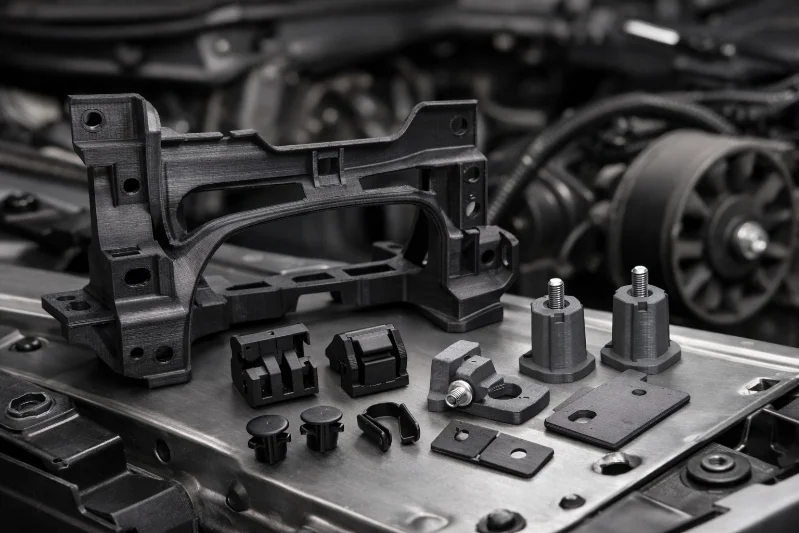
Braketler, fikstürler, gösterge panelleri ve yedek parçalar gibi işlevsel prototipler, geliştirme sürelerini azaltmaya yardımcı olur ve özel veya düşük hacimli hassas üretimi kolaylaştırır.
3. Sağlık Hizmetleri:
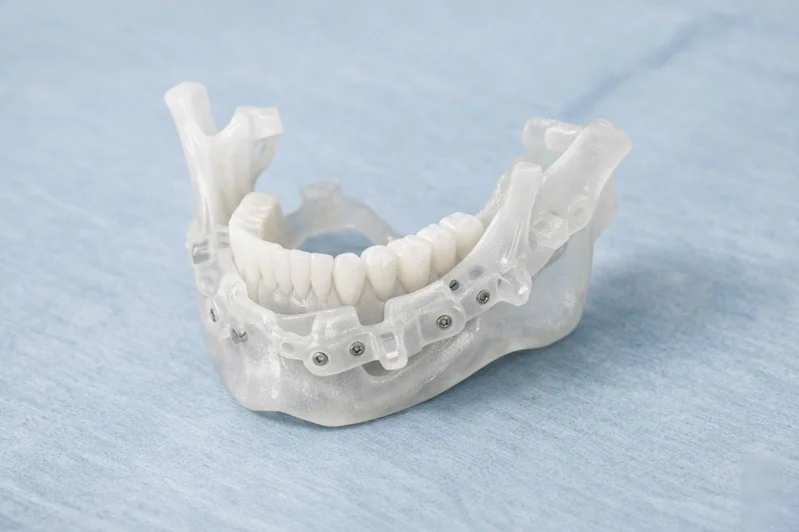
Anatomik modeller cerrahi planlamaya yardımcı olur, hastalara özel üretilen protezler daha iyi kullanılabilirlik sunar ve özel cerrahi aletler sterilizasyon prosedürleri sırasında dayanıklılık sağlar.
Daha geniş yelpaze: metaller, plastikler, kompozitler
Karmaşık Geometriler
FDM
İç boşluklar, çıkıntılar ve hafif yapılar için uygundur
CNC
4. Tüketim Malları:
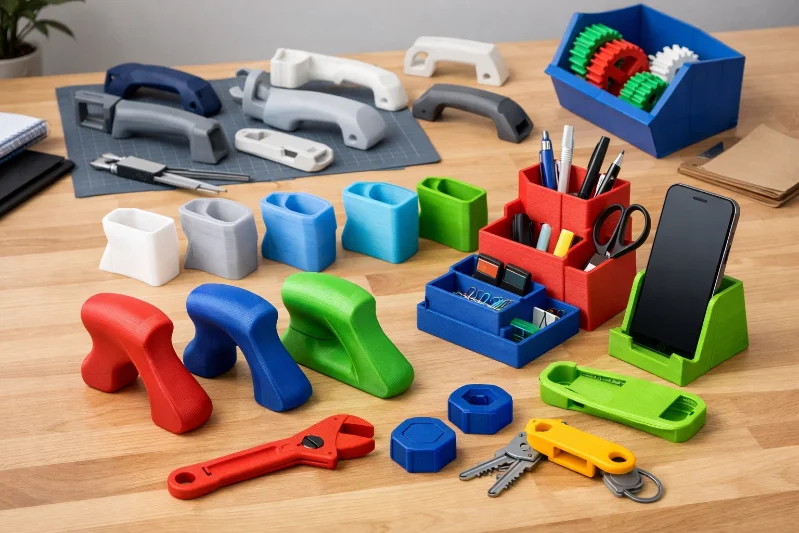
Tasarımcılar, üretimden önce işlevselliği doğrulamak amacıyla ergonomik ürünler, ambalaj prototipleri ve oyuncakların, cihazların ve ev çözümlerinin uygun maliyetli sürümleri için FDM'den yararlanır.
5. Eğitim ve Araştırma:
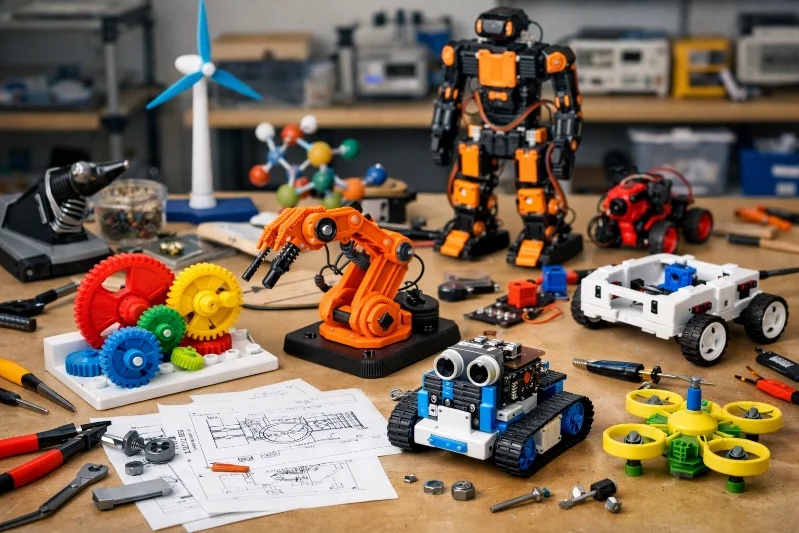
FDM, mühendislik ve STEM kavramlarının öğretilmesi için uygun maliyetli araçlar sağlar ve üniversitelerin akademik araştırma projeleri için yenilikçi tasarımların prototipini oluşturmasına olanak tanır.
6. Endüstriyel:
FDM, iş akışlarını kolaylaştırmak ve süreçleri optimize etmek için jigler, fikstürler, robotik uç işlevciler ve takım parçaları gibi özel montaj araçlarının oluşturulmasını destekler.
FDM 3D Baskı Hizmeti ve Özel FDM Parçalar
FDM 3D yazdırma hakkında, nasıl çalıştığından endüstrilerdeki uygulamalarına kadar her şeyi öğrenin. Fiyat teklifi için modelinizi bugün yükleyin!
Yüksek toleranslı düz veya simetrik geometriler için en iyisi
FDM
CNC İşleme
ABS
Daha güçlü ve ısıya dayanıklı ancak havalandırma gerektirir. Genellikle dayanıklı fonksiyonel parçalar için kullanılır.
PETG
Doğru FDM Filamentler Nasıl Seçilir?
Doğru filament seçimi, dayanımı, işlevselliği ve genel performansı optimize etmek için kritik öneme sahiptir.
İleri mühendislik parçaları için ısıya dayanıklı ve son derece dayanıklı.
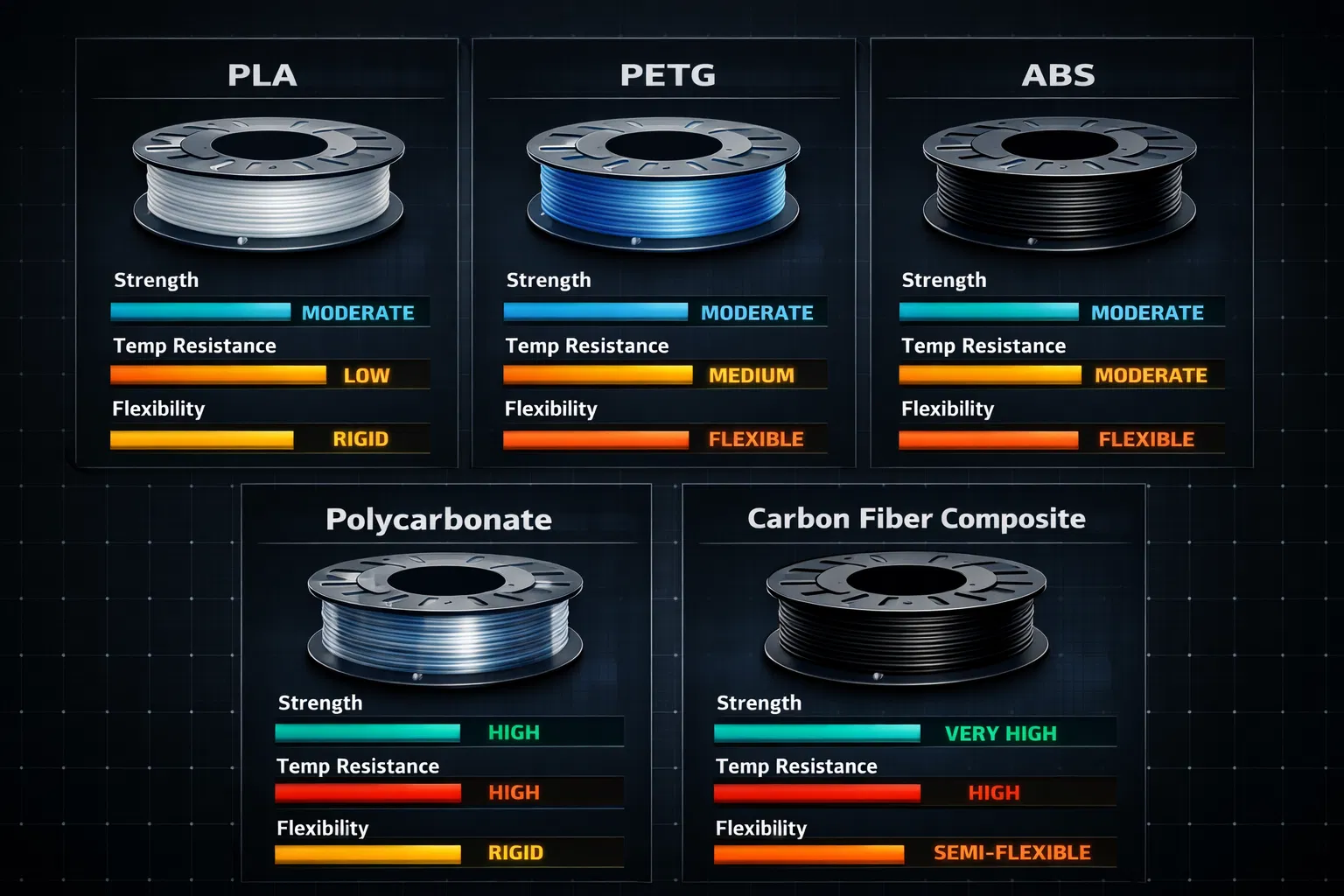
Dayanıklılık ve kimyasal direnci birleştirir. Neme veya kimyasallara maruz kalan parçalar için idealdir.
Naylon
Endüstriyel sınıf uygulamalara uygun, mükemmel esneklik ve darbe direnci sağlar.
Polikarbonat (PC)
Filament Seçim İpuçları:
Filament türlerini seçerken mekanik dayanım gereksinimlerini, yazıcı yeteneklerini ve çevresel faktörleri göz önünde bulundurun. Yüksek hassasiyetli parçalar için Nylon ve PC gibi mühendislik filamentleri üstün performans sağlar.
Projeniz için malzeme seçimini optimize etmek üzere ekibimizden uzman tavsiyesi alın.
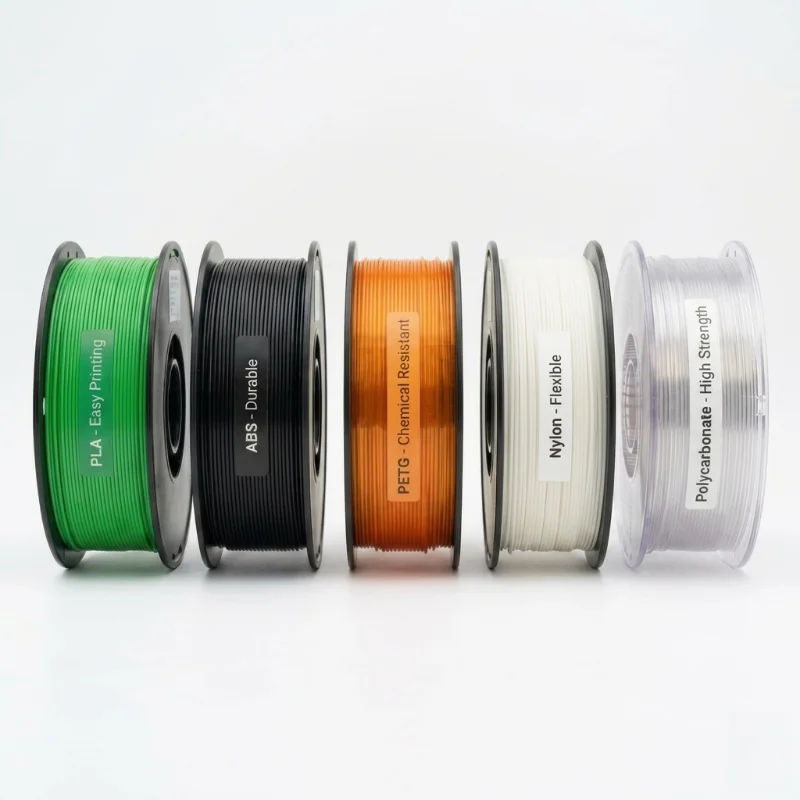
PLA
Baskı kolaylığı ve uygun fiyat sunarak görsel prototipler için mükemmel hale getirir.
FDM Baskılar için Yaygın İşlem Sonrası Teknikler
Son işlem, FDM ile basılmış parçaların kalitesini ve işlevselliğini artırmada hayati bir rol oynar. Bu teknikler, temel 3D baskıları rafine ve profesyonel kalitede bileşenlere dönüştürür:
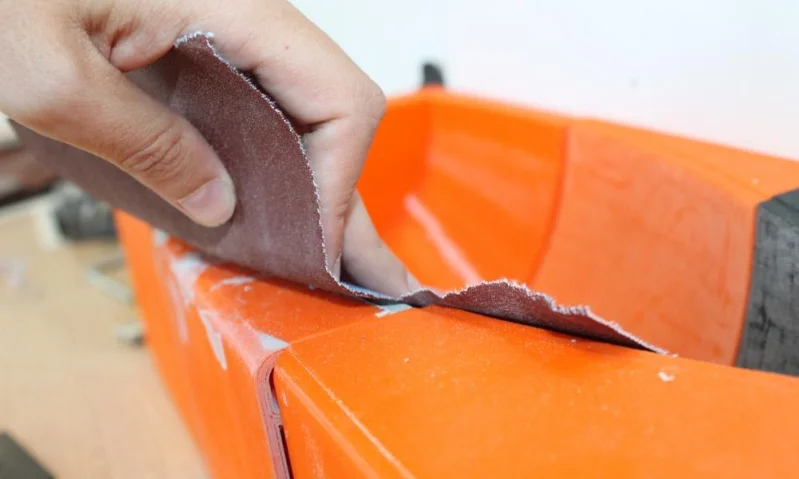
1. Zımparalama:
Zımparalama, görünür katman çizgilerini ve kusurları gideren manuel bir işlemdir. Pürüzlü yüzeyleri düzeltmek için kaba taneli zımpara kağıdıyla başlayın, ardından cilalı ve düzgün bir yüzey için kademeli olarak daha ince tanelere geçin. Düz alanlar ve eğri yüzeyler için özellikle yararlıdır ve boyama veya kaplama gibi daha ileri adımlar için bir temel oluşturur.
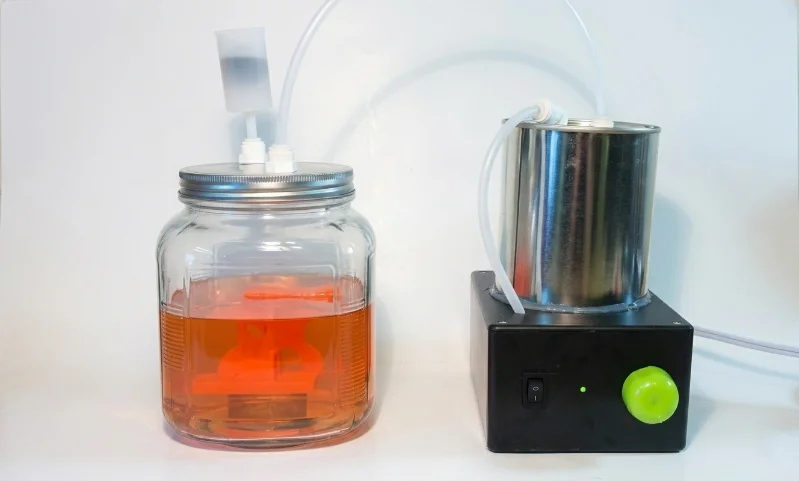
2. Kimyasal Düzeltme:
ABS gibi malzemeler için, aseton buharı ile kimyasal düzeltme, pürüzsüz, parlak bir görünüm elde etmek için popüler bir metottur. Buhar, dış yüzeyi hafifçe eriterek, yoğun manuel çaba gerektirmeden katman hatlarını ortadan kaldırır. Bu metot, hassas detayları fazla düzeltmekten veya bozmaktan korumak için hassas bir kullanım gerektirir.
FDM için Üretime Yönelik Temel Tasarım (DFM) Yönergeleri
FDM sonuçlarını optimize etmek için şu temel yönergeleri izleyin:
- Duvar Kalınlığı: Daha kalın duvarlar (minimum 1,2 mm) genel yapısal bütünlüğü iyileştirir.
- Çıkıntı Açıları: Çıkıntılar 45°'yi aşmamalıdır, aksi takdirde destek yapıları gerektirir.
- Dolgu Yoğunluğu: Mukavemet açısından kritik parçalar için, dayanıklılığı baskı verimliliğiyle dengeleyerek ≥ %50 dolgu önerilir.
- Katman Yüksekliği: İnce detaylar için daha düşük katman yükseklikleri (≤0,2 mm) kullanın. Daha kalın katmanlar (≥0,3 mm) daha hızlı üretim için daha iyidir.
- Yuvarlatılmış Köşeler ve Kavisler: Yuvarlatılmış geometrik kenarlar gerilim yoğunlaşmalarını ve çarpılma risklerini azaltır.
3. Boyama:
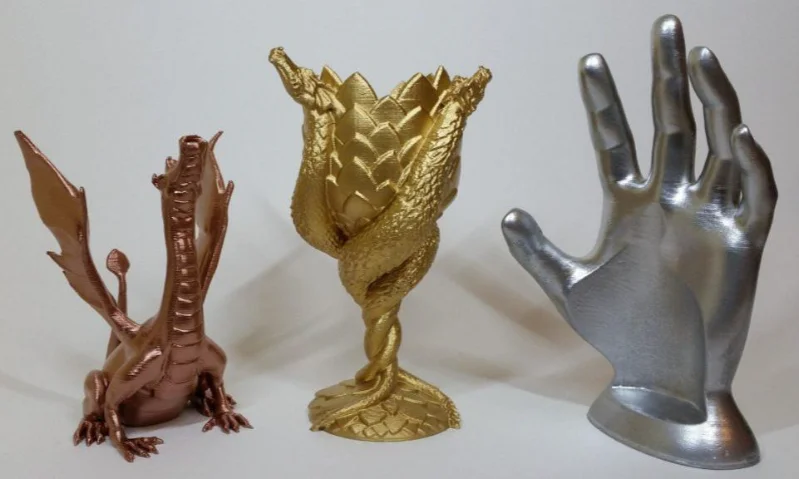
Zımparalama ile hazırlıktan sonra, parçalar eşit boya uygulamasını sağlamak ve küçük kusurları doldurmak için bir astar katmanı ile astarlanabilir. Daha sonra, profesyonel bir estetik için canlı renkler, desenler veya hatta gerçekçi dokular elde etmek amacıyla spreyler ve fırça tabanlı seçenekler dahil çeşitli boyalar uygulanabilir.
4. Desteğin Çıkarılması:
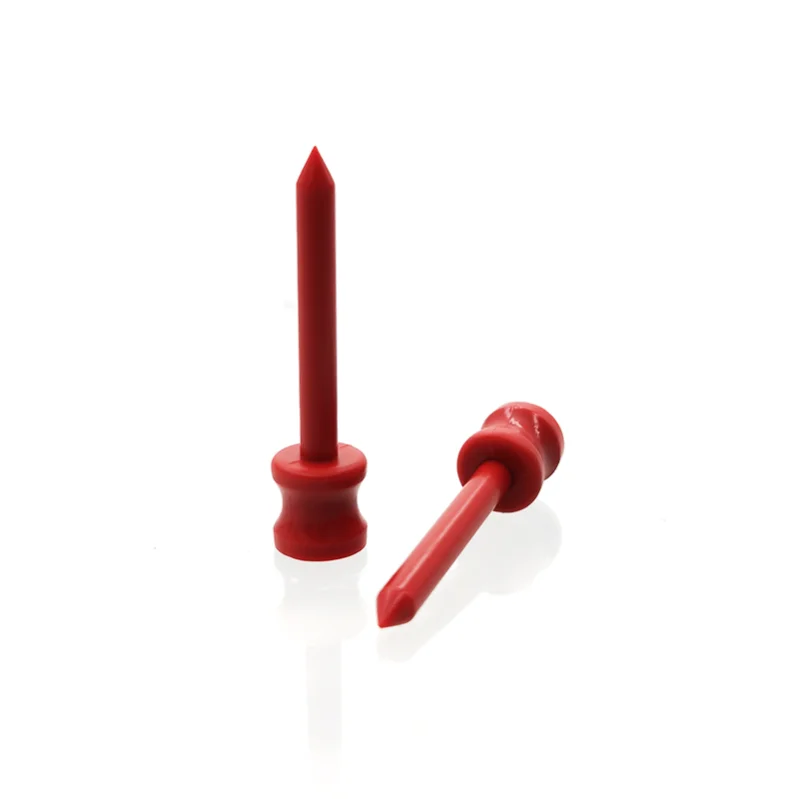
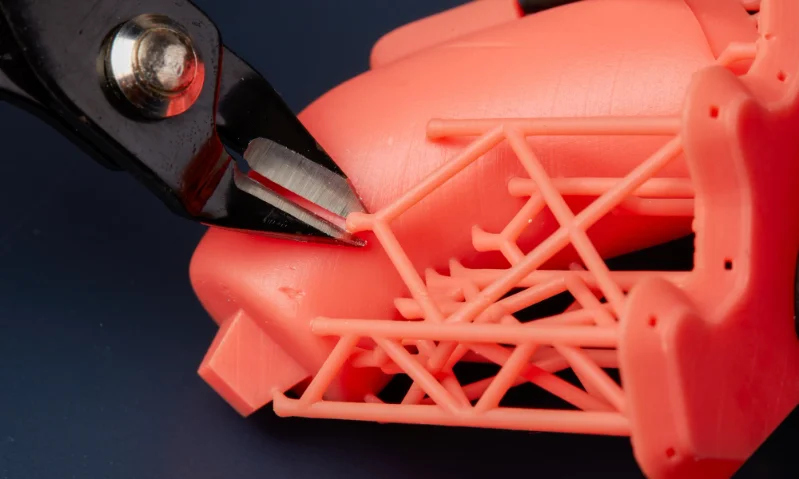
Baskı sonrasında, destekler, bitmiş parçaya zarar vermeden dikkatlice kaldırılmalıdır. Tasarım optimizasyonu gereksiz destekleri minimize ederek kaldırma işlemini basitleştirebilir. Kaldırma sonrasında, bağlantı noktalarında kalan izleri düzeltmek için hassas zımparalama veya sıyırma gereklidir.
5. Dolgu ve Sızdırmazlık:
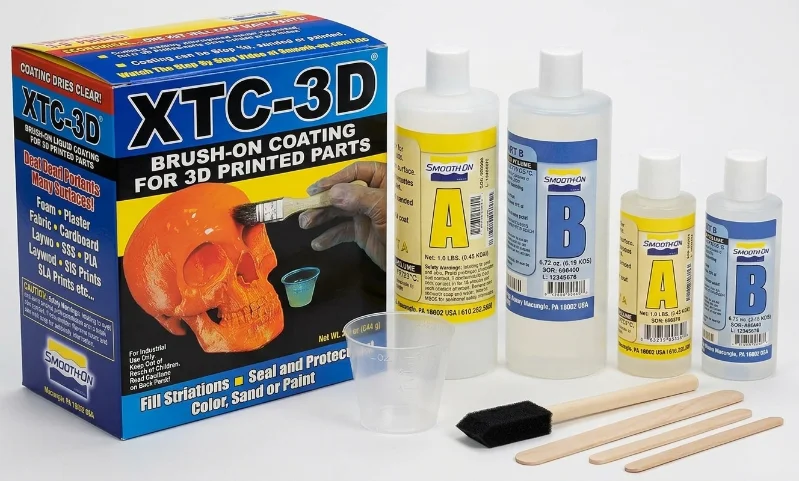
Baskılardaki kusurlar, boşluklar veya istenmeyen pürüzler, macun gibi dolgu malzemeleri ile giderilebilir. Dayanımı artırmak veya parçaları su geçirmez hale getirmek için, epoksi reçine veya benzer kaplamalar ile sızdırmazlık sağlanması genellikle uygulanır, uzun vadeli dayanıklılık ve çevresel faktörlerden koruma sağlar.
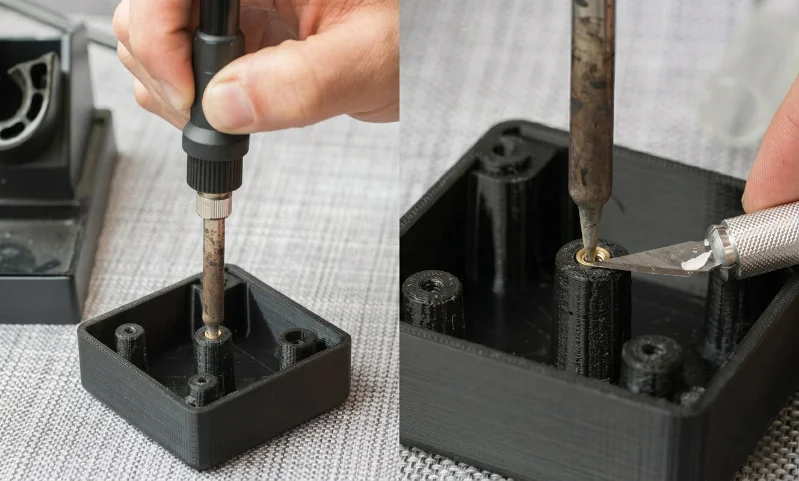
6. Montaj ve Bitirme
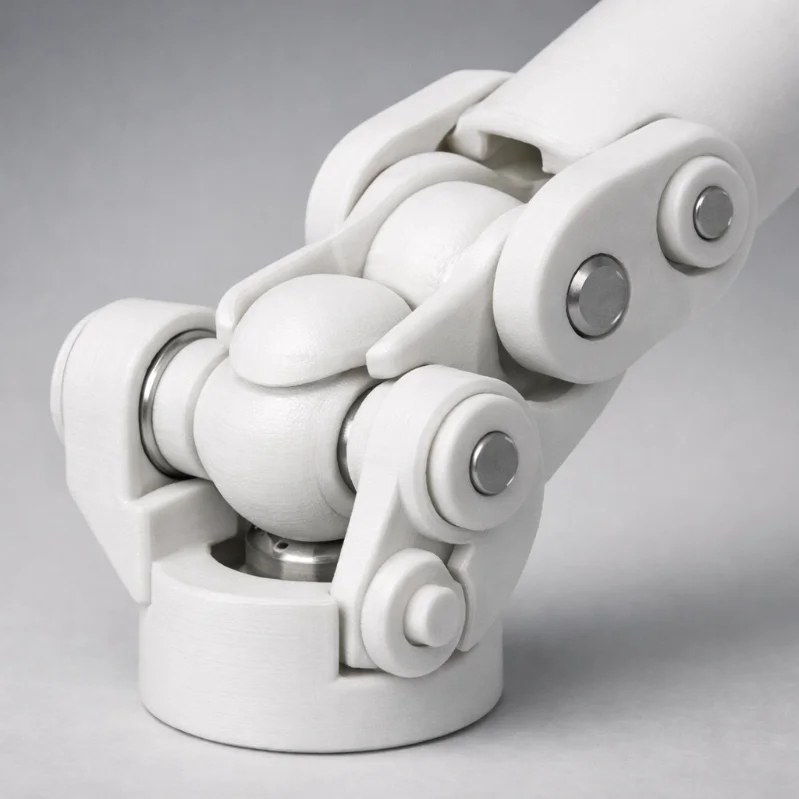
Fonksiyonel kullanım veya çok parçalı montaj için tasarlanan baskılarda, toleransları iyileştirmek ve istenen uyumu elde etmek için delme, diş açma veya tapa açma gibi ek adımlar gereklidir. Bu teknik, montajlı bileşenler için hassasiyet ve yapısal güvenilirlik sağlar.
FDM'de Son İşlemenin Rolü:
Son işleme, FDM baskılarını iyileştirmek için estetik, işlevsellik veya gelişmiş dayanıklılık açısından kritiktir. Bu teknikleri farklı malzemelere ve uygulamalara uyacak şekilde birleştirerek ve uyarlayarak, üreticiler konsept ile bitmiş, piyasaya hazır bir ürün arasındaki boşluğu kapatabilir.
Projenizin performansını yükseltmek için ekibimize danışın.
FDM Basılı Parçaların Mukavemetini Hangi Faktörler Etkiler?
FDM parça dayanıklılığını ve mekanik performansını etkileyen temel değişkenleri anlama.
Malzeme Özellikleri
Filament seçimi, parça dayanımını önemli ölçüde etkiler. PETG, Polikarbonat (PC), ABS ve karbon fiber takviyeli kompozitler, standart PLA'ya kıyasla üstün çekme dayanımı ve dayanıklılık sunar.
- Yüksek çekme dayanımına sahip malzemeler
- Termal direnç gereksinimleri
- Esneklik ve elastikiyet
Katman Bağlanması
Dayanıklılık için güçlü katman yapışması kritiktir. Zayıf bağlanma, güçsüz noktalar oluşturur ve arıza riskini artırır.
- Uygun nozul sıcaklıkları
- Kontrollü soğuma hızları
- Sabit ekstrüzyon akışı
Dolgu Yoğunluğu ve Kabuk Kalınlığı
Yüksek dolgu yoğunluğu ve daha kalın kabuklar, parça dayanımını direkt olarak artırır. Talepkar uygulamalar genellikle 3–4 kabuk katmanı ile 50%–100% dolgu yoğunluğu kullanır.
- İç destek yapısı
- Darbe direnci
- Basma dayanımı
Baskı Yönü
Parçalar katman çizgilerine dik yönde en zayıftır. Kritik bileşenlerde arıza riskini en aza indirmek için katmanları yük taşıyan kuvvetlere paralel hizalayın.
- Yükleme yönü hizalaması
- Çekme dayanımı optimizasyonu
- Arıza riski azaltma
Başarı ve Kolay Kaldırma İçin Destek Yapıları Nasıl Tasarlanır?
Kaliteli baskılar sağlarken son işleme çabasını en aza indiren etkili destek yapıları tasarlama sanatında ustalaşın.
Çıkıntı Açısı Yönlendirmesini Optimize Edin
Çoğu FDM baskı makineleri, ek destek gerektirmeden, yatay düzleme göre 45°'ye kadar açılı çıkıntıları destekleyebilir. Bu açıdan daha fazlasında, yerçekimi ve yetersiz katman yapışması kusurlara yol açabilir.
- 45°'yi aşan çıkıntıları en aza indirin
- Destek malzemesi kullanımını azalt
- Son işlemeyi basitleştirin
Doğru Destek Türünü Seçin
Farklı destek türleri değişen faydalar sunar. Suda çözünen destekler (PVA/BVOH) temiz yüzeyler için suda çözülürken, ağaç benzeri destekler teması ve malzeme kullanımını en aza indirir.
- Basitlik için kırılabilir destekler
- Kompleks geometriler için çözülebilen destekler
- Verimlilik için ağaç benzeri destekler
Destek ve Parça Ayırma Ayarları
Destek malzemesi ile basılan parça arasındaki küçük bir boşluk, model bütünlüğünden ödün vermeden kolay çıkarmayı sağlar. Tipik Z ekseni boşlukları 0.3-0.5 mm aralığındadır.
- Z ekseni boşluğu: 0.3-0.5 mm
- Yoğun arayüz katmanları
- Geliştirilmiş yüzey düzgünlüğü
Destek Dolgu Yoğunluğu ve Desenlerini Dikkate Alın
Daha düşük dolgu yoğunlukları (10%-20%), gereksiz malzeme kullanımı olmadan yeterli dayanım sağlar. Grid, triangle ve gyroid desenleri, farklı stabilite ve verimlilik dengeleri sunar.
- Optimal dolgu: 10%-20%
- Verimlilik için Gyroid desenleri
- Azaltılmış malzeme ve baskı süresi
Destek Yapısı Örnekleri:
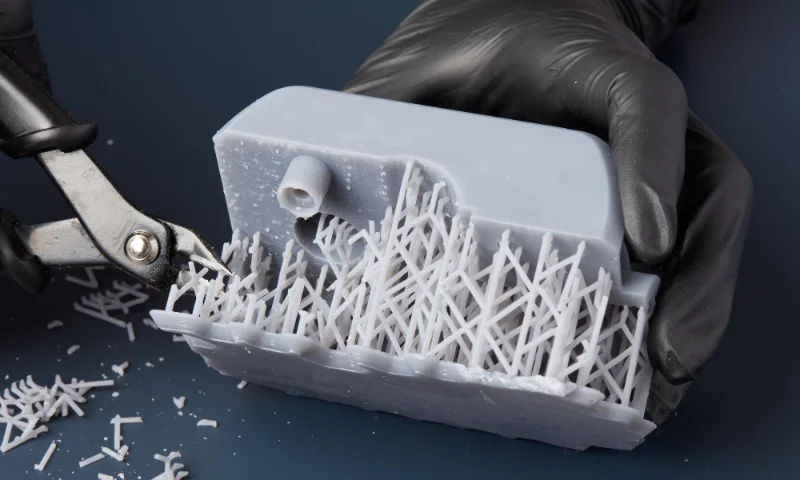
Ağaç Benzeri Destek Yapıları
Dallı destekler, yeterli desteği sağlarken teması en aza indirir
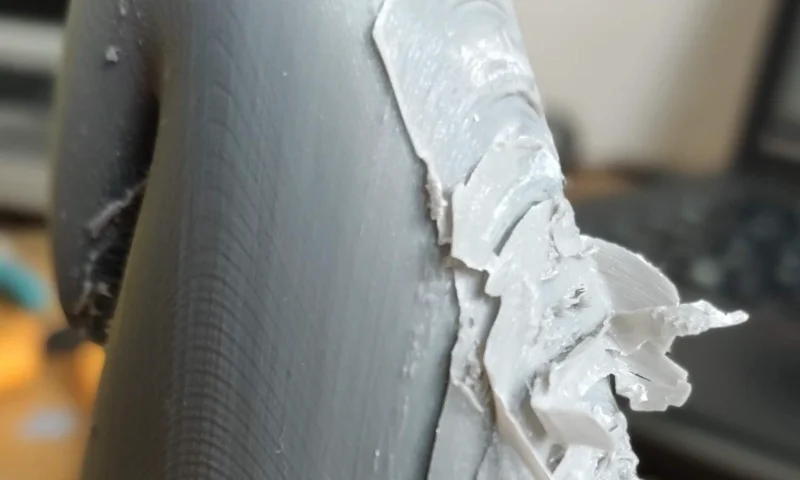
Destek Kaldırma Teknikleri
Uygun araçlar ve teknikler, parçalara zarar vermeden temiz bir şekilde çıkarmayı sağlar
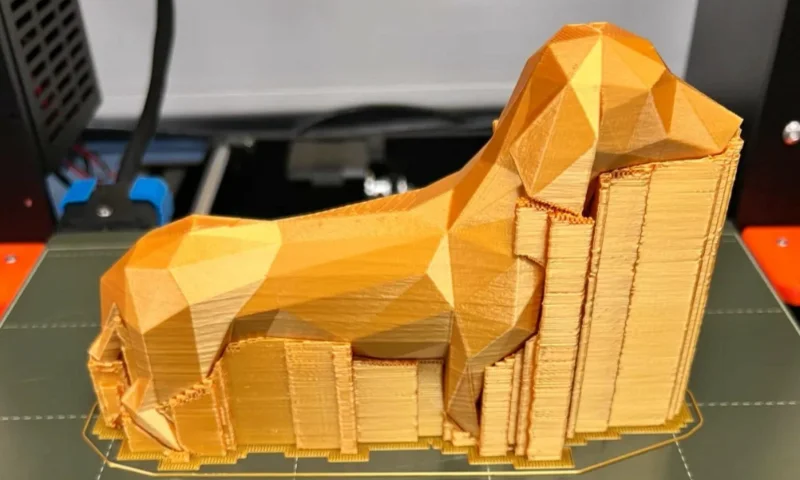
Destek Deseni Karşılaştırması
Farklı desenler değişen stabilite ve malzeme verimliliği sunar
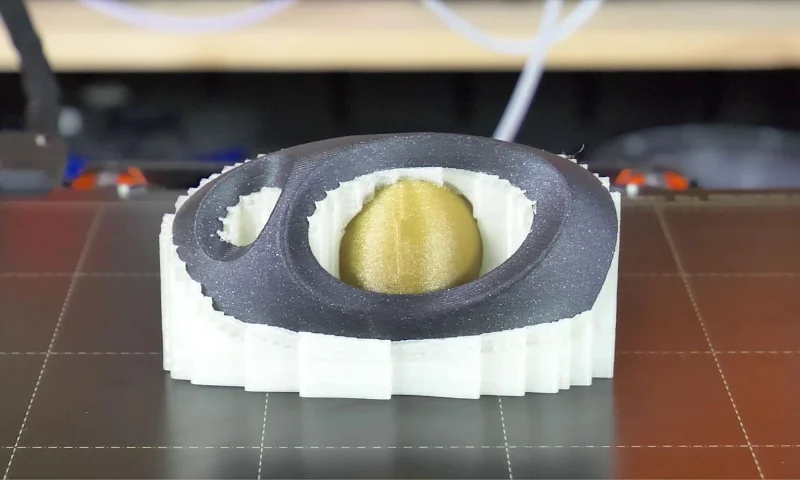
Çözülebilen Destek Malzemeleri
PVA ve BVOH destekler suda çözünerek pürüzsüz yüzeyler sağlar
Yaygın FDM Yazdırma Sorunlarını Hızlı Bir Şekilde Tanılama ve Düzeltme Nasıl Yapılır?
FDM 3D baskı, çok yönlü bir teknolojidir, ancak bazı zorluklar ortaya çıkarabilir. İşte karşılaşabileceğiniz yaygın sorunlar ve bunları çözmek için pratik adımlar.
Bükülme:
Düzensiz soğutma, katmanların büzülmesine neden olarak köşelerin baskı tablasından kalkmasına ve boyutsal hatalar oluşmasına yol açar.
Çözümler:
- Önerilen sıcaklıkta ısıtılmış tabla kullanın
- Yapıştırıcılar uygulayın (yapıştırıcı çubuk, boyacı bandı, saç spreyi)
- Sabit bir sıcaklık sağlamak için muhafaza kullanın
Az Ekstrüzyon:
Zayıf, ince katmanlar veya eksik bölümler, mukavemeti azalmış yapısal olarak tehlikeye girmiş parçalarla sonuçlanır.
Çözümler:
- Nozulu temizleyin ve tıkanmaları kontrol edin
- Filament çapını kesici ayarlarında kontrol edin
- Ekstrüzyon çarpanını veya akış hızını artırın
Katman Kayması veya Hizalama Sorunu:
Katmanlar arasında mekanik sorunlar veya baskı sırasında hareket nedeniyle oluşan yatay hizalama bozukluğu.
Çözümler:
- Yazıcı kayış sistemini sıkın
- Baskı tablasını ve portalı doğru şekilde ayarlayın
- Yüksek hızlı hareketler için baskı hızını düşürün
İpliklenme (Sızıntı):
Erimiş filament, hareket sırasında nozuldan sızarak baskı üzerinde ince iplikçikler bırakır.
Çözümler:
- Nozul sıcaklığını hafifçe düşürün
- Geri çekme ayarlarını etkinleştirin ve optimize edin
- Filament nemini kontrol edin
Sıkça Sorulan Sorular (SSS)
FDM yazdırma siparişleri için hangi dosya formatlarını kabul ediyorsunuz?
STL, STEP, OBJ ve IGES formatlarını kabul ediyoruz. Boyutsal doğruluğu koruduğu için karmaşık montajlar için STEP önerilir.
FDM baskılı parçalar için minimum sipariş miktarı (MOQ) nedir?
Minimum sipariş miktarı yoktur. Tekli prototip siparişlerinin yanı sıra toplu üretim çalışmalarını da destekliyoruz.
Birden fazla parçada boyutsal doğruluk ve tutarlılığı nasıl sağlıyorsunuz?
Her parti, kalibre edilmiş ölçüm araçları kullanılarak kalite denetimine tabi tutulur. Parça boyutunun ±0.1mm veya %0.2 toleranslarını koruyoruz.
FDM siparişleri için tipik teslim süresi nedir?
Standart siparişler 3–5 iş günü içerisinde yerine getirilir. Karmaşıklığa ve hacme bağlı olarak acele siparişler 24–48 hours dahilinde karşılanabilir.
Tasarım dosyalarımızı ve fikri mülkiyetimizi korumak için bir Gizlilik Anlaşması imzalayabilir misiniz?
Evet. Herhangi bir tasarım dosyasını almadan önce düzenli olarak NDA'ları imzalıyoruz ve tüm veriler katı gizlilik protokolleri kapsamında işleniyor.
Mühendislik sınıfı filamentler için malzeme sertifikaları veya test raporları sağlıyor musunuz?
Evet. Talep üzerine PETG, Naylon ve Polikarbonat gibi mühendislik sınıfı malzemeler için malzeme veri sayfaları ve sertifikalar mevcuttur.
FDM parçaları son kullanım üretim bileşenleri olarak mı yoksa yalnızca prototip oluşturmak için kullanılabilir mi?
FDM parçaları, yalnızca prototiplerde değil, özellikle düşük hacimli üretimde, aparatlarda, donanımlarda ve muhafazalarda işlevsel son kullanım bileşenleri olarak hizmet verebilir.
Yazdırmadan önce tasarım sorunlarını veya DFM endişelerini nasıl ele alıyorsunuz?
Mühendislik ekibimiz gönderilen her dosyayı inceler ve üretim başlamadan önce duvar kalınlığı, desteklenmeyen çıkıntılar veya tolerans çatışmaları gibi olası sorunları proaktif olarak işaretler.