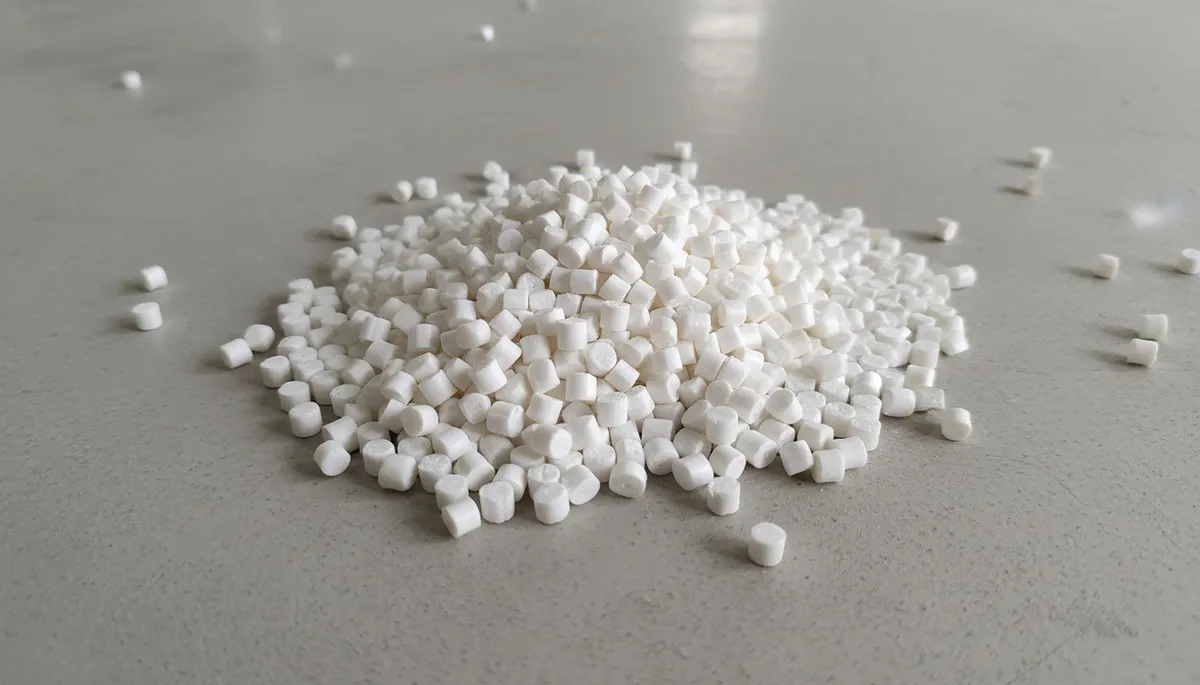
Projektowanie formy wtryskowej obejmuje kilka kluczowych etapów, takich jak dobór materiału, rozmieszczenie gniazd i analiza geometrii części, które pozwalają uzyskać optymalne wyniki oraz wysoką wydajność produkcji.
Znajomość zasad projektowania form jest niezbędna do zapewnienia wydajnej produkcji i wysokiej jakości wyrobów. Niezależnie od tego, czy projektujesz nową formę, czy optymalizujesz istniejące narzędzie, czynniki te bezpośrednio wpływają na działanie formy, czas cyklu i ogólne oszczędności producenta.
- Wybór materiału formy (stal lub aluminium) bezpośrednio wpływa na trwałość narzędzia i jakość części
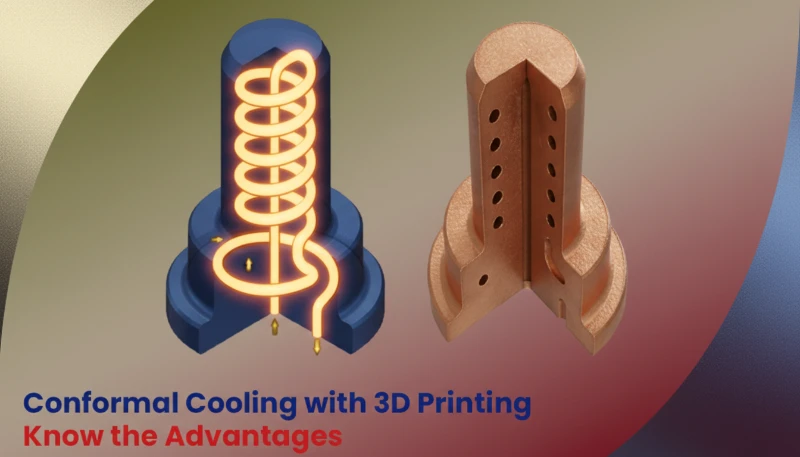
- Prawidłowy układ kanałów chłodzących może skrócić czas cyklu nawet o 70%
- Równomierna grubość ścianki jest najważniejszym czynnikiem konstrukcyjnym
- Głębokość rowka odpowietrzającego 0.01–0.03 mm zapobiega wypływkom, umożliwiając jednocześnie odprowadzanie gazu
- Regularna konserwacja formy wydłuża żywotność narzędzia i pozwala zachować dokładność wymiarową
Jakie są podstawowe zasady działania form wtryskowych?
Formy wtryskowe są niezbędne do produkcji części o wysokiej precyzji, wykorzystując proces, w którym stopiony materiał jest wtryskiwany do gniazda formy. Technologia ta stanowi podstawę wielu gałęzi przemysłu, zapewniając szybką i spójną produkcję.
Jeśli porównujesz dostawców lub planujesz zakupy, nasz przewodnik po wyborze dostawcy usług formowania wtryskowego omawia przygotowanie zapytania ofertowego, kwalifikację i kontrolę ryzyka handlowego.
Proces formowania wtryskowego polega na wtryskiwaniu stopionego materiału pod wysokim ciśnieniem do gniazda formy, gdzie zastyga on w pożądanym kształcie. Konstrukcja formy powinna umożliwiać łatwe wyjęcie wyrobu i zapewniać wymiary możliwie bliskie projektowanym.
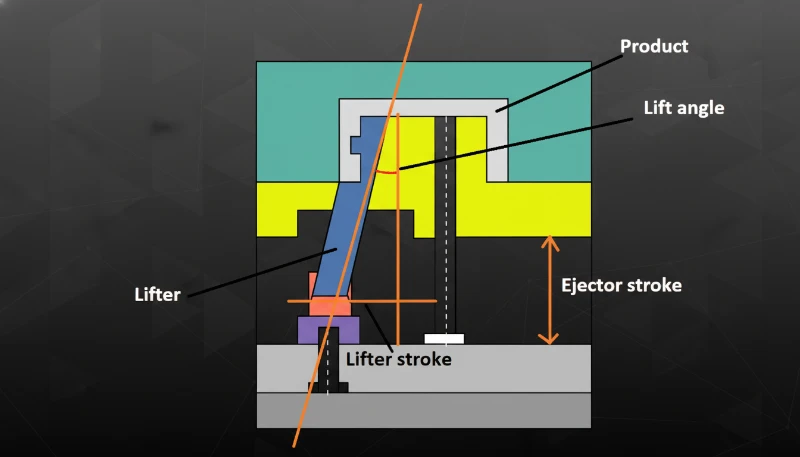
Materiały, konstrukcja i układ form wtryskowych mają bezpośredni wpływ na jakość, wydajność i koszt wyrobu końcowego.
Podstawowe zasady projektowania form wtryskowych obejmują kilka kluczowych etapów
Przygotowanie stopionego tworzywa jest pierwszym etapem. Surowiec z tworzywa sztucznego jest topiony w wyniku działania ścinającego ślimaka i grzałki.
Wtrysk: stopione tworzywo jest wtłaczane przez dyszę do gniazda formy pod ciśnieniem wytwarzanym przez ślimak.
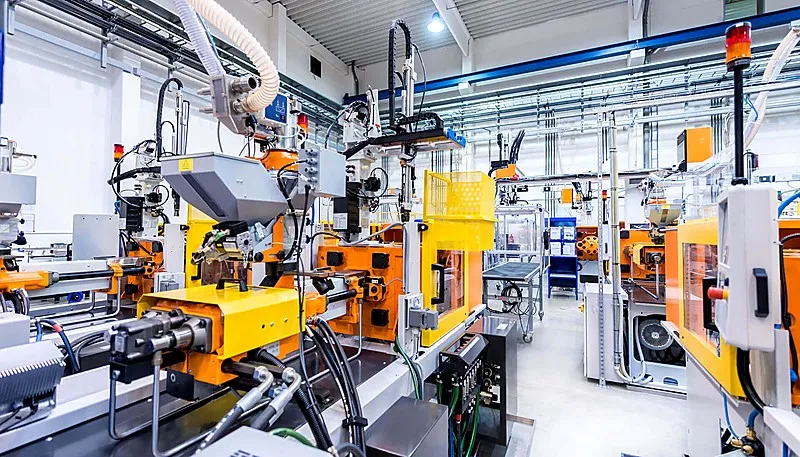
ZetarMold ma ponad 20-letnie doświadczenie w projektowaniu form wtryskowych i eksploatuje w swoim zakładzie w Szanghaju 47 wtryskarek (90T–1850T), dzięki czemu realizuje projekty form do części o niemal dowolnych wymiarach i stopniu złożoności.
Ciśnienie docisku i chłodzenie: wtryskarka utrzymuje to ciśnienie przez pewien czas, aby zapewnić wypełnienie gniazda, a następnie rozpoczyna chłodzenie, gdy tworzywo zaczyna się zestalać.
Po zestaleniu tworzywa forma otwiera się, a układ wypychania — zwykle wypychacze, płyty lub tuleje — usuwa gotową część z gniazda. Prawidłowa konstrukcja wypychania zapewnia czyste uwolnienie części bez odkształceń ani uszkodzeń powierzchni krytycznych.
"Prawidłowa konstrukcja formy ogranicza liczbę wad i zwiększa wydajność produkcji."True
Dobrze zaprojektowane formy wtryskowe zapewniają stałą jakość części, mniej braków i krótsze czasy cyklu w kolejnych seriach produkcyjnych.
"Projektowanie formy wtryskowej dotyczy wyłącznie kształtu wyrobu."False
Projekt formy obejmuje również dobór materiału, układ systemu chłodzenia, mechanizmy wypychania oraz optymalizację procesu pod kątem wydajnej produkcji.
Jakie są materiały form?
Materiały formierskie są niezbędne w procesach produkcyjnych, takich jak formowanie wtryskowe, ponieważ zapewniają trwałość, precyzję i jakość. Wybór materiału wpływa na wydajność produkcji i właściwości końcowego wyrobu.
Wybór materiału formy ma ogromny wpływ na żywotność formy i jakość gotowego produktu. Powszechnie stosowanymi materiałami są stal i aluminium.
Stal
Formy stalowe zapewniają większą twardość, odporność na zużycie i możliwości obróbki cieplnej oraz znacznie dłuższą trwałość niż aluminiowe — są odpowiednie do produkcji wielkoseryjnej wymagającej stabilności wymiarowej.
Główne wady form stalowych to dłuższy czas obróbki i wyższy koszt materiału w porównaniu z aluminium. Stal jest również znacznie cięższa, co utrudnia manipulowanie formą i zwiększa zużycie urządzeń do jej wymiany. W produkcji wielkoseryjnej dłuższa trwałość narzędzia zwykle jednak równoważy te niedogodności.
Stale zwykłe:
Stal P201 to uniwersalna, wstępnie hartowana stal formierska (28–36 HRC), powszechnie stosowana na korpusy form i duże gniazda. Zapewnia bardzo dobrą skrawalność i polerowalność przy opłacalnym koszcie form do produkcji średnioseryjnej.
H13 to stal narzędziowa do pracy na gorąco przeznaczona do form działających w podwyższonych temperaturach. Zachowuje twardość i stabilność cieplną po długotrwałym narażeniu na ciepło, a jej typowa twardość po obróbce wynosi 44–52 HRC.
S136 to nierdzewna stal narzędziowa o doskonałej odporności na korozję i podatności na polerowanie. Jest preferowanym wyborem do soczewek optycznych, części przezroczystych i form medycznych, w których najwyższym priorytetem jest jakość wykończenia powierzchni.
Aluminium
Formy aluminiowe są znacznie lżejsze i mają około 4–5x lepszą przewodność cieplną niż stalowe, co umożliwia szybsze chłodzenie i krótsze czasy cyklu. Łatwa obróbka skraca czas realizacji i obniża koszt oprzyrządowania, dzięki czemu aluminium idealnie nadaje się do prototypowania i produkcji małoseryjnej.
Główną wadą jest mniejsza twardość i odporność na zużycie, przez co formy aluminiowe są podatne na uszkodzenia powierzchni podczas przetwarzania żywic zawierających ścierne napełniacze. Najlepiej sprawdzają się w seriach produkcyjnych poniżej 10,000–50,000 detali, gdy szybkość wykonania oprzyrządowania ma większe znaczenie niż jego trwałość.
Aluminium zwykłe:
Stop 7075 należy do najmocniejszych gatunków aluminium (wytrzymałość na rozciąganie ~570 MPa). Mimo to jego twardość pozostaje znacznie niższa niż stali narzędziowej, dlatego najlepiej nadaje się do form prototypowych i krótkich serii produkcyjnych.
Co głównie obejmuje projektowanie struktury formy?
Projektowanie struktury formy jest kluczem do tworzenia wysokiej jakości form wtryskowych, zapewniając wydajność i spójność podczas procesu formowania. Wiąże się to z krytycznymi aspektami, takimi jak przepływ w formie, chłodzenie i kompatybilność materiałowa.
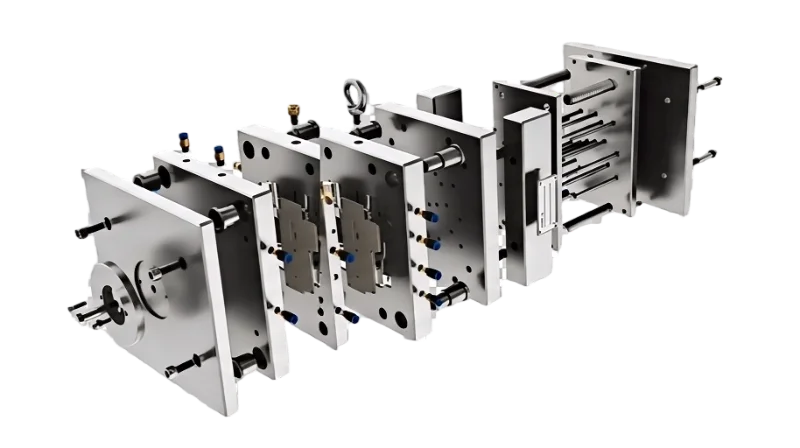
Projekt konstrukcji formy obejmuje gniazdo, rdzeń, korpus, przewężkę, układ prowadzący i układ wyciągania. Wszystkie te elementy muszą być starannie zaprojektowane, aby zapewnić odpowiednią wydajność, sztywność i łatwość konserwacji.
Wnęka i rdzeń
Wnęka tworzy zewnętrzne wymiary produktu, podczas gdy rdzeń zapewnia wewnętrzne wymiary połączone ze sobą, aby zapewnić ostateczny i pożądany kształt i rozmiar produktu.
Dobór materiału: często stosuje się stal o wysokiej twardości i odporności na zużycie, na przykład P20 lub H13.
Wskazówki projektowe: wykończone powierzchnie gniazda i rdzenia powinny być gładkie, aby zachować wysoką dokładność wymiarową i odpowiednią jakość powierzchni wyrobu.
Podstawa formy
Podstawa formy jest również szkieletem narzędzia i ma za zadanie mocowanie i łączenie wszystkich komponentów. Zazwyczaj ma ona standardowy kształt umożliwiający montaż form i ich wymianę w razie potrzeby.
Dobór materiału: zwykle na korpus formy stosuje się stal 45 lub stal Q235, aby zagwarantować jego stabilność.
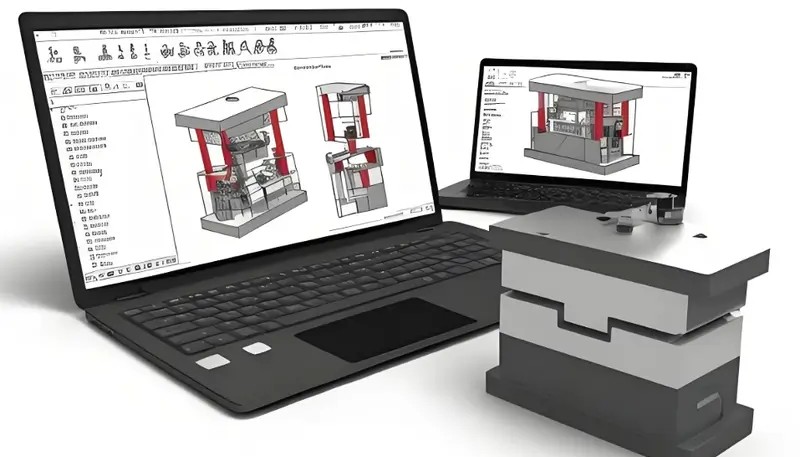
W ZetarMold nasz zakład produkcji form wytwarza ponad 100 zestawów form miesięcznie, wykorzystując UG, SOLIDWORKS, MOLDFLOW i CAD do symulacji przepływu oraz walidacji konstrukcji chłodzenia przed rozpoczęciem obróbki.
"Konstrukcja formy bezpośrednio wpływa na jakość części i wydajność produkcji."True
Prawidłowy układ gniazd, rozmieszczenie kanałów chłodzących i konstrukcja układu wypychania decydują o dokładności wymiarowej, czasie cyklu i poziomie wad.
"Wszystkie konstrukcje form są takie same niezależnie od zastosowania."False
Konstrukcje form znacznie się różnią w zależności od geometrii detalu, właściwości materiału, wielkości produkcji i wymagań właściwych dla danej branży.
Założenia projektowe: korpus formy powinien mieć wystarczającą wytrzymałość i sztywność, aby przenosić ciśnienie i temperaturę wtrysku oraz cykliczne obciążenia występujące podczas procesu.
System bramek
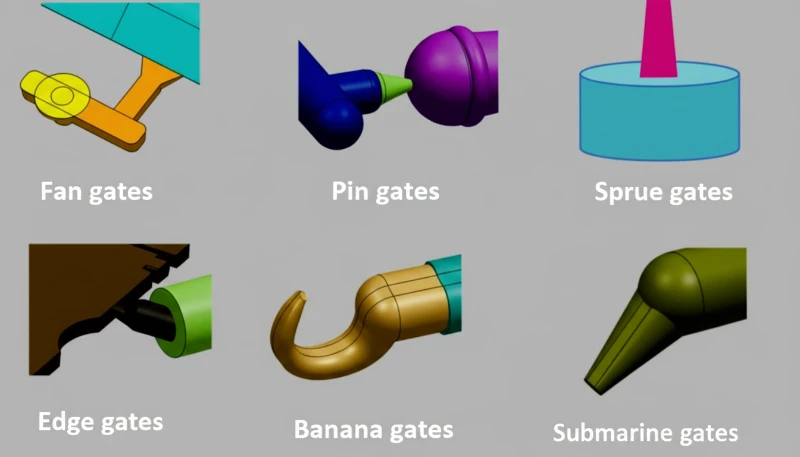
System wlewowy składa się z prowadnicy głównej, prowadnic pomocniczych i wlewów, za pomocą których roztopione tworzywo sztuczne jest wprowadzane do gniazda. Skuteczny system wlewowy jest pomocny w zwiększaniu jakości formowania i zmniejszaniu ilości zużywanego materiału.
Wytyczne projektowe: kanał główny powinien być możliwie krótki i prosty, aby ograniczyć do minimum straty ciśnienia oraz liczbę załamań.
Wskazówki konstrukcyjne: kanały doprowadzające należy rozmieścić tak, aby do każdego gniazda trafiała jednakowa ilość tworzywa.
Założenia projektowe: Rodzaj przewężki nie powinien w żaden sposób wpływać na wygląd produktu ani obniżać jego wytrzymałości. Należy dobrać odpowiedni rozmiar przewężki.
Mechanizm przewodni
Mechanizm prowadzący obejmuje sworznie prowadzące i tuleje, które pomagają w wyrównaniu ruchomych i nieruchomych form.
Dobór materiału: zazwyczaj stosuje się stal o wysokiej twardości, taką jak GCr15.
Założenia projektowe: mechanizm prowadzący powinien zapewniać bardzo wysoką dokładność ustawienia, aby zapobiegać utracie współosiowości podczas długotrwałej eksploatacji, a jednocześnie cechować się dużą odpornością na zużycie.
Mechanizm wyrzucania
Część wypychająca jest stosowana do wyjmowania uformowanego produktu z formy i zwykle stosuje się kołki wypychające, płyty i tuleje.
Założenia projektowe: siła powinna być stała lub płynna, ponieważ nagły impuls może uszkodzić produkt. Ruch mechanizmu wypychania także musi być płynny, aby uniknąć zakleszczenia.
Czym jest projektowanie kanałów przepływu?
Projektowanie kanałów przepływowych obejmuje inżynierskie opracowanie tulei wlewowej, kanałów doprowadzających i przewężek, które prowadzą stopione tworzywo z dyszy maszyny do gniazda formy.
Konstrukcja kanału wlewowego znacząco wpływa na jakość wyrobu i wydajność produkcji. Wielkość i kształt kanału muszą odpowiadać materiałowi i geometrii części.
Główny biegacz
Główny kanał łączy dyszę wtryskarki z kanałami podrzędnymi i powinien być możliwie najkrótszy i prosty, aby zmniejszyć straty ciśnienia i straty materiału.
Założenia projektowe: średnica kanału głównego powinna zapewniać odpowiedni przepływ, a jednocześnie ograniczać straty materiału.
Podbiegi
Prowadnice pomocnicze rozprowadzają stopiony plastik do każdej wnęki formy, a równowaga powinna być tutaj głównym czynnikiem.
Wskazówki projektowe: przekrój kanałów pomocniczych powinien być najlepiej kołowy lub półkolisty, aby zmniejszyć opory przepływu. Ich długości powinny być możliwie równe, tak aby czas napełniania wszystkich gniazd był niemal jednakowy.
Bramki
Bramy są środkiem, za pomocą którego stopione tworzywo sztuczne wprowadzane do wnęki wpływa na jakość produktu.
Założenia projektowe: wlewy należy umieszczać w miejscach, które nie wpływają na wygląd ani wytrzymałość. Ich wymiary muszą zapewniać odpowiednią szybkość napełniania, a jednocześnie łatwe usuwanie. Różne typy wlewów odpowiadają różnym wymaganiom produktu.
Dodatkowo, projekt runnera powinien uwzględniać:
Równowaga kanałów doprowadzających: W przypadku wielu gniazd upewnij się, że długości kanałów i ich pole przekroju poprzecznego są odpowiednie, ponieważ są one głównym czynnikiem decydującym o czasie wypełnienia form.
Chłodzenie kanału wlewowego: Należy zapewnić wystarczającą liczbę kanałów chłodzących2 w obszarze kanału wlewowego, aby wysoka temperatura nie wpływała na przepływ stopionego tworzywa.
Precyzja kanału: Wysoka precyzja obróbki i gładka powierzchnia, aby zmniejszyć opór przepływu stopu i spadek ciśnienia.
Czym jest konstrukcja układu chłodzenia?
Projekt systemu chłodzenia ma kluczowe znaczenie dla optymalizacji procesów produkcyjnych, zapewniając stałą jakość produktu i wydajność w cyklach produkcyjnych.
"Konstrukcja kanałów przepływowych ma istotny wpływ na wydajność formowania i jakość części."True
Zoptymalizowana geometria kanałów doprowadzających i bramek redukuje odpad materiałowy, skraca czas cyklu i poprawia spójność wypełnienia we wszystkich gniazdach.
"Konstrukcja kanałów przepływowych jest identyczna dla wszystkich typów form i materiałów."False
Geometria kanału przepływowego musi być dostosowana na podstawie lepkości materiału, grubości części, typu bramki i układu wnęki dla optymalnych wzorów napełniania.
Układ chłodzenia odgrywa bardzo ważną rolę w projektowaniu form wtryskowych, ponieważ skraca czas cyklu formowania wtryskowego i obniża jakość formy. System chłodzenia obejmuje głównie kanały chłodzące i etapy czasu chłodzenia.
Kanały chłodzące
Kanały chłodzące prowadzą wodę chłodzącą przez różne części formy w celu usunięcia nadmiaru ciepła.
Kanały chłodzące powinny być umieszczone jak najbliżej powierzchni wnęki, aby zmaksymalizować rozpraszanie ciepła. Odległość kanału od wnęki wynosząca 1,5–2,5 razy średnica kanału równoważy wydajność chłodzenia z integralnością strukturalną stali formy.
Przepływ chłodziwa powinien być równomiernie rozłożony na wszystkich kanałach, aby zapobiec lokalnym gorącym punktom. Nierównomierne chłodzenie prowadzi do różnicowego kurczenia się, naprężeń wewnętrznych i odkształceń w gotowej części. Przegrody lub wkłady spiralne mogą pomóc w przekierowaniu przepływu do niedostatecznie obsługiwanych obszarów formy.
Średnica kanału musi być wystarczająco duża, aby utrzymać odpowiednią prędkość przepływu chłodziwa — zazwyczaj 1,5–3 m/s — bez tworzenia nadmiernego spadku ciśnienia. Zbyt małe średnice niosą ryzyko zablokowania przez osad lub zanieczyszczenia, podczas gdy zbyt duże kanały zmniejszają turbulencje przepływu i efektywność wymiany ciepła.
Czas chłodzenia
Czas chłodzenia zależy również od grubości ścianek produktu, rodzaju użytego materiału oraz temperatury formy.
Wystarczający czas chłodzenia zapobiega odkształceniom i skurczowi, zapewniając stabilność wymiarową. Optymalny czas równoważy integralność części z wydajnością — zazwyczaj stanowi 60–80% całkowitego czasu cyklu w większości operacji wtryskiwania.
Inne kwestie dotyczące systemów chłodzenia obejmują
Prędkość przepływu chłodziwa wymaga starannej kontroli. Niska prędkość może zmniejszyć efektywność chłodzenia, podczas gdy wysoka może prowadzić do zablokowania i zużycia formy.
Temperatura chłodziwa: Optymalna temperatura, ponieważ wysoka temperatura zmniejsza szybkość chłodzenia, podczas gdy niska temperatura spowoduje kondensację na powierzchni formy i może wpłynąć na jakość produktu.
Jakość chłodziwa: Utrzymuj chłodziwo w czystości, aby uniknąć zatorów i uszkodzeń formy.
Czym jest konstrukcja układu wydechowego?
Projekt systemu odpowietrzania to inżynieria rowków i otworów odpowietrzających, które pozwalają uwięzionemu powietrzu i gazom uciec z wnęki formy podczas wtrysku.
System odpowietrzania usuwa gaz z wnęki formy, aby zapobiec wadom, takim jak pęcherzyki i oparzenia, bezpośrednio wpływając na jakość produktu i trwałość formy.
Rowki wentylacyjne
Rowek odpowietrzający3 jest kanałem odprowadzającym gaz i najczęściej znajduje się na linii podziału formy.
Punkty projektowe: Umieszczaj rowki lokalizacyjne tam/gdzie gaz może swobodnie się gromadzić.
Punkty projektowe: Szerokość i głębokość powinny optymalizować pole przekroju poprzecznego dla wymaganego odpowietrzania, tak aby nie było żadnych problemów po stronie wypraszania tworzywa.
Punkty projektowe: Równomierne rozmieszczenie, aby zapobiec lokalnym problemom z odpowietrzaniem.
Otwory wentylacyjne
Otwory wentylacyjne należą do elementów systemu wentylacyjnego, które zwykle znajdują się w cienkich obszarach produktu.
Punkty projektowe: Odpowiednia średnica, aby nie utrudniać uwalniania nagromadzonego gazu, jednocześnie gwarantując właściwe odpowietrzanie.
Punkty projektowe: Pozycjonowanie nie powinno w żaden sposób wpływać na wygląd produktu ani jego wytrzymałość.
Punkty projektowe: Ilość i lokalizacja powinny być rozsądne w odniesieniu do struktury formy i kształtu produktu.
Projekt systemu wentylacji powinien również uwzględniać:
Konserwacja systemu: Powinny być okresowo czyszczone, aby zapewnić swobodny i niezakłócony przepływ, ale należy je czasami sprawdzać, aby uniknąć narzędzi, które mogą powodować zatory prowadzące do problemów z jakością.
Chłodzenie systemu: W przypadku używania form wysokotemperaturowych należy zastosować środki chłodzące, aby uniknąć kondensacji gazów podczas odpowietrzania.
Precyzja przetwarzania: Wysoka precyzja z gładkimi powierzchniami, aby zmniejszyć opór przepływu gazu i straty ciśnienia.
ZetarMold przetwarza ponad 400 materiałów plastikowych. Nasi 8 starszych inżynierów nadzorują jakość przetwarzania form w ramach certyfikowanych systemów zarządzania ISO 9001, ISO 13485, ISO 14001 i ISO 45001.
Na czym polega przetwarzanie form?
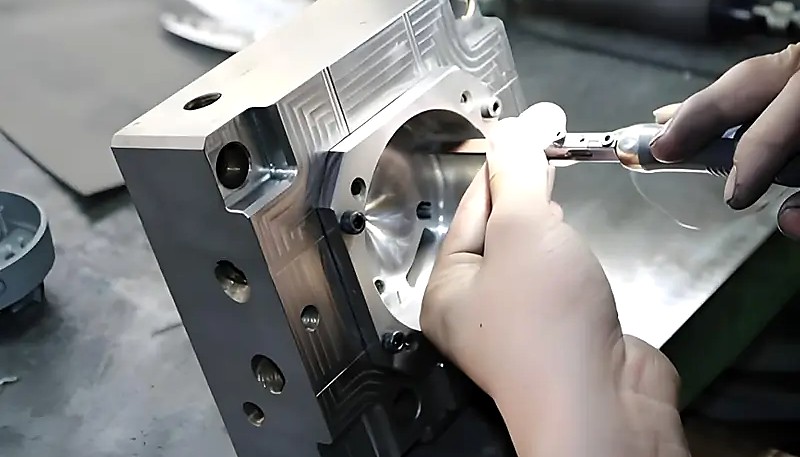
Przetwarzanie formy to seria kroków obróbki CNC, EDM, szlifowania i obróbki powierzchniowej, które przekształcają surową stal w precyzyjną formę wtryskową.
"Prawidłowa obróbka formy zapewnia dokładność wymiarową i jakość powierzchni."True
Obróbka CNC, EDM i obróbka powierzchniowa elementów formy zapewniają precyzyjne tolerancje i gładkie powierzchnie dla spójnej produkcji części.
"Obróbka formy jest konieczna wyłącznie w przypadku form do produkcji wielkoseryjnej."False
Wszystkie formy wymagają odpowiedniej obróbki mechanicznej, obróbki cieplnej i wykończenia powierzchni, niezależnie od wielkości produkcji, aby osiągnąć wymagane tolerancje.
Obróbka formy to proces przekształcania rysunku projektowego w rzeczywistą formę poprzez obróbkę zgrubną, precyzyjną, obróbkę powierzchni itp. Dzięki analizie można zauważyć, że dokładność i jakość obróbki bezpośrednio wpływają na funkcjonalność i trwałość formy.
Obróbka zgrubna
Obróbka zgrubna jest wykonywana na formie z surowca, a powszechnie używanym sprzętem jest frezarka CNC i tokarka.
Kluczowe punkty: Zostaw wystarczający naddatek na wykończenie.
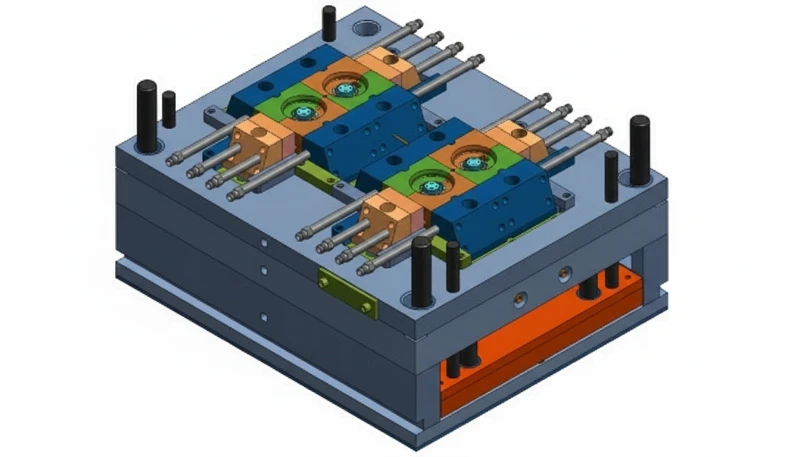
Kluczowe punkty: Optymalna prędkość i posuw pomagają uniknąć deformacji materiału oraz stopniowego zużycia narzędzi i maszyn.
Kluczowe punkty: Obróbka zgrubna w celu zmniejszenia zadziorów i uzyskania gładszej powierzchni.
Wykończenie
Wykończenie jest wykonywane w celu osiągnięcia rozmiaru i specyfikacji formy i wykorzystuje proces szlifowania, EDM i polerowania.
Kluczowe punkty: Dokładność zapewnia, że kształt i rozmiar formy są prawidłowe.
Kluczowe punkty: Unikaj nadmiernego polerowania, aby zapobiec odchyleniom wymiarowym.
Kluczowe punkty: Wykończenie powierzchni najlepszym i najbardziej odpowiednim sprzętem w celu uzyskania gładkiego i właściwego wykończenia.
Obróbka powierzchni
Obróbka powierzchni formy zwiększa twardość formy i odporność na zużycie, w której stosuje się procesy hartowania, azotowania i stosowania powłoki powierzchniowej.
Kluczowe punkty: Wybierz odpowiednie metody obróbki w zależności od materiału formy i zastosowania.
Kluczowe punkty: Aby zmniejszyć deformację i pęknięcia formy, należy kontrolować czas obróbki i temperaturę.
Kluczowe punkty: Dokładnie wyczyść przed obróbką, aby zapewnić lepszą przyczepność i wydajność.
Jak dbać o pleśń?
Właściwa konserwacja form ma kluczowe znaczenie dla zapewnienia stałej jakości i trwałości w formowaniu wtryskowym. Regularna konserwacja może zapobiec przestojom i kosztownym naprawom.
Konserwacja formy, zarówno codzienna, jak i okresowa, wydłuża okres użytkowania i redukuje koszty produkcji poprzez konsekwentną pielęgnację.
Rutynowa konserwacja
Kluczowe punkty: Upewnij się, że powierzchnia formy jest czysta, aby zapobiec przenikaniu temperatur i kurzu do formy.
Kluczowe punkty: Regularnie smaruj słup prowadzący i tuleję prowadzącą, aby zapewnić elastyczność mechanizmu prowadzącego.
Kluczowe punkty: Może być konieczne częste sprawdzanie innych komponentów formy oraz ich naprawa lub wymiana w odpowiednim czasie.
Kluczowe punkty: Konieczne jest potwierdzenie, czy kanał chłodzący i system odpowietrzania są normalnie otwarte i czy nie są zablokowane; jeśli są zablokowane, należy je niezwłocznie oczyścić.
Regularna konserwacja
Konserwacja oznacza ogólną kontrolę i naprawę formy po pewnym czasie jej użytkowania.
Kluczowe punkty: Sprawdź wnękę i rdzeń formy oraz poszukaj części wnęki, która jest poważnie zużyta, i napraw lub wymień je.
Kluczowe punkty: Sprawdź, czy mechanizm prowadzenia, mechanizm odformowania i inne części formy działają normalnie, i dokonaj niezbędnych regulacji lub wymian.
Kluczowe punkty: Sprawdź, czy system chłodzenia formy i system odpowietrzania formy działają prawidłowo i czy istnieje potrzeba ich oczyszczenia oraz udrożnienia.
Kluczowe punkty: Dokładnie wyczyść i nasmaruj formę, aby zapewnić jej prawidłowy stan techniczny.
Jakie są najczęstsze problemy w projektowaniu form i ich rozwiązania?
Typowe problemy z projektowaniem form obejmują słabe chłodzenie, nierówny przepływ materiału oraz nieprawidłowe umieszczenie bramy, co wpływa na jakość detalu.
„Regularne czyszczenie wydłuża żywotność formy i utrzymuje jakość części.”True
Planowana konserwacja, obejmująca czyszczenie, smarowanie i kontrolę, zapobiega zużyciu, korozji i dryfowi wymiarowemu w cyklach produkcyjnych.
"Konserwacja formy jest zbędna, jeśli forma została prawidłowo zaprojektowana."False
Wszystkie formy wymagają regularnego czyszczenia i kontroli, niezależnie od jakości projektu, aby utrzymać dokładność wymiarową i zapobiec postępującemu zużyciu.
Kilka typowych problemów może wpływać na jakość detalu i szybkość produkcji, jeśli nie zostaną właściwie rozwiązane podczas projektowania formy.
Znaki zlewu
Opis problemu: Powierzchnia produktu jest wklęsła, co wpływa na jego wygląd.
Rozwiązanie: Zaleca się, aby pozycja oraz rozmiar bramki były takie, aby mogła ona pomieścić stop i równomiernie wypełnić wnękę.
Rozwiązanie: Zmaksymalizuj projekt i rozmieszczenie obwodu chłodzenia, aby zapewnić równomierny rozkład chłodzenia wyrobów.
Rozwiązanie: Dostosuj czas docisku i ciśnienie, aby zmniejszyć skurcz stopu.
Wypływka
Opis problemu: Odcinki tworzą się na obwodzie wyrobu, pogarszając jego wygląd i mogąc wpływać na niedokładność wymiarów.
Rozwiązanie: W odniesieniu do projektu powierzchni podziałowej formy, staraj się, aby forma była zamknięta do minimum.
Rozwiązanie: Zwiększ siłę docisku formy, aby zapobiec jej rozdzieleniu podczas procesu produkcyjnego wtrysku.
Rozwiązanie: Aby sprawdzić formę, najpierw należy sprawdzić mechanizm prowadzenia formy oraz mechanizm dociskania formy.
Bańka
Opis problemu: Na powierzchni wyrobu lub wewnątrz niego widoczne są pory w postaci pęcherzy, które wpływają na wygląd i trwałość.
Rozwiązanie: Zmniejsz projekt systemu odpowietrzania, aby umożliwić skuteczne usuwanie gazu z gniazda formy.
Rozwiązanie: Dostosować parametry wtrysku, takie jak prędkość wtrysku, siła wtrysku i temperatura materiałów do wtrysku, aby zminimalizować powstawanie gazów.
Rozwiązanie: Sprawdź suszenie surowców, aby zapewnić, że zawartość wilgoci w surowcach jest na odpowiednim poziomie.
Odkształcenie i wypaczenie
Opis problemu: Wtryskiwana część częściowo się kurczy lub odkształca po schłodzeniu, a stabilność wymiarowa i wykończenie powierzchni produktu są zagrożone.
Rozwiązanie: Ulepszyć system chłodzenia, aby zapewnić wszystkim wtryskiwanym częściom jak najbardziej równomierne temperatury.
Rozwiązanie: Dostosuj czas docisku i ciśnienie docisku ustawione w parametrach wtrysku, aby zmniejszyć naprężenia wewnętrzne.
Rozwiązanie: Wzmocnij zmiany w projekcie konstrukcji formy, takie jak dodanie żeber wzmacniających, aby produkt miał równomierną grubość ścianki i spójną grubość ścianki.
Niestabilność wymiarowa
Opis problemu: Geometria jest niezgodna z wymaganymi wymiarami i normami, co wpływa na montaż i użytkowanie produktu.
Rozwiązanie: Sprawdź poprawność obróbki formy i realizacji montażu produktów, aby zweryfikować, czy wymiary formy są zgodne ze specyfikacjami projektowymi wtryskiwania.
Rozwiązanie: Kontrolować parametry procesu, takie jak ciśnienie wtrysku, czas docisku i czas chłodzenia, aby zapewnić stabilne wymiary produktu.
Rozwiązanie: Potwierdź stabilność produkcyjną maszyn do wtryskiwania tworzyw sztucznych, aby mieć możliwość określenia zmienności procesu wtryskiwania.
Często zadawane pytania
Jaki jest najważniejszy czynnik w projektowaniu form wtryskowych?
Najbardziej krytycznym czynnikiem w projektowaniu form wtryskowych jest osiągnięcie jednolitej grubości ścianki w całym detalu. Nierówne ścianki powodują różnicowe chłodzenie, co bezpośrednio prowadzi do wgnieceń, odkształceń i braku stabilności wymiarowej gotowego wyrobu. Z naszego doświadczenia w ZetarMold, wynikającego z pracy z ponad 400 materiałami, detale z różnicami grubości ścian przekraczającymi 15 procent prawie zawsze wymagają kosztownej przeróbki formy, aby osiągnąć akceptowalną jakość. Oprócz grubości ścianki, prawidłowe umiejscowienie bramy i wydajny układ systemu chłodzenia są równie ważne dla określenia czasu cyklu i długotrwałej trwałości formy.
Ile czasu zajmuje zaprojektowanie formy wtryskowej?
Typowe projektowanie formy wtryskowej trwa od 2 do 4 tygodni w zależności od złożoności części. Proste formy jednogniazdowe dla nieskomplikowanych geometrii mogą zająć zaledwie 5 do 7 dni od koncepcji do gotowych rysunków. Złożone formy wielogniazdowe z bocznymi wypychaczami, podnośnikami lub mechanizmami odkręcającymi mogą wymagać od 4 do 6 tygodni pracy inżynierskiej. Faza projektowania obejmuje modelowanie 3D CAD, symulację przepływu w formie w celu walidacji wzorców napełniania oraz wielokrotne iteracje przeglądu projektu. W ZetarMold nasi 8 starszych inżynierów stosuje ustrukturyzowany proces przeglądu, który pozwala wcześnie wychwycić problemy.
Jakiego oprogramowania używa się do projektowania form wtryskowych?
Oprogramowanie będące standardem branżowym w projektowaniu form wtryskowych obejmuje SOLIDWORKS i UG, znane również jako NX, do modelowania 3D CAD oraz Autodesk Moldflow do symulacji przepływu i analizy termicznej. Te narzędzia pozwalają inżynierom wizualizować układ wnęki, symulować wzory napełniania tworzywem sztucznym i optymalizować rozmieszczenie kanałów chłodzących, zanim zostanie przecięta jakakolwiek stal. W ZetarMold nasz zespół projektowy wykorzystuje połączenie SOLIDWORKS, MOLDFLOW i CAD do walidacji rozmieszczenia bramek, przewidywania pozycji linii zgrzewu oraz analizy wydajności chłodzenia, co pozwala zmniejszyć wady pierwszych sztuk nawet o 60 procent w porównaniu z tradycyjnymi metodami prób i błędów.
Ile zazwyczaj kosztuje forma wtryskowa?
Koszty form wtryskowych wahają się znacznie w zależności od złożoności i wymagań produkcyjnych. Proste prototypowe formy aluminiowe jednogniazdowe zaczynają się od około 1000 do 3000 dolarów, podczas gdy formy stalowe klasy produkcyjnej z wieloma gniazdami i systemami gorących kanałów zazwyczaj kosztują od 10 000 do 50 000 dolarów. Wysoce złożone formy z bocznymi wypychaczami, odkręcanymi rdzeniami lub specjalistycznymi wykończeniami powierzchni mogą przekraczać 100 000 dolarów. Kluczowymi czynnikami kosztów są liczba gniazd, wybór materiału formy, oczekiwana wielkość produkcji, wymagana jakość wykończenia powierzchni oraz specyfikacje tolerancji dla aplikacji.
Jak zapobiegać wypływowi w projektowaniu form wtryskowych?
Zapobieganie wypływu zaczyna się od precyzyjnego zaprojektowania powierzchni rozdzielającej formy i prawidłowego obliczenia siły docisku. Linia rozdzielająca formy musi być obrobiona z tolerancją płaskości w granicach 0,01 milimetra, aby zapewnić pełne zamknięcie pod ciśnieniem wtrysku. Rowki odpowietrzające powinny być prawidłowo wymiarowane na głębokość od 0,01 do 0,03 milimetra, aby uwięzione gazy mogły się wydostać, nie pozwalając jednocześnie na wyciek stopionego materiału. Maszyna do wtrysku tworzyw sztucznych musi posiadać wystarczającą siłę docisku (tonaż). W ZetarMold nasze 47 pras obejmuje zakres od 90T do 1850T, co pozwala na precyzyjne dopasowanie wydajności maszyny do każdej formy.
Jaka jest różnica między formą z zimnym a gorącym kanałem?
Forma z zimnym kanałem doprowadza stopiony plastik przez nieogrzewane kanały, co skutkuje zestalonym odpadem kanałowym, który musi zostać oddzielony, przetworzony i poddany recyklingowi lub wyrzucony. Forma z gorącym kanałem wykorzystuje elektrycznie ogrzewane systemy rozdzielaczy, aby utrzymać plastik w stanie stopionym w kanałach dystrybucyjnych, całkowicie eliminując odpady kanałowe i skracając czas cyklu. Formy z gorącym kanałem są początkowo droższe o 20 do 40 procent ze względu na ogrzewany rozdzielacz i kontrolery temperatury, ale przy dużych nakładach produkcyjnych pozwalają zaoszczędzić 15 do 30 procent kosztów materiałów i poprawiają powtarzalność.
Jaką tolerancję można osiągnąć w procesie wtryskiwania tworzyw sztucznych?
Standardowe wtryskiwanie osiąga tolerancje plus minus 0,1 milimetra dla wymiarów poniżej 25 milimetrów. Precyzyjne wtryskiwanie z optymalizacją sterowania procesem, ścisłą regulacją temperatury i wysokiej jakości narzędziami może osiągnąć tolerancje plus minus 0,05 milimetra lub mniejsze dla krytycznych cech. Zdolność tolerancyjna w dużej mierze zależy od właściwości kurczliwości materiału, przy czym materiały półkrystaliczne wykazują większą zmienność niż amorficzne. W przypadku zastosowań wymagających ciasnych tolerancji inżynierowie ZetarMold wykorzystują symulację Moldflow podczas fazy projektowej, aby przewidzieć i skompensować skurcz przed wykonaniem formy.
Dlaczego Projekt Formy Wtryskowej Ma Znaczenie dla Sukcesu w Produkcji?
Projekt formy wtryskowej jest najważniejszym czynnikiem dla jakości części, wydajności produkcji i kontroli kosztów w przetwórstwie tworzyw sztucznych.
Ten artykuł dostarcza praktycznych odniesień dla projektantów form wtryskowych. W celu uzyskania wsparcia w projektowaniu form na zamówienie skontaktuj się z ZetarMold po fachową pomoc.
Dowiedz się o wtrysku tworzyw sztucznych: Kompleksowy przewodnik: Wtryskiwanie tworzyw sztucznych to proces wytwórczy, w którym stopiony plastik jest wtryskiwany do formy w celu tworzenia detali o wysokiej dokładności i powtarzalności. ↩
Dowiedz się, co to jest rdzeń i gniazdo w wtrysku tworzyw sztucznych? Gniazdo i rdzeń w typowej maszynie do wtrysku tworzyw sztucznych są elementami formującymi formy. ↩
Dowiedz się o typach bramek do wtryskiwania tworzyw sztucznych: Kompletny przewodnik projektowy: Bramka wtryskowa to zaprojektowany otwór, zazwyczaj mały, który kontroluje przepływ stopionego tworzywa do wnęki formy. ↩
Dowiedz się o stali narzędziowej H13: H13 to stal narzędziowa do pracy na gorąco o dobrej odporności na zmęczenie cieplne, erozję i zużycie, szeroko stosowana do wyrobu form i tłoczników. ↩
Dowiedz się o czterech ważnych zasadach, które należy wziąć pod uwagę przy projektowaniu grubości ścianki: Grubość ścianki wyrobu z tworzywa sztucznego jest kluczową cechą konstrukcyjną, często omawianą i braną pod uwagę przy projektowaniu konstrukcji wyrobów z tworzyw sztucznych. ↩
Dowiedz się, jak określić ciśnienie docisku i czas docisku w procesie wtryskiwania tworzyw sztucznych? Ciśnienie wtrysku obejmuje zarówno ciśnienie, jak i prędkość. ↩
Uzyskaj konkurencyjną wycenę, informacje zwrotne DFM i harmonogram produkcji od zespołu inżynierskiego ZetarMold.
Poproś o bezpłatną wycenę →
Stal P20: norma ASTM A681 określa stopowe stale narzędziowe, w tym P20 o typowej twardości 28–36 HRC, stosowane na korpusy form. ↩
kanały chłodzące: według badań z zakresu inżynierii polimerów chłodzenie może stanowić nawet 70% całego cyklu formowania wtryskowego. ↩
rowek: typowa głębokość rowka odpowietrzającego dla większości tworzyw termoplastycznych wynosi od 0,01 do 0,03 mm, co umożliwia ujście gazu bez powstawania wypływek. ↩