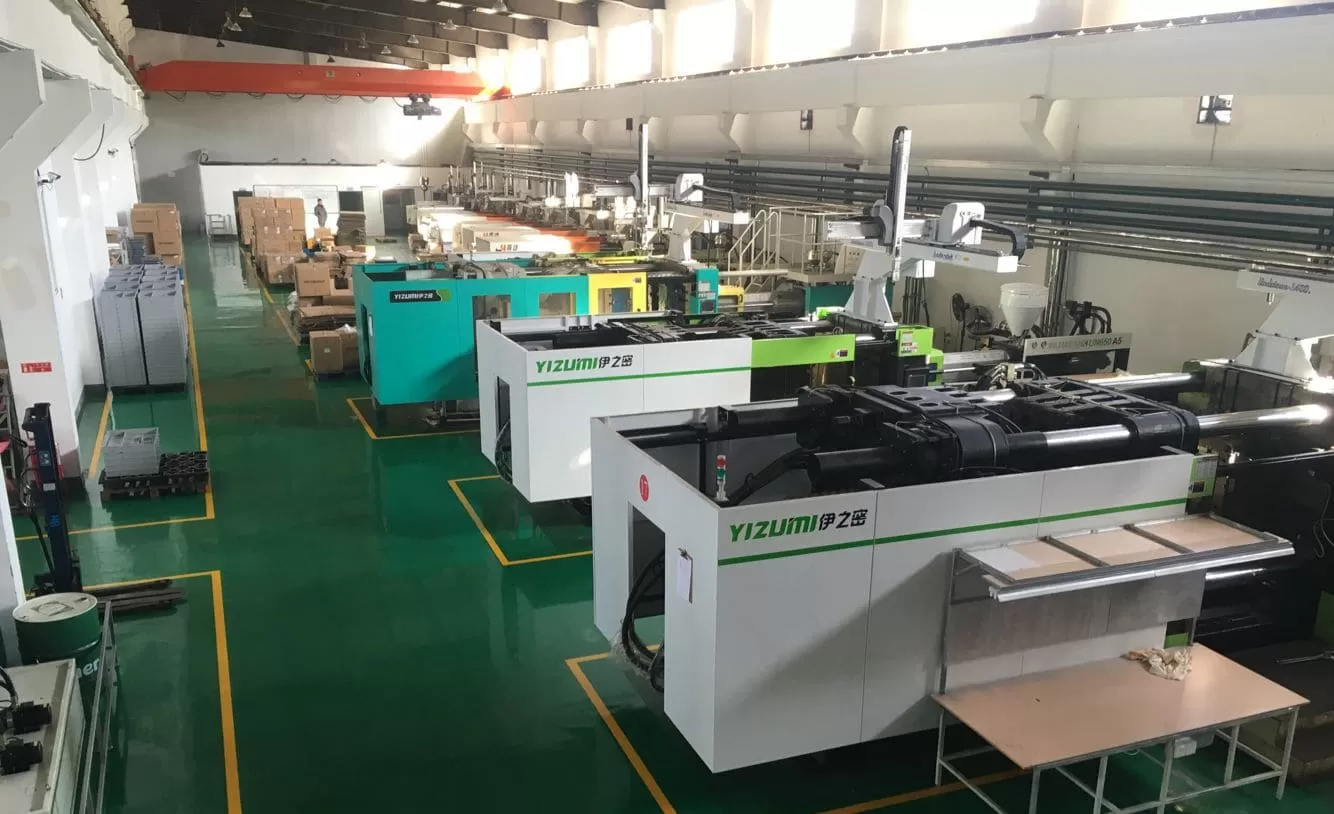
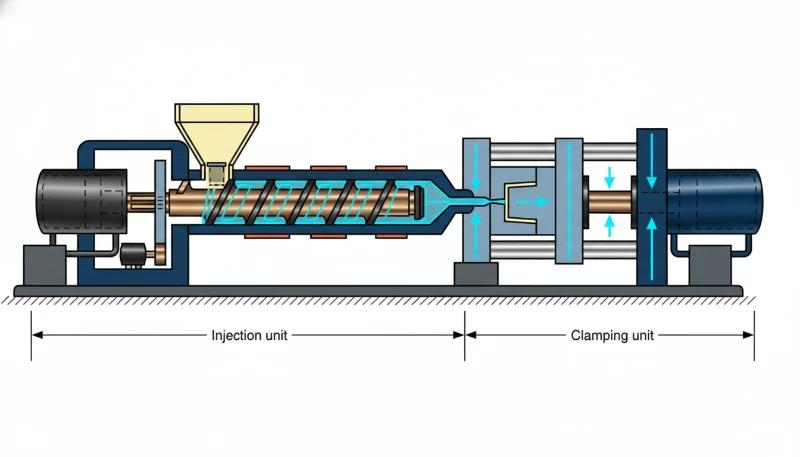
Wybór dostawcy wtrysk to tylko połowa bitwy. Zanim zaangażujesz się w produkcję masową, potrzebujesz systematycznego procesu inspekcji, który pozwoli na wykrycie luk w zdolnościach, zagrożeń jakości i ukrytych kosztów na wczesnym etapie - gdy zmiany są nadal tanie. Ta lista kontrolna destyluje to, czego nauczyliśmy się od 20 + lat produkcji i obsługi zagranicznych nabywców od 2013 roku. Niezależnie od tego, czy zaopatrujesz się u nowego dostawcy, czy też skalujesz z istniejącym partnerem, są to niezbywalne punkty kontrolne, które chronią Twoją inwestycję i harmonogram dostawy. Kompleksowy audyt dostawców obejmuje możliwości instalacji, systemy zarządzania jakością, procedury kontroli materiału, warunki oprzyrządowania oraz dokumentację stabilności procesu.
Pominięcie któregokolwiek z tych obszarów tworzy martwe pola ujawniające się dopiero po zatwierdzeniu wolumenu produkcji i opłaceniu oprzyrządowania.
- Poproś o pełne oprowadzenie po zakładzie połączone z weryfikacją siły zwarcia maszyn
- Zawsze wymagaj raportów kontroli pierwszej sztuki z danymi wymiarowymi
- Weryfikuj certyfikaty ISO bezpośrednio, a nie tylko na podstawie dokumentów wiszących na ścianie
- Potwierdź identyfikowalność materiału na podstawie numerów partii i COA
- Zaplanuj spotkanie przedprodukcyjne, aby zatwierdzić parametry procesu i tolerancje
Co należy skontrolować przed rozpoczęciem produkcji masowej?
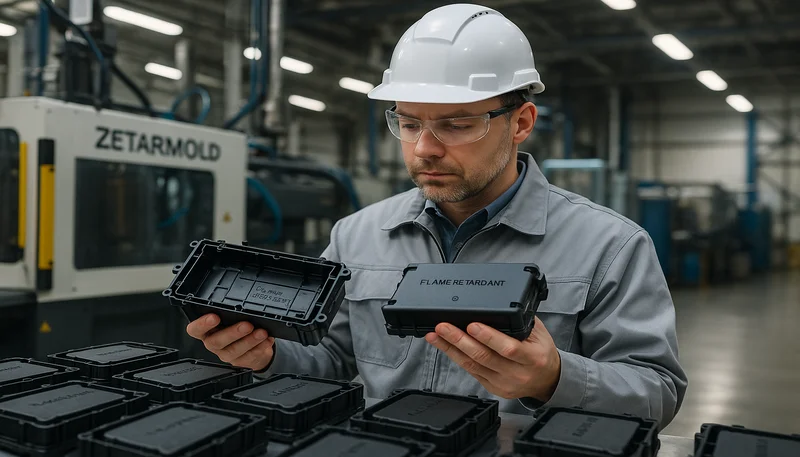
Największym błędem nabywców jest pominięcie kontroli przedprodukcyjnej. Negocjujesz ustalanie cen, zatwierdzasz próbki, a następnie przeskakujesz prosto w przebiegi wolumenu - tylko po to, aby odkryć, że system jakości dostawcy jest trzymany razem z arkuszami kalkulacyjnymi i dobrej woli. Właściwa kontrola obejmuje pięć filarów: zdolność obiektu, zarządzanie jakością, kontrolę materiału, stan oprzyrządowania oraz stabilność procesu. Musisz chodzić po podłodze, sprawdzać maszyny, przeglądać rejestry inspekcji i sprawdzić, czy udokumentowane procesy dostawcy odpowiadają temu, co faktycznie dzieje się na linii produkcyjnej. W naszych operacjach wtrysk, widzieliśmy zbyt wiele projektów, w których 30-minutowe zwiedzanie obiektu ujawniłoby, że dostawca nie ma zasięgu tonażu lub środowiska sprzątającego, którego zażądał projekt.
Jak ocenić zdolności produkcyjne dostawcy?
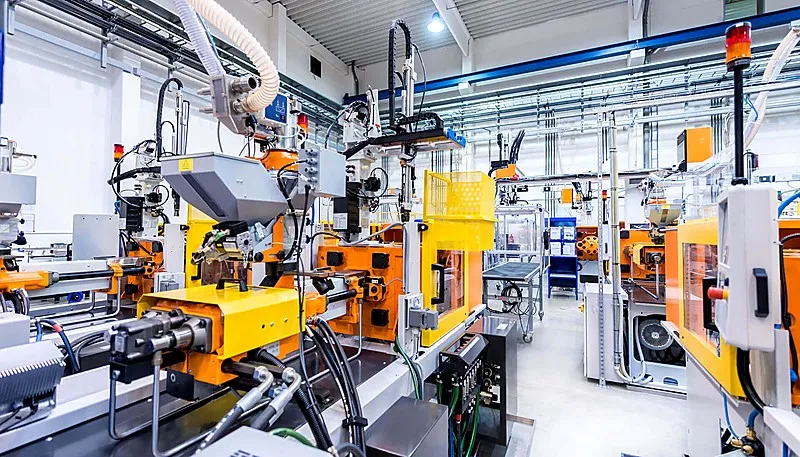
Ocena zdolności produkcyjnych polega na fizycznym zweryfikowaniu parku maszynowego, sprawdzeniu zakresów siły zwarcia i potwierdzeniu dostępności mocy rezerwowych. Przejdź po hali produkcyjnej i policz maszyny — nie te podane w broszurze, lecz faktycznie pracujące. Porównaj zakresy siły zwarcia z wymaganiami części. Deklarowany przez dostawcę zakres od 50T do 2000T brzmi imponująco, ale jeżeli Twoja część wymaga prasy 1200T, a dostawca ma tylko jedną taką maszynę, pojedyncza awaria może opóźnić wysyłkę. Sprawdź wiek maszyn i rejestry konserwacji. Piętnastoletnia prasa hydrauliczna nadal może produkować doskonałe części, ale tylko wtedy, gdy była prawidłowo utrzymywana.
Poproś o przedstawienie ostatnich zapisów kalibracji mierników siły zwarcia i ciśnienia wtrysku. Sprawdź, czy dostawca ma maszyny rezerwowe w tym samym zakresie siły zwarcia — większość kupujących nie zwraca na to uwagi, dopóki maszyna nie ulegnie awarii w trakcie produkcji, a ich zamówienie nie straci priorytetu. Zweryfikuj również zdolność dostawcy do wykonywania form we własnym zakładzie. Jeśli naprawy oprzyrządowania są zlecane na zewnątrz, każdy problem z formą wydłuża harmonogram o tygodnie zamiast o dni. Różnica między dostawcą dysponującym własną narzędziownią a dostawcą bez takiego zaplecza nie sprowadza się do szybkości — chodzi również o możliwość wprowadzania zmian w formie podczas prób bez uzgadniania terminów z zewnętrznym wykonawcą.
W naszej fabryce w Szanghaju pracuje 47 wtryskarek od 90T do 1850T, aby uniknąć ryzyka pojedynczego punktu awarii. Sprawdź też własną narzędziownię—jeśli dostawca zleca naprawy form na zewnątrz, każdy problem wydłuża harmonogram o tygodnie zamiast dni.
W naszym zakładzie w Szanghaju utrzymujemy park 47 wtryskarek o sile zwarcia od 90T do 1850T, wspierany przez własną narzędziownię zdolną realizować modyfikacje oprzyrządowania w ciągu kilku dni zamiast tygodni. To podwójne zaplecze oznacza, że po wykryciu odchyłki wymiarowej podczas serii pilotażowych możemy skorygować formę i ponownie zwalidować części bez oczekiwania na zewnętrznego dostawcę oprzyrządowania.
Dlaczego kontrola pierwszej sztuki (FAI) jest bezwzględnie konieczna?
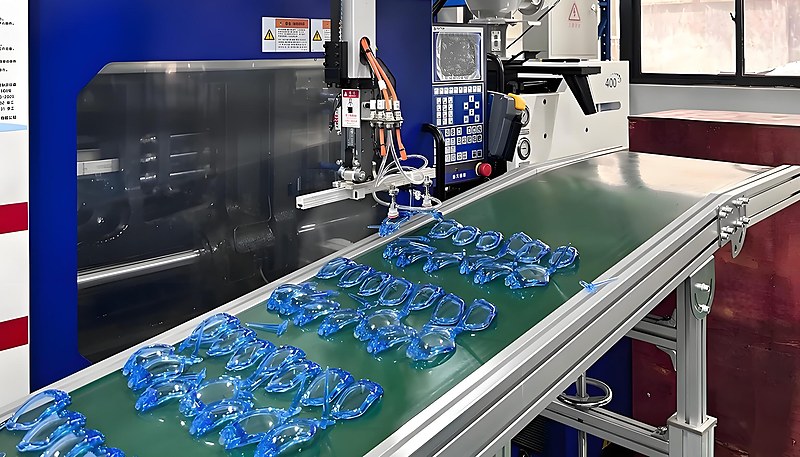
Pierwsza Inspekcja Artykuł (FAI, według AS9102D1 standard) jest dokładnym wymiarowym i wizualnym sprawdzenie pierwszych części narzędzia produkcyjnego. Określa on podstawę dla każdej z następujących części. Bez FAI zatwierdzasz produkcję w oparciu o zaufanie, a nie dane. Odpowiedni raport FAI powinien zawierać pełen układ wymiarowy odpowiadający rysunkowi części - każdy wymiar krytyczny, każde wywołanie tolerancji, każdy wymóg GD & T. Fotografie części z wielu kątów. Certyfikacja materiału odpowiadająca określonej klasie żywicy. Pomiar masy ciała. Kontrola wzrokowa śladów zlewu, błysku, krótkich ujęć, linii spawania i wszelkich wad powierzchni.
Kontrolę pierwszej sztuki (FAI) należy przeprowadzić w warunkach docelowej produkcji — na tej samej maszynie, przy tych samych parametrach cyklu i tej samej temperaturze formy, które będą stosowane podczas właściwej serii. Zanim jakiekolwiek zlecenie przejdzie do produkcji wielkoseryjnej, wymagamy zatwierdzenia FAI przez nasz zespół ponad 10 specjalistów ds. kontroli jakości, ponieważ wykrycie odchyłki 0,1 mm na pierwszej części jest nieporównanie tańsze niż stwierdzenie jej przy części numer 50 000.
"FAI musi sprawdzać tylko wymiary krytyczne"True
Fałsz. Pełna kontrola pierwszej sztuki obejmuje wszystkie wymiary podane na rysunku, a nie tylko wymiary krytyczne. Wymiary niekrytyczne mogą zmieniać się w toku produkcji i stać się krytyczne, gdy wpływają na późniejsze pasowanie montażowe lub działanie wyrobu.
"Jeśli FAI zakończy się wynikiem pozytywnym, można pominąć kontrole w toku produkcji masowej"False
Fałsz. FAI potwierdza zdolność początkową, ale zużycie oprzyrządowania, zmienność partii materiału i zmiany warunków środowiskowych mogą powodować odchylenia wymiarów podczas serii produkcyjnej. Kontrole międzyoperacyjne prowadzone w określonych odstępach pozostają niezbędne.
Rozróżnienie tych błędnych przekonań ma znaczenie, ponieważ każde z nich odpowiada rzeczywistemu mechanizmowi awarii, z którym zetknęliśmy się w produkcji. Niekontrolowane rozszerzanie zakresu FAI pozostawia część wymiarów bez kontroli. Pomijanie kontroli międzyoperacyjnej zakłada, że proces nigdy nie ulega odchyleniom. Ufanie certyfikatom bez weryfikacji zakłada, że audyt był dokładny. Ignorowanie dokumentacji materiałowej zakłada natomiast, że kontrola wizualna może zastąpić analizę chemiczną. Żadne z tych założeń nie sprawdza się w produkcji wielkoseryjnej, gdzie niewielkie odchylenia kumulują się i prowadzą do poważnych przeoczeń jakościowych. Lista kontrolna inspekcji dostawcy musi jednoznacznie obejmować wszystkie cztery obszary, wraz z udokumentowanymi kryteriami akceptacji i przeszkolonym personelem odpowiedzialnym za każdy punkt kontroli.
„Certyfikat ISO dostawcy wystarczy do zweryfikowania jego systemu jakości”True
To stwierdzenie jest mylące. Certyfikat ISO potwierdza istnienie udokumentowanego systemu zarządzania jakością, ale nie gwarantuje jego konsekwentnego stosowania. Należy zweryfikować rzeczywiste praktyki: zapisy kalibracji, częstotliwość kontroli, sposób postępowania z niezgodnościami oraz skuteczność działań korygujących.
"Certyfikaty materiałowe od dostawcy żywicy są zbędne, jeśli części przechodzą kontrolę wzrokową"False
Fałsz. Kontrola wzrokowa nie pozwala wykryć niewłaściwego gatunku materiału, zanieczyszczenia recyklatem ani degradacji spowodowanej wilgocią. Świadectwa analizy od dostawcy żywicy zapewniają identyfikowalność na poziomie partii, której nie można zastąpić kontrolą wzrokową.
Jakie certyfikaty jakości należy zweryfikować?
Certyfikaty, których potrzebujesz, to ISO_90012 minimum, ISO_134853 dla części medycznych oraz ISO 14001 i 45001 dla zesztywnienia operacyjnego. Nie wystarczy spojrzeć na certyfikaty ramki w lobby - poprosić o rzeczywiste sprawozdania z audytu od jednostki certyfikującej. ISO _ 9001 potwierdza, że dostawca posiada udokumentowane procesy. Norma ISO _ 13485 ma zasadnicze znaczenie dla komponentów wyrobów medycznych, ponieważ dodaje kontrolę projektu, zarządzanie ryzykiem oraz identyfikowalność, której nie obejmuje tylko ISO _ 9001. ISO 14001 (środowisko) i ISO 45001 (zdrowie zawodowe) wskazują, że dostawca inwestuje w zrównoważone i bezpieczne operacje, które korelują z lepszą ogólną dyscypliną procesów.
Jednocześnie działamy według ISO_9001, ISO_13485, ISO 14001 i ISO 45001—nie dlatego, że to łatwe, lecz dlatego, że rygor wykrywa problemy przed dostawą. Podczas audytu sprawdź dokumentowanie i usuwanie niezgodności. Dostawca bez zamkniętego procesu działań korygujących uczy się dopiero po reklamacji klienta.
Podczas audytu poproś o przedstawienie sposobu dokumentowania i usuwania niezgodności. Dostawca, który nie potrafi wykazać procesu działań korygujących prowadzonego w zamkniętej pętli, wyciąga wnioski z błędów dopiero po reklamacji klienta.
Jak zweryfikować zgodność materiałów i ich identyfikowalność?
Problemy materiałowe to cisi zabójcy projektów formowania wtryskowego. Część wygląda prawidłowo i ma właściwe wymiary, lecz ulega awarii w eksploatacji, ponieważ dostawca zastosował tańszy gatunek żywicy albo przekroczył dozwolony udział przemiału. Lista kontrolna musi obejmować: kwalifikację dostawcy żywicy (czy kupuje od autoryzowanych dystrybutorów, czy na szarym rynku?), certyfikat analizy (COA) dla każdej partii — należy porównać wskaźnik szybkości płynięcia, wytrzymałość na rozciąganie i udarność z kartą danych, warunki magazynowania materiału (temperaturę, wilgotność, rotację FIFO), politykę dotyczącą udziału przemiału i jej egzekwowanie oraz kontrolę partii barwników i dodatków. Poproś dostawcę o przedstawienie procesu kontroli materiałów przychodzących.
Jeżeli dostawca nie potrafi przedstawić zapisów z porównania wartości w certyfikatach COA ze specyfikacją dla trzech ostatnich dostaw materiału, jest to sygnał ostrzegawczy. Mamy doświadczenie w przetwarzaniu ponad 400 tworzyw sztucznych i wiemy, że dyscyplina materiałowa stanowi podstawę wszystkich pozostałych działań.
Dzięki doświadczeniu w przetwarzaniu ponad 400 tworzyw sztucznych w systemach ISO_9001, ISO_13485, ISO 14001 i ISO 45001 włączyliśmy kontrolę materiałów wejściowych do każdego procesu produkcyjnego. Każda partia żywicy jest sprawdzana względem certyfikatu analizy (COA), zanim trafi do leja zasypowego — bez wyjątków i bez drogi na skróty.
Jaką rolę odgrywa kontrola formy i oprzyrządowania?
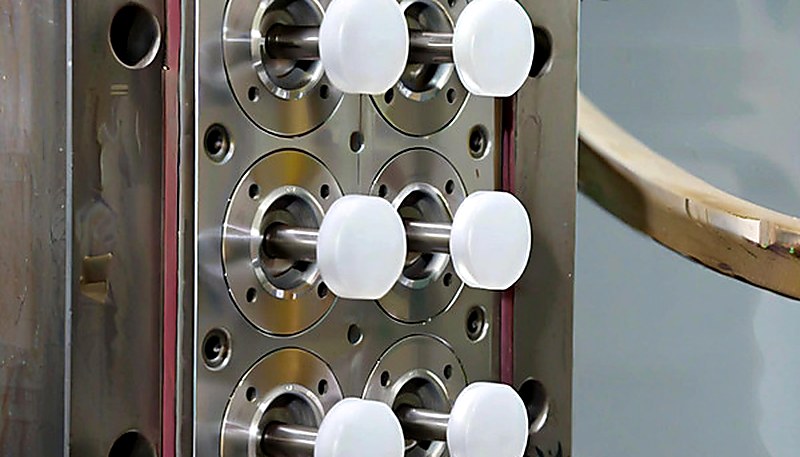
Kontrola formy ma kluczowe znaczenie, ponieważ stan narzędzia bezpośrednio decyduje o powtarzalności detali i jakości powierzchni przez całą serię produkcyjną. Przed rozpoczęciem produkcji masowej forma wymaga dokładnej inspekcji, a nie tylko pobieżnych oględzin. Sprawdź ślady zużycia gniazd i rdzeni wskazujące na intensywną eksploatację bez regeneracji. Zweryfikuj skuteczność odpowietrzania (niedostateczne odpowietrzanie powoduje przypalenia, niedolewy i pułapki gazowe). Potwierdź natężenia przepływu i temperatury w kanałach chłodzących — nierównomierne chłodzenie jest główną przyczyną paczenia i niestabilności wymiarowej.
Prawidłowo utrzymywana forma powinna mieć udokumentowane okresy międzyobsługowe dotyczące czyszczenia, polerowania i wymiany komponentów. Jeżeli dostawca nie może przedstawić dokumentacji konserwacji, stan narzędzia pozostaje kwestią przypadku. Dzięki własnym możliwościom produkcji form możemy kontrolować, konserwować i modyfikować narzędzia bez opóźnień wynikających ze zlecania tych kluczowych prac zewnętrznej narzędziowni.
Własna produkcja form pozwala nam kontrolować, konserwować i modyfikować narzędzia bez opóźnień wynikających ze zlecania tych kluczowych zadań zewnętrznej narzędziowni.
Kiedy należy przeprowadzić audyt przedprodukcyjny?
Czas jest kluczowy. Zaplanuj audyt po zakończeniu oprzyrządowania i zatwierdzeniu próbek T0, ale zanim dostawca zakupi żywicę do pełnej produkcji. To okno daje Ci przewagę — dostawca zainwestował w narzędzia, ale jeszcze nie zaangażował zasobów produkcyjnych. Audyt powinien obejmować: pełny przegląd schematu procesu produkcyjnego i planu kontroli, weryfikację udokumentowania i wykorzystania parametrów procesu z fazy próbkowania, potwierdzenie określenia częstotliwości inspekcji i kryteriów akceptacji, przegląd specyfikacji pakowania i etykietowania, uzgodnienie wyzwalaczy zatrzymania i powiadomienia (co się dzieje, gdy wymiary wychodzą poza specyfikację w trakcie produkcji?). Jeśli to możliwe, zabierz własnego inżyniera jakości.
Świeże, profesjonalne spojrzenie wychwyci rzeczy, do których przyzwyczajenie zaślepiło dostawcę. Dzięki ponad 30 anglojęzycznym kierownikom projektów i 8 starszym inżynierom zachęcamy naszych klientów do odwiedzin i dokładnej audytacji — przejrzystość buduje zaufanie, które umożliwia długoterminowe partnerstwa.
Dysponując ponad 30 anglojęzycznymi kierownikami projektów i 8 starszymi inżynierami, zachęcamy kupujących do dokładnego audytu naszego zakładu przed podjęciem decyzji o produkcji wielkoseryjnej. Szczegółową metodologię oceny dostawców przedstawia nasz przewodnik dotyczący wyboru dostawcy usług formowania wtryskowego.
Często zadawane pytania
Często zadawane pytania
Jakie dokumenty powinienem zażądać od dostawcy wtrysku przed produkcją masową?
Zażądaj pełnego podręcznika jakości, schematu procesu, planu kontroli, raportu FAI, certyfikatów analizy materiału, raportów z audytów ISO z ostatniego cyklu certyfikacji, dokumentacji konserwacji formy oraz kopii procedury postępowania z niezgodnościami. Jeśli dostawca waha się udostępnić którykolwiek z tych dokumentów, potraktuj to jako wyraźny sygnał ostrzegawczy. Dobrze zorganizowany dostawca będzie miał te dokumenty łatwo dostępne i będzie w stanie przeprowadzić Cię przez każdy z nich bez potrzeby dni przygotowań lub wymówek dotyczących poufności.
Jak długo zazwyczaj trwa audyt dostawcy przedprodukcyjnego?
Dokładny audyt na miejscu trwa jeden do dwóch pełnych dni dla standardowego projektu wtrysku, obejmując obchód zakładu, przegląd systemu jakości i weryfikację dokumentacji. Dla części medycznych lub motoryzacyjnych wymagających ściślejszej dokumentacji i walidacji procesu, zaplanuj dwa do trzech pełnych dni. Audyty zdalne z wykorzystaniem wideoobchodów mogą przesiewać dostawców przed inwestycją w podróż, ale nigdy nie powinny zastępować wizyty na miejscu dla programów krytycznych produkcyjnie, gdzie fizyczna weryfikacja sprzętu i procesów jest kluczowa dla skutecznego zarządzania ryzykiem.
Jakie są najczęstsze sygnały ostrzegawcze podczas wizyty w zakładzie dostawcy?
Tak, zdecydowanie. Rekomendacja firmy handlowej zmniejsza początkowe ryzyko poszukiwań, lecz w ogóle nie eliminuje ryzyka jakościowego. Firma handlowa ma interes finansowy w szybkim zamknięciu transakcji, a nie w zagwarantowaniu dyscypliny procesowej fabryki czy długoterminowej niezawodności produkcji. Odwiedź fabrykę osobiście, przejdź tę samą listę kontrolną i dokonaj niezależnej oceny jej możliwości produkcyjnych, kultury jakości oraz rzeczywistej gotowości do przejrzystego przedstawiania codziennych operacji i kontroli procesów na hali.
Czy powinienem przeprowadzić audyt dostawcy, nawet jeśli został polecony przez firmę handlową?
Usługi inspekcji zewnętrznej są wartościowe przy bieżącym monitorowaniu produkcji i rutynowych kontrolach jakości podczas produkcji seryjnej, lecz początkowy audyt przedprodukcyjny zawsze bardzo zyskuje na bezpośrednim udziale kupującego. To Ty znasz wymagania produktu, kontekst zastosowania i krytyczne tryby awarii znacznie lepiej niż inspektor zewnętrzny. Korzystaj z podmiotów trzecich do rutynowych kontroli dopiero po ustaleniu bazowego poziomu jakości we własnym audycie na miejscu i osobistym zatwierdzeniu parametrów procesu produkcyjnego z zespołem inżynierskim i personelem jakości dostawcy.
Czy mogę skorzystać z usług inspekcji zewnętrznej zamiast odwiedzać dostawcę osobiście?
Dokumentuj każde znalezisko za pomocą fotografii, konkretnych odniesień do kryteriów akceptacji oraz jasnej oceny powagi. Wydaj formalny wniosek o podjęcie działań naprawczych z terminem odpowiedzi. Drobne ustalenia można rozwiązać w trakcie produkcji, zwiększając częstotliwość inspekcji i zaostrzając monitoring. Poważne ustalenia, takie jak brak certyfikatów, niewystarczająca kontrola procesu lub niepowodzenia wymiarowe FAI, wymagają całkowitego rozwiązania przed zaangażowaniem jakiejkolwiek wielkości produkcji. Bądź gotów odejść, jeśli dostawca nie będzie w stanie wykazać się terminowymi i skutecznymi działaniami naprawczymi w uzgodnionym terminie.
Co się stanie, jeśli dostawca nie przejdzie kontroli przedprodukcyjnej?
Udokumentuj każde stwierdzenie zdjęciami, konkretnymi odniesieniami do kryteriów akceptacji i jasną oceną ważności. Wydaj formalne żądanie działań korygujących z terminem odpowiedzi. Drobne stwierdzenia można rozwiązać podczas kontynuowania produkcji przy zwiększonej częstotliwości inspekcji i ściślejszym monitorowaniu. Poważne stwierdzenia, takie jak brakujące certyfikaty, niewystarczająca kontrola procesu lub niepowodzenia wymiarowe FAI, wymagają całkowitego rozwiązania przed zaangażowaniem jakiejkolwiek wielkości produkcji. Bądź gotowy odejść, jeśli dostawca nie może wykazać się terminowym i skutecznym działaniem korygującym w uzgodnionym terminie.
Jak zweryfikować, czy parametry produkcyjne odpowiadają zatwierdzonej fazie próbnej?
Wymagaj od dostawcy udokumentowania wszystkich ustawień maszyny z zatwierdzonej serii próbnej, w tym ciśnienia wtrysku, ciśnienia docisku, temperatury uplastycznienia, temperatury formy, czasu chłodzenia i całkowitego czasu cyklu. Podczas uruchamiania produkcji sprawdź, czy te parametry są załadowane do sterownika maszyny, i fizycznie zarejestruj pierwsze dziesięć cykli. Porównaj rzeczywiste wartości z zatwierdzonymi parametrami za pomocą skalibrowanych narzędzi pomiarowych. Każde niewyjaśnione odchylenie poza ustalonym zakresem tolerancji jest podstawą do natychmiastowego zatrzymania produkcji do czasu zidentyfikowania, udokumentowania i skorygowania przyczyny źródłowej.
Gotowy do pracy z dostawcą, który z zadowoleniem przyjmuje inspekcję? W ZetarMold nasza fabryka w Szanghaju prowadzi 47 maszyn od 90T do 1850T z oprzyrządowaniem wewnętrznym, 120 + personelem produkcyjnym i 10 + specjalistami QC. Posiadamy certyfikaty ISO _ 9001, ISO _ 13485, ISO 14001 i ISO 45001 i zachęcamy każdego klienta do audytu naszego obiektu przed zobowiązaniem się do produkcji objętości. Zdobądź bezpłatny cytat i zobacz, dlaczego kupujący ufają nam z najbardziej wymagających programów wtryskowych.