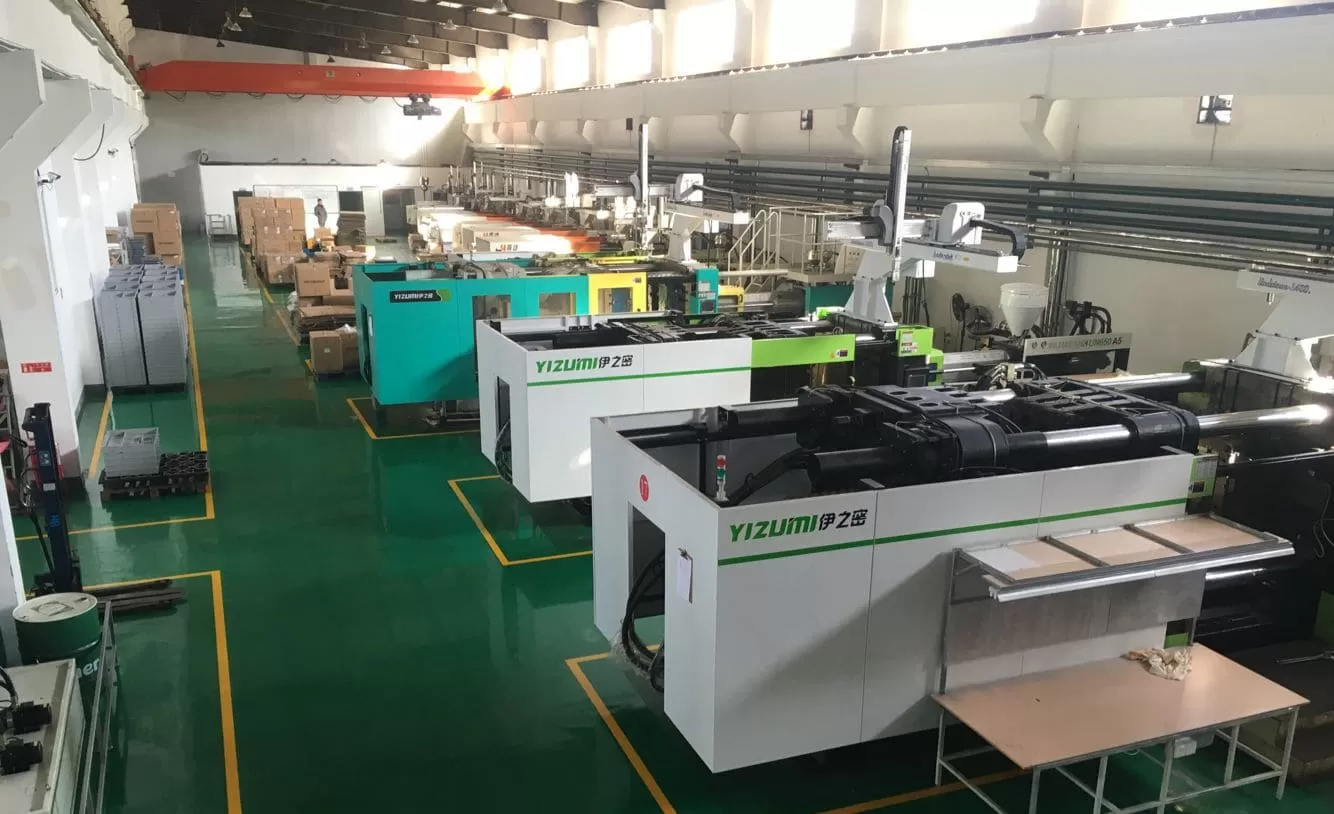
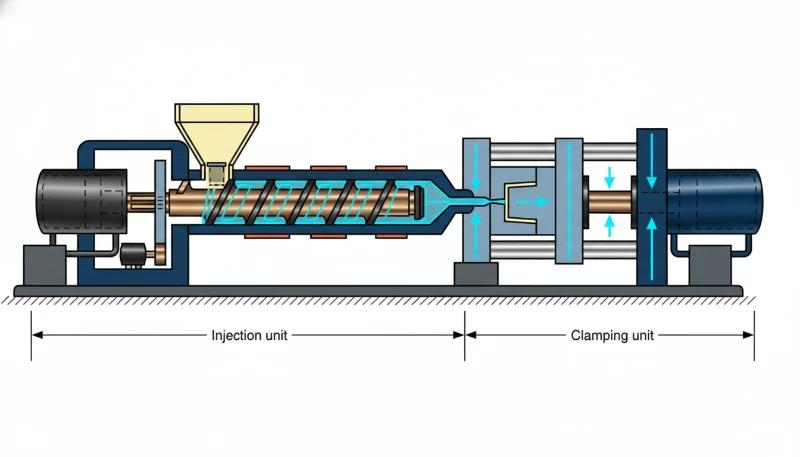
Auswählen eines Spritzguss Lieferant ist nur die halbe Miete. Bevor Sie sich auf die Massenproduktion festlegen, benötigen Sie einen systematischen Inspektionsprozess, der Leistungslücken, Qualitätsrisiken und versteckte Kosten frühzeitig erkennt – wenn Änderungen noch kostengünstig sind. Diese Checkliste fasst zusammen, was wir aus mehr als 20 Jahren Produktion und Betreuung ausländischer Käufer seit 2013 gelernt haben. Unabhängig davon, ob Sie von einem neuen Lieferanten beziehen oder mit einem bestehenden Partner skalieren, sind dies die nicht verhandelbaren Kontrollpunkte, die Ihre Investition und Ihren Lieferplan schützen. Ein umfassendes Lieferantenaudit umfasst die Anlagenkapazitäten, Qualitätsmanagementsysteme, Materialkontrollverfahren, den Zustand der Werkzeuge und die Dokumentation der Prozessstabilität.
Wer einen dieser Bereiche auslässt, schafft blinde Flecken, die erst sichtbar werden, nachdem Produktionsmengen verbindlich beauftragt und Werkzeugkosten bezahlt wurden.
- Fordern Sie einen vollständigen Werksrundgang mit Überprüfung der Maschinentonnage an
- Fordern Sie stets Erstmusterprüfberichte mit Maßdaten an
- ISO-Zertifizierungen direkt überprüfen, nicht nur Zertifikate an der Wand
- Werkstoffrückverfolgbarkeit anhand von Losnummern und COAs bestätigen
- Planen Sie eine Vorserienbesprechung, um Prozessparameter und Toleranzen verbindlich festzulegen
Was sollten Sie vor Beginn der Serienproduktion prüfen?
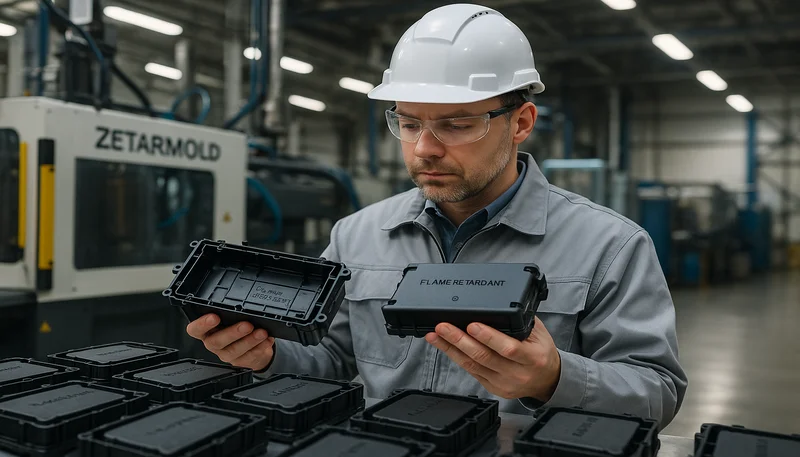
Der größte Fehler, den Käufer machen, besteht darin, das Audit vor der Produktion zu überspringen. Sie verhandeln Preise, genehmigen Muster und beginnen dann direkt mit der Serienfertigung – nur um dann festzustellen, dass das Qualitätssystem des Lieferanten mit Tabellenkalkulationen und gutem Willen zusammengehalten wird. Eine ordnungsgemäße Inspektion umfasst fünf Säulen: Anlagenfähigkeit, Qualitätsmanagement, Materialkontrolle, Werkzeugzustand und Prozessstabilität. Sie müssen den Raum ablaufen, die Maschinen überprüfen, Inspektionsprotokolle überprüfen und sicherstellen, dass die dokumentierten Prozesse des Lieferanten mit den tatsächlichen Vorgängen in der Produktionslinie übereinstimmen. In unserem Spritzgussform Wir haben zu viele Projekte gesehen, bei denen eine 30-minütige Werksbesichtigung ergeben hätte, dass dem Lieferanten der für das Projekt erforderliche Tonnagebereich oder die Reinraumumgebung fehlte.
Wie bewerten Sie die Fertigungskompetenz eines Lieferanten?
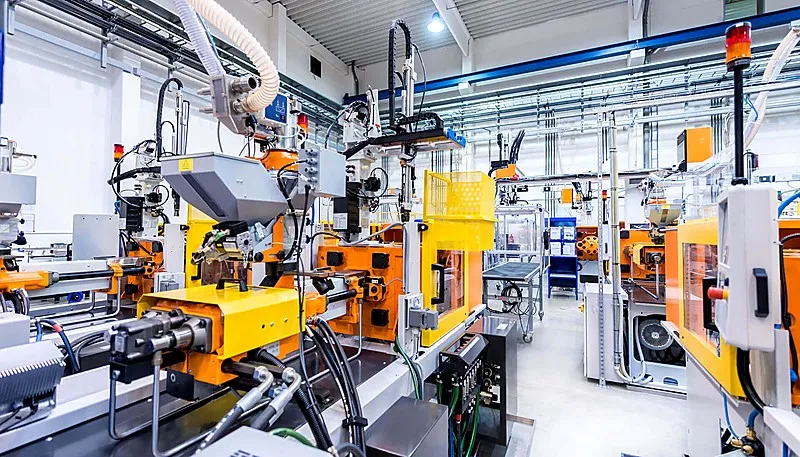
Bei der Bewertung der Fertigungskapazität geht es darum, den Maschinenbestand physisch zu prüfen, Schließkraftbereiche zu kontrollieren und Reservekapazität zu bestätigen. Gehen Sie durch die Produktion und zählen Sie die Maschinen—nicht die Zahl in der Broschüre, sondern die tatsächlich laufenden Anlagen. Gleichen Sie die Schließkraftbereiche mit den Anforderungen Ihres Teils ab. Ein Lieferant, der Kapazitäten von 50T bis 2000T angibt, klingt beeindruckend, doch wenn Ihr Teil eine 1200T-Presse benötigt und nur eine vorhanden ist, kann ein einziger Ausfall Ihre Lieferung verzögern. Prüfen Sie Alter und Wartungsprotokolle der Maschinen. Eine 15 Jahre alte Hydraulikpresse kann weiterhin hervorragende Teile fertigen, sofern sie ordnungsgemäß gewartet wurde.
Lassen Sie sich die neuesten Kalibrierprotokolle für Schließkraft- und Einspritzdruckmessgeräte zeigen. Prüfen Sie, ob Ersatzmaschinen im gleichen Schließkraftbereich vorhanden sind — an dieses Detail denken die meisten Einkäufer erst, wenn eine Maschine mitten in der Produktion ausfällt und ihr Auftrag zurückgestuft wird. Prüfen Sie außerdem die internen Kapazitäten für den Werkzeugbau. Muss Ihr Lieferant Werkzeugreparaturen auslagern, verlängert jedes Werkzeugproblem Ihren Zeitplan um Wochen statt um Tage. Der Unterschied zwischen einem Lieferanten mit eigenem Werkzeugbau und einem ohne liegt nicht nur in der Geschwindigkeit, sondern auch in der Möglichkeit, Werkzeugänderungen während der Bemusterung iterativ umzusetzen, ohne den Zeitplan eines externen Anbieters koordinieren zu müssen.
In unserem Werk in Shanghai betreiben wir 47 Spritzgießmaschinen von 90T bis 1850T, um dieses Risiko eines einzelnen Ausfallpunkts gezielt zu vermeiden. Prüfen Sie außerdem die interne Kompetenz im Formenbau: Muss Ihr Lieferant Werkzeugreparaturen auslagern, verlängert jedes Werkzeugproblem Ihren Zeitplan um Wochen statt um Tage.
An unserem Standort Shanghai betreiben wir 47 Spritzgießmaschinen von 90T bis 1850T und eine eigene Werkzeugfertigung, die Werkzeugänderungen innerhalb weniger Tage statt Wochen umsetzt. Dank dieser Doppelkompetenz können wir bei festgestellter Maßabweichung in Pilotläufen das Werkzeug anpassen und die Teile erneut validieren, ohne auf einen externen Werkzeuglieferanten zu warten.
Warum ist die Erstmusterprüfung (FAI) unverzichtbar?
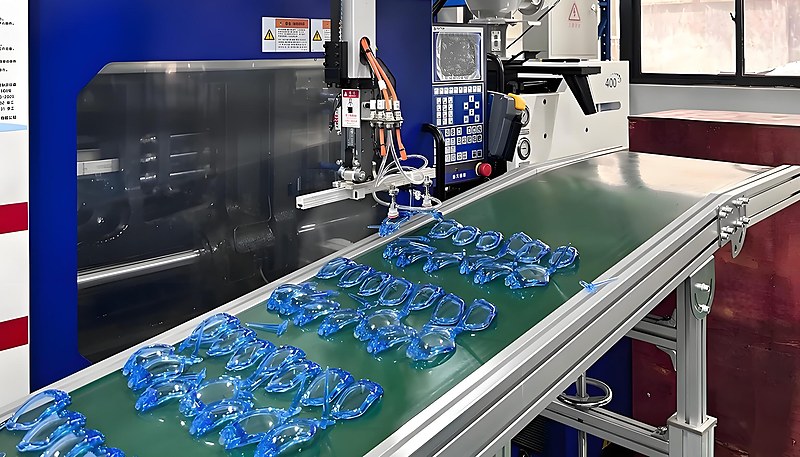
Erstmusterprüfung (FAI, pro AS9102D1 Standard) ist eine gründliche Maß- und Sichtprüfung der allerersten Teile aus dem Produktionswerkzeug. Es legt die Grundlage für jeden folgenden Teil fest. Ohne FAI genehmigen Sie die Produktion auf der Grundlage von Vertrauen und nicht auf der Grundlage von Daten. Ein ordnungsgemäßer FAI-Bericht sollte ein vollständiges Maßlayout enthalten, das mit der Teilezeichnung übereinstimmt – jede kritische Abmessung, jede Toleranzangabe, jede GD&T-Anforderung. Fotos der Teile aus mehreren Blickwinkeln. Materialzertifizierung entsprechend der angegebenen Harzsorte. Gewichtsmessung. Visuelle Prüfung auf Einfallstellen, Grate, Kurzschüsse, Bindenähte und eventuelle Oberflächenfehler.
Die FAI sollte unter seriennahen Bedingungen durchgeführt werden — auf derselben Maschine, mit denselben Zyklusparametern und derselben Werkzeugtemperatur wie bei der eigentlichen Fertigung. Wir verlangen die FAI-Freigabe durch unsere 10+ QC-Spezialisten, bevor ein Auftrag in die Serienproduktion übergeht, denn eine Abweichung von 0.1mm beim Teil 1 zu erkennen, ist unendlich viel kostengünstiger, als sie erst beim Teil 50,000 festzustellen.
"Die FAI muss nur kritische Maße prüfen"True
Falsch. Eine gründliche Erstmusterprüfung erfasst jede Bemaßung in der Zeichnung, nicht nur die kritischen Maße. Nicht kritische Maße können während der Produktion abweichen und kritisch werden, wenn sie die Passung bei der Montage oder eine nachgelagerte Funktion beeinträchtigen.
"Wenn die FAI bestanden ist, können Sie während der Serienproduktion auf prozessbegleitende Prüfungen verzichten"False
Falsch. FAI bestätigt die anfängliche Prozessfähigkeit, doch Werkzeugverschleiß, Schwankungen zwischen Materialchargen und veränderte Umgebungsbedingungen können die Maße im Verlauf eines Produktionslaufs verschieben. Prozessbegleitende Prüfungen in festgelegten Intervallen bleiben unverzichtbar.
Die Unterscheidung dieser Fehlannahmen ist wichtig, weil jede einem realen Fehlermodus entspricht, den wir in der Produktion erlebt haben. Eine Ausweitung des FAI-Umfangs lässt Maße ungeprüft. Der Verzicht auf prozessbegleitende Prüfungen setzt voraus, dass der Prozess nie driftet. Zertifikaten ungeprüft zu vertrauen, unterstellt ein gründliches Audit. Fehlende Materialdokumentation zu ignorieren, setzt Sichtprüfung mit chemischer Analyse gleich. Keine dieser Annahmen hält in der Großserienfertigung stand, wo kleine Abweichungen zu großen Qualitätsdurchbrüchen anwachsen. Die Lieferantenprüfcheckliste muss alle vier Bereiche ausdrücklich abdecken, mit dokumentierten Abnahmekriterien und geschultem Personal für jeden Prüfpunkt.
"Ein ISO-Zertifikat des Lieferanten genügt vollständig, um sein Qualitätssystem zu überprüfen."True
Irreführend. Ein ISO-Zertifikat bestätigt, dass ein Qualitätsmanagementsystem auf dem Papier besteht, garantiert jedoch keine konsequente Umsetzung. Prüfen Sie die tatsächliche Praxis: Kalibrierungsunterlagen, Prüfhäufigkeit, Umgang mit Abweichungen und Wirksamkeit der Korrekturmaßnahmen.
"Materialzertifikate des Harzlieferanten sind unnötig, wenn die Teile die Sichtprüfung bestehen"False
Falsch. Durch Sichtprüfung lassen sich eine falsche Werkstoffsorte, Verunreinigungen durch Recyclingmaterial oder feuchtigkeitsbedingter Abbau nicht erkennen. Analysezertifikate des Harzlieferanten gewährleisten eine chargenbezogene Rückverfolgbarkeit, die Sichtprüfungen nicht ersetzen können.
Welche Qualitätszertifizierungen sollten Sie prüfen?
Die Zertifizierungen, die Sie benötigen, sind ISO_90012 mindestens, ISO_134853 für medizinische Teile und ISO 14001 und 45001 für betriebliche Genauigkeit. Schauen Sie sich nicht nur die gerahmten Zertifikate in der Lobby an, sondern fragen Sie nach den tatsächlichen Auditberichten der Zertifizierungsstelle. ISO_9001 bestätigt, dass ein Lieferant über dokumentierte Prozesse verfügt. ISO_13485 ist für Komponenten medizinischer Geräte von entscheidender Bedeutung, da es Designkontrollen, Risikomanagement und Rückverfolgbarkeit hinzufügt, die ISO_9001 allein nicht abdeckt. ISO 14001 (Umwelt) und ISO 45001 (Gesundheit am Arbeitsplatz) weisen darauf hin, dass ein Lieferant in nachhaltige und sichere Abläufe investiert, was mit einer insgesamt besseren Prozessdisziplin einhergeht.
Wir arbeiten gleichzeitig nach den Systemen ISO_9001, ISO_13485, ISO 14001 und ISO 45001 — nicht weil dies einfach ist, sondern weil die erforderliche Konsequenz Probleme erkennt, bevor sie den Kunden erreichen. Lassen Sie sich beim Audit zeigen, wie Abweichungen dokumentiert und behoben werden. Ein Lieferant, der keinen geschlossenen Korrekturmaßnahmenprozess nachweisen kann, lernt aus Fehlern erst, wenn der Kunde reklamiert.
Lassen Sie sich bei Ihrem Audit zeigen, wie Abweichungen dokumentiert und behoben werden. Ein Lieferant, der Ihnen keinen geschlossenen Korrekturmaßnahmenprozess nachweisen kann, lernt aus Fehlern erst dann, wenn sich der Kunde beschwert.
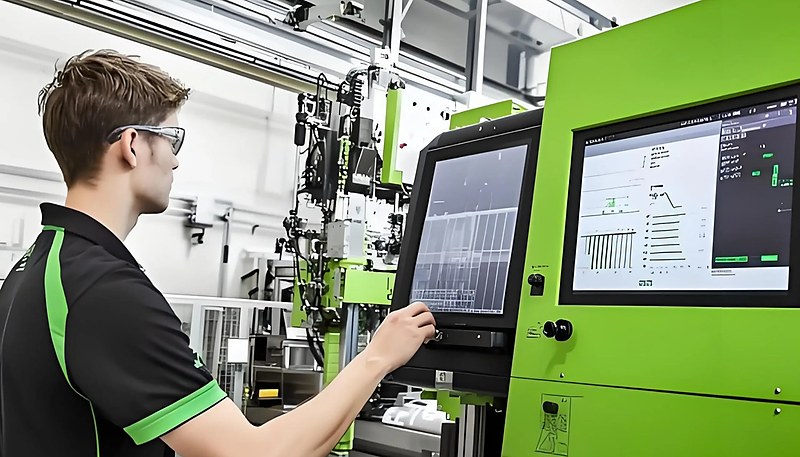
Wie verifizieren Sie Materialkonformität und Rückverfolgbarkeit?
Materialprobleme sind die stillen Ausfallursachen von Spritzgießprojekten. Ein Teil sieht einwandfrei aus und ist maßhaltig, versagt jedoch im Einsatz, weil der Lieferant auf einen günstigeren Harztyp gewechselt oder mehr Mahlgut als zulässig verwendet hat. Ihre Prüfcheckliste muss Folgendes umfassen: Qualifizierung des Harzlieferanten (kauft er bei autorisierten Händlern oder auf dem Graumarkt?), Analysezertifikat (COA) für jede Charge – Schmelzflussindex, Zugfestigkeit und Schlagwerte mit dem Datenblatt abgleichen –, Lagerbedingungen des Materials (Temperatur, Feuchtigkeit, FIFO-Rotation), Vorgaben und Durchsetzung des Mahlgutanteils sowie Chargenkontrolle von Farbmitteln und Additiven. Lassen Sie sich vom Lieferanten seinen Wareneingangsprüfprozess für Materialien zeigen.
Kann der Lieferant für die letzten drei Materiallieferungen keine Aufzeichnungen über den Abgleich der COA-Werte mit den Spezifikationen vorlegen, ist das ein Warnsignal. Wir haben Erfahrung mit der Verarbeitung von über 400 Kunststoffen und wissen, dass konsequente Materialkontrolle die Grundlage für alles Weitere ist.
Nachdem wir mehr als 400 Kunststoffmaterialien unter ISO_9001-, ISO_13485-, ISO 14001- und ISO 45001-Systemen verarbeitet haben, ist die Wareneingangsprüfung der Materialien fester Bestandteil jedes Produktionsablaufs. Jede Harzcharge wird anhand ihres COA geprüft, bevor sie den Trichter erreicht—ohne Ausnahmen und ohne Abkürzungen.
Welche Rolle spielt die Prüfung von Formen und Werkzeugen?
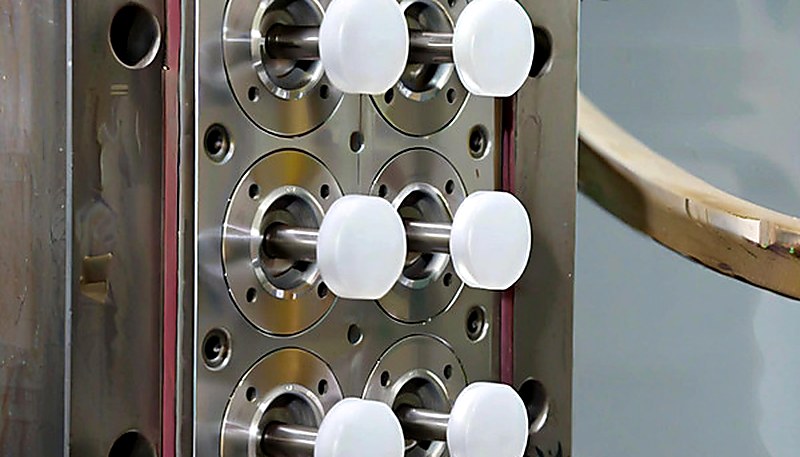
Die Werkzeugprüfung ist entscheidend, weil der Werkzeugzustand die Teilekonsistenz und Oberflächenqualität über den gesamten Produktionslauf direkt bestimmt. Vor Beginn der Massenproduktion muss das Werkzeug gründlich geprüft werden, nicht nur oberflächlich visuell. Prüfen Sie Kavität und Kern auf Verschleißmuster, die auf intensive Nutzung ohne Überholung hindeuten. Stellen Sie eine ausreichende Entlüftung sicher; mangelhafte Entlüftung verursacht Verbrennungen, unvollständige Füllung und Gaseinschlüsse. Bestätigen Sie Durchflussmengen und Temperaturen der Kühlkanäle – ungleichmäßige Kühlung ist die häufigste Ursache für Verzug und Maßinstabilität.
Für eine gut gewartete Form sollten Wartungsintervalle für Reinigung, Polieren und Komponentenaustausch dokumentiert sein. Kann der Lieferant keine Wartungsunterlagen vorlegen, überlassen Sie den Werkzeugzustand dem Zufall. Dank unseres internen Formenbaus können wir Werkzeuge prüfen, warten und ändern, ohne die Verzögerungen, die durch die Auslagerung dieser kritischen Aufgaben an einen externen Werkzeugbau entstehen.
Dank unseres eigenen Werkzeugbaus können wir Werkzeuge prüfen, warten und ändern, ohne Verzögerungen durch die Auslagerung dieser kritischen Aufgaben an einen externen Werkzeugbaubetrieb.
Wann sollten Sie ein Audit vor Produktionsbeginn durchführen?
Das Timing ist entscheidend. Planen Sie das Audit nach Abschluss der Werkzeugherstellung und Genehmigung der T0-Proben, aber bevor der Lieferant Harz für den vollständigen Produktionslauf kauft. Dieses Zeitfenster gibt Ihnen Hebelwirkung – der Lieferant hat in das Werkzeug investiert, aber noch keine Produktionsressourcen festgelegt. Das Audit sollte umfassen: eine vollständige Überprüfung des Produktionsprozessflussdiagramms und des Steuerungsplans, die Bestätigung, dass Prozessparameter aus der Probenahmephase dokumentiert und für die Produktion verwendet werden, die Bestätigung, dass Inspektionshäufigkeiten und Annahmekriterien definiert sind, eine Überprüfung der Verpackungs- und Etikettierungsspezifikationen, eine Vereinbarung über Halte- und Benachrichtigungsauslöser (was passiert, wenn Maße während des Laufs außerhalb der Spezifikation liegen?). Bringen Sie nach Möglichkeit Ihren eigenen Qualitätsingenieur mit.
Ein frisches Paar professioneller Augen wird Dinge erkennen, die der Lieferant aufgrund von Vertrautheit übersieht. Mit über 30 englischsprachigen Projektmanagern und 8 Senior Engineers ermutigen wir unsere Kunden, uns gründlich zu besuchen und zu auditieren – Transparenz schafft das Vertrauen, das langfristige Partnerschaften zum Funktionieren bringt.
Mit 30+ englischsprachigen Projektmanagern und 8 leitenden Ingenieuren empfehlen wir Einkäufern, unser Werk vor der Freigabe der Serienproduktion gründlich zu auditieren. Ausführliche Methoden zur Lieferantenbewertung finden Sie in unserem Beschaffungsleitfaden für Spritzgießlieferanten.
Häufig gestellte Fragen
Häufig gestellte Fragen
Welche Dokumente sollte ich von einem Spritzgusslieferanten vor der Serienproduktion anfordern?
Fordern Sie das vollständige Qualitätshandbuch, das Prozessflussdiagramm, den Steuerungsplan, den FAI-Bericht, Materialzertifikate (Certificates of Analysis), ISO-Auditberichte aus dem letzten Zertifizierungszyklus, Werkzeugwartungsaufzeichnungen und eine Kopie ihres Verfahrens zur Behandlung von Nichtkonformitäten an. Wenn ein Lieferant zögert, eines dieser Dokumente bereitzustellen, betrachten Sie dies als deutliches Warnzeichen. Ein gut organisierter Lieferant wird diese Dokumente leicht zugänglich haben und Sie durch jedes einzelne führen können, ohne Tage zur Vorbereitung zu benötigen oder Ausreden bezüglich Vertraulichkeit zu machen.
Wie lange dauert typischerweise eine Vorproduktions-Lieferantenprüfung?
Eine gründliche Vor-Ort-Prüfung dauert ein bis zwei volle Tage für ein Standard-Spritzgussprojekt, das Werksrundgang, Überprüfung des Qualitätssystems und Dokumentenverifizierung umfasst. Für medizinische oder automobilbezogene Teile, die strengere Dokumentation und Prozessvalidierung erfordern, planen Sie zwei bis drei volle Tage ein. Ferngesteuerte Prüfungen per Video-Rundgang können Lieferanten vorab bewerten, bevor Sie in Reisen investieren, sollten jedoch niemals den Vor-Ort-Besuch für produktionskritische Programme ersetzen, bei denen die physische Überprüfung von Ausrüstung und Prozessen für ein effektives Risikomanagement unerlässlich ist.
Was sind die häufigsten Warnsignale während einer Lieferantenwerksbesichtigung?
Ja, unbedingt. Die Empfehlung eines Handelsunternehmens verringert das anfängliche Suchrisiko, beseitigt das Qualitätsrisiko jedoch keineswegs. Das Handelsunternehmen hat einen finanziellen Anreiz, den Auftrag schnell abzuschließen, nicht die Prozessdisziplin oder langfristige Produktionszuverlässigkeit der Fabrik zu gewährleisten. Besichtigen Sie das Werk selbst, prüfen Sie dieselbe Inspektionscheckliste und beurteilen Sie Fertigungskompetenz, Qualitätskultur sowie die tatsächliche Bereitschaft, den täglichen Betrieb und die Prozesskontrollen in der Produktion transparent darzustellen.
Sollte ich einen Lieferanten prüfen, auch wenn er von einem Handelsunternehmen empfohlen wurde?
Externe Prüfdienstleister sind für die laufende Produktionsüberwachung und routinemäßige Qualitätskontrollen in der Serienfertigung wertvoll. Bei der ersten Vorproduktionsprüfung bringt die direkte Beteiligung des Einkäufers jedoch erhebliche Vorteile. Sie kennen Ihre Produktanforderungen, den Anwendungskontext und kritische Ausfallarten wesentlich besser als jeder externe Prüfer. Nutzen Sie Dritte für Routineprüfungen, nachdem Sie durch ein eigenes Vor-Ort-Audit die Qualitätsbasis geschaffen und die Produktionsprozessparameter gemeinsam mit dem Entwicklungsteam und dem Qualitätspersonal des Lieferanten persönlich freigegeben haben.
Kann ich Inspektionsdienste Dritter nutzen, anstatt den Lieferanten selbst zu besuchen?
Dokumentieren Sie jeden einzelnen Befund mit Fotos, spezifischen Verweisen auf die Annahmekriterien und einer klaren Schweregradbewertung. Stellen Sie eine formelle Korrekturmaßnahmenanforderung mit einer Frist für die Antwort aus. Geringfügige Befunde können behoben werden, während die Produktion mit erhöhter Inspektionshäufigkeit und strengerer Überwachung fortgesetzt wird. Wesentliche Befunde wie fehlende Zertifizierungen, unzureichende Prozesskontrollen oder FAI-Maßfehler erfordern eine vollständige Lösung, bevor ein Produktionsvolumen festgelegt wird. Seien Sie bereit, sich zurückzuziehen, wenn der Lieferant nicht innerhalb der vereinbarten Frist eine zeitnahe und wirksame Korrekturmaßnahme nachweisen kann.
Was passiert, wenn der Lieferant die Vorproduktionsinspektion nicht besteht?
Dokumentieren Sie jeden Befund mit Fotos, spezifischen Verweisen auf die Annahmekriterien und einer klaren Schweregradbewertung. Stellen Sie eine formelle Korrekturmaßnahmenanforderung mit einer Frist für die Antwort aus. Geringfügige Befunde können behoben werden, während die Produktion mit erhöhter Inspektionshäufigkeit und strengerer Überwachung fortgesetzt wird. Wesentliche Befunde wie fehlende Zertifizierungen, unzureichende Prozesskontrollen oder FAI-Maßfehler erfordern eine vollständige Lösung, bevor ein Produktionsvolumen festgelegt wird. Seien Sie bereit, sich zurückzuziehen, wenn der Lieferant nicht innerhalb der vereinbarten Frist eine zeitnahe und wirksame Korrekturmaßnahme nachweisen kann.
Wie stelle ich sicher, dass die Produktionsparameter mit der genehmigten Probenahmephase übereinstimmen?
Verlangen Sie vom Lieferanten, alle Maschineneinstellungen aus dem genehmigten Probeentnahmelauf zu dokumentieren, einschließlich Einspritzdruck, Nachdruck, Schmelztemperatur, Werkzeugtemperatur, Abkühlzeit und Gesamtzykluszeit. Überprüfen Sie während der Produktionsinbetriebnahme, dass diese Parameter in die Maschinensteuerung geladen werden, und erfassen Sie physisch die ersten zehn Zyklen. Vergleichen Sie die Ist-Werte mit den genehmigten Parametern unter Verwendung kalibrierter Messwerkzeuge. Jede unerklärliche Abweichung außerhalb des festgelegten Toleranzbereichs ist ein Grund, die Produktion sofort zu stoppen, bis die Ursache ermittelt, dokumentiert und behoben ist.
Sind Sie bereit, mit einem Lieferanten zusammenzuarbeiten, der Ihre Inspektion begrüßt? Bei ZetarMold betreibt unser Werk in Shanghai 47 Maschinen von 90T bis 1850T mit hauseigenen Werkzeugen, über 120 Produktionsmitarbeitern und über 10 QC-Spezialisten. Wir verfügen über die Zertifizierungen ISO_9001, ISO_13485, ISO 14001 und ISO 45001 und ermutigen jeden Kunden, unsere Anlage zu prüfen, bevor er sich zur Massenproduktion verpflichtet. Holen Sie sich ein kostenloses Angebot Erfahren Sie, warum Käufer uns ihre anspruchsvollsten Spritzgussprogramme anvertrauen.