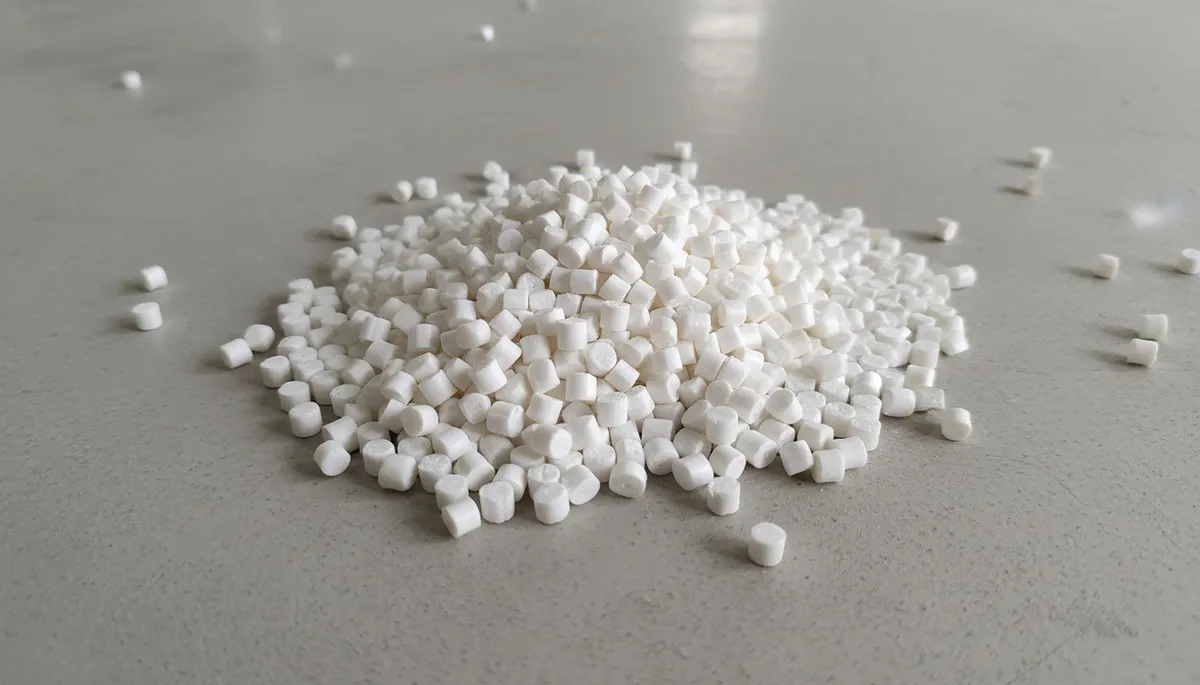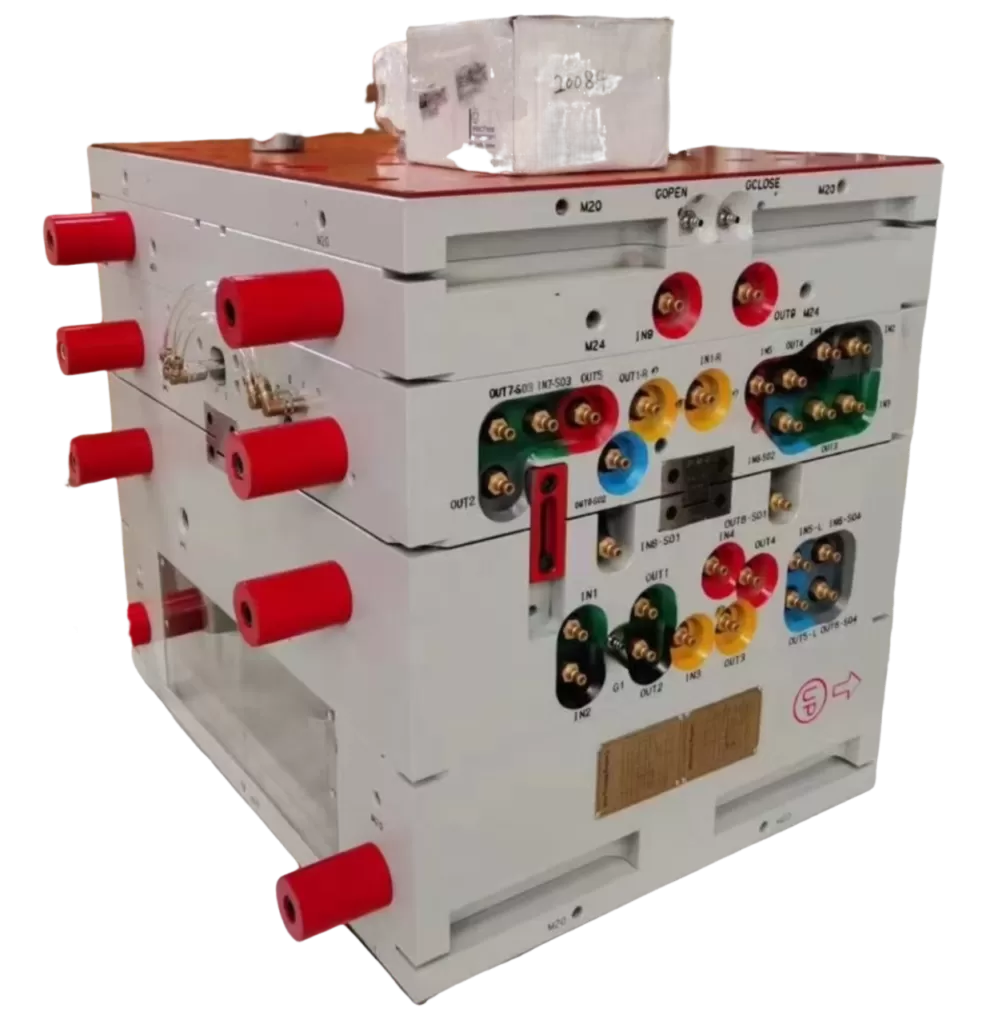
Die Konstruktion einer Spritzgießform umfasst mehrere wichtige Schritte wie die Materialauswahl, die Anordnung der Formhohlräume und die Berücksichtigung der Bauteilgeometrie, um optimale Ergebnisse und eine hohe Produktionseffizienz zu erzielen.
Das Verständnis der Prinzipien der Formenkonstruktion ist entscheidend für eine effiziente Produktion und hochwertige Ergebnisse. Ob Sie eine neue Form entwerfen oder ein bestehendes Werkzeug optimieren, diese Faktoren beeinflussen direkt die Formenleistung, die Taktzeit und die allgemeinen Kosteneinsparungen für Hersteller.
- Die Wahl des Formwerkstoffs (Stahl vs. Aluminium) beeinflusst direkt die Werkzeuglebensdauer und die Teilequalität
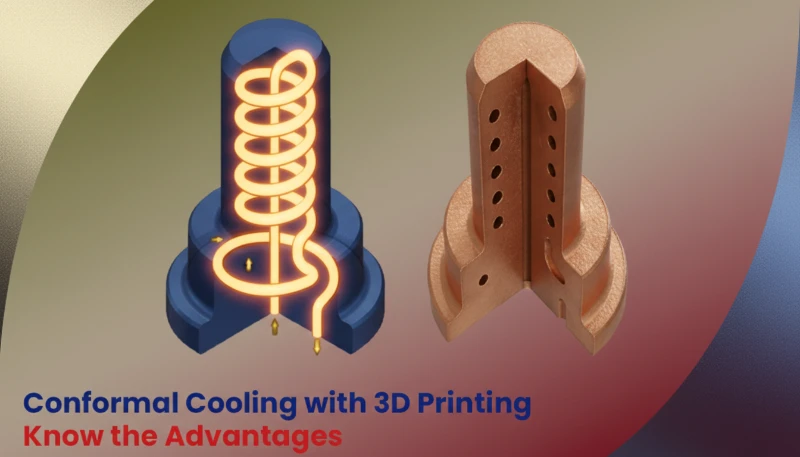
- Eine korrekte Anordnung der Kühlkanäle kann die Zykluszeit um bis zu 70% reduzieren.
- Gleichmäßige Wandstärke ist der wichtigste einzelne Konstruktionsfaktor.
- Eine Entlüftungsnut-Tiefe von 0,01–0,03 mm verhindert Gratbildung und ermöglicht gleichzeitig das Entweichen von Gas.
- Regelmäßige Formenwartung verlängert die Werkzeuglebensdauer und erhält die Maßgenauigkeit
Was sind die Grundprinzipien von Spritzgießwerkzeugen?
Spritzgießformen sind für die Herstellung von Hochpräzisionsteilen unerlässlich. Dabei wird geschmolzenes Material in einen Formhohlraum gespritzt. Diese Technologie kommt in vielen Branchen zum Einsatz und gewährleistet eine schnelle und gleichmäßige Produktion.
Wenn Sie Anbieter vergleichen oder eine Beschaffung planen, behandelt unser Leitfaden zur Auswahl von Spritzgießlieferanten die Vorbereitung von Angebotsanfragen, die Qualifizierung und die Prüfung kommerzieller Risiken.
Beim Spritzgießverfahren wird geschmolzenes Material unter hohem Druck in einen Formhohlraum eingespritzt, wo es zum gewünschten Produkt erstarrt. Die Formkonstruktion gewährleistet, dass sich das Produkt leicht entnehmen lässt und den vorgesehenen Abmessungen möglichst genau entspricht.
Die Materialien, die Struktur und der Aufbau von Spritzgusswerkzeugen stehen in direktem Zusammenhang mit der Qualität, Effizienz und den Kosten des Endprodukts.
Die Grundprinzipien der Konstruktion von Spritzgießwerkzeugen umfassen mehrere wichtige Schritte
Die Vorbereitung des geschmolzenen Kunststoffs ist die erste Phase. Das Kunststoffrohmaterial wird durch die Scherwirkung der Schnecke und des Heizgeräts geschmolzen.
Einspritzen: Das geschmolzene Plastik wird mit Hilfe des durch die Schnecke ausgeübten Drucks durch die Düse in den Formhohlraum gepresst.
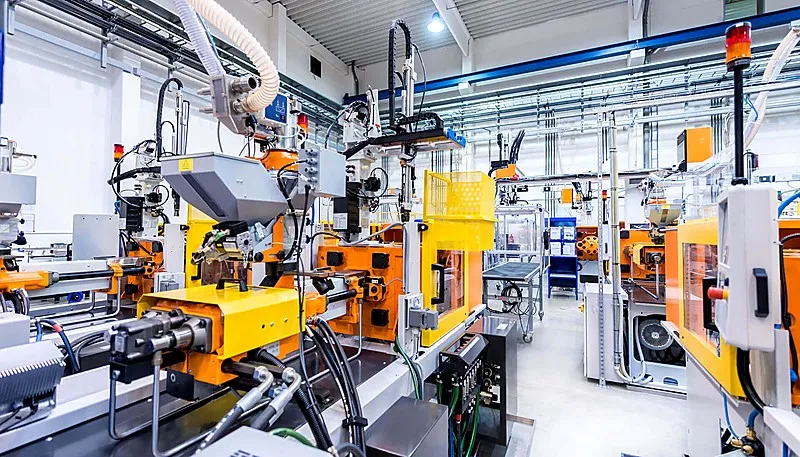
Mit über 20 Jahren Erfahrung im Spritzgusswerkzeugbau betreibt ZetarMold in unserem Werk in Shanghai 47 Spritzgießmaschinen (90T–1850T) und bearbeitet Werkzeugkonstruktionen für Teile nahezu jeder Größe und Komplexität.
Nachdruck und Kühlung: Die Spritzgießmaschine hält diesen Druck für einige Zeit, um sicherzustellen, dass die Kavität gefüllt ist, und beginnt dann den Kühlprozess, wenn der Kunststoff beginnt, sich zu festigen.
Nachdem der Kunststoff ausgehärtet ist, öffnet sich die Form und das Ausstoßsystem – typischerweise Stifte, Platten oder Hülsen – drückt das fertige Teil aus der Kavität heraus. Ein geeignetes Ausstoßdesign sorgt dafür, dass das Teil sauber freigesetzt wird, ohne Verformung oder Beschädigung kritischer Oberflächen.
"Eine fachgerechte Werkzeugauslegung reduziert Fehler und erhöht die Produktionseffizienz."True
Gut konstruierte Spritzgusswerkzeuge ermöglichen eine gleichbleibende Teilequalität, geringere Ausschussraten und kürzere Zykluszeiten über die gesamte Produktion hinweg.
"Bei der Spritzgießwerkzeugkonstruktion geht es nur um die Produktform."False
Die Formkonstruktion umfasst auch Materialauswahl, Layout des Kühlsystems, Auswerfermechanismen und Prozessoptimierung für eine effiziente Produktion.
Was sind die Materialien für die Form?
Werkzeugmaterialien sind in Fertigungsprozessen wie dem Spritzgießen entscheidend, um Haltbarkeit, Präzision und Qualität zu gewährleisten. Die Materialwahl beeinflusst die Produktionseffizienz und die Eigenschaften des Endprodukts.
Die Wahl des Formenmaterials hat einen großen Einfluss auf die Lebensdauer der Form und die Qualität des Endprodukts. Gängige Formenwerkstoffe sind Stahl und Aluminium.
Stahl
Stahlformen bieten überlegene Härte, Verschleißfestigkeit und Wärmebehandlungseigenschaften mit einer deutlich längeren Arbeitslebensdauer als Aluminium – ideal für die Hochvolumenproduktion, wo Maßkonstanz kritisch ist.
Die Hauptnachteile von Stahlwerkzeugen sind längere Bearbeitungszeiten und höhere Materialkosten im Vergleich zu Aluminium. Stahl ist zudem deutlich schwerer, was die Handhabung erschwert und den Verschleiß an Wechselvorrichtungen erhöht. Bei hohen Stückzahlen gleicht die längere Werkzeuglebensdauer diese Nachteile jedoch meist aus.
Gängige Stähle:
P20-Stahl1 ist ein vielseitiger, vorgehärteter Formenstahl (28–36 HRC), der häufig für Formaufbauten und große Formhohlräume eingesetzt wird. Er bietet eine ausgezeichnete Zerspan- und Polierbarkeit zu einem wirtschaftlichen Preis für Formen mittlerer Stückzahlen.
H13 ist ein Warmarbeitsstahl für Formen, die bei erhöhten Temperaturen betrieben werden. Er behält Härte und thermische Stabilität nach längerer Hitzeeinwirkung, mit einer typischen Härte von 44–52 HRC nach der Behandlung.
S136 ist ein rostfreier Werkzeugstahl mit ausgezeichneter Korrosionsbeständigkeit und Polierbarkeit. Er ist die bevorzugte Wahl für optische Linsen, transparente Teile und medizinische Formen, bei denen die Oberflächengüte von größter Bedeutung ist.
Aluminium
Aluminiumformen bieten erhebliche Gewichtsersparnis und etwa 4–5x bessere Wärmeleitfähigkeit als Stahl, was schnellere Kühlung und kürzere Zykluszeiten ermöglicht. Einfache Bearbeitbarkeit reduziert die Werkzeugvorlaufzeit und -kosten, was Aluminium ideal für Prototyping und Kleinserienproduktion macht.
Der Hauptnachteil ist geringere Härte und Verschleißfestigkeit, wodurch Aluminiumformen anfällig für Oberflächenschäden durch abrasive Harze sind. Am besten geeignet für Produktionsläufe unter 10.000–50.000 Teilen, wo die Werkzeuggeschwindigkeit wichtiger ist als die Langlebigkeit.
Gemeinsames Aluminium:
7075 ist eine der festesten Aluminiumlegierungen (Zugfestigkeit ~570 MPa). Dennoch bleibt seine Härte weit unter der von Werkzeugstahl, weshalb es sich am besten für Prototypenwerkzeuge und kleine Serien eignet.
Was umfasst die Gestaltung von Schimmelpilzstrukturen im Wesentlichen?
Die Gestaltung der Formstruktur ist der Schlüssel zur Herstellung hochwertiger Spritzgießformen, die Effizienz und Konsistenz während des Gießprozesses gewährleisten. Sie umfasst kritische Aspekte wie den Formfluss, die Kühlung und die Materialkompatibilität.
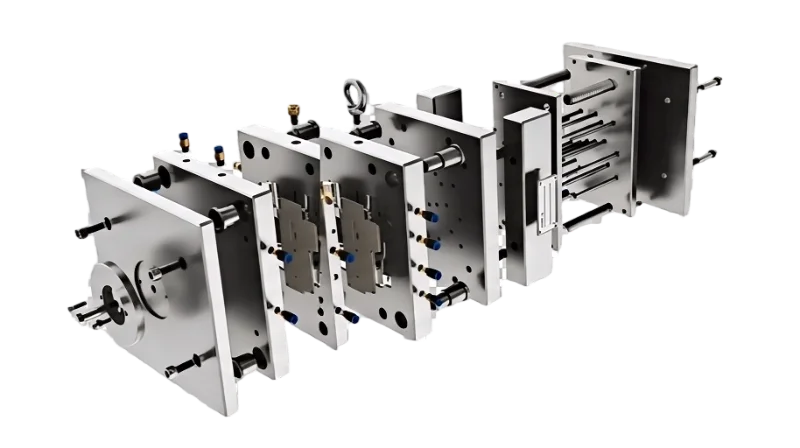
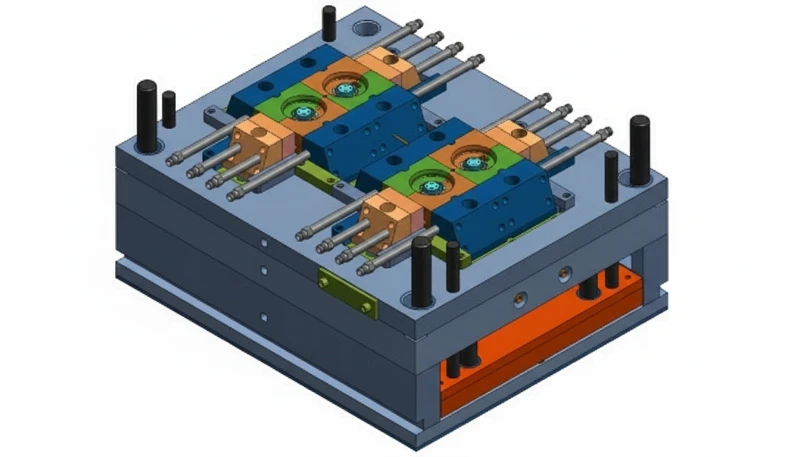
Die Werkzeugkonstruktion bezieht sich auf Kavität, Kern, Rahmen, Anguss, Führung und Auswerfsystem. Alle müssen sorgfältig ausgelegt sein, um Effizienz, Stabilität und einfache Wartung zu gewährleisten.
Hohlraum und Kern
Der Hohlraum bildet die Außenabmessungen des Produkts, während der Kern die Innenabmessungen liefert, die miteinander verbunden sind, um die endgültige und gewünschte Produktform und -größe zu erhalten.
Materialauswahl: Oft werden hochharte, verschleißfeste Stähle wie P20 oder H13 eingesetzt.
Konstruktionshinweise: Die fertigen Oberflächen von Kavität und Kern sollten glatt sein, damit die hohe Maßgenauigkeit der Produktoberfläche erhalten bleibt.
Form Basis
Der Formsockel ist auch das Grundgerüst des Werkzeugs und hat die Aufgabe, alle Komponenten zu befestigen und miteinander zu verbinden. Er hat in der Regel eine Standardform, um den Zusammenbau von Formen und deren Austausch bei Bedarf zu ermöglichen.
Materialauswahl: Üblicherweise wird für das Formgrundgestell Stahl 45 oder Q235-Stahl verwendet, um die Stabilität des Grundgestells zu gewährleisten.
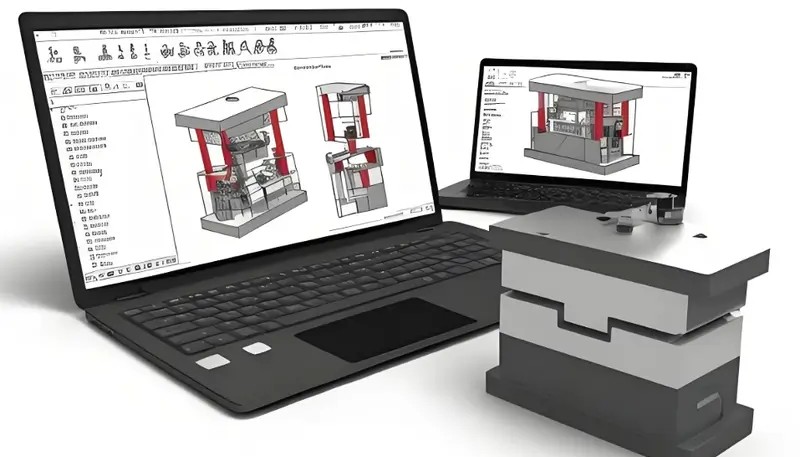
Bei ZetarMold produziert unsere interne Formenfertigungseinrichtung über 100 Formensätze pro Monat, wobei UG, SOLIDWORKS, MOLDFLOW und CAD verwendet werden, um den Formenfluss zu simulieren und Kühlungsdesigns zu validieren, bevor die Bearbeitung beginnt.
"Die Konstruktion der Werkzeugstruktur beeinflusst unmittelbar die Bauteilqualität und Produktionseffizienz."True
Ein geeignetes Kavitätenlayout, die Platzierung der Kühlkanäle und das Design des Ausstoßsystems bestimmen die Maßgenauigkeit, die Taktzeit und die Defektrate.
"Alle Werkzeugstrukturen sind unabhängig von der Anwendung gleich."False
Formstrukturen variieren erheblich je nach Teilgeometrie, Materialeigenschaften, Produktionsvolumen und branchenspezifischen Anforderungen.
Konstruktionspunkte: Das Formgrundgestell sollte ausreichende Robustheit und Stabilität besitzen, um mit dem Einspritzdruck, der Einspritztemperatur und dem allgemeinen Hin- und Herdruck während des Einspritzens zurechtzukommen.
Angusssystem
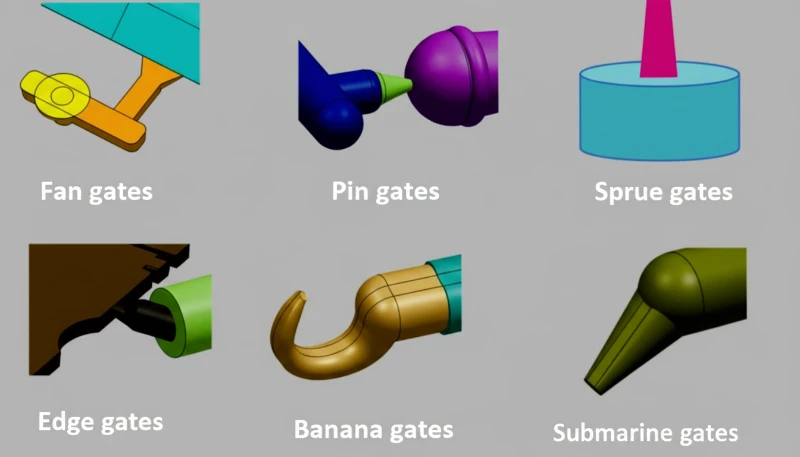
Das Anschnittsystem besteht aus dem Hauptkanal, den Unterkanälen und den Anschnitten, durch die der geschmolzene Kunststoff in die Kavität geleitet wird. Ein effektives Anschnittsystem ist hilfreich, um die Qualität des Formteils zu erhöhen und die Menge des verwendeten Materials zu verringern.
Designpunkte: Der Hauptkanal sollte so kurz und so gerade wie möglich sein, um den Druckverlust zu minimieren und möglichst viel zu reduzieren.
Design-Punkte: Nebenkanäle sollten so angeordnet sein, dass sie eine gleichmäßige Masse auf die Kavität ausüben.
Design-Punkte: Die Art des Angusses sollte keinesfalls das Erscheinungsbild des Produkts beeinträchtigen oder seine Festigkeit mindern. Die Größe des verwendeten Angusses sollte angemessen sein.
Lenkungsmechanismus
Der Führungsmechanismus umfasst Führungsstifte und -buchsen, die bei der Ausrichtung zwischen den beweglichen und den festen Formen helfen.
Materialauswahl: Typisch wird hochharter Stahl verwendet, wie beispielsweise GCr15.
Konstruktionspunkte: Das Führungsmechanismus sollte in Bezug auf die Ausrichtung sehr präzise sein, um Fehlausrichtung über einen langen Zeitraum zu verhindern, und darüber hinaus sehr verschleißfest.
Auswurfmechanik
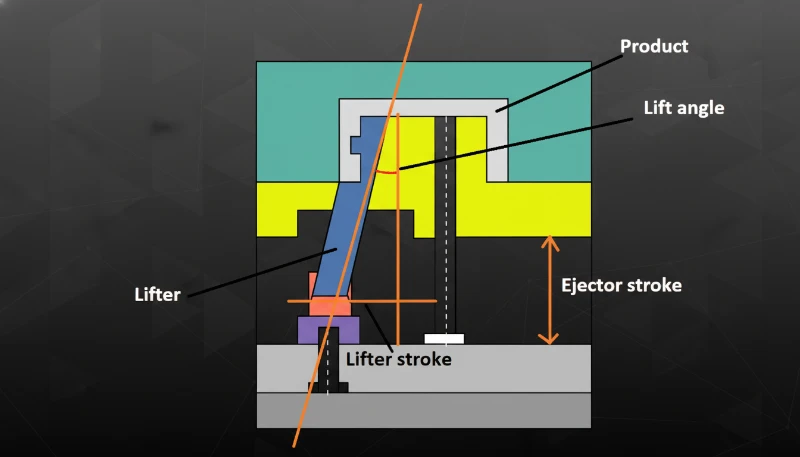
Der Auswerfer wird eingesetzt, um das geformte Produkt aus der Form zu nehmen, und normalerweise werden Auswerferstifte, Platten und Hülsen verwendet.
Design-Punkte: Eine weitere Anforderung an diese Kraft ist, dass sie konstant oder gleichmäßig sein sollte, da eine plötzliche Kraft das Produkt negativ beeinflussen kann. Die Bewegung des Auswerfersystems sollte ebenfalls gleichmäßig sein, um ein Haften zu vermeiden.
Was ist Flow Channel Design?
Das Fließkanaldesign umfasst die Auslegung von Anguss, Läufern und Angüssen, die das geschmolzene Plastik von der Maschinendüse in den Formhohlraum leiten.
Das Angussdesign beeinflusst die Produktqualität und Produktionseffizienz maßgeblich. Größe und Form des Angusses müssen auf Material und Bauteilgeometrie abgestimmt sein.
Hauptlaufbahn
Der Hauptkanal verbindet die Düse der Spritzgießmaschine mit den Unterkanälen und sollte so kurz und gerade wie möglich sein, um Druckverluste und Materialverluste zu reduzieren.
Designpunkte: Der Hauptkanaldurchmesser sollte richtig sein, um einen ausreichenden Fluss zu fördern und gleichzeitig den verschwenderischen Einsatz von Materialien zu reduzieren.
Nebenkanäle
Die Unterkanäle verteilen die Kunststoffschmelze auf die einzelnen Kavitäten des Werkzeugs, wobei das Gleichgewicht eine wichtige Rolle spielt.
Design-Punkte: Die Querschnittsformen der Nebenkanäle sollten idealerweise kreisförmig oder halbkreisförmig sein, um den Strömungswiderstand zu verringern. Die Längen sollten möglichst gleich sein, damit die Füllzeit der Kavität für alle Längen nahezu identisch ist.
Pforten
Anschnitte sind das Mittel, mit dem die in die Kavität eingebrachte Kunststoffschmelze die Produktqualität beeinflusst.
Konstruktionspunkte: Die Angüsse sollten in Bereichen platziert werden, die das Erscheinungsbild oder die Festigkeit nicht beeinträchtigen. Ihre Größen müssen ausreichende Füllraten gewährleisten und gleichzeitig leicht zu entfernen sein. Verschiedene Angusstypen erfüllen unterschiedliche Produktanforderungen.
Darüber hinaus sollte das Design der Läufer berücksichtigt werden:
Angussausgleich: Bei Mehrfachkavitäten sicherstellen, dass die Angusslängen und deren Querschnittsfläche, da sie primär die Füllzeit der Formen bestimmen.
Angusskühlung: Für den Angussbereich müssen ausreichend Kühlkanäle2 vorgesehen werden, damit hohe Temperaturen den Schmelzefluss nicht beeinflussen.
Angusspräzision: Bearbeitungsgenauigkeit ist hoch und die Oberfläche glatt, um den Widerstand für Schmelzefluss und Druckabfall zu verringern.
Was ist ein Kühlsystemdesign?
Die Auslegung von Kühlsystemen ist entscheidend für die Optimierung von Fertigungsprozessen, die Gewährleistung einer gleichbleibenden Produktqualität und die Effizienz von Produktionszyklen.
"Die Fließkanalauslegung beeinflusst Spritzgießeffizienz und Bauteilqualität erheblich."True
Optimierte Anguss- und Einlassteilgeometrie reduziert Materialverschwendung, verkürzt die Zykluszeit und verbessert die Füllkonsistenz über alle Kavitäten hinweg.
„Die Auslegung des Fließkanals ist bei allen Formtypen und Werkstoffen identisch.“False
Die Fließkanalgeometrie muss basierend auf Materialviskosität, Bauteildicke, Einlasstyp und Kavitätenanordnung für optimale Füllmuster angepasst werden.
Das Kühlsystem spielt bei der Konstruktion von Spritzgießwerkzeugen eine sehr wichtige Rolle, da es die Zykluszeit des Spritzgießens und die Werkzeugqualität reduziert. Zum Kühlsystem gehören vor allem die Kühlkanäle und die Kühlzeitstufen.
Kühlungskanäle
Kühlkanäle leiten Kühlwasser durch verschiedene Formteile, um überschüssige Wärme abzuführen.
Kühlkanäle sollten so nah wie möglich an der Kavitätenoberfläche positioniert werden, um die Wärmeableitung zu maximieren. Ein Abstand von Kanal zu Kavität von 1,5–2,5-fachen des Kanaldurchmessers sorgt für eine Balance zwischen Kühlleistung und struktureller Integrität des Stahlwerkzeugs.
Kühlmittelströmung sollte gleichmäßig über alle Kanäle verteilt werden, um lokale Hotspots zu vermeiden. Ungleichmäßige Kühlung führt zu differenzieller Schrumpfung, inneren Spannungen und Verzug im fertigen Teil. Strömungslenker oder Spiraleinsätze können helfen, den Fluss in unterversorgte Bereiche des Werkzeugs umzuleiten.
Der Kanaldurchmesser muss groß genug sein, um eine ausreichende Kühlmittelströmungsgeschwindigkeit – typischerweise 1,5–3 m/s – aufrechtzuerhalten, ohne einen übermäßigen Druckabfall zu erzeugen. Zu kleine Durchmesser bergen das Risiko von Verstopfungen durch Kalk oder Ablagerungen, während übermäßig große Kanäle die Strömungsturbulenz und Wärmeübertragungseffizienz reduzieren.
Abkühlungszeit
Die Abkühlzeit hängt auch von den Wandstärken des Produkts, dem verwendeten Materialtyp und den Temperaturen des Werkzeugs ab.
Ausreichende Abkühlzeit verhindert Verzug und Schrumpfung und gewährleistet Maßstabilität. Die optimale Dauer balanciert Bauteilintegrität und Durchsatz – typischerweise 60–80 % der gesamten Zykluszeit in den meisten Spritzgießprozessen.
Weitere Überlegungen zu Kühlsystemen sind:
Die Kühlmittelflussgeschwindigkeit erfordert eine sorgfältige Steuerung. Eine niedrige Geschwindigkeit kann die Kühleffizienz verringern, während eine hohe Geschwindigkeit zu Verstopfungen und Verschleiß der Form führen kann.
Kühlmitteltemperatur: Optimale Temperatur, da hohe Temperaturen die Abkühlrate verringern, während niedrige Temperaturen Kondensation auf der Formoberfläche verursachen und die Produktqualität beeinträchtigen können.
Kühlmittelqualität: Kühlmittel sauber halten, um Verstopfungen und Werkzeugschäden zu vermeiden.
Was ist ein Abgassystemdesign?
Die Entlüftungssystemgestaltung ist die Konstruktion von Entlüftungsnuten und -löchern, die eingeschlossene Luft und Gase während des Einspritzens aus der Werkzeugkavität entweichen lassen.
Das Entlüftungssystem leitet Gas aus dem Formhohlraum ab, um Defekte wie Blasen und Verbrennungen zu vermeiden, die sich direkt auf die Produktqualität und die Langlebigkeit der Form auswirken.
Entlüftungsrillen
Eine Entlüftungsnut3 ist ein Kanal zum Ableiten von Gas und befindet sich meist in der Trennlinie.
Konstruktionspunkte: Entlüftungsnuten dort anbringen, wo/wenn sich Gas frei ansammeln kann.
Designpunkte: Breite und Tiefe sollten den Querschnittsbereich für die erforderliche Entlüftung optimieren, sodass es auf der Seite des Kunststoffauswurfs keine Probleme gibt.
Designpunkte: Gleichmäßige Verteilung, um lokale Entlüftungsprobleme zu vermeiden.
Entlüftungslöcher
Die Entlüftungsöffnungen gehören zu den Komponenten des Entlüftungssystems, die sich normalerweise in dünnen Bereichen eines Produkts befinden.
Konstruktionspunkte: Angemessener Durchmesser, um die Entlüftung von Gasansammlungen nicht zu behindern und gleichzeitig einen ordnungsgemäßen Abzug zu gewährleisten.
Konstruktionspunkte: Die Positionierung sollte keinesfalls das Aussehen des Produkts oder dessen Festigkeit beeinflussen.
Entwurfspunkte: Menge und Position sollten im Einklang mit der Struktur der Form und der Form des Produkts angemessen sein.
Bei der Planung des Entlüftungssystems sollte auch berücksichtigt werden:
Systemwartung: Sie sollten regelmäßig gereinigt werden, um einen uneingeschränkten und ungehinderten Fluss zu gewährleisten, aber gelegentlich überprüft werden, um Werkzeuge vor Verstopfungen zu schützen, die Qualitätsprobleme verursachen können.
Systemkühlung: Bei Verwendung von Hochtemperaturformen Kühlmittel verwenden, um Kondensation der Gase während der Entlüftungsphase zu vermeiden.
Bearbeitungspräzision: Hohe Präzision mit glatten Oberflächen, um den Gasströmungswiderstand und Druckverlust zu reduzieren.
ZetarMold verarbeitet über 400 Kunststoffmaterialien. Unsere 8 Senior-Ingenieure überwachen die Werkzeugbearbeitungsqualität unter ISO 9001, ISO 13485, ISO 14001 und ISO 45001 zertifizierten Managementsystemen.
Was sind die Mold Processing?
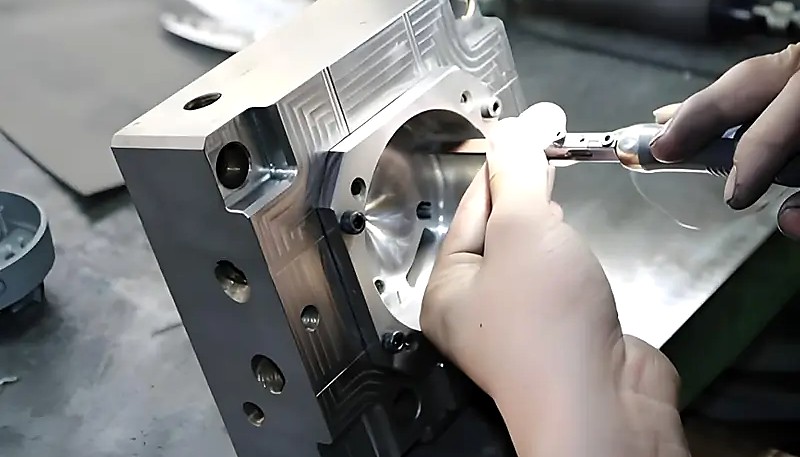
Werkzeugbearbeitung ist die Reihe von CNC-Bearbeitung, EDM, Schleifen und Oberflächenbehandlungsschritten, die Rohstahl in ein Präzisionsspritzgießwerkzeug verwandeln.
"Eine fachgerechte Werkzeugbearbeitung gewährleistet Maßhaltigkeit und Oberflächenqualität."True
CNC-Bearbeitung, EDM und Oberflächenbehandlung von Formenbauteilen schaffen präzise Toleranzen und glatte Oberflächen für eine konsistente Teileproduktion.
"Die Werkzeugbearbeitung ist nur bei Serienwerkzeugen für hohe Stückzahlen erforderlich."False
Alle Formen benötigen unabhängig von der Stückzahl eine ordnungsgemäße Bearbeitung, Wärmebehandlung und Oberflächenveredelung, um die erforderlichen Toleranzen zu erreichen.
Die Formverarbeitung ist der Prozess der Umwandlung der Konstruktionszeichnung in die tatsächliche Form durch Grob- und Feinbearbeitung, Oberflächenbehandlung usw. Aus der Analyse geht hervor, dass die Genauigkeit und Qualität der Verarbeitung sich direkt auf die Funktion und Haltbarkeit der Form auswirken.
Grobzerspanung
Die Form wird aus dem Rohmaterial heraus grob bearbeitet, wobei üblicherweise CNC-Fräsen und Drehbänke verwendet werden.
Schlüsselpunkte: Ausreichend Bearbeitungszugabe vorsehen.
Schlüsselpunkte: Die optimale Geschwindigkeit und Vorschubrate, die helfen, Verformungen des Materials und graduellen Verschleiß von Werkzeugen und Maschinen zu vermeiden.
Schlüsselpunkte: Grobbearbeitung, um den Grat zu reduzieren und eine glattere Oberfläche zu erzielen.
Fertigstellung
Die Endbearbeitung erreicht die Form, um die Größe und die Spezifikationen der Form zu erreichen, und verwendet das Schleifverfahren, EDM und Polieren.
Schlüsselpunkte: Genauigkeit stellt sicher, dass Form und Größe für das Werkzeug korrekt sind.
Wichtige Punkte: Vermeiden Sie Überpolieren, um Maßabweichungen zu verhindern.
Schlüsselpunkte: Oberflächenbearbeitung mit der besten und geeignetsten Ausrüstung, um einen glatten und einwandfreien Finish zu erzielen.
Oberflächenbehandlung
Die Oberflächenbehandlung von Gussformen erhöht die Härte und die Verschleißfestigkeit der Gussformen, wobei die Verfahren Abschrecken, Nitrieren und die Verwendung einer Oberflächenbeschichtung zum Einsatz kommen.
Schlüsselpunkte: Wählen Sie geeignete Behandlungsmethoden basierend auf Werkzeugmaterial und Anwendung.
Wichtige Punkte: Um Formverformungen und Risse zu reduzieren, sollten die Behandlungsdauer und die Temperatur kontrolliert werden.
Schlüsselpunkte: Vor der Behandlung gründlich reinigen, um bessere Haftung und Leistung zu erzielen.
Wie pflegt man den Schimmel?
Eine ordnungsgemäße Werkzeugwartung ist entscheidend für eine gleichbleibende Qualität und Langlebigkeit beim Spritzgießen. Regelmäßige Pflege kann Ausfallzeiten und kostspielige Reparaturen verhindern.
Werkzeugwartung, sowohl täglich als auch periodisch, verlängert die Lebensdauer und senkt Produktionskosten durch konsequente Instandhaltung.
Routinemäßige Wartung
Schlüsselpunkte: Stellen Sie sicher, dass die Werkzeugoberfläche sauber ist, um zu verhindern, dass Temperaturen und Staub in das Werkzeug eindringen.
Wichtige Punkte: Schmieren Sie die Führungssäule und die Führungsbuchse regelmäßig, um die Flexibilität des Führungsmechanismus zu gewährleisten.
Wichtige Punkte: Es kann erforderlich sein, die anderen Komponenten der Form regelmäßig zu überprüfen und sie rechtzeitig zu reparieren oder auszutauschen.
Wichtige Punkte: Es ist notwendig zu bestätigen, ob der Kühlkanal und das Abgassystem normal geöffnet sind und ob sie blockiert sind. Wenn sie blockiert sind, sollten sie umgehend freigemacht werden.
Regelmäßige Wartung
Unter Wartung versteht man die allgemeine Überprüfung und Reparatur der Form, nachdem sie einige Zeit benutzt wurde.
Wichtige Punkte: Überprüfen Sie den Formhohlraum und den Kern und suchen Sie nach dem Teil des Hohlraums, der stark abgenutzt ist, und reparieren oder ersetzen Sie ihn.
Wichtige Punkte: Prüfen Sie, ob der Führungsmechanismus, der Entformungsmechanismus und andere Teile des Werkzeugs normal funktionieren, und nehmen Sie bei Bedarf Anpassungen oder Austausche vor.
Wichtige Punkte: Prüfen Sie, ob das Kühlsystem des Werkzeugs und das Entlüftungssystem des Werkzeugs normal funktionieren, und führen Sie die erforderliche Reinigung und Freigabe durch.
Schlüsselpunkte: Das Werkzeug gründlich reinigen und schmieren, um sicherzustellen, dass es sich in gutem Arbeitszustand befindet.
Was sind die häufigsten Probleme bei der Formgestaltung und ihre Lösungen?
Häufige Probleme bei der Werkzeugkonstruktion umfassen unzureichende Kühlung, ungleichmäßigen Materialfluss und falsche Angussplatzierung, die die Teilequalität beeinflussen.
„Regelmäßige Reinigung verlängert die Lebensdauer des Werkzeugs und erhält die Teilequalität.“True
Geplante Wartung, einschließlich Reinigung, Schmierung und Inspektion, verhindert Verschleiß, Korrosion und Maßabweichungen über Produktionszyklen hinweg.
"Eine Werkzeugwartung ist unnötig, wenn das Werkzeug ordnungsgemäß konstruiert ist."False
Alle Werkzeuge erfordern unabhängig von der Konstruktionsqualität regelmäßige Reinigung und Inspektion, um die Maßhaltigkeit zu erhalten und fortschreitenden Verschleiß zu verhindern.
Mehrere häufige Probleme können die Teilequalität und Produktionsrate beeinträchtigen, wenn sie während der Werkzeugkonstruktion nicht angemessen berücksichtigt werden.
Sinkende Markierungen
Problembeschreibung: Die Oberfläche des Produkts ist eingedellt, was das Erscheinungsbild beeinträchtigt.
Lösung: Es wird empfohlen, die Position sowie die Größe des Angusses so zu gestalten, dass er das Schmelzgut aufnehmen und den Hohlraum gleichmäßig füllen kann.
Lösung: Maximieren Sie das Design und die Anordnung des Kühlkreislaufs, um eine gleichmäßige Verteilung der Kühlung auf die Produkte zu ermöglichen.
Lösung: Passen Sie die Nachdruckzeit und den Nachdruck an, um die Schrumpfung der Schmelze zu reduzieren.
Blitzlicht
Problembeschreibung: Grat bildet sich im Randbereich des Produkts, was zu einem schlechten Erscheinungsbild führt und möglicherweise nicht maßhaltig ist.
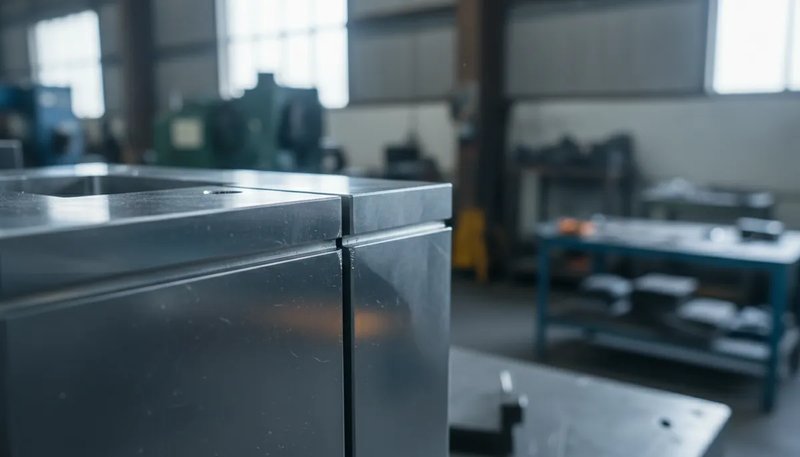
Lösung: Bezüglich der Trennflächenkonstruktion des Werkzeugs sollte versucht werden, das Werkzeug auf ein Minimum zu schließen.
Lösung: Erhöhen Sie die Schließkraft der Form, um ein Trennen der Form während des Spritzgießfertigungsprozesses zu verhindern.
Lösung: Um das Werkzeug zu überprüfen, muss zunächst der Führungsmechanismus des Werkzeugs und der Schließmechanismus des Werkzeugs geprüft werden.
Blase
Problembeschreibung: Es sind sichtbare Poren am Körper des Produkts oder im Produkt selbst in Form von Blasen vorhanden, die das Aussehen und die Haltbarkeit beeinflussen.
Lösung: Minimieren Sie die Auslegung des Entlüftungssystems, um eine effektive Freisetzung des Gases im Formhohlraum zu ermöglichen.
Lösung: Passen Sie die beim Spritzgießen verwendeten Parameter wie die Einspritzgeschwindigkeit, die Einspritzkraft und die Temperatur der Spritzgießmaterialien an, um die Gasbildung zu minimieren.
Lösung: Die Trocknung der Rohmaterialien überprüfen, um sicherzustellen, dass der Feuchtigkeitsgehalt der Rohmaterialien auf einem angemessenen Niveau liegt.
Verformung und Verwerfung
Problembeschreibung: Das spritzgegossene Teil wird nach dem Abkühlen teilweise eingeschrumpft oder verzerrt, wodurch die Maßhaltigkeit und Oberflächengüte des Produkts beeinträchtigt werden.
Lösung: Verbessern Sie das Kühlsystem, um allen spritzgegossenen Teilen gleiche Temperaturen zu geben.
Lösung: Die Nachdruckzeit und den Nachdruckdruck in den Spritzgussparametern anpassen, um innere Spannungen zu reduzieren.
Lösung: Verstärken Sie die Änderungen in der Werkzeugstrukturauslegung, z.B. durch Hinzufügen von Versteifungsrippen, um dem Produkt eine gleichmäßige Wandstärke und konsistente Wanddicke zu verleihen.
Instabilität der Dimensionen
Problembeschreibung: Die Geometrie weicht von den erforderlichen Maßen und Normen ab und beeinträchtigt die Montage und Verwendung des Produkts.
Lösung: Überprüfen Sie die Richtigkeit der Bearbeitung des Werkzeugs und die Montagerealisierung der Produkte, um festzustellen, ob die Abmessungen des Werkzeugs den Spritzgießkonstruktionsspezifikationen entsprechen.
Lösung: Die Prozessparameter wie Einspritzdruck, Nachdruckzeit und Kühlzeit steuern, um eine stabile Größe des Produkts zu gewährleisten.
Lösung: Die Fertigungsstabilität der Spritzgussmaschinen bestätigen, um die Fähigkeit zu haben, die Variation des Spritzgusses zu bestimmen.
Häufig gestellte Fragen
Was ist der wichtigste Faktor bei der Konstruktion einer Spritzgussform?
Der kritischste Faktor in der Spritzgusswerkzeugkonstruktion ist die Erzielung einer gleichmäßigen Wandstärke im gesamten Teil. Ungleichmäßige Wände verursachen differenzielles Abkühlen, was direkt zu Einfallstellen, Verzug und Maßinkonsistenz im fertigen Produkt führt. Nach unserer Erfahrung bei ZetarMold mit über 400 Materialien erfordern Teile mit Wandstärkenschwankungen von mehr als 15 Prozent fast immer kostspielige Werkzeugnacharbeit, um akzeptable Qualität zu erreichen. Neben der Wandstärke sind eine korrekte Angussplatzierung und ein effizientes Kühlsystemlayout gleichermaßen wichtig für die Bestimmung der Zykluszeit und der langfristigen Werkzeughaltbarkeit.
Wie lange dauert es, ein Spritzgießwerkzeug zu konstruieren?
Eine typische Spritzgießwerkzeugkonstruktion dauert je nach Bauteilkomplexität 2 bis 4 Wochen. Einfache Einfachkavitäten-Werkzeuge für unkomplizierte Geometrien können von der Konzeption bis zu fertigen Zeichnungen nur 5 bis 7 Tage in Anspruch nehmen. Komplexe Mehrfachkavitäten-Werkzeuge mit Seitenaktionen, Auswerfern oder Ausschraubmechanismen können 4 bis 6 Wochen Konstruktionszeit erfordern. Die Konstruktionsphase umfasst 3D-CAD-Modellierung, Fließsimulation zur Validierung der Füllmuster und mehrere Konstruktionsüberprüfungsiterationen. Bei ZetarMold folgen unsere 8 Senior-Ingenieure einem strukturierten Überprüfungsprozess, der Probleme frühzeitig erkennt.
Welche Software wird für die Spritzgusswerkzeugkonstruktion verwendet?
Die branchenübliche Software für Spritzgusswerkzeugkonstruktion umfasst SOLIDWORKS und UG, auch bekannt als NX, für 3D-CAD-Modellierung sowie Autodesk Moldflow für Fließsimulation und thermische Analyse. Diese Werkzeuge ermöglichen es Ingenieuren, den Kavitätenaufbau zu visualisieren, Kunststofffüllmuster zu simulieren und die Platzierung von Kühlkanälen zu optimieren, bevor Stahl bearbeitet wird. Bei ZetarMold verwendet unser Designteam SOLIDWORKS, MOLDFLOW und CAD in Kombination, um die Angussplatzierung zu validieren, Schweißnahtpositionen vorherzusagen und die Kühleffizienz zu analysieren, wodurch Erstmusterfehler um bis zu 60 Prozent im Vergleich zu herkömmlichen Trial-and-Error-Methoden reduziert werden.
Was sind die typischen Kosten für ein Spritzgusswerkzeug?
Die Kosten für Spritzgießwerkzeuge variieren stark je nach Komplexität und Produktionsanforderungen. Einfache Einfachkavitäts-Aluminium-Prototypenwerkzeuge beginnen bei etwa 1.000 bis 3.000 Dollar, während produktionsreife Stahlwerkzeuge mit mehreren Kavitäten und Heißkanalsystemen typischerweise zwischen 10.000 und 50.000 Dollar kosten. Hochkomplexe Werkzeuge mit Seitenaktionen, Ausschraubkernen oder speziellen Oberflächenveredelungen können 100.000 Dollar übersteigen. Wichtige Kostentreiber sind die Anzahl der Kavitäten, die Wahl des Werkzeugmaterials, das erwartete Produktionsvolumen, die erforderliche Oberflächengüte und die Toleranzvorgaben für die Anwendung.
Wie verhindert man Gratbildung in der Spritzgusswerkzeugkonstruktion?
Die Gratvermeidung beginnt mit der präzisen Gestaltung der Trennfläche und der korrekten Berechnung der Schließkraft. Die Werkzeugtrennlinie muss mit Ebenheitstoleranzen innerhalb von 0,01 Millimetern bearbeitet werden, um einen vollständigen Verschluss unter Spritzdruck zu gewährleisten. Entlüftungsnuten sollten mit einer Tiefe von 0,01 bis 0,03 Millimetern korrekt dimensioniert sein, um eingeschlossene Gase entweichen zu lassen, ohne dass geschmolzenes Material durchsickern kann. Die Spritzgießmaschine muss über ausreichende Tonnage verfügen. Bei ZetarMold reichen unsere 47 Pressen von 90T bis 1850T, was eine präzise Abstimmung der Maschinenkapazität auf jedes Werkzeug ermöglicht.
Was ist der Unterschied zwischen einem Kaltkanal- und einem Heißkanal-Werkzeug?
Ein Kaltkanal-Werkzeug leitet geschmolzenen Kunststoff durch ungeheizte Kanäle, was zu erstarrtem Angussabfall führt, der getrennt, zerkleinert und recycelt oder entsorgt werden muss. Ein Heißkanal-Werkzeug verwendet elektrisch beheizte Verteiler-Systeme, um den Kunststoff in den Verteilungskanälen in geschmolzenem Zustand zu halten, wodurch Angussabfall vollständig eliminiert und die Zykluszeit reduziert wird. Heißkanal-Werkzeuge kosten aufgrund des beheizten Verteilers und der Temperaturregler 20 bis 40 Prozent mehr im Voraus, sparen aber bei Großserienproduktion 15 bis 30 Prozent der Materialkosten und verbessern die Konsistenz.
Welche Toleranz kann das Spritzgießen erreichen?
Standard-Spritzguss erreicht Toleranzen von plus oder minus 0,1 Millimetern für Abmessungen unter 25 Millimetern. Präzisionsspritzguss mit optimierter Prozesssteuerung, enger Temperaturregelung und hochwertiger Werkzeugausführung kann plus oder minus 0,05 Millimeter oder enger für kritische Merkmale erreichen. Die Toleranzfähigkeit hängt stark von den Schrumpfeigenschaften des Materials ab, wobei teilkristalline Materialien eine höhere Variabilität aufweisen als amorphe. Für Anwendungen mit engen Toleranzen verwenden ZetarMold-Ingenieure während der Designphase Moldflow-Simulationen, um Schrumpfung vorherzusagen und auszugleichen, bevor das Werkzeug gebaut wird.
Warum ist das Spritzgießformen-Design für den Herstellungserfolg entscheidend?
Die Spritzgusswerkzeugkonstruktion ist der wichtigste Faktor für Teilequalität, Produktionseffizienz und Kostenkontrolle in der Kunststofffertigung.
Dieser Artikel bietet praktische Referenzen für Spritzguss-Formenkonstrukteure. Für Unterstützung bei der individuellen Formkonstruktion kontaktieren Sie ZetarMold für fachkundige Unterstützung.
Erfahren Sie mehr über Spritzgießen: Ein umfassender Leitfaden: Spritzgießen ist ein Fertigungsverfahren, bei dem geschmolzener Kunststoff in eine Form gespritzt wird, um Teile mit hoher Genauigkeit und Wiederholbarkeit herzustellen. ↩
Erfahren Sie mehr über Was ist Kern und Kavität beim Spritzgießen? Die Kavität und der Kern in einer typischen Kunststoff-Spritzgießmaschine einer Spritzgussform sind die formgebenden Teile der Form. ↩
Erfahren Sie mehr über Arten von Angüssen beim Spritzgießen: Ein umfassender Designleitfaden: Ein Spritzgieß-Anguss ist eine konstruierte Öffnung, meist klein, die den Fluss von geschmolzenem Kunststoff in den Formhohlraum steuert. ↩
Erfahren Sie über H13 Werkzeugstahl: H13 ist ein Warmarbeitswerkzeugstahl, der eine gute Resistenz gegen thermische Ermüdung, Erosion und Verschleiß hat und weitgehend für die Herstellung von Formen und Werkzeugen verwendet wird. ↩
Erfahren Sie über vier wichtige Prinzipien, die bei der Design der Wandstärke berücksichtigt werden sollten: Die Wandstärke von Kunststoffprodukten ist eine kritische strukturelle Eigenschaft, die häufig bei der Design von Kunststoffproduktstrukturen diskutiert und berücksichtigt wird. ↩
Erfahren Sie über Wie man den Haltedruck und die Haltezeit beim Spritzgießen bestimmt? Der Einspritzdruck umfasst sowohl Druck als auch Geschwindigkeit. ↩
Erhalten Sie wettbewerbsfähige Preise, DFM-Feedback und einen Produktionszeitplan vom Ingenieurteam von ZetarMold.
Kostenloses Angebot anfordern →
P20-Stahl: ASTM A681 spezifiziert legierte Werkzeugstähle einschließlich P20 mit einer typischen Härte von 28–36 HRC für Formaufbauten. ↩
Kühlkanäle: Laut kunststofftechnischer Forschung kann die Kühlung bis zu 70 % der gesamten Spritzgießzykluszeit beanspruchen. ↩
Entlüftungsnut: Die übliche Tiefe von Entlüftungsnuten liegt bei den meisten Thermoplasten zwischen 0,01 und 0,03 mm, damit Gas ohne Gratbildung entweichen kann. ↩