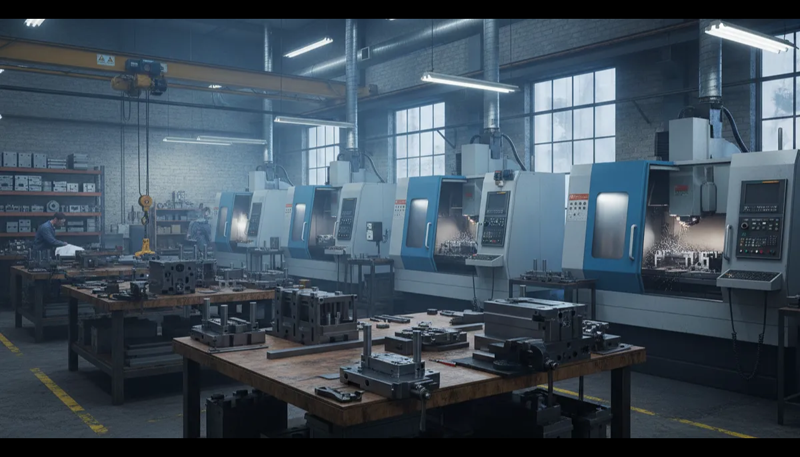
Einkäufer aus Übersee, die Spritzgussteile aus China beschaffen, stehen vor einer häufigen Falle: Das erste Angebot wirkt attraktiv, doch die Schlussrechnung erzählt eine andere Geschichte. Die Amortisierung der Werkzeugkosten verschiebt sich, Materialzuschläge kommen hinzu und die Logistikkosten steigen stark an. Nach 20+ Jahren, in denen wir internationale Kunden bei der Beschaffung von Spritzgießleistungen unterstützen, haben wir diese Checkliste erstellt, damit Sie die Kosten vom ersten Angebot bis zur Serienproduktion kontrollieren können.
- Fordern Sie stets eine aufgeschlüsselte Kostenübersicht an
- Werkzeugangebote können sich zwischen Lieferanten um das 3–5-Fache unterscheiden
- Materialzuschläge erhöhen die Kosten häufig um 15–30%
- Ein Werksaudit senkt das Risiko von Kostensteigerungen während des Projekts
- Verwenden Sie für jede Bestellung eine schriftliche Checkliste zur Kostenkontrolle
Was sollten Sie im Angebot eines Spritzgießlieferanten prüfen?
Der erste Schritt zur Kostenkontrolle besteht darin, genau zu wissen, was Ihr Lieferant in sein Angebot aufgenommen hat und was nicht. Ein seriöser Spritzgießlieferant legt eine Position-für-Position-Aufschlüsselung vor, die Werkzeugbau, Materialien, Verarbeitung, Nachbearbeitung, Verpackung und Versand abdeckt. Wenn Sie nur einen einzigen Pauschalbetrag erhalten, ist das ein Warnsignal. In der Praxis haben wir Angebote gesehen, in denen die Wartung der Kavitäten, Gebühren für die Werkzeuglagerung und sogar die Kosten der Erstmusterprüfung nicht enthalten waren. Diese Auslassungen werden zu unerwarteten Zusatzkosten, nachdem Sie sich bereits festgelegt haben. Fordern Sie die Aufschlüsselung schriftlich an und gleichen Sie sie mit unserer nachstehenden Checkliste ab. Ihre Prüfliste sollte Folgendes enthalten: Werkzeugstahlsorte und erwartete Lebensdauer, geschätzte Zykluszeit pro Teil, Werkstofftyp und Lieferant, Kostenrichtlinie für Nacharbeit und Änderungen sowie Zahlungsmeilensteine.
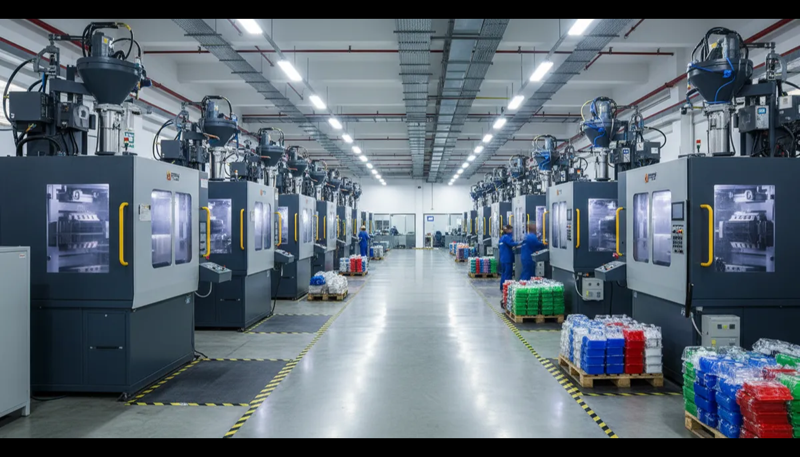
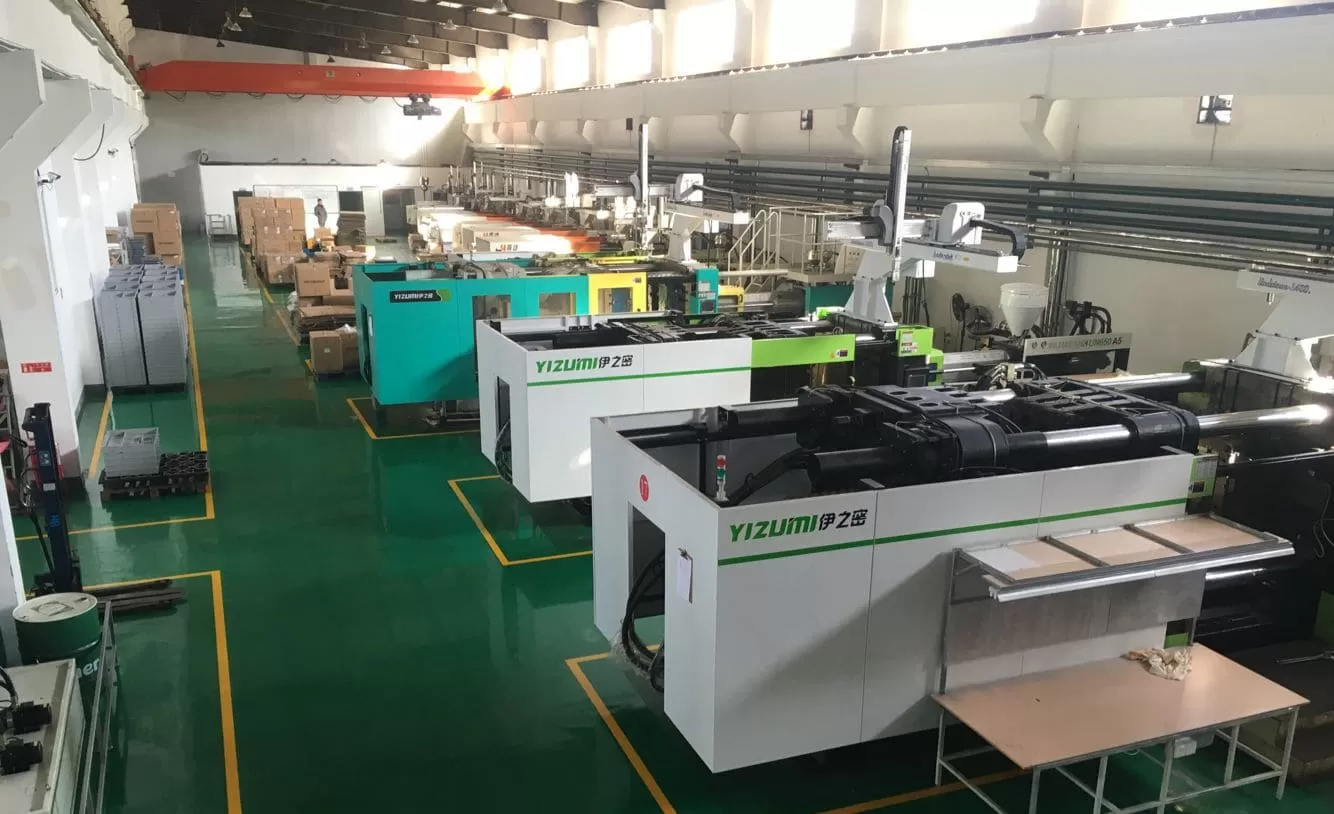
Jeder dieser Punkte wirkt sich unmittelbar auf Ihre tatsächlichen Stückkosten aus. In unserem Werk in Shanghai betreiben wir 47 Spritzgießmaschinen von 90T bis 1850T, und jedes Kundenangebot folgt demselben transparenten, aufgeschlüsselten Format, denn versteckte Kosten schaden langfristigen Geschäftsbeziehungen schneller als ein geringfügig höherer Ausgangspreis.
Unser Werk in Shanghai betreibt 47 Spritzgießmaschinen mit Schließkräften von 90T bis 1850T und bietet uns damit die Flexibilität, alles von Mikropräzisionsteilen bis zu großen Strukturbauteilen unter einem Dach herzustellen.

Wie unterscheiden sich die Werkzeugkosten verschiedener Lieferanten?
Das Werkzeug ist bei jedem Spritzgießwerkzeugprojekt der größte einzelne Anfangskostenblock, und die Preisspanne zwischen Lieferanten kann enorm sein. Für dieselbe Teilegeometrie haben wir Werkzeugangebote gesehen, die von 3,000 USD bei einer kleinen Werkstatt bis zu 25,000 USD bei einem erstklassigen Werkzeugbauer reichten. Der Unterschied beruht auf der Stahlsorte, der Kavitätenzahl, der Werkzeugkomplexität und der Gemeinkostenstruktur des Lieferanten. Folgende Faktoren verursachen die Spanne: Ein Einkavitäten-Prototypenwerkzeug aus P20-Stahl kann 3,000 bis 6,000 USD kosten und 100,000 bis 300,000 Schüsse halten. Ein gehärtetes Mehrkavitäten-Serienwerkzeug aus H13 für dasselbe Teil kann dagegen 12,000 bis 25,000 USD kosten, aber 500,000+ Zyklen mit engeren Toleranzen liefern.
Keine der beiden Varianten ist falsch, aber Sie müssen wissen, wofür Sie bezahlen. Hier ist ein direkter Vergleich: Stahlsorte: P20/718H (kostengünstig) gegenüber H13/S136/8407 (professionell). Kavitätenzahl: 1 Kavität gegenüber 2 bis 8 Kavitäten. Erwartete Lebensdauer: 100K–300K Schüsse gegenüber 500K bis 1M+ Schüssen. Toleranz: ±0.1 mm gegenüber ±0.02 bis 0.05 mm. Wartung: selten inbegriffen gegenüber Intervallen von 50K–100K Schüssen. Lieferzeit: 15–20 Tage gegenüber 25–45 Tagen. Bitten Sie Ihren Lieferanten, die Werkzeugstahlsorte, das Wärmebehandlungsverfahren und den erwarteten Wartungsplan im Voraus anzugeben.
Ein Lieferant mit eigener Werkzeugfertigung kann in der Regel ein besseres Preis-Leistungs-Verhältnis und schnellere Iterationszyklen bieten, weil kein Aufschlag eines Zwischenhändlers anfällt.
Unsere eigene Werkzeugfertigung stellt 100+ Werkzeugsätze pro Monat her, sodass die Werkzeugkosten direkt angeboten werden: kein Aufschlag eines Unterauftragnehmers und keine Kommunikationsverzögerung zwischen Werkzeugbauer und Spritzgießer.
Welche versteckten Kosten übersehen Einkäufer aus Übersee häufig?
Versteckte Kosten sind die lautlosen Budgetkiller bei Spritzgießprojekten im Ausland. Der angebotene Stückpreis erzählt selten die ganze Geschichte. Auf Grundlage unserer Erfahrung mit internationalen Einkäufern seit 2013 sind dies die Kosten, die am häufigsten unerwartet auftreten: Materialzuschläge. Die Preise für Rohkunststoffe schwanken monatlich. Einige Lieferanten schreiben einen Preis für 30 Tage fest, andere passen ihn bei jeder Lieferung an. Wenn Ihr Angebot keine Gültigkeitsdauer für den Materialpreis nennt, tragen Sie das Risiko. Gebühren für Werkzeugänderungen. Konstruktionsänderungen während der T1-Bemusterung sind normal, doch einige Lieferanten berechnen für jede Änderung den vollen Werkzeugtarif. Klären Sie die Änderungsrichtlinie vor der Unterzeichnung. Qualitätsprüfung und Nacharbeit. Erstmusterprüfung (FAI), fertigungsbegleitende Prüfungen und Endkontrolle verursachen allesamt Arbeitskosten.
Wenn Ihr Lieferant diese in den Gemeinkosten bündelt, ist das vorteilhaft. Andernfalls erscheinen sie später als eigene Positionen. Verpackung und Kennzeichnung. Kundenspezifische Verpackungen, Barcodes und Konformitätskennzeichnungen für Ihren Zielmarkt erhöhen die Stückkosten um 2 bis 8% und sind in Erstangeboten fast nie enthalten. Werkzeuglagerung und -wartung. Wer lagert das Werkzeug nach der Produktion? Einige Lieferanten berechnen nach 12 Monaten Inaktivität monatliche Lagergebühren ab 50 USD pro Kavität und Monat. Da unser Team 30+ englischsprachige Projektmanager umfasst, werden diese Kostenpositionen vor der ersten Bestellung transparent besprochen und nicht erst nach der ersten Rechnung entdeckt.
Mit 30+ englischsprachigen Projektmanagern und über einem Jahrzehnt Erfahrung im Auslandsgeschäft weisen wir bereits in der Angebotsphase proaktiv auf versteckte Kostenpositionen hin, denn Überraschungen schaden langfristigen Partnerschaften.
"Wenn Sie Ihrem Lieferanten erlauben, alternative Werkstofftypen vorzuschlagen, kann dies den Stückpreis senken, ohne die Leistungsfähigkeit des Teils zu beeinträchtigen."True
Erfahrene Lieferanten arbeiten mit Hunderten von Kunststofftypen und können häufig kostengünstige Alternativen ermitteln, die dieselben mechanischen und thermischen Anforderungen erfüllen.
"Der angebotene Stückpreis eines chinesischen Spritzgießlieferanten umfasst stets Verpackung, Prüfung und Werkzeuglagerung."False
Die meisten Erstangebote decken nur Material, Verarbeitung und Standardverpackung ab. Prüfleistungen, kundenspezifische Kennzeichnung und die Lagerung des Werkzeugs nach der Produktion werden häufig separat berechnet.

Wie können Sie bessere Stückpreise aushandeln?
Bei der Verhandlung des Stückpreises geht es nicht ums Feilschen, sondern darum, Mengenzusagen mit den Fähigkeiten des Lieferanten in Einklang zu bringen. Folgende Hebel bewirken tatsächlich etwas: Verpflichten Sie sich zu jährlichen Mengenprognosen. Lieferanten planen Materialeinkäufe und Maschinenbelegung anhand Ihrer prognostizierten Menge. Eine glaubwürdige 12-Monats-Prognose kann den Stückpreis gegenüber Einzelbestellungen um 8 bis 15% senken. Das Schlüsselwort lautet glaubwürdig, denn überhöhte Prognosen zerstören Vertrauen, was sich in Ihrem nächsten Angebot widerspiegeln wird. Optimieren Sie die Kavitätenzahl. Der Wechsel von einem Einkavitäten- zu einem 2+2- oder 4-Kavitätenwerkzeug erhöht die anfänglichen Werkzeugkosten, kann den Stückpreis jedoch um 30 bis 50% senken.
Rechnen Sie nach: Wenn Ihre Jahresmenge 50,000 Einheiten übersteigt, gewinnt ein Mehrkavitätenwerkzeug bei den Gesamtkosten fast immer. Flexibilität bei der Materialbeschaffung. Wenn Ihr Teil keinen Kunststoff einer bestimmten Marke benötigt, können Sie 5 bis 12% der Materialkosten sparen, indem Sie Ihrem Lieferanten die Beschaffung bei wettbewerbsfähigen inländischen Anbietern gestatten. Dank unserer Erfahrung mit 400+ Kunststoffmaterialien können wir häufig gleichwertige Typen empfehlen, die bei niedrigeren Kosten dieselbe Leistung erbringen. Fassen Sie Teilefamilien zusammen. Wenn Sie mehrere Teile aus derselben Materialfamilie haben, spart ihre Fertigung im selben Produktionsfenster Rüstzeit, Abfall beim Materialwechsel und Logistikkosten.
Fragen Sie Ihren Lieferanten nach Familienwerkzeugen oder Möglichkeiten zur Serienfertigung. Verhandeln Sie die Zahlungsbedingungen. Net-30-Bedingungen sind Standard, doch eine Vorauszahlung von 50% kann mitunter einen Rabatt von 2 bis 5% ermöglichen. Vergewissern Sie sich lediglich, dass Ihr Lieferant finanziell stabil genug ist, um die Zusage einzuhalten.
Welche Qualitätskontrollen verhindern Kostenüberschreitungen?
Mangelhafte Qualitätskontrolle ist der schnellste Weg zu Kostenüberschreitungen. Jede zurückgewiesene Charge bedeutet verschwendetes Material, verlorene Maschinenzeit, Expressversand zur Wiederherstellung des Zeitplans und häufig Luftfrachtkosten, die den Wert der Teile selbst übersteigen. Mit dieser QC-Checkliste bleiben die Kosten im Rahmen: Vor der Produktion: Formfüllanalyse und Konstruktionsprüfung. Bevor der Stahl bearbeitet wird, erkennt eine sachgerechte Formfüllsimulation Einfallstellen, Bindenähte und eine unausgeglichene Füllung. Probleme in der Konstruktionsphase zu erkennen, kostet 10x weniger, als sie im Stahl zu beheben. T1-Bemusterung mit vollständigem Maßbericht. Die ersten Schüsse aus einem neuen Werkzeug sollten von einem vollständigen Maßprüfbericht begleitet werden, der Messwerte mit den Nennmaßen und Toleranzen vergleicht.
Geben Sie T1 ohne diese Daten nicht frei. Fertigungsbegleitende Überwachung. Die statistische Prozessregelung (SPC) kritischer Maße erkennt Abweichungen, bevor Ausschuss entsteht. Fragen Sie Ihren Lieferanten, ob er eine Echtzeit-Prozessüberwachung anbietet, denn sie gehört in nach ISO 9001 zertifizierten Betrieben zum Standard. Materialzertifizierung je Lieferung. Jede Kunststofflieferung sollte von einem Materialzertifikat (CoA) begleitet werden, das Typ, Chargennummer und wesentliche Eigenschaften bestätigt. Materialien ohne Genehmigung zu ersetzen, ist eine kurzfristige Kostensenkung, die zu Ausfällen im Einsatz führt. Ausgangsprüfung vor dem Versand. Eine AQL-basierte Endprüfung (typischerweise AQL 1.0 für kritische Maße, AQL 2.5 für optische Merkmale) erkennt Fehler, bevor sie den Ozean überqueren, wo Rücksendungen um ein Vielfaches teurer sind.
Die Arbeit nach Systemen gemäß ISO 9001, ISO 13485, ISO 14001 und ISO 45001 bedeutet, dass jeder dieser Prüfpunkte über alle Produktionsläufe hinweg dokumentiert, auditierbar und wiederholbar ist.
Unser Qualitätsmanagement arbeitet nach Systemen gemäß ISO 9001, ISO 13485, ISO 14001 und ISO 45001, sodass jeder QC-Prüfpunkt über Ihre Produktionsläufe hinweg dokumentiert, auditierbar und wiederholbar ist.

Wie wirken sich Versand und Logistik auf die Gesamtkosten aus?
Versand und Logistik machen je nach Teilegröße, Gewicht, Dringlichkeit und gewählter Route in der Regel 5% bis 20% Ihrer gesamten Einstandskosten aus. Abwägung zwischen See- und Luftfracht. Seefracht von Shanghai nach Los Angeles kostet üblicherweise 2,000 bis 5,000 USD pro 40-foot-Container und dauert 14 bis 21 Tage. Luftfracht für dasselbe Gewicht kann 8,000 bis 15,000 USD kosten, kommt aber in 3 bis 5 Tagen an. Wenn Ihre Produktionsplanung Seefracht zulässt, nutzen Sie sie. Konsolidierungsmöglichkeiten. Wenn Sie mehrere Teilenummern vom selben Lieferanten beziehen, konsolidieren Sie die Sendungen. Ein Container mit fünf Teilenummern kostet pro Einheit weniger als fünf separate Sendungen.
Ein Container mit fünf Teilenummern kostet pro Einheit weniger als fünf separate Sendungen. Fragen Sie Ihren Lieferanten nach seinen Möglichkeiten zur Lagerkonsolidierung. Zoll und Abgaben. Die Einfuhrzölle auf spritzgegossene Kunststoffteile aus China in die USA liegen gemäß HTS Kapitel 391 üblicherweise zwischen 3.3 und 5.3%. Berücksichtigen Sie dies vom ersten Tag an bei der Berechnung Ihrer Einstandskosten, denn darüber kann nicht verhandelt werden. Verpackungsoptimierung. Standard-Exportkartons schützen die Teile, verschwenden aber Platz im Container. Eine kundenspezifische Verpackung, die auf Ihre Teilegeometrie und Standardpalettenmaße abgestimmt ist, kann die Anzahl der Einheiten pro Container um 15 bis 25% erhöhen und dadurch die Frachtkosten pro Einheit unmittelbar senken.
Unser Team für die Beschaffungskoordination kann bei Projekten, die angrenzende Komponenten erfordern, eine zentrale Fremdbeschaffung organisieren und so die Logistikausgaben weiter bündeln.
Unser Service zur Beschaffungskoordination hilft Einkäufern, Sendungen zu bündeln und die zentrale Fremdbeschaffung angrenzender Komponenten zu steuern, sodass die gesamten Logistikkosten sinken, statt sich zu vervielfachen.
"Ein Lieferant, der sich weigert, eine aufgeschlüsselte Kostenübersicht vorzulegen, schlägt wahrscheinlich Margen auf fremdvergebene Leistungen auf."True
Transparente Lieferanten mit eigenen Fertigungsmöglichkeiten können die Kosten nach Positionen aufschlüsseln, weil sie jeden Prozess direkt kontrollieren. Undurchsichtige Angebote verbergen häufig Margen von Zwischenhändlern.
"Seefracht von China in die USA ist unabhängig vom Produktionszeitplan stets die kostengünstigste Option."False
Seefracht ist pro Einheit zwar deutlich günstiger, doch Eilaufträge oder Produktionsverzögerungen können Luftfracht zu den 3- bis 5-fachen Kosten erzwingen. Eine geeignete Produktionsplanung und ein Pufferbestand verringern den Bedarf an teurem Expressversand.
Wann sollten Sie die Kostenstruktur Ihres Lieferanten prüfen?
Ein Kostenaudit ist eine strukturierte Überprüfung der Preise Ihres Lieferanten an wichtigen Projektmeilensteinen. Zu diesen Zeitpunkten sollten Sie eines einplanen.
Vor Unterzeichnung der ersten Bestellung. Fordern Sie eine Vorlage für eine detaillierte Kostenaufschlüsselung an, die Werkzeugbau, Material, Verarbeitung, Gemeinkosten und Gewinnmarge umfasst. Damit schaffen Sie einen Ausgangswert und signalisieren, dass Sie ein ernsthafter Einkäufer sind. Nach dem ersten Produktionslauf. Vergleichen Sie die tatsächlichen Kosten mit dem ursprünglichen Angebot. Gab es unerwartete Kosten? Entsprach der Materialverbrauch der Schätzung? Bei einer wesentlichen Mengenänderung. Eine Verdopplung Ihrer Bestellmenge sollte eine Preisbesprechung auslösen. Bei einem starken Mengenrückgang muss der Lieferant möglicherweise die Zuweisung der Fixkosten anpassen. Bei der jährlichen Überprüfung. Materialpreise, Lohnsätze und Energiekosten schwanken allesamt.
Eine praxistaugliche Checkliste für das Kostenaudit sollte Folgendes abdecken: aufgeschlüsselte Werkzeugkosten mit angegebenen Werkzeugstahlsorten2, Materialkosten pro kg, Verarbeitungskosten pro Zyklus, Gemeinkostenzuweisung, Verpackungskosten pro Einheit sowie Qualitätsprüfung nach den Standards des ISO 9001-Qualitätsmanagements3. Fehlt eine Position, fragen Sie nach, denn das Schweigen selbst ist aufschlussreich.
Mit 120+ Produktionsmitarbeitern und einem integrierten Fertigungs- und Handelsservicemodell lässt sich unsere Kostenstruktur unkompliziert prüfen: Werkzeugbau, Spritzgießen, Nachbearbeitung und Logistik unterstehen einem einzigen Managementsystem.
Häufig gestellte Fragen
Häufig gestellte Fragen
In welchem typischen Kostenrahmen liegt ein Spritzgießwerkzeug?
Ein Spritzgießwerkzeug kostet je nach Komplexität üblicherweise zwischen 3,000 USD und 50,000 USD. Ein einfaches Einkavitäten-Prototypenwerkzeug aus P20-Stahl liegt am unteren Ende, während ein Mehrkavitäten-Serienwerkzeug aus gehärtetem Werkzeugstahl mit komplexen seitlichen Bewegungen 50,000 USD überschreiten kann. Die Kosten hängen von der Teilegeometrie, den erforderlichen Toleranzen, der Kavitätenzahl und der erwarteten Werkzeuglebensdauer ab. Fordern Sie stets eine aufgeschlüsselte Übersicht an, die Stahlsorte, Kavitätenzahl, Oberflächengüte und enthaltene Wartungsintervalle nennt, damit Sie Angebote genau vergleichen können.
Wie kann ich prüfen, ob mein Lieferant den angebotenen Werkstofftyp verwendet?
Fordern Sie bei jeder Kunststofflieferung ein Analysezertifikat (CoA) des Rohstofflieferanten an. Dieses Dokument bestätigt den Werkstofftyp, die Chargennummer, den Schmelzflussindex und die wesentlichen mechanischen Eigenschaften. Für eine zusätzliche Prüfung können Sie Musterteile zur Werkstoffidentifikation mittels FTIR-Spektroskopie oder thermischer DSC-Analyse an ein unabhängiges Prüflabor senden. Lieferanten mit einem nach ISO 9001 zertifizierten Qualitätsmanagementsystem sollten diese CoA-Dokumentation standardmäßig für jeden Produktionslauf bereitstellen und Ihnen damit die vollständige Materialrückverfolgbarkeit vom Kunststoff bis zum Fertigteil ermöglichen.
Welche Zahlungsbedingungen sind bei Spritzgießaufträgen üblich?
Übliche Zahlungsbedingungen sehen in der Regel 30 bis 50% im Voraus vor, wobei der Restbetrag vor dem Versand oder bei Erhalt der Versanddokumente fällig wird. Bei etablierten Geschäftsbeziehungen mit einer beständigen Bestellhistorie werden nach 6 bis 12 Monaten zuverlässiger Aufträge häufig Net-30- oder Net-60-Zahlungsbedingungen vereinbart. Werkzeugkosten werden gewöhnlich separat nach Meilensteinen bezahlt: 50% bei Erteilung des Werkzeugauftrags und 50% nach Freigabe der T1-Bemusterung. Stimmen Sie niemals zu, 100% der Werkzeugkosten im Voraus zu zahlen, bevor Sie Erstmuster aus dem neuen Werkzeug geprüft und freigegeben haben.
Wie berechne ich die tatsächlichen Einstandskosten von Spritzgussteilen?
Die tatsächlichen Einstandskosten entsprechen dem FOB-Stückpreis zuzüglich See- oder Luftfracht pro Einheit, Zöllen (üblicherweise 3.3 bis 5.3% für Kunststoffteile aus China in die USA gemäß HTS Kapitel 39), Transportversicherung, Hafengebühren und Zollabfertigungskosten, Inlandstransport zu Ihrem Lager sowie etwaigen Kosten für Prüfungen durch Dritte oder Konformitätstests. Ein häufiger Fehler besteht darin, nur die FOB-Preise der Lieferanten zu vergleichen, ohne diese zusätzlichen Zuschläge von 10 bis 25% hinzuzurechnen, um die tatsächlichen Stückkosten zu ermitteln, die Sie wirklich zahlen werden.
Wann sollte ich von einem Einkavitäten- zu einem Mehrkavitätenwerkzeug wechseln?
Wenn Ihre Jahresmenge 30,000 bis 50,000 Einheiten übersteigt, erzielt ein Mehrkavitätenwerkzeug trotz der höheren anfänglichen Investition in den Werkzeugbau fast immer niedrigere Gesamtkosten pro Teil. Der Amortisationspunkt hängt von der Komplexität Ihres konkreten Teils und der Differenz der Werkzeugkosten ab, doch die Stückpreissenkung durch den Betrieb mehrerer Kavitäten amortisiert die zusätzliche Werkzeuginvestition bei kontinuierlicher Produktion üblicherweise innerhalb von 6 bis 12 Monaten. Bitten Sie Ihren Lieferanten um einen Kostenvergleich der Kavitätenzahlen, der die Amortisierung der Werkzeugkosten bei Ihren erwarteten Mengen darstellt.
Auf welche Warnsignale sollte ich in einem Kostenangebot eines Lieferanten achten?
Achten Sie auf Angebote, die alle Kosten ohne Aufschlüsselung in einer einzigen Position zusammenfassen, die Angabe des Werkstofftyps oder des Lieferantennamens verweigern, keine Richtlinien für Änderungen und Nacharbeit enthalten, keine klare Struktur der Zahlungsmeilensteine aufweisen oder keinen definierten Umfang der Qualitätsprüfung mit Abnahmekriterien nennen. Diese Auslassungen deuten häufig darauf hin, dass zusätzliche Kosten entstehen werden, nachdem Sie sich bereits auf das Projekt festgelegt haben. Ein transparenter Lieferant stellt bereitwillig aufgeschlüsselte Kostenübersichten bereit, weil dies Vertrauen schafft und zeigt, dass seine Preise fair und wettbewerbsfähig sind.
Warum sollten Sie zur Kostenkontrolle einen transparenten Spritzgießpartner wählen?
Kostenkontrolle beim Spritzgießen bedeutet, jeden Bestandteil Ihrer Ausgaben zu verstehen. Sie erfordert, dass Sie Ihren Lieferanten prüfen und auf Transparenz beruhende Partnerschaften aufbauen. Mit 20+ Jahren Erfahrung, 47 Pressen von 90T bis 1850T, einem eigenen Werkzeugbau für 100+ Werkzeuge pro Monat und 30+ englischsprachigen Projektmanagern bietet ZetarMold die aufgeschlüsselten Kostenübersichten und die proaktive Kommunikation, die Einkäufer aus Übersee zum Schutz ihrer Margen benötigen. Sind Sie bereit, für Ihr nächstes Spritzgießprojekt ein transparentes, aufgeschlüsseltes Angebot einzuholen? Kontaktieren Sie unser Team noch heute für eine detaillierte Kostenanalyse — ohne versteckte Gebühren und ohne Überraschungen.
HTS Kapitel 39: HTS Kapitel 39 bezeichnet die Klassifizierung von Kunststoffartikeln im Harmonized Tariff Schedule der US International Trade Commission ↩
Werkzeugstahlsorten: Werkzeugstahlsorten verweist auf aSM International, Eigenschaften und Auswahl von Werkzeugstahl ↩
ISO 9001-Qualitätsmanagement: ISO 9001-Qualitätsmanagement verweist auf die International Organization for Standardization, Anforderungen an Qualitätsmanagementsysteme ↩