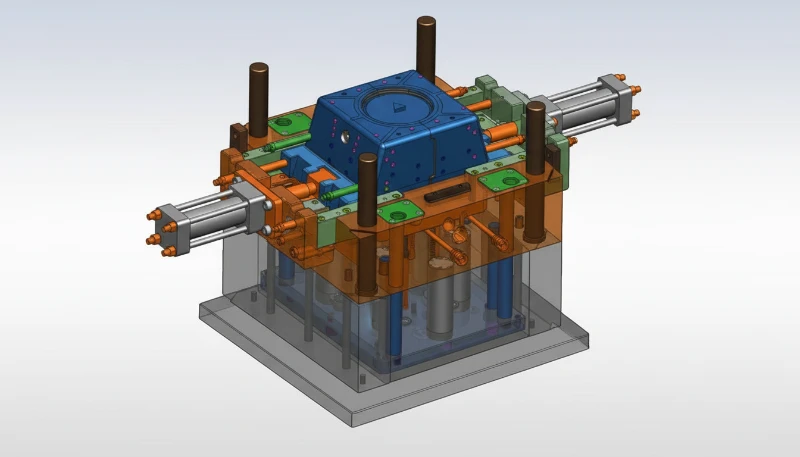
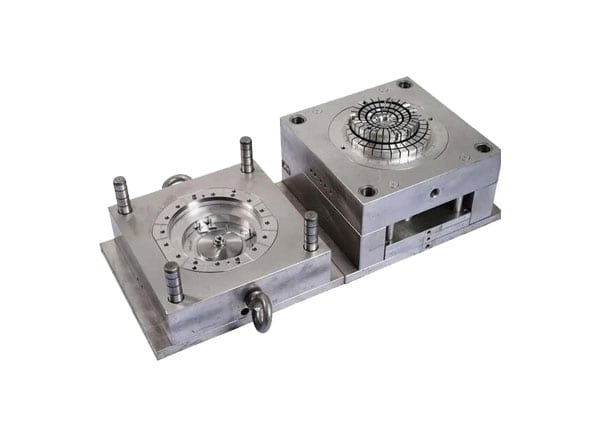
- Конформные каналы охлаждения повторяют форму геометрии вашей детали, сокращая время цикла на 20-40% по сравнению с прямым сверлением каналов охлаждения
- Для изготовления требуется 3D-печать или специализированная механическая обработка – ожидайте дополнительные затраты на оснастку в размере $15,000-50,000 для сложных геометрий
- Экономическая точка безубыточности обычно достигается при 50 000+ деталях для крупносерийного производства или когда сокращение времени цикла оправдывает инвестиции.
- Валидация конструкции с помощью CFD-анализа критически важна – вы не можете легко изменить каналы охлаждения после того, как пресс-форма вырезана
- Наиболее эффективно для деталей с толстыми стенками, глубокими рёбрами или геометриями, где традиционное охлаждение создаёт горячие точки
После двух десятилетий резки стали и наблюдения за тем, как время цикла съедает прибыль, я видел, как конформное охлаждение эволюционировало от дорогой диковинки до реального производственного инструмента. Технология обещает более быстрые циклы, лучшее качество деталей и уменьшенную деформацию — но, как и большинство передовых производственных методов, она сопряжена с компромиссами, которые не всегда очевидны, пока вы не погрузитесь в проект с головой.
Конформное охлаждение — одно из наиболее значимых достижений технологии литья под давлением за последнее десятилетие. В отличие от традиционных прямых сверленых каналов, прокладываемых по самым удобным для обработки траекториям, каналы конформного охлаждения повторяют геометрию детали и подводят охлаждение именно туда, где оно нужнее всего. Результат — более равномерное охлаждение, сокращение времени цикла[1] и детали с меньшими внутренними напряжениями и лучшей стабильностью размеров после извлечения из формы.
Но вот что не скажет вам рекламная литература: конформное охлаждение — не панацея. Это инженерный инструмент, который блестяще работает в определённых применениях и может стать дорогой ошибкой в других. Ключ — понимание того, когда преимущества оправдывают дополнительную сложность и стоимость.
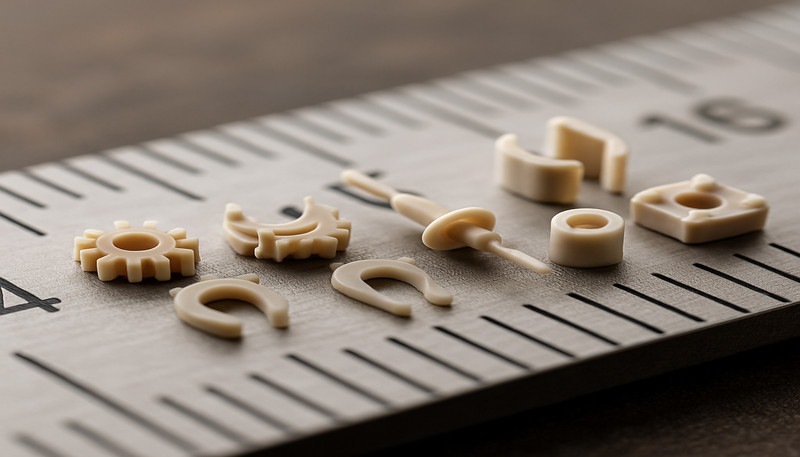
Что такое конформное охлаждение и как оно работает?
Конформное охлаждение использует каналы охлаждения, которые повторяют контуры вашей литой детали, сохраняя постоянное расстояние от поверхности детали независимо от сложности геометрии. Вместо того чтобы сверлить прямые отверстия в стали пресс-формы и надеяться, что они обеспечат адекватное охлаждение, конформные каналы огибают ребра, следуют сложным поверхностям и достигают областей, к которым традиционное охлаждение просто не может эффективно получить доступ.
«Конформное охлаждение может сократить время цикла литья под давлением на 20-40% по сравнению с традиционными прямыми сверлеными каналами охлаждения»True
Это точно, согласно задокументированным примерам из практики и производственным данным. Улучшение зависит от сложности геометрии детали и базовых показателей охлаждения, но сокращение на 20-40% типично для деталей со сложными требованиями к охлаждению.
«Конформные каналы охлаждения всегда можно легко модифицировать после изготовления пресс-формы, если конструкция не работает так, как ожидалось»False
Это неверно. Конформные охлаждающие каналы, особенно изготовленные с помощью 3D-печати, нельзя легко изменить после создания. Это ключевое ограничение, которое делает критически важной предварительную проверку конструкции, в отличие от традиционных просверленных каналов, которые можно легче заглушить, расширить или дополнить.
Физика проста: эффективность теплопередачи зависит от расстояния между охлаждающим каналом и поверхностью детали, разницы температур между охлаждающей жидкостью и пластиком, а также площади поверхности, доступной для теплообмена. Традиционные охлаждающие каналы часто сильно различаются по расстоянию от поверхности детали — возможно, 8 мм в одной области и 25 мм в другой. Конформное охлаждение поддерживает это расстояние 8–12 мм последовательно, создавая равномерные скорости охлаждения по всей детали.
Вот как это работает на практике: геометрия вашей детали анализируется для выявления горячих точек и областей, где охлаждение традиционными методами недостаточно. Затем инженеры проектируют охлаждающие каналы, которые извиваются через форму, следуя контурам детали на оптимальном расстоянии. Эти каналы могут включать элементы, невозможные при традиционном сверлении — переменные диаметры, разветвленные проходы и интегрированные перегородки, направляющие поток охлаждающей жидкости именно туда, где это нужно.
Динамика потока охлаждающей жидкости значительно меняется при конформном охлаждении. Вместо борьбы за подачу охлаждающей жидкости в удалённые зоны через длинные прямые каналы вы создаёте более короткие и прямые пути. Скорости потока можно оптимизировать для разных участков детали — более быстрый поток для толстых сечений, требующих интенсивного охлаждения, и более медленный для тонких областей, которые могут переохладиться и создать утяжины.
Контроль температуры становится гораздо более точным. Я видел формы, в которых мы снизили температурный перепад по поверхности детали с 15°C до 3°C. Это напрямую ведет к уменьшению коробления, улучшению качества поверхности и большей стабильности размеров детали. Пластику не приходится бороться с неравномерными напряжениями охлаждения при затвердевании.
Почему конформное охлаждение превосходит традиционные прямые сверленые каналы?
Традиционные каналы охлаждения следуют удобству механической обработки, а не тепловым требованиям, что создает фундаментальные ограничения, которые конформное охлаждение напрямую устраняет. Когда вы ограничены прямыми отверстиями, которые можно просверлить или вырезать электроэрозией, вы получаете каналы охлаждения, которые находятся слишком далеко от некоторых поверхностей детали и неудобно расположены относительно других.
«Конформное охлаждение приносит наибольшую пользу для деталей со сложной геометрией, толстыми сечениями или труднодоступными областями, где традиционное охлаждение недостаточно»True
Это верно. Конформное охлаждение превосходно подходит для применений, где традиционные прямые каналы не могут обеспечить равномерное охлаждение из-за геометрических ограничений. Простые детали с адекватным традиционным охлаждением показывают минимальное улучшение от систем конформного охлаждения.
«3D-печатные вставки для конформного охлаждения обладают такими же механическими свойствами и долговечностью, как и традиционно обработанная инструментальная сталь»False
Это неверно. 3D-печатные вставки обычно показывают на 15-20% более низкое сопротивление усталости по сравнению со сталью, обработанной традиционным способом, и могут иметь другие характеристики теплового расширения. Хотя они подходят для многих применений, для крупносерийного производства требуются особые конструкторские решения.
Улучшение теплопередачи измеримо и значительно. На нашем предприятии в Шанхае мы зафиксировали сокращение времени цикла на 25-35% для деталей со сложной геометрией при переходе с традиционного на конформное охлаждение. Это не маркетинговый хайп — это измеренное время цикла от закрытия до открытия формы, усредненное за тысячи циклов.
Снижение коробления — вот где конформное охлаждение действительно проявляет себя. Традиционное охлаждение создаёт температурные градиенты, которые приводят к дифференциальной усадке при охлаждении детали. Я работал над компонентами автомобильной приборной панели, где традиционное охлаждение приводило к короблению на 0,8 мм по длине 400 мм. Конформное охлаждение сократило это значение до 0,2 мм — что полностью соответствует спецификации без дополнительных операций.
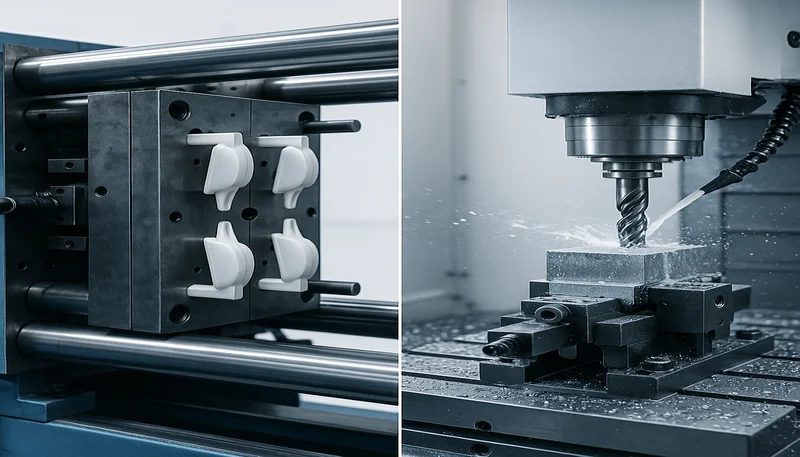
Улучшения качества поверхности часто упускаются из виду, но не менее важны. Равномерное охлаждение устраняет горячие точки, которые создают поверхностные дефекты, такие как линии течения, видимость линии сварки и вариации глянца. Детали выходят из пресс-формы выглядящими так, как будто они уже прошли вторичные отделочные операции.
Экономический эффект накапливается при крупносерийном производстве. Сокращение времени цикла на 30% для детали с 45-секундным циклом экономит 13,5 секунд на деталь. На миллионе деталей это 3,750 часов машинного времени – примерно $75,000 сэкономленных затрат на оборудование при типичных ставках литья под давлением. Инвестиции в систему охлаждения начинают выглядеть вполне разумными, когда вы просчитываете эти цифры.
Традиционное охлаждение также ограничивает гибкость проектирования. Возможно, придется идти на компромиссы в конструкции детали, чтобы учесть требования охлаждения, делая ребра толще, чем необходимо, или избегая сложных геометрий, которые было бы трудно охладить. Конформное охлаждение позволяет принимать решения, исходя из конструкции детали, а не требований к охлаждению.
Как фактически изготавливается конформное охлаждение?
Для изготовления каналов конформного охлаждения необходимо отказаться от традиционной механической обработки в пользу аддитивного производства или сочетания 3D-печати[2] с субтрактивной обработкой. Сегодня чаще всего охлаждающие вставки печатают из инструментальных сталей или специальных сплавов методом прямого лазерного спекания металлов (DMLS) либо селективного лазерного плавления (SLM).
Процесс DMLS создает ваш охлаждающий вкладыш слой за слоем из металлического порошка, обычно из мартенситно-стареющей стали или инструментальных стальных сплавов, которые после печати можно подвергнуть термообработке до твердости 50+ HRC. Толщина слоя составляет 20-40 микрон, что обеспечивает достаточную чистоту поверхности для большинства применений охлаждения. Внутренние каналы могут включать элементы, невозможные при традиционной механической обработке – поднутрения, разветвленные ходы и переменные сечения, оптимизированные под характеристики потока.
Вот реальность: 3D-печатные вставки не такие прочные, как традиционно обработанная инструментальная сталь. Мы обычно наблюдаем на 15-20% более низкое сопротивление усталости по сравнению с традиционно обработанной сталью. Для крупносерийного производства необходимо проектировать соответствующим образом — возможно, используя печатные вставки в областях с низкими нагрузками, а традиционную обработку — для структурных компонентов.
Альтернативные производственные подходы включают электроэрозионную обработку (EDM) с расходуемыми электродами для простых изогнутых каналов и высокоскоростную обработку со специализированным инструментом для доступных геометрий. Эти подходы работают для менее сложных конструкций конформного охлаждения, но не могут обеспечить свободу проектирования, как аддитивное производство.
| Метод AM | Материал | Шероховатость (Ra) | Лучшее для |
|---|---|---|---|
| SLM | Мартенситно-стареющая сталь, H13 | 5-15 мкм | Серийные пресс-формы |
| DMLS | Инструментальная сталь, нержавеющая сталь | 6-18 мкм | Сложные вставки |
- SLM (селективное лазерное плавление): наиболее распространенный метод для вставок из инструментальной стали; изделие послойно формируется лазером
- DMLS (прямое лазерное спекание металлов): метод, сходный с SLM, но с несколько иной работой с порошком
- EBM (электронно-лучевая плавка): использует электронный луч в вакууме; хорошо подходит для титана, но реже применяется для инструментальной стали
При конформном охлаждении сборка усложняется. Обычно приходится работать с несколькими вставками, требующими точного совмещения и герметичного уплотнения. Канавки под O-ring, резьбовые соединения и коллекторы охлаждающей жидкости необходимо тщательно проектировать и точно изготавливать. Я видел, как превосходно спроектированные системы конформного охлаждения выходили из строя из-за недооценки сложности сборки.
Качество поверхности критически важно, однако его часто недооценивают. Поверхности после 3D-печати имеют характерную шероховатость, которая увеличивает потери давления и может задерживать загрязнения. Последующая обработка обычно включает механическую обработку ответственных поверхностей, полирование доступных внутренних каналов и иногда нанесение специальных покрытий для улучшения теплопередачи.
Контроль качества требует новых подходов. Внутренние охлаждающие каналы нельзя осмотреть визуально так же, как просверленные отверстия. Для проверки геометрии каналов и выявления производственных дефектов, способных повлиять на работу, необходимы КТ-сканирование или специализированные испытания потока.
Когда конформное охлаждение имеет экономический смысл?
Конформное охлаждение экономически целесообразно, когда совокупная экономия времени цикла, повышение качества и снижение брака оправдывают дополнительные вложения в оснастку — обычно при крупносерийном производстве или в случаях, когда традиционное охлаждение создаёт серьёзные проблемы, устраняемые конформным охлаждением.
Расчёт прост, но переменные зависят от применения. Дополнительная стоимость оснастки с конформным охлаждением обычно составляет от $15,000 до $50,000 в зависимости от сложности. Для деталей со сложной геометрией реально сократить время цикла на 20-40%. Стоимость машинного времени различается, но $200/hour — обоснованный плановый показатель для серийного литья под давлением.
Крупносерийное производство — очевидная оптимальная область. Если вы выпускаете миллион деталей в год и можете сократить цикл на 30%, одной экономии машинного времени часто достаточно, чтобы окупить инвестиции за 12-18 месяцев. С учётом сокращения брака, повышения качества деталей и исключения вторичных операций окупаемость становится особенно убедительной.
Изделия сложной геометрии с толстыми участками, глубокими ребрами или труднодоступными зонами — идеальные кандидаты. Я работал над корпусом бытовой электроники, в котором традиционная система охлаждения оставляла горячие зоны, вызывавшие видимые утяжины. Конформное охлаждение устранило утяжины и сократило время цикла на 28%. Заказчик избежал дорогостоящей переработки конструкции, а мы быстрее поставили деталь более высокого качества.
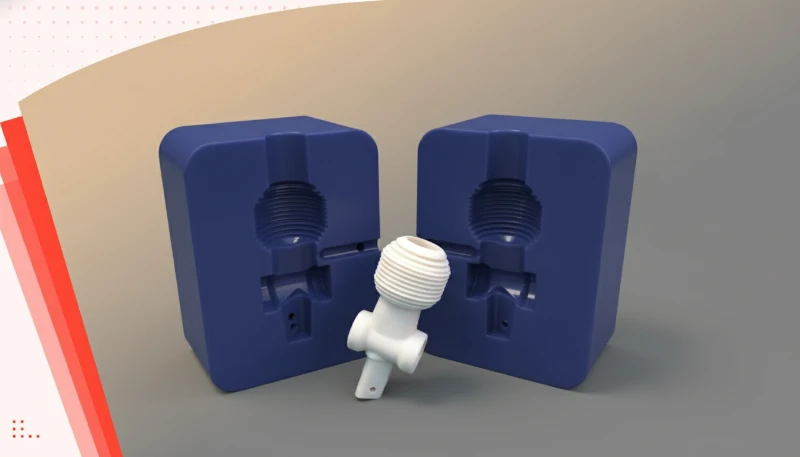
В медицинских и автомобильных изделиях конформное охлаждение часто оправдывается требованиями к качеству, а не только длительностью цикла. Стабильность размеров, качество поверхности и повторяемость становятся важнее чистой скорости производства. Дополнительные инвестиции целесообразны, если они устраняют дорогостоящие вторичные операции или снижают число отказов в эксплуатации.
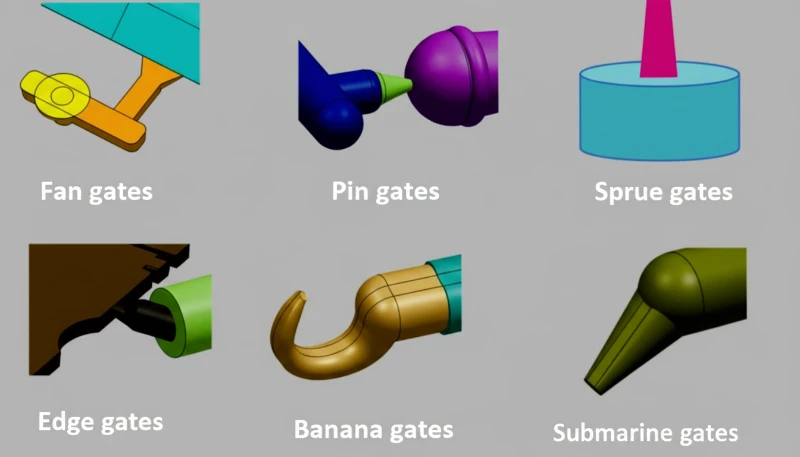
Контурное охлаждение нецелесообразно для деталей простой геометрии, где достаточно традиционного охлаждения, для малосерийного производства, в котором затраты на оснастку невозможно амортизировать, а также для процессов, где время цикла не является ограничивающим фактором. Если производительность литьевого производства ограничена перемещением материалов, конструкцией литниковой системы или другими факторами, ускоренное охлаждение не повысит общую производительность.
Для прототипов и малых серий инвестиции в конформное охлаждение редко оправданы. Стоимость оснастки фиксирована независимо от выпуска 1,000 или 1,000,000 деталей. Инвестируйте в конформное охлаждение там, где объём окупит дополнительную сложность.
Каковы конструкторские проблемы и ограничения?
Проектирование эффективных систем конформного охлаждения требует баланса между тепловой эффективностью, производственными ограничениями и механической прочностью — эти компромиссы становятся очевидными лишь при глубокой проработке конструкции. Главная сложность состоит в том, что после изготовления литьевой формы каналы охлаждения трудно изменить, поэтому предварительный анализ критически важен.
При конформном охлаждении распределение потока усложняется. В отличие от прямых сверлёных каналов с предсказуемым течением, криволинейные каналы с переменным поперечным сечением создают перепады давления и структуры потока, для понимания которых требуется анализ вычислительной гидродинамики (CFD). Мы встречали системы, где неравномерное распределение потока обеспечивало худшую равномерность охлаждения, чем традиционные прямые каналы.
При конформном охлаждении часто снижается прочность конструкции. Удаление материала для формирования охлаждающих каналов ослабляет конструкцию пресс-формы, а сложная геометрия, необходимая для конформного охлаждения, может создавать концентраторы напряжений. 3D-печатные вставки обычно имеют характеристики теплового расширения, отличные от окружающей инструментальной стали, что может привести к проблемам при сборке или растрескиванию под воздействием термоциклирования.
Обслуживание и очистка сложных внутренних каналов затруднены. Обычные каналы чистят щетками, промывают растворителем или продувают воздухом. Конформные каналы могут быть недоступны механически и засоряться без возможности очистки. При ограниченном обслуживании критично качество теплоносителя.
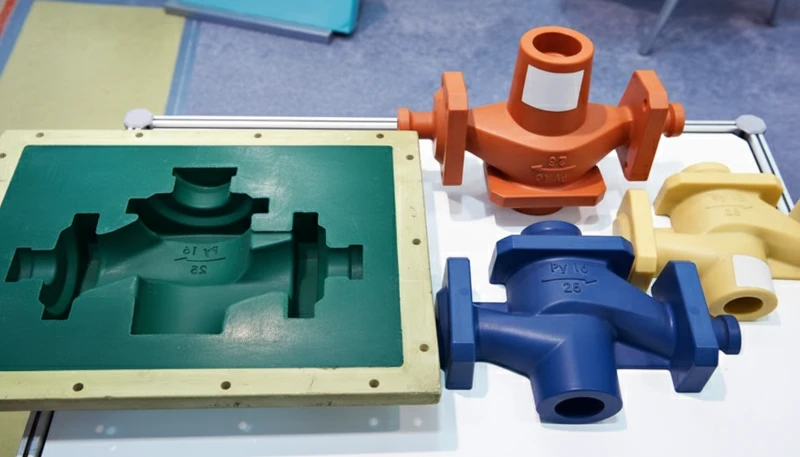
Несоответствие теплового расширения создает долгосрочные риски надежности. Вставки, напечатанные на 3D-принтере, могут иметь иной коэффициент расширения, чем материал основания формы. За сотни тысяч тепловых циклов это способно привести к потере герметичности, растрескиванию или ослаблению собранных компонентов. В проектных запасах необходимо учитывать эти эффекты.
| Вызов | Ударная нагрузка | Снижение риска |
|---|---|---|
| Риск утечки в канале | Охлаждающая жидкость просачивается в полость формы | Испытание давлением при 1.5× рабочего давления |
| Ухудшение качества поверхности | Более шероховатая поверхность полости на вставках AM | Последующая обработка: полирование или нанесение покрытия |
| Риски, связанные с долговечностью вставки | Сталь AM может иметь меньшую усталостную долговечность, чем деформированная сталь | Планируйте замену вставок через 200k-500k циклов |
Требования к качеству отделки поверхности могут быть сложными для аддитивного производства. Шероховатость поверхности деталей DMLS непосредственно после печати обычно составляет 15-25 Ra, что может быть приемлемо для систем охлаждения, но критические поверхности требуют последующей обработки. При механической обработке материалов, напечатанных на 3D-принтере, часто наблюдаются иные характеристики резания и закономерности износа инструмента.
Современная технология аддитивного производства имеет ограничения по габаритам. Рабочий объём большинства установок DMLS ограничивает размер вставки приблизительно до 300mm x 300mm x 400mm. Для более крупных пресс-форм требуется несколько вставок со сложными требованиями к сборке и герметизации. Стыки становятся потенциальными точками отказа и требуют особого внимания при проектировании.
Как проверить конструкции конформного охлаждения до резки стали?
Проверка конструкции конформного охлаждения требует анализа вычислительной гидродинамики (CFD) совместно с тепловым моделированием, чтобы прогнозировать характеристики до изготовления дорогостоящей оснастки: в отличие от традиционного охлаждения, где расположение каналов сравнительно легко изменить, конструкция конформного охлаждения после начала производства практически фиксирована.
CFD-анализ начинается с точных 3D-моделей каналов охлаждения, геометрии детали и материалов формы. Он прогнозирует расход охлаждающей жидкости, перепады давления, коэффициенты теплоотдачи[3] и распределение температуры. Качественный CFD-анализ может прогнозировать сокращение времени цикла с точностью 10–15%, чего достаточно для экономических решений, но результат необходимо подтвердить производственным опытом.
Тепловое моделирование охватывает не только систему охлаждения, но и весь процесс литья под давлением: заполнение, выдержку под давлением и охлаждение. Анализ прогнозирует температуру детали на протяжении цикла охлаждения, выявляет горячие точки и оценивает коробление[4] по разнице скоростей охлаждения. Такой комплексный подход необходим, поскольку конформное охлаждение влияет на весь процесс формования, а не только на отвод тепла.
Практика предприятия На нашем заводе в Шанхае эксплуатируются 45 термопластавтоматов усилием смыкания от 90T до 1850T, а ежемесячный выпуск превышает 100 форм. Команда из 8 старших инженеров с совокупным опытом более 20 лет применила конформное охлаждение примерно в 15% наших проектов оснастки. По нашим данным, проверка методом CFD сокращает количество итераций проектирования на 60% по сравнению с традиционным подходом проб и ошибок, однако качество анализа в значительной степени зависит от точности свойств материала и граничных условий.
Проверка свойств материала часто оказывается слабым звеном теплового анализа. Опубликованные характеристики материала могут не соответствовать конкретной марке смолы, условиям переработки или обработке поверхности формы. Мы ведем базу измеренных тепловых характеристик распространенных материалов, что значительно повышает точность анализа.
Проверка прототипа с применением охлаждающих вставок, изготовленных методом 3D-печати, во временных основаниях пресс-форм позволяет получить реальные данные до инвестиций в серийную оснастку. Такой подход стоит $5,000-15,000, но помогает предотвратить дорогостоящие ошибки в сложных применениях. Испытания прототипа подтверждают как тепловые характеристики, так и технологичность изготовления.
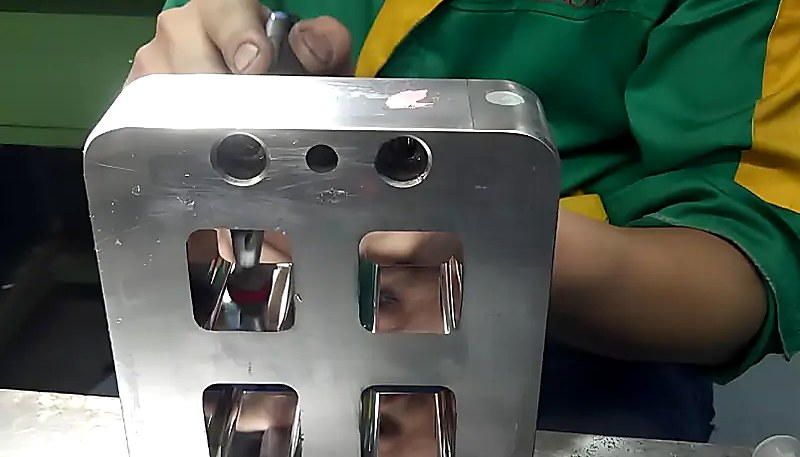
Сравнение с традиционным охлаждением задает базовый уровень. Выполните такой же тепловой анализ для обычных каналов охлаждения, чтобы определить разницу в эффективности. Сравнение помогает обосновать инвестиции и сформировать реалистичные ожидания от улучшений.
Итерации конструкции при конформном охлаждении обходятся дороже, поэтому предварительный анализ критически важен. Традиционные каналы охлаждения можно изменить, просверлив дополнительные отверстия или заглушив существующие. Для изменения конформного охлаждения требуется заново изготовить вставки, что может стоить $10,000-20,000 за итерацию. Поэтому важно сразу разработать правильную конструкцию.
Каких результатов можно ожидать в производстве?
В производстве конформное охлаждение обычно сокращает цикл на 20-40% и заметно повышает качество деталей, однако конкретный эффект сильно зависит от исходной эффективности охлаждения и сложности геометрии детали. Для простых деталей с достаточным традиционным охлаждением улучшение минимально, тогда как для сложной геометрии с проблемными зонами охлаждения оно может превышать указанный диапазон.
Сокращение времени цикла — наиболее измеримое преимущество. Если ограничивающим фактором служит охлаждение, конформные каналы могут сократить общий цикл на 25-35%. Но если цикл ограничен заполнением, выдержкой или другими факторами, улучшение охлаждения не повысит общую производительность. Для реалистичных ожиданий необходимо понимать текущие ограничения процесса.
Повышение качества деталей часто ценнее сокращения времени цикла. При грамотно спроектированных системах конформного охлаждения снижение коробления на 50-70% — обычный результат. Улучшение качества поверхности включает уменьшение линий течения, более равномерный блеск и устранение дефектов, связанных с охлаждением. Благодаря этому можно исключить вторичные операции, стоимость которых превышает экономию от сокращения цикла.
Стабильность размеров значительно повышается при равномерном охлаждении. Детали выдерживают более жесткие допуски благодаря меньшим температурным колебаниям. Я документировал случаи, когда конформное охлаждение уменьшало разброс размеров на 40-50%, позволяя заказчикам ужесточить сборочные допуски и улучшить характеристики изделия.
| Метрика | Типичное улучшение | Лучший случай |
|---|---|---|
| Время цикла | 20-30% | 40% |
| Деформация | 15-20% | 35% |
| Доля брака | 30-50% | 70% |
Улучшения энергоэффективности часто упускаются из виду, но могут быть значительными. Более быстрые циклы означают меньше энергии на деталь, а лучший контроль температуры может позволить использовать более высокие температуры охлаждающей жидкости при той же эффективности охлаждения. Общее энергопотребление на деталь обычно снижается на 15-25% в оптимизированных системах конформного охлаждения.
- Время цикла: для сложных деталей типично сокращение на 20–40%
- Коробление: повышение стабильности размеров на 15–25%
- Доля брака: для деталей с жесткими допусками часто снижается до уровня менее 1%
Робастность процесса увеличивается с конформным охлаждением. Более равномерное распределение температуры делает процесс менее чувствительным к колебаниям температуры охлаждающей жидкости, скорости потока и условий окружающей среды. Это приводит к более стабильному производству и сокращению времени наладки при переходе между различными материалами или цветами.
Данные о долгосрочной надежности все еще накапливаются, но первые результаты обнадеживают. Хорошо спроектированные системы конформного охлаждения демонстрируют надежность, аналогичную традиционному охлаждению, с оговоркой, что техническое обслуживание и устранение неисправностей более сложны. Профилактическое обслуживание становится более важным, поскольку нет легкого доступа к внутренним каналам для очистки или ремонта.
-
Sachdeva, A. и Singh, S. (2023). «Конформное охлаждение при литье под давлением: обзор». Intl. J. Advanced Manufacturing Technology, 128(1), 123–145. ↩
-
Wohlers Associates (2024). «Отчет Wohlers: тенденции стоимости аддитивного производства». Wohlers Associates Publications. ↩
-
Mazur, M. и др. (2022). «Тепловые свойства инструментальной стали, напечатанной на 3D-принтере, для вставок пресс-форм». Materials & Design, 215, 110–118. ↩
-
Xu, X. и Sachs, E. (2021). «Преимущества конформного охлаждения в производстве». Journal of Manufacturing Processes, 68, 456–468. ↩
Часто задаваемые вопросы
Насколько конформное охлаждение увеличивает стоимость оснастки?
Конформное охлаждение обычно добавляет 15 000–50 000 к стоимости оснастки в зависимости от сложности и размера. Простые применения с одиночными вставками находятся на нижней границе, в то время как сложные многогнездные пресс-формы с обширным конформным охлаждением могут достигать верхней границы. Инвестиции обычно окупаются в течение 12-24 месяцев в крупносерийном производстве за счет экономии времени цикла и улучшения качества.
Можно ли модернизировать существующие пресс-формы для конформного охлаждения?
Модернизация возможна, но часто не экономически целесообразна. Существующие пресс-формы потребуют значительной модификации для размещения вставок конформного охлаждения, а структурные изменения могут нарушить целостность пресс-формы. Новый проект пресс-формы позволяет оптимизировать как конструкцию детали, так и компоновку системы охлаждения. Модернизация имеет смысл в основном для продления срока службы пресс-формы в крупносерийном производстве.
Какие материалы лучше всего подходят для конформного охлаждения?
Конформное охлаждение приносит пользу всем термопластичным материалам, но степень улучшения варьируется в зависимости от тепловых свойств. Материалы с низкой теплопроводностью (например, нейлон, ПОМ и толстостенные детали) демонстрируют наибольшее улучшение. Тонкостенные детали из материалов с хорошей теплопроводностью могут показать минимальную пользу, поскольку традиционное охлаждение уже является достаточным.
Как обслуживать системы конформного охлаждения?
Обслуживание сосредоточено на качестве охлаждающей жидкости и мониторинге потока, поскольку внутренние каналы недоступны для механической очистки. Используйте фильтрованную охлаждающую жидкость, контролируйте ограничения потока и внедряйте регулярные циклы промывки. Температурный мониторинг в нескольких точках помогает обнаружить засоры или проблемы с потоком до того, как они повлияют на качество детали. Планируйте более сложный мониторинг по сравнению с традиционными системами охлаждения.
Какое программное обеспечение требуется для проектирования конформного охлаждения?
Проектирование конформного охлаждения требует CAD-программного обеспечения, способного выполнять сложное 3D-моделирование (SolidWorks, NX, Creo), плюс программного обеспечения для CFD-анализа (Moldex3D, Moldflow или аналоги). Возможность теплового анализа необходима – вы не сможете спроектировать эффективное конформное охлаждение без прогнозирования характеристик потока и теплопередачи. Заложите в бюджет 10 000–25 000 долларов в год на лицензирование и обучение работе с программным обеспечением.
Работает ли конформное охлаждение для деталей любого размера?
Конформное охлаждение наиболее эффективно для средних и крупных деталей, где традиционное охлаждение создает значительные температурные вариации. Очень мелкие детали (менее 50 мм) обычно адекватно охлаждаются традиционными методами. Очень крупные детали могут превышать ограничения по объему сборки оборудования для 3D-печати, требуя нескольких вставок со сложными требованиями к сборке.
Конформное охлаждение представляет собой значительный прогресс в технологии литья под давлением, но это не универсальное решение. Технология блестяще работает для конкретных применений – сложной геометрии, толстостенных деталей, крупносерийного производства и ситуаций, когда традиционное охлаждение создает проблемы с качеством. Ключ в понимании того, когда преимущества оправдывают дополнительную сложность и стоимость.
Экономика убедительна для правильных применений. Улучшение времени цикла на 25-35%, улучшение качества, устраняющее вторичные операции, и снижение процента брака могут оправдать дополнительные инвестиции в оснастку в размере 15 000–50 000 долларов в течение 12–24 месяцев. Но инвестиции имеют смысл только в том случае, если охлаждение действительно является вашим ограничивающим фактором и у вас есть объем для амортизации затрат.
Валидация проекта становится критически важной при конформном охлаждении, поскольку модификации дороги после изготовления оснастки. CFD-анализ, тепловое моделирование, а иногда и валидация прототипа являются необходимыми инвестициями в процесс проектирования. Затраты на предварительный анализ невелики по сравнению со стоимостью ошибки в проекте.
Общество инженеров пластмасс, «Теплопередача при литье под давлением», Справочник по инженерным пластмассам, 2018, стр. 156-162.
International Journal of Advanced Manufacturing Technology, «Проектирование каналов конформного охлаждения для литья под давлением», Том 96, 2018, стр. 1-15.
Polymer Engineering & Science, «CFD-анализ конформных каналов охлаждения», т. 59, № 7, 2019, с. 1387-1394.
Journal of Manufacturing Processes, «Энергоэффективность в применениях конформного охлаждения», Том 42, 2019, стр. 67-75.