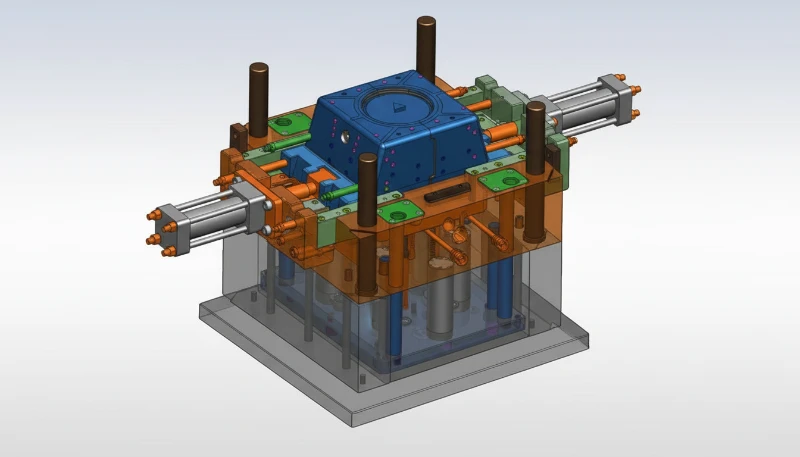
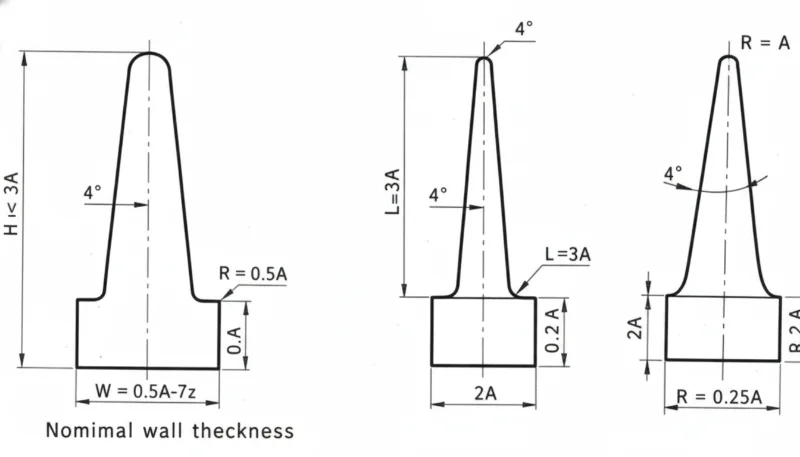
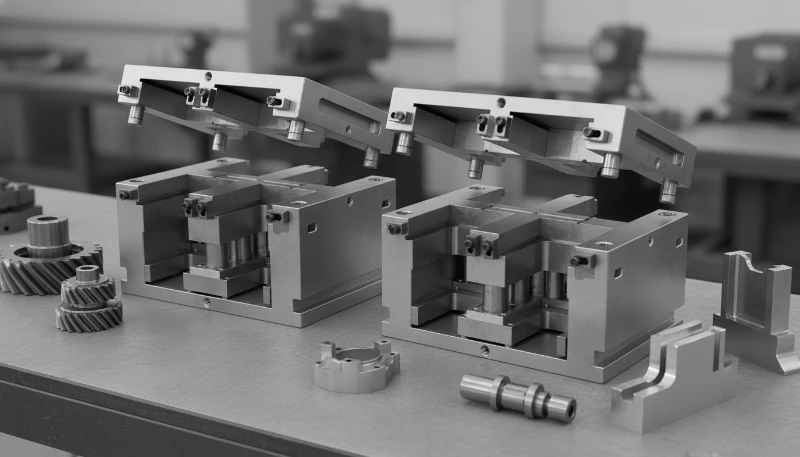
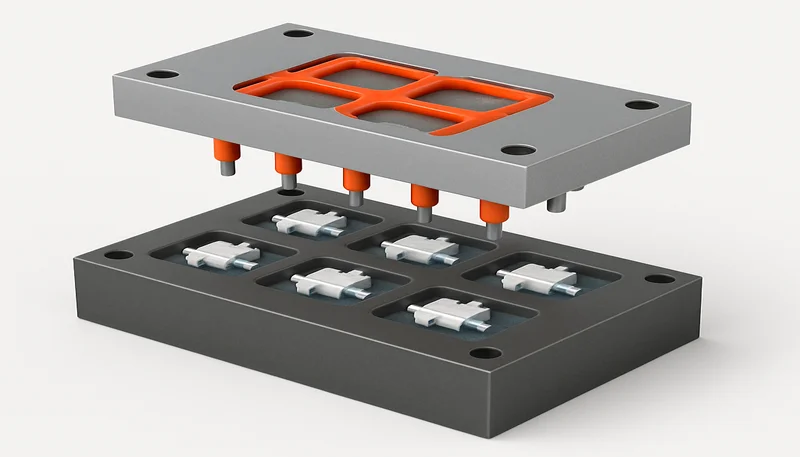
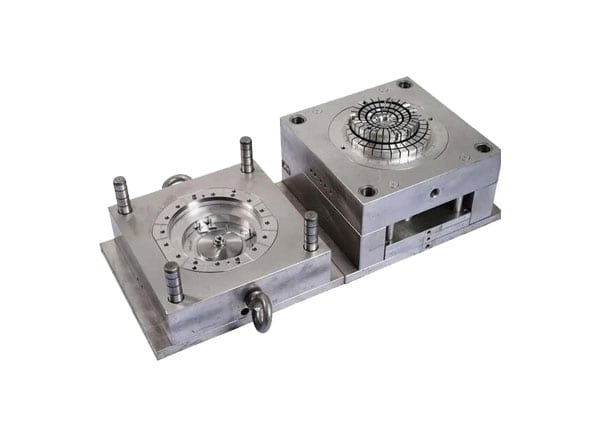
- Les canaux de refroidissement conformes suivent la forme de la pièce et réduisent les temps de cycle de 20-40% par rapport aux canaux percés droits
- La fabrication nécessite une impression 3D ou un usinage spécialisé – prévoyez $15,000-50,000 de coûts d’outillage supplémentaires pour les géométries complexes
- Le seuil de rentabilité se situe généralement à 50,000+ pièces pour les grands volumes ou lorsque la réduction du cycle justifie l'investissement
- La validation de la conception par analyse CFD est essentielle – les canaux de refroidissement se modifient difficilement une fois le moule usiné
- Particulièrement efficace pour les pièces à parois épaisses, les nervures profondes ou les géométries où le refroidissement traditionnel crée des points chauds
Après vingt ans passés à usiner de l’acier et à voir les temps de cycle rogner les marges, j’ai vu le refroidissement conforme passer d’une curiosité coûteuse à un véritable outil de production. Cette technologie promet des cycles plus courts, une meilleure qualité des pièces et moins de déformation – mais, comme la plupart des techniques de fabrication avancées, elle implique des compromis qui n’apparaissent pas toujours avant d’être profondément engagé dans le projet.
Le refroidissement conforme représente l’une des avancées les plus importantes de la technologie du moulage par injection au cours de la dernière décennie. Contrairement aux circuits de refroidissement traditionnels percés en ligne droite, qui suivent les trajectoires d’usinage les plus simples, les circuits conformes épousent la géométrie de votre pièce et placent le refroidissement exactement là où il est le plus nécessaire. Résultat : un refroidissement plus uniforme, des temps de cycle[1] réduits et des pièces démoulées avec moins de contraintes et une meilleure stabilité dimensionnelle.
Mais voici ce que les brochures commerciales ne vous diront pas : le refroidissement conforme n’est pas une solution miracle. C’est un outil d’ingénierie qui fonctionne remarquablement bien dans certaines applications et peut constituer une erreur coûteuse dans d’autres. L’essentiel est de comprendre quand les avantages justifient la complexité et le coût supplémentaires.
Qu’est-ce que le refroidissement conforme et comment fonctionne-t-il ?
Le refroidissement conforme utilise des canaux qui suivent les contours de la pièce moulée et restent à une distance constante de sa surface, quelle que soit la complexité de la géométrie. Au lieu de percer des trous droits dans l’acier du moule en espérant un refroidissement suffisant, les canaux conformes contournent les nervures, épousent les surfaces complexes et atteignent des zones auxquelles le refroidissement traditionnel ne peut accéder efficacement.
« Le refroidissement conforme peut réduire les cycles de moulage par injection de 20-40% par rapport aux canaux de refroidissement droits percés traditionnels »True
Cette affirmation est exacte d’après des études de cas documentées et des données de production. L’amélioration dépend de la complexité géométrique de la pièce et des performances initiales du refroidissement, mais une réduction de 20-40% est courante pour les pièces aux besoins de refroidissement difficiles.
“Les canaux de refroidissement conformes peuvent toujours être facilement modifiés après la fabrication du moule si la conception ne fonctionne pas comme prévu”False
C'est faux. Les canaux de refroidissement conformes, en particulier ceux fabriqués par impression 3D, ne peuvent pas être facilement modifiés une fois créés. Cette limitation majeure rend indispensable la validation initiale de la conception, contrairement aux canaux percés traditionnels qui peuvent être obturés, agrandis ou complétés plus facilement.
La physique est simple : l’efficacité du transfert thermique dépend de la distance entre votre canal de refroidissement et la surface de la pièce, de l’écart de température entre le fluide de refroidissement et le plastique, et de la surface disponible pour l’échange thermique. La distance des canaux de refroidissement traditionnels par rapport à la surface de la pièce varie souvent considérablement : peut-être 8mm dans une zone et 25mm dans une autre. Le refroidissement conforme maintient constamment cette distance entre 8-12mm, assurant des vitesses de refroidissement uniformes sur toute la pièce.
Voici comment cela fonctionne en pratique : la géométrie de votre pièce est analysée afin d’identifier les points chauds et les zones insuffisamment refroidies par les méthodes traditionnelles. Les ingénieurs conçoivent ensuite des canaux de refroidissement qui serpentent dans le moule en suivant les contours de la pièce à une distance optimale. Ces canaux peuvent intégrer des formes impossibles à percer traditionnellement : diamètres variables, passages ramifiés et déflecteurs intégrés dirigeant précisément le fluide de refroidissement.
La dynamique d’écoulement du fluide change fortement avec le refroidissement conforme. Au lieu d’acheminer difficilement le fluide vers des zones éloignées par de longs passages droits, les trajets deviennent plus courts et directs. Le débit peut être optimisé par zone : plus rapide dans les sections épaisses exigeant un refroidissement intense, plus lent dans les zones minces susceptibles d’être trop refroidies et de présenter des retassures.
La régulation de la température devient beaucoup plus précise. J’ai vu des moules où nous avons réduit la variation de température sur la surface de la pièce de 15°C à 3°C. Cela réduit directement le gauchissement, améliore la qualité de surface et rend les dimensions plus régulières. Le plastique ne subit plus autant les contraintes dues à un refroidissement inégal pendant sa solidification.
Pourquoi le refroidissement conforme surpasse-t-il les canaux droits percés traditionnels ?
Les canaux de refroidissement traditionnels suivent les contraintes d’usinage plutôt que les besoins thermiques, ce qui crée des limites fondamentales auxquelles le refroidissement conforme répond directement. Lorsque vous êtes limité à des trous droits réalisables par perçage ou électroérosion, certains canaux se retrouvent trop éloignés de certaines surfaces de la pièce et mal positionnés par rapport à d’autres.
« Le refroidissement conforme apporte le plus grand bénéfice aux pièces de géométrie complexe, aux sections épaisses ou aux zones difficiles d'accès où le refroidissement traditionnel est insuffisant »True
C’est vrai. Le refroidissement conforme excelle lorsque les contraintes géométriques empêchent des canaux droits de refroidir uniformément. Les pièces simples correctement refroidies par des canaux classiques en tirent peu d’amélioration.
“Les inserts de refroidissement conforme imprimés en 3D ont les mêmes propriétés mécaniques et la même durabilité que l'acier à outils usiné traditionnellement”False
C’est faux. Les inserts imprimés en 3D présentent généralement une résistance à la fatigue inférieure de 15-20% à celle de l’acier fabriqué selon des procédés conventionnels et peuvent avoir des caractéristiques de dilatation thermique différentes. Bien qu’ils conviennent à de nombreuses applications, ils exigent des considérations de conception pour la production en grande série.
L’amélioration du transfert thermique est mesurable et importante. Dans notre usine de Shanghai, le passage du refroidissement classique au conforme a réduit de 25-35% le cycle des pièces à géométrie complexe. Ce n’est pas un argument commercial : il s’agit du temps mesuré entre fermeture et ouverture du moule, moyenné sur des milliers de cycles.
Le refroidissement conforme excelle surtout dans la réduction du gauchissement. Le refroidissement classique crée des gradients de température qui entraînent un retrait différentiel. Sur des éléments de tableau de bord automobile, j’ai constaté 0.8mm de gauchissement sur 400mm avec un refroidissement classique. Le refroidissement conforme l’a ramené à 0.2mm, largement dans les spécifications sans opération secondaire.
Les améliorations de la qualité de surface sont souvent négligées, mais elles sont tout aussi importantes. Un refroidissement uniforme élimine les points chauds qui créent des défauts de surface tels que les lignes d’écoulement, la visibilité des lignes de soudure et les variations de brillance. Les pièces sortent du moule comme si elles avaient déjà subi des opérations de finition secondaire.
L’impact économique se cumule en production de grande série. Une réduction de 30% du temps de cycle d’une pièce dont le cycle dure 45 secondes permet d’économiser 13.5 secondes par pièce. Sur un million de pièces, cela représente 3,750 heures machine — soit environ $75,000 de coûts machine économisés aux tarifs habituels du moulage par injection. Au vu de ces chiffres, l’investissement dans le système de refroidissement devient tout à fait raisonnable.
Le refroidissement traditionnel limite aussi la liberté de conception. Vous pouvez épaissir inutilement les nervures ou éviter des géométries complexes pour satisfaire ses contraintes. Le refroidissement conforme permet à la conception de la pièce, plutôt qu’au refroidissement, de guider les décisions.
Comment le refroidissement conforme est-il réellement fabriqué ?
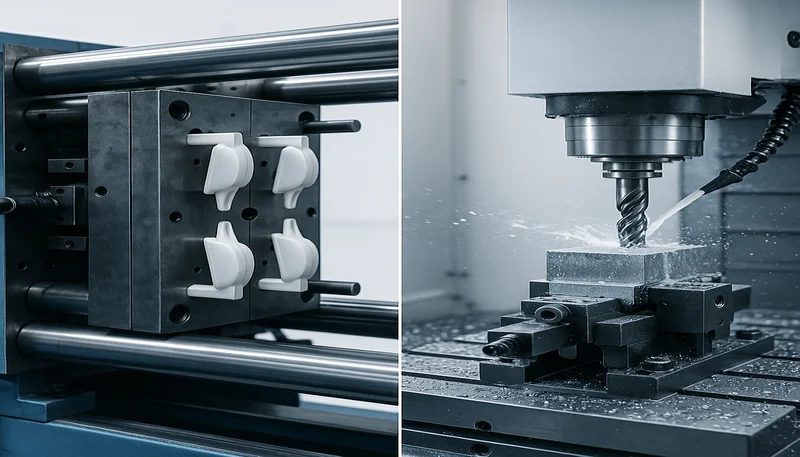
La fabrication de circuits de refroidissement conformes exige d’abandonner les méthodes d’usinage traditionnelles au profit de la fabrication additive ou de techniques soustractives associées à l’impression 3D[2]. Aujourd’hui, l’approche la plus courante consiste à imprimer en 3D les inserts de refroidissement par frittage laser direct de métal (DMLS) ou fusion sélective par laser (SLM), dans des aciers à outils ou des alliages spécialisés.
Le procédé DMLS construit l’insert de refroidissement couche par couche à partir de poudre métallique, généralement un acier maraging ou un acier à outils pouvant être traité à 50+ HRC après impression. L’épaisseur de couche de 20-40 microns offre un état de surface suffisant pour la plupart des applications. Les canaux internes peuvent intégrer des formes impossibles à usiner traditionnellement : contre-dépouilles, ramifications et sections variables optimisées pour l’écoulement.
Voici la réalité : les inserts imprimés en 3D ne sont pas aussi robustes que l’acier à outils usiné de manière traditionnelle. Nous constatons généralement une résistance à la fatigue inférieure de 15-20% à celle de l’acier transformé par des procédés classiques. Pour la production en grande série, la conception doit en tenir compte — par exemple en utilisant des inserts imprimés dans les zones peu sollicitées et un usinage classique pour les composants structurels.
Les autres méthodes de fabrication comprennent l’usinage par électroérosion (EDM) avec des électrodes sacrificielles pour les canaux courbes simples, ainsi que l’usinage à grande vitesse avec des outils spécialisés pour les géométries accessibles. Ces méthodes conviennent aux conceptions de refroidissement conforme moins complexes, mais n’offrent pas la liberté de conception de la fabrication additive.
| Méthode AM | Matériau | Rugosité (Ra) | Meilleur pour |
|---|---|---|---|
| SLM | Acier maraging, H13 | Plage de 5-15 μm | Moules de production |
| DMLS | Acier à outils, acier inoxydable | Plage : 6-18 μm | Inserts complexes |
- SLM (fusion sélective par laser) : procédé le plus courant pour les inserts en acier à outils ; fabrication couche par couche au moyen d’un laser
- DMLS (frittage laser direct de métal) : procédé similaire à la SLM, avec une gestion de poudre légèrement différente
- EBM (fusion par faisceau d’électrons) : utilise un faisceau d’électrons sous vide ; bien adapté au titane, mais moins courant pour l’acier à outils
Le refroidissement conforme complexifie l’assemblage. Plusieurs inserts doivent généralement être alignés avec précision et rendus étanches. Les gorges de joints toriques, raccords filetés et collecteurs de fluide exigent tous une conception soignée et une fabrication précise. J’ai vu d’excellents systèmes de refroidissement conforme échouer parce que leur complexité d’assemblage avait été sous-estimée.
La finition de surface est critique et souvent sous-estimée. Les surfaces imprimées en 3D présentent une rugosité intrinsèque qui augmente la perte de charge et peut retenir des débris. Le post-traitement comprend généralement l’usinage des surfaces critiques, le polissage des passages internes accessibles et parfois l’application de revêtements spécialisés pour améliorer le transfert thermique.
Le contrôle qualité exige de nouvelles méthodes. Contrairement aux trous percés, les canaux de refroidissement internes ne peuvent pas être inspectés visuellement. La tomodensitométrie ou des essais d’écoulement spécialisés deviennent nécessaires pour vérifier leur géométrie et détecter les défauts de fabrication susceptibles d’altérer les performances.
Quand le refroidissement conforme devient-il économiquement pertinent ?
Le refroidissement conforme est économiquement pertinent lorsque la combinaison des gains de temps de cycle, des améliorations de qualité et de la réduction des rebuts justifie l’investissement supplémentaire dans l’outillage – généralement pour la production en grande série ou les applications où le refroidissement traditionnel crée des problèmes importants que le refroidissement conforme peut résoudre.
Le calcul est simple, mais les variables dépendent de l’application. Les coûts d’outillage supplémentaires pour le refroidissement conforme varient généralement de $15,000 à $50,000 selon la complexité. Des réductions de temps de cycle de 20-40% sont réalistes pour les pièces aux géométries difficiles. Le coût du temps machine varie, mais $200/hour constitue une valeur de planification raisonnable pour les opérations de moulage par injection à l’échelle de la production.
La production en grande série est le terrain idéal évident. Si vous produisez un million de pièces par an et pouvez réduire le temps de cycle de 30%, les seules économies de temps machine justifient souvent l’investissement en 12-18 months. Ajoutez la réduction des rebuts, l’amélioration de la qualité des pièces et la suppression des opérations secondaires, et le retour sur investissement devient convaincant.
Les géométries complexes comportant des sections épaisses, des nervures profondes ou des zones difficiles d’accès sont des candidates idéales. J’ai travaillé sur un boîtier d’électronique grand public où le refroidissement traditionnel laissait des points chauds qui provoquaient des retassures visibles. Le refroidissement conforme a supprimé ces retassures et réduit le temps de cycle de 28%. Le client a évité une reconception coûteuse et nous avons livré plus rapidement une pièce de meilleure qualité.
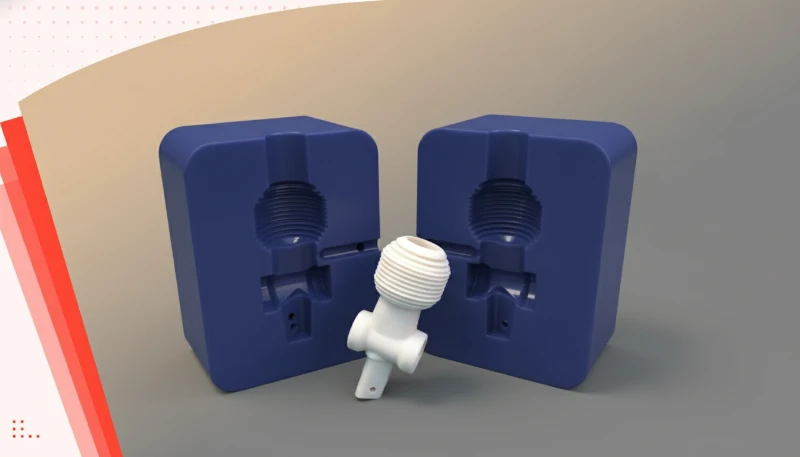
Les applications médicales et automobiles justifient souvent le refroidissement conforme par les exigences qualité, pas seulement par le cycle. Stabilité dimensionnelle, état de surface et régularité priment alors sur la vitesse brute. L’investissement est pertinent s’il supprime des opérations secondaires coûteuses ou réduit les défaillances sur le terrain.
Le refroidissement conforme n’est pas pertinent pour les géométries simples suffisamment refroidies par des circuits classiques, les faibles volumes qui ne permettent pas d’amortir le coût d’outillage ou les applications où le cycle n’est pas le facteur limitant. Si la production est limitée par la manutention des matières, la conception des canaux ou d’autres facteurs, un refroidissement plus rapide n’améliorera pas la productivité globale.
Le prototypage et la production en petites séries justifient rarement un investissement dans le refroidissement conforme. Les coûts d’outillage restent fixes, que vous fabriquiez 1 000 ou 1 000 000 de pièces. Concentrez les investissements en refroidissement conforme sur les volumes capables d’amortir cette complexité supplémentaire.
Quels sont les défis et les limites de conception ?
La conception d’un système de refroidissement conforme efficace exige de trouver un équilibre entre performances thermiques, contraintes de fabrication et intégrité mécanique — des compromis qui ne deviennent évidents qu’à un stade avancé de la conception. La principale difficulté tient au fait que les circuits de refroidissement sont difficiles à modifier une fois le moule d’injection fabriqué, d’où l’importance cruciale de l’analyse en amont.
La distribution du débit devient complexe avec le refroidissement conforme. Contrairement aux canaux droits percés, dont l’écoulement est prévisible, les passages courbes à sections variables créent des pertes de charge et des régimes d’écoulement qui nécessitent une analyse de dynamique des fluides numérique (CFD). J’ai vu des systèmes où une mauvaise répartition du débit produisait un refroidissement moins uniforme que des canaux droits traditionnels.
L’intégrité structurelle est souvent compromise par le refroidissement conforme. Le retrait de matière nécessaire à la création des canaux de refroidissement affaiblit la structure du moule, et les géométries complexes requises peuvent créer des concentrations de contraintes. Les inserts imprimés en 3D présentent généralement des caractéristiques de dilatation thermique différentes de celles de l’acier à outils environnant, ce qui peut provoquer des problèmes d’assemblage ou des fissures lors des cycles thermiques.
La maintenance et le nettoyage se compliquent avec des passages internes complexes. Les canaux de refroidissement classiques se nettoient avec des brosses, par rinçage au solvant ou à l’air comprimé. Les canaux conformes peuvent être inaccessibles au nettoyage mécanique et subir des obstructions impossibles à éliminer. La qualité du fluide caloporteur devient critique lorsque le circuit est difficile à entretenir.
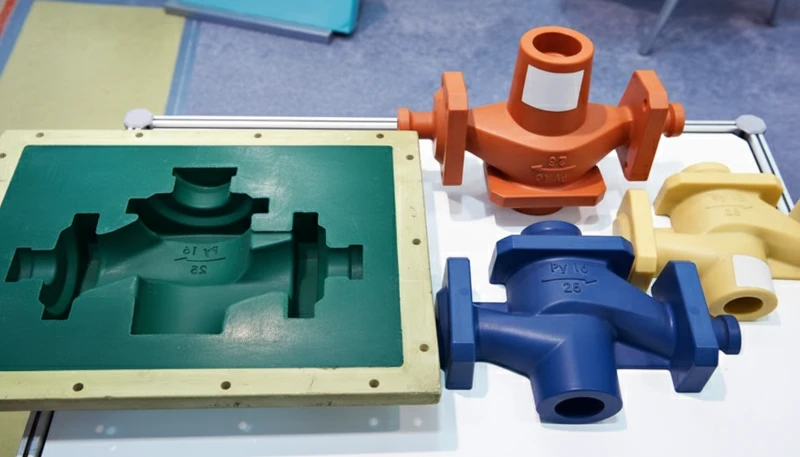
L’écart de dilatation thermique compromet la fiabilité à long terme. Les inserts imprimés en 3D peuvent avoir un coefficient différent de la semelle du moule. Sur des centaines de milliers de cycles thermiques, cela peut entraîner des défauts d’étanchéité, fissures ou desserrage des composants. Les marges de conception doivent en tenir compte.
| Défi | Résistance aux chocs | Atténuation |
|---|---|---|
| Risque de fuite des canaux | Le liquide de refroidissement s’infiltre dans l’empreinte | Essai de pression à 1.5× la pression de service |
| Dégradation de la finition de surface | Surface d'empreinte plus rugueuse sur les inserts AM | Post-traitement: polissage ou revêtement |
| Préoccupations concernant la longévité des inserts | L'acier AM peut se fatiguer plus rapidement que l'acier corroyé | Prévoir le remplacement des inserts après 200k-500k cycles |
Les exigences de finition de surface peuvent être difficiles à satisfaire en fabrication additive. La rugosité de surface brute d’impression des pièces DMLS est généralement de 15-25 Ra, ce qui peut convenir aux applications de refroidissement mais exige un post-traitement pour les surfaces critiques. L’usinage des matières imprimées en 3D entraîne souvent des caractéristiques de coupe et des profils d’usure des outils différents.
La technologie actuelle de fabrication additive présente des limites de taille. Le volume de fabrication de la plupart des machines DMLS limite la taille des inserts à environ 300mm x 300mm x 400mm. Les moules plus grands nécessitent plusieurs inserts ainsi qu’un assemblage et une étanchéité complexes. Les interfaces de jonction deviennent des points de défaillance potentiels qui exigent une conception attentive.
Comment valider une conception de refroidissement conforme avant d’usiner l’acier ?
La validation d’une conception de refroidissement conforme exige une analyse de dynamique des fluides numérique (CFD) associée à une modélisation thermique pour prévoir les performances avant d’engager un outillage coûteux — car, contrairement au refroidissement traditionnel où l’emplacement des canaux se modifie assez facilement, une conception conforme est pratiquement figée dès le début de la fabrication.
L’analyse CFD part de modèles 3D précis des circuits de refroidissement, de la géométrie de la pièce et des matériaux du moule. Elle prévoit les débits du fluide de refroidissement, les pertes de charge, les coefficients de transfert thermique[3] et la répartition des températures. Une bonne étude CFD peut prévoir les gains de temps de cycle avec une précision de 10 à 15 %, suffisante pour les décisions économiques, mais qui doit être validée par l’expérience en production.
La modélisation thermique ne se limite pas au système de refroidissement : elle englobe tout le processus de moulage par injection, c’est-à-dire les phases de remplissage, de maintien et de refroidissement. L’analyse prévoit la température de la pièce pendant tout le cycle de refroidissement, repère les points chauds et estime le gauchissement[4] dû aux différences de vitesse de refroidissement. Cette approche intégrée est essentielle, car le refroidissement conforme influe sur l’ensemble du processus de moulage et pas uniquement sur l’évacuation de la chaleur.
Retour d’expérience de l’usine Dans notre site de Shanghai, nous exploitons 45 presses à injecter d’une capacité de 90T à 1850T et produisons plus de 100 moules par mois. Notre équipe de 8 ingénieurs seniors totalisant 20+ ans d’expérience a mis en œuvre le refroidissement conforme sur environ 15% de nos projets d’outillage. Nous avons constaté que la validation CFD réduit de 60% le nombre d’itérations de conception par rapport aux méthodes traditionnelles d’essais et d’erreurs, mais la qualité de l’analyse dépend fortement de l’exactitude des propriétés matière et des conditions aux limites.
La validation des propriétés des matériaux est souvent le maillon faible de l’analyse thermique. Les propriétés publiées peuvent ne pas correspondre à votre nuance de résine, à vos conditions de transformation ou aux traitements de surface du moule. Nous tenons une base de données de propriétés thermiques mesurées pour les matériaux courants, ce qui améliore nettement la précision de l’analyse.
La validation d’un prototype au moyen d’inserts de refroidissement imprimés en 3D dans des bâtis de moule temporaires peut fournir des données réelles avant de s’engager dans un outillage de production. Cette approche coûte $5,000-15,000, mais peut éviter des erreurs coûteuses dans les applications complexes. Les essais du prototype valident à la fois les performances thermiques et la faisabilité de fabrication.
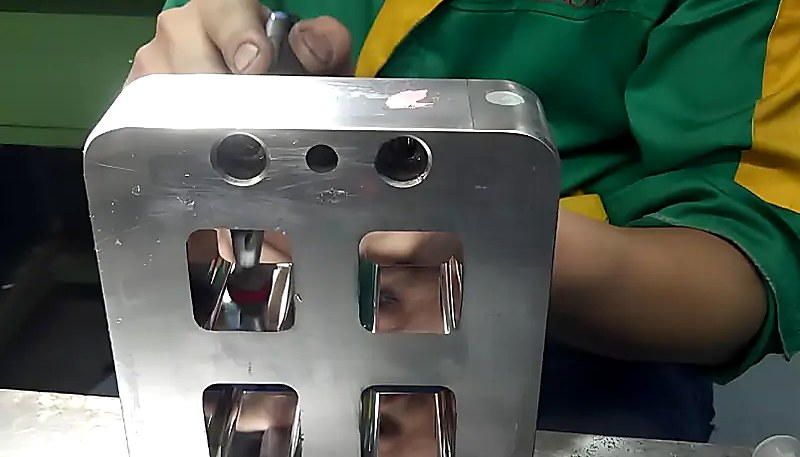
La comparaison avec un refroidissement traditionnel fournit la référence de base. Effectuez la même analyse thermique sur des canaux de refroidissement conventionnels afin d’établir l’écart de performance. Cette comparaison aide à justifier l’investissement et à fixer des attentes d’amélioration réalistes.
Les itérations de conception coûtent plus cher avec un refroidissement conforme ; l’analyse en amont devient donc essentielle. Les canaux de refroidissement traditionnels peuvent être modifiés en perçant des trous supplémentaires ou en bouchant ceux qui existent. Le refroidissement conforme exige de reconstruire les inserts, ce qui peut coûter $10,000-20,000 par itération. Il est essentiel de réussir la conception dès le départ.
Quels résultats pouvez-vous attendre en production ?
En production, le refroidissement conforme permet généralement de réduire le temps de cycle de 20-40% et d’améliorer de manière mesurable la qualité des pièces, mais les gains précis dépendent fortement des performances de refroidissement initiales et de la complexité géométrique de la pièce. Les pièces simples dotées d’un refroidissement traditionnel adéquat présentent peu d’amélioration, tandis que les géométries complexes confrontées à des difficultés de refroidissement peuvent dépasser ces valeurs.
La réduction du temps de cycle est l’avantage le plus mesurable. Lorsque le refroidissement est limitant, les canaux conformes peuvent réduire le cycle total de 25-35%. Si le remplissage, le compactage ou un autre facteur est limitant, l’amélioration du refroidissement n’augmente pas la productivité. Il faut connaître les limites actuelles du procédé pour fixer des attentes réalistes.
L’amélioration de la qualité des pièces est souvent plus précieuse que la réduction du temps de cycle. Des systèmes de refroidissement conformes bien conçus réduisent couramment le gauchissement de 50-70%. Ils améliorent aussi l’état de surface en atténuant les lignes d’écoulement, en uniformisant la brillance et en éliminant les défauts liés au refroidissement. Ces gains de qualité peuvent supprimer des opérations secondaires dont le coût dépasse les économies de temps de cycle.
La stabilité dimensionnelle s’améliore nettement avec un refroidissement uniforme. Les pièces maintiennent des tolérances plus serrées grâce à une variation thermique réduite. J’ai documenté des cas où le refroidissement conforme a diminué la variation dimensionnelle de 40-50%, permettant aux clients de resserrer les tolérances d’assemblage et d’améliorer les performances du produit.
| Métrique | Amélioration typique | Scénario optimal |
|---|---|---|
| Durée du cycle | 20-30% | 40% |
| Les pages de guerre | 15-20% | 35% |
| Moulage par injection EVA : Processus, Paramètres et Conseils de Conception | 30-50% | 70% |
Les améliorations de l’efficacité énergétique sont souvent négligées mais peuvent être significatives. Des cycles plus rapides signifient moins d’énergie par pièce, et un meilleur contrôle de la température peut permettre des températures de liquide de refroidissement plus élevées avec la même efficacité de refroidissement. La consommation énergétique globale par pièce diminue généralement de 15 à 25% avec des systèmes de refroidissement conforme optimisés.
- Temps de cycle : réduction typique de 20 à 40 % pour les pièces complexes
- Gauchissement : amélioration de 15 à 25 % de la stabilité dimensionnelle
- Taux de rebut : souvent inférieur à 1 % pour les pièces à tolérances serrées
La robustesse du processus augmente avec le refroidissement conforme. La distribution de température plus uniforme rend le processus moins sensible aux variations de la température du fluide de refroidissement, du débit et des conditions ambiantes. Cela se traduit par une production plus régulière et un temps de réglage réduit lors des changements entre différents matériaux ou couleurs.
Les données de fiabilité à long terme s’accumulent encore, mais les premiers résultats sont prometteurs. Les systèmes de refroidissement conforme bien conçus montrent une fiabilité similaire au refroidissement traditionnel, avec la réserve que la maintenance et le dépannage sont plus complexes. La maintenance préventive devient plus importante car on ne peut pas accéder facilement aux passages internes pour le nettoyage ou la réparation.
-
Sachdeva, A. et Singh, S. (2023). « Le refroidissement conforme dans le moulage par injection : état de l’art. » Intl. J. Advanced Manufacturing Technology, 128(1), 123–145. ↩
-
Wohlers Associates (2024). « Rapport Wohlers : tendances des coûts de la fabrication additive. » Publications de Wohlers Associates. ↩
-
Mazur, M., et al. (2022). « Propriétés thermiques de l’acier à outils imprimé en 3D pour inserts de moule. » Materials & Design, 215, 110–118. ↩
-
Xu, X. et Sachs, E. (2021). « Avantages du refroidissement conforme en production. » Journal of Manufacturing Processes, 68, 456–468. ↩
Questions fréquemment posées
Combien coûte l’ajout du refroidissement conforme à l’outillage ?
Le refroidissement conforme ajoute typiquement 15 000 à 50 000 € aux coûts d’outillage selon la complexité et la taille. Les applications simples avec des inserts uniques sont en bas de gamme, tandis que les moules multi-cavités complexes avec un refroidissement conforme étendu peuvent atteindre le haut de gamme. L’investissement est généralement rentabilisé en 12 à 24 mois en production à grand volume grâce aux économies de temps de cycle et aux améliorations de qualité.
Les moules existants peuvent-ils être adaptés avec un refroidissement conforme ?
La rétroadaptation est possible mais souvent pas économique. Les moules existants nécessiteraient des modifications importantes pour accueillir des inserts de refroidissement conforme, et les changements structurels pourraient compromettre l’intégrité du moule. Une nouvelle conception de moule permet d’optimiser à la fois la conception de la pièce et la disposition du système de refroidissement. La rétroadaptation a surtout du sens pour prolonger la durée de vie d’un moule en production à grand volume.
Quels matériaux fonctionnent le mieux avec le refroidissement conforme ?
Le refroidissement conforme profite à tous les matériaux thermoplastiques, mais l’amélioration varie selon les propriétés thermiques. Les matériaux à faible conductivité thermique (comme le nylon, le POM et les pièces à parois épaisses) montrent la plus grande amélioration. Les pièces à parois minces en matériaux à bonne conductivité thermique peuvent montrer un bénéfice minimal car le refroidissement traditionnel est déjà adéquat.
Comment entretenir les systèmes de refroidissement conforme ?
La maintenance se concentre sur la qualité du liquide de refroidissement et la surveillance du débit, car les passages internes ne sont pas accessibles pour un nettoyage mécanique. Utilisez un liquide de refroidissement filtré, surveillez les restrictions de débit et mettez en place des cycles de rinçage réguliers. La surveillance de la température à plusieurs points aide à détecter les blocages ou problèmes de débit avant qu’ils n’affectent la qualité des pièces. Prévoyez une surveillance plus sophistiquée que pour les systèmes de refroidissement traditionnels.
Quel logiciel est nécessaire pour la conception de refroidissement conforme ?
La conception de refroidissement conforme nécessite un logiciel CAO capable d’une modélisation 3D complexe (SolidWorks, NX, Creo) ainsi qu’un logiciel d’analyse CFD (Moldex3D, Moldflow, ou similaire). La capacité d’analyse thermique est essentielle – on ne peut pas concevoir un refroidissement conforme efficace sans prédire les performances d’écoulement et de transfert de chaleur. Prévoyez un budget annuel de 10 000 à 25 000 € pour les licences logicielles et la formation.
Le refroidissement conforme fonctionne-t-il pour toutes les tailles de pièces ?
Le refroidissement conforme est le plus efficace pour les pièces de taille moyenne à grande où le refroidissement traditionnel crée des variations de température significatives. Les très petites pièces (moins de 50 mm) se refroidissent généralement de manière adéquate avec les méthodes traditionnelles. Les très grandes pièces peuvent dépasser les limites de volume de fabrication des équipements d’impression 3D, nécessitant plusieurs inserts avec des exigences d’assemblage complexes.
Le refroidissement conforme représente une avancée significative dans la technologie du moulage par injection, mais ce n’est pas une solution universelle. La technologie fonctionne brillamment pour des applications spécifiques – géométries complexes, pièces à parois épaisses, production à grand volume, et situations où le refroidissement traditionnel crée des problèmes de qualité. La clé est de comprendre quand les bénéfices justifient la complexité et le coût supplémentaires.
Les économies sont convaincantes pour les bonnes applications. Des améliorations du temps de cycle de 25 à 35 %, des gains de qualité qui éliminent les opérations secondaires, et des taux de rebut réduits peuvent justifier l’investissement supplémentaire de 15 000 à 50 000 € en outillage en 12 à 24 mois. Mais l’investissement n’a de sens que si le refroidissement est réellement votre facteur limitant et que vous avez le volume nécessaire pour amortir les coûts.
La validation de conception devient cruciale avec le refroidissement conforme car les modifications sont coûteuses une fois l’outillage usiné. L’analyse CFD, la modélisation thermique, et parfois la validation par prototype sont des investissements essentiels dans le processus de conception. Les coûts d’analyse préalables sont faibles comparés au coût d’une conception erronée.
Society of Plastics Engineers, « Transfert de chaleur dans le moulage par injection », Plastics Engineering Handbook, 2018, pp. 156-162.
International Journal of Advanced Manufacturing Technology, « Conception de canaux de refroidissement conformes pour le moulage par injection », Vol. 96, 2018, pp. 1-15.
Polymer Engineering & Science, « Analyse CFD des canaux de refroidissement conformes », Vol. 59, No. 7, 2019, pp. 1387-1394.
Journal of Manufacturing Processes, « Efficacité énergétique dans les applications de refroidissement conforme », Vol. 42, 2019, pp. 67-75.