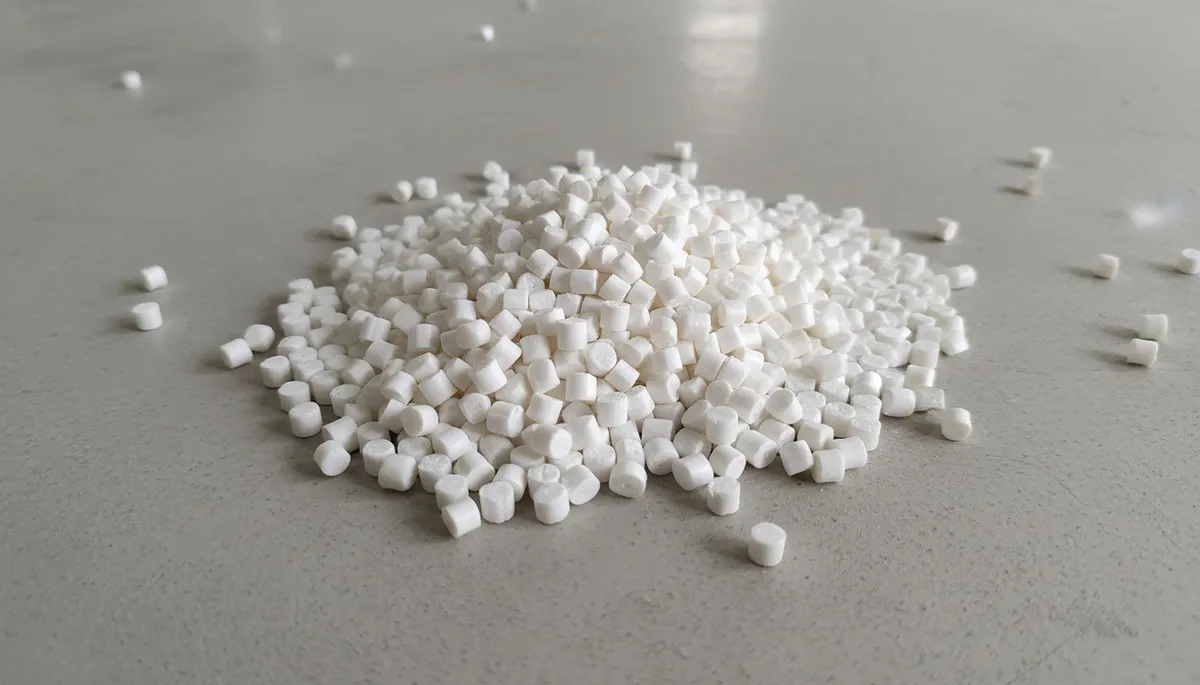
Вы задаете требования к пластиковым компонентам для новой автомобильной платформы. Конструкция предусматривает 47 деталей, изготовленных литьем под давлением, для салона, кузова и подкапотных систем, а поставщик должен обеспечить стабильное качество всех этих деталей при автомобильных объемах производства. литьё под давлением1 производит большинство пластиковых деталей современного автомобиля — от облицовки приборной панели до впускных коллекторов. В статье разобраны материалы, методы литья и требования к качеству, отличающие надежную программу автомобильных деталей от программы, создающей брак и задержки.
- Литьём под давлением производится более 90% пластиковых деталей легковых автомобилей
- PP, ABS и нейлон доминируют в автомобильном литье благодаря балансу цены и характеристик
- Многокомпонентное литьё и литьё со вставками позволяют получать интегрированные компоненты, сокращающие количество сборочных операций
- IATF 16949 и PPAP обязательны для автомобильных деталей производственного уровня
- При выборе партнёра следует отдавать приоритет диапазону тоннажа, опыту работы с материалами и отслеживанию дефектов
Какую роль литьё под давлением играет в современном автомобилестроении?
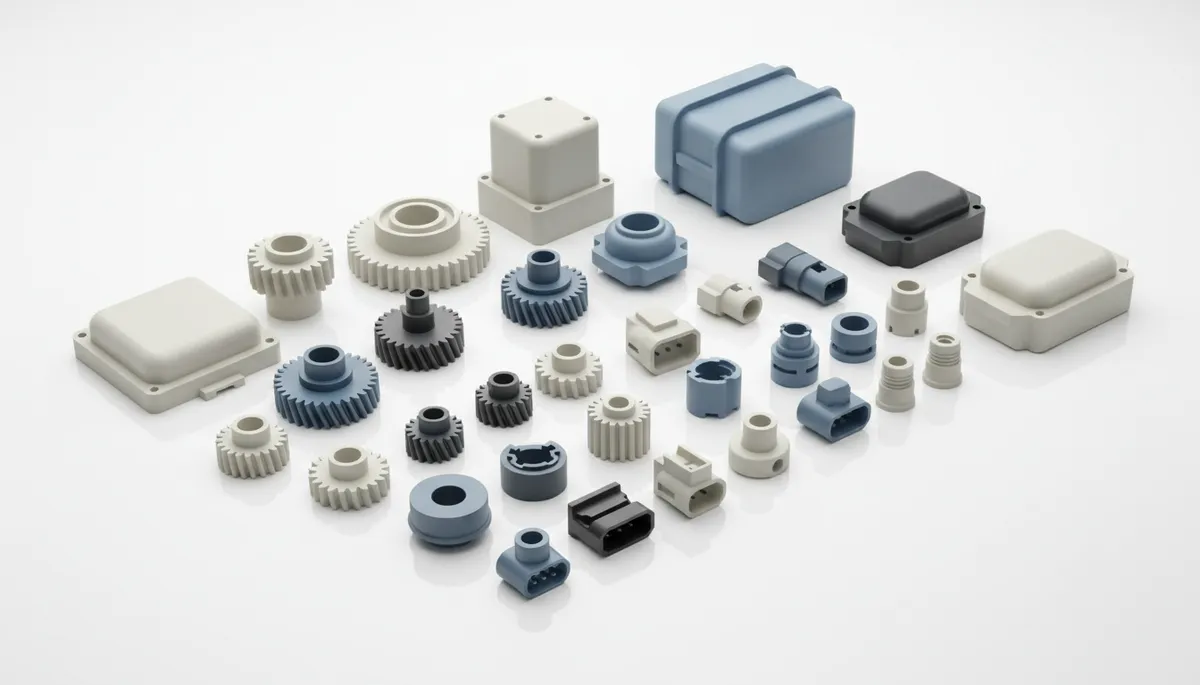
Литьё под давлением — основа производства пластиковых автокомпонентов. Среднеразмерный седан содержит около 30,000 деталей, более 1,000 из них пластиковые, преимущественно литьевые. Бамперы, приборные и дверные панели, впускные коллекторы, бачки, корпуса датчиков и блоки разъёмов выпускаются на литьевых машинах, а не обрабатывающих центрах.
Для более широкого обзора наш полное руководство по литью под давлением охватывает основы процесса, поведение материалов и производственные решения.
Причина проста: после изготовления пресс-формы стоимость материала и машинного времени на каждую деталь составляет доли доллара. При объемах свыше 10,000 единиц ни один другой процесс не может конкурировать по себестоимости детали. Типичная автомобильная пресс-форма выдерживает от 500,000 до более чем 1 миллиона циклов до необходимости существенного восстановления. Поэтому все крупные автопроизводители и их поставщики Tier 1 используют литьё под давлением в качестве основного метода производства неметаллических компонентов.
Но автомобильное литьё отличается от литья потребительских товаров. Допуски здесь жёстче — часто ±0.05 mm для функциональных элементов, — требования к материалам строже — каждая марка смолы должна входить в списки одобрения OEM, — а объём документации больше. Если вы когда-либо проходили PPAP для пластикового кронштейна, то знаете, что документов может быть больше, чем самой детали.
Переход к электромобилям ещё больше расширяет роль литья под давлением. Корпуса аккумуляторов электромобилей, кожухи систем терморегулирования, узлы зарядных портов и лёгкие конструкционные кронштейны — новые области, где пластиковые детали заменяют более тяжёлые металлические аналоги. Экономия массы напрямую увеличивает запас хода, поэтому OEM-производители требуют от поставщиков материалов и литейщиков массового выпуска конструкционных пластиков.
Какие материалы используются для автомобильного литья под давлением?
PP, ABS, нейлон и поликарбонат — основные автомобильные материалы для литья, выбираемые по стоимости, прочности и теплостойкости. Выбор определяют три ограничения: цена килограмма, механические свойства при температуре и нормативное соответствие (детали салона должны соответствовать ограничениям по запотеванию и VOC; подкапотные детали — выдерживать постоянные 120–150 °C). В таблице ниже приведены основные смолы мирового автомобильного производства.
| Материал | Основные свойства | Типичное применение в автомобилях |
|---|---|---|
| Полипропилен (PP) | Низкая плотность (0.90 g/cm3), химическая стойкость, низкая стоимость | Бамперы, корпуса аккумуляторов, отделка салона |
| ABS | Ударная прочность, хорошее качество поверхности, возможность окраски | Компоненты приборной панели, решётки, колёсные колпаки |
| Нейлон 6/6 (PA66) | Высокая прочность, теплостойкость (кратковременно до 180 °C) | Впускные коллекторы, крышки двигателей, шестерни |
| Поликарбонат (PC) | Прозрачность, ударная прочность, стабильность размеров | Линзы фар, модули люков |
| POM (ацеталь) | Низкое трение, превосходная усталостная стойкость | Компоненты топливной системы, крепёж, клипсы |
| TPO / TPE | Гибкий, атмосферостойкий, окрашиваемый | Уплотнения, прокладки, мягкие на ощупь панели интерьера |
| PA66-GF30 | Высокая жёсткость, стойкость к ползучести при повышенных температурах | Конструкционные кронштейны, компоненты трансмиссии |
На практике OEM-производитель определяет утверждённый перечень материалов для каждой подсистемы. Переработчик не может заменить PA66 на PA6 без согласования с инженерами, даже если индекс текучести расплава схож. Поэтому важно работать с поставщиком, имеющим на складе более 400 марок материалов: он с меньшей вероятностью предложит замену, которая создаст проблемы на последующих этапах сборки автомобиля.
Марки со стеклонаполнителем требуют особого внимания. Добавление в нейлон 30% короткого стекловолокна повышает прочность на разрыв примерно в 2.5 раза, но также ускоряет износ пресс-формы (волокна действуют на поверхности полости как микроскопическая наждачная бумага) и требует более высокого давления впрыска. Если вы заказываете конструкционные кронштейны или компоненты подкапотного пространства, убедитесь, что изготовитель имеет опыт серийной переработки стеклонаполненных компаундов на производственной оснастке, а не только выполнения пробных впрысков в лаборатории.
Нормативные требования также влияют на материал. Интерьерные детали автомобилей для ЕС должны соблюдать ограничения веществ REACH и директивы ELV. Деталям, контактирующим с пищей или водой, могут требоваться смолы, соответствующие FDA. Компетентный формовщик отметит эти требования в начале проектирования, до обработки стали.
Каковы основные автомобильные применения деталей, изготовленных литьём под давлением?
Внутренняя отделка, наружные панели и подкапотные компоненты силовой установки — три зоны применения автомобильных деталей, изготовленных литьём под давлением. Для каждой зоны действуют свои требования к теплостойкости, качеству поверхности и прочности конструкции.
Системы интерьера
Панели приборов, центральные консоли, дверные панели, воздуховоды HVAC и крышки подушек безопасности. Для деталей салона требуется качество поверхности Class A — без видимых утяжин, линий спая или следов течения на открытых участках — и прохождение испытаний на запотевание (< 1 mg конденсата по DIN 75201). Многокомпонентные овермолдинг2 здесь распространено: жесткая подложка PP получает оболочку TPE с мягким касанием без отдельной сборки. Исключение операции склеивания дает существенную экономию в автомобильных объемах.
Наружные системы
Бамперы, решётки, подкрылки, корпуса зеркал и окантовки фар. Эти детали подвергаются УФ-излучению, температурным циклам от −40 °C до +90 °C и ударам камней на дороге. Адгезия краски к формованным бамперам из TPO — известная проблема: перед окрасочной линией требуется обработка поверхности пламенем или плазмой, а производитель должен контролировать миграцию добавок, мешающую адгезии. Правильная поверхностная энергия перед окраской критически важна для предотвращения гарантийных претензий из-за отслаивания краски.
Подкапотное пространство и силовая установка
Впускные коллекторы, бачки охлаждающей жидкости, корпуса датчиков, колодки разъёмов и зажимы жгутов проводов. Это наиболее требовательные применения: постоянная температура выше 120 °C, воздействие топлива, масла и охлаждающей жидкости, а также вибрация двигателя. В этой зоне преобладает Nylon 6/6, часто наполненный стекловолокном. формовка вкладышей3 часто применяется для заливки металлических вставок или электронных датчиков непосредственно в пластиковый корпус, что исключает этапы сборки и повышает надежность при вибрации.
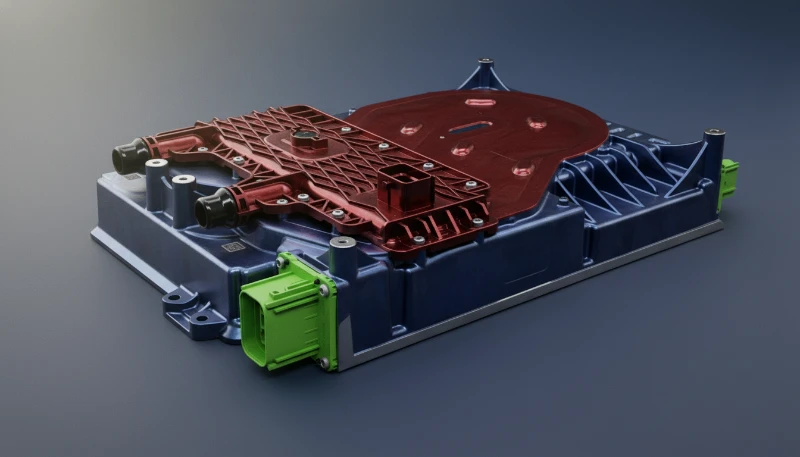
Переход на электромобили создает новые категории: корпуса батарейных модулей и инверторов, коллекторы терморегулирования и высоковольтные разъемы. Многие детали требуют огнестойких материалов класса UL94 V-0 и размерной стабильности в широком диапазоне температур. Конструкция пресс-формы для этих деталей сложнее, поскольку стенки обычно толще, что увеличивает время охлаждения и риск образования утяжин.
Какие методы литья под давлением применяются в автомобильном производстве?
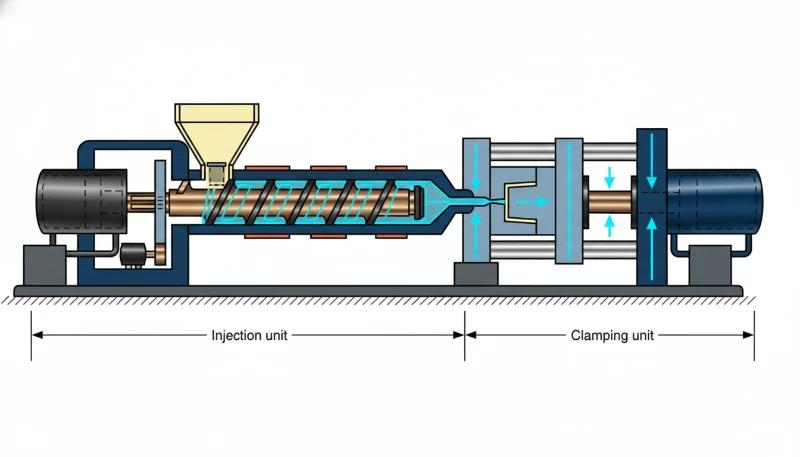
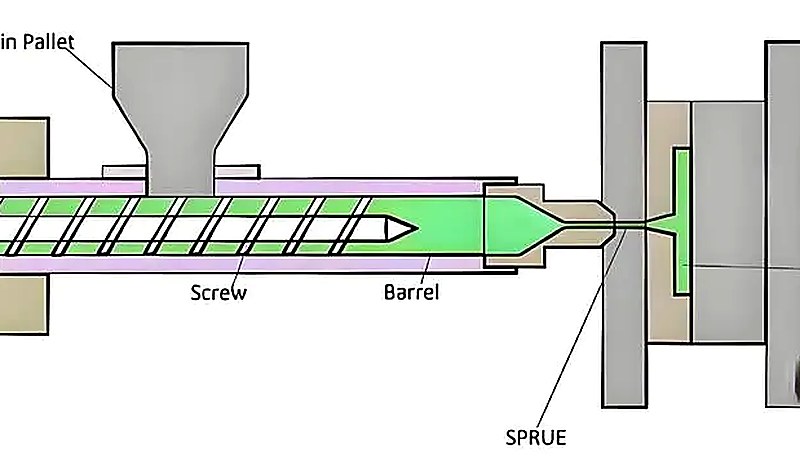
Однокомпонентное, двухкомпонентное литье, литье со вставками и литье с газовой поддержкой — четыре основные технологии производства автомобильных пластиковых деталей. Специализированные методы позволяют объединять несколько материалов, снижать массу и экономить затраты при серийных объемах.
Двухкомпонентное (многокомпонентное) литьё формует два разных материала за один машинный цикл. Типичный автомобильный пример — кнопка с жестким корпусом PC и мягким верхом TPE; вращающийся стержень переносит подложку из гнезда A в B без извлечения. Это исключает сборку, обеспечивает точное совмещение, а связь обычно прочнее клея благодаря молекулярному взаимному проникновению при охлаждении.
Формование вставки помещает металлическую штамповку, резьбовую втулку или электронный компонент в форму до впрыска. Пластик обтекает его, создавая единую деталь. Автомобильные колодки с установленными клеммами — массовый пример; ежегодно в мировой цепочке выпускаются миллиарды.
Литьё с газовой поддержкой вводит азот в расплав, формируя полости в толстых участках. Это снижает массу детали на 10–30%, устраняет утяжины на лицевых поверхностях и сокращает время производства методом литья под давлением за счет уменьшения охлаждаемой массы. Эту технологию часто применяют для дверных ручек, каркасов подлокотников консоли и кронштейнов зеркал. Полая сердцевина также повышает отношение жесткости к массе по сравнению со сплошной деталью тех же наружных размеров, поскольку газовый канал работает как внутреннее ребро без дополнительного материала.
Выбор подходящего способа формования нельзя делать изолированно. Необходимо учитывать геометрию детали, годовой объем, требования к материалу и ограничения сборки. Компетентный партнер порекомендует наиболее экономичный метод по совокупной стоимости владения, включая оснастку, время цикла, вторичные операции и долю брака, а не выберет по умолчанию простейший способ в надежде на успех. Первоначальные инвестиции в моделирование течения в пресс-форме многократно окупаются, если учесть, что один цикл переделки серийной автомобильной пресс-формы может стоить $5,000–$15,000 и увеличить срок на две-четыре недели.
"Двухкомпонентное литье исключает отдельную операцию клеевого соединения жестких и мягких компонентов."True
Второй материал молекулярно связывается с подложкой в течение цикла формования, создавая более прочную границу соединения, чем способен обеспечить любой последующий процесс склеивания.
"Литье с газом в основном применяют для небольших прецизионных деталей массой менее 50 граммов."False
Газовое ассистирование наиболее ценно для крупных толстостенных деталей (часто массой свыше 500 граммов), где создание полой сердцевины существенно уменьшает массу и снижает образование утяжин на декоративных поверхностях.
Как выполняется контроль качества автомобильных деталей, изготовленных литьём под давлением?
Качество в автомобильной промышленности обязательно и не подлежит компромиссам. Базовый уровень определяют две системы: IATF 16949 (отраслевой стандарт системы менеджмента качества для автомобилестроения, основанный на ISO 9001 и дополненный требованиями к управлению процессами, рисками и прослеживаемости) и PPAP (Production Part Approval Process — процесс одобрения производства компонентов, определяющий пакет из 18 элементов, который поставщик должен представить до того, как OEM одобрит запуск серийного производства).
На производстве это выражается в нескольких конкретных действиях. Образцы первого запуска измеряют на оборудовании CMM (КИМ) и сопоставляют с чертежом GD&T. Параметры процесса, включая давление впрыска, температуру расплава, время застывания литника и время охлаждения, привязывают к этапам литья под давлением, а затем фиксируют в плане управления. В ходе производства карты SPC (статистического управления процессами) отслеживают критические размеры по выборке — обычно каждые 2 часа или каждые 500 деталей, в зависимости от того, что наступит раньше.
Поставщик, выпускающий автомобильные детали без возможностей CMM и документированного SPC, не является поставщиком Tier 1 или Tier 2 независимо от заявлений на сайте. При аудите поставщиков в ZetarMold мы ищем фактическое измерительное оборудование — координатно-измерительные машины, проекторы профилей, твердомеры — и записи калибровки каждого прибора. Сертификация ISO 9001 / ISO 13485 — минимальный уровень, а не предел для автомобильных работ.
Прослеживаемость также не подлежит компромиссу. Каждая партия должна отслеживаться до конкретной партии материала, машины, формы и оператора. При отказе в эксплуатации OEM должен определить все затронутые автомобили за часы, а не недели. Это требует системного учёта партий от приёмки сырья до отгрузки и является одной из первых проверок автомобильного аудитора.
Без надежной системы отслеживания партий стоимость отзыва экспоненциально возрастает, поскольку OEM не может локализовать затронутое производственное окно и вынужден в качестве меры предосторожности отзывать более широкий диапазон автомобилей. Любой поставщик, который не может продемонстрировать эту возможность в ходе аудита, должен быть отстранен от работ для автомобильной промышленности независимо от прочих квалификаций.
"PPAP требует результатов измерений как минимум по 3 производственным запускам, прежде чем поставщик сможет отгружать серийные детали."True
Минимум 3 запуска демонстрирует повторяемость процесса, а не только однократную настройку машины для образцов. Каждый запуск должен производить детали в пределах спецификации в условиях, эквивалентных серийному производству.
"Если деталь прошла визуальный контроль, она одобрена для использования в автомобильном производстве."False
Визуальный контроль выявляет только косметические дефекты. Автомобильный PPAP требует данных о размерах, сертификатов материалов, исследований воспроизводимости процесса (значений Cpk), а зачастую и результатов разрушающих испытаний до утверждения производства.
Как выбрать подходящего партнёра по литью автомобильных деталей под давлением?
Ключевые критерии выбора — диапазон тоннажа, опыт работы с материалами, системы качества, собственное изготовление оснастки и скорость коммуникации. Ниже пояснено практическое значение каждого фактора для автомобильной программы.
Диапазон усилия смыкания и парк оборудования. Масса автомобильных деталей варьируется от 5-граммовых фиксаторов разъемов до 3-килограммовых облицовок бамперов. Поставщик, парк которого ограничен машинами 200T, не сможет производить крупные наружные детали. И наоборот, предприятие, располагающее только машинами 1000T+, будет неэффективно расходовать мощности на небольшие компоненты. Ищите парк с диапазоном усилия смыкания как минимум от 90T до 1000T и возможностью использовать более мощные машины для специализированных заказов. Возраст оборудования также имеет значение: старые гидравлические машины могут уступать по точности сервоэлектрическим или гибридным, что влияет на стабильность изготовления деталей с жесткими допусками.
Опыт работы с материалами. Серийное литьё стеклонаполненного нейлона отличается от переработки обычного PP. Абразивный наполнитель быстрее изнашивает впуски и поверхности полостей, поэтому форму приходится чаще обслуживать, а процесс — строже контролировать. Поставщик, работавший с 400+ материалами для автомобильных, медицинских и потребительских применений, уже сталкивался и решал задачи, неизвестные предприятию, работающему только с PP.
Глубина системы качества. Попросите копию шаблона плана контроля и недавний отчет о размерном контроле. Если поставщик не сможет предоставить их в течение дня, его система качества существует лишь на бумаге. Как минимум у поставщика должен быть выстроен структурированный процесс контроля качества — IQC, внутрипроцессные проверки, контроль процесса, контроль упаковки, FQC и OQC, — подкрепленный откалиброванным измерительным оборудованием и документированными процедурами.
Инженерная поддержка изменений пресс-формы. Автомобильные программы длятся 5–7 лет. За это время изменения конструкции неизбежны: иногда ради снижения затрат, иногда из-за рестайлинга автомобиля, а иногда для оптимизации производственного процесса.
Если у вашего поставщика литья нет собственного производства пресс-форм, каждое изменение конструкции превращается в логистическое согласование с внешним инструментальным предприятием и добавляет недели к сроку. Собственный инструментальный участок с оборудованием CNC, EDM и проволочной резки позволяет выполнить доработку стали за несколько дней вместо нескольких недель, сохраняя непрерывную работу производственной линии.
Коммуникация и оперативность. При возникновении отклонения размеров на производственной линии ответ нужен в течение нескольких часов, а не дней. Поставщик с англоязычными руководителями проектов, которые понимают технический контекст, а не просто пересылают письма через отдел продаж, способен устранить проблему до остановки линии. Это особенно важно для зарубежных поиск поставщиков, где разница часовых поясов уже сокращает окно для коммуникации.
Каковы распространенные дефекты автомобильных деталей, изготовленных литьем под давлением, и как их предотвращают?
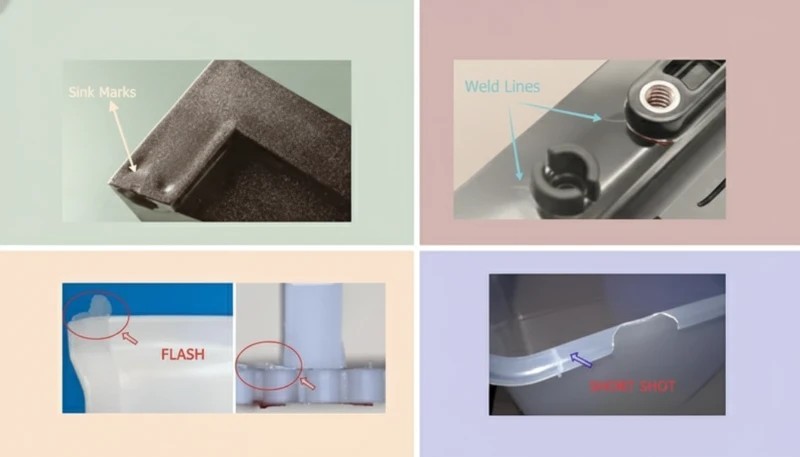
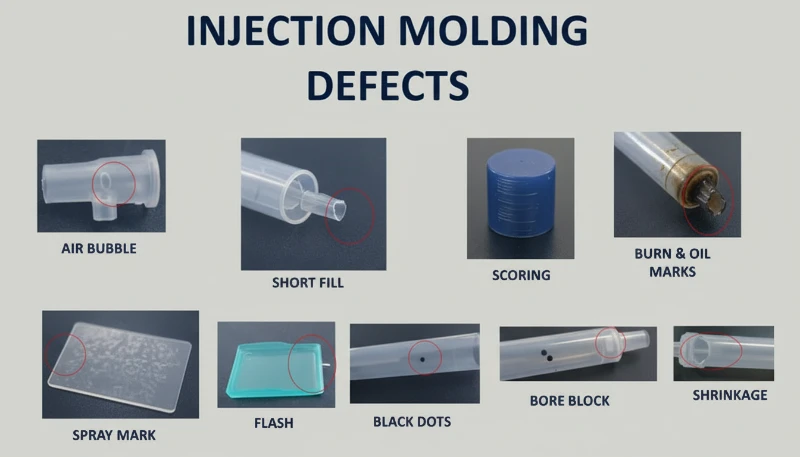
Утяжины, линии спая и недоливы — наиболее распространённые дефекты автомобильного литья под давлением. Каждый из них можно предотвратить надлежащим управлением процессом, правильной конструкцией пресс-формы и систематическим производственным контролем.
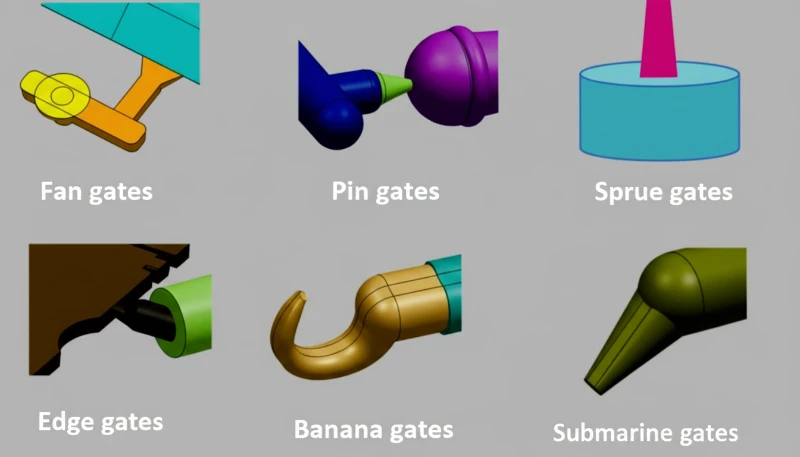
Утяжины появляются на лицевой поверхности напротив утолщённых участков — рёбер, бобышек и переходов толщины стенки. Более толстый участок медленнее охлаждается, усаживается и втягивает видимую поверхность внутрь. Профилактика: поддерживайте толщину основания ребра на уровне 50–60% номинальной толщины стенки и обеспечивайте достаточные давление и время выдержки. Поставщик, настраивающий давление выдержки интуитивно, а не по фактической кривой давления, рискует вашими требованиями к поверхности Class A.
Линии сварки образуются в местах встречи двух фронтов потока, обычно вокруг отверстий или вставок. В стеклонаполненных материалах волокна ориентируются параллельно линии спая, создавая слабую зону, где прочность на растяжение может быть на 30–50% ниже, чем у основного материала. Для предотвращения перемещают литник так, чтобы линия спая оказалась в некритичной зоне, либо повышают температуру расплава для улучшения молекулярной диффузии через линию. Моделирование течения до обработки оснастки выявляет большинство таких проблем, но только если изготовитель действительно выполняет моделирование и учитывает результаты.
Помимо этих трех категорий, производители автомобильных деталей отслеживают коробление (особенно у крупных плоских деталей, таких как дверные панели), облой (излишек материала, выходящий по линии разъема) и дрейф размеров при длительных производственных циклах. Первопричина каждого из этих явлений связана с управлением процессом, состоянием пресс-формы или стабильностью материала, и предотвратить их дисциплинированной настройкой гораздо дешевле, чем исправлять последующей доработкой или браковкой.
Стоимость дефектов в автомобильном производстве не ограничивается стоимостью брака самой детали. Дефектная деталь, попавшая на сборочную линию, может остановить производство, а дошедшая до конечного покупателя — вызвать гарантийное обращение или отзыв продукции. Поэтому автомобильные OEM-производители задают целевые уровни дефектности в частях на миллион (PPM), а ответственные переработчики инвестируют в автоматизированное инспекционное оборудование и мониторинг процесса в реальном времени, чтобы выявлять отклонения до выпуска деталей вне допуска.
Как на практике выглядит квалифицированный партнер по автомобильному литью?
Ключевые требования: широкий диапазон усилий смыкания, собственное изготовление оснастки, сертифицированные системы качества и документированная прослеживаемость материалов.
Квалифицированный автомобильный партнер сочетает широкий диапазон усилий, собственную оснастку и документированные системы качества. На нашей фабрике в Шанхае команда эксплуатирует 47 машин от 90T до 1850T по системам ISO 9001, ISO 13485, ISO 14001 и ISO 45001. Более 20 лет опыта позволяют инженерам до оснастки проверять реализуемость автомобильной детали по материалу, усилию, рискам размеров и документации PPAP.
В автомобильных проектах мы уделяем основное внимание трём практическим мерам контроля. Во-первых, собственное производство пресс-форм объединяет проектирование, механообработку, испытания и обслуживание оснастки на одной площадке, не распределяя ответственность между сторонними инструментальными цехами. Во-вторых, наша система качества документирует входной контроль, выборочный контроль в процессе производства, проверку упаковки, окончательный и выходной контроль, поэтому после запуска производства доказательную базу PPAP не приходится восстанавливать по памяти. В-третьих, наша команда имеет опыт работы с 400+ пластиковыми материалами, что снижает риск замены полимера, когда OEM требует конкретную марку PP, ABS, PA, PC или стеклонаполненного материала.
В нашей производственной команде 120+ сотрудников, понимающих разницу между декоративными элементами отделки, полуконструкционными кронштейнами и подкапотными деталями, подвергающимися воздействию тепла и вибрации. Если вы выбираете партнёра по литью для автомобильной программы, до инвестирования в оснастку запросите образцы отчётов о контроле размеров, шаблон плана контроля, записи прослеживаемости материалов и данные о воспроизводимости технологического процесса.
Какие вопросы покупатели задают об автомобильном литье под давлением?
Часто задаваемые вопросы
Каков типичный срок изготовления автомобильной литьевой пресс-формы?
Стандартная одногнездная автомобильная форма изготавливается 6–10 недель от утверждения конструкции до образцов T1. Многогнездные или семейные формы со сложными боковыми механизмами занимают 12–16 недель. В ZetarMold наш собственный инструментальный цех обычно поставляет образцы T1 за 8 недель для автомобильной оснастки средней сложности, поскольку мы полностью контролируем обработку и испытания, не ожидая сторонние цеха. Для настройки параметров процесса до выпуска отчета контроля первого изделия обычно требуется 2–3 итерации испытаний формы.
Можно ли литьём под давлением производить конструкционные автомобильные детали?
Да, при использовании стеклонаполненного нейлона или длинноволокнистых термопластичных компаундов LFT. Кронштейн из PA66-GF30 может иметь предел прочности на растяжение выше 180 MPa, чего достаточно для многих конструкционных и полуконструкционных применений, включая каркасы сидений, кронштейны педалей и крепления аккумуляторов на платформах электромобилей. Ключевыми факторами являются правильное содержание и ориентация волокон; именно моделирование течения расплава и опыт расположения впусков отличают деталь, прошедшую лабораторные испытания, от детали, отказавшей при реальной эксплуатации.
Каков минимальный объём производства, оправдывающий литьё под давлением автомобильных деталей?
Для простых деталей при умеренной сложности формы объём 5,000–10,000 единиц обычно является точкой безубыточности по сравнению с обработкой на станках с ЧПУ или 3D-печатью, если распределить стоимость оснастки на весь производственный тираж. Для сложных многогнёздных форм с боковыми подвижными элементами и наклонными толкателями порог повышается до 30,000–50,000 единиц, прежде чем экономия на одной детали компенсирует более высокие первоначальные инвестиции в оснастку. Автомобильные программы обычно значительно превышают эти объёмы за 5–7-летний жизненный цикл модели, поэтому литьё под давлением становится очевидным экономическим выбором. Некоторые производители также предлагают переходное прототипирование на алюминиевых формах для небольших объёмов перед вложением в стальную производственную оснастку, что позволяет снизить первоначальную стоимость оснастки на 40–60%.
Как литые автомобильные детали испытывают на долговечность?
К распространенным категориям испытаний относятся термоциклирование (от −40 °C до +120 °C в течение более 100 циклов согласно спецификации OEM), УФ-старение (ускоренное воздействие в везерометре по SAE J2412 или эквивалентным стандартам), вибрационные испытания (по спектрам дорожного профиля ISO 16750-3, обычно 8–24 часа на каждую ось) и химическая стойкость (погружение в топливо, масло и охлаждающую жидкость на заданное время при повышенных температурах). Для некоторых применений также требуются испытания на падение, удар при низкой температуре и старение во влажной среде. Точную матрицу испытаний OEM определяет в спецификации компонента, а поставщик должен представить сертифицированные протоколы испытаний в составе пакета PPAP до получения разрешения на серийное производство.
Какие допуски обеспечивает литьё под давлением для автомобильных деталей?
Общие допуски ±0.1 mm являются обычными для элементов размером менее 50 mm из стандартных инженерных смол. Жёсткие допуски ±0.05 mm достижимы для критических элементов, таких как защёлкивающиеся фиксаторы, установочные штифты и уплотнительные поверхности, но требуют прецизионного изготовления пресс-формы, зафиксированных параметров процесса и статистического мониторинга. Элементы размером более 150 mm обычно выдерживают допуск ±0.2–0.3 mm из-за изменения усадки материала на большой длине. Кристаллические материалы, такие как нейлон и POM, демонстрируют более высокую усадку, чем аморфные смолы, такие как ABS или PC, что влияет на достижимые допуски.
Применяется ли формование поверх основы в автомобильном производстве?
Широко. Двухкомпонентное литье с обливкой позволяет за один машинный цикл без вторичной сборки получать многоматериальные детали: кнопки руля с мягким покрытием, герметичные электрические разъемы со встроенными уплотнительными кромками и виброизолированные кронштейны. Отдельное склеивание исключается, а соединение прочнее клеевого, поскольку при охлаждении материалы сплавляются на молекулярном уровне. Нужна машина с двумя независимыми узлами впрыска и форма с поворотным сердечником либо индексной плитой для переноса подложки между первым и вторым впрыском.
Какую сертификацию должен иметь поставщик автомобильных литьевых деталей?
IATF 16949 — отраслевой стандарт системы менеджмента качества для автомобильных поставщиков, который требуется большинством OEM первого уровня для допуска к серийным закупкам. От любого поставщика, рассчитывающего автомобильный проект, ожидается как минимум сертификат ISO 9001, но серьёзные серийные программы устанавливают IATF 16949 как обязательное требование при квалификации поставщика. Сертификаты экологического менеджмента ISO 14001 и охраны труда и промышленной безопасности ISO 45001 всё чаще требуются европейскими и североамериканскими OEM в рамках стандартов устойчивых закупок и корпоративной ответственности.
Выбор партнера для литья автомобильных компонентов — решение на 5–7 лет. Правильный поставщик обеспечивает стабильные размеры, вносит изменения конструкции без срыва сроков и предоставляет документацию для подачи PPAP. Если вы закупаете пластиковые автокомпоненты и хотите обсудить с нашей инженерной командой выбор материала, конструкцию формы или воспроизводимость процесса, используйте нашу полное руководство по литьевым формам в качестве контрольного перечня для технической оценки перед подготовкой коммерческого предложения.
литьё под давлением: Литье под давлением — производственный процесс, при котором расплавленная термопластичная смола под высоким давлением впрыскивается в закрытое гнездо пресс-формы, где охлаждается и затвердевает, принимая окончательную геометрию детали. ↩
овермолдинг: литьё поверх основы — это двухкомпонентный процесс литья под давлением, при котором второй материал формуется поверх ранее изготовленной основы для получения многоматериальной детали с улучшенным захватом, герметизацией или гашением вибраций. ↩
формовка вкладышей: Литье со вставками — это процесс, при котором предварительно установленный металлический или электронный компонент герметизируется впрыскиваемым пластиком, образуя единый интегрированный узел. ↩