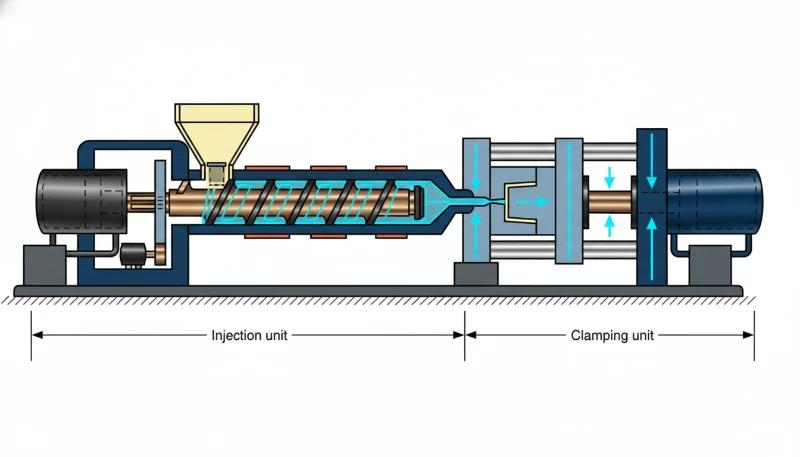
Dobierasz elementy z tworzyw sztucznych do nowej platformy pojazdu. Projekt obejmuje 47 części formowanych wtryskowo we wnętrzu, na zewnątrz i pod maską, a dostawca musi zapewnić stałą jakość wszystkich elementów przy wolumenach motoryzacyjnych. Formowanie wtryskowe1 pozwala wytwarzać większość plastikowych części współczesnego samochodu — od wykończeń deski rozdzielczej po kolektory dolotowe. W tym artykule omawiamy materiały, techniki formowania i wymagania jakościowe, które odróżniają niezawodny program produkcji części samochodowych od programu generującego braki i opóźnienia.
- Formowanie wtryskowe odpowiada za ponad 90% części z tworzyw w samochodach osobowych
- PP, ABS i nylon dominują we wtrysku dla motoryzacji dzięki równowadze kosztów i właściwości
- Formowanie wielokomponentowe i formowanie z wkładkami umożliwiają tworzenie zintegrowanych komponentów, które ograniczają liczbę etapów montażu
- IATF 16949 i PPAP są obowiązkowe dla części motoryzacyjnych przeznaczonych do produkcji seryjnej
- Przy wyborze partnera należy nadać priorytet zakresowi siły zamykania, doświadczeniu materiałowemu i śledzeniu wad
Jaką rolę odgrywa formowanie wtryskowe we współczesnej produkcji samochodowej?
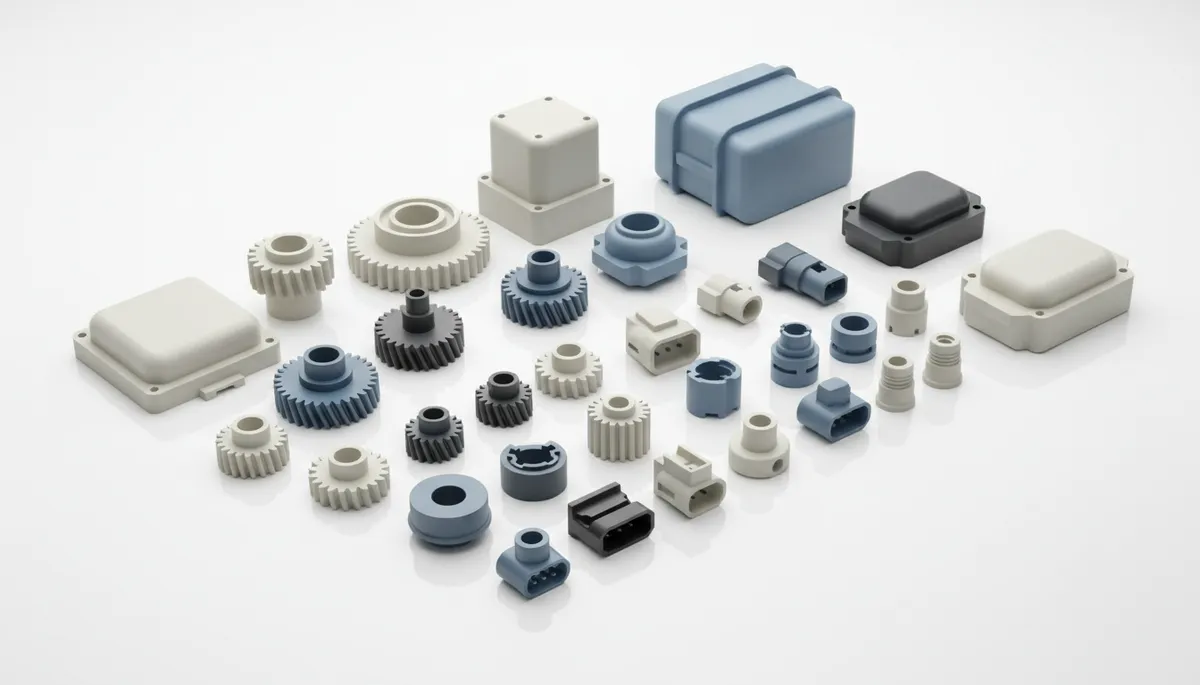
Wtryskiwanie jest podstawą produkcji plastikowych komponentów samochodowych. Pojedynczy sedan średniej wielkości zawiera około 30 000 części, a ponad 1000 z nich to plastik – większość z nich jest wtryskiwana. Zderzaki, deski rozdzielcze, panele drzwiowe, kolektory dolotowe, zbiorniki płynów, obudowy czujników i bloki złączy – wszystkie pochodzą z maszyn wtryskowych, a nie z centrów obróbczych.
Szersze omówienie podstaw procesu, zachowania materiałów i decyzji produkcyjnych znajdziesz w naszym kompletnym przewodniku po formowaniu wtryskowym.
Powód jest prosty: po wykonaniu formy koszt materiału i czasu pracy maszyny przypadający na jedną część stanowi ułamek dolara. Przy produkcji powyżej 10 000 sztuk żadna inna metoda nie dorównuje kosztowi jednostkowemu. Typowa forma samochodowa wykonuje od 500 000 do ponad miliona cykli, zanim będzie wymagać poważnej renowacji. Dlatego wszyscy najwięksi producenci samochodów i ich dostawcy Tier 1 opierają produkcję elementów niemetalowych na formowaniu wtryskowym.
Formowanie dla motoryzacji nie jest jednak tym samym co formowanie dóbr konsumpcyjnych. Tolerancje są węższe — często ±0,05 mm dla cech funkcjonalnych — specyfikacje materiałowe surowsze — każdy gatunek żywicy musi znajdować się na liście zatwierdzonej przez OEM — a obciążenie dokumentacyjne większe. Każdy, kto przechodził procedurę PPAP dla wspornika z tworzywa, wie, że dokumentacja może ważyć więcej niż sam detal.
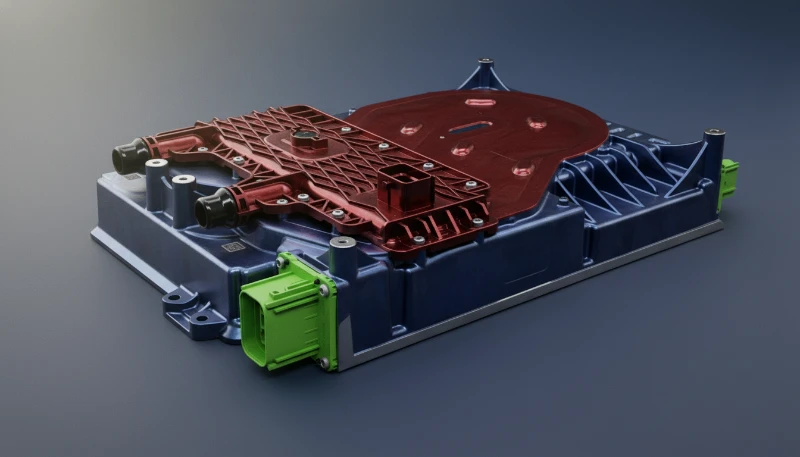
Przejście na pojazdy elektryczne jeszcze bardziej rozszerza rolę formowania wtryskowego. Obudowy akumulatorów pojazdów elektrycznych, obudowy układów zarządzania ciepłem, zespoły portów ładowania i lekkie wsporniki konstrukcyjne to nowe obszary zastosowań, w których części z tworzyw zastępują cięższe odpowiedniki metalowe. Oszczędność masy bezpośrednio przekłada się na zwiększenie zasięgu, dlatego producenci OEM naciskają na dostawców materiałów i firmy formujące, aby dostarczali konstrukcyjne tworzywa sztuczne na dużą skalę.
Jakie materiały stosuje się w formowaniu wtryskowym dla motoryzacji?
PP, ABS, nylon i poliwęglan to dominujące materiały do wtrysku motoryzacyjnego, wybrane ze względu na koszt, wytrzymałość i odporność na ciepło. Wybór materiału podyktowany jest trzema ograniczeniami: kosztem za kilogram, właściwościami mechanicznymi w temperaturze oraz zgodnością z przepisami (części wnętrza muszą spełniać limity zaparowania i LZO; części pod maską muszą wytrzymać ciągłą ekspozycję na 120–150 °C). Poniższa tabela przedstawia podstawowe żywice dominujące w światowej produkcji motoryzacyjnej.
| Materiał | Kluczowe właściwości | Typowe zastosowanie motoryzacyjne |
|---|---|---|
| Polipropylen (PP) | Niska gęstość (0,90 g/cm3), odporność chemiczna, niski koszt | Zderzaki, obudowy akumulatorów, elementy wykończenia wnętrza |
| ABS | Udarność, dobre wykończenie powierzchni, możliwość malowania | Elementy deski rozdzielczej, kratki, kołpaki |
| Poliamid 6/6 (PA66) | Wysoka wytrzymałość, odporność cieplna (krótkotrwale do 180°C) | Kolektory dolotowe, pokrywy silników, koła zębate |
| Poliwęglan (PC) | Przezroczystość, odporność na uderzenia, stabilność wymiarowa | Klosze reflektorów, moduły dachów panoramicznych |
| POM (acetal) | Niskie tarcie, doskonała odporność zmęczeniowa | Elementy układu paliwowego, elementy złączne, klipsy |
| TPO / TPE | Elastyczny, odporny na warunki atmosferyczne, nadający się do malowania | Uszczelnienia, uszczelki, miękkie w dotyku panele wewnętrzne |
| PA66-GF30 | Wysoka sztywność, odporność na pełzanie w podwyższonych temperaturach | Wsporniki konstrukcyjne, elementy skrzyni biegów |
W praktyce producent OEM określa listę zatwierdzonych materiałów dla każdego podsystemu. Jako firma formująca nie można zastąpić PA66 materiałem PA6 bez zatwierdzenia inżynierskiego — nawet jeśli wskaźnik szybkości płynięcia jest podobny. Dlatego współpraca z dostawcą utrzymującym ponad 400 gatunków materiałów ma znaczenie: jest mniej prawdopodobne, że będzie proponował zamiennik powodujący problemy na dalszym etapie montażu pojazdu.
Gatunki napełniane włóknem szklanym wymagają szczególnej uwagi. Dodanie do nylonu 30% krótkiego włókna szklanego zwiększa wytrzymałość na rozciąganie około 2,5 raza, ale przyspiesza też zużycie formy — włókna działają na powierzchnie gniazda jak mikroskopijny papier ścierny — i wymaga wyższego ciśnienia wtrysku. Jeśli zamawiasz wsporniki konstrukcyjne lub elementy pod maskę, upewnij się, że przetwórca ma doświadczenie w produkcyjnym przetwarzaniu mieszanek z włóknem szklanym, a nie tylko w wykonywaniu prób laboratoryjnych.
Wymagania prawne również wpływają na wybór materiału. Elementy wnętrz pojazdów sprzedawanych w UE muszą spełniać ograniczenia dotyczące substancji wynikające z REACH i dyrektywy ELV. Części mające kontakt z żywnością lub wodą pitną (uchwyty na kubki i butelki) mogą wymagać gatunków żywic zgodnych z FDA. Kompetentny zakład formujący wskaże te wymagania już na początku projektowania, zanim rozpocznie się obróbka stali narzędziowej.
Jakie są najważniejsze zastosowania części formowanych wtryskowo w motoryzacji?
Elementy wykończenia wnętrza, panele zewnętrzne i komponenty układu napędowego pod maską to trzy strefy zastosowania wtryskiwanych części samochodowych. Każda strefa ma różne wymagania dotyczące odporności na temperaturę, wykończenia powierzchni i integralności strukturalnej.
Systemy wnętrza
Deski rozdzielcze, konsole środkowe, panele drzwiowe, kanały HVAC i osłony poduszek powietrznych. Elementy wnętrza wymagają powierzchni klasy A (bez widocznych zapadnięć, linii łączenia i smug płynięcia) oraz muszą przejść badania emisji kondensatu (< 1 mg według DIN 75201). Często stosuje się tu wielomateriałowe obtryskiwanie2: sztywny podkład z PP otrzymuje warstwę TPE, która zapewnia miękkość w dotyku bez osobnego etapu montażu. Przy wolumenach motoryzacyjnych oszczędności wynikające z wyeliminowania klejenia mogą być znaczne.
Systemy zewnętrzne
Zderzaki, atrapy chłodnicy, nadkola, obudowy lusterek i oprawy lamp. Detale te są narażone na promieniowanie UV, cykle temperaturowe od −40 °C do +90 °C oraz uderzenia kamieni na drodze. Przyczepność lakieru do formowanych zderzaków TPO jest dobrze znanym problemem — przed linią lakierniczą wymagane jest przygotowanie powierzchni (płomieniowe lub plazmowe), a wtryskownia musi kontrolować migrację dodatków zakłócającą przyczepność. Uzyskanie właściwej energii powierzchni przed lakierowaniem ma kluczowe znaczenie dla uniknięcia roszczeń gwarancyjnych z powodu łuszczenia się lakieru.
Komora silnika i układ napędowy
Kolektory dolotowe, zbiorniki płynu chłodniczego, obudowy czujników, złącza i spinki wiązek przewodów. Są to najbardziej wymagające zastosowania: ciągła temperatura powyżej 120 °C, kontakt z paliwem, olejem i płynem chłodniczym oraz drgania silnika. W tej strefie dominuje nylon 6/6, często wzmacniany włóknem szklanym. Formowanie z wkładkami3 często służy do bezpośredniego zatapiania metalowych wkładek lub czujników elektronicznych w obudowie z tworzywa, co eliminuje montaż i zwiększa odporność na drgania.
Przejście na pojazdy elektryczne tworzy nowe kategorie: obudowy modułów akumulatorowych i falowników, kolektory układów zarządzania temperaturą oraz układy złączy wysokonapięciowych. Wiele z tych części wymaga materiałów trudnopalnych o klasie UL94 V-0 i zachowania stabilności wymiarowej w szerokim zakresie temperatur. Projektowanie form do tych elementów jest bardziej złożone, ponieważ ich ścianki są zwykle grubsze, co wydłuża chłodzenie i zwiększa ryzyko zapadnięć.
Jakie techniki formowania wtryskowego stosuje się w produkcji motoryzacyjnej?
Wtrysk jednokrotny, dwukrotny, wtrysk z wkładką i wtrysk z pomocą gazu to cztery podstawowe techniki stosowane w produkcji tworzyw sztucznych dla motoryzacji. Specjalistyczne metody umożliwiają integrację wielu materiałów, redukcję wagi i oszczędności kosztów przy dużych nakładach produkcyjnych.
Formowanie dwukomponentowe (wielokomponentowe) przetwarza dwa różne materiały w jednym cyklu maszyny. Typowym zastosowaniem samochodowym jest przycisk ze sztywnym korpusem z PC i miękką powierzchnią z TPE. Obracany rdzeń formy przenosi podłoże z gniazda A do gniazda B bez wyjmowania detalu. Eliminuje to dodatkowy montaż i zapewnia precyzyjne spasowanie materiałów. Powstałe połączenie jest zwykle mocniejsze niż spoina klejowa, ponieważ podczas chłodzenia materiały łączą się na poziomie molekularnym.
Formowanie z wkładkami polega na umieszczeniu w formie przed wtryskiem metalowej wytłoczki, tulei gwintowanej lub elementu elektronicznego. Tworzywo opływa wkładkę, tworząc jeden zintegrowany detal. Przykładem produkowanym masowo są samochodowe złącza z uprzednio ustawionymi metalowymi stykami — globalny łańcuch dostaw motoryzacyjnych wytwarza ich miliardy rocznie.
Formowanie ze wspomaganiem gazowym polega na wtryskiwaniu azotu do stopionego tworzywa w celu wydrążenia grubych przekrojów. Zmniejsza masę detalu o 10–30%, eliminuje zapadnięcia na powierzchniach widocznych i skraca czas produkcji wtryskowej dzięki mniejszej masie wymagającej schłodzenia. Technikę tę często stosuje się w uchwytach drzwi, ramach podłokietników konsoli i wspornikach lusterek. Pusty rdzeń poprawia też stosunek sztywności do masy względem pełnego detalu o tych samych wymiarach zewnętrznych, ponieważ kanał gazowy działa jak wewnętrzne żebro bez dodawania materiału.
Wyboru właściwej techniki formowania nie podejmuje się w oderwaniu od innych czynników. Znaczenie mają geometria części, roczny wolumen, wymagania materiałowe i ograniczenia montażowe. Dobry partner w zakresie formowania zaleci najbardziej opłacalną technikę na podstawie całkowitego kosztu posiadania — obejmującego oprzyrządowanie, czas cyklu, operacje wtórne i poziom braków — zamiast domyślnie wybierać najprostszą metodę i liczyć, że zadziała. Początkowa inwestycja w symulację płynięcia tworzywa zwraca się wielokrotnie, jeśli uwzględnić, że pojedynczy cykl przeróbki formy produkcyjnej dla branży motoryzacyjnej może kosztować $5,000–$15,000 i wydłużyć harmonogram o dwa do czterech tygodni.
„Formowanie dwukomponentowe eliminuje konieczność oddzielnego klejenia elementów sztywnych i miękkich.”True
Drugi materiał wiąże się molekularnie z podłożem podczas cyklu formowania, tworząc mocniejsze połączenie niż możliwe do uzyskania w jakimkolwiek wtórnym procesie klejenia.
"Formowanie wtryskowe wspomagane gazem stosuje się głównie do małych, precyzyjnych detali o masie poniżej 50 gramów."False
Wtrysk ze wspomaganiem gazowym jest najbardziej wartościowy w przypadku dużych detali o grubych przekrojach (często powyżej 500 gramów), w których wydrążenie rdzenia znacznie zmniejsza masę i ogranicza zapadnięcia na powierzchniach estetycznych.
Jak przebiega kontrola jakości samochodowych części formowanych wtryskowo?
Jakość w branży motoryzacyjnej nie jest opcjonalna ani negocjowalna. Podstawę wyznaczają dwa standardy: IATF 16949 (branżowy system zarządzania jakością oparty na ISO 9001, uzupełniony o wymagania dotyczące kontroli procesu, zarządzania ryzykiem i identyfikowalności) oraz PPAP (proces zatwierdzania części do produkcji, definiujący 18-elementowy pakiet dokumentów, który dostawca musi przedłożyć przed zatwierdzeniem produkcji przez OEM).
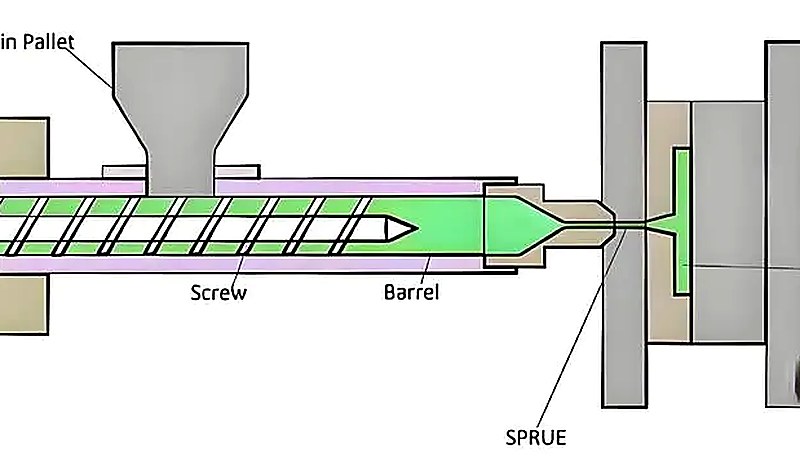
Na hali produkcyjnej przekłada się to na kilka konkretnych działań. Próbki z pierwszego uruchomienia mierzy się względem rysunku GD&T za pomocą urządzeń CMM. Parametry procesu, takie jak ciśnienie wtrysku, temperatura stopu, czas zamarzania wlewu i czas chłodzenia, przypisuje się do etapów formowania wtryskowego, a następnie blokuje w planie kontroli. Podczas produkcji wykresy SPC (statystycznego sterowania procesem) śledzą krytyczne wymiary na podstawie próbek — zwykle co 2 godziny lub co 500 części, zależnie od tego, co nastąpi wcześniej.
Dostawca produkujący części samochodowe bez możliwości pomiarów CMM i udokumentowanego SPC nie jest dostawcą Tier 1 ani Tier 2, niezależnie od deklaracji na stronie internetowej. Podczas audytów dostawców w ZetarMold sprawdzamy rzeczywiste wyposażenie kontrolne — współrzędnościowe maszyny pomiarowe, projektory profilowe i twardościomierze — oraz zapisy wzorcowania każdego przyrządu. Certyfikacja ISO 9001 / ISO 13485 jest w branży motoryzacyjnej poziomem minimalnym, a nie docelowym.
Identyfikowalność to kolejny wymóg bez możliwości negocjacji. Każda partia produkcyjna musi być powiązana z konkretną partią materiału, maszyną, formą i operatorem. Jeśli wystąpi awaria w eksploatacji, producent OEM musi zidentyfikować wszystkie pojazdy, których dotyczy problem, w ciągu godzin, a nie tygodni. Ten poziom identyfikowalności wymaga systematycznego śledzenia partii od przyjęcia surowca po końcową wysyłkę i jest jedną z pierwszych rzeczy sprawdzanych przez audytora motoryzacyjnego podczas oceny zakładu.
Bez solidnego systemu śledzenia partii wycofanie produktu staje się wielokrotnie droższe, ponieważ producent OEM nie może wyodrębnić okresu produkcji objętego problemem i zapobiegawczo musi wycofać szerszy zakres pojazdów. Każdy dostawca, który podczas audytu nie potrafi wykazać takiej zdolności, powinien zostać wykluczony z projektów motoryzacyjnych niezależnie od pozostałych kwalifikacji.
"PPAP wymaga wyników wymiarowych z co najmniej 3 serii produkcyjnych, zanim dostawca będzie mógł wysyłać części produkcyjne."True
Minimum trzech serii wykazuje powtarzalność procesu, a nie tylko jednorazowe dostrojenie maszyny do wtrysków próbkowych. Każda seria musi wytwarzać części zgodne ze specyfikacją w warunkach równoważnych produkcyjnym.
"Jeśli część przejdzie kontrolę wizualną, zostaje zatwierdzona do zastosowania w produkcji motoryzacyjnej."False
Kontrola wzrokowa wykrywa tylko wady kosmetyczne. Motoryzacyjny proces PPAP wymaga danych wymiarowych, certyfikatów materiałowych, badań zdolności procesu (wartości Cpk), a często także wyników badań niszczących przed zatwierdzeniem produkcji.
Jak wybrać właściwego partnera w zakresie formowania wtryskowego dla branży motoryzacyjnej?
Kluczowymi kryteriami wyboru są zakres siły docisku, doświadczenie z materiałami, systemy jakości, własne narzędziownictwo oraz szybkość komunikacji. Oto, co każdy z tych czynników oznacza w praktyce dla programu pojazdu.
Zakres tonażu i park maszynowy. Części samochodowe obejmują zarówno 5-gramowe spinki złączy, jak i 3-kilogramowe poszycia zderzaków. Dostawca dysponujący wyłącznie maszynami do 200 t nie wykona dużych elementów zewnętrznych. Z kolei zakład mający tylko maszyny 1000 t i większe będzie marnował ich możliwości przy małych detalach. Szukaj zakresu co najmniej 90–1000 t oraz możliwości zastosowania większych maszyn do zadań specjalnych. Ważny jest też wiek parku: starsze maszyny hydrauliczne mogą nie zapewniać precyzji urządzeń serwoelektrycznych lub hybrydowych, co obniża powtarzalność części o wąskich tolerancjach.
Doświadczenie materiałowe. Przetwarzanie nylonu wzmacnianego włóknem szklanym w skali produkcyjnej różni się od formowania standardowego PP. Ścierne wypełnienie szybciej zużywa przewężki i powierzchnie gniazd, dlatego wymaga częstszej konserwacji formy i bardziej rygorystycznego monitorowania procesu. Dostawca, który przetwarzał ponad 400 materiałów w zastosowaniach motoryzacyjnych, medycznych i konsumenckich, zetknął się z problemami nieznanymi zakładowi pracującemu wyłącznie z PP — i już je rozwiązał.
Dojrzałość systemu jakości. Poproś o wzór planu kontroli i aktualny raport wymiarowy. Jeśli dostawca nie potrafi ich przedstawić w ciągu jednego dnia, jego system jakości istnieje tylko na papierze. Minimum stanowi uporządkowany przepływ kontroli: IQC, kontrole międzyoperacyjne, kontrola procesu, opakowania, FQC i OQC, wsparty skalibrowanym wyposażeniem pomiarowym i udokumentowanymi procedurami.
Wsparcie inżynieryjne przy modyfikacjach formy. Programy motoryzacyjne trwają 5–7 lat. W tym okresie zmiany konstrukcyjne są nieuniknione — wynikają z redukcji kosztów, liftingów pojazdu lub optymalizacji procesu produkcyjnego.
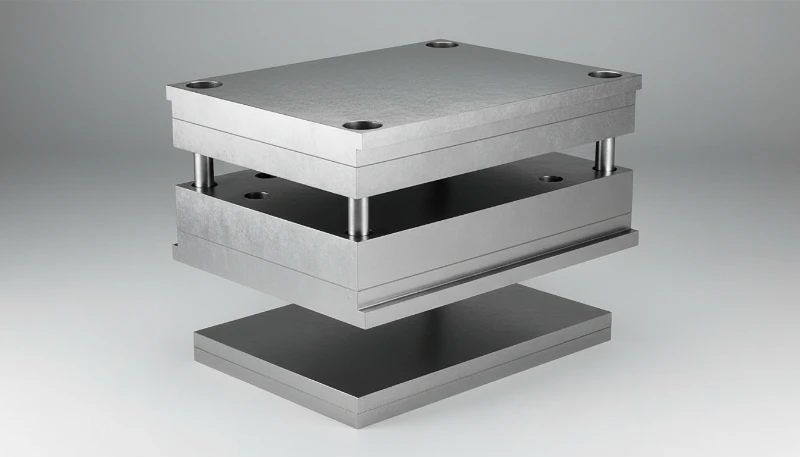
Jeśli zakład formowania nie ma własnych możliwości produkcji form, każda zmiana projektu staje się negocjacją logistyczną z zewnętrzną narzędziownią, co wydłuża harmonogram o kolejne tygodnie. Własna narzędziownia wyposażona w CNC, EDM i wycinarki drutowe może wykonać zmianę w stali w ciągu kilku dni zamiast tygodni, utrzymując linię produkcyjną w ruchu bez przerw.
Komunikacja i szybkość reakcji. Gdy na linii produkcyjnej pojawia się problem wymiarowy, potrzebujesz odpowiedzi w ciągu godzin, a nie dni. Dostawca z anglojęzycznymi kierownikami projektów, którzy rozumieją kontekst techniczny, zamiast jedynie przekazywać wiadomości działowi sprzedaży, może rozwiązać problem, zanim zatrzyma linię. Jest to szczególnie ważne przy zakupach zagranicznych, gdzie różnice stref czasowych już ograniczają okno komunikacji.
Jakie są typowe wady wtrysku komponentów samochodowych i jak im zapobiegać?
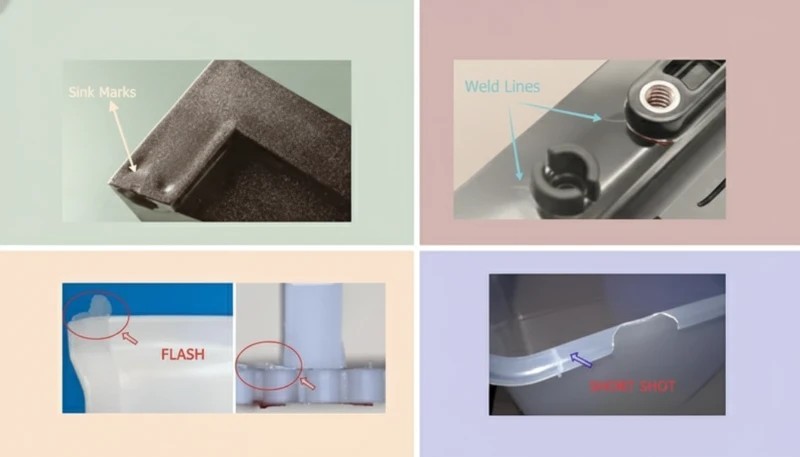
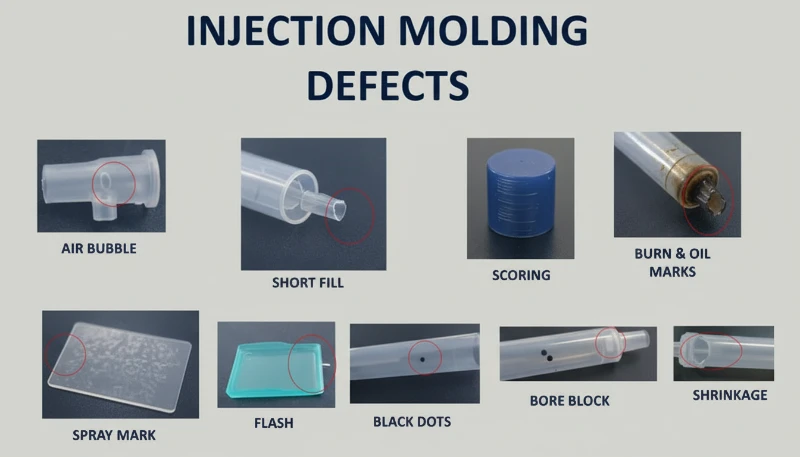
Wgniecenia, linie łączenia i niedolewania to najczęstsze wady w wtrysku motoryzacyjnym. Każdej z nich można zapobiec poprzez właściwą kontrolę procesu, projekt formy i systematyczny monitoring podczas produkcji.
Zapadnięcia pojawiają się na widocznej powierzchni naprzeciw grubych przekrojów, takich jak żebra, nadlewy i przejścia grubości ścianek. Grubszy przekrój chłodzi się wolniej, kurczy i wciąga powierzchnię do środka. Zapobieganie: utrzymuj grubość podstawy żebra na poziomie 50–60% nominalnej ścianki oraz stosuj odpowiednie ciśnienie i czas docisku. Dostawca, który ustawia docisk na wyczucie zamiast na podstawie rzeczywistej krzywej ciśnienia, ryzykuje niespełnienie wymagań powierzchni klasy A.
Linie łączenia powstają w miejscu spotkania dwóch frontów przepływu, zwykle wokół otworów lub wkładek. W materiałach z włóknem szklanym włókna układają się równolegle do linii łączenia, tworząc osłabienie, w którym wytrzymałość na rozciąganie może spaść o 30–50% względem materiału rodzimego. Aby temu zapobiec, zmienia się położenie przewężki tak, by przenieść linię poza obszar krytyczny, albo zwiększa temperaturę stopu, poprawiając dyfuzję molekularną na linii łączenia. Symulacja przepływu przed wykonaniem narzędzia wykrywa większość tych problemów, ale tylko wtedy, gdy wykonawca rzeczywiście ją przeprowadzi i wykorzysta wyniki.
Poza tymi trzema kategoriami wtryskownie motoryzacyjne monitorują także wypaczenia (szczególnie w dużych płaskich częściach, takich jak panele drzwiowe), wypływki (nadmiar materiału wydostający się wzdłuż linii podziału) oraz dryft wymiarowy podczas długich serii produkcyjnych. Każdy z tych problemów ma przyczyny źródłowe w sterowaniu procesem, stanie formy lub jednorodności materiału — i każdemu znacznie taniej zapobiec przez zdyscyplinowane ustawienie procesu, niż usuwać go przez obróbkę po formowaniu lub złomowanie.
Koszt wad w produkcji motoryzacyjnej nie ogranicza się do wartości złomu samego detalu. Wadliwy detal, który trafi na linię montażową, może zatrzymać produkcję, a jeśli trafi do klienta końcowego, skutkuje roszczeniem gwarancyjnym lub akcją serwisową. Dlatego producenci OEM z branży motoryzacyjnej wyznaczają docelowe wskaźniki wadliwości w częściach na milion (PPM), a rzetelne wtryskownie inwestują w automatyczne urządzenia kontrolne i monitorowanie procesu w czasie rzeczywistym, aby wykrywać odchylenia, zanim powstaną części niezgodne ze specyfikacją.
Jak w praktyce wygląda kwalifikowany partner w zakresie formowania dla motoryzacji?
Kluczowymi kwalifikacjami są szeroki zakres siły docisku, własne narzędziownictwo, certyfikowane systemy jakości oraz udokumentowana identyfikowalność materiału.
Kwalifikowany partner w dziedzinie wtrysku motoryzacyjnego łączy szeroki zakres siły docisku, własne narzędziownictwo oraz udokumentowane systemy jakości. W naszej fabryce w Szanghaju nasz zespół obsługuje 47 maszyn do wtrysku od 90T do 1850T i pracuje w systemach ISO 9001, ISO 13485, ISO 14001 oraz ISO 45001. Dzięki ponad 20-letniemu doświadczeniu w wtrysku i narzędziownictwie, nasi inżynierowie sprawdzają wykonalność części samochodowych pod kątem materiału, siły docisku, ryzyka wymiarowego i dokumentacji PPAP przed rozpoczęciem produkcji narzędzi.
W szczególności dla projektów motoryzacyjnych, skupiamy się na trzech praktycznych kontrolach. Po pierwsze, nasza własna fabryka produkcji form pozwala na połączenie projektowania form, obróbki, prób i konserwacji pod jednym dachem, zamiast rozdzielania odpowiedzialności na zewnętrzne warsztaty form. Po drugie, nasz proces kwalifikacji dokumentuje kontrolę przyjęcia, próbki w trakcie procesu, kontrolę pakowania, końcową kontrolę i kontrolę wysyłki, tak aby dowody PPAP nie były odtworzone z pamięci po rozpoczęciu produkcji. Po trzecie, nasz zespoł ma doświadczenie z ponad 400 materiałami plastikowymi, co redukuje ryzyko substytucji żywicy gdy OEM wymaga konkretnego PP, ABS, PA, PC, lub wypełnienia szklanego.
Nasz zespoł produkcyjny obejmuje ponad 120 pracowników którzy rozumieją różnicę między kosmetycznymi elementami wykończenia, półstrukturalnymi uchwytami i częściami pod maską eksponowanymi na ciepło i wibracje. Jeśli oceniasz partnerów formowania dla programu motoryzacyjnego, przed zobowiązaniem do inwestycji w formę, zapytaj o przykładowe raporty wymiarowe, szablon planu kontroli, rekordy śledzenia materiałów i dane dotyczące zdolności procesu.
Jakie pytania kupujący zadają dotyczące wtrysku form dla motoryzacji?
Często zadawane pytania
Wtrysk form dla części samochodowych: Kompletny przewodnik
Standardowa jednogniazdowa forma samochodowa powstaje w ciągu 6–10 tygodni od zatwierdzenia projektu do próbek T1. Formy wielogniazdowe lub rodzinne ze złożonymi mechanizmami bocznymi mogą wymagać 12–16 tygodni. W ZetarMold nasza własna narzędziownia zwykle dostarcza próbki T1 w ciągu 8 tygodni dla form samochodowych o umiarkowanej złożoności, ponieważ cały proces obróbki i prób kontrolujemy wewnętrznie, bez oczekiwania na zewnętrzne narzędziownie. Sama próba formy wymaga zazwyczaj 2–3 iteracji w celu dostrojenia parametrów procesu przed sporządzeniem raportu kontroli pierwszej sztuki.
Czy formowanie wtryskowe umożliwia produkcję konstrukcyjnych części samochodowych?
Tak, pod warunkiem zastosowania nylonu wzmocnionego włóknem szklanym lub tworzyw z długim włóknem (LFT). Wspornik z PA66-GF30 może osiągnąć wytrzymałość na rozciąganie powyżej 180 MPa, wystarczającą do wielu zastosowań konstrukcyjnych i półkonstrukcyjnych, takich jak ramy siedzeń, wsporniki pedałów czy mocowania akumulatorów w platformach pojazdów elektrycznych. Kluczowy jest dobór właściwej zawartości i orientacji włókien. To właśnie symulacja płynięcia i doświadczenie w rozmieszczaniu przewężek decydują o różnicy między detalem, który przechodzi testy laboratoryjne, a takim, który zawodzi w eksploatacji pod rzeczywistym obciążeniem.
Jaka minimalna wielkość produkcji uzasadnia formowanie wtryskowe części samochodowych?
W przypadku prostych części i umiarkowanej złożoności formy próg rentowności względem obróbki CNC lub druku 3D wynosi zwykle 5 000–10 000 sztuk po uwzględnieniu amortyzacji oprzyrządowania w całej serii. Dla złożonych form wielogniazdowych z mechanizmami bocznymi i wypychaczami skośnymi próg rośnie do 30 000–50 000 sztuk, zanim oszczędności jednostkowe zrekompensują wyższą inwestycję początkową. Programy motoryzacyjne w cyklu życia modelu wynoszącym 5–7 lat zwykle znacznie przekraczają te wolumeny, dlatego formowanie wtryskowe jest oczywistym wyborem ekonomicznym. Niektóre zakłady oferują także rozwiązania pomostowe z aluminiowymi formami do prototypowania przy mniejszych wolumenach przed inwestycją w stalowe oprzyrządowanie produkcyjne, co może obniżyć początkowy koszt oprzyrządowania o 40–60%.
Jak bada się trwałość formowanych wtryskowo części samochodowych?
Typowe kategorie testów obejmują cykle termiczne (od −40°C do +120°C przez ponad 100 cykli zgodnie ze specyfikacją OEM), starzenie UV (przyspieszone naświetlanie w komorze pogodowej zgodnie z SAE J2412 lub równoważnymi normami), testy wibracyjne (zgodnie z widmami profilu drogowego ISO 16750-3, zwykle 8–24 godziny na każdą oś) oraz odporność chemiczną (zanurzenie w paliwie, oleju i płynie chłodzącym przez określony czas w podwyższonej temperaturze). Niektóre zastosowania wymagają również prób upadku, prób udarności w niskiej temperaturze i starzenia wilgotnościowego. OEM określa dokładną macierz testów w dokumencie specyfikacji komponentu, a dostawca musi przedstawić certyfikowane raporty z badań w pakiecie PPAP, zanim zostanie udzielona zgoda na produkcję.
Jakie tolerancje można uzyskać w formowaniu wtryskowym części samochodowych?
Ogólne tolerancje ±0,1 mm są rutynowe dla cech poniżej 50 mm w standardowych żywicach konstrukcyjnych. Wąskie tolerancje ±0,05 mm są osiągalne dla cech krytycznych, takich jak zatrzaski, trzpienie ustalające i powierzchnie uszczelniające, ale wymagają precyzyjnego wykonania formy, zablokowanych parametrów procesu i monitorowania statystycznego. Cechy powyżej 150 mm zwykle utrzymują ±0,2–0,3 mm ze względu na różnice skurczu materiału na dłuższych wymiarach. Materiały krystaliczne, takie jak nylon i POM, wykazują większy skurcz niż żywice amorficzne, takie jak ABS lub PC, co wpływa na możliwą tolerancję.
Czy obtryskiwanie jest stosowane w produkcji motoryzacyjnej?
W bardzo szerokim zakresie. Overmolding dwukomponentowy wytwarza części wielomateriałowe, takie jak miękkie przyciski kierownicy, szczelne złącza elektryczne ze zintegrowanymi krawędziami uszczelniającymi i wsporniki tłumiące drgania — wszystko w jednym cyklu maszyny, bez dodatkowego montażu. Eliminuje to osobne operacje klejenia i tworzy silniejsze połączenia materiałów niż kleje, ponieważ oba materiały łączą się na poziomie cząsteczkowym podczas chłodzenia. Proces wymaga wtryskarki wyposażonej w dwa niezależne zespoły wtryskowe oraz formy z obrotowym rdzeniem albo płytą indeksującą, która przenosi podłoże między pierwszym i drugim wtryskiem materiału.
Jakie certyfikaty powinien mieć dostawca formowania wtryskowego dla motoryzacji?
IATF 16949 jest branżową normą zarządzania jakością dla dostawców motoryzacyjnych i większość producentów OEM poziomu Tier 1 wymaga jej przy zatwierdzaniu dostawcy do produkcji. Od każdego dostawcy składającego ofertę na prace dla motoryzacji oczekuje się co najmniej certyfikatu ISO 9001, jednak poważne programy produkcyjne ustanawiają IATF 16949 jako bezwzględny wymóg kwalifikacji. Europejscy i północnoamerykańscy producenci OEM coraz częściej wymagają również certyfikatu zarządzania środowiskowego ISO 14001 oraz bezpieczeństwa i higieny pracy ISO 45001 w ramach standardów zrównoważonych zakupów i odpowiedzialności korporacyjnej.
Wybór partnera do samochodowej produkcji wtryskowej jest decyzją na 5–7 lat. Właściwy dostawca zapewnia stałą jakość wymiarową, wprowadza zmiany konstrukcyjne bez zakłócania harmonogramu i dostarcza dokumentację wymaganą przez PPAP. Jeśli szukasz źródła samochodowych elementów z tworzyw i chcesz omówić z naszym zespołem inżynieryjnym dobór materiału, projekt formy lub zdolność procesu, przed wyceną użyj kompletnego przewodnika po formach wtryskowych jako technicznej listy kontrolnej.
formowanie wtryskowe: Formowanie wtryskowe to proces produkcyjny, w którym stopioną żywicę termoplastyczną wtryskuje się pod wysokim ciśnieniem do zamkniętego gniazda formy, gdzie chłodzi się i zestala, przyjmując końcową geometrię detalu. ↩
obtryskiwanie: Obtryskiwanie to dwukomponentowy proces wtryskowy, w którym drugi materiał formuje się na wcześniej wykonanym podłożu, tworząc wielomateriałowy detal o lepszej przyczepności, szczelności lub zdolności tłumienia drgań. ↩
formowanie z wkładkami: Jest to proces, w którym uprzednio umieszczony element metalowy lub elektroniczny zostaje otoczony wtryskiwanym tworzywem, tworząc jeden zintegrowany zespół. ↩