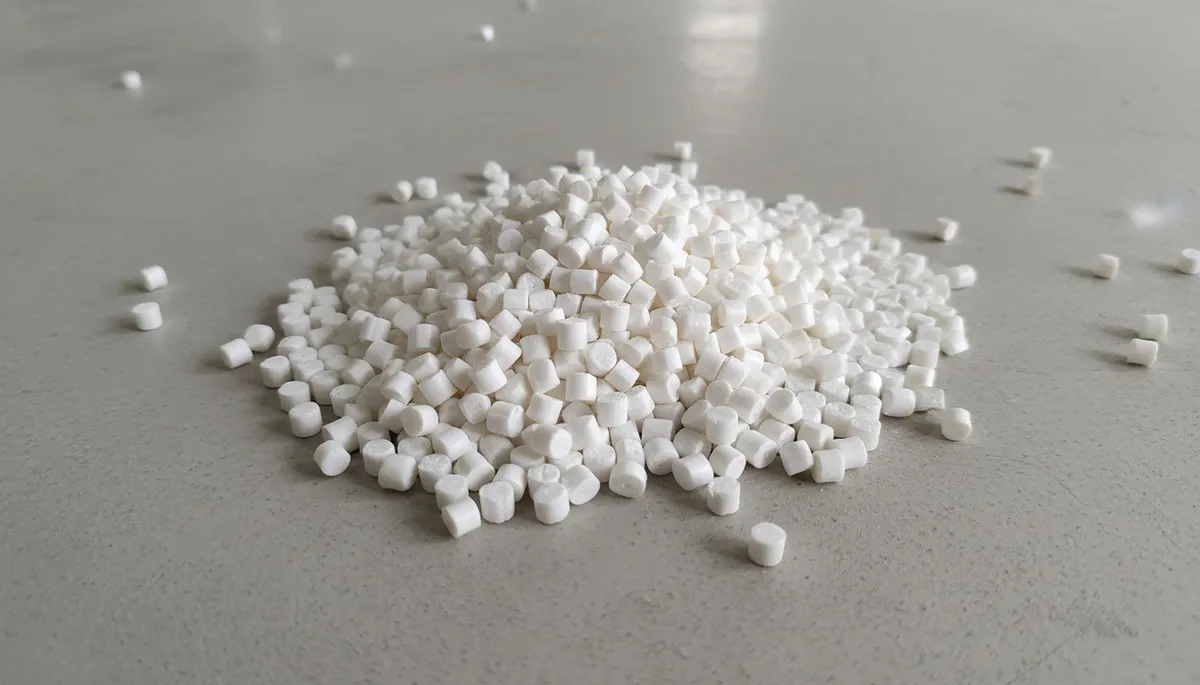
Yeni bir araç platformu için plastik bileşenler belirliyorsunuz. Tasarım; iç, dış ve kaput altı sistemlerde enjeksiyonla kalıplanmış 47 parça gerektiriyor ve tedarikçinizin otomotiv üretim adetlerinde bunların tamamında tutarlı kalite sağlaması gerekiyor. Enjeksiyon kalıplama1, gösterge paneli kaplamalarından hava emme manifoldlarına kadar modern bir otomobildeki plastik parçaların çoğunu üretir. Bu makale, güvenilir bir otomotiv parça programını hurda ve gecikme yaratan bir programdan ayıran belirli malzemeleri, kalıplama tekniklerini ve kalite gerekliliklerini açıklar.
- Enjeksiyon kalıplama, binek araçlardaki plastik parçaların %90'ından fazlasını oluşturur
- PP, ABS ve naylon maliyet-performans dengesi nedeniyle otomotiv kalıplamasına hâkimdir
- Çok bileşenli ve insert kalıplama, montaj adımlarını azaltan entegre bileşenlere olanak tanır
- Üretim düzeyindeki otomotiv parçaları için IATF 16949 ve PPAP pazarlığa açık değildir
- İş ortağı seçiminde tonaj aralığına, malzeme deneyimine ve kusur takibine öncelik verilmelidir
Enjeksiyon Kalıplama Modern Otomotiv Üretiminde Nasıl Bir Rol Oynar?
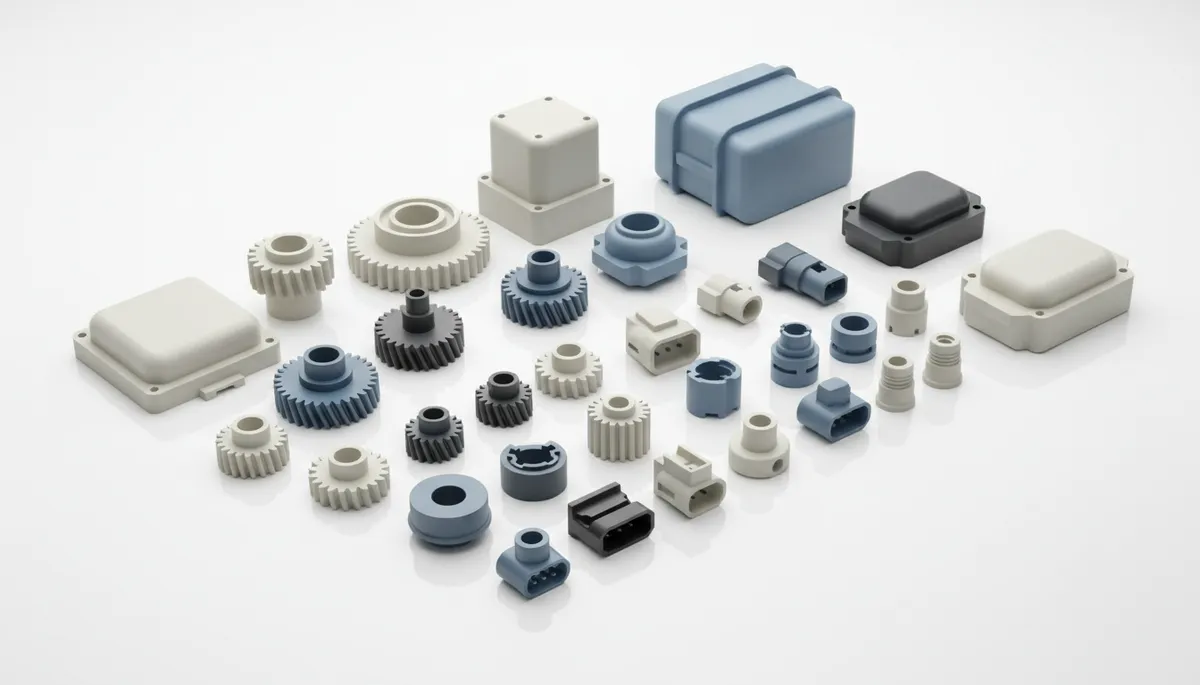
Enjeksiyonla kalıplama, otomotiv plastik bileşen üretiminin temelidir. Tek bir orta boy sedan yaklaşık 30.000 parça içerir ve bunların 1.000’den fazlası plastiktir—çoğu enjeksiyonla kalıplanmıştır. Tamponlar, gösterge panelleri, kapı panelleri, emme manifoldları, sıvı depoları, sensör muhafazaları ve bağlantı elemanı bloklarının tümü kalıplama makinelerinden çıkar, işleme merkezlerinden değil.
Daha geniş bir bakış için eksiksiz enjeksiyon kalıplama rehberimiz süreç temellerini, malzeme davranışını ve üretim kararlarını ele alır.
Nedeni açıktır: kalıp üretildikten sonra her parçanın malzeme ve makine süresi maliyeti bir doların yalnızca küçük bir bölümüdür. 10.000 adedin üzerindeki üretimlerde parça başı maliyet açısından başka hiçbir süreç rekabet edemez. Tipik bir otomotiv kalıbı, kapsamlı yenileme gerektirmeden önce 500.000 ile 1 milyonun üzerinde çevrim çalışır. Bu nedenle tüm büyük otomobil üreticileri ve Tier 1 tedarikçileri, metal olmayan bileşenleri üretmenin temel yöntemi olarak enjeksiyon kalıplamaya güvenir.
Ancak otomotiv kalıplama, tüketim malları kalıplamayla aynı değildir. Toleranslar daha sıkıdır (işlevsel özelliklerde çoğu zaman ±0,05 mm), malzeme şartnameleri daha katıdır (her reçine sınıfı OEM onay listelerini karşılamalıdır) ve belgelendirme yükü daha ağırdır. Plastik bir braket için PPAP sunumundan geçtiyseniz evrak yükünün parçadan daha ağır olabileceğini bilirsiniz.
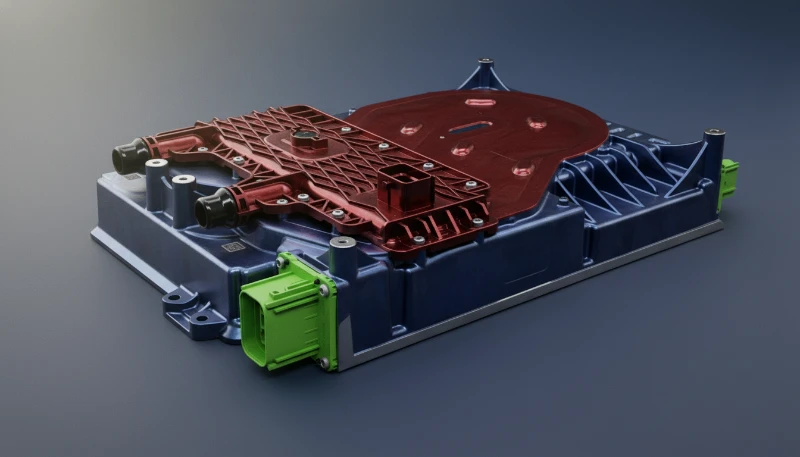
Elektrikli araçlara geçiş enjeksiyon kalıplamanın rolünü daha da genişletiyor. EV batarya muhafazaları, termal yönetim muhafazaları, şarj portu montajları ve hafif yapısal braketler, plastik parçaların daha ağır metal alternatiflerin yerini aldığı yeni uygulama alanlarıdır. Ağırlık tasarrufu doğrudan menzil artışına dönüşür; bu nedenle OEM’ler malzeme tedarikçilerini ve kalıpçıları yapısal sınıf plastikleri ölçekte sunmaya zorluyor.
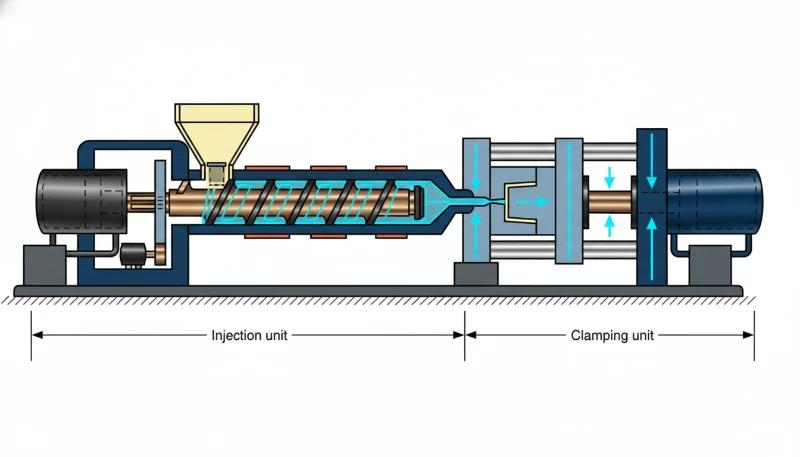
Otomotiv enjeksiyon kalıplamada hangi malzemeler kullanılır?
PP, ABS, naylon ve polikarbonat, maliyet, dayanıklılık ve ısı direnci nedeniyle seçilen baskın otomotiv kalıplama malzemeleridir. Malzeme seçimi üç kısıtlamayla belirlenir: kilogram başına maliyet, sıcaklıktaki mekanik performans ve düzenleyici uygunluk (iç parçalar buğulanma ve VOC sınırlarını karşılamalıdır; motor bölmesi parçaları 120–150 °C’ye sürekli maruz kalmaya dayanmalıdır). Aşağıdaki tablo, dünya çapında otomotiv üretimine hakim olan temel reçineleri göstermektedir.
| Malzeme | Anahtar Özellikler | Tipik Otomotiv Kullanımı |
|---|---|---|
| Polipropilen (PP) | Düşük yoğunluk (0.90 g/cm3), kimyasal direnç, düşük maliyet | Tamponlar, batarya kutuları, iç kaplamalar |
| ABS | Darbe dayanımı, iyi yüzey kalitesi, boyanabilir | Gösterge paneli bileşenleri, ızgaralar, jant kapakları |
| Naylon 6/6 (PA66) | Yüksek mukavemet, ısı direnci (kısa süreli 180 °C'ye kadar) | Emme manifoldları, motor kapakları, dişliler |
| Polikarbonat (PC) | Şeffaflık, darbe dayanımı, boyutsal kararlılık | Far lensleri, açılır tavan modülleri |
| POM (Asetal) | Düşük sürtünme, mükemmel yorulma direnci | Yakıt sistemi bileşenleri, bağlantı elemanları, klipsler |
| TPO / TPE | Esnek, hava koşullarına dayanıklı, boyanabilir | Keçeler, contalar, yumuşak dokunuşlu iç paneller |
| PA66-GF30 | Yüksek sıcaklıklarda yüksek rijitlik ve sünme direnci | Yapısal braketler, şanzıman bileşenleri |
Uygulamada OEM, her alt sistem için onaylı malzeme listesi belirler. Bir kalıpçı olarak, eriyik akış indeksi benzer olsa bile mühendislik onayı olmadan PA66’yı PA6 ile değiştiremezsiniz. 400+ malzeme sınıfını stoklayan bir tedarikçiyle çalışmanın önemli olmasının nedeni budur: araç montajının sonraki aşamalarında sorun yaratacak bir ikameyi dayatma olasılığı daha düşüktür.
Cam elyaf dolgulu sınıflar özel dikkat gerektirir. Naylona %30 kısa cam elyaf eklemek çekme dayanımını yaklaşık 2,5 kat artırır; ancak kalıp aşınmasını da hızlandırır (elyaflar kavite yüzeylerinde mikroskobik zımpara gibi davranır) ve daha yüksek enjeksiyon basıncı gerektirir. Yapısal braket veya kaput altı bileşen tedarik ediyorsanız kalıpçının cam elyaf dolgulu bileşikleri yalnızca laboratuvar numune baskılarında değil, üretim takımında çalıştırma deneyimi olduğunu doğrulayın.
Mevzuat gereksinimleri de malzeme seçimlerini şekillendirir. AB’de satılan araçların iç bileşenleri REACH ve ELV Direktifi madde kısıtlamalarına uymalıdır. Gıda veya içme suyuyla temas eden parçalar (bardaklıklar, su şişesi tutucuları) FDA uyumlu reçine sınıfları gerektirebilir. Bilgili bir kalıpçı bu gereksinimleri takım çeliği işlenmeden önce tasarım aşamasının başında işaretler.
Enjeksiyonla Kalıplanmış Parçaların Başlıca Otomotiv Uygulamaları Nelerdir?
İç döşeme, dış paneller ve motor bölmesi güç aktarım bileşenleri, enjeksiyonla kalıplanmış otomotiv parçalarının üç uygulama alanıdır. Her alanın sıcaklık direnci, yüzey kalitesi ve yapısal bütünlük için farklı talepleri vardır.
İç Mekân Sistemleri
Gösterge panelleri, orta konsollar, kapı iç panelleri, HVAC kanalları ve hava yastığı kapakları. İç parçalar A Sınıfı yüzey kalitesi gerektirir (görünür alanlarda çökme izi, kaynak çizgisi veya akış izi olmamalıdır) ve buğu testlerinden geçmelidir (DIN 75201’e göre < 1 mg yoğuşma). Çok malzemeli üzerine kalıplama2 burada yaygındır: sert bir PP alt tabakaya, ayrı bir montaj adımı olmadan yumuşak dokunuş sağlamak için TPE kaplanır. Bir yapıştırma işleminin kaldırılması otomotiv adetlerinde önemli maliyet tasarrufu sağlayabilir.
Dış Sistemler
Tamponlar, ızgaralar, çamurluk davlumbazları, ayna muhafazaları ve lamba çerçeveleri. Bu parçalar UV’ye, −40 °C ile +90 °C arasındaki sıcaklık çevrimlerine ve yoldaki taş darbelerine maruz kalır. Kalıplanmış TPO tamponlarda boya yapışması iyi bilinen bir sorundur; boya hattından önce yüzey işlemi (alev veya plazma) gerekir ve kalıpçı, yapışmayı engelleyen katkı maddesi migrasyonunu kontrol etmelidir. Boya öncesinde doğru yüzey enerjisinin sağlanması, boya soyulmasına ilişkin garanti taleplerini önlemek için kritiktir.
tasarımdan süregelen bakıma kadar, harici alet atölyelerine güvenmeden. İkincisi, altı adımlı kalite sürecimiz (IQC → süreç içi örnekleme → süreç denetimi → paketleme/montaj denetimi → FQC → OQC), otomotiv PPAP başvurularının talep ettiği izlenebilirlik belgelerini sağlar. Üçüncüsü, envanterde 400’den fazla onaylı malzeme sınıfı ile, OEM’in belirttiği tam reçine sınıfında üretimi, ikame gecikmeleri olmadan yürütebiliriz.
Hava emme manifoldları, soğutma sıvısı depoları, sensör muhafazaları, konnektör blokları ve kablo demeti klipsleri. Bunlar en zorlu uygulamalardır: 120 °C üzerindeki sürekli sıcaklıklar, yakıt, yağ ve soğutma sıvısına maruz kalma ve motor kaynaklı titreşim yükleri. Bu alanda çoğunlukla cam elyaf dolgulu Naylon 6/6 kullanılır. insert kalıplama3, metal insertleri veya elektronik sensörleri doğrudan plastik muhafaza içine kapsüllemek için sıkça kullanılır; böylece montaj adımları kaldırılır ve titreşim altındaki güvenilirlik artırılır.
Elektrikli araçlara geçiş; batarya modülü muhafazaları, inverter kasaları, termal yönetim manifoldları ve yüksek gerilim konnektör sistemleri gibi yeni kategoriler ekliyor. Bu parçaların çoğu alev geciktirici malzemeler (UL94 V-0 sınıfı) gerektirir ve geniş sıcaklık aralığında ölçü kararlılığını korumalıdır. Bu parçaların kalıp tasarımı, duvar kesitleri daha kalın olma eğiliminde olduğu için daha karmaşıktır; bu da soğuma süresini ve çökme izi riskini artırır.
Otomotiv Üretiminde Hangi Enjeksiyon Kalıplama Teknikleri Kullanılır?
Tek atışlı, çift atışlı, içine yerleştirmeli ve gaz destekli kalıplama, otomotiv plastik üretiminde kullanılan dört temel tekniktir. Özel yöntemler, üretim hacimlerinde çoklu malzeme entegrasyonu, ağırlık azaltma ve maliyet tasarrufu sağlar.
İki vuruşlu (çok bileşenli) kalıplama tek bir makine çevriminde iki farklı malzemeyi kalıplar. Tipik bir otomotiv uygulaması, sert PC gövdeli ve yumuşak TPE üst yüzeyli bir düğmedir; süreç, alt tabakayı kalıptan çıkarmadan A boşluğundan B boşluğuna aktarmak için döner kalıp çekirdeği kullanır. Böylece ikincil montaj işlemi kaldırılır ve iki malzeme hassas biçimde hizalanır. Malzemeler soğuma sırasında moleküler düzeyde kenetlendiğinden ortaya çıkan bağ genellikle herhangi bir yapıştırıcı bağlantısından daha güçlüdür.
Insert kalıplama metal bir baskı parçayı, dişli burcu veya elektronik bileşeni enjeksiyondan önce kalıba yerleştirir. Plastik bunun çevresinde akarak tek ve bütünleşik bir parça oluşturur. Önceden konumlandırılmış metal terminallere sahip otomotiv konnektör blokları yüksek adetli bir örnektir; küresel otomotiv tedarik zincirinde bunlardan her yıl milyarlarca kalıplanır.
Gaz destekli kalıplama kalın kesitlerin içini boşaltmak için eriyiğe azot gazı enjekte eder. Bu yöntem parça ağırlığını %10–30 azaltır, görünür yüzeylerdeki çökme izlerini giderir ve soğutulması gereken kütleyi azaltarak enjeksiyon kalıplama üretim süresini kısaltır. Kapı tutamakları, konsol kolçak çerçeveleri ve ayna braketlerinde sıkça kullanılır. Gaz kanalı malzeme eklemeden iç nervür gibi davrandığından, içi boş çekirdek aynı dış ölçülere sahip dolu parçaya göre rijitlik/ağırlık oranını da iyileştirir.
Doğru kalıplama tekniğini seçmek, diğer etkenlerden bağımsız vereceğiniz bir karar değildir. Parça geometrisi, yıllık hacim, malzeme gereksinimleri ve montaj kısıtlarının tümü hesaba katılır. İyi bir kalıplama ortağı; en basit yöntemi varsayıp işe yaramasını ummak yerine kalıp takımı, çevrim süresi, ikincil işlemler ve hurda oranı dâhil toplam sahip olma maliyetine göre en uygun maliyetli tekniği önerir. Bir otomotiv üretim kalıbının tek bir yeniden işleme çevriminin $5,000–$15,000 tutabileceği ve takvime iki ila dört hafta ekleyebileceği düşünüldüğünde, kalıp akış simülasyonuna yapılan başlangıç yatırımı kendini kat kat geri öder.
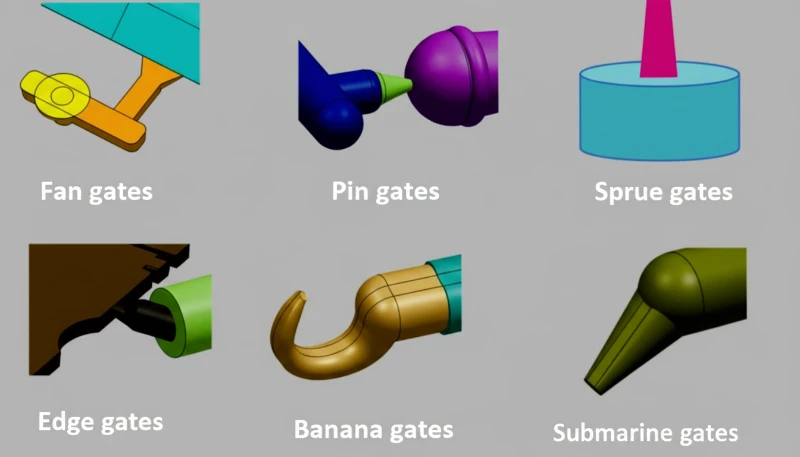
"İki atımlı kalıplama, sert ve yumuşak bileşenler arasında ayrı bir yapıştırıcıyla birleştirme adımı gereksinimini ortadan kaldırır."True
İkinci malzeme, kalıplama çevrimi sırasında altlığa moleküler düzeyde bağlanarak herhangi bir ikincil yapıştırma prosesinin sağlayabileceğinden daha güçlü bir ara yüz oluşturur.
"Gaz destekli kalıplama çoğunlukla 50 grams altındaki küçük ve hassas parçalar için kullanılır."False
Gaz destekli kalıplama, maçanın içini boşaltmanın önemli ölçüde ağırlık tasarrufu sağladığı ve kozmetik yüzeylerdeki çöküntü izlerini azalttığı büyük, kalın kesitli parçalar (çoğu zaman 500 gramın üzerinde) için en değerlidir.
Otomotiv Enjeksiyonla Kalıplanmış Parçalarda Kalite Kontrolü Nasıl Çalışır?
Otomotiv kalitesi isteğe bağlı değildir ve pazarlık konusu olamaz. Temel gereklilikleri iki çerçeve belirler: IATF 16949 (ISO 9001 üzerine kurulu, ancak süreç kontrolü, risk yönetimi ve izlenebilirlik için ek gereklilikler içeren otomotive özgü kalite yönetim sistemi standardı) ve PPAP (OEM üretime geçişi onaylamadan önce tedarikçinin sunması gereken 18 öğeli paketi tanımlayan Üretim Parçası Onay Süreci).
Üretim sahasında bu yaklaşım çeşitli somut faaliyetlere dönüşür. İlk üretim numuneleri, CMM ekipmanıyla GD&T teknik resmine göre ölçülür. Enjeksiyon basıncı, eriyik sıcaklığı, giriş donma süresi ve soğutma süresi gibi proses parametreleri enjeksiyon kalıplama adımlarıyla eşleştirilir ve kontrol planında sabitlenir. Üretim sırasında SPC (istatistiksel proses kontrolü) grafikleri kritik boyutları numune bazında, hangisi önce gerçekleşirse genellikle her 2 saatte veya her 500 parçada bir izler.
CMM kabiliyeti ve belgelenmiş SPC olmadan otomotiv parçaları üreten bir tedarikçi, web sitesinde ne yazarsa yazsın Tier 1 veya Tier 2 tedarikçi değildir. ZetarMold’da tedarikçileri denetlerken gerçek denetim ekipmanlarını—koordinat ölçüm makineleri, profil projektörleri, sertlik ölçüm cihazları—ve her cihazın kalibrasyon kayıtlarını ararız. ISO 9001 / ISO 13485 sertifikası otomotiv çalışmaları için tabandır, tavan değil.
İzlenebilirlik de taviz verilemeyecek başka bir konudur. Her üretim partisinin belirli malzeme partisine, makineye, kalıba ve operatöre kadar izlenebilmesi gerekir. Sahada bir arıza meydana gelirse OEM’in etkilenen her aracı haftalar değil, saatler içinde belirlemesi gerekir. Bu düzeyde izlenebilirlik, ham madde kabulünden nihai sevkiyata kadar sistematik parti takibi gerektirir ve bir otomotiv denetçisinin tesis değerlendirmesi sırasında doğrulayacağı ilk konulardan biridir.
Sağlam bir lot izleme sistemi olmadığında geri çağırma katlanarak pahalılaşır; çünkü OEM etkilenen üretim aralığını ayıramaz ve önlem olarak daha geniş bir araç grubunu geri çağırmak zorunda kalır. Denetim sırasında bu kabiliyeti gösteremeyen tedarikçiler, diğer nitelikleri ne olursa olsun otomotiv işlerinden elenmelidir.
"PPAP, bir tedarikçinin seri üretim parçalarını sevk edebilmesi için en az 3 üretim çalışmasından ölçüm sonuçları ister."True
En az 3 üretim serisi, makinenin numune atışları için yalnızca bir kez ayarlandığını değil prosesin tekrarlanabilirliğini gösterir. Her seri, üretime eşdeğer koşullarda spesifikasyon içindeki parçaları üretmelidir.
"Bir parça görsel muayeneden geçerse otomotiv üretiminde kullanım için onaylanır."False
Görsel kontrol yalnızca kozmetik kusurları yakalar. Otomotiv PPAP süreci, üretim onayından önce boyutsal veriler, malzeme sertifikaları, proses yeterlilik çalışmaları (Cpk değerleri) ve çoğu zaman tahribatlı test sonuçları gerektirir.
Doğru Otomotiv Enjeksiyon Kalıplama Ortağı Nasıl Seçilir?
Kilit seçim kriterleri tonaj aralığı, malzeme deneyimi, kalite sistemleri, şirket içi kalıplama ve iletişim hızıdır. İşte her faktörün bir araç programı için pratikte ne anlama geldiği.
Tonaj aralığı ve makine parkı. Otomotiv parçaları 5 gramlık konnektör klipslerinden 3 kilogramlık tampon kaplamalarına kadar uzanır. Yalnızca 200T makineleri olan bir tedarikçi büyük dış parçaları üretemez. Buna karşılık yalnızca 1000T+ makineleri olan bir işletme küçük bileşenlerde kapasiteyi boşa harcar. Özel işler için daha yüksek değerlere çıkma esnekliğiyle en az 90T–1000T aralığı arayın. Makine yaşı da önemlidir; eski hidrolik makineler servo-elektrikli veya hibrit makinelerin hassasiyetinden yoksun olabilir ve bu durum dar toleranslı işlerde tutarlılığı etkiler.
Malzeme deneyimi. Cam elyaf dolgulu naylonu üretim adetlerinde işlemek, standart PP kalıplamaktan farklıdır. Aşındırıcı dolgu yollukları ve boşluk yüzeylerini daha hızlı aşındırır; daha sık kalıp bakımı ve daha disiplinli süreç izleme gerektirir. Otomotiv, medikal ve tüketici uygulamalarında 400’den fazla malzemeyle çalışmış bir tedarikçi, yalnızca PP işleyen bir işletmenin henüz karşılaşmadığı işleme sorunlarını görmüş ve çözmüştür.
Kalite sisteminin derinliği. Kontrol planı şablonlarının bir kopyasını ve yakın tarihli bir ölçüm raporunu isteyin. Bunları bir gün içinde sunamıyorlarsa kalite sistemleri yalnızca raftaki evraktır. Tedarikçi en azından IQC, süreç içi kontroller, proses kontrolü, ambalaj kontrolü, FQC ve OQC’den oluşan yapılandırılmış bir kalite akışına; kalibre edilmiş ölçüm ekipmanına ve belgelenmiş prosedürlere sahip olmalıdır.
Kalıp değişiklikleri için mühendislik desteği. Otomotiv programları 5–7 yıl sürer. Bu süre boyunca bazen maliyet azaltma, bazen araç makyajı, bazen de üretim sürecinin optimizasyonu nedeniyle tasarım değişiklikleri kaçınılmazdır.
Kalıpçınızın şirket içi kalıp üretim kabiliyeti yoksa her tasarım değişikliği dışarıdaki bir takım atölyesiyle lojistik pazarlığına dönüşerek zaman çizelgesine haftalar ekler. CNC, EDM ve tel erezyon ekipmanına sahip şirket içi bir kalıp atölyesi, çelik değişikliğini haftalar yerine günler içinde tamamlayarak üretim hattının kesintisiz çalışmasını sağlayabilir.
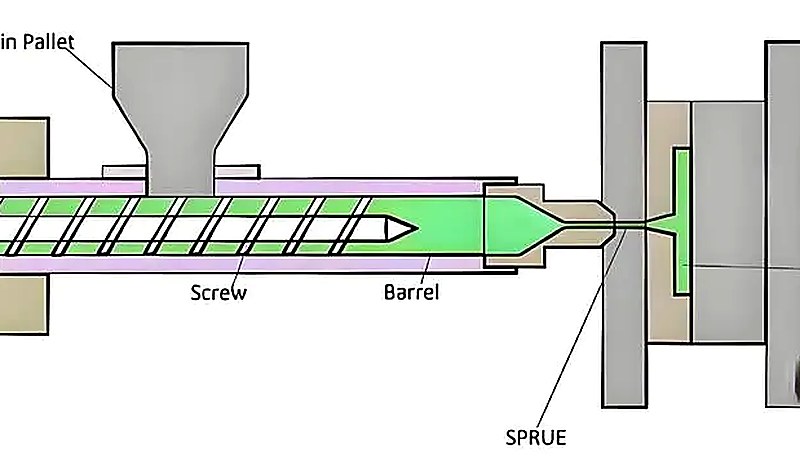
İletişim ve yanıt hızı. Üretim hattında bir ölçü sorunu ortaya çıktığında günler değil, saatler içinde yanıt gerekir. Teknik bağlamı anlayan İngilizce konuşabilen proje yöneticilerine sahip bir tedarikçi (yalnızca e-postaları ileten bir satış ekibi değil), sorunları hattı durdurmadan çözebilir. Bu durum özellikle denizaşırı tedarikte, saat dilimi farklarının iletişim penceresini zaten daralttığı koşullarda önemlidir.
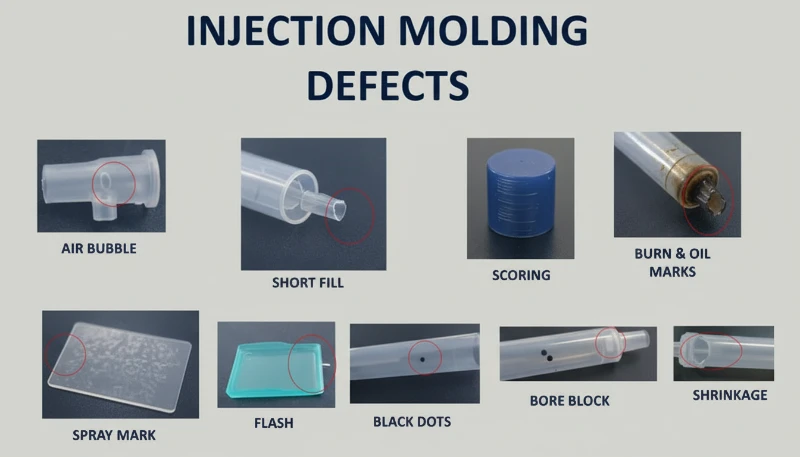
Otomotiv Enjeksiyon Kalıplamada Yaygın Kusurlar Nelerdir ve Nasıl Önlenir?
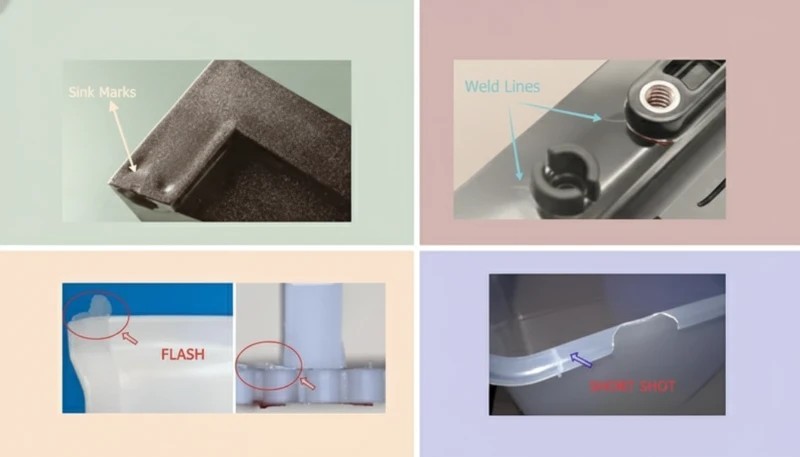
Çökme izleri, kaynak çizgileri ve kısa dolumlar, otomotiv enjeksiyonla kalıplamada en yaygın kusurlardır. Her biri, uygun proses kontrolü, kalıp tasarımı ve üretim sırasında sistematik izleme ile önlenebilir.
Çökme izleri kalın kesitlerin—nervürlerin, bossların ve duvar geçişlerinin—karşısındaki görünür yüzeyde oluşur. Kalın kesit daha yavaş soğur, büzülür ve görünür yüzeyi içeri çeker. Önlemek için nervür tabanı kalınlığını nominal duvarın %50–60’ında tutun ve yeterli tutma basıncı ile süresi uygulayın. Tutma basıncını gerçek basınç eğrisi verilerini izlemek yerine hissine göre ayarlayan bir tedarikçi, A Sınıfı yüzey gerekliliklerinizi riske atar.
Kaynak çizgileri iki akış cephesinin, genellikle deliklerin veya insertlerin çevresinde birleştiği yerde oluşur. Cam elyaf dolgulu malzemelerde elyaflar kaynak çizgisine paralel yönlenerek çekme dayanımının ana malzemeye göre %30–50 düşebildiği zayıf bir nokta oluşturur. Önleme, kaynak çizgisini kritik olmayan bir alana taşımak için yolluk konumunu ayarlamayı veya birleşme çizgisi boyunca moleküler difüzyonu artırmak için eriyik sıcaklığını yükseltmeyi içerir. Takım işlenmeden önce yapılan akış simülasyonu bu sorunların çoğunu yakalar; ancak bunun için kalıpçının simülasyonu gerçekten çalıştırıp sonuçlara göre hareket etmesi gerekir.
Otomotiv kalıpçıları bu üç kategorinin ötesinde çarpılmayı (özellikle kapı panelleri gibi büyük düz parçalarda), çapağı (ayırma çizgisinden kaçan fazla malzeme) ve uzun üretim çalışmaları boyunca ölçüsel kaymayı da takip eder. Bunların her birinin kök nedenleri proses kontrolünde, kalıp durumunda veya malzeme tutarlılığındadır — ve her birini disiplinli kurulumla önlemek, kalıplama sonrası yeniden işleme ya da hurdayla düzeltmekten çok daha ucuzdur.
Otomotiv üretimindeki kusurların maliyeti, yalnızca parçanın hurda değeriyle sınırlı değildir. Montaj hattına ulaşan kusurlu bir parça üretimi durdurabilir; son müşteriye ulaşan kusurlu bir parça ise garanti talebini veya geri çağırmayı tetikler. Otomotiv OEM’lerinin kusur oranı hedeflerini milyonda parça (PPM) olarak belirlemesinin ve ciddi kalıpçıların sapmaları spesifikasyon dışı parça üretmeden önce yakalamak için otomatik kontrol ekipmanına ve gerçek zamanlı proses izlemeye yatırım yapmasının nedeni budur.
Uygulamada Kalifiye Bir Otomotiv Kalıplama Ortağı Nasıl Görünür?
Kilit nitelikler geniş tonaj kapsamı, şirket içi kalıplama, sertifikalı kalite sistemleri ve belgelenmiş malzeme izlenebilirliğidir.
Kalifiye bir otomotiv kalıplama ortağı, geniş tonaj kapsamı, şirket içi kalıplama ve belgelenmiş kalite sistemlerini birleştirir. Şangay fabrikamızda, ekibimiz 90T ila 1850T arasında 47 enjeksiyonla kalıplama makinesi çalıştırır ve ISO 9001, ISO 13485, ISO 14001 ve ISO 45001 sistemleri altında çalışır. 20+ yıllık enjeksiyonla kalıplama ve kalıp deneyimiyle mühendislerimiz, kalıplama başlamadan önce otomotiv parça fizibilitesini malzeme, tonaj, boyutsal risk ve PPAP dokümantasyonuna karşı kontrol eder.
Özellikle otomotiv projeleri için üç pratik kontrole odaklanıyoruz. İlk olarak, şirket içi kalıp imalat tesisimiz, sorumluluğu dışarıdaki kalıp atölyelerine dağıtmak yerine, kalıp tasarımını, işlemeyi, denemeyi ve bakımı tek çatı altında tutar. İkinci olarak, kalite sürecimiz gelen muayeneyi, süreç içi örneklemeyi, paketleme kontrollerini, nihai muayeneyi ve giden muayeneyi belgelendirir, böylece PPAP kanıtları üretim başladıktan sonra hafızadan yeniden oluşturulmaz. Üçüncüsü, ekibimiz 400’den fazla plastik malzeme deneyimine sahiptir, bu da bir OEM belirli bir PP, ABS, PA, PC veya cam dolgulu bir sınıf gerektirdiğinde reçine ikame riskini azaltır.
Üretim ekibimiz, kozmetik kaplama, yarı yapısal braketler ve ısıya ve titreşime maruz kalan kaput altı parçalar arasındaki farkı anlayan 120’den fazla personelden oluşmaktadır. Bir otomotiv programı için kalıplama ortaklarını değerlendiriyorsanız, kalıp yatırımına başlamadan önce örnek boyutsal raporlar, bir kontrol planı şablonu, malzeme izlenebilirlik kayıtları ve süreç yetenek verileri talep edin.
Alıcılar Otomotiv Enjeksiyon Kalıplama Hakkında Hangi Soruları Soruyor?
Sıkça Sorulan Sorular
Bir otomotiv enjeksiyon kalıbının tipik teslim süresi nedir?
Standart tek gözlü bir otomotiv kalıbı, tasarım onayından T1 numunelerine kadar 6–10 hafta sürer. Karmaşık yan hareketlere sahip çok gözlü veya aile kalıpları 12–16 hafta sürebilir. ZetarMold’da kurum içi kalıp atölyemiz, dış takım atölyelerini beklemek yerine tüm işleme ve deneme prosesini içeride kontrol ettiğimiz için orta karmaşıklıktaki otomotiv takımlarında T1 numunelerini genellikle 8 hafta içinde teslim eder. İlk parça muayene raporu oluşturulmadan önce proses parametrelerini ayarlamak için kalıp denemesi çoğunlukla 2–3 yineleme gerektirir.
Enjeksiyon kalıplama yapısal otomotiv parçaları üretebilir mi?
Evet, cam elyaf takviyeli naylon veya uzun elyaflı termoplastik (LFT) bileşikler kullanıldığında mümkündür. PA66-GF30 braket 180 MPa’nın üzerinde çekme dayanımına ulaşabilir; bu, EV platformlarındaki koltuk çerçeveleri, pedal braketleri ve batarya montaj bileşenleri gibi birçok yapısal ve yarı yapısal uygulama için yeterlidir. Önemli olan doğru elyaf içeriğini ve yönlenmesini seçmektir; kalıp akış simülasyonu ve giriş yerleşimi uzmanlığı, laboratuvar testini geçen parçayla gerçek yükleme koşullarında sahada kalan parça arasındaki farkı burada yaratır.
Otomotiv parçalarında enjeksiyon kalıplamayı haklı çıkaran minimum üretim hacmi nedir?
Kalıp karmaşıklığı orta düzeyde olan basit parçalarda, amorti edilmiş takım maliyeti üretim serisine yayıldığında CNC işleme veya 3D baskıya kıyasla başabaş noktası genellikle 5,000–10,000 adettir. Yan hareketler ve eğik iticiler içeren karmaşık, çok kaviteli takımlarda parça başına tasarruf daha yüksek ilk takım yatırımını karşılamadan önce eşik 30,000–50,000 adede çıkar. Otomotiv programları 5–7 yıllık model ömrü boyunca genellikle bu hacimlerin çok üzerinde çalıştığından enjeksiyon kalıplama açık ekonomik tercihtir. Bazı kalıpçılar, üretim çeliği takımına geçmeden önce daha düşük hacimler için alüminyum kalıplı prototipleme köprüleri de sunar; bu, ilk takım maliyetini %40–60 azaltabilir.
Enjeksiyonla kalıplanmış otomotiv parçalarının dayanıklılığı nasıl test edilir?
Yaygın test kategorileri arasında ısıl çevrim (OEM şartnamesine göre −40°C ile +120°C arasında 100’den fazla çevrim), UV yaşlandırma (SAE J2412 veya eşdeğer standartlara göre hızlandırılmış weatherometer maruziyeti), titreşim testi (ISO 16750-3 yol profili spektrumlarına göre, genellikle eksen başına 8–24 saat) ve kimyasal direnç (yüksek sıcaklıklarda belirlenen sürelerle yakıt, yağ ve soğutma sıvısına daldırma) yer alır. Bazı uygulamalar ayrıca düşürme testi, düşük sıcaklıkta darbe testi ve nem yaşlandırması gerektirir. Kesin test matrisi OEM tarafından bileşen şartname belgesinde tanımlanır ve tedarikçi, üretim onayı verilmeden önce PPAP sunum paketinin parçası olarak onaylı test raporlarını sağlamalıdır.
Enjeksiyon kalıplama otomotiv parçalarında hangi toleranslara ulaşabilir?
Standart mühendislik reçinelerinde 50 mm altı özelliklerde ±0.1 mm genel tolerans rutindir. Geçmeli klipsler, konum pimleri ve sızdırmazlık yüzeyleri gibi kritik özelliklerde ±0.05 mm elde edilebilir, ancak hassas kalıp yapımı, kilitli proses parametreleri ve istatistiksel izleme gerekir. 150 mm üzerindeki özellikler uzun boyutlardaki çekme değişimi nedeniyle genellikle ±0.2–0.3 mm tutar. Naylon ve POM gibi kristalin malzemeler ABS veya PC gibi amorf reçinelerden daha fazla çekerek tolerans kabiliyetini etkiler.
Üst kalıplama otomotiv üretiminde kullanılır mı?
Kapsamlı olarak. İki atışlı üst kalıplama, yumuşak dokunuşlu direksiyon simidi düğmeleri, entegre conta dudaklı yalıtılmış elektrik konnektörleri ve titreşim sönümlemeli montaj braketleri gibi çok malzemeli parçalar üretir; bunların tümü, herhangi bir ikincil montaj olmadan tek bir makine döngüsünde gerçekleşir. Bu, ayrı birleştirme işlemlerini ortadan kaldırır ve iki malzeme soğutma sırasında moleküler düzeyde kaynaştığından, yapıştırma birleştirmenin başarabileceğinden daha güçlü malzeme bağları üretir. İşlem, iki bağımsız enjeksiyon ünitesiyle donatılmış bir kalıplama makinesini ve alt tabakayı birinci ve ikinci malzeme çekimleri arasında aktarmak için döner göbekli veya indeks plakalı bir kalıp gerektirir.
Bir otomotiv enjeksiyon kalıplama tedarikçisi hangi sertifikaya sahip olmalıdır?
IATF 16949, otomotiv tedarikçilerine özgü kalite yönetim standardıdır ve üretim düzeyinde tedarik onayı için çoğu Tier 1 OEM tarafından zorunlu tutulur. Otomotiv işi için teklif veren tüm tedarikçilerden en az ISO 9001 sertifikası beklenir; ancak ciddi üretim programları tedarikçi yeterlilik sürecinde IATF 16949’u kesin bir gereksinim olarak zorunlu kılar. Çevre yönetimi sertifikası (ISO 14001) ile iş sağlığı ve güvenliği sertifikası (ISO 45001), sürdürülebilir tedarik standartları ve kurumsal sorumluluk gereksinimleri kapsamında Avrupa ve Kuzey Amerika OEM’leri tarafından giderek daha fazla talep edilmektedir.
Otomotiv üretimi için enjeksiyon kalıplama ortağı seçmek 5–7 yıllık bir karardır. Doğru tedarikçi tutarlı ölçü kalitesi sağlar, tasarım değişikliklerini zaman çizelgesini bozmadan yönetir ve PPAP dosyanızın gerektirdiği belgeleri sunar. Otomotiv plastik bileşenleri tedarik ediyor ve malzeme seçimini, kalıp tasarımını veya süreç yeterliliğini mühendislik ekibimizle görüşmek istiyorsanız teklif almadan önce teknik değerlendirme kontrol listesi olarak eksiksiz enjeksiyon kalıbı rehberimizi kullanın.
enjeksiyon kalıplama: Enjeksiyon kalıplama, erimiş termoplastik reçinenin yüksek basınçla kapalı bir kalıp boşluğuna enjekte edildiği, burada soğuyup nihai parça geometrisinde katılaştığı üretim sürecidir. ↩
üzerine kalıplama: Üzerine kalıplama, gelişmiş kavrama, sızdırmazlık veya titreşim sönümleme özelliklerine sahip çok malzemeli bir parça oluşturmak için ikinci bir malzemenin önceden kalıplanmış alt tabaka üzerine kalıplandığı iki vuruşlu enjeksiyon kalıplama sürecidir. ↩
insert kalıplama: Insert kalıplama, önceden yerleştirilmiş metal veya elektronik bir bileşenin enjekte edilen plastikle kapsüllenerek tek ve bütünleşik bir montaj oluşturulduğu süreçtir. ↩