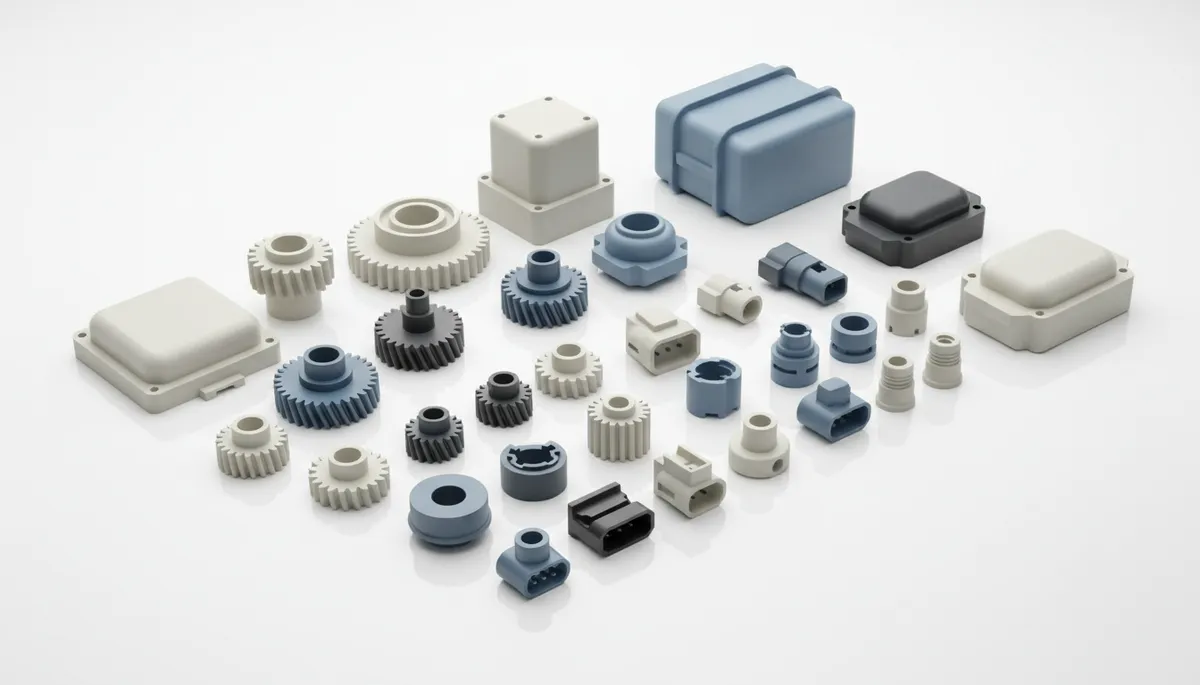
Otomotiv Enjeksiyon Kalıplamada PPAP Nedir?
PPAP, otomotiv tedarikçilerinin üretim parçalarını sevk etmeden önce belgelenmiş 18 unsur sunmasını gerektiren zorunlu bir AIAG kalite kapısıdır. Müşteriniz size 40 sayfalık bir gereksinim paketi gönderdi ve yöneticiniz bunun iki haftada tamamlanmasını istiyor. Daha önce hiç yapmadıysanız — veya son başvurunuz reddedildiyse — bu kılavuz özellikle enjeksiyon kalıplı parçalar için tüm süreçte size yol gösterir.
“PPAP Level 3, belgelenmiş 18 unsurun tamamının yanı sıra en az 300 ardışık parçalık bir üretim serisinden alınan numune parçaları gerektirir.”True
Seviye 3, standart otomotiv sunum seviyesidir ve tam paketi gerektirir: Process Flow Diagram, PFMEA, Control Plan, MSA, boyutsal sonuçlar, malzeme test sonuçları, SPC çalışmaları ve AIAG tarafından tanımlanan diğer 18 unsurun tamamı.
“1.0 Cpk, PPAP başlangıç proses yeterliliği çalışmasını geçmek için yeterlidir.”False
Çoğu otomotiv OEM'i, ilk proses çalışmalarında en az 1.33 Cpk ister. 1.0 Cpk, milyonda yaklaşık 2,700 kusurlu parçaya karşılık gelir — bu değer otomotiv kalite eşiklerinin çok üzerindedir.
- PPAP, tüm Tier 1 ve Tier 2 otomotiv tedarikçileri için zorunludur
- Seviye 3 sunumu, 18 dokümante edilmiş unsur ve numune parçalar gerektirir
- İlk proses yeterlilik çalışmaları için minimum değer Cpk ≥ 1.33'tür
- Onaydan sonraki herhangi bir proses değişikliği, tam yeniden sunumu tetikleyebilir
- Dokümantasyon hataları, gerçek parça kusurlarından daha fazla redde neden olur
PPAP Nedir ve Otomotiv Enjeksiyon Kalıplamada Neden Önemlidir?
PPAP, üretim prosesinizin müşteri gerekliliklerini sürekli karşıladığını kanıtlayan zorunlu bir AIAG kalite çerçevesidir. Üretim parçalarını sevk edebilmeden önce Tier 1 ve Tier 2 dahil tüm otomotiv enjeksiyon kalıplama tedarikçileri için geçerlidir.
Ford, GM, Toyota ve Volkswagen gibi OEM’lerin tamamı bunu zorunlu tutar. Tier 1 tedarikçileri de Tier 2s tedarikçilerinden bunu ister. Gereklilik tedarik zinciri boyunca aşağıya aktarılır. PPAP’ın gerçekte önlediği durum şudur: tedarikçi laboratuvar ortamında bir “altın seri” hazırlar ve onay alır, ardından farklı parametrelere sahip başka bir makinede üretim yapıp hatalı parçaları sevk eder. PPAP prosesi, gerçek üretim prosesinizi; gerçek makineyi, gerçek kalıbı, gerçek malzemeyi ve gerçek operatörleri belgelemenizi ve doğrulamanızı zorunlu kılar.
PPAP başarısızlığının maliyeti ağırdır. Reddedilen bir dosya üretim başlangıcının gecikmesi demektir; otomotivde bu, saatte $10,000+ seviyesine ulaşabilen hat duruşu cezalarına dönüşür. Bunu Shanghai fabrikamızda doğrudan gördük — otomotiv parçalarını kalıpladığımız 20.0 yıl içinde ilk PPAP başarısızlıklarının çoğu hatalı parçalardan değil, eksik belgelerden kaynaklandı.
“PPAP onayından sonra enjeksiyon kalıplama prosesinde yapılan herhangi bir değişiklik, yeniden sunum gerektirebilir.”True
Malzeme sınıfındaki, makinedeki, kalıptaki, proses parametrelerindeki veya üretim konumundaki değişikliklerin tümü yeniden sunumu tetikleyebilir. 4P kuralı (People [İnsan], Process [Proses], Product [Ürün], Place [Yer]), değişiklik bildiriminin veya yeniden sunumun gerekli olup olmadığını değerlendirmeye yönelik standart çerçevedir.
“PPAP yalnızca otomotiv üretimindeki metal parçalar için geçerlidir.”False
PPAP, malzemeden bağımsız olarak enjeksiyonla kalıplanmış plastikler, kauçuk, kompozitler ve monte edilmiş bileşenler dahil tüm üretim parçaları için geçerlidir. Bir otomotiv OEM'ine veya Tier 1 tedarikçisine sevk edilen her parça PPAP onayı gerektirir.
Enjeksiyonla Kalıplanmış Parçalar İçin 18 PPAP Unsuru Nelerdir?
18 PPAP unsuru, tasarım kayıtlarından Parça Sunum Garantisine kadar uzanan standart bir AIAG kontrol listesidir. Seviye 3 enjeksiyon kalıbı[1] sunumu bunların tümünü ele almalıdır.
Her unsur her parça için geçerli değildir; ancak her birini ya dâhil ederek ya da neden uygulanmadığını belgeleyerek ele almalısınız. Enjeksiyon kalıplı otomotiv parçalarında bunların çoğu zorunludur.
| # | Öğe | Enjeksiyon Kalıplamayla İlişkisi |
|---|---|---|
| 1 | Tasarım Kayıtları | Kalıplanmış parçanın CAD modelleri ve 2D çizimleri |
| 2 | Mühendislik Değişikliği Belgeleri | ECNs, sapma talepleri |
| 3 | Müşteri Mühendislik Onayı | Tasarıma yazılı onay |
| 4 | Tasarım FMEA | Parça tasarımındaki hata türleri (genellikle müşteriye ait) |
| 5 | Proses Akış Şeması | Malzeme kabulü → kalıplama → muayene → sevkiyat |
| 6 | Proses FMEA | Kalıplama prosesinizdeki hata türleri |
| 7 | Kontrol Planı | Ayrıntılı muayene ve proses kontrol stratejisi |
| 8 | Ölçüm Sistemi Analizi (MSA) | Tüm ölçüm ekipmanları için Gage R&R |
| 9 | Boyutsal Sonuçlar | Teknik resim spesifikasyonlarına göre tam yerleşim denetimi |
| 10 | Malzeme / Performans Testi Sonuçları | Malzeme sertifikaları, mekanik test verileri |
| 11 | İlk Proses Çalışması (SPC) | Kritik ölçülerde Cpk çalışmaları |
| 12 | Yetkin Laboratuvar Dokümantasyonu | Laboratuvar kapsamı ve akreditasyonu |
| 13 | Görünüm Onay Raporu (AAR) | Görünür Class A yüzeyler için |
| 14 | Üretim Parçası Numuneleri | Gerçek üretim serisinden parçalar (300+ adet) |
| 15 | Ana Numune | Saklanan referans numune |
| 16 | Kontrol Yardımcıları | Geçer/geçmez mastarları, fikstürler |
| 17 | Müşteriye Özgü Gereksinimler | OEM'e özgü formlar veya ek testler |
| 18 | Parça Teslim İzni (PSW) | Tedarikçi tarafından imzalanmış özet kapak sayfası |
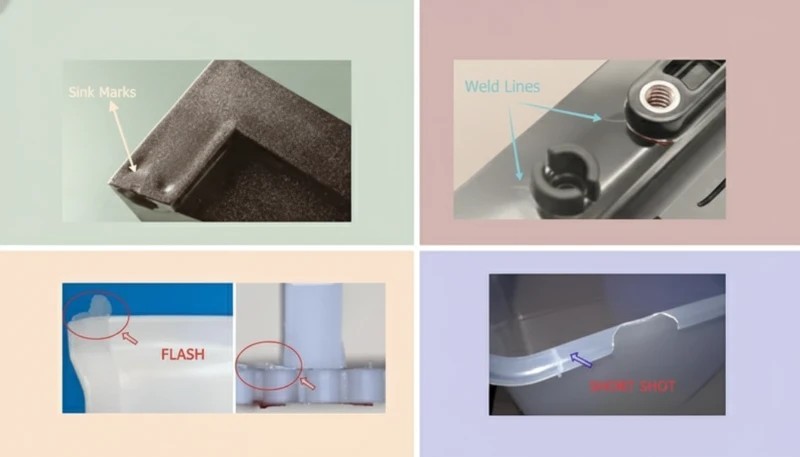
Özellikle enjeksiyon kalıplamada işin büyük bölümü 5 ila 11. unsurlardadır. Process Flow Diagram’ınız, ham madde kabulünden son ambalajlamaya kadar her adımı kapsamalıdır. Process FMEA’nız kalıplamaya özgü riskleri ele almalıdır: eksik dolum, çapak, çökme izleri, çarpılma ve kontaminasyon. Control Plan’ınız ise üretim sırasında prosesi tam olarak nasıl kontrol altında tutacağınızı göstermelidir.
PPAP Sunum Süreci Adım Adım Nasıl İşler?
PPAP sunum prosesi, tekliften müşteri onayına kadar 4–8 haftaya yayılan 6 aşamalı bir dizidir. Gereksinimlerin belirlenmesi, proses planlama, T1 denemesi, 300 parçalık üretim çalışması, ölçüm ve nihai sunumu kapsar.
PPAP, formları aldığınızda değil teklif aşamasında başlar. Enjeksiyonla kalıplanmış bir otomotiv parçası için tipik zaman çizelgesi şöyledir:
Adım 1: Gereklilikleri Anlayın (Teklif Sırasında). Teklif vermeden önce müşterinizin istediği PPAP seviyesini belirleyin. Seviye 1 asgaridir, yalnızca PSW içerir. Seviye 3 eksiksiz pakettir. Seviye 5, müşterinin tesisinizi denetlemesi demektir. Çoğu otomotiv OEM’i varsayılan olarak Seviye 3 ister. Sormadıysanız Seviye 3 kabul edin.
Adım 2: Proses Planlama (Kalıp Yapımı Sırasında). Kalıp yapılırken Proses Akış Diyagramı, PFMEA ve Kontrol Planını hazırlayın. Bu üç belge tutarlı olmalıdır: akış diyagramı PFMEA’yı, PFMEA da Kontrol Planını besler. Aralarındaki herhangi bir uyuşmazlık PPAP reddini garanti eder.
Adım 3: Deneme ve Numune Alma (T1 Aşaması). Kalıbı ilk kez çalıştırın. İlk baskıları toplayın. Burada temel proses parametrelerini belirlersiniz: eriyik sıcaklığı, kalıp sıcaklığı, enjeksiyon hızı, tutma basıncı ve soğutma süresi. Her şeyi belgeleyin.
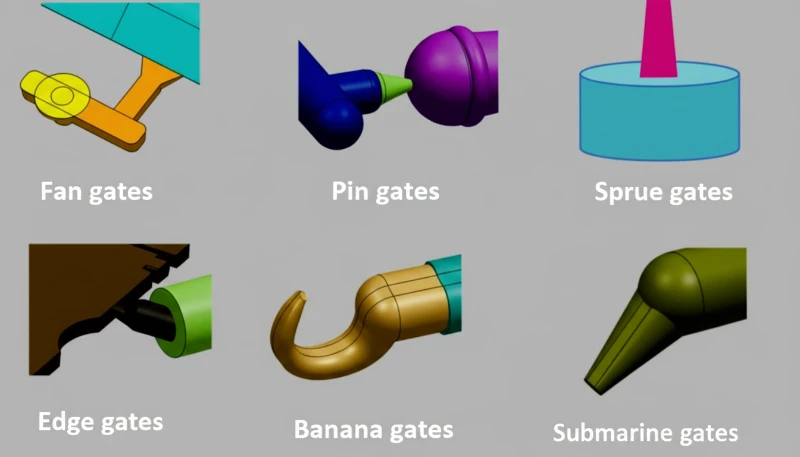
Adım 4: PPAP Numuneleri İçin Üretim Çalışması. Üretimi temsil eden bir parti çalıştırın: genellikle üretim makinesinde, üretim kalıbı, üretim malzemesi ve üretim operatörleriyle en az 300 ardışık parça. Bu bir geliştirme çalışması değil, gerçek üretiminizin simülasyonudur.
Adım 5: Ölçüm ve Test. Çalışmanın başından, ortasından ve sonundan alınan numunelerde tüm boyutsal ölçümleri yapın. Kritik boyutlarda SPC çalışmaları yürütün. Gerekli malzeme veya performans testlerini yapın. Gage R&R çalışmalarını tamamlayın.
Adım 6: Derleyin ve Sunun. 18 unsurun tamamını bir araya getirin, PSW’yi doldurun ve müşterinize sunun. Tier 1 OEM’lerde tipik inceleme süresi 2–4 haftadır.
PPAP İçin Hangi Enjeksiyon Kalıplama Parametreleri Kontrol Edilmelidir?
Her PPAP enjeksiyon kalıplama[2] Kontrol Planında beş parametre zorunludur: eriyik sıcaklığı, kalıp sıcaklığı, enjeksiyon hızı, tutma basıncı ve soğutma süresi.
Cam elyaf dolgulu PA66 motor bölmesi konnektörlerinde eriyik sıcaklığı, ±5.0°C toleransla genellikle 280.0°C–300.0°C aralığındadır. Eriyik sıcaklığı silindirin ayar sıcaklığı değildir — pirometre veya termal kamera ile ölçülen gerçek eriyik sıcaklığıdır. Hedefi ve toleransı belgeleyin. Prosesiniz bu pencerenin dışına çıkarsa bu bir PPAP sapmasıdır.
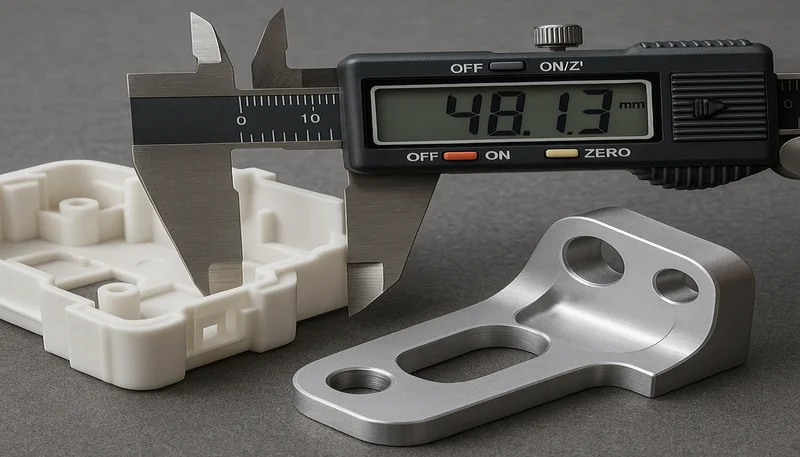
Kalıp yüzey sıcaklığı kristalliği, çekmeyi ve boyutsal kararlılığı etkiler. Dar toleranslı otomotiv parçalarında kalıp sıcaklığının ±2.0°C içinde kontrolü yaygındır. Sıcaklık kontrol yönteminizi (termolatör ayarları, termokupl konumları) ve ölçülen gerçek verileri göstermeniz gerekir.
Enjeksiyon hızı ve basıncı dolum modelini ve birleşme çizgisi kalitesini belirler. Hız-basınç geçiş noktasını belgeleyin. Parçanızın yapısal bir detayında birleşme çizgisi varsa o noktadaki enjeksiyon hızı kritik bir parametredir.
Tutma basıncı kaviteyi ütüler ve çekmeyi telafi eder. Et kalınlığı değişen parçalarda boyutsal kararlılık için tutma basıncı çoğu zaman en önemli tek parametredir. Delik çapı veya düzlemsellik gibi boyutlara ilişkin SPC verileriniz büyük ölçüde tutma basıncının tutarlılığını yansıtır.
Soğutma süresi de önemlidir: yetersiz soğutma çarpılmaya ve çıkarma hasarına, aşırı soğutma ise çevrim süresi kaybına neden olur. PPAP çalışmanız, seçilen soğutma süresinin sürekli olarak şartnameye uygun parçalar ürettiğini göstermelidir.
Her kritik ölçü için Cpk ≥ 1.33 göstermelisiniz (bazı OEM’ler güvenlik açısından kritik özelliklerde 1.67 ister). Cpk, prosesinizin yalnızca yeterli değil, sürekli olarak yeterli olduğunu müşterinize gösterir:
| Cpk Değeri | Hata Oranı (ppm) | Yorumlama |
|---|---|---|
| 1.00 | 2,700 | Kabiliyet sınırında — PPAP için kabul edilemez |
| 1.33 | 63 | Çoğu otomotiv PPAP süreci için standart asgari düzey |
| 1.67 | 0.6 | Güvenlik açısından kritik özellikler için gereklidir |
| 2.00 | 0.002 | Altı Sigma — nadiren gerekir ama etkileyicidir |
Cpk değeriniz 1.33’ün altında çıkarsa yalnızca sunup sonucu umut edemezsiniz. Temel nedeni—genellikle tutarsız eriyik sıcaklığı, kalıp sıcaklığı veya tutma basıncından kaynaklanan proses değişkenliğini—belirlemeniz ve çalışmayı yeniden yürütmeniz gerekir.
ZetarMold olarak Şanghay tesisimizde 90T ile 1850T arasında 45 enjeksiyon kalıplama makinesi işletiyoruz. 10+ QC uzmanımız, her üretim serisinde tam proses parametresi kaydıyla 6 adımlı kalite prosesini (IQC → OQC) sürdürür; bu kayıtlar doğrudan PPAP belgelerine aktarılan eriyik sıcaklığı, kalıp sıcaklığı ve tutma basıncı verilerini içerir.
Enjeksiyon Kalıplamada Yaygın PPAP Hataları Nelerdir?
En yaygın beş PPAP hatası eksik boyut verileri, uyuşmayan belgeler, yetersiz numune, izlenebilirlik boşlukları ve 1.33 altında Cpk[3] değeridir. Bunlar tüm retlerin 80% fazlasını oluşturur.
Geçtiğimiz 20.0 yıl boyunca Şanghay fabrikamızda yüzlerce PPAP başvurusu işledik ve aynı sorunlar tekrar tekrar ortaya çıkıyor:
1. Eksik Boyut Verileri. Teknik resimde 47 boyut belirtiliyor, siz 39’unu raporladınız. Eksik 8 tanesi “ulaşılması zor” özelliklerdi. PPAP reddinin bir numaralı nedeni budur. Teknik resimdeki her boyut istisnasız raporlanmalıdır.
2. Uyuşmayan Proses Belgeleri. Proses Akış Diyagramınız A İstasyonunda kontrol yaptığınızı, Kontrol Planınız B İstasyonunu söylüyor. PFMEA’nız ikisinden de söz etmiyor. Bu üç belge kusursuz biçimde tutarlı olmalıdır. İyi bir kural: Üçünü de tek kişi yazsın.
3. Yetersiz Numune Sayısı. Müşteriniz 300 ardışık parça istedi. Perşembe 150, cuma farklı vardiyada 150 parça ürettiniz; bu tek bir ardışık çalışma değildir. PPAP çalışması kesintisiz tek üretim çalışması olmalıdır.
4. Malzeme İzlenebilirliği Boşlukları. PPAP tam malzeme izlenebilirliği gerektirir: malzeme sertifikası, parti numarası, tarih kodu ve malzemenin müşteri onaylı şartnameye uyduğunun teyidi. Resmî onay olmadan “benzer” sınıf kullanmak PPAP hatası ve olası saha arızasıdır.
5. Kritik Boyutlarda Eşik Altı Cpk. Bu genellikle prosesinizin yeterince kararlı olmadığı anlamına gelir. Çözüm iyi parçaları seçmek veya toleransı genişletmek değil, proses değişkenliğini azaltmaktır. Enjeksiyon kalıplamada bu neredeyse daima daha iyi kalıp sıcaklığı kontrolü, daha tutarlı kurutma veya daha sıkı tutma basıncı düzenlemesine dayanır.
Üretim Sırasında PPAP Uyumluluğu Nasıl Korunur?
PPAP uyumluluğu 4P kuralı ile korunur: Kişiler, Süreç, Ürün, Yer. Belgelenmiş sürecinizdeki herhangi bir değişiklik, devam eden SPC izleme ile uygulanan bir yeniden sunum incelemesini tetikler.
Yeniden gönderimi tetikleyebilecek değişiklikler:
- İnsan: Kritik proseslerdeki yeni operatörler yeniden doğrulama gerektirebilir
- Proses: Enjeksiyon hızı, eriyik sıcaklığı veya kalıp sıcaklığını belgelenmiş aralıkların ötesinde değiştirmek
- Ürün: Malzeme sınıfı değişikliği, renk değişikliği, kalıp modifikasyonu
- Yer: Üretimi farklı bir makineye veya tesise taşımak
Her müşterinin kendi değişiklik bildirim gereksinimleri vardır, ancak genel kural şudur: PPAP gönderiminizde belgelediğiniz herhangi bir şeyi değiştirirseniz, müşterinizi bilgilendirmeniz gerekir. Bazı değişiklikler yeni bir PSW gerektirir. Bazıları ise tamamen yeniden gönderim gerektirir.
PPAP tek seferlik bir olay değildir. Kontrol Planınız, kritik ölçüler için devam eden İPK izlemeyi içermelidir. X-bar ve R grafikleri standarttır. Bir ölçü kontrol limitine doğru eğilim gösterirse, spesifikasyon dışına çıkmadan önce müdahale edersiniz — sonrasında değil.
Birçok tedarikçi burada tökezler. PPAP’ı geçerler, belgeleri dosyalarlar ve altı ay sonra kimse İPK grafiklerini çalıştırmıyordur. Sonra müşteri denetimi gelir ve ‘Kontrol Planına uyulmuyor’ bulgusuyla karşılaşırlar. Bu bir kalite sorunu değil — bir disiplin sorunudur.
Otomotiv Tedarikçileri için PPAP’ı Hangi Kalite Sistemleri Destekler?
PPAP, IATF 16949, APQP ve beş AIAG Temel Aracı tarafından desteklenir. Birlikte otomotiv tedarikçi kalite yönetiminin temelini oluştururlar.
IATF 16949, otomotiv sektörüne özgü bir kalite yönetim standardıdır. ISO 9001’i temel alır ve PPAP, FMEA, MSA, SPC ve APQP gerekliliklerini ekler. Şirketiniz IATF 16949 sertifikalıysa, PPAP’ı destekleyecek altyapıya zaten sahipsiniz demektir. Sertifikanız yoksa, bazı OEM’ler PPAP’ınızı kabul edebilir — ancak kalite sisteminizi çok daha sıkı denetlerler.
APQP (Gelişmiş Ürün Kalite Planlaması), PPAP’ı içeren ana süreçtir. APQP’ın beş aşaması vardır: Planlama, Tasarım, Süreç, Doğrulama ve Lansman. PPAP, 4. Aşamada (Ürün ve Süreç Doğrulama) gerçekleşir. APQP’ı doğru şekilde uyguluyorsanız, PPAP iyi planlanmış bir lansmanın doğal sonucudur — beklenmedik bir karmaşa değil.
Beş AIAG Temel Aracı — APQP, PPAP, FMEA, SPC ve MSA — birbiriyle bağlantılıdır. FMEA’nız riskleri belirler. Kontrol Planınız (APQP’den) bu riskleri yönetir. SPC verileriniz (MSA nitelikli ekipmanla ölçülen) sürecinizin kontrol altında olduğunu kanıtlar. PPAP, tüm bunları yetkinliği gösteren bir sunum paketine dönüştürür.
Shanghai tesisimiz ISO 9001:2015 ve ISO 13485 sertifikalarına sahiptir; 8 kıdemli mühendisimiz ortalama 10.0 yıl deneyime sahiptir. Kalite sistemimiz, süreç akış şemaları, PFMEA, kontrol planları, boyutsal raporlar ve ilk süreç yetenek çalışmalarını içeren tam PPAP dokümantasyonunu destekler. 30'dan fazla İngilizce konuşan proje yöneticimizden oluşan ekibimiz, sunum süreci boyunca dokümantasyonun netliğini sağlar.
Enjeksiyon Kalıplama için PPAP Gönderim Seviyeleri Nelerdir?
PPAP sunum seviyeleri, Seviye 1 (sadece PSW) ile Seviye 5 (yerinde denetim) arasında değişen 5 kademeye ayrılmıştır. Tüm 18 unsuru ve numune parçalarını gerektiren Seviye 3, otomotiv sektörü için varsayılan seviyedir.
| Seviye | Ne Gerekiyor | Tipik Kullanım Örneği |
|---|---|---|
| Seviye 1 | Sadece PSW | Düşük riskli devralınan parçalar |
| Seviye 2 | PSW + numuneler + sınırlı veri | Kritik olmayan bileşenler |
| Seviye 3 | PSW + numuneler + tüm 18 unsur | Yeni otomotiv parçaları için standart |
| Seviye 4 | PSW + müşteri tarafından belirlenen unsurlar | OEM takdirine bağlı |
| Seviye 5 | PSW + numuneler + tedarikçi sahasında tam veri | Yüksek riskli parçalar, görüntülü üretim |
Çoğu ilk kez otomotiv enjeksiyon kalıplama programları Seviye 3 gerektirir. Müşteriniz belirtmediyse, Seviye 3 olduğunu varsayın ve buna göre hazırlanın. Son dakikada eklemektense, unsurları çıkarmak her zaman daha kolaydır.
Seviye 5 en titiz olanıdır — müşteri bir denetçiyi tesisinize göndererek üretim sürecini bizzat gözlemler ve tüm prosesi doğrular. Bu genellikle güvenlik açısından kritik parçalar veya kalite geçmişinde sorunlar yaşanan tedarikçiler için ayrılmıştır.
Kısa kural: Enjeksiyon kalıplı bir parça için Seviye 3 PPAP hazırlıyorsanız üç belgeyle başlayın: Proses Akış Diyagramı, PFMEA ve Kontrol Planı. Bunları tutarlı hale getirin, ardından üretim makinesinde tam veri toplamayla 300 ardışık parça çalıştırın. Bunlardan birini atlarsanız sonuç ret olur.
Enjeksiyon kalıplamada PPAP, sırf dokümantasyon için dokümantasyon değildir. Sürecinizin istikrarlı, parçalarınızın tutarlı ve kalite sisteminizin çalıştığının kanıtıdır. İlk seferde doğru yapın — çünkü otomotivde, iki kez yapmanın bedeli sadece zaman değil, güvendir.
PPAP’yi anlayan bir kalıplama ortağına mı ihtiyacınız var? ZetarMold, tam belgelendirme desteğiyle otomotiv enjeksiyon kalıplama programlarını yürütmede 20.0 yıllık deneyime sahiptir. Mühendislerimiz yüzlerce PPAP onay sürecinden geçti. Sonraki otomotiv projenizi görüşmek için İletişime geçin.
Sıkça Sorulan Sorular
PPAP Seviye 1 ve Seviye 3 Arasındaki Fark Nedir?
Seviye 1 sadece Parça Sunum Teminatını (PSW) gerektirir — tek sayfalık bir özet formu. Seviye 3, PSW artı boyutsal veri, SPC çalışmaları, FMEA, Kontrol Planı ve üretim numune parçaları dahil tüm 18 unsuru gerektirir. Seviye 3, yeni otomotiv parçaları için varsayılan seviyedir.
PPAP Süreci Enjeksiyon Kalıplama İçin Ne Kadar Sürer?
Enjeksiyonla kalıplanmış bir otomotiv parçası için tipik bir PPAP döngüsü, kalıp denemesinden müşteri onayına kadar 4–8 hafta sürer. Üretim çalıştırması genellikle 1–2 gündür. Zaman çizelgesinin çoğu, dokümantasyon hazırlığı (2–3 hafta), ölçüm ve test (1 hafta) ve müşteri incelemesi (2–4 hafta) ile tüketilir.
Cpk Değeri Nedir ve PPAP Neden 1.33 Gerektirir?
Cpk (Süreç Yetenek İndeksi), süreç ortalamanızın spesifikasyon limitlerine ne kadar yakın olduğunu süreç yayılımına göre ölçer. 1.33’lük bir Cpk, süreç ortalamasının en yakın spesifikasyon limitinden en az 4 standart sapma uzakta olduğu anlamına gelir ve bu da yaklaşık milyonda 63 hatalı parçaya karşılık gelir — otomotiv endüstrisinin ilk yetenek onayı için minimum gereksinimidir.
Onay Sonrasında PPAP’ı Ne Zaman Yeniden Göndermeniz Gerekir?
Belgelenmiş herhangi bir parametre değişikliğinde yeniden sunum gereklidir: malzeme sınıfı, enjeksiyon kalıplama makinesi, kalıp modifikasyonu, proses parametre aralığı veya üretim yeri. Boyutları etkileyen herhangi bir kalıp onarımı genellikle Seviye 3 yeniden sunumunu tetikler.
Bir Tedarikçi PPAP’ı Kendi Onaylayabilir mi?
Kendi onayı yalnızca Seviye 1’de ve yalnızca müşterinin yazılı olarak kendi onay yetkisi verdiği durumlarda mümkündür. Seviye 3 ve üzeri için müşteri veya belirlenen temsilcisi gönderimi incelemeli ve resmi olarak onaylamalıdır.
PPAP Gönderimi Başarısız Olursa Ne Olur?
Başarısız bir PPAP, üretimin başlayamayacağı anlamına gelir. Tedarikçiye spesifik bulgularla (örn. eksik boyutsal veri, 1.33’ün altında Cpk) resmi bir reddedilme bildirilir. Tedarikçi her bulguyu ele almalı ve yeniden göndermelidir. Her reddedilme döngüsü tipik olarak zaman çizelgesine 2–4 hafta ekler.
PPAP Otomotiv Dışında Gerekiyor mu?
PPAP otomotivde (AIAG) ortaya çıkmıştır ancak havacılık, tıbbi cihazlar ve ağır ekipmanlarda giderek daha fazla kullanılmaktadır. Bazı tıbbi cihaz şirketleri, AS9102’ye göre İlk Parça Muayenesi (FAI) adı verilen benzer bir süreç gerektirir. AIAG PPAP formatı küresel olarak en yaygın tanınan format olmaya devam etmektedir.
Parça Teslim Belgesi (PSW) Nedir?
PSW, her PPAP sunumunun kapak sayfasıdır — parça numarası, revizyon seviyesi, malzeme, sunum seviyesi ve herhangi bir sapmayı özetleyen tek sayfalık bir formdur. Hem tedarikçi kalite yöneticisi hem de müşteri temsilcisi bunu imzalar.
-
AIAG, “PPAP: Üretim Parçası Onay Prosesi,” 4. Baskı, 2006. Chrysler, Ford ve GM ortak yayını. ↩
-
AIAG, “İstatistiksel Proses Kontrolü (SPC),” 2. Baskı. Cpk hesaplama yöntemleri ve kontrol grafiği yorumlama başvuru kaynağı. ↩
-
AIAG & VDA, “FMEA El Kitabı,” 1. Baskı, 2019. Proses FMEA’yı enjeksiyon kalıplama proseslerinin Kontrol Planlarıyla uyumlu hale getirir. ↩