Czym jest PPAP w formowaniu wtryskowym dla motoryzacji?
PPAP to obowiązkowa brama jakości AIAG, która wymaga od dostawców motoryzacyjnych przedstawienia 18 udokumentowanych elementów przed wysyłką części produkcyjnych. Twój klient właśnie wysłał Ci 40-stronicowy pakiet wymagań, a szef chce go mieć gotowy w dwa tygodnie. Jeśli nigdy tego nie robiłeś — lub jeśli Twoje ostatnie zgłoszenie zostało odrzucone — ten przewodnik przeprowadzi Cię przez cały proces, szczególnie dla części formowanych wtryskowo.
„PPAP Poziom 3 wymaga wszystkich 18 udokumentowanych elementów oraz próbek produkcyjnych z minimalnej serii 300 kolejnych sztuk.”True
Poziom 3 to standardowy poziom zgłoszenia w branży motoryzacyjnej i wymaga pełnego pakietu: Schematu procesu, PFMEA, Planu kontroli, MSA, wyników wymiarowych, wyników badań materiału, badań SPC oraz wszystkich pozostałych 18 elementów zdefiniowanych przez AIAG.
„Cpk na poziomie 1,0 jest wystarczające, aby przejść wstępne badanie zdolności procesu w PPAP.”False
Większość producentów OEM w motoryzacji wymaga minimalnego Cpk 1,33 dla wstępnych badań procesu. Cpk 1,0 odpowiada około 2700 wadliwych części na milion — znacznie powyżej progów jakości motoryzacyjnej.
- PPAP jest obowiązkowy dla wszystkich dostawców samochodowych Tier 1 i Tier 2
- Poziom 3 wymaga 18 udokumentowanych elementów oraz próbek części
- Cpk ≥ 1,33 to minimum dla wstępnych badań zdolności procesu
- Każda zmiana procesu po zatwierdzeniu może wymagać pełnego ponownego złożenia
- Błędy w dokumentacji powodują więcej odrzuceń niż rzeczywiste wady części
Czym jest PPAP i dlaczego ma znaczenie w motoryzacyjnym formowaniu wtryskowym?
PPAP to obowiązkowy system jakości AIAG, który dowodzi, że proces produkcyjny konsekwentnie spełnia wymagania klienta. Dotyczy wszystkich dostawców formowania wtryskowego dla motoryzacji — zarówno Tier 1, jak i Tier 2 — zanim mogą rozpocząć wysyłkę części seryjnych.
Producenci OEM, tacy jak Ford, GM, Toyota i Volkswagen, wszyscy tego wymagają. Ich dostawcy Tier 1 wymagają tego od dostawców Tier 2. Wymaganie to spływa w dół łańcucha dostaw. Oto, czemu faktycznie zapobiega PPAP: dostawca przygotowuje „złotą partię” w warunkach laboratoryjnych, uzyskuje zatwierdzenie, a następnie uruchamia produkcję na innej maszynie z innymi parametrami i wysyła wadliwe części. Proces PPAP zmusza do udokumentowania i walidacji rzeczywistego procesu produkcyjnego — faktycznej maszyny, faktycznej formy, faktycznego materiału, faktycznych operatorów.
Koszt niepowodzenia PPAP jest wysoki. Odrzucenie dokumentacji oznacza opóźnienie rozpoczęcia produkcji, co w motoryzacji przekłada się na kary za zatrzymanie linii, które mogą sięgać 10 000+ złotych za godzinę. Widzieliśmy to na własne oczy w naszej fabryce w Szanghaju — w ciągu naszych 20 lat formowania części motoryzacyjnych większość niepowodzeń PPAP za pierwszym razem wynika z niekompletnej dokumentacji, a nie z wadliwych części.
„Każda zmiana procesu wtrysku po zatwierdzeniu PPAP może wymagać ponownego złożenia dokumentacji.”True
Zmiany w gatunku materiału, maszynie, formie, parametrach procesu lub lokalizacji produkcji mogą potencjalnie wymagać ponownego złożenia. Zasada 4P (Ludzie, Proces, Produkt, Miejsce) to standardowe ramy oceny, czy wymagane jest powiadomienie o zmianie lub ponowne złożenie.
„PPAP dotyczy tylko części metalowych w produkcji motoryzacyjnej.”False
PPAP dotyczy wszystkich części produkcyjnych, niezależnie od materiału — w tym wtryskiwanych tworzyw sztucznych, gumy, kompozytów i zespołów montażowych. Każda część dostarczana do producenta samochodów (OEM) lub dostawcy Tier 1 wymaga zatwierdzenia PPAP.
Jakie są 18 elementów PPAP dla części formowanych wtryskowo?
18 elementów PPAP stanowi ustandaryzowaną listę kontrolną AIAG, obejmującą wszystko od zapisów projektowych po Part Submission Warrant. Zgłoszenie formy wtryskowej[1] na poziomie 3 musi uwzględniać każdy z nich.
Nie każdy element dotyczy każdej części, ale musisz uwzględnić każdy z nich — albo poprzez jego włączenie, albo poprzez udokumentowanie, dlaczego nie ma zastosowania. W przypadku wtryskiwanych części samochodowych większość z nich jest obowiązkowa.
| # | Element | Znaczenie dla formowania wtryskowego |
|---|---|---|
| 1 | Dokumentacja konstrukcyjna | Modele CAD i rysunki 2D części formowanej |
| 2 | Dokumenty zmian konstrukcyjnych | ECN, wnioski o odstępstwa |
| 3 | Zatwierdzenie konstrukcyjne przez klienta | Pisemne zatwierdzenie projektu |
| 4 | FMEA projektu | Tryby uszkodzeń w konstrukcji części (zwykle po stronie klienta) |
| 5 | Schemat przepływu procesu | Przyjęcie materiału → formowanie → kontrola → wysyłka |
| 6 | FMEA procesu | Tryby uszkodzeń w procesie formowania |
| 7 | Plan kontroli | Szczegółowa inspekcja i strategia kontroli procesu |
| 8 | Analiza systemu pomiarowego (MSA) | Badanie Gage R&R dla całego wyposażenia pomiarowego |
| 9 | Wyniki wymiarowe | Pełna inspekcja układu względem specyfikacji rysunku |
| 10 | Wyniki badań materiału/wydajności | Certyfikaty materiałowe, dane testów mechanicznych |
| 11 | Początkowy Badanie Procesu (SPC) | Badania Cpk dla wymiarów krytycznych |
| 12 | Dokumentacja kwalifikowanego laboratorium | Zakres laboratorium i akredytacja |
| 13 | Raport Zatwierdzenia Wyglądu (AAR) | Dla widocznych powierzchni klasy A |
| 14 | Próbki Części Produkcyjnych | Części z rzeczywistej serii produkcyjnej (300+ sztuk) |
| 15 | Wzorzec Główny | Przechowywana próbka referencyjna |
| 16 | Przyrządy sprawdzające | Przyrządy sprawdzające typu go/no-go, uchwyty |
| 17 | Wymagania specyficzne klienta | Formularze specyficzne dla producenta OEM lub dodatkowe testy |
| 18 | Częściowy nakaz przedłożenia (PSW) | Karta tytułowa podpisana przez dostawcę |
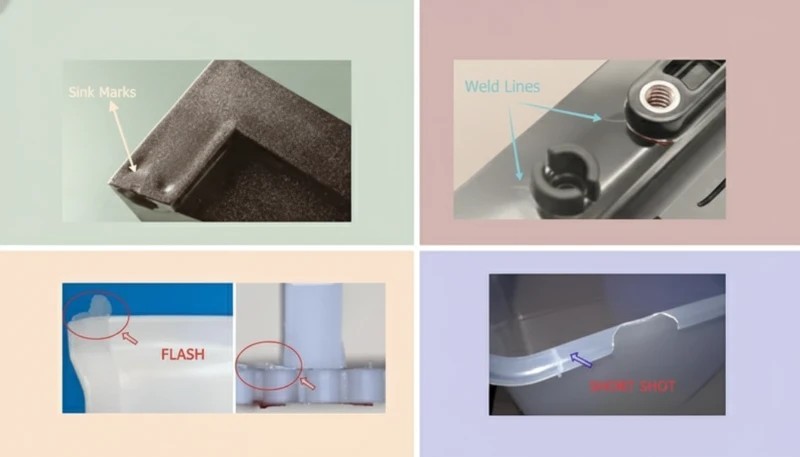
W szczególności dla wtryskiwania tworzyw sztucznych, większość pracy znajduje się w elementach od 5 do 11. Twój Schemat Przebiegu Procesu musi obejmować każdy krok od odbioru surowca do końcowego pakowania. Twoja Analiza FMEA Procesu musi uwzględniać specyficzne dla formowania ryzyka: niedolewy, wypływy, wgłębienia, odkształcenia, zanieczyszczenia. A Twój Plan Sterowania musi dokładnie pokazywać, jak utrzymasz proces pod kontrolą podczas produkcji.
Jak krok po kroku działa proces składania dokumentacji PPAP?
Proces zgłaszania PPAP to sekwencja 6 kroków obejmująca 4–8 tygodni od wyceny do zatwierdzenia przez klienta. Obejmuje identyfikację wymagań, planowanie procesu, próbę T1, przebieg produkcyjny 300 sztuk, pomiary i ostateczne zgłoszenie.
PPAP nie zaczyna się, gdy otrzymasz formularze. Zaczyna się podczas ustalania cen. Oto typowy harmonogram dla części automotive wtryskiwanej:
Krok 1: Zrozum wymagania (na etapie ofertowania). Przed przygotowaniem oferty ustal poziom PPAP wymagany przez klienta. Poziom 1 jest minimalny — obejmuje tylko PSW. Poziom 3 to pełny pakiet. Poziom 5 oznacza audyt zakładu przez klienta. Większość producentów OEM z branży motoryzacyjnej domyślnie wymaga poziomu 3. Jeśli nie zapytasz, przyjmij poziom 3.
Krok 2: Planowanie procesu (podczas budowy oprzyrządowania). W czasie budowy formy przygotuj diagram przepływu procesu, PFMEA i plan kontroli. Te trzy dokumenty muszą być spójne — diagram przepływu zasila PFMEA, a PFMEA zasila plan kontroli. Każda rozbieżność między nimi gwarantuje odrzucenie PPAP.
Krok 3: Próba i pobieranie próbek (faza T1). Uruchom formę po raz pierwszy. Zbierz pierwsze wypraski. Na tym etapie ustala się bazowe parametry procesu: temperaturę stopionego tworzywa, temperaturę formy, prędkość wtrysku, ciśnienie podtrzymania i czas chłodzenia. Dokumentuj wszystko.
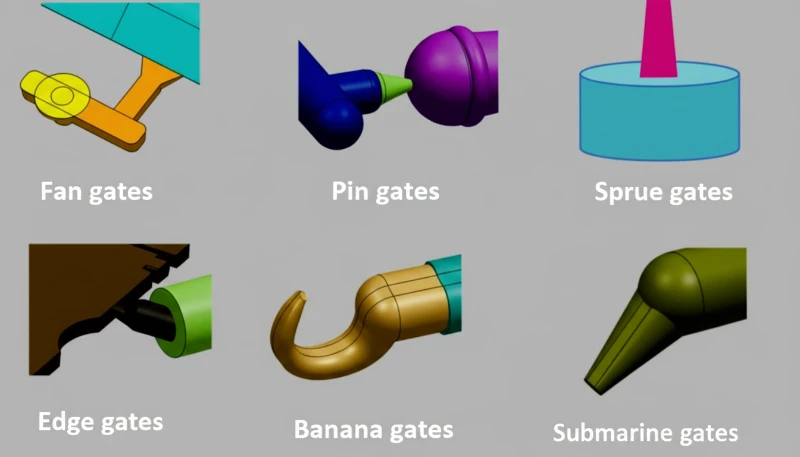
Krok 4: Seria produkcyjna próbek PPAP. Wykonaj partię reprezentatywną dla produkcji — zwykle co najmniej 300 kolejnych części na maszynie produkcyjnej, z użyciem produkcyjnego oprzyrządowania i materiału oraz przez operatorów produkcyjnych. To nie jest przebieg rozwojowy. To symulacja rzeczywistej produkcji.
Krok 5: Pomiary i badania. Wykonaj pełny pomiar wymiarów próbek z początku, środka i końca serii. Przeprowadź badania SPC wymiarów krytycznych. Wykonaj wszystkie wymagane badania materiałowe i użytkowe. Zakończ badania Gage R&R.
Krok 6: Skompletuj i prześlij. Zbierz wszystkie 18 elementów, wypełnij PSW i przekaż pakiet klientowi. Typowy czas przeglądu u producentów OEM Tier 1 wynosi 2–4 tygodnie.
Jakie parametry formowania wtryskowego muszą być kontrolowane dla PPAP?
W każdym planie kontroli PPAP dla formowania wtryskowego[2] obowiązkowych jest pięć parametrów. Są to temperatura stopionego tworzywa, temperatura formy, prędkość wtrysku, ciśnienie podtrzymania i czas chłodzenia.
Dla złączy pod pokrywą silnika z PA66 zbrojonym włóknem szklanym, temperatura uplastycznienia typowo wynosi 280.0°C–300.0°C z tolerancją ±5.0°C. Temperatura uplastycznienia nie jest temperaturą nastawową cylindra — to rzeczywista temperatura uplastycznienia, mierzona pirometrem lub termografem. Dokumentuj wartość docelową i tolerancję. Jeśli proces przekroczy ten zakres, jest to odchylenie PPAP.
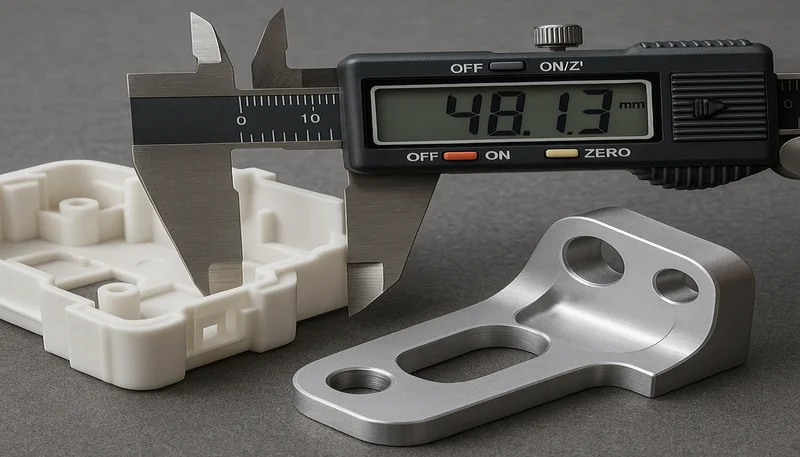
Temperatura powierzchni formy wpływa na krystaliczność, skurcz i stabilność wymiarową. Dla części samochodowych o wąskich tolerancjach, kontrola temperatury formy w zakresie ±2,0°C jest powszechna. Będziesz musiał pokazać swoją metodę kontroli temperatury (ustawienia termoregulatora, lokalizacje termopar) oraz rzeczywiste zmierzone dane.
Szybkość wtrysku i ciśnienie określają sposób wypełnienia i jakość linii połączenia. Dokumentuj punkt przełączenia prędkości-ciśnienia. Jeśli część ma linię połączenia na elementie konstrukcyjnym, szybkość wtrysku w tym miejscu jest parametrem krytycznym.
Ciśnienie docisku zagęszcza wypełnienie i kompensuje skurcz. Dla stabilności wymiarowej części z różnicami grubości ścianki, ciśnienie docisku jest często najważniejszym parametrem. Dane SPC dotyczące wymiarów takich jak średnica otworu czy płaskość w dużej mierze odzwierciedlają stabilność ciśnienia docisku.
Czas chłodzenia również ma znaczenie — niewystarczające chłodzenie powoduje odkształcenia i uszkodzenia przy wypraskowaniu, podczas gdy nadmierne chłodzenie marnuje czas cyklu. Twój przebieg PPAP musi wykazać, że wybrany czas chłodzenia konsekwentnie produkuje części mieszczące się w specyfikacji.
Dla każdego wymiaru krytycznego musisz wykazać Cpk ≥ 1,33 (niektórzy producenci OEM wymagają 1,67 dla elementów krytycznych dla bezpieczeństwa). Cpk informuje Twojego klienta, że Twój proces jest nie tylko zdolny, ale konsekwentnie zdolny:
| Wartość Cpk | Wskaźnik wad (ppm) | Interpretacja |
|---|---|---|
| 1.00 | 2,700 | Minimalnie zdolny — nieakceptowalny dla PPAP |
| 1.33 | 63 | Standardowe minimum dla większości motoryzacyjnych PPAP |
| 1.67 | 0.6 | Wymagane dla cech krytycznych dla bezpieczeństwa |
| 2.00 | 0.002 | Six sigma — rzadko wymagane, ale imponujące |
Jeśli Cpk jest poniżej 1,33, nie można tylko wysłać i mieć nadziei. Musisz zidentyfikować przyczynę — zazwyczaj zmienność procesu wynikająca z niestabilnej temperatury uplastycznienia, temperatury formy lub ciśnienia docisku — i ponownie przeprowadzić badanie.
W ZetarMold, w naszym zakładzie w Szanghaju, obsługujemy 45 maszyn do wtrysku tworzyw sztucznych o sile zacisku od 90T do 1850T. Nasi 10+ specjaliści ds. kontroli jakości utrzymują 6-etapowy proces jakości (IQC → OQC) z pełnym rejestrowaniem parametrów procesu dla każdej serii produkcyjnej — w tym temperatury stopu, temperatury formy i zapisów ciśnienia docisku, które bezpośrednio trafiają do dokumentacji PPAP.
Jakie są typowe niepowodzenia PPAP w formowaniu wtryskowym?
Pięć najczęstszych przyczyn niepowodzenia PPAP to niepełne dane wymiarowe, niespójne dokumenty, niewystarczająca liczba próbek, luki w identyfikowalności oraz Cpk poniżej 1,33[3]. Łącznie odpowiadają za ponad 80% wszystkich odrzuceń.
Przetworzyliśmy setki zgłoszeń PPAP w naszej fabryce w Szanghaju przez ostatnie 20.0 lat i ciągle pojawiają się te same problemy:
1. Niepełne dane wymiarowe. Rysunek zawiera 47 wymiarów. Zgłoszono 39. Brakujące 8 dotyczyło cech „trudno dostępnych”. To najczęstsza przyczyna odrzucenia PPAP. Należy zgłosić każdy wymiar z rysunku — bez wyjątków.
2. Niespójne dokumenty procesu. Diagram przepływu procesu mówi o kontroli na stanowisku A. Plan kontroli wskazuje stanowisko B. PFMEA nie wymienia żadnego z nich. Te trzy dokumenty muszą być całkowicie spójne. Dobra zasada: niech jedna osoba opracuje wszystkie trzy.
3. Niewystarczająca liczebność próby. Klient zażądał 300 kolejnych części. Wyprodukowano 150 w czwartek i 150 w piątek — na różnych zmianach. To nie jest jedna ciągła seria. Seria PPAP musi być jednym nieprzerwanym przebiegiem produkcyjnym.
4. Luki w identyfikowalności materiału. PPAP wymaga pełnej identyfikowalności materiału: certyfikatu materiałowego, numeru partii, kodu daty oraz potwierdzenia zgodności materiału ze specyfikacją zatwierdzoną przez klienta. Użycie „podobnego” gatunku bez formalnego zatwierdzenia oznacza niepowodzenie PPAP — i ryzyko awarii w eksploatacji.
5. Cpk poniżej progu dla wymiarów krytycznych. Zwykle oznacza to, że proces nie jest wystarczająco stabilny. Rozwiązaniem nie jest wybieranie tylko dobrych części ani poszerzanie tolerancji — trzeba zmniejszyć zmienność procesu. W formowaniu wtryskowym niemal zawsze sprowadza się to do lepszej kontroli temperatury formy, bardziej powtarzalnego suszenia lub ściślejszej regulacji ciśnienia podtrzymania.
Jak utrzymać zgodność z PPAP podczas produkcji?
Zgodność z PPAP jest utrzymywana dzięki zasadzie 4P: Ludzie, Proces, Produkt, Miejsce. Każda zmiana w udokumentowanym procesie uruchamia przegląd wymagający ponownego zgłoszenia, egzekwowany poprzez ciągły monitoring SPC.
Zmiany, które mogą wymagać ponownego zgłoszenia:
- Ludzie: Nowi operatorzy przy procesach krytycznych mogą wymagać ponownej walidacji
- Proces: Zmiana prędkości wtrysku, temperatury stopionego tworzywa lub temperatury formy poza udokumentowane zakresy
- Produkt: Zmiana gatunku materiału, koloru lub modyfikacja formy
- Miejsce: Przeniesienie produkcji na inną maszynę lub do innego zakładu
Każdy klient ma własne wymagania dotyczące powiadamiania o zmianach, ale ogólna zasada jest taka: jeśli zmienisz cokolwiek, co było udokumentowane w twoim zgłoszeniu PPAP, musisz powiadomić swojego klienta. Niektóre zmiany wymagają nowego PSW. Niektóre wymagają całkowitego ponownego zgłoszenia.
PPAP nie jest jednorazowym wydarzeniem. Twój plan kontroli powinien obejmować ciągły monitoring SPC dla wymiarów krytycznych. Wykresy X-R są standardem. Jeśli wymiar zbliża się do granicy kontrolnej, interweniujesz, zanim wyjdzie poza specyfikację — a nie po fakcie.
Tu wielu dostawców się potyka. Przechodzą PPAP, składają dokumenty, a sześć miesięcy później nikt już nie prowadzi kart SPC. Potem przychodzi audyt klienta i otrzymują uwagę za „nieprzestrzeganie Planu Kontroli”. To nie problem z jakością — to problem z dyscypliną.
Jakie systemy jakości wspierają PPAP dla dostawców motoryzacyjnych?
PPAP jest wspierany przez trzy struktury: IATF 16949, APQP i pięć podstawowych narzędzi AIAG. Razem stanowią podstawę zarządzania jakością dostawców w branży motoryzacyjnej.
IATF 16949 to standard zarządzania jakością specyficzny dla branży motoryzacyjnej. Opiera się na ISO 9001 i dodaje wymagania dotyczące PPAP, FMEA, MSA, SPC i APQP. Jeśli twoja firma posiada certyfikat IATF 16949, masz już infrastrukturę wspierającą PPAP. Jeśli nie jesteś certyfikowany, niektórzy producenci OEM nadal zaakceptują twoje PPAP — ale poddadzą twój system jakości znacznie bardziej rygorystycznemu audytowi.
APQP (Zaawansowane Planowanie Jakości Produktu) jest nadrzędnym procesem obejmującym PPAP. APQP ma pięć faz: Planowanie, Projektowanie, Proces, Walidacja i Wdrożenie. PPAP odbywa się w fazie 4 (Walidacja Produktu i Procesu). Jeśli APQP jest prowadzone prawidłowo, PPAP jest naturalnym końcem dobrze zaplanowanego wdrożenia — nie nagłym chaosem.
Pięć podstawowych narzędzi AIAG — APQP, PPAP, FMEA, SPC i MSA — są powiązane. FMEA identyfikuje ryzyka. Plan Kontroli (z APQP) zarządza tymi ryzykami. Dane SPC (mierzone przy użyciu sprzętu kwalifikowanego przez MSA) dowodzą, że proces jest kontrolowany. PPAP pakuje wszystko w zgłoszenie, które demonstruje kompetencje.
Nasz zakład w Szanghaju posiada certyfikaty ISO 9001:2015 i ISO 13485, z 8 starszymi inżynierami o średnim doświadczeniu 10.0 lat każdy. Nasz system jakości wspiera pełną dokumentację PPAP — w tym schematy procesów, PFMEA, plany kontroli, raporty wymiarowe i wstępne badania zdolności procesu. Nasz zespół ponad 30 anglojęzycznych kierowników projektów zapewnia przejrzystość dokumentacji przez cały proces zgłoszeniowy.
Jakie są poziomy składania dokumentacji PPAP dla formowania wtryskowego?
Poziomy zgłoszeń PPAP są zorganizowane w 5 stopni, od Poziomu 1 (tylko PSW) do Poziomu -5 (audyt na miejscu). Poziom 3, wymagający wszystkich 18 elementów plus próbek części, jest domyślnym dla motoryzacji.
| Poziom | Co jest wymagane | Typowy przypadek użycia |
|---|---|---|
| Poziom 1 | Tylko PSW | Części z małym ryzykiem przeniesienia |
| Poziom 2 | PSW + próbki + ograniczone dane | Komponenty niekrytyczne |
| Poziom 3 | PSW + próbki + wszystkie 18 elementów | Standard dla nowych części motoryzacyjnych |
| Poziom 4 | PSW + elementy określone przez klienta | Decyzja OEM |
| Poziom 5 | PSW + próbki + pełne dane u dostawcy | Części wysokiego ryzyka, zaobserwowany przebieg |
Większość programów wtrysku tworzyw sztucznych dla motoryzacji po raz pierwszy wymaga poziomu 3. Jeśli Twój klient nie określi, zakładaj poziom 3 i przygotuj się odpowiednio. Zawsze łatwiej jest usunąć elementy niż dodawać je na ostatnią chwilę.
Poziom 5 jest najbardziej rygorystyczny — klient wysyła audytora do Twojego zakładu, aby zaobserwował przebieg produkcji i osobiście zweryfikował cały proces. Jest to zazwyczaj zarezerwowane dla części krytycznych dla bezpieczeństwa lub dostawców z historią problemów z jakością.
Krótka zasada: przygotowując PPAP poziomu 3 dla części formowanej wtryskowo, zacznij od trzech dokumentów — diagramu przepływu procesu, PFMEA i planu kontroli — zapewnij ich spójność, a następnie wyprodukuj 300 kolejnych części na maszynie produkcyjnej z pełnym gromadzeniem danych. Pominięcie któregokolwiek z tych elementów oznacza odrzucenie.
PPAP w wtrysku nie jest papierologią dla samej papierologii. To dowód, że Twój proces jest stabilny, części są spójne, a system jakości działa. Zrób to dobrze za pierwszym razem — bo w motoryzacji koszt zrobienia tego dwa razy to nie tylko czas, to zaufanie.
Potrzebujesz partnera w formowaniu, który rozumie PPAP? ZetarMold ma 20,0 lat doświadczenia w prowadzeniu programów formowania wtryskowego dla motoryzacji z pełnym wsparciem dokumentacyjnym. Nasi inżynierowie uczestniczyli w setkach zatwierdzeń PPAP. Skontaktuj się z nami, aby omówić następny projekt motoryzacyjny.
Często zadawane pytania
Jaka jest różnica między PPAP Poziom 1 a Poziom 3?
Poziom 1 wymaga tylko Gwarancji Zgłoszenia Części (PSW) — jednostronicowego formularza podsumowującego. Poziom 3 wymaga PSW oraz wszystkich 18 elementów, w tym danych wymiarowych, badań SPC, FMEA, Planu Kontroli i próbek części produkcyjnych. Poziom 3 jest domyślny dla nowych części motoryzacyjnych.
Jak Długo Trwa Proces PPAP dla Formowania Wtryskowego?
Typowy cykl PPAP dla części motoryzacyjnej formowanej wtryskowo trwa 4–8 tygodni od prób narzędziowych do zatwierdzenia przez klienta. Sam przebieg produkcji zwykle zajmuje 1–2 dni. Większość czasu pochłania przygotowanie dokumentacji (2–3 tygodnie), pomiary i testy (1 tydzień) oraz przegląd klienta (2–4 tygodnie).
Czym Jest Wartość Cpk i Dlaczego PPAP Wymaga 1,33?
Cpk (Wskaźnik Zdolności Procesu) mierzy, jak blisko średnia procesu znajduje się do granic specyfikacji w stosunku do rozrzutu procesu. Cpk 1,33 oznacza, że średnia procesu jest oddalona o co najmniej 4 odchylenia standardowe od najbliższej granicy specyfikacji, co odpowiada ~63 wadliwym częściom na milion — minimalnemu wymaganiu branży motoryzacyjnej do wstępnego zatwierdzenia zdolności.
Kiedy należy ponownie złożyć PPAP po zatwierdzeniu?
Ponowne złożenie jest wymagane w przypadku zmiany jakiegokolwiek udokumentowanego parametru: gatunku materiału, wtryskarki, modyfikacji formy, zakresu parametrów procesu lub lokalizacji produkcji. Każda naprawa formy wpływająca na wymiary zazwyczaj wymusza ponowne złożenie na Poziomie 3.
Czy Dostawca Może Samodzielnie Zatwierdzić PPAP?
Samozatwierdzenie jest możliwe tylko na Poziomie 1 i tylko wtedy, gdy klient udzielił pisemnej zgody na samozatwierdzenie. Dla Poziomu 3 i wyższych, klient lub jego wyznaczony przedstawiciel musi przejrzeć i formalnie zatwierdzić zgłoszenie.
Co się dzieje, gdy zgłoszenie PPAP nie powiedzie się?
Nieudany PPAP oznacza, że produkcja nie może się rozpocząć. Dostawca otrzymuje formalną odmowę ze szczegółowymi ustaleniami (np. brak danych wymiarowych, Cpk poniżej 1,33). Dostawca musi rozwiązać każde ustalenie i ponownie złożyć wniosek. Każdy cykl odmowy zazwyczaj wydłuża harmonogram o 2–4 tygodnie.
Czy PPAP jest wymagany poza branżą motoryzacyjną?
PPAP powstał w branży motoryzacyjnej (AIAG), ale jest coraz częściej stosowany w lotnictwie, urządzeniach medycznych i ciężkim sprzęcie. Niektóre firmy produkujące urządzenia medyczne wymagają podobnego procesu zwanego Inspekcją Pierwszego Wyrobu (FAI) zgodnie z AS9102. Format AIAG PPAP pozostaje najbardziej rozpoznawalny na całym świecie.
Czym jest Formularz Zgłoszenia Części (PSW)?
PSW to strona tytułowa każdego zgłoszenia PPAP — jednostronicowy formularz podsumowujący numer części, poziom rewizji, materiał, poziom zgłoszenia i wszelkie odstępstwa. Podpisują go zarówno kierownik jakości dostawcy, jak i przedstawiciel klienta.
-
AIAG, „PPAP: Production Part Approval Process”, wydanie 4, 2006. Wspólna publikacja Chryslera, Forda i GM. ↩
-
AIAG, „Statistical Process Control (SPC)”, wydanie 2. Materiał referencyjny dotyczący metod obliczania Cpk i interpretacji kart kontrolnych. ↩
-
AIAG i VDA, „FMEA Handbook”, wydanie 1, 2019. Ujednolica FMEA procesu z planami kontroli dla procesów formowania wtryskowego. ↩