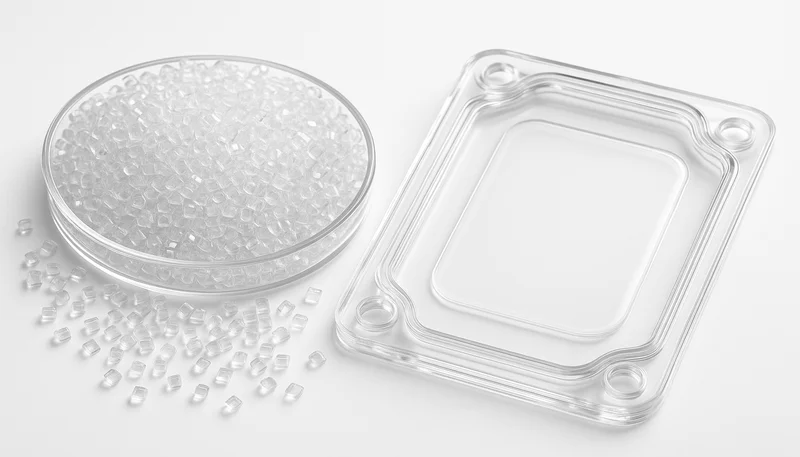
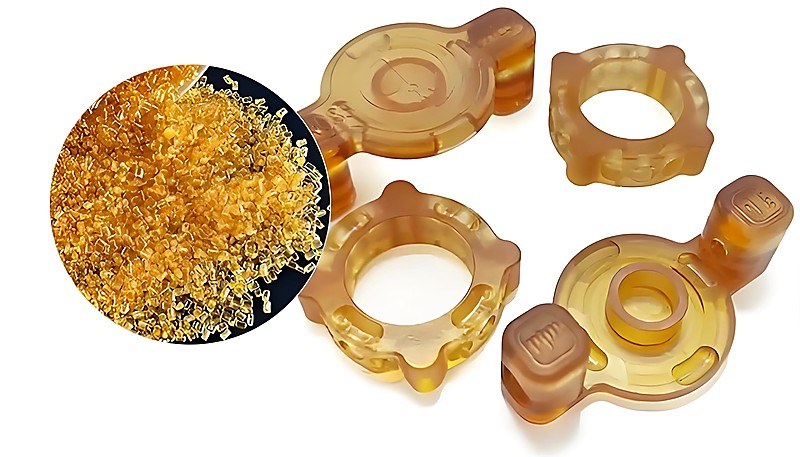
Толщина стенки[1] — пожалуй, самый важный конструктивный параметр при литье под давлением. Выберите её правильно — и деталь будет чисто формоваться, надёжно работать и дешевле стоить. Ошибитесь — и столкнётесь с утяжинами, короблением, пустотами и длительными циклами, которые съедают прибыль.
- Для большинства конструкционных термопластов сохраняйте номинальную толщину стенки в пределах 1.5–3.0 mm.
- Поддерживайте отклонение толщины стенки в пределах ±25% от номинального значения по всей детали.
- Для переходов между участками с разной толщиной стенки используйте уклон в соотношении 3:1.
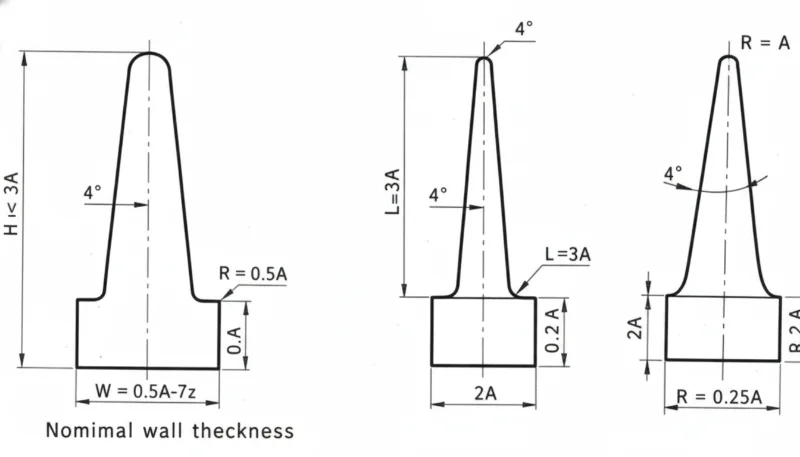
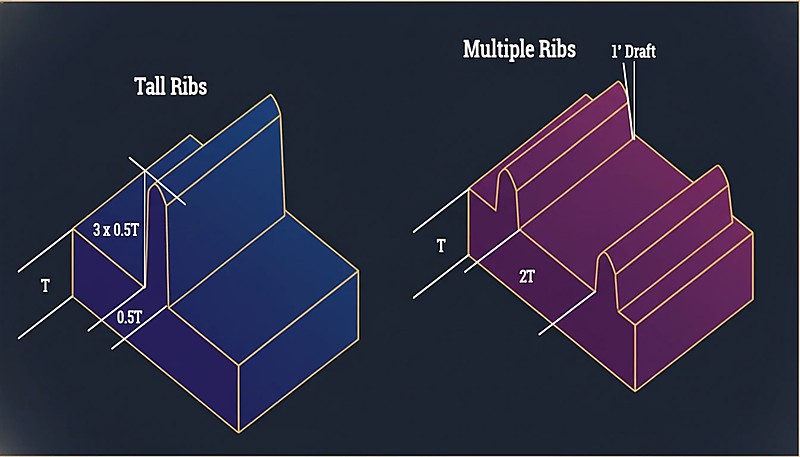
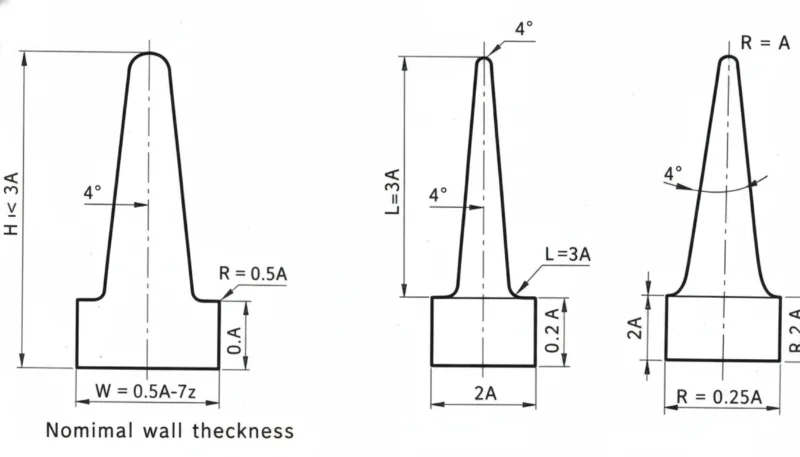
- Толщина ребра у основания должна составлять 50–60% номинальной толщины стенки, чтобы избежать утяжин.
- Время охлаждения пропорционально квадрату толщины стенки — тонкостенная конструкция обеспечивает высокий ROI.
В этом руководстве собрано всё, что инженерам нужно знать о толщине стенки при литье под давлением: как выбрать правильное значение, что происходит при неравномерной толщине, рекомендации для конкретных материалов и самые распространённые ошибки, выявленные в тысячах DFM-анализов.
Что такое толщина стенки при литье под давлением?
Толщина стенки — это расстояние между наружной и внутренней поверхностями формованной детали в любом поперечном сечении. Она определяет, как пластик течет через полость литьевой формы, насколько быстро охлаждается деталь и соответствуют ли ее окончательные размеры спецификации.
“Отклонение толщины стенок должно оставаться в пределах ±25% от номинального значения.”True
Отраслевой норматив допускает отклонение ±25%. Его превышение без плавных переходов вызывает дифференциальную усадку, коробление и нестабильность размеров.
«Ребро с толщиной у основания, равной 80% номинальной толщины стенки, не вызывает утяжин».False
Ребра толще 50–60% номинальной стенки почти всегда образуют видимые утяжины, поскольку создают локальную горячую зону, охлаждающуюся гораздо медленнее окружающей стенки.
Тонкие стенки экономят материал и сокращают время цикла, но требуют более высокого давления впрыска и повышают риск недолива. Толстые стенки заполняются легче, но медленно охлаждаются, увеличивая время цикла и риск образования пустот и утяжин. Оптимальная толщина для большинства инженерных термопластов составляет 1.5–3.0 mm. Перед окончательным утверждением конструкции всегда сверяйте выбранную толщину с техническим паспортом поставщика материала и результатами моделирования течения.
Почему равномерная толщина стенок так важна?
Неравномерная толщина стенки вызывает больше дефектов формования, чем любая другая отдельная ошибка конструкции. При значительном различии толщины толстые участки охлаждаются и усаживаются иначе, чем тонкие. Эта неравномерная усадка при литье под давлением[2] создаёт внутренние напряжения, проявляющиеся короблением, утяжинами и нестабильностью размеров.
“Несколько тонких рёбер обычно обеспечивают большую жёсткость, чем одно высокое толстое ребро.”True
Несколько тонких ребер равномерно распределяют напряжения, быстрее охлаждаются и дают меньше утяжин, чем одно толстое ребро, создающее локальную тепловую массу.
«Резкий переход стенки под углом 90° с 3 mm на 1.5 mm допустим, если более тонкий участок короткий».False
Резкие переходы создают концентрацию напряжений независимо от их длины. Они вызывают замедление потока, повышенные остаточные напряжения и видимые дефекты поверхности. Всегда используйте соотношение уклона 3:1.
Правило простое: по всей детали поддерживайте толщину стенки в пределах ±25% номинального значения. При номинальной стенке 2.5 mm толщина каждого участка должна составлять от 1.9 mm до 3.1 mm.
Какова рекомендуемая толщина стенки для разных материалов?
Разные материалы имеют разные характеристики течения и показатели усадки. Ниже приведена практическая справочная таблица, основанная на обширных производственных данных.
| Материал | Мин. толщина стенки (mm) | Оптимальный диапазон (mm) | Максимальное практическое значение (mm) |
|---|---|---|---|
| ABS | 0.8 | 1.5–3.0 | 4.5 |
| PC (поликарбонат) | 0.8 | 1.5–3.0 | 4.5 |
| PP (полипропилен) | 0.6 | 1.2–2.5 | 5.0 |
| PA (нейлон 6/66) | 0.6 | 1.0–3.0 | 4.0 |
| POM (ацеталь) | 0.8 | 1.0–3.0 | 4.0 |
| PMMA (акрил) | 0.8 | 1.5–3.5 | 5.0 |
| PBT | 0.8 | 1.0–3.0 | 4.0 |
| ПЭ (полиэтилен) | 0.6 | 1.0–2.5 | 5.0 |
| PS (полистирол) | 0.8 | 1.0–3.0 | 4.5 |
| TPE/TPU | 0.5 | 1.0–3.0 | 5.0 |
Минимальные значения толщины стенки показывают технически достижимый результат при оптимизированном процессе, а не рекомендуемые производственные параметры. Для стабильного изготовления придерживайтесь оптимального диапазона.
Как выполнять переходы между участками разной толщины стенки?
Иногда разнотолщинность стенок неизбежна. В таких случаях критически важен переход между толстыми и тонкими участками. Стандартная рекомендация — уклон с соотношением 3:1: на каждый 1 mm изменения толщины предусматривайте не менее 3 mm плавного перехода.
Резкие изменения толщины вызывают замедление потока, концентрацию напряжений и заметные утяжины на противоположной поверхности. В тяжелых случаях детали растрескиваются на переходах толщины при сборке, поскольку остаточные напряжения превышают предел текучести материала.
Что происходит при слишком толстых стенках?
Толстые стенки создают три проблемы: длительный цикл, внутренние пустоты и утяжины.
Увеличение времени цикла
Время охлаждения приблизительно пропорционально квадрату толщины стенки. Деталь со стенками 2 mm может охлаждаться за 15 секунд; для детали той же геометрии со стенками 4 mm может потребоваться 50–60 секунд. При выпуске 100,000 деталей это означает тысячи дополнительных часов работы оборудования.
«Время охлаждения пропорционально квадрату толщины стенки: удвоение толщины увеличивает время охлаждения в четыре раза».True
Эта нелинейная зависимость объясняет высокую окупаемость тонкостенной конструкции. Уменьшение толщины стенки с 4mm до 2mm может сократить время охлаждения на 75%.
“Уменьшение толщины стенки всегда повышает качество детали и эффективность производства.”False
Тонкие стенки сокращают расход материала и время цикла, однако чрезмерно тонкие стенки вызывают недолив, повышают требуемое давление впрыска и снижают прочность конструкции. Оптимальная толщина обеспечивает баланс текучести, прочности и стоимости.
Внутренние пустоты
Когда толстые участки охлаждаются, внешняя оболочка затвердевает первой, а внутренняя часть ещё остаётся расплавленной. При усадке внутренней части она отходит от затвердевшей оболочки, создавая внутренние пустоты, которые снижают структурную целостность — особенно проблематично в нагрузочных применениях.
Маркировка раковины
Следы усадки — это поверхностное проявление того же явления. Когда материал в толстом участке усаживается, он втягивает поверхность внутрь, создавая видимую впадину, особенно заметную на глянцевых поверхностях. Соотношение толщины ребра к стенке напрямую контролирует степень усадки: ребра толще 50–60% толщины стенки почти всегда создают видимые следы усадки.
Что происходит, если стенки слишком тонкие?
Тонкие стенки несут свои риски. Самый непосредственный — недолив — расплав пластика застывает до полного заполнения полости. Это особенно проблематично для высоковязких материалов, таких как поликарбонат, и длинных путей течения, где вязкость расплава уже высока.
Тонкие стенки также увеличивают требования к давлению впрыска. Если требуемое давление превышает возможности машины, возникают недоливы и высокие остаточные напряжения.
Структурная целостность также является проблемой — всегда включайте запас безопасности для тонкостенных деталей в потребительских товарах, подвергаемых испытаниям на удар. Деталь, выдерживающая статические нагрузки, может сломаться при ударе, если стенки слишком тонкие.
Как ребра и бобышки влияют на толщину стенки?
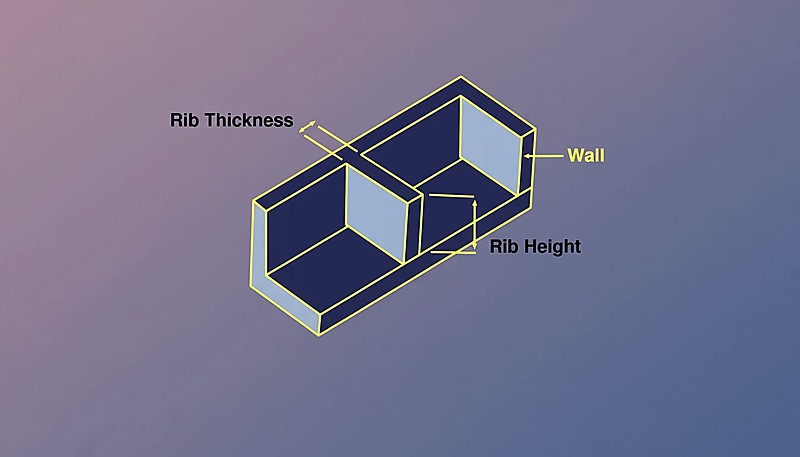
Ребра и бобышки — наиболее распространенные элементы, взаимодействующие с толщиной стенки. Для ребер: толщина основания должна составлять 50–60% от номинальной стенки, высота не должна превышать 3× номинальной стенки, и несколько тонких ребер лучше, чем одно высокое толстое ребро.
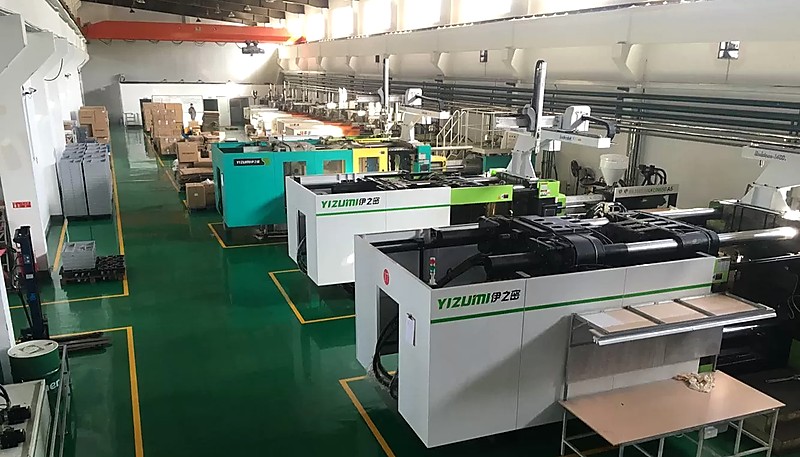
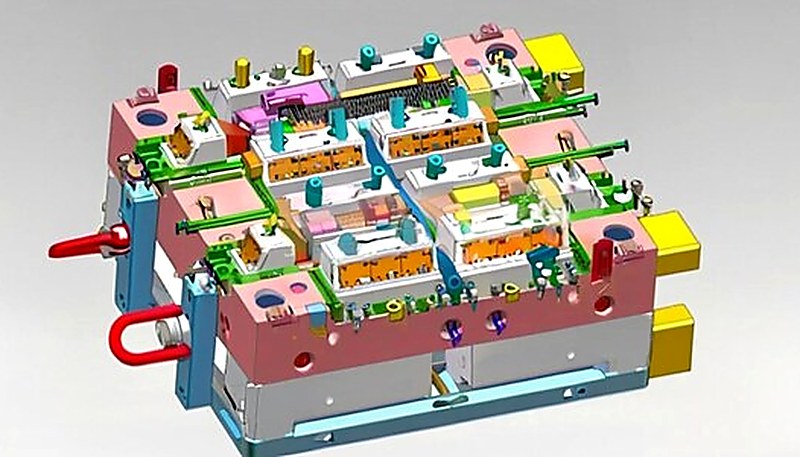
Для бобышек решением служит выборка материала: центр делают полым с помощью стержня, сохраняя равномерную толщину стенки. Наружный диаметр бобышки должен превышать диаметр отверстия не более чем в 2–3 раза. Детали с такими пропорциями в литьевой форме[3] формуются чисто, а отклонение от них приводит к постоянным проблемам качества.
Как толщина стенки влияет на время цикла?
При литье под давлением, время охлаждения[4] обычно составляет 50–70% всего цикла и определяется самым толстым поперечным сечением.
| Номинальная стенка | Типичное время охлаждения | Относительная стоимость цикла |
|---|---|---|
| 1.5 mm | 8–12 секунд | 1.0× (базовый уровень) |
| 2,0 мм | 12–18 секунд | 1.3× |
| 2,5 мм | 18–25 секунд | 1.6× |
| 3.0 mm | 25–35 секунд | 2.0× |
| 4.0 mm | 40–60 секунд | 3.0× |
Переход от стенок 2,0 мм к 3,0 мм примерно удваивает производственную стоимость детали только за счет времени цикла. Тонкостенное проектирование, когда оно конструктивно возможно, является одной из оптимизаций с наивысшей окупаемостью инвестиций в литье под давлением.
Какие ошибки при выборе толщины стенок встречаются чаще всего?
- Пренебрежение равномерной толщиной. В деталях, спроектированных без анализа толщины, встречаются участки в 3 раза толще номинала рядом с участками в половину номинальной стенки, что вызывает утяжины, коробление и увеличение длительности цикла.
- Чрезмерное утолщение ради прочности. Инженеры добавляют материал там, где ребро было бы легче, быстрее в производстве и стабильнее по размерам.
- Игнорирование пропорций рёбер. Рёбра толщиной 80–100% от номинальной стенки вызывают глубокие утяжины. Правило 50–60% применимо ко всем материалам.
- Резкие переходы толщины. Резкие изменения без плавного перехода создают концентраторы напряжений и внешние дефекты.
- Отказ от моделирования течения. Современные инструменты с высокой точностью прогнозируют характер заполнения, давление и охлаждение. На сложных деталях отказ от моделирования обычно приводит к проигрышу.
Что следует проверить перед отправкой вашего дизайна?
Перед отправкой вашего проекта на изготовление оснастки, пройдитесь по этому чек-листу. Каждый пункт занимает секунды для проверки и может предотвратить дорогостоящие доработки инструмента.
| Проверяемый пункт | Критерии прохождения |
|---|---|
| Номинальная стенка в идеальном диапазоне материала | ✓ |
| Изменение толщины стенки в пределах ±25% от номинальной | ✓ или отмечено |
| Все ребра ≤60% толщины стенки | ✓ |
| Переходы толщины используют конусность 3:1 | ✓ |
| Внешний диаметр бобышки ≤3× диаметра отверстия | ✓ |
| Наиболее толстый участок идентифицирован и проверен | ✓ |
| Моделирование течения завершено | ✓ |
Оптимизация толщины стенки до изготовления пресс-формы крайне важна — самое дешёвое место для исправления проблемы с толщиной находится в CAD, а не в стали.
Часто задаваемые вопросы о толщине стенок
Какая минимальная толщина стенки для литья под давлением?
Для большинства инженерных термопластов (ABS, ПК, нейлон) 0,8 мм является практическим минимумом для коротких путей течения. Для высокотекучих материалов, таких как ПП и ПЭ, можно достичь толщины до 0,5 мм. Эти минимумы требуют высокого давления впрыска и несут риск недолива.
Может ли толщина стенок варьироваться в детали?
Да, но отклонение должно оставаться в пределах ±25% от номинальной стенки, с плавными переходами между разными толщинами с использованием соотношения сужения 3:1.
Как толщина стенки связана с усадкой?
Более толстые участки сжимаются сильнее, поскольку больше материала охлаждается и сокращается. Эта дифференциальная усадка является основной причиной коробления в литьевых деталях.
Влияет ли толщина стенки на прочность детали?
Да, но не линейно. Удвоение толщины стенки более чем удваивает жесткость на изгиб (она масштабируется с кубом толщины). Однако утолщение стенок также увеличивает остаточные напряжения и риск образования пустот. Правильно пропорционированные ребра часто обеспечивают лучшее соотношение прочности к весу.
Как измеряется толщина стенки?
Используйте инструменты анализа толщины в вашем CAD-программе (SolidWorks, Creo и большинство MCAD-пакетов имеют их встроенные). На физических деталях ультразвуковые толщиномеры обеспечивают неразрушающий контроль, или делайте поперечные сечения для прямого измерения штангенциркулем. В процессе производства ультразвуковое измерение толщины является стандартным методом для постоянного контроля качества.
Что такое формование тонкостенных изделий?
Тонкостенное литье относится к деталям с толщиной стенки менее 1,0 мм (иногда до 0,3 мм для корпусов электроники). Для этого требуются высокоскоростные машины, способные создавать очень высокое давление (200+ МПа), и специализированная конструкция формы.
Итог: выдерживайте толщину стенки в пределах 1,5–3,0 мм, равномерность — в пределах ±25%, используйте переходы с уклоном 3:1, а толщину ребер делайте равной 50–60% номинальной толщины стенки. Эти четыре правила предотвращают 90% дефектов, связанных с толщиной стенок.
Решения о толщине стенок, принятые на раннем этапе проектирования, определяют, будет ли деталь эффективно формоваться или создавать проблемы на протяжении всего производства. Если вам нужен DFM-анализ от инженеров, оптимизировавших тысячи конструкций стенок для более чем 400 материалов, обратитесь к нашей команде ZetarMold. На нашем предприятии в Шанхае работают 45 термопластавтоматов (90T–1850T), а помочь вам готовы более 30 англоговорящих руководителей проектов.
Свяжитесь с нас для бесплатного расчета стоимости →
-
Проектирование толщины стенок — BASF, «Part and Mold Design», Plastics Technology Handbook, 2023. ↩
-
Неравномерная усадка — Autodesk, «Moldflow Design Guide», 2024. ↩
-
Рекомендации по проектированию — «Wall Thickness Best Practices», Society of Plastics Engineers, 2025. ↩
-
Время охлаждения — «Injection Molding Cooling Optimization», Plastics Technology, 2024. ↩