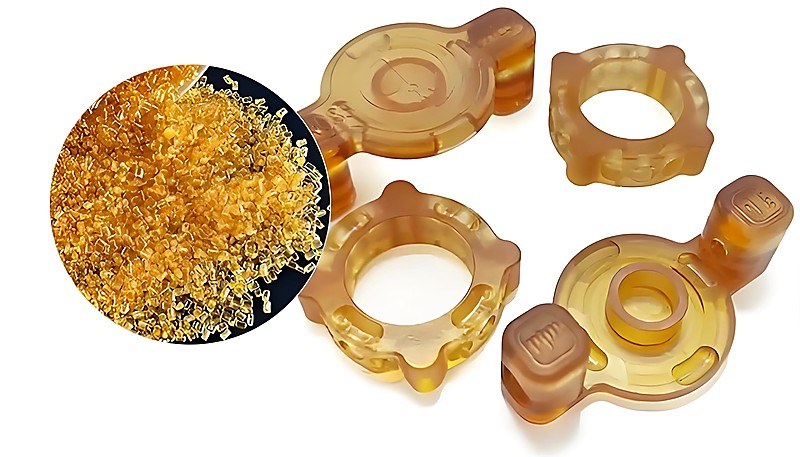
Grubość ścianki[1] jest prawdopodobnie najważniejszym pojedynczym parametrem konstrukcyjnym w formowaniu wtryskowym. Jeśli dobierzesz ją prawidłowo, część formuje się bez wad, działa niezawodnie i kosztuje mniej. Jeśli ją dobierzesz źle, pojawią się zapadnięcia, wypaczenia, puste przestrzenie i czasy cyklu pochłaniające marżę.
- Utrzymuj nominalną grubość ścianki między 1,5 a 3,0 mm dla większości termoplastycznych tworzyw inżynieryjnych.
- Utrzymuj zmienność grubości ścianki w granicach ±25% wartości nominalnej w całej części.
- Użyj współczynnika stożkowania 3:1 dla przejść między różnymi grubościami ścianek.
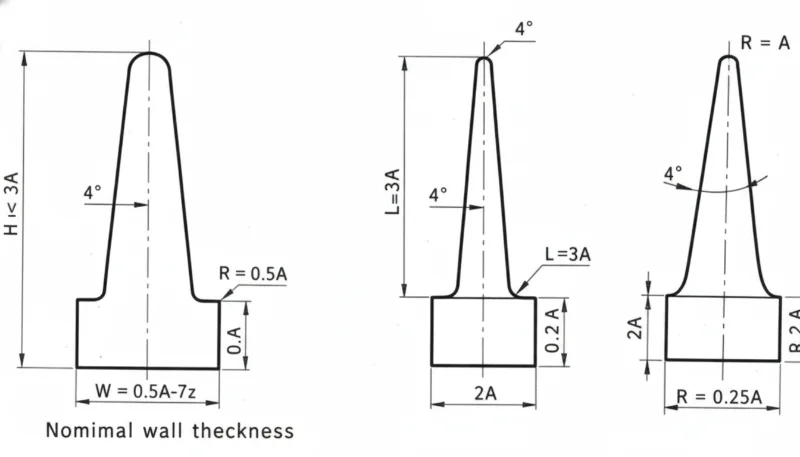
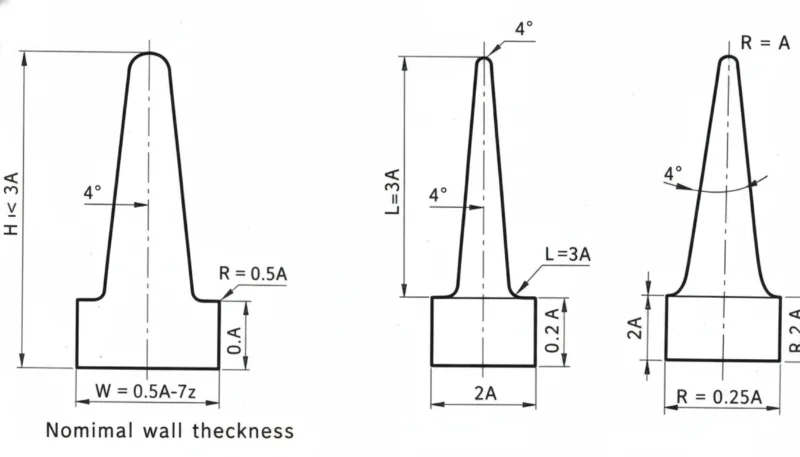
- Utrzymuj grubość podstawy żebra na poziomie 50–60% nominalnej grubości ścianki, aby uniknąć wciągnięć.
- Czas chłodzenia skaluje się z kwadratem grubości ścianki — projekt cienkościenny ma wysoką stopę zwrotu z inwestycji.
Ten przewodnik przedstawia wszystko, co inżynierowie powinni wiedzieć o grubości ścianek w formowaniu wtryskowym: jak wybrać właściwą wartość, co się dzieje, gdy ścianki nie mają równomiernej grubości, zalecenia dla poszczególnych materiałów oraz najczęstsze błędy wykryte podczas tysięcy przeglądów DFM.
Co to jest grubość ścianki w formowaniu wtryskowym?
Grubość ścianki jest odległością między zewnętrzną i wewnętrzną powierzchnią części formowanej w dowolnym przekroju. Określa, jak plastik przepływa przez wnękę formy wtryskowej, jak szybko część się chłodzi i czy końcowe wymiary spełniają specyfikację.
„Zmienność grubości ścianki powinna pozostawać w zakresie ±25% wartości nominalnej.”True
Wytyczna branżowa to zmienność ±25%. Przekroczenie tego bez stopniowych przejść powoduje różnicowy skurcz, odkształcenia i niestabilność wymiarową.
„Żebro o grubości podstawy równiej 80% nominalnej ścianki nie powoduje śladów zapadania.”False
Żebra grubsze niż 50–60% nominalnej grubości ścianki prawie zawsze powodują widoczne wciągnięcia, ponieważ żebro tworzy zlokalizowany punkt gorący, który stygnie znacznie wolniej niż otaczająca ścianka.
Cieńsze ścianki oszczędzają materiał i skracają czas cyklu, ale zwiększają wymagania dotyczące ciśnienia wtrysku i ryzyko niedopływu. Grubsze ścianki płyną łatwiej, ale stygną wolno, wydłużając czas cyklu i zwiększając ryzyko pustych przestrzeni i wciągnięć. Optymalna wartość dla większości termoplastycznych tworzyw inżynieryjnych to 1,5–3,0 mm. Zawsze sprawdzaj wybraną grubość względem karty danych dostawcy materiału i wyników symulacji przepływu przed ostatecznym zatwierdzeniem projektu.
Dlaczego jednolita grubość ścianki jest tak ważna?
Nierównomierna grubość ścianek jest przyczyną większej liczby wad formowania niż jakikolwiek inny pojedynczy błąd konstrukcyjny. Gdy grubość ścianek znacznie się różni, grube przekroje stygną i kurczą się w innym tempie niż cienkie. Ten zróżnicowany skurcz w formowaniu wtryskowym[2] powoduje naprężenia wewnętrzne, które objawiają się wypaczeniami, zapadnięciami i niestabilnością wymiarową.
„Wiele cienkich żeber jest zazwyczaj lepszych niż jedno wysokie, grube żebro pod względem sztywności.”True
Wiele cienkich żeber równomiernie rozkłada naprężenia, chłodzi się szybciej i powoduje minimalne ślady zapadania w porównaniu do jednego grubego żebra tworzącego lokalną masę termiczną.
„Ostre przejście pod kątem 90° od ścianki 3 mm do 1,5 mm jest dopuszczalne, jeśli cieńszy odcinek jest krótki.”False
Nagłe przejścia tworzą koncentrację naprężeń niezależnie od długości. Powodują zahamowanie przepływu, zwiększone naprężenia szczątkowe i widoczne defekty powierzchni. Zawsze stosuj współczynnik stożkowania 3:1.
Wytyczna jest prosta: utrzymuj grubość ścianki w granicach ±25% wartości nominalnej w całej części. Jeśli twoja nominalna ścianka ma 2,5 mm, każdy odcinek powinien mieścić się między 1,9 mm a 3,1 mm.
Jaka jest zalecana grubość ścianki w zależności od materiału?
Różne materiały mają różne właściwości przepływu i współczynniki skurczu. Oto praktyczna tabela referencyjna oparta na obszernych danych produkcyjnych.
| Materiał | Min. grubość ścianki (mm) | Zalecany zakres (mm) | Maksymalna praktyczna (mm) |
|---|---|---|---|
| ABS | 0.8 | 1.5–3.0 | 4.5 |
| PC (poliwęglan) | 0.8 | 1.5–3.0 | 4.5 |
| PP (polipropylen) | 0.6 | 1.2–2.5 | 5.0 |
| PA (nylon 6/66) | 0.6 | 1.0–3.0 | 4.0 |
| POM (acetal) | 0.8 | 1.0–3.0 | 4.0 |
| PMMA (akryl) | 0.8 | 1.5–3.5 | 5.0 |
| PBT | 0.8 | 1.0–3.0 | 4.0 |
| PE (polietylen) | 0.6 | 1.0–2.5 | 5.0 |
| PS (polistyren) | 0.8 | 1.0–3.0 | 4.5 |
| TPE/TPU | 0.5 | 1.0–3.0 | 5.0 |
Minimalne wartości grubości ścianki reprezentują możliwości techniczne przy optymalizacji procesu, nie zalecane dla produkcji. Dla niezawodnej produkcji należy pozostawać w zalecanym zakresie.
Jak przechodzić między różnymi grubościami ścianek?
Czasami zmienność grubości ścianki jest nieunikniona. Kiedy to się zdarzy, przejście między grubymi i cienkimi sekcjami jest kluczowe. Standardowa wytyczna to współczynnik stożkowania 3:1: na każdą zmianę grubości o 1 mm zapewnij co najmniej 3 mm stopniowego przejścia.
Nagłe zmiany grubości powodują zahamowanie przepływu, koncentrację naprężeń i widoczne ślady zapadania na przeciwnej powierzchni. W ekstremalnych przypadkach części pękają na przejściach grubości podczas montażu, gdy naprężenia szczątkowe przekraczają granicę plastyczności materiału.
Co się dzieje gdy ścianki są zbyt grube?
Grube ścianki powodują trzy problemy: nadmierny czas cyklu, puste przestrzenie wewnętrzne i wciągnięcia.
Wpływ na wydłużenie czasu cyklu
Czas chłodzenia jest proporcjonalny do kwadratu grubości ścianki. Część o ściankach 2 mm może schłodzić się w 15 sekund; ta sama geometria o ściankach 4 mm może wymagać 50–60 sekund. W produkcji 100 000 części to tysiące dodatkowych godzin pracy maszyny.
„Czas chłodzenia jest proporcjonalny do kwadratu grubości ścianki — podwojenie grubości czterokrotnie zwiększa czas chłodzenia.”True
Ta nieliniowa relacja tłumaczy wysoką ROI projektowania cienkich ścianek. Zmniejszenie grubości z 4mm do 2mm może skrócić czas chłodzenia o 75%.
„Zmniejszenie grubości ścianki zawsze poprawia jakość części i wydajność produkcji.”False
Choć cienkie ścianki zmniejszają użycie materiału i czas cyklu, ścianki zbyt cienkie powodują niedostatek, zwiększają wymagania dotyczące ciśnienia wtrysku i osłabiają integralność strukturalną. Optymalna grubość balansuje przepływ, siłę i koszt.
Pustki wewnętrzne
Gdy grube przekroje stygną, zewnętrzna warstwa krzepnie pierwsza, podczas gdy wnętrze pozostaje stopione. Gdy wnętrze kurczy się, odrywa się od zestalonej skorupy, tworząc wewnętrzne pustki, które zmniejszają integralność strukturalną — szczególnie problematyczne w zastosowaniach nośnych.
Znaki zlewu
Wklęśnięcia są powierzchniową manifestacją tego samego zjawiska. Gdy materiał w grubym przekroju kurczy się, pociąga powierzchnię do wewnątrz, tworząc widoczne zagłębienie, szczególnie zauważalne na błyszczących powierzchniach. Stosunek żeber do ściany bezpośrednio kontroluje nasilenie wklęśnięć: żebra grubsze niż 50–60% nominalnej ściany prawie zawsze powodują widoczne wklęśnięcia.
Co się dzieje, gdy ścianki są zbyt cienkie?
Cienkie ściany niosą ze sobą własne ryzyko. Najbardziej bezpośrednim jest niedolanie — stop tworzywa zamarza przed całkowitym wypełnieniem wnęki. Jest to szczególnie problematyczne w przypadku materiałów o wysokiej lepkości, takich jak poliwęglan, oraz długich ścieżek przepływu, gdzie lepkość stopu jest już wysoka.
Cienkie ściany zwiększają również wymagania dotyczące ciśnienia wtrysku. Jeśli wymagane ciśnienie przekracza możliwości maszyny, dochodzi do niepełnego wypełnienia i wysokich naprężeń szczątkowych.
Integralność strukturalna jest kolejnym zagrożeniem — zawsze należy uwzględnić margines bezpieczeństwa dla części z cienkich ścian w produktach konsumenckich poddanych testowi upadku. Część, która wytrzymuje statyczne obciążenia, może się rozłamać przy uderzeniu, jeśli ścianki są zbyt cienkie.
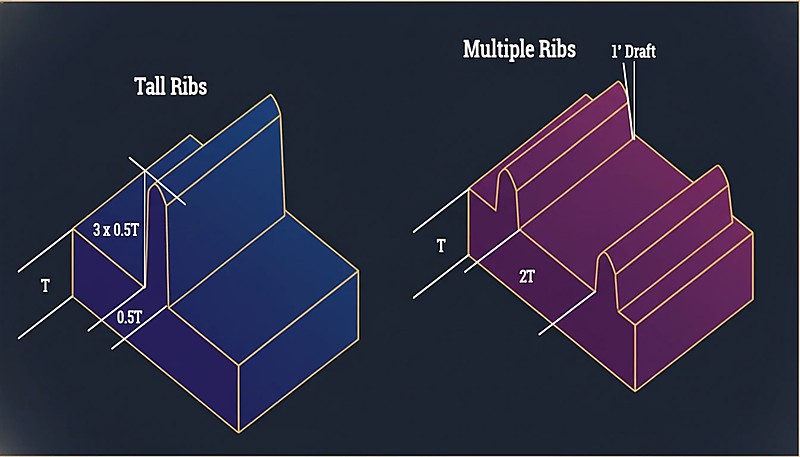
Jak żebra i wypustki wpływają na grubość ścianki?
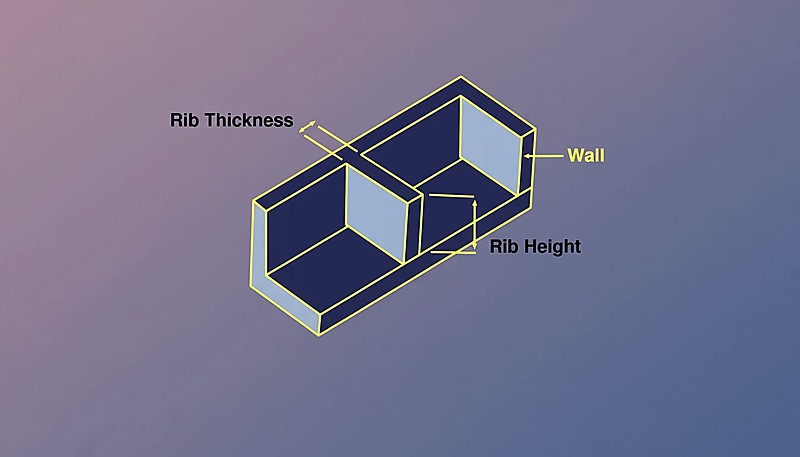
Żebra i wypustki to najczęstsze elementy oddziałujące z grubością ścianki. Dla żeber: grubość podstawy powinna wynosić 50–60% grubości nominalnej ścianki, wysokość nie powinna przekraczać 3× nominalnej ścianki, a wiele cienkich żeber jest lepsze niż jedno wysokie, grube żebro.
W przypadku słupków rozwiązaniem jest wydrążenie — środek należy wydrążyć trzpieniem rdzeniowym, aby utrzymać równomierną grubość ścianki. Średnica zewnętrzna słupka nie powinna przekraczać 2–3-krotności średnicy otworu. Części zachowujące te proporcje w formie wtryskowej[3] formują się bez wad; odstępstwa prowadzą do ciągłych problemów z jakością.
Jak grubość ścianki wpływa na czas cyklu?
W formowaniu wtryskowym, czas chłodzenia[4] stanowi zwykle 50–70% całkowitego czasu cyklu i zależy od najgrubszego przekroju.
| Nominalna ściana | Typowy czas chłodzenia | Względny koszt cyklu |
|---|---|---|
| 1.5 mm | 8–12 sekund | 1.0× (wartość bazowa) |
| 2.0 mm | 12–18 sekund | 1.3× |
| 2.5 mm | 18–25 sekund | 1.6× |
| 3.0 mm | 25–35 sekund | 2.0× |
| 4.0 mm | 40–60 sekund | 3.0× |
Przejście z ścianek 2,0 mm na 3,0 mm podwaja koszt produkcji jednej części tylko poprzez czas cyklu. Projektowanie cienkich ścian, gdy jest strukturalnie możliwe, jest jedną z optymalizacji o najwyższym ROI w wtrysku.
Jakie są najczęstsze błędy dotyczące grubości ścianek?
- Pomijanie równomiernej grubości. Części projektowane bez analizy grubości mają obszary trzy razy grubsze od wartości nominalnej obok przekrojów o połowie nominalnej grubości ścianki, co powoduje zapadnięcia, wypaczenia i wydłużenie czasu cyklu.
- Nadmierne zwiększanie grubości dla uzyskania wytrzymałości. Inżynierowie dodają materiał, choć żebro byłoby lżejsze, szybsze w produkcji i stabilniejsze wymiarowo.
- Pomijanie proporcji żeber. Żebra o grubości 80–100% nominalnej grubości ścianki powodują głębokie zapadnięcia. Zasada 50–60% obowiązuje dla każdego materiału.
- Nagłe przejścia grubości. Ostre zmiany bez zwężenia tworzą koncentracje naprężeń i wady wizualne.
- Brak symulacji przepływu. Nowoczesne narzędzia z dużą dokładnością przewidują sposób wypełniania, ciśnienie i chłodzenie. Pominięcie symulacji w przypadku złożonych części zwykle prowadzi do porażki.
Co należy sprawdzić przed wysłaniem projektu?
Przed przesłaniem projektu do wykonania narzędzi, przejdź przez tę listę kontrolną. Każdy punkt zajmuje sekundy do sprawdzenia i może zapobiec kosztownym modyfikacjom narzędzi.
| Pozycja kontrolna | Kryteria zaliczenia |
|---|---|
| Ścianka nominalna w idealnym zakresie materiału | ✓ |
| Zmiana ściany w zakresie ±25% nominalnej | ✓ lub zaznaczone |
| Wszystkie żebra ≤60% nominalnej ścianki | ✓ |
| Przejścia grubości stosują stożek 3:1 | ✓ |
| Zewn. średnica wypustki ≤3× średnica otworu | ✓ |
| Najgrubszy przekrój zidentyfikowany i sprawdzony | ✓ |
| Symulacja przepływu zakończona | ✓ |
Optymalizacja grubości ścianki przed zbudowaniem formy jest kluczowa — najtańszym miejscem do naprawienia problemu z grubością jest CAD, a nie stal.
Najczęściej zadawane pytania dotyczące grubości ścianki
Jakie jest minimalne grubość ścianki dla wtrysku?
Dla większości termoplastów konstrukcyjnych (ABS, PC, nylon), 0,8 mm jest praktycznym minimum dla krótkich ścieżek przepływu. Dla materiałów wysokoprzepływowych jak PP i PE, można osiągnąć nawet 0,5 mm. Te minima wymagają wysokiego ciśnienia wtrysku i niosą ryzyko niedostatecznego wypełnienia.
Czy Grubość Ściany Może Się Różnić w Obrębie Części?
Tak, ale zmienność powinna mieścić się w granicach ±25% nominalnej ściany, z płynnymi przejściami przy użyciu współczynnika stożkowości 3:1 między różnymi grubościami.
Jak Grubość Ściany Jest Powiązana ze Skurczem?
Grubsze sekcje kurczą się bardziej, ponieważ więcej materiału stygnie i kurczy się. To zróżnicowane kurczenie jest główną przyczyną odkształceń w wtryskiwanych częściach.
Czy grubość ścianki wpływa na wytrzymałość części?
Tak, ale nie liniowo. Podwojenie grubości ścianki zwiększa sztywność na zginanie ponad dwukrotnie (skaluje się z grubością do potęgi trzeciej). Jednak zwiększanie grubości ścianek podnosi również naprężenia resztkowe i ryzyko pustek. Właściwie proporcjonowane żebra często zapewniają lepsze osiągi wytrzymałości do wagi.
Jak mierzyć grubość ścianki?
Użyj narzędzi analizy grubości w oprogramowaniu CAD (SolidWorks, Creo i większość pakietów MCAD ma je wbudowane). W przypadku fizycznych części, ultradźwiękowe mierniki grubości zapewniają nieniszczący pomiar lub wykonaj przekroje do bezpośredniego pomiaru suwmiarką. Podczas produkcji, pomiar ultradźwiękowy jest standardową metodą ciągłego monitorowania jakości.
Co to jest formowanie cienkościenne?
Formowanie cienkościenne odnosi się do części o grubości ścianki poniżej 1,0 mm (czasem nawet 0,3 mm dla obudów elektroniki). Wymaga maszyn wysokociśnieniowych (200+ MPa) i specjalistycznego projektu formy.
Podsumowanie: utrzymuj grubość ścianki w zakresie 1,5–3,0 mm i jej równomierność w granicach ±25%, stosuj przejścia stożkowe 3:1 oraz żebra o grubości 50–60% ścianki nominalnej. Te cztery zasady zapobiegają 90% wad związanych z grubością ścianek.
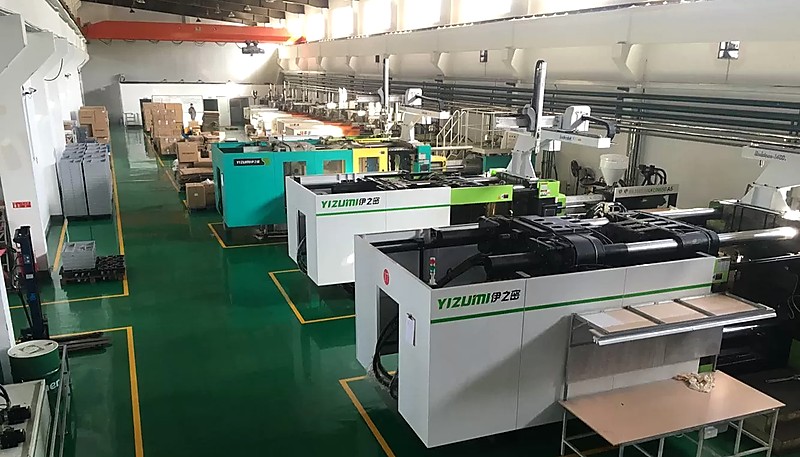
Decyzje dotyczące grubości ścianek podjęte na wczesnym etapie projektowania przesądzają, czy część będzie formowana wydajnie, czy będzie sprawiać problemy przez cały okres produkcji. Jeśli potrzebujesz przeglądu DFM przeprowadzonego przez inżynierów, którzy zoptymalizowali tysiące konstrukcji ścianek dla ponad 400 materiałów, skontaktuj się z naszym zespołem ZetarMold. W zakładzie w Szanghaju eksploatujemy 45 wtryskarek (90T–1850T), a ponad 30 anglojęzycznych kierowników projektów jest gotowych Ci pomóc.
Skontaktuj się z nami po bezpłatną wycenę →
-
Projektowanie grubości ścianek — BASF, „Part and Mold Design”, Plastics Technology Handbook, 2023. ↩
-
Zróżnicowany skurcz — Autodesk, „Moldflow Design Guide”, 2024. ↩
-
Wytyczne projektowe — „Wall Thickness Best Practices”, Society of Plastics Engineers, 2025. ↩
-
Czas chłodzenia — „Injection Molding Cooling Optimization”, Plastics Technology, 2024. ↩