Et kalınlığı[1], enjeksiyon kalıplamadaki tartışmasız en önemli tasarım parametresidir. Doğru ayarlarsanız parçanız temiz kalıplanır, güvenilir çalışır ve daha az maliyetli olur. Yanlış ayarlarsanız çökme izleri, çarpılma, boşluklar ve kâr marjınızı tüketen çevrim süreleriyle uğraşırsınız.
- Çoğu mühendislik termoplastiği için nominal duvar kalınlığını 1,5–3,0 mm arasında tutun.
- Parça boyunca duvar değişimini nominal değerin ±'i içinde tutun.
- Farklı duvar kalınlıkları arasındaki geçişler için 3:1 koniklik oranını kullanın.
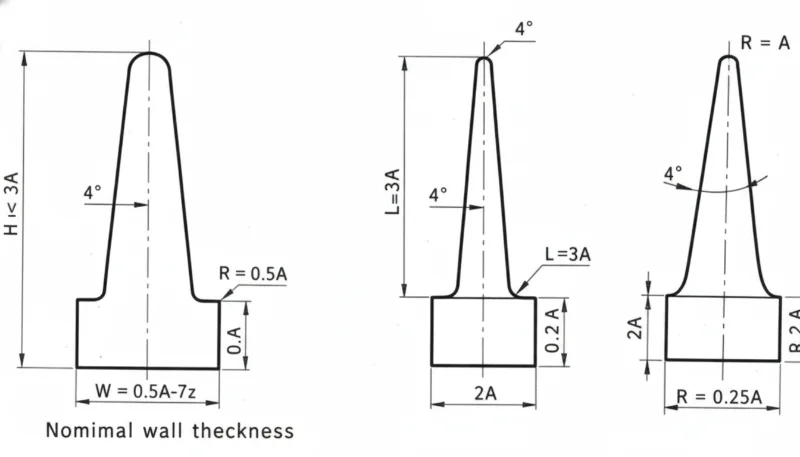
- Çökme izlerini önlemek için kaburga taban kalınlığını nominal duvarın –60'ında tutun.
- Soğuma süresi duvar kalınlığının karesiyle ölçeklenir — ince duvar tasarımı yüksek ROI'ye sahiptir.
Bu kılavuz, mühendislerin enjeksiyon kalıplama et kalınlığı hakkında bilmesi gereken her şeyi kapsar: doğru değerin nasıl seçileceği, duvarlar eşit olmadığında ne olacağı, malzemeye özgü yönergeler ve binlerce DFM incelemesinde görülen en yaygın hatalar.
Enjeksiyon Kalıplamada Duvar Kalınlığı Nedir?
Duvar kalınlığı, bir kalıplanmış parçanın herhangi bir kesitindeki dış ve iç yüzey arasındaki mesafedir. Plastik enjeksiyon kalıp boşluğundan nasıl akacağını, parçanın ne kadar hızlı soğuyacağını ve nihai boyutların spesifikasyona uyup uymayacağını belirler.
“Duvar kalınlığı varyasyonu nominal değerin ±'i içinde kalmalıdır.”True
Endüstri kılavuzu ± varyasyondur. Kademeli geçişler olmadan bunu aşmak, farklı büzülme, eğilme ve boyutsal kararsızlığa neden olur.
“Tabana eşit kalınlıkta, nominal duvarın 'i olan bir kaburga çökme izine neden olmaz.”False
Nominal duvarın –60'ından daha kalın kaburgalar, neredeyse her zaman görünür çökme izleri üretir çünkü kaburga, çevreleyen duvardan çok daha yavaş soğuyan lokalize bir sıcak nokta yaratır.
Daha ince duvarlar malzeme tasarrufu sağlar ve döngü süresini azaltır, ancak enjeksiyon basıncı gereksinimlerini artırır ve kısa dolum riskini yükseltir. Daha kalın duvarlar daha kolay akar ancak yavaş soğur, döngü süresini uzatır ve boşluk ile çökme izi riskini artırır. Çoğu mühendislik termoplastiği için ideal aralık 1,5–3,0 mm’dir. Tasarımı sonuçlandırmadan önce seçtiğiniz kalınlığı her zaman malzeme tedarikçisinin veri sayfası ve akış simülasyon sonuçlarıyla doğrulayın.
Neden Düzgün Duvar Kalınlığı Bu Kadar Önemli?
Eşit olmayan et kalınlığı, diğer tüm tekil tasarım hatalarından daha fazla kalıplama kusurunun temel nedenidir. Duvar kalınlıkları önemli ölçüde değiştiğinde kalın kesitler, ince kesitlerden farklı hızda soğur ve büzülür. enjeksiyon kalıplama[2] sırasında bu farklı büzülme; çarpılma, çökme izleri ve boyutsal kararsızlık olarak görülen iç gerilmeler yaratır.
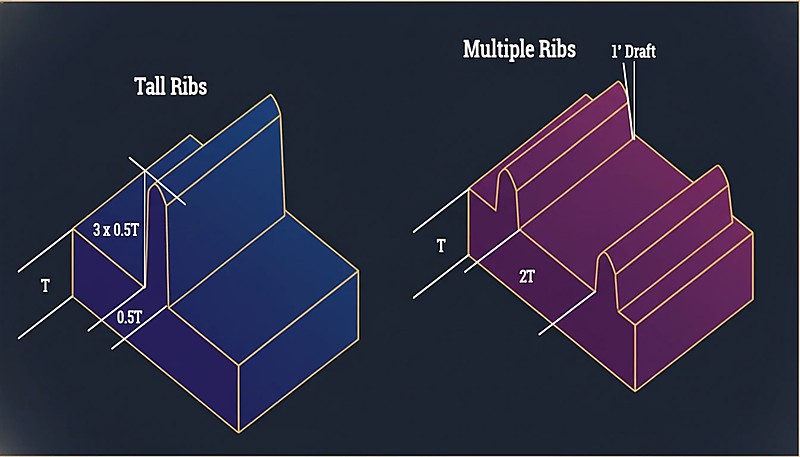
“Sertlik için genellikle birden fazla ince kaburga, tek bir yüksek ve kalın kaburgadan daha iyidir.”True
Birden fazla ince nervür, yerelleştirilmiş bir termal kütle oluşturan tek bir kalın nervüre kıyasla stresi eşit şekilde dağıtır, daha hızlı soğur ve minimum çökme izi üretir.
“İnce bölüm kısa ise, 3 mm'den 1,5 mm duvara keskin 90° geçiş kabul edilebilir.”False
Ani geçişler, uzunluktan bağımsız olarak gerilim yoğunlaşmaları yaratır. Akış tereddüdüne, artık gerilimin artmasına ve görünür yüzey kusurlarına neden olurlar. Her zaman 3:1 koniklik oranını kullanın.
Kılavuz basittir: tüm parça boyunca duvar kalınlığını nominal değerin ±‘i içinde tutun. Nominal duvarınız 2,5 mm ise, her bölüm 1,9 mm ile 3,1 mm arasında olmalıdır.
Malzemeye Göre Önerilen Duvar Kalınlığı Nedir?
Farklı malzemelerin farklı akış özellikleri ve büzülme oranları vardır. İşte kapsamlı üretim verilerine dayanan pratik bir referans tablosu.
| Malzeme | Min. Et Kalınlığı (mm) | İdeal Aralık (mm) | Maks. Pratik (mm) |
|---|---|---|---|
| ABS | 0.8 | 1.5–3.0 | 4.5 |
| PC (Polikarbonat) | 0.8 | 1.5–3.0 | 4.5 |
| PP (Polipropilen) | 0.6 | 1.2–2.5 | 5.0 |
| PA (Naylon 6/66) | 0.6 | 1.0–3.0 | 4.0 |
| POM (Asetal) | 0.8 | 1.0–3.0 | 4.0 |
| PMMA (Akrilik) | 0.8 | 1.5–3.5 | 5.0 |
| PBT | 0.8 | 1.0–3.0 | 4.0 |
| PE (Polietilen) | 0.6 | 1.0–2.5 | 5.0 |
| PS (Polistiren) | 0.8 | 1.0–3.0 | 4.5 |
| TPE/TPU | 0.5 | 1.0–3.0 | 5.0 |
Minimum duvar değerleri, optimize edilmiş işlemeyle teknik olarak mümkün olanı temsil eder, üretim için önerileni değil. Güvenilir üretim için ideal aralıkta kalın.
Farklı Duvar Kalınlıkları Arasında Nasıl Geçiş Yapılır?
Bazen duvar kalınlığı değişimi kaçınılmazdır. Bu olduğunda, kalın ve ince bölümler arasındaki geçiş kritiktir. Standart kılavuz, 3:1 koniklik oranıdır: her 1 mm kalınlık değişimi için en az 3 mm kademeli geçiş sağlayın.
Ani kalınlık değişimleri akış tereddüdüne, gerilim yoğunlaşmalarına ve karşı yüzeyde görünür çökme izlerine neden olur. Ağır durumlarda, parçalar montaj sırasında kalınlık geçişlerinde kırılır çünkü artık gerilim malzemenin akma mukavemetini aşar.
Duvarlar Çok Kalın Olduğunda Ne Olur?
Kalın duvarlar üç sorun yaratır: aşırı döngü süresi, iç boşluklar ve çökme izleri.
Çevrim Süresi Cezası
Soğuma süresi yaklaşık olarak duvar kalınlığının karesiyle ölçeklenir. 2 mm duvarlı bir parça 15 saniyede soğuyabilir; aynı geometriye sahip 4 mm duvarlı bir parça 50–60 saniye alabilir. 100.000 parçalık bir üretim serisinde, bu binlerce ek makine saati demektir.
“Soğuma süresi duvar kalınlığının karesiyle ölçeklenir — duvarı iki katına çıkarmak soğuma süresini dört katına çıkarır.”True
Bu doğrusal olmayan ilişki, ince duvar tasarımının neden bu kadar yüksek ROI'ye sahip olduğunu açıklar. Duvarı 4mm'den 2mm'ye düşürmek, soğuma süresini oranında azaltabilir.
“Duvar kalınlığını azaltmak her zaman parça kalitesini ve üretim verimliliğini iyileştirir.”False
İnce duvarlar malzeme kullanımını ve döngü süresini azaltsa da, çok ince duvarlar kısa şarjlara neden olur, enjeksiyon basıncı gereksinimlerini artırır ve yapısal dayanıklılığı tehlikeye atar. Optimum kalınlık akış, güç ve maliyet arasında denge sağlar.
İç Boşluklar
Kalın kesitler soğurken, dış kabuk önce katılaşırken iç kısım hala erimiş haldedir. İç kısım büzüldükçe, katılaşmış kabuktan uzaklaşarak yapısal bütünlüğü azaltan iç boşluklar oluşturur — özellikle yük taşıyan uygulamalarda sorun teşkil eder.
Lavabo İşaretleri
Çökme izleri, aynı fenomenin yüzeydeki tezahürüdür. Kalın bir kesitteki malzeme büzülürken, yüzeyi içe çeker ve özellikle parlak yüzeylerde görülebilen bir çökme oluşturur. Rib-to-wall oranları çökme şiddetini direkt kontrol eder: nominal duvarın 50–60%‘inden kalın ribler neredeyse her zaman görülebilen çökme izleri üretir.
Duvarlar Çok İnce Olduğunda Ne Olur?
İnce duvarlar kendi risklerini taşırlar. En acil olanı eksik dolumlar — plastik eriyik kalıbı tamamen doldurmadan önce donar. Bu, polikarbonat gibi yüksek viskozite malzemeler ve uzun akış yollarında, eriyik viskozitesi halihazırda yüksek olduğunda, özellikle sorunlu olur.
İnce duvarlar enjeksiyon basıncı gereksinimlerini de artırır. Gerekli basınç makine kapasitesini aşarsa, eksik dolumlar ve yüksek artık stres elde edilir.
Yapısal sağlamlık da bir endişe kaynağıdır — düşme testine tabi olan tüketici ürünlerindeki ince duvar parçalar için her zaman bir güvenlik marjı dahil edilmelidir. Statik yüklerde dayanan bir parça, duvarlar çok ince olduğunda darbe ile kırılabilir.
Kaburgalar ve Başlıklar Duvar Kalınlığını Nasıl Etkiler?
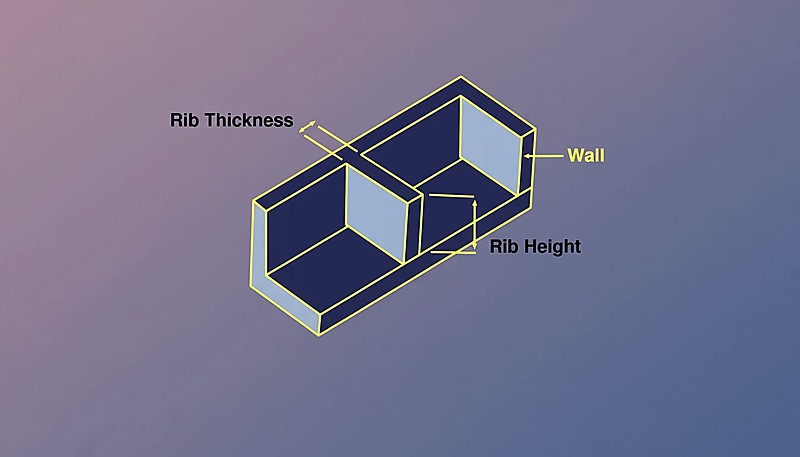
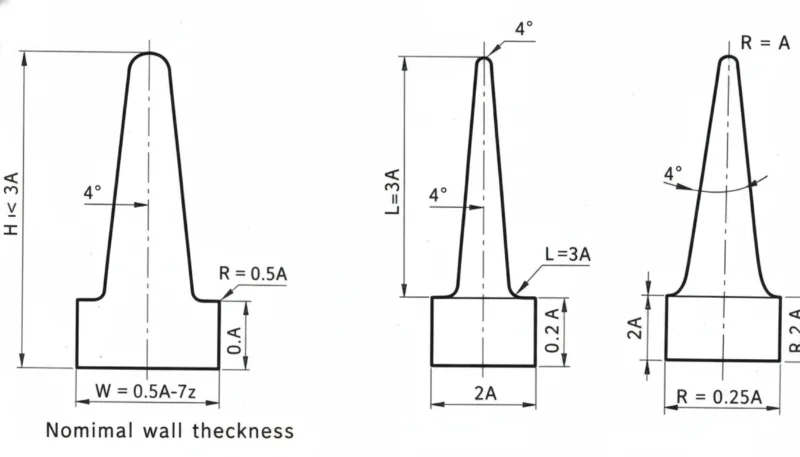
Ribler ve bosslar duvar kalınlığı ile etkileşen en yaygın özelliklerdir. Ribler için: taban kalınlığı nominal duvarın 50–60% olmalı, yükseklik nominal duvarın 3בini geçmemeli ve birden fazla ince rib bir uzun, kalın ribden daha iyidir.
Boss’larda çözüm maçalamadır: Eşit et kalınlığını korumak için merkezi bir maça pimiyle boşaltın. Boss dış çapı, delik çapının 2–3 katından fazla olmamalıdır. Bu oranlara uyan parçalar enjeksiyon kalıbı[3] içinde temiz kalıplanır; sapmalar ise sürekli kalite sorunları yaratır.
Duvar Kalınlığı Döngü Süresini Nasıl Etkiler?
enjeksiyon kalıplama prosesinde, en kalın kesitin belirlediği soğutma süresi[4] genellikle toplam çevrim süresinin %50–70’ini oluşturur.
| Nominal Duvar | Tipik Soğutma Süresi | Göreceli Döngü Maliyeti |
|---|---|---|
| 1.5 mm | 8–12 saniye | 1.0× (referans) |
| 2.0 mm | 12–18 saniye | 1.3× |
| 2.5 mm | 18–25 saniye | 1.6× |
| 3.0 mm | 25–35 saniye | 2.0× |
| 4.0 mm | 40–60 saniye | 3.0× |
2.0 mm’den 3.0 mm duvarlara geçiş, sadece döngü zamanıyla parça başına üretim maliyetini kabaca iki katına çıkarır. Yapısal olarak mümkün olduğunda, ince duvar tasarımı enjeksiyon kalıplamada en yüksek ROI optimizasyonlarından biridir.
En Yaygın Duvar Kalınlığı Hataları Nelerdir?
- Eşit kalınlığı ihmal etmek. Kalınlık analizi yapılmadan tasarlanan parçalar, nominal kalınlığın yarısı olan kesitlerin yanında nominalden 3 kat kalın bölgeler içerir; bu da çökme izlerine, çarpılmaya ve uzayan çevrim sürelerine neden olur.
- Dayanım için aşırı kalınlaştırmak. Mühendisler; nervürün daha hafif, üretimi daha hızlı ve boyutsal olarak daha kararlı olacağı durumlarda malzeme ekler.
- Nervür oranlarını göz ardı etmek. Nominal duvarın %80–100’ü kalınlığındaki nervürler derin çökme izlerine yol açar. %50–60 kuralı her malzeme için geçerlidir.
- Ani kalınlık geçişleri. Koniklik olmadan yapılan keskin değişiklikler gerilme yığılmaları ve kozmetik kusurlar oluşturur.
- Akış simülasyonu yapmamak. Modern araçlar dolum desenlerini, basıncı ve soğumayı yüksek doğrulukla öngörür. Karmaşık parçalarda simülasyonu atlamak genellikle kaybettirir.
Tasarımınızı Göndermeden Önce Neleri Kontrol Etmelisiniz?
Tasarımınızı kalıplama için göndermeden önce bu kontrol listesini gözden geçirin. Her maddeyi doğrulamak saniyeler alır ve maliyetli kalıp revizyonlarını önleyebilir.
| Öğeyi Kontrol Et | Geçme Kriterleri |
|---|---|
| Nominal duvar malzeme ideal aralığında | ✓ |
| Duvar varyasyonu nominal ±25% içinde | ✓ veya not edildi |
| Tüm kaburgalar ≤60% nominal duvar | ✓ |
| Kalınlık geçişleri 3:1 koniklik kullanır | ✓ |
| Boss OD ≤3× delik çapı | ✓ |
| En kalın kesit belirlendi ve incelendi | ✓ |
| Akış simülasyonu tamamlandı | ✓ |
Kalıp yapılmadan önce duvar kalınlığını optimize etmek esastır — bir kalınlık sorununu düzeltmenin en ucuz yeri CAD’dir, çelikte değil.
Duvar Kalınlığı Hakkında Sıkça Sorulan Sorular
Enjeksiyon Kalıplama için Minimum Duvar Kalınlığı Nedir?
Çoğu mühendislik termoplastikleri için (ABS, PC, Nylon), kısa akış yollarında 0.8 mm pratik minimumdur. PP ve PE gibi yüksek akış malzemelerinde 0.5 mm kadar inceye gidilebilir. Bu minimumlar yüksek enjeksiyon basıncı gerektirir ve eksik dolum riski taşır.
Parça Boyunca Duvar Kalınlığı Değişebilir mi?
Evet, ancak varyasyon nominal duvarın ±25%‘si içinde kalmalı ve farklı kalınlıklar arasında 3:1 koniklik oranı kullanılarak kademeli geçişler sağlanmalıdır.
Duvar Kalınlığı Büzülme ile Nasıl İlişkilidir?
Daha kalın bölümler daha fazla büzülür çünkü daha fazla malzeme soğuyarak büzüşmektedir. Bu farklı büzülme, enjeksiyonla kalıplanmış parçalardaki eğilmenin başlıca nedenidir.
Parçanın Kalınlığı Dayanımını Etkiler mi?
Evet, ancak doğrusal olarak değil. Duvar kalınlığını iki katına çıkarmak bükülme sertliğini iki katından fazla artırır (kalınlık küpü ile ölçeklenir). Ancak, duvarları kalınlaştırmak artık stres ve boşluk riskini de artırır. Doğru ölçülendirilmiş ribler genellikle daha iyi kuvvet-ağırlık performansı sağlar.
Duvar Kalınlığı Nasıl Ölçülür?
CAD yazılımınızdaki kalınlık analiz araçlarını kullanın; SolidWorks, Creo ve çoğu MCAD paketinde bu araçlar yerleşiktir. Fiziksel parçalarda ultrasonik kalınlık ölçerler tahribatsız ölçüm sağlar; doğrudan kumpasla ölçüm için kesit de alınabilir. Üretim sırasında sürekli kalite izleme için standart yöntem ultrasonik ölçümdür.
İnce Cidarlı Kalıplama Nedir?
İnce cidarlı kalıplama, cidar kalınlığı 1.0 mm’nin altında olan parçaları ifade eder (elektronik muhafazalarda bazen 0.3 mm kadar ince). Çok yüksek basınç (200+ MPa) sağlayabilen yüksek hızlı makineler ve özel kalıp tasarımı gerektirir.
Özetle: Et kalınlığını 1.5–3.0 mm arasında tutun, ±25% tekdüzeliği koruyun, 3:1 konik geçişler kullanın ve nervürleri nominal et kalınlığının 50–60% seviyesinde tutun. Bu dört kural, et kalınlığıyla ilgili kusurların 90%‘ını önler.
Tasarımın erken aşamalarında verilen et kalınlığı kararları, parçanızın verimli biçimde kalıplanmasını mı yoksa üretim boyunca sorun çıkarmasını mı belirler. 400+ malzemede binlerce et kalınlığı tasarımını optimize etmiş mühendislerden DFM incelemesi almak istiyorsanız ZetarMold ekibimizle iletişime geçin. Şanghay’daki tesisimizde 45 enjeksiyon kalıplama makinesi (90T–1850T) işletiyoruz ve 30+ İngilizce konuşan proje yöneticimiz yardıma hazır.
Ücretsiz Teklif İçin Bize Ulaşın →
-
Et kalınlığı tasarımı — BASF, “Parça ve Kalıp Tasarımı,” Plastics Technology Handbook, 2023. ↩
-
Diferansiyel çekme — Autodesk, “Moldflow Tasarım Kılavuzu,” 2024. ↩
-
Tasarım yönergeleri — “Et Kalınlığı İçin En İyi Uygulamalar,” Society of Plastics Engineers, 2025. ↩
-
Soğuma süresi — “Enjeksiyon Kalıplamada Soğuma Optimizasyonu,” Plastics Technology, 2024. ↩