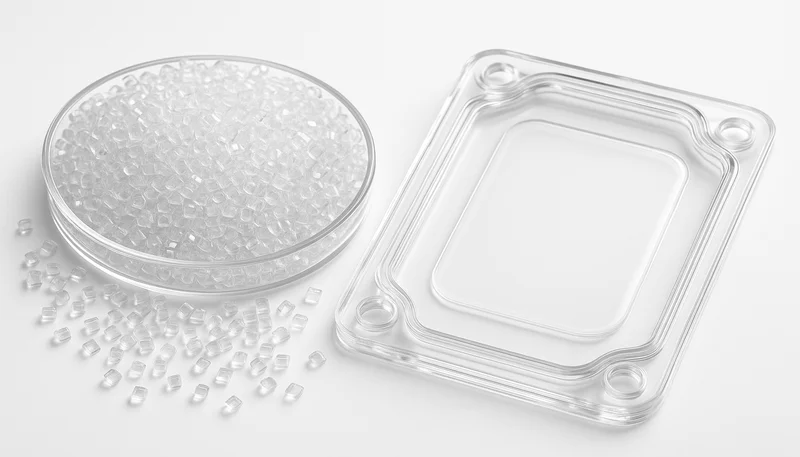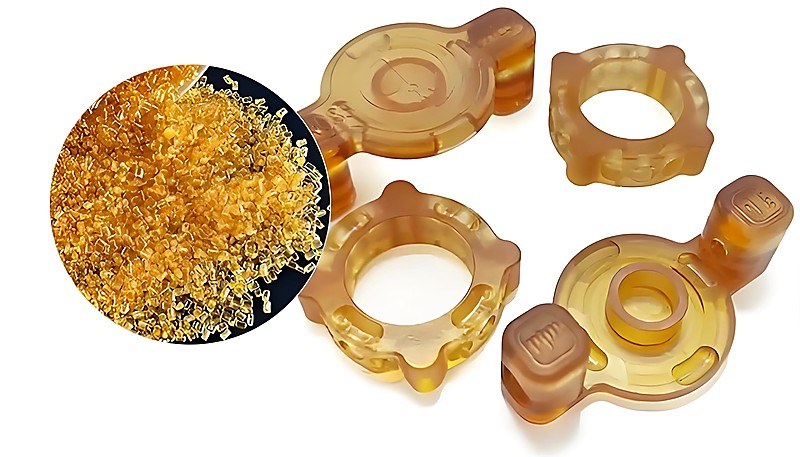
肉厚注1:肉厚[1]はおそらく射出成形における最も重要な設計パラメータです。正しく行うと、部品がきれいに成形され、確実に機能し、コストが削減されます。誤解すると、ヒケ、反り、ボイド、マージンを消費するサイクル時間に対処することになります。
- ほとんどのエンジニアリング熱可塑性プラスチックでは、公称肉厚を1.5~3.0 mmの間に保つこと。
- 部品全体で基準値からの肉厚変動を±25%以内に維持します。
- 異なる壁厚間の遷移には3:1のテーパー比を使用してください。
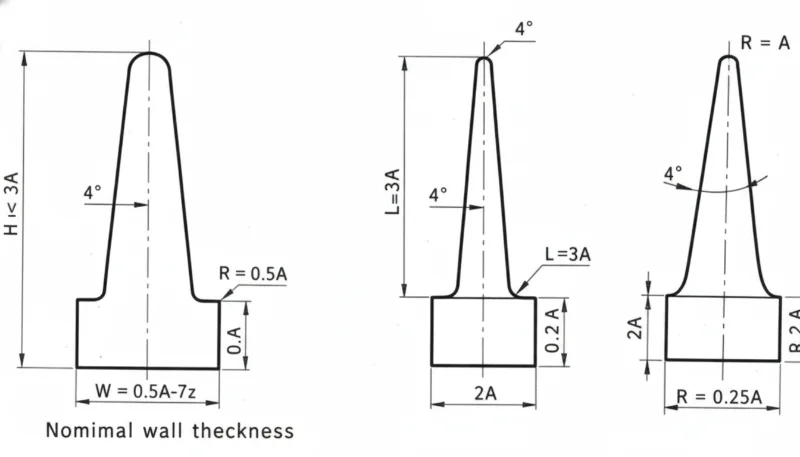
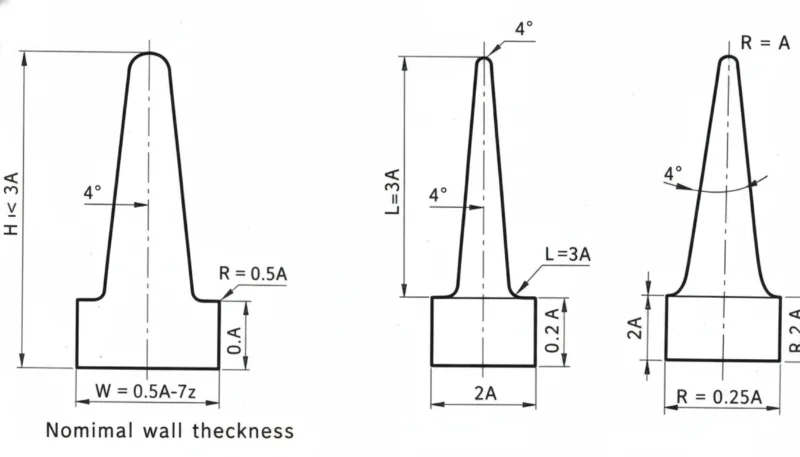
- シンクマークを避けるため、リブ基部の肉厚は基準肉厚の50〜60%に保ちます。
- 冷却時間は肉厚の二乗に比例します — 薄肉設計は投資対効果が高いです。
射出成形:このガイドでは、射出成形の壁の厚さについてエンジニアが知っておくべきすべてのことを説明しています。適切な値の選択方法、壁が均一でない場合に何が起こるか、材料固有のガイドライン、数千の DFM レビューから得た最も一般的な間違いなどです。
射出成形における肉厚とは?
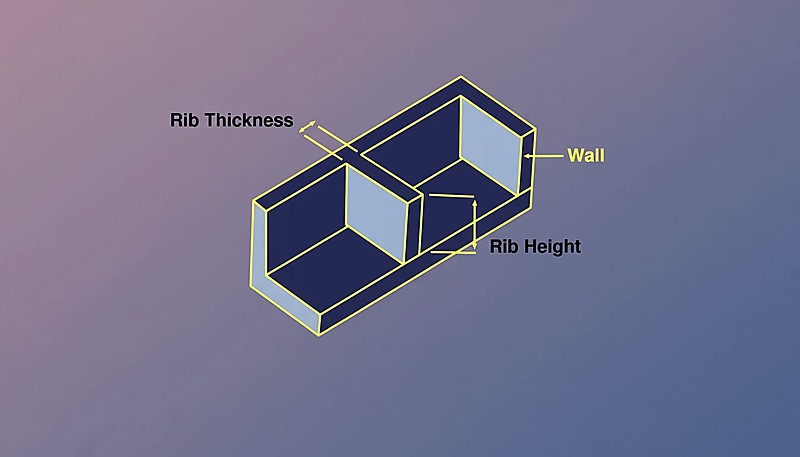
肉厚は、成形部品の任意の断面における外表面と内表面の距離です。プラスチックが射出成形金型キャビティを流れる様子、部品の冷却速度、最終寸法が仕様を満たすかどうかを決定します。
「肉厚の変動は、公称値の±25%以内に収めるべきである。」True
業界ガイドラインは±25%の変動です。これを超える急激な変化は、収縮率の差、反り、寸法不安定を引き起こします。
「ベース厚が公称壁厚の80%に等しいリブは、シンクマークを生じません。」False
リブが基準肉厚の50〜60%より厚い場合、ほぼ常に見えるシンクマークが発生します。これはリブが局所的な高温部を作り、周囲の肉厚よりもはるかに遅く冷却されるためです。
薄肉化は材料を節約しサイクルタイムを短縮しますが、射出圧力要件を増加させショートショットのリスクを高めます。厚肉部は流動性が良くなりますが冷却が遅く、サイクルタイムを延長しボイドやシンクマークのリスクを増加させます。ほとんどのエンジニアリング熱可塑性樹脂の最適点は1.5〜3.0 mmです。設計を確定する前に、選択した肉厚を材料サプライヤーのデータシートと流動シミュレーション結果で必ず確認してください。
なぜ均一な肉厚が重要なのですか?
射出成形注2:不均一な肉厚は、他の単一の設計エラーよりも多くの成形欠陥の根本原因です。壁が大きく変化すると、厚い部分は冷却され、薄い部分とは異なる速度で収縮します。この収縮差射出成形[2]により、反り、ヒケ、寸法不安定性として現れる内部応力が発生します。
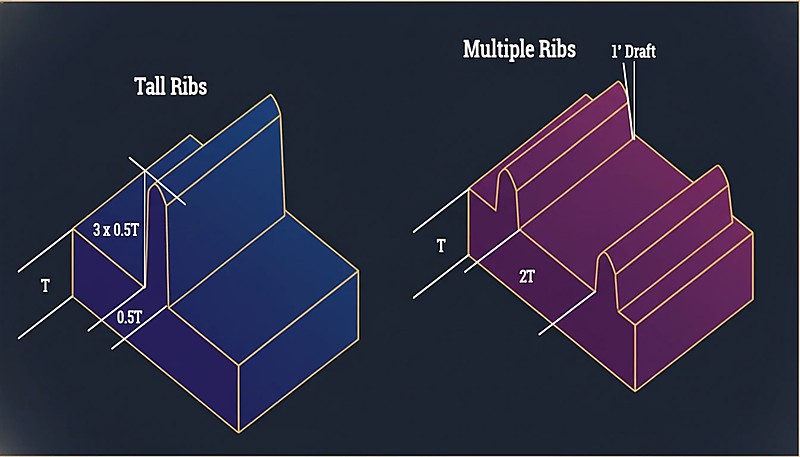
「剛性を得るには、1本の高く厚いリブよりも複数の薄いリブの方が一般的に優れています。」True
複数の薄いリブは応力を均等に分散し、冷却が速く、局所的な熱容量を作る単一の厚いリブと比べて最小限のシンクマークしか生じません。
「薄肉部が短い場合、3 mmから1.5 mmへの壁厚の鋭い90°変化は許容されます。」False
急激な遷移は、長さに関わらず応力集中を生み出します。流動の遅れ、残留応力の増加、目に見える表面欠陥の原因となります。常に3:1のテーパー比を使用してください。
ガイドラインは明確です:部品全体を通じて肉厚を基準値の±25%以内に維持します。基準肉厚が2.5 mmの場合、すべての部分は1.9 mmから3.1 mmの間であるべきです。
材料別の推奨肉厚は?
材料によって流動特性や収縮率が異なります。以下は、豊富な生産データに基づく実用的な参考表です。
| 素材 | 最小肉厚(mm) | 理想的な範囲(mm) | 実用的最大値(mm) |
|---|---|---|---|
| ABS | 0.8 | 1.5–3.0 | 4.5 |
| PC(ポリカーボネート) | 0.8 | 1.5–3.0 | 4.5 |
| PP(ポリプロピレン) | 0.6 | 1.2–2.5 | 5.0 |
| PA(ナイロン6/66) | 0.6 | 1.0–3.0 | 4.0 |
| POM(アセタール) | 0.8 | 1.0–3.0 | 4.0 |
| PMMA(アクリル) | 0.8 | 1.5–3.5 | 5.0 |
| PBT | 0.8 | 1.0–3.0 | 4.0 |
| PE(ポリエチレン) | 0.6 | 1.0–2.5 | 5.0 |
| PS(ポリスチレン) | 0.8 | 1.0–3.0 | 4.5 |
| TPE/TPU | 0.5 | 1.0–3.0 | 5.0 |
最小肉厚値は、最適化された加工条件下で技術的に可能な値を示しており、生産に推奨される値ではありません。確実な製造のためには、理想的な範囲内に留めてください。
異なる肉厚間をどのように遷移させますか?
肉厚の変動が避けられない場合もあります。その場合、厚肉部と薄肉部の間の遷移が重要です。標準的なガイドラインは3:1のテーパー比です:肉厚が1 mm変化するごとに、少なくとも3 mmの段階的な遷移を設けます。
急激な肉厚変化は、流動のためらい、応力集中、および反対面に見えるシンクマークを引き起こします。深刻な場合、組立時に肉厚変化部で部品が破損することがあります。残留応力が材料の降伏強度を超えるためです。
肉厚が厚すぎるとどうなるか?
厚肉は、過剰なサイクルタイム、内部ボイド、シンクマークという3つの問題を引き起こします。
サイクルタイムの悪化
冷却時間は壁厚の約2乗に比例して増加します。壁厚2 mmの部品は15秒で冷却されるかもしれませんが、同じ形状で壁厚4 mmの場合、50〜60秒かかる可能性があります。10万個の生産ロットでは、これが数千時間の追加機械稼働時間となります。
「冷却時間は肉厚の二乗に比例します — 肉厚を2倍にすると冷却時間は4倍になります。」True
この非線形関係こそが、薄肉設計が高い投資対効果を持つ理由です。肉厚を4mmから2mmに減らすと、冷却時間を75%削減できる可能性があります。
「肉厚を減らすことは常に部品品質と生産効率を向上させます。」False
薄肉化は材料使用量とサイクルタイムを削減しますが、肉厚が薄すぎるとショートショットを引き起こし、射出圧力要件を増加させ、構造的完全性を損ないます。最適な肉厚は流動性、強度、コストのバランスを取ります。
内部ボイド
肉厚部が冷却する際、外側の表皮が先に固化し、内部はまだ溶融状態です。内部が収縮すると、固化した表皮から引き離され、内部空隙が生じ、構造強度が低下します。これは特に負荷のかかる用途で問題となります。
シンクマーク
シンクマークは同じ現象が表面に現れたものです。肉厚部分の材料が収縮すると、表面を内側に引き込み、特に光沢面で目立つ窪みを生じます。リブと肉厚の比率はシンクの深刻さを直接左右します:公称肉厚の50~60%より厚いリブは、ほぼ常に目に見えるシンクマークを生み出します。
肉厚が薄すぎるとどうなるか?
薄肉化には独自のリスクがあります。最も直接的なのはショートショットです。これはプラスチック溶融体がキャビティを完全に充填する前に固化してしまう現象です。ポリカーボネートのような高粘度材料や長い流動経路では特に問題となります。
薄肉壁は射出圧力の要求も高めます。必要な圧力が機械の能力を超えると、充填不足や高い残留応力が生じます。
構造的完全性も懸念事項です — 落下試験が行われる民生品の薄肉部品には、常に安全マージンを含めてください。静的荷重には耐える部品でも、肉厚が薄すぎると衝撃で破損する可能性があります。
リブとボスは肉厚にどのように影響しますか?
リブとボスは肉厚と関係する最も一般的な形状です。リブの場合:基部の厚さは基本肉厚の50~60%、高さは基本肉厚の3倍を超えず、複数の細いリブが1本の高く厚いリブよりも優れています。
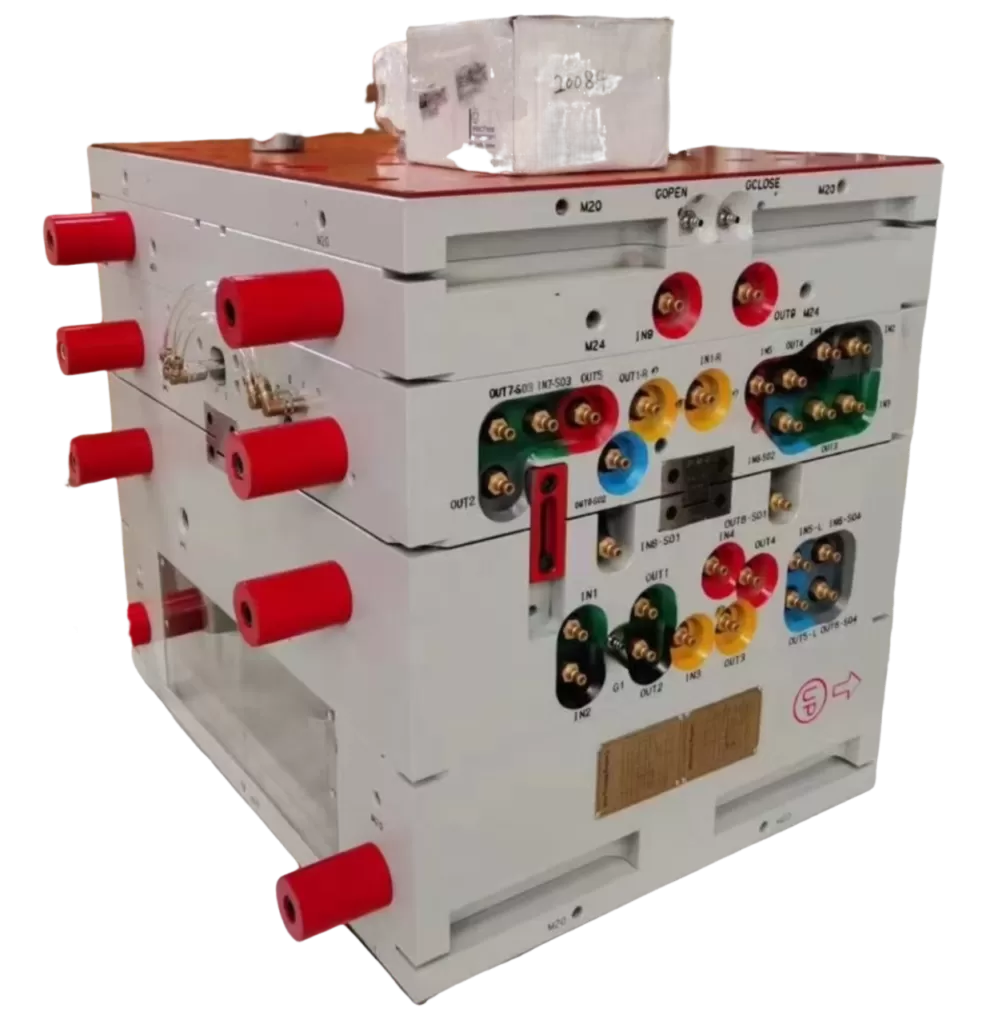
射出成形金型注3:ボスの場合はコアリングが解決策です。コアピンで中心をくりぬき、均一な肉厚を維持します。ボスの外径は穴径の 2 ~ 3 倍以下にしてください。これらの比率に従う部品は、射出成形の射出成形金型[3]できれいに成形されます。逸脱すると、継続的な品質問題が発生します。
肉厚はサイクル時間にどのように影響しますか?
射出成形冷却時間注4:射出成形では、冷却時間[4]は通常、合計サイクル時間の 50 ~ 70% を占め、最も厚い断面によって決まります。
| 基本肉厚 | 典型的な冷却時間 | 相対サイクルコスト |
|---|---|---|
| 1.5 mm | 8–12 秒 | 1.0×(基準) |
| 2.0 mm | 12–18 秒 | 1.3× |
| 2.5 mm | 18~25秒 | 1.6× |
| 3.0 mm | 25–35 秒 | 2.0× |
| 4.0 mm | 40–60 秒 | 3.0× |
肉厚を2.0 mmから3.0 mmにすると、サイクルタイムだけでも部品あたりの製造コストが約2倍になります。構造的に可能な場合の薄肉設計は、射出成形における最も投資対効果の高い最適化の一つです。
最も一般的な肉厚の間違いは何ですか?
- 均一な厚さは無視します。厚さ解析を行わずに設計された部品には、公称壁の半分の部分に沿って公称の 3 倍の厚さの領域があり、ヒケ、反り、サイクル タイムの延長が発生します。
- 強度を高めるために厚くなりすぎています。エンジニアは、リブがより軽く、製造が速く、寸法がより安定する場合に材料を追加します。
- リブの比率は無視します。公称壁の 80 ~ 100% のリブでは深いヒケが発生します。 50 ~ 60% ルールはすべての材料に適用されます。
- 急激な厚さの変化。テーパーのない急激な変化は、応力上昇や外観上の欠陥を引き起こします。
- 流動解析を行わない。最新のツールは充填パターン、圧力、冷却を高精度で予測します。複雑な部品で解析を省けば、たいてい損失につながります。
デザイン提出前に確認すべき事項は何ですか?
設計を金型製作に提出する前に、このチェックリストを確認してください。各項目の確認には数秒しかかからず、高額な金型修正を防ぐことができます。
| 確認項目 | 合格基準 |
|---|---|
| 材料の理想範囲内の公称肉厚 | ✓ |
| 肉厚変動は公称値の ±25% 以内 | ✓ または注記 |
| すべてのリブは基本肉厚の60%以下 | ✓ |
| 肉厚遷移は 3:1 のテーパーを使用 | ✓ |
| ボス外径 ≤3× 穴径 | ✓ |
| 最厚部を特定し確認済み | ✓ |
| 流動シミュレーション完了 | ✓ |
金型が製作される前に肉厚を最適化することが不可欠です — 肉厚の問題を修正する最も安価な場所は、CAD上であって、鋼材の中ではありません。
肉厚に関するよくある質問
射出成形における最小肉厚は何ですか?
ほとんどのエンジニアリング熱可塑性樹脂(ABS、PC、ナイロン)では、短い流動経路の場合、実用的な最小肉厚は 0.8 mm です。PP や PE などの高流動材料では、0.5 mm まで薄くできます。これらの最小値は高い射出圧力を必要とし、ショートショットのリスクを伴います。
部品全体で肉厚は変化しますか?
はい、ただし変動は公称壁厚の±25%以内に収め、異なる厚さ間の遷移は3:1のテーパー比を用いて段階的に行う必要があります。
壁厚は収縮とどのように関連していますか?
厚い部分はより多くの材料が冷却収縮するため、より大きく収縮します。この不均一な収縮が射出成形部品の反りの主な原因となります。
壁厚は部品の強度に影響しますか?
はい、しかし線形ではありません。肉厚を2倍にすると曲げ剛性は2倍以上になります(肉厚の3乗に比例します)。ただし、肉厚を増すと残留応力やボイドリスクも増加します。適切に設計されたリブは、しばしばより優れた強度対重量比を実現します。
肉厚はどのように測定しますか?
CADソフトウェア(SolidWorks、Creo、およびほとんどのMCADパッケージに組み込まれています)の肉厚分析ツールを使用します。物理部品では、超音波肉厚計による非破壊測定、または切断した断面をノギスで直接測定します。生産中は、超音波測定が継続的な品質監視の標準方法です。
薄肉成形とは何ですか?
薄肉成形とは、肉厚が1.0 mm未満(電子機器筐体では0.3 mm程度まで)の部品を指します。非常に高い圧力(200 MPa以上)に対応できる高速成形機と専用の金型設計が必要です。
要点:肉厚は1.5~3.0 mm、均一性は±25%以内、肉厚遷移は3:1のテーパー、リブは基準肉厚の50~60%にします。この4原則で肉厚関連不良の90%を防げます。
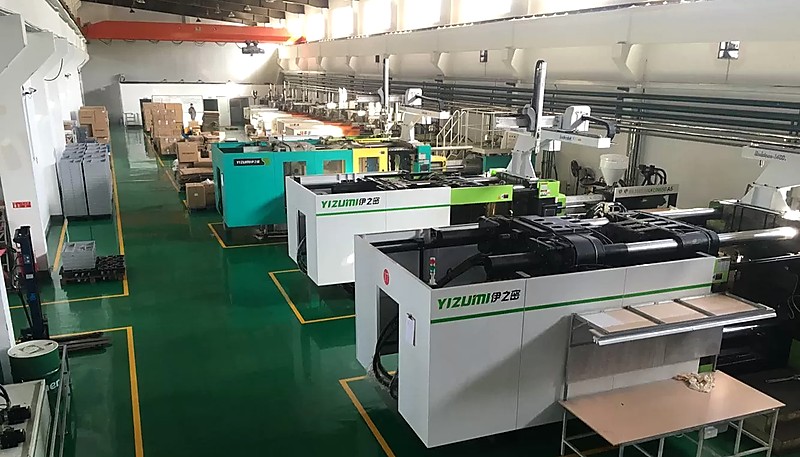
設計初期の肉厚判断が、部品を効率よく成形できるか、量産中ずっと問題に悩むかを決めます。400種類以上の材料で数千件の肉厚設計を最適化した技術者によるDFMレビューをご希望なら、ZetarMoldへご相談ください。上海工場では射出成形機45台(90T~1850T)を稼働し、英語対応のプロジェクトマネージャー30名以上が支援します。