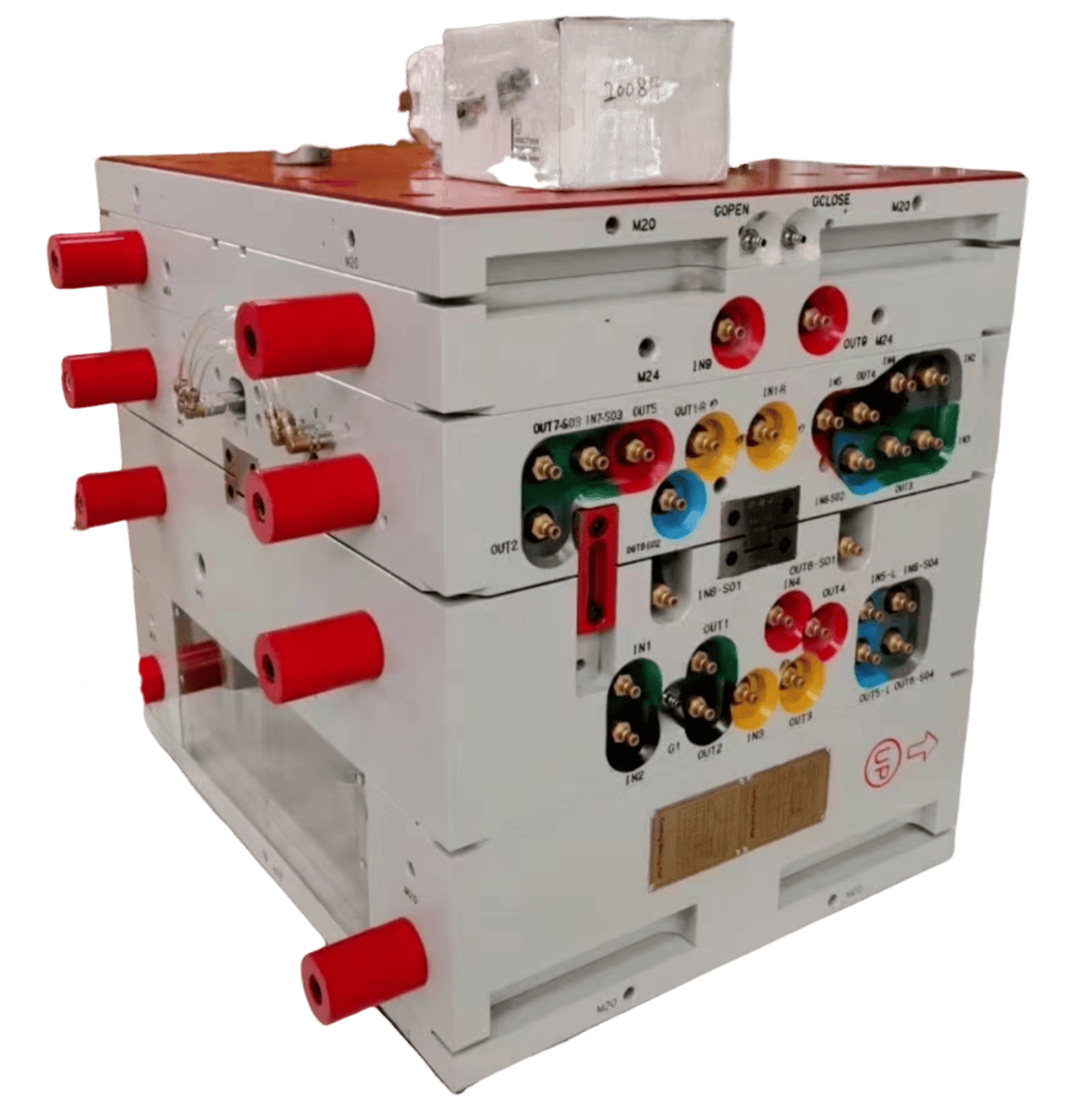
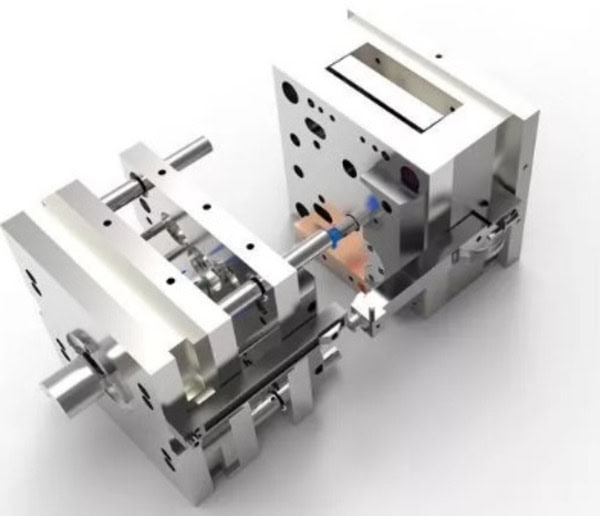
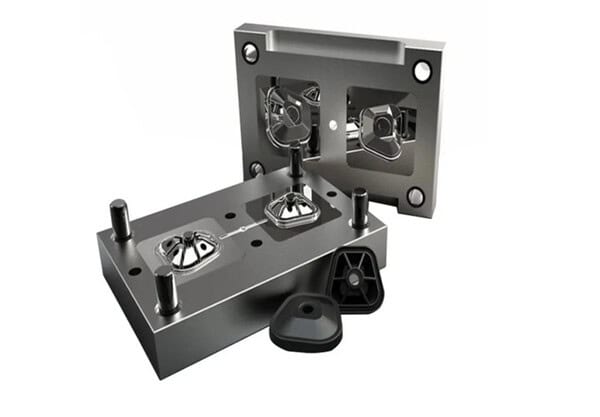
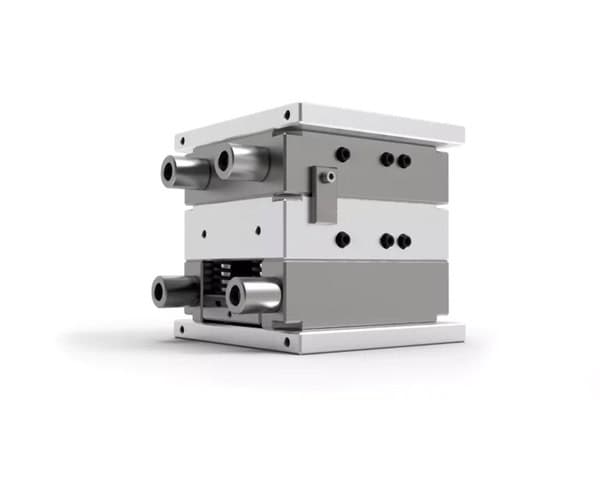
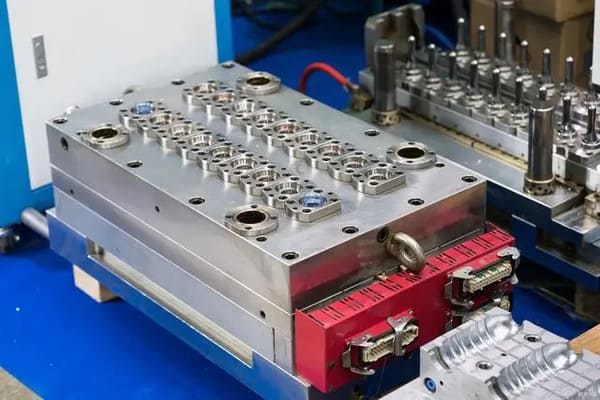
It is a hot-working die steel that has excellent polishing performance, high toughness, and good ductility. It also has good heat resistance.
ダイカスト金型、押出金型、射出成形金型
PA+GF、PA+CFプラスチック材料向け金型の製造
H13
50~54HRC
耐摩耗性と耐熱性に優れた熱間加工用ダイス鋼である。
衝撃荷重の大きい鍛造用金型、熱間押出用金型、精密鍛造用金型、ダイカスト、射出成形用金型
PAI、PEEK、LCP、PPSU、PEI、PTFEプラスチックなどの高温用金型
S136
48~54HRC
研磨性能に優れ、耐酸性に優れている。
各種プラスチック製品の金型、腐食性プラスチック材料の射出成形金型に適しています。
Mold for high temperatures like PAI,PEEK, LCP, PPSU, PEI, PTFE plastic material,Production of molds for POM and PVC plastic materials,mirror polishing requirements, transparent product, suitable for PC, PMMA plastics
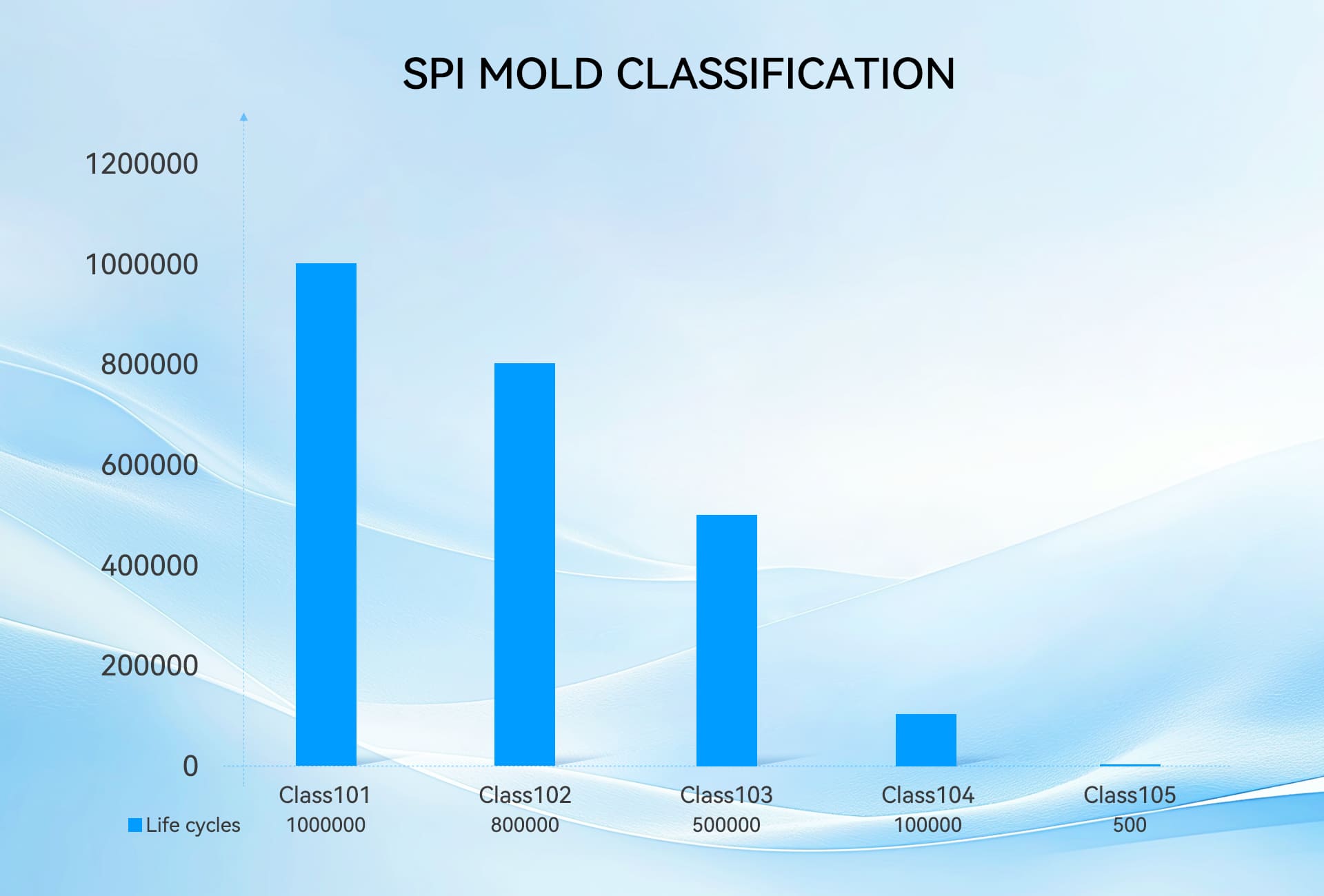
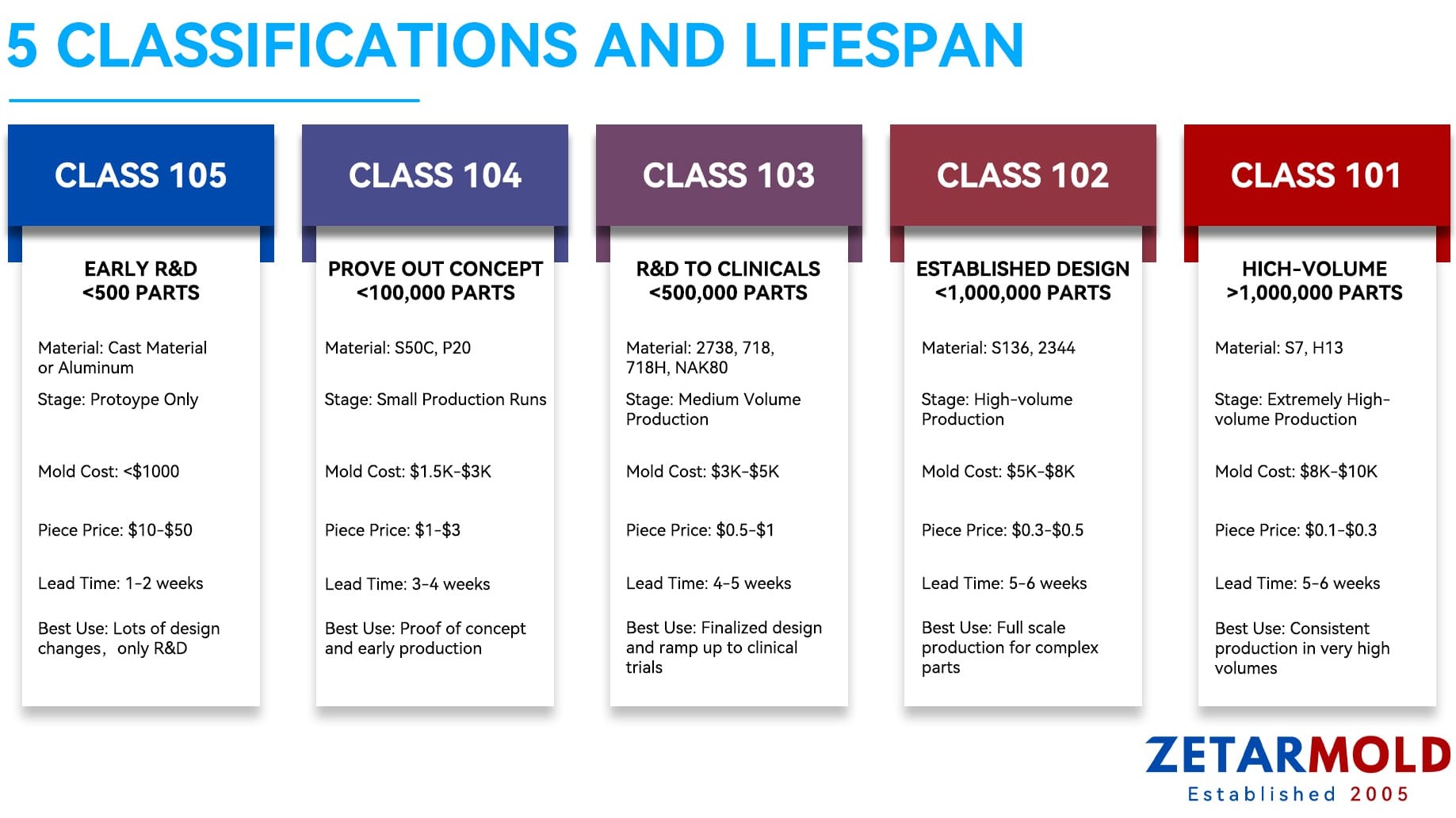
Class 101 : This is the biggest category. It’s often used for massive production runs. The molds are built to endure big volumes and are commonly used in mass production.
Class 102 : This is for medium to big production runs. It’s built to be tougher and resist corrosion, so it can handle runs that are not as big as Class 101.
Class 103 : This is for medium production runs. It’s built to be more accurate, so it can handle runs that require really good parts.
Class 104 : This is for low to mid-sized production runs. It’s built to be versatile, so it can handle runs that require options and alternatives.
Class 105 : This is for lowest production runs. It’s built to be option-friendly, so it can handle small runs or making models.
Mold steel material selection: The type and quality of the mold material can impact the cost. For example, high-quality steel molds are typically more expensive than mild steel, aluminum or other materials.
Ask the manufacturer to give you a detailed quote that includes: How much it will cost to design and make the mold How much it will cost to make the tooling (things like mold inserts, ejector pins, and cooling channels) How much it will cost to make the parts (things like labor, materials, and overhead) Any other costs (like maintenance, repair, or replacement)
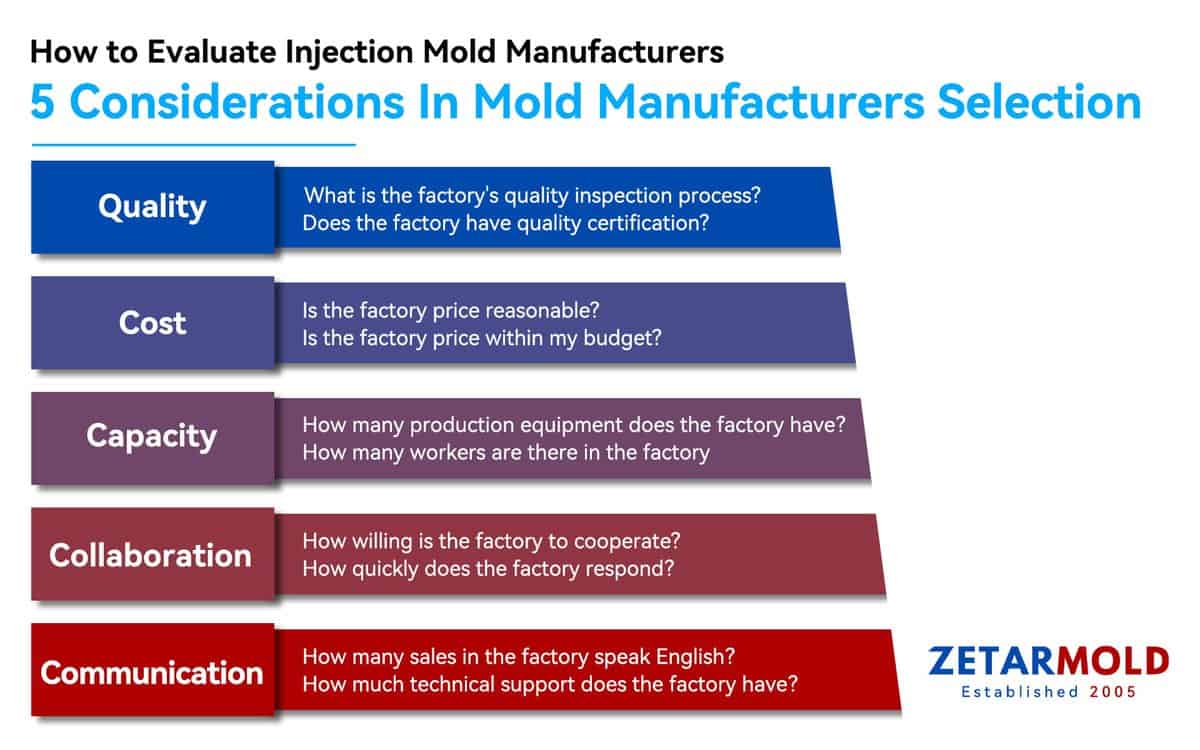
Look into the manufacturer’s reputation and experience in making molds for similar products. Make sure they have experience with similar materials, production quantities, and design specifications.
If the project is more important, it is recommended to arrange a third party factory inspection or you visit the factory, if the project is not big, choose a mould factory according to your judgement, because arranging a third party factory inspection and you visit the factory need to spend quite a lot of costs and time
ステップ5:契約と注文の手配
支払い条件を決める。
契約の締結と注文の手配
If you follow these steps, I'm sure you can find a reasonable cost for your plastic injection mold project and choose an injection mold manufacturer that meets your specific needs and requirements.
Molds are typically made from high-quality steel, hardened steel, stainless steel aluminum, or other materials, which can be costly.
20%
設計と開発
設計・開発プロセスには熟練したエンジニアやデザイナーが必要で、コスト増につながる。
10%
製造工程
The manufacturing process involves various stages, including machining, grinding, and polishing, which can be time-consuming and expensive.
20%
人件費
金型の設計、製造、組み立てには熟練した労働力が必要で、これがコストを押し上げる。
5%
テストと検証
Molds require testing and validation to ensure they meet quality and performance standards, which can add to the overall cost.
5%
複雑さ
Complex molds with intricate designs, multiple cavities, or special features can increase costs due to the additional complexity and time required to manufacture.
If you want to find injection mold manufacturers in China, you should know the main distribution of China's injection mold industry. China's injection mold industry is mainly distributed in Guangdong, Shanghai, Jiangsu, Zhejiang, Fujian and Hebei. Among them, Shanghai, Jiangsu, and Zhejiang account for 70% of China's injection mold industry production capacity.
中国の射出成形金型メーカーの地域、特徴、比率を表にまとめた。
地域
品質
価格
特徴
プロポーション
広東省
高い
高い
Guangdong Province is where China’s mold industry started. Injection molds technology is the most advanced there, but of course, the price is also the highest. As injection molds have become more mature, the competitiveness of Guangdong’s molds is gradually weakening. Many injection mold factories have started to shift from doing ODM to doing their own R & D products and have started to sell their products on Amazon and eBay.
10%
上海
高い
中程度
Shanghai has the largest number of large and medium-sized injection mold factories in China, many of which are focused on producing molds for the automotive and electronics industries. Shanghai is also home to many foreign companies, making it an ideal location for businesses that need injection molds for export.
20%
江蘇省
高い
中程度
Jiangsu Province borders Shanghai, and many mold factories were relocated from Shanghai, many of which specialize in producing high-quality molds for electronics, automotive, and medical industries.
25%
浙江省
中程度
低い
There are many small and medium-sized injection mold factories in Zhejiang, which mainly make large-scale daily necessities molds, trash can molds, seat molds, etc. with general requirements.
30%
福建省
中程度
低い
The injection mold industry in Fujian Province started roughly the same as Shanghai, Jiangsu, and Zhejiang, because there is no large-scale industrial mold industry like Shanghai, Jiangsu, and Zhejiang. The development of the mold industry is at a relatively slow stage, mainly small and medium-sized injection mold factories, and the quality and price are similar to those in Zhejiang.
10%
河北省
低い
低い
The development of injection molds in Hebei Province also mainly benefits from FAW-Volkswagen and related companies. The injection mold industry has achieved a certain development, but the industry is relatively scattered and not very centralized, which has also led to the injection mold industry's incomplete supporting facilities and slow development.
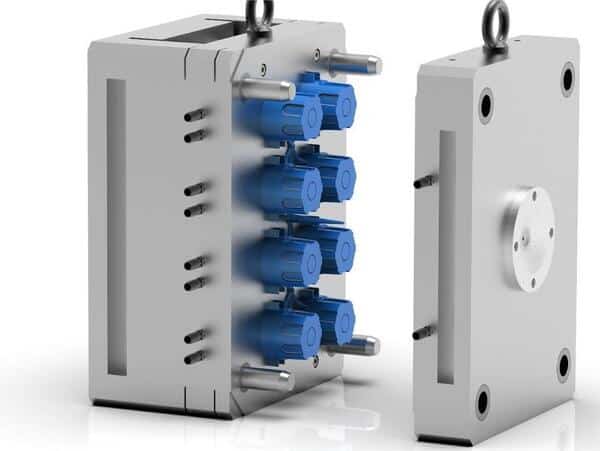
Making an injection mold is a complex process that involves several steps to create a mold that can produce high-quality plastic parts. Here's an overview of the process:
Design and Prototyping: Create a 3D design of the mold and part using UG or PROE software. Create a prototype of the part to test its functionality and make any necessary design changes.
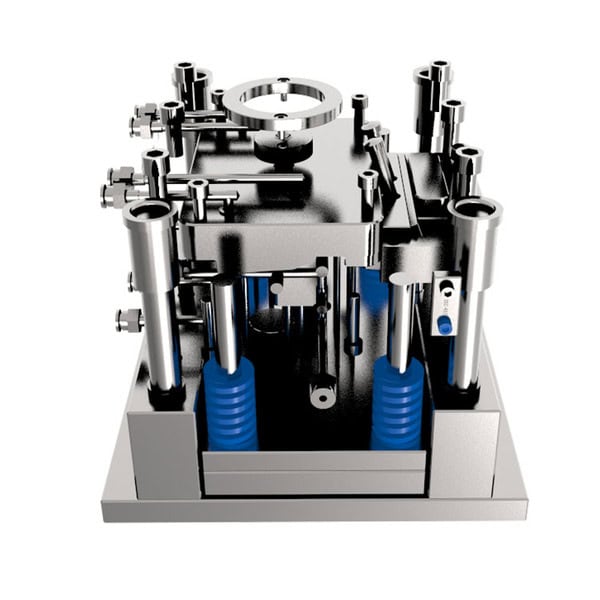
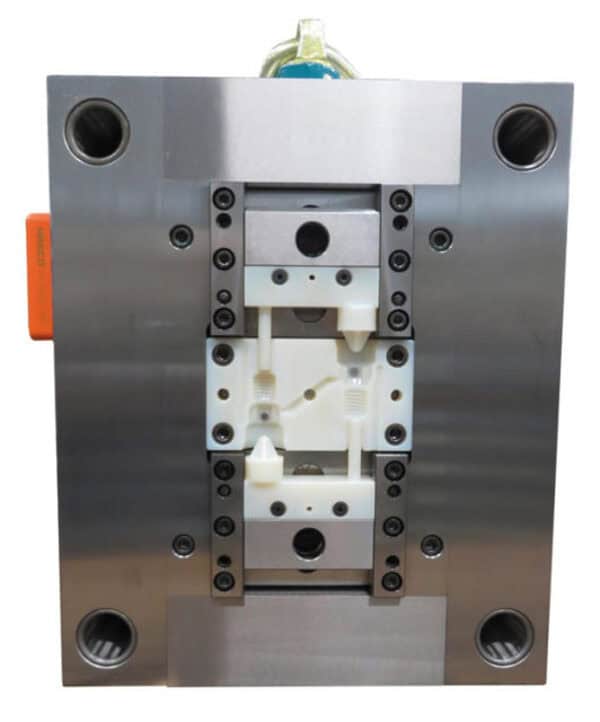
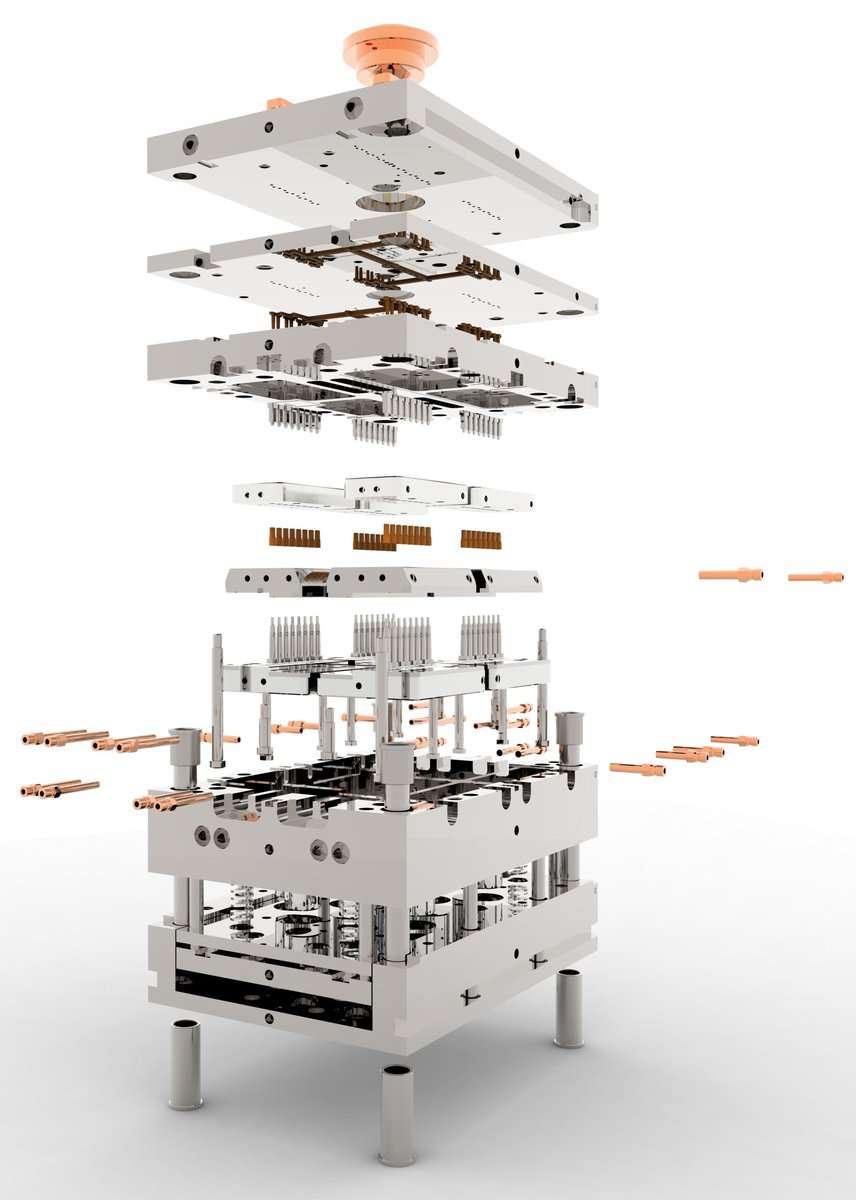
Mold Design: Create a detailed design of the mold’s internal features, such as cavities, cores, and ejector pins. Ensure the design meets the required tolerances and specifications.
Material Selection: Pick the right stuff to make the mold out of, like harded steel, mild steel, based on what the part needs and how many you’re making. Think about things like how long it’ll last, if it’ll rust, and how well it’ll move heat.
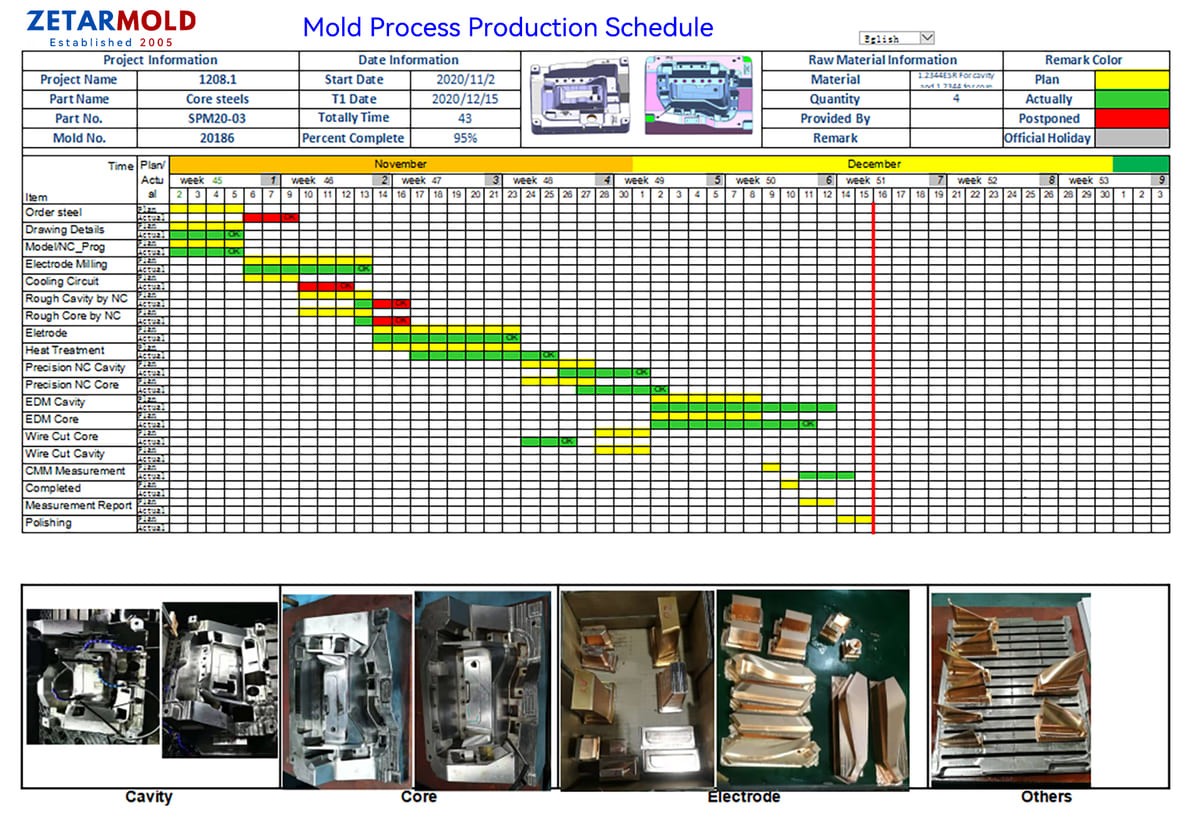
Machining: Cut and machine the mold material using CNC machining, EDM, or other precision machining techniques. Create the mold’s internal features, such as cavities, cores, and ejector pins.
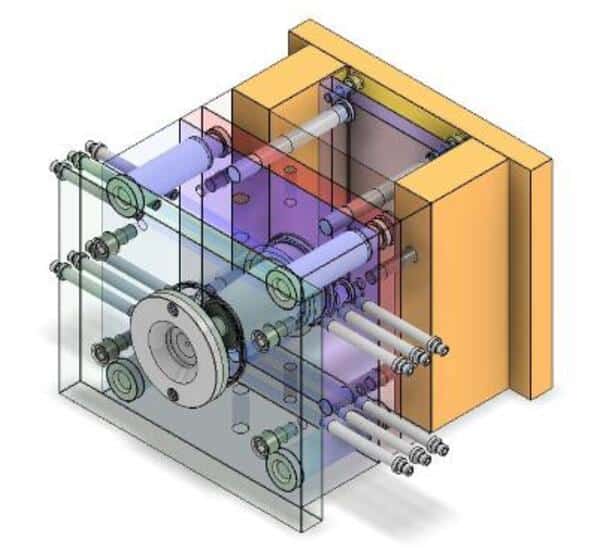
Assembly and Installation: Put the mold together, including the mold inserts, cores, and ejector pins. Put the mold inserts and cores in the mold, making sure they fit right and don't hit anything.
Inspection and Testing: Look at the mold to make sure it's not messed up and meets our quality standards. Try the mold out to make sure it works, including the ejection system, cooling system, and part quality.
Quality Control: Do a bunch of tests to make sure the mold is just right and meets all the specs. Check how the mold works, including part quality, dimensions, and how it looks.
Packaging and Shipping: Wrap the mold up nice and tight so it doesn't get hurt on the way. Send the mold to the customer or wherever it's going.
You just finished your first 3D-printed prototype. It looks right on the bench, but you already know plastic prints won’t survive real use. Now you need injection-molded parts — hundreds
You’ve got a new product ready for mass production, and your domestic mold quote just came back at $45,000 with a 14-week lead time. Sound familiar? That’s the moment most
Key Takeaways Standard China mold payment: 40-50% deposit, remainder in milestone tranches. T/T wire transfer is the dominant method; L/C is rare for tooling below $50,000. Never pay 100% upfront