- Симптом
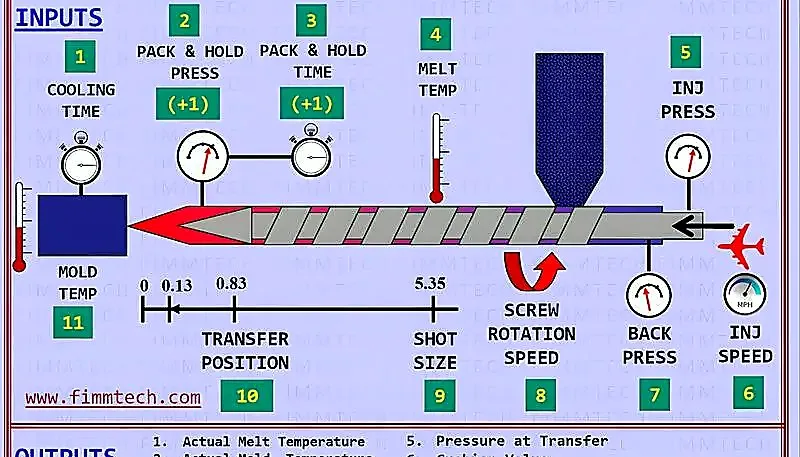
- Охлаждение занимает 50–70% общего времени цикла и является единственной наиболее управляемой переменной для повышения производительности без ущерба качеству деталей.
- Температура расплава составляет от 180°C до 350°C в зависимости от материала; для большинства конструкционных полимеров давление впрыска находится в диапазоне 70–140 MPa.
- В ZetarMold мы эксплуатируем 47 машин тоннажом от 80 до 1,600 тонн в 3 смены, обеспечивая средний срок получения образца T1 15 дней и 92-процентную долю прохождения первого образца.
Что представляет собой процесс литья под давлением и почему важен каждый этап?
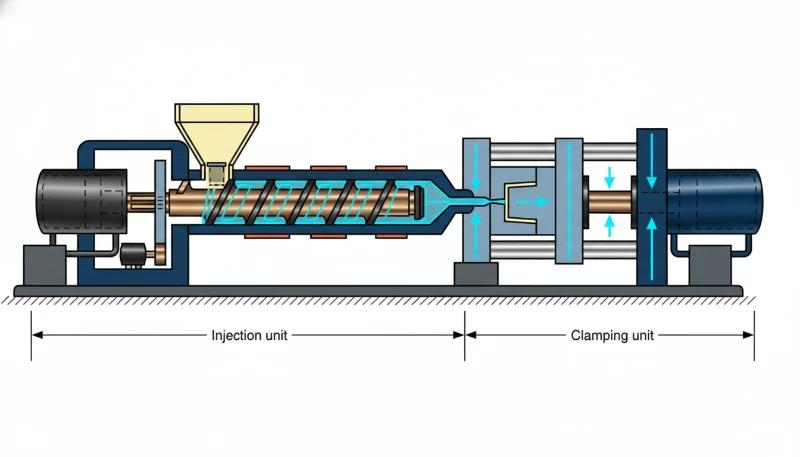
Литьё под давлением — циклический производственный процесс, в котором расплавленный термопласт1 под высоким давлением впрыскивают в прецизионную стальную форму, где он охлаждается и затвердевает; полный цикл занимает от 10 до 180 секунд в зависимости от геометрии и материала детали. Пять этапов образуют взаимозависимую систему: усилие смыкания на первом этапе определяет появление облоя на втором, а давление подпитки на третьем влияет на утяжины после охлаждения на четвёртом. Ошибка на любом этапе усиливает дефекты в последующих.
На нашем предприятии ZetarMold мы перерабатываем более 400 различных материалов на 47 литьевых машинах. За миллионы производственных циклов мы усвоили одно: большинство проблем с качеством связано с неверной настройкой параметра на конкретном этапе, а не с общим «плохим процессом». Понимание функции и параметров каждого отдельного этапа отличает процесс, выпускающий 50,000 качественных деталей в день, от процесса, требующего постоянного вмешательства оператора.
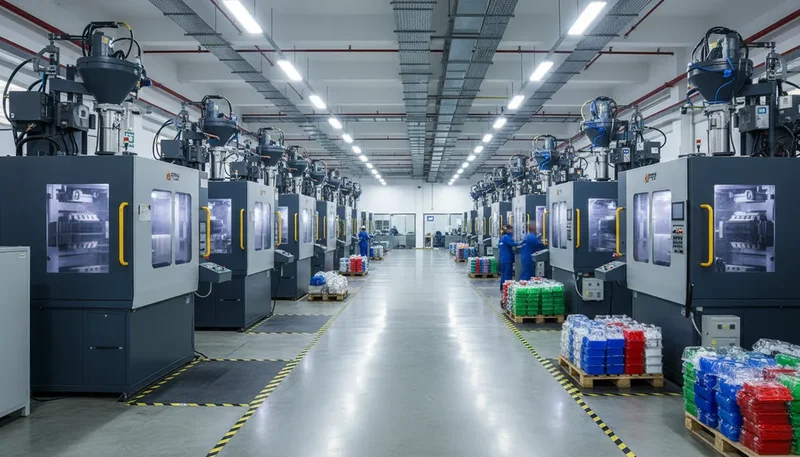
Пять основных этапов — смыкание, впрыск, подпитка/выдержка, охлаждение и выталкивание — непрерывно повторяются, а подготовка материала (сушка, подача) параллельно выполняется в фоновом режиме. В некоторых процессах добавляется шестой этап (операции после формования, например обрезка или контроль), а для деталей высокой сложности может применяться седьмой (внутриформенная маркировка или установка вставок). Однако основной пятиэтапный цикл универсален для всех термопластавтоматов — от лабораторной машины усилием 5 тонн до автомобильной машины усилием 5,000 тонн.
Шаг 1: Смыкание — закрытие и запирание пресс-формы
Смыкание — первый этап каждого цикла литья под давлением: гидравлический или электрический узел смыкания машины закрывает две половины формы и создаёт запирающее усилие до поступления пластика в полость. Это усилие должно превышать произведение давления впрыска и площади проекции детали; иначе форма раскрывается при впрыске и образуется облой — тонкие выступы пластика по линии разъёма, требующие ручной обрезки и снижающие качество детали.
Усилие смыкания измеряется в тоннах и рассчитывается как площадь проекции (cm²) × давление в гнезде (MPa) ÷ 10. Для детали площадью 100 cm² при 40 MPa минимум составляет 400 тонн. ZetarMold добавляет запас 10–15% на износ и пики давления. Работа ровно на теоретическом минимуме часто вызывает облой линии разъёма, ошибочно принимаемый за проблему литника или параметров.
"Усилие смыкания на 10–15% выше расчетного минимума предотвращает облой по линии разъема без повреждения пресс-формы."True
The calculated minimum clamping force (projected area × cavity pressure) is a theoretical floor, not a production target. Mold wear, uneven pressure distribution across multiple cavities, and shot-to-shot injection pressure variation all require a safety margin. In our experience, a 10–15% margin above the calculated minimum eliminates flash without over-stressing the parting surface. Consistently over-clamping (>25% above minimum) accelerates mold wear and can deform the parting surface over time, creating the very flash problem you were trying to prevent.
"Всегда следует использовать максимально доступное усилие смыкания машины, чтобы пресс-форма гарантированно оставалась закрытой."False
Использование максимального усилия смыкания без необходимости повреждает форму. Избыточный тоннаж смыкания сминает вентиляционные канавки на поверхности разъёма, удерживая газ в полости и вызывая прижоги и неполное заполнение. Со временем он также деформирует поверхность разъёма формы, образуя зазор и облой — эффект, противоположный ожидаемому. Правильный подход — рассчитать требуемое усилие смыкания с учётом базовых физических принципов и добавить умеренный запас 10–15%, а не использовать максимальную мощность машины по умолчанию.
Время размыкания и смыкания пресс-формы напрямую влияет на общую продолжительность цикла. Полное смыкание крупной пресс-формы может занимать 3–5 секунд; небольшая пресс-форма на современном электрическом термопластавтомате смыкается менее чем за 1 секунду. На сервоэлектрических машинах стандартно применяют высокоскоростную последовательность смыкания (“быстрое смыкание, медленное запирание”): пресс-форма быстро смыкается до положения в 5–10 mm от полного закрытия, затем переходит на низкие давление и скорость для окончательной посадки, чтобы избежать ударного повреждения формообразующих поверхностей. Такая последовательность одновременно защищает поверхность разъёма и сокращает продолжительность цикла.
Этап 2: впрыск — заполнение полости пресс-формы
Впрыск — это этап, на котором шнек движется вперёд, проталкивая расплавленный пластик через центральный литник, каналы и впуск в полость формы с контролируемыми скоростью и давлением. Время заполнения большинства деталей составляет от 0.5 до 3 секунд — быстрее, чем ожидает большинство людей. Профиль скорости впрыска (а не одна скорость) определяет продвижение фронта расплава по полости и напрямую влияет на расположение линий спая, качество поверхности и риск струйного течения или прижогов.
Примерно при заполнении полости на 95–98% шнек переключается с управления скоростью на управление давлением — эта точка называется переключением V/P (скорость/давление). До переключения машина управляет скоростью впрыска, после него — давлением в полости. Правильная настройка точки переключения критически важна: слишком раннее переключение (при 90% заполнения) создаёт риск недолива, слишком позднее (при 100% или более) приводит к переподпитке полости, трещинам от напряжений и прилипанию детали. Для всех новых пресс-форм ZetarMold исходно устанавливает переключение V/P при заполнении 97–98%, а затем корректирует его по первым отливкам.
| Материал | Температура расплава (°C) | Давление впрыска (МПа) | Скорость впрыска | Примечания |
|---|---|---|---|---|
| PP (полипропилен) | 200–270 | 70–100 | Средне-высокая | Застывание литника при низкой температуре — контролируйте момент переключения V/P |
| ABS | 200–260 | 70–130 | Средний | Прижоги при высокой скорости, струйное течение при низкой скорости |
| PC (поликарбонат) | 260–320 | 80–140 | От низкой до средней | Высокая вязкость — требуется повышенная температура цилиндра |
| Нейлон PA66 | 260–290 | 80–140 | Быстрый | Низкая вязкость — заполняйте быстро, чтобы избежать преждевременного застывания |
| POM (ацеталь) | 180–220 | 80–130 | Средний | При недостаточной вентиляции может скапливаться газ |
| TPE/TPU | 170–230 | 50–100 | От низкой до средней | Склонен к струйному течению — избегайте высокой скорости во впуске |
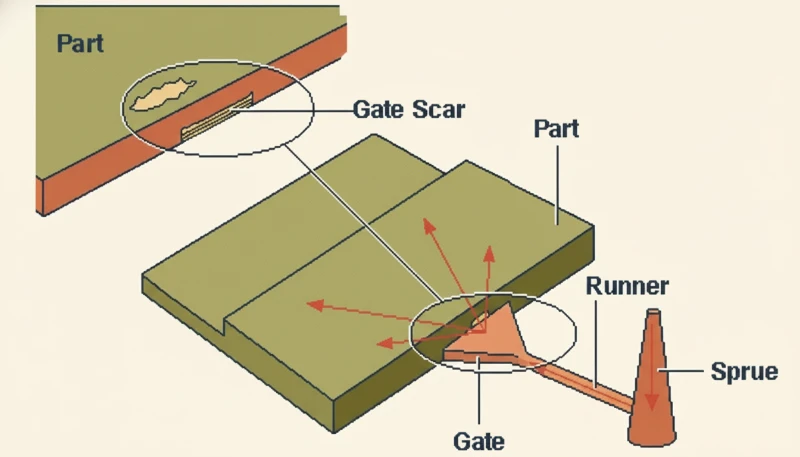
Конструкция литника определяет поступление расплава в полость и является одним из ключевых решений при проектировании литьевой формы. Подводящий туннельный литник срезается при извлечении детали, оставляя небольшой след на недекоративной стороне. Боковой литник проще, но оставляет заметный след, требующий обрезки. Клапанный литник горячеканальной системы полностью устраняет след и сокращает цикл, исключая затвердевание литниковой системы из критического пути. Для многогнёздных форм с высокими требованиями к внешнему виду такие литники стандартны: в большинстве случаев дополнительные затраты на оснастку окупаются снижением себестоимости детали за 30,000–50,000 циклов.
В ZetarMold наиболее частая проблема при заполнении на первом впрыске — расположение линии спая, а не недолив. Если линии спая появляются на поверхностях класса A, первопричиной почти всегда является расположение литника, а не скорость впрыска или температура. До начала обработки стали для каждой серийной пресс-формы мы проводим анализ течения расплава3. В 2024 году моделирование до изготовления оснастки выявило неоптимальное расположение литников в 12 из 38 рассмотренных новых программ, что позволило сэкономить в среднем 1.8 цикла доработки каждой затронутой пресс-формы.
Шаг 3: Уплотнение и выдержка — компенсация усадки
Подпитка (также называемая выдержкой под давлением) выполняется сразу после заполнения полости: машина поддерживает давление на расплав, пока тот начинает охлаждаться и усаживаться. Без давления подпитки усадка при затвердевании вызывает утяжины на толстых стенках, пустоты внутри детали и уменьшение размеров. Этот этап длится 2–10 секунд и непосредственно определяет окончательную массу, размеры и качество поверхности детали.
Давление выдержки обычно устанавливают на уровне 50–80% давления впрыска. Слишком высокое давление выдержки приводит к переполнению гнезда: литник затвердевает под избыточным давлением, создавая в детали остаточные напряжения, которые вызывают побеление от напряжений, коробление после извлечения или растрескивание при эксплуатации. При слишком низком давлении выдержки гнездо недозаполняется в период затвердевания литника, и над участками с толстыми стенками появляются утяжины. Правильное давление выдержки — минимальное давление, при котором деталь имеет целевую массу. Мы определяем его опытным путём на первых отливках: снижаем давление выдержки, пока масса детали не уменьшится более чем на 0.1%, а затем добавляем запас 5–10%.
| Симптом | Предотвращает образование утяжин на противоположной поверхности | Корректирующее действие |
|---|---|---|
| Утяжины | Операторы должны носить термостойкие перчатки и защитные очки вблизи зоны сопла машины, где температура расплава для большинства инженерных пластиков превышает 250 градусов Цельсия. Современные машины оснащены блокируемыми защитными ограждениями, которые останавливают механизм смыкания при открытии. Надлежащая вентиляция необходима при обработке таких материалов, как ПВХ или ацеталь, которые выделяют вредные пары при рабочих температурах. Регулярные проверки гидравлической системы предотвращают утечки, создающие риск скольжения и возгорания в производственном цехе. В ZetarMold все операторы проходят сертифицированную программу обучения технике безопасности перед запуском производства, а каждая машина проходит ежеквартальную проверку блокировок безопасности для обеспечения корректной работы систем аварийной остановки. | Увеличьте давление выдержки на 10% или продлите время выдержки на 1s |
| Коробление после извлечения | Чрезмерная выдержка под давлением + неравномерное охлаждение | Снизьте давление выдержки; сбалансируйте каналы охлаждения |
| Прилипание детали к полости | Переподпитка вблизи литника | Снизить давление выдержки; проверить момент переключения V/P |
| Короткий выстрел | Недостаточное заполнение до стадии выдержки под давлением | Перенесите переключение V/P на более поздний момент; увеличьте скорость впрыска |
| Разброс размеров от впрыска к впрыску | Нестабильное время застывания впускного литника | Отрегулируйте температуру формы; проверьте равномерность температуры цилиндра |
Время застывания литника — момент его полного затвердевания и герметизации полости — задаёт максимальное эффективное время подпитки. Любая подпитка после застывания литника не влияет на деталь, поскольку материал больше не поступает в полость. Экспериментальное определение времени застывания литника путём постепенного увеличения времени выдержки и измерения массы детали до выхода на плато является самым надёжным способом задать время выдержки. По нашему опыту, большинство серийных форм работают со временем выдержки на 20–30% больше необходимого, поскольку время застывания литника никогда не проверялось экспериментально. Это увеличивает цикл без улучшения качества.
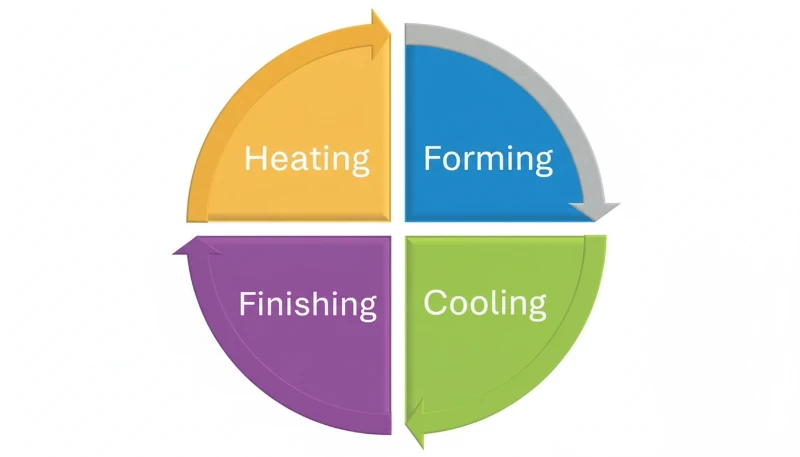
Шаг 4: охлаждение — самый длительный и критически важный этап
При охлаждении впрыснутая и подпитанная деталь затвердевает в закрытой форме до выталкивания; у большинства деталей это 50–70% цикла. Сокращение охлаждения даёт наибольший эффект. Уменьшение на 10 секунд при 100,000 циклах в год экономит 278 машино-часов, или $22,000 в год при ставке $80/hour.
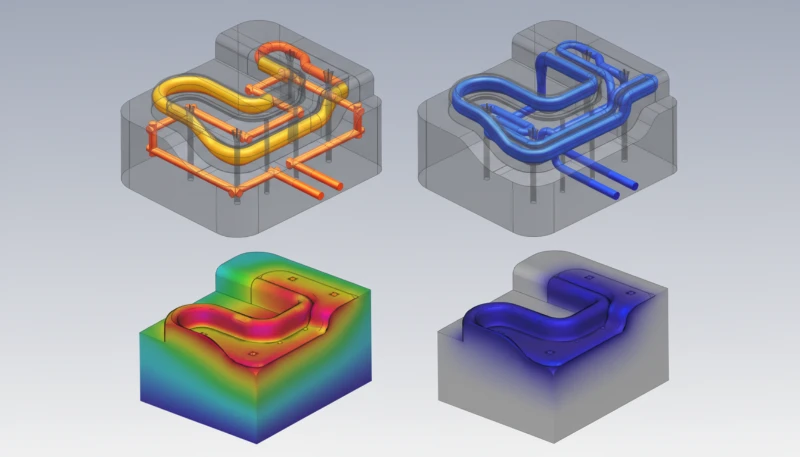
Конструкция каналов — главный фактор эффективности охлаждения. Обычные прямые просверленные каналы из-за ограничений сверления должны находиться не ближе 10–15 mm от поверхности полости. Конформные каналы, изготовленные аддитивным способом во вставках из напечатанной на 3D-принтере стали, повторяют контур полости и сохраняют равномерное расстояние 8–10 mm независимо от геометрии. В ZetarMold мы зафиксировали сокращение цикла на 28% в программе корпусов ABS со стенкой 1.2 mm при переходе с прямых на конформные каналы в 2024 году. Для сложных криволинейных деталей конформное охлаждение почти всегда оправдано при годовом объёме свыше 200,000 циклов.
Температура пресс-формы — другая ключевая переменная охлаждения. Более низкая температура пресс-формы сокращает время охлаждения, но ее нужно соотносить с качеством детали: при слишком холодной форме могут ухудшиться блеск поверхности, внешний вид линий спая и размерная стабильность. Большинство аморфных смол (ABS, PC, PS) перерабатывают при температуре пресс-формы 30–80°C; полукристаллические смолы (PP, PA, POM) — при 40–100°C, чтобы до выталкивания прошла достаточная кристаллизация. При слишком низкой температуре пресс-формы полукристаллическая смола быстро кристаллизуется, фиксируя остаточные напряжения: при выталкивании деталь выглядит нормально, но в последующие 24–48 часов постепенно коробится по мере релаксации напряжений при комнатной температуре.
"Время охлаждения составляет 50–70% общей продолжительности цикла литья под давлением и является фактором с наибольшим потенциалом повышения производительности."True
Этапы заполнения и выдержки под давлением для большинства деталей суммарно занимают 1–5 секунд, однако охлаждение должно продолжаться до тех пор, пока деталь не приобретёт достаточную жёсткость для извлечения без деформации. При общей продолжительности цикла 40 секунд охлаждение обычно занимает 20–28 секунд. Поскольку время охлаждения пропорционально квадрату толщины стенки (t_cool ∝ wall²), уменьшение номинальной толщины стенки с 3 mm до 2.5 mm сокращает время охлаждения на 31% — зачастую это самый быстрый способ улучшить время цикла без изменения самой системы охлаждения.
"Настройка термостата пресс-формы напрямую регулирует температуру поверхности полости."False
Контроллер температуры пресс-формы задаёт температуру охлаждающей жидкости на входе, а не поверхности полости. Фактическая температура поверхности зависит от расхода жидкости, близости каналов, теплопроводности стали и времени цикла. Плохо спроектированное охлаждение может давать разброс 15–30°C по поверхности даже при точном контроле жидкости. Измерение фактической температуры контактным пирометром, а не опора только на настройку контроллера, — единственный надёжный способ диагностики неравномерного охлаждения и вызванного им коробления или дифференциальной усадки.
Равномерность охлаждения так же важна, как его продолжительность. Разные скорости охлаждения по гнезду вызывают коробление: горячая сторона усаживается сильнее холодной, изгибая деталь к более горячей поверхности формы. Симметричная схема каналов — одинаковая плотность, диаметр и расход на сторонах сердечника и гнезда — является базовым требованием. Для сложных деталей с неизбежно асимметричной геометрией мы моделируем равномерность охлаждения и выявляем горячие точки до изготовления оснастки.
Шаг 5: Выталкивание — извлечение детали без повреждений
Выталкивание — последний этап: форма открывается, и система извлекает затвердевшую деталь из гнезда. Этап занимает 1–3 секунды, но вызывает непропорционально много дефектов поверхности, ошибок размеров из-за деформации и простоев из-за застрявших деталей. Правильное проектирование выталкивания с самого начала предотвращает большинство проблем.
Угол уклона — первая защита от проблем при извлечении. Без достаточного уклона деталь при усадке во время охлаждения обжимает стальной сердечник, требуя большого усилия толкателей и получая следы или деформацию. Практическое правило: минимум 1° на 25 mm глубины для текстурированных поверхностей и 0.5° на 25 mm для полированных. Для глубоких сердечников (>50 mm) мы задаём уклон не менее 2–3° даже на полированной стали, поскольку трение на длинной поверхности накапливается. По нашему опыту, нарушения DFM4 из-за недостаточного уклона — самая частая причина проблем извлечения первых образцов в проектах клиентов.
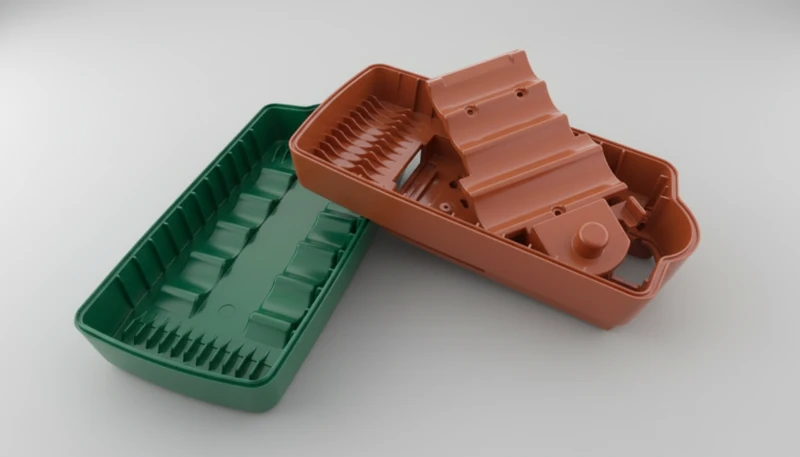
Расположение выталкивающих штифтов должно обеспечивать равномерное распределение усилия по площади детали во избежание деформации. Концентрация усилия выталкивания на одном конце длинной тонкой детали приведет к ее изгибу на этапе выталкивания и вызовет коробление, которое невозможно устранить на последующих операциях. Для тонкостенных деталей мы предусматриваем не менее одного выталкивающего штифта на каждые 25 cm² площади детали и размещаем штифты под ребрами или бобышками, где стенка локально толще — эти участки лучше выдерживают усилие выталкивания, чем тонкие стенки.
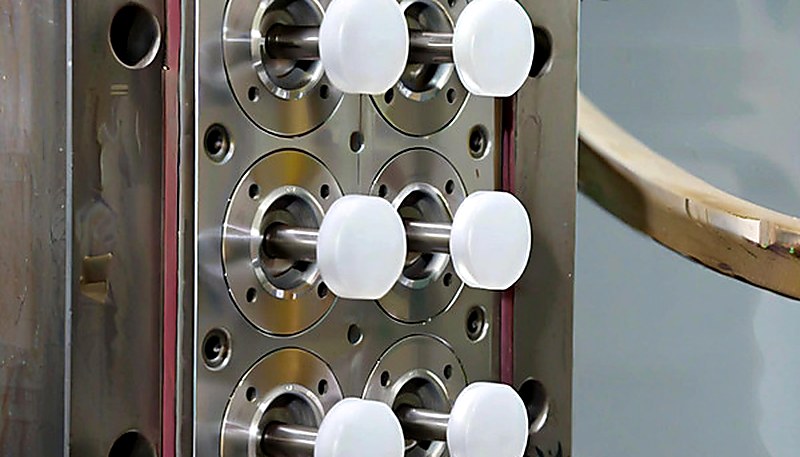
Пневматическое извлечение стандартно применяется во всех пресс-формах ZetarMold для деталей с глубокими знаками или из гибких материалов, таких как TPE и PP. Сжатый воздух, подаваемый к поверхности знака в момент открытия пресс-формы, нарушает вакуумное сцепление между деталью и сталью, снижая требуемое усилие толкателей на 40–60% и устраняя большинство следов от выталкивающих штифтов. Отверстия для пневматического извлечения выполнены в виде кольцевых зазоров 0.03–0.05 mm вокруг знаков-штифтов — достаточно узких для предотвращения облоя, но достаточно широких для подачи воздуха под давлением 4–6 bar. Эту деталь часто не предусматривают в пресс-формах, изготовленных с целью минимизации стоимости оснастки, и неизменно добавляют после первого производственного цикла, когда возникают проблемы с извлечением.
Как пять этапов работают вместе: оптимизация продолжительности цикла
Общая продолжительность цикла равна сумме пяти этапов, но их доли различны. Понимание распределения времени — первый шаг оптимизации: доминирует охлаждение (50–70%), затем следуют открытие/закрытие формы (10–20%), впрыск (5–15%), подпитка (5–10%) и извлечение (2–5%). Попытка сократить цикл без основного внимания к охлаждению вряд ли даст значимый результат.
| Шаг | Время (секунды) | % от общего объёма | Инструмент оптимизации |
|---|---|---|---|
| Смыкание (закрытие) | 1.5 | 3.75% | Сервоэлектрическая машина; последовательность быстрого смыкания |
| Впрыск (заполнение) | 2.0 | 5.0% | Оптимизировать профиль скорости впрыска и конструкцию впуска |
| Подпитка/выдержка | 4.0 | 10.0% | Определите фактическое время застывания впуска; исключите избыточное время выдержки |
| Охлаждение | 26.0 | 65.0% | Конформное охлаждение; оптимизация температуры формы; уменьшение толщины стенки |
| Открытие пресс-формы + выталкивание | 4.0 | 10.0% | Сервоэлектрическая машина; извлечение с помощью воздуха |
| Робот/извлечение детали | 2.5 | 6.25% | Робот с боковым входом; оптимизировать траекторию |
| Итого | 40.0 | 100% |
На практике самое быстрое сокращение времени цикла обеспечивают три меры: (1) экспериментальная проверка времени застывания литника и устранение избыточной выдержки — при первом измерении в большинстве пресс-форм мы обнаруживаем 20–30% лишнего времени выдержки; (2) переход от прямых сверленых каналов к конформному охлаждению в высокопроизводительных пресс-формах; (3) замена гидравлических машин сервоэлектрическими, которые обеспечивают на 10–30% более быстрые циклы раскрытия/смыкания при лучшей повторяемости. Снижение толщины стенки на этапе DFM — уменьшение толщины детали там, где это допускает конструкция, — является наиболее значимым изменением, когда оно возможно, поскольку время охлаждения пропорционально квадрату толщины стенки.
Часто задаваемые вопросы об этапах литья под давлением
Что такое процесс литья под давлением шаг за шагом?
Литьё под давлением состоит из пяти последовательных этапов: (1) Смыкание — половины формы закрываются под усилием 50–4 000 тонн; (2) Впрыск — расплавленный пластик заполняет полость за 0.5–3 секунды при 70–140 MPa; (3) Подпрессовка/выдержка — в течение 2–10 секунд поддерживается 50–80% давления впрыска для компенсации усадки; (4) Охлаждение — деталь затвердевает за 10–80 секунд, что составляет 50–70% общего времени цикла; (5) Выталкивание — форма открывается, и толкатели извлекают готовую деталь. Полный цикл занимает 10–180 секунд в зависимости от размера детали и материала.
Сколько времени занимает каждый этап литья под давлением?
Для типичного 40-секундного цикла смыкание занимает 1.5 секунды, впрыск — 2 секунды, подпитка — 4 секунды, охлаждение — 26 секунд, открытие формы и выталкивание — 4 секунды. Охлаждение всегда является самым длительным этапом и занимает 50–70% общего времени цикла. Очень маленькие тонкостенные детали могут проходить полный цикл за 10–15 секунд; крупным автомобильным бамперам или корпусам может требоваться 120–180 секунд, почти полностью из-за охлаждения. Доминирующей переменной является толщина стенки: время охлаждения пропорционально её квадрату, поэтому стенка 3 mm охлаждается примерно в 2.25 раза дольше, чем стенка 2 mm.
Какие типичные проблемы возникают на каждом этапе литья под давлением?
Смыкание: недостаточное усилие вызывает облой по линии разъёма. Впрыск: высокая скорость вызывает прижоги или струйное течение; низкая скорость — преждевременное застывание и недоливы. Уплотнение: чрезмерное давление вызывает трещины от напряжений и прилипание деталей; недостаточное — утяжины и недовес деталей. Охлаждение: неравномерное охлаждение вызывает коробление; недостаточное время — отклонения размеров и деформацию при выталкивании. Выталкивание: недостаточные углы уклона вызывают царапины поверхности и прилипание деталей; неравномерное размещение штифтов — изгиб или деформацию при выталкивании. У каждого дефекта есть конкретная первопричина в параметре, относящемся к одному этапу.
Какие материалы используются при литье под давлением?
Для литья под давлением коммерчески доступно более 18,000 марок термопластов и реактопластов. Чаще всего перерабатываются: PP (полипропилен) для потребительских товаров и автомобилей; ABS для электроники и корпусов; PC (поликарбонат) для оптических и ударопрочных деталей; нейлон (PA6/PA66) для механических компонентов; POM (ацеталь) для прецизионных шестерён; TPE/TPU для гибких деталей. Выбор материала определяется механическими свойствами, рабочей температурой, химической стойкостью, соответствием нормативным требованиям и стоимостью. В ZetarMold мы перерабатываем более 400 материалов и можем рекомендовать конкретные марки с учётом требований вашего применения.
Какова стоимость инъекционного формования за каждый этап?
Стоимость машины за цикл, а не этап, составляет $0.01–$0.50 в зависимости от размера машины и времени цикла. Машина 200 тонн по $80/hr с 30-секундным циклом стоит $0.67 в минуту, или около $0.0033 в секунду. Материал обычно составляет 30–50% стоимости детали. Оснастка — фиксированная стоимость, амортизируемая объёмом: форма за $15,000 при 100,000 деталей добавляет $0.15 к детали. Охлаждение доминирует в стоимости машинного времени; его сокращение на 20% уменьшает машинную стоимость детали примерно на 14% в большинстве программ.
Какие меры безопасности применяются во время цикла литья под давлением?
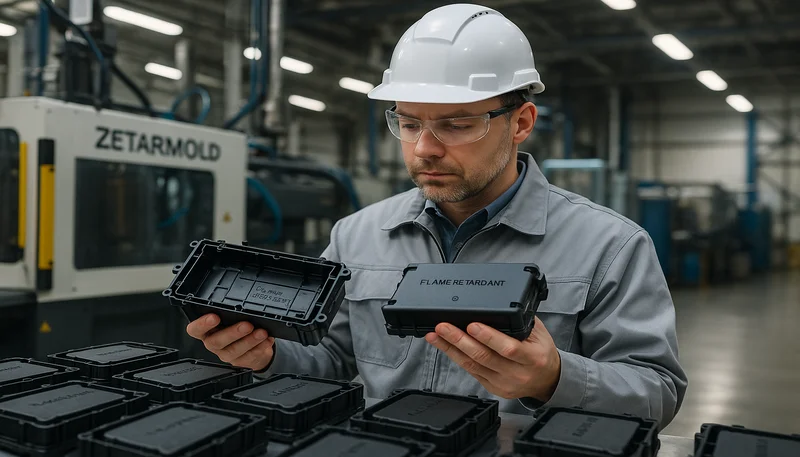
Вблизи сопла машины, где температура расплава большинства конструкционных пластмасс превышает 250 градусов Цельсия, операторы должны носить термостойкие перчатки и защитные очки. Современные машины оснащены защитными ограждениями с блокировкой, которые останавливают механизм смыкания при открытии. При переработке материалов вроде PVC или ацеталя, выделяющих вредные пары при рабочей температуре, необходима правильная вентиляция. Регулярный осмотр гидравлической системы предотвращает утечки, создающие риск поскользнуться и пожара в цехе. В ZetarMold все операторы проходят сертифицированное обучение безопасности до допуска к производству, а на каждой машине ежеквартально проверяется защитная блокировка и исправность аварийной остановки.
Краткая справка: готовы начать проект по литью под давлением?
Изучите 6 этапов литья под давлением: смыкание, впрыск, дожимание, охлаждение, размыкание формы и выталкивание. Экспертное руководство с реальными заводскими данными.
В ZetarMold мы бесплатно выполняем DFM-анализ всех новых проектов до расчёта оснастки. 20-летний опыт проектирования и производства литьевых форм и возможности анализа течения расплава позволяют выявить проблемы до дорогостоящей доработки. Мы перерабатываем более 400 материалов, выдерживаем допуски до ±0.05 mm на критических элементах и поставляем образцы T1 через 15 дней после утверждения оснастки. Если детали нужно пройти путь от проекта до первого впрыска, обратитесь за бесплатной DFM-консультацией и расчётом оснастки.
термопласт: Термопласт — полимер, который размягчается и течёт при нагреве, а при охлаждении затвердевает. Этот обратимый процесс позволяет применять литьё под давлением, повторное измельчение и переработку, в отличие от реактопластов, которые необратимо отверждаются и не могут быть снова расплавлены. ↩
проектирование литьевой формы: Проектирование литьевой формы — инженерная разработка геометрии оснастки, включая полость, сердечник, литниковую систему, каналы охлаждения и механизм извлечения, которая непосредственно определяет качество детали, время цикла и экономику производства. ↩
анализ течения расплава: Анализ течения расплава — компьютерное моделирование заполнения полости расплавленным пластиком, позволяющее до изготовления формы выявить линии спая, воздушные ловушки и утяжины по давлению заполнения, распределению температуры и равномерности охлаждения. ↩
DFM: DFM (Design for Manufacturability) — структурированный инженерный анализ геометрии детали, толщины стенок, уклонов, поднутрений и выбора материала до изготовления оснастки, позволяющий устранить дефекты и сократить число доработок. ↩