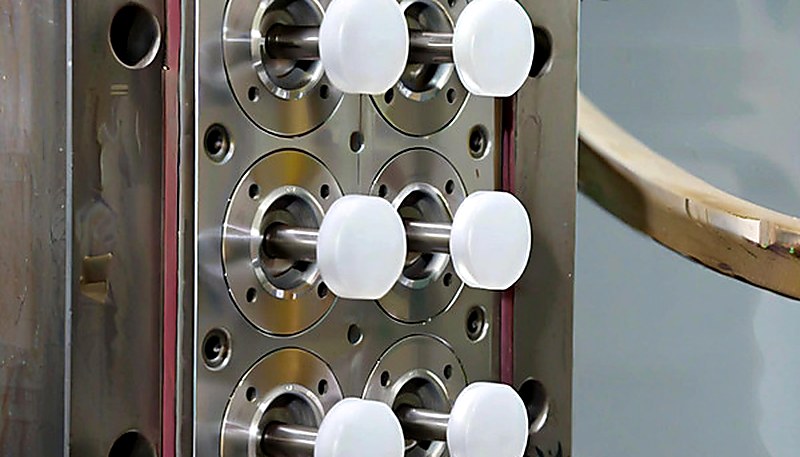
- Скорость закрытия пресс-формы соответствует двухступенчатому профилю. Стадия подхода: быстрый закрытие от 200-300 мм/с до расстояния между поверхностями пресс-формы 5-10 мм. Стадия позиционирования: медленное закрытие от 5-10 мм/с для окончательного закрытия для защиты поверхностей пресс-формы и элементов центровки. Некоторые современные машины добавляют третью ступень защиты низкого давления на 1-2 мм/с с давлением зажима 5-10 бар перед полным зажимом. Это предотвращает повреждение, если посторонний материал или застрявшая деталь остаются в полости пресс-формы.
- Сушка материала обязательна для гигроскопичных пластиков, таких как PA6 и PEEK
- Структура времени цикла: впрыск 10%, охлаждение 60–80%, извлечение 5–15%
- Чтобы избежать облоя, усилие смыкания должно превышать давление впрыска на 20-30%
- Правильная конструкция охлаждения сокращает время цикла на 20-35% по сравнению с традиционными каналами
- Усилие извлечения должно в 1.5-2 раза превышать проекционную площадь детали
- После каждого цикла выполняется контроль качества: визуальные, размерные и функциональные проверки
Шаг 1: Что такое анализ DFM и почему он важен?
Геометрия вашей детали утверждена. Коммерческое предложение на оснастку лежит перед вами. До начала резки стали остается принять одно решение, от которого зависит успех первого пробного впрыска: провести анализ технологичности конструкции (DFM). С 2005 года мы выполнили DFM-проверки более чем для 5 000 проектов, и примерно 40% неудач первого впрыска связаны со стенками толще 4 мм при недостаточном охлаждении. Исправление таких ошибок после изготовления оснастки обходится в десять раз дороже. Основы проектирования изложены в нашем руководстве по пресс-формам.
В ZetarMold наш процесс DFM совершенствовался на протяжении 20 лет изготовления пресс-форм. Мы перерабатываем более 400 материалов и выпускаем свыше 100 пресс-форм в месяц, поэтому часто сталкиваемся с этим компромиссом. В нашу команду входят 8 ведущих инженеров по пресс-формам, которые до утверждения оснастки проверяют каждую новую деталь на равномерность толщины стенок, оптимальность расположения литников и эффективность каналов охлаждения.
"Анализ DFM устраняет 80% потенциальных дефектов литья под давлением."True
Выявляя изменения толщины стенок, недостаточные углы уклона и проблемы расположения впусков до обработки стали, производители избегают утяжин, коробления и недоливов, которые обычно требуют доработки пресс-формы стоимостью $5,000-$50,000 за каждое изменение.
"Любое изменение толщины стенки требует доработки пресс-формы."False
Небольшие отклонения в пределах соотношения 2:1 иногда можно компенсировать корректировкой параметров процесса, например давления выдержки и времени охлаждения. Значительные отклонения свыше 3:1 или вызывающие хронические дефекты действительно требуют перепроектирования формы.
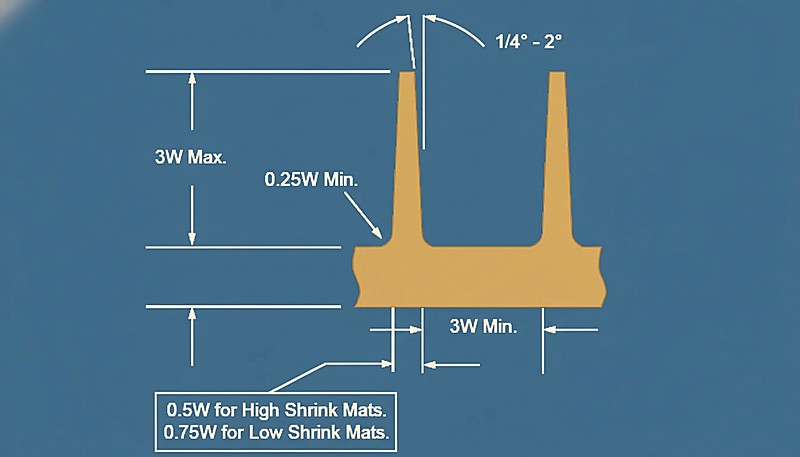
Контрольный список DFM, который должен представить ваш инженер, включает пять обязательных пунктов. Более широкий обзор всего процесса литья под давлением приведен в нашем полном руководстве. Это равномерность толщины стенок (целевое отклонение ±10%), достаточный угол уклона (минимум 1–3°), обоснование типа и расположения литника, компенсация усадки конкретного материала и схема каналов охлаждения.
Согласование DFM должно включать конкретные измерения: номинальную толщину стенки с допусками (±0.1mm для элементов менее 3mm), ожидаемую усадку по материалам (0.5% для аморфных, 1.5-2.5% для полукристаллических), обоснование размера и расположения литника и проверку схемы каналов охлаждения. Если какие-либо из этих данных отсутствуют в отчёте DFM, запросите их до утверждения изготовления пресс-формы.
Если вы сравниваете подрядчиков или планируете закупку, наше руководство по поиску поставщика литья под давлением охватывает подготовку RFQ, квалификацию и проверку коммерческих рисков.
Шаг 2: как сушить и подготавливать материалы для литья под давлением?
Сушите гранулы сырья в сушилке с осушающим бункером при температуре, специфичной для материала (80–160 °C), на протяжении 2–6 часов до снижения влажности ниже 0,02%, затем подавайте их непосредственно в бункер машины через герметичную линию передачи с сухим воздухом. Герметичные пакеты хранятся на складах, и гигроскопичные материалы быстро поглощают влажность после открытия — PA6 при относительной влажности 50% достигает влажности 0,3% за несколько часов, что значительно выше предела 0,02%. Сушка не является опциональной для инженерных пластиков; это первый контроль качества.
Параметры сушки зависят от типа материала. Для PA6 требуется 80-100°C в течение 4-6 часов. Для PC требуется 120°C в течение 3-4 часов. Для PEEK требуется 150-160°C в течение 4-6 часов. Контролируйте точку росы осушающего воздуха: значение ниже -30°C указывает на исправную работу оборудования. Значение выше -10°C означает, что сушильная установка нуждается в обслуживании.
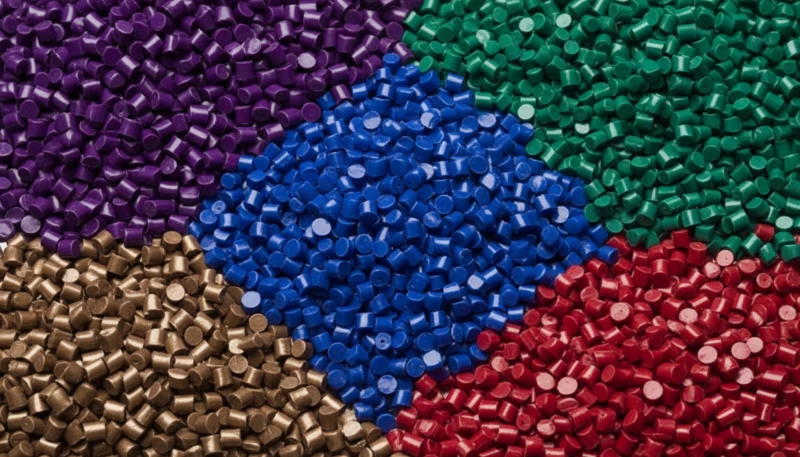
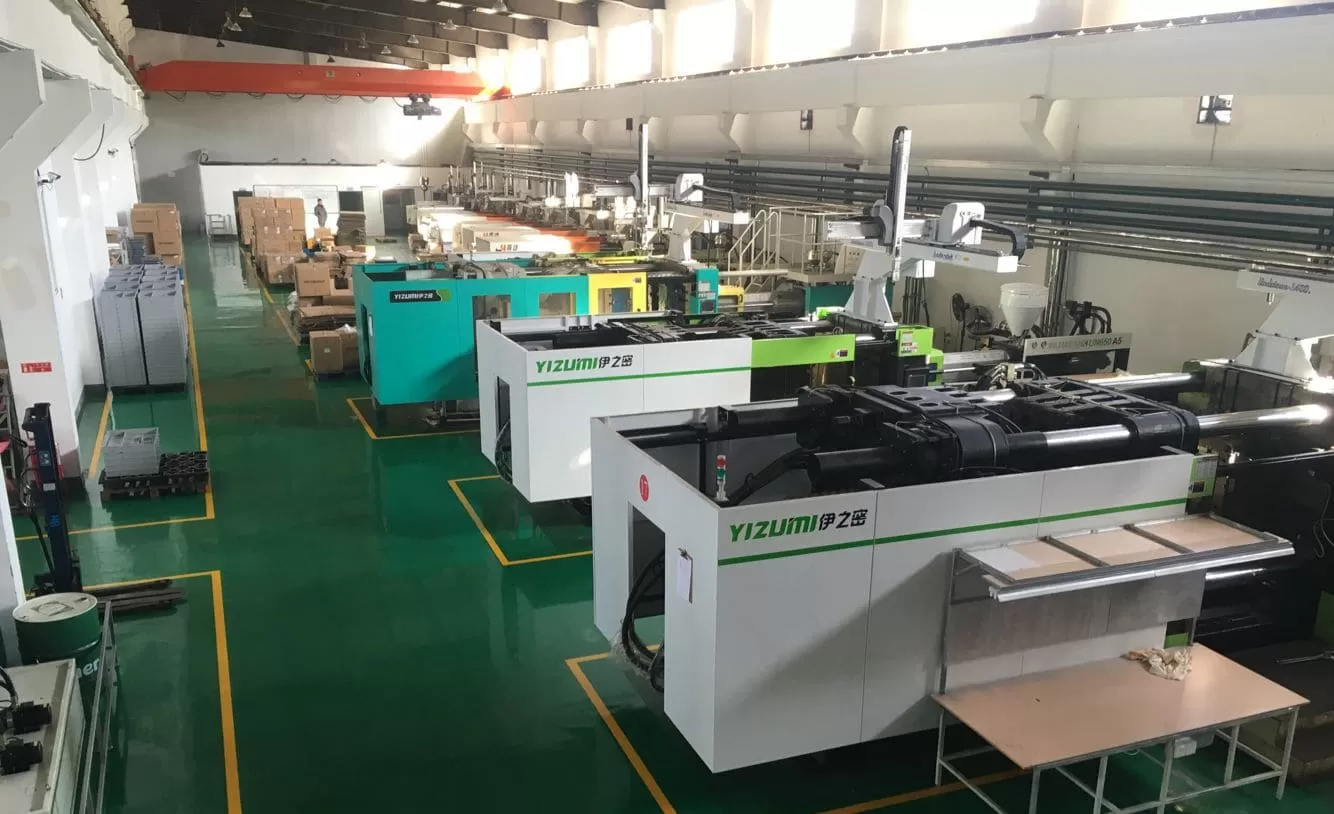
Наш завод в Шанхае работает на 47 машинах для литья под давлением от 90T до 1850T, и у нас есть 6 специализированных станций сушки. С более чем 120 производственными работниками и 8 инженерами по пресс-формам мы видели, что происходит при спешке с сушкой материала. Мы поддерживаем осушители с точкой росы -40°C для гигроскопичных материалов и документируем параметры сушки для каждого из более чем 400 материалов, которые мы обрабатываем.
| Материал | Температура сушки (°C) | Время сушки (hrs) | Целевая влажность (%) |
|---|---|---|---|
| PA6 | 80-100 | 4-6 | <0.02 |
| ПК | 120 | 3-4 | <0.02 |
| PEEK | 150-160 | 4-6 | <0.01 |
| ABS | 80-85 | 2-3 | <0.02 |
| POM | 80 | 2-3 | <0.02 |
Негигроскопичные материалы, такие как полипропилен и PE, не требуют интенсивной сушки, однако поверхностную влагу от конденсации всё же следует удалить коротким циклом сушки продолжительностью 1-2 часа при 60-80°C. Полностью отказываться от сушки можно только в том случае, если материал хранился в помещении с контролируемым микроклиматом.
Проверка содержания влаги предотвращает поверхностные дефекты и структурную слабость в литых деталях. Используйте галогенный анализатор влаги или титрование по Карлу Фишеру, чтобы убедиться, что содержание влаги в смоле остаётся ниже порогового значения, специфичного для материала, перед загрузкой в бункер. Общие целевые показатели включают ПА6 и ПА66 ниже 0.2% влаги, поликарбонат и ПЭТФ при 0.02% или ниже, и ПБТ ниже 0.05%. На нашем заводе в Шанхае мы проверяем уровень влаги в каждой производственной партии перед началом обработки. Регранулят — даже при правильном хранении в герметичных контейнерах — поглощает окружающую влагу быстрее, чем первичная смола, что делает проверку особенно критичной при использовании смесей с регранулятом. Пропуск этой проверки приводит к серебристости, снижению ударной прочности и размерной нестабильности, которые никакая последующая корректировка параметров литья не может исправить.
Шаг 3: Как работают смыкание и закрытие пресс-формы?
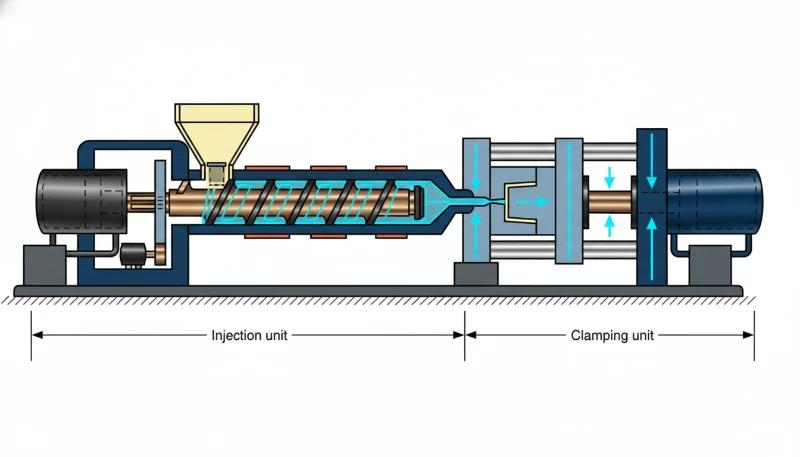
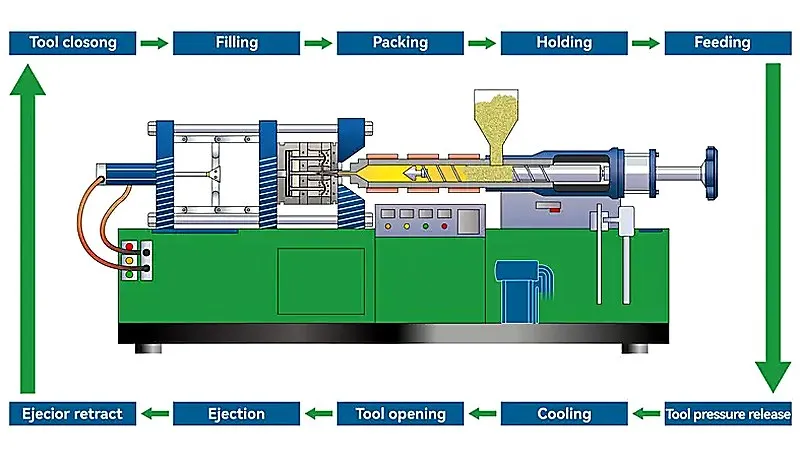
Узел смыкания прикладывает гидравлическое или механическое усилие, измеряемое в тоннах, чтобы герметично удерживать линию разъема формы при давлении впрыска 18 000–50 000 psi. Практическое правило простое: рассчитайте проекционную площадь полостей, умножьте ее на пиковое давление впрыска1 и добавьте запас 10–20%. Правильное усилие смыкания предотвращает облой, защищает геометрию линии разъема и обеспечивает повторяемость размеров между производственными циклами.
Номинальный тоннаж машины определяет максимальное доступное усилие смыкания2. Работа формы при 60–80% номинального тоннажа обеспечивает оптимальную энергоэффективность и достаточный запас на скачки давления во время впрыска и выдержки под давлением.
"При расчете усилия смыкания требуется запас 20-30%."True
Формула (площадь проекции × давление впрыска) даёт теоретический минимум. Добавление 20-30% компенсирует скачки давления при заполнении, тепловое расширение пресс-формы и изменения вязкости материала.
"Более высокое усилие смыкания всегда улучшает качество детали."False
Чрезмерное усилие смыкания может деформировать вентиляционные каналы, запереть воздух с образованием подпалин и ускорить износ формы. Цель — обеспечить достаточное усилие для удержания формы закрытой без создания концентраций напряжений.
Скорость смыкания следует двухступенчатому профилю. Стадия сближения: быстрое закрытие со скоростью 200-300 mm/s, пока поверхности не приблизятся на 5-10mm. Стадия позиционирования: медленное закрытие со скоростью 5-10 mm/s для защиты поверхностей и центрирующих элементов. Некоторые современные машины добавляют третью стадию защиты при низком давлении со скоростью 1-2 mm/s и давлением смыкания 5-10 bar перед полным усилием. Это предотвращает повреждение, если в полости остался посторонний предмет или застрявшая деталь.
Каждый начало смены
Шаг 4: как происходит плавление и впрыск пластика?
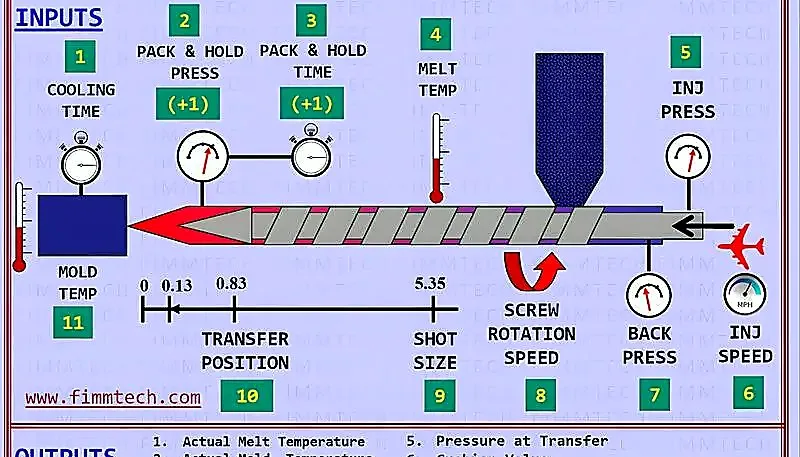
Впрыск расплавляет гранулы смолы в нагретом цилиндре с помощью вращающегося шнека, затем подает гомогенизированный расплав в полость формы со скоростью 50–200 мм/с. Гранулы поступают в загрузочный бункер, проходят через нагретый цилиндр и подвергаются сдвигу вращающимся шнеком. Зоны питания, сжатия и дозирования транспортируют, расплавляют, гомогенизируют и дозируют материал, чтобы вязкость оставалась стабильной во время заполнения.
Скорость вращения шнека влияет на качество расплава и производительность. Слишком низкая скорость: недостаточный нагрев при сдвиге оставляет нерасплавленные гранулы. Слишком высокая скорость: чрезмерный сдвиг разрушает полимер и вызывает изменение цвета. Большинство инженерных смол лучше всего перерабатываются при 50-120 RPM с корректировкой скорости в зависимости от диаметра шнека и вязкости материала.
За 20+ лет опыта литья под давлением, начиная с 2005 года, мы накопили обширные знания по переработке 400+ материалов. На нашем заводе в Шанхае используются стандартные профили шнеков для каждого класса материалов и индивидуальные профили для специальных марок. Время пластикации — период, необходимый для накопления объёма расплава на один впрыск, — на наших машинах обычно составляет 2-4 секунды и формирует 10-15% общего времени цикла3.
Впрыск начинается, когда шнек прекращает вращаться и движется вперёд как плунжер, выталкивая накопленный расплав через сопло, литниковую втулку, литниковую систему и далее в полость. Скорость впрыска определяет качество поверхности и прочность линии спая. Быстрое заполнение снижает потери температуры, но может захватывать воздух. Медленное заполнение улучшает вентиляцию, но может вызвать преждевременное затвердевание.
Шаг 5: что такое давление подпитки и выдержки?
Пресс-форма заполнена на 95-98%. Полость в основном заполнена, но еще не уплотнена. Давление выдержки компенсирует объемную усадку при охлаждении пластмассы от температуры расплава до температуры извлечения — обычно объемная усадка полукристаллических материалов составляет 10-15%. Без достаточной выдержки детали имеют утяжины, пустоты и разброс размеров, выводящий их за пределы допуска.
"Давление выдержки компенсирует термическую усадку."True
При охлаждении пластика от температуры впрыска (200-300°C) до комнатной температуры плотность увеличивается, а объём уменьшается на 1-3% в зависимости от материала. В этот переходный период давление выдержки подаёт материал в полость для сохранения точности размеров.
"Более высокое давление подпитки всегда устраняет утяжины."False
Чрезмерная подпитка вызывает облой по линии разъёма и проблемы с выталкиванием. Утяжины, вызванные толстыми участками стенки, требуют конструктивных изменений, таких как выборка сердцевины или переработка рёбер, а не только регулировки давления.
Критический момент — время замерзания литника. Литник должен затвердеть до снятия давления выдержки, иначе материал вытечет обратно из полости. Типичное время составляет 1-3 секунды для боковых литников и 0.3-0.8 секунды для туннельных. Контролируйте кривые давления в полости: резкое падение после уплотнения указывает на преждевременное размораживание литника.
Профиль давления подпитки может быть ступенчатым, а не постоянным. Этап 1: высокое давление (80–100% давления впрыска) в течение 20–30% времени подпитки, чтобы протолкнуть материал в толстые участки и углы. Этап 2: сниженное давление (50–70% давления впрыска) в оставшееся время для поддержания плотности без переподпитки. Такой профиль уменьшает утяжины и одновременно минимизирует риск облоя. Точку перехода определяют по кривой массы детали и визуальному осмотру толстых участков на наличие утяжин при разных уровнях давления.
Шаг 6: как происходят охлаждение и затвердевание?
Литник застыл. Материал уплотнен. Деталь достаточно стабильна по размерам, чтобы выдержать выталкивание, но до раскрытия пресс-формы должна полностью затвердеть. Охлаждение занимает основную часть цикла — 60-80% общего времени. Сокращение времени охлаждения на 10 секунд при 25-секундном цикле повышает производительность на 40%. Именно здесь инженерные решения окупаются.
Традиционное охлаждение использует прямые каналы диаметром 8–12 мм с шагом в 3–5 раз больше диаметра и расстоянием от поверхности детали до центральной линии канала в 2–3 диаметра. Это работает для деталей с равномерной толщиной стенки и простой геометрией. При наличии бобышек, ребер или переменной толщины стенки равномерное охлаждение становится проблематичным — толстые участки охлаждаются медленнее, вызывая дифференциальную усадку, коробление и остаточные напряжения.
ZetarMold использует конформные каналы охлаждения в крупносерийных пресс-формах с 2013 года. Следуя контуру полости вместо прямого сверления, мы сократили время охлаждения сложных деталей на 20-35%. Эта возможность вместе с собственным производством оснастки позволяет выпускать более 100 пресс-форм в месяц с оптимизированным охлаждением.
| Материал | Стенка 2mm (s) | Стенка 3mm (s) | Стенка 4mm (s) |
|---|---|---|---|
| PP | 8-10 | 12-15 | 16-20 |
| ABS | 10-12 | 15-18 | 20-24 |
| ПК | 12-15 | 18-22 | 25-30 |
| PA6 | 10-12 | 15-18 | 20-25 |
| PEEK | 15-18 | 22-27 | 30-36 |
Температура теплоносителя должна быть на 10-20°C ниже температуры тепловой деформации материала. Для PC задайте 80-100°C, для PP — 20-40°C. Более высокая температура формы улучшает поверхность и кристалличность, но увеличивает цикл. Компромисс всегда заключается между внешним видом и производительностью.
Оптимизация охлаждения может сократить время цикла на 20–35% на существующих пресс-формах без изменений оборудования. Корректировки процесса: сократите время подпрессовки до минимума, сохраняющего вес детали, увеличьте скорость потока охлаждающей жидкости в пределах возможностей насоса, снизите температуру пресс-формы до минимума, предотвращающего деформацию. Модификации пресс-формы: добавьте перегородки для охлаждения глубоких сердечников, переместите каналы ближе к толстым участкам, установите конформное охлаждение для сложных геометрий. ROI обычно достигается в пределах 1000–5000 деталей.
Шаг 7: как происходит раскрытие формы и извлечение детали?
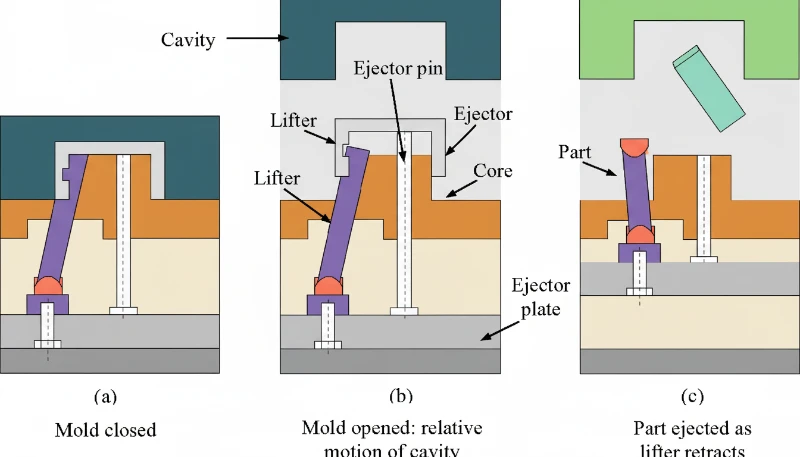
Деталь затвердела. Время охлаждения истекло. Пресс-форма открывается. Всё кажется простым, но именно при выталкивании возникает 20-30% дефектов литья под давлением. При выталкивании необходимо преодолеть две силы: сцепление охлаждённого пластика со сталью пресс-формы и механическое зацепление из-за поднутрений или недостаточного уклона. Система выталкивания должна развивать достаточное усилие для преодоления этих факторов, не деформируя деталь, не оставляя следов выталкивающих штифтов и не вызывая обратного прилипания детали к стороне знака.
"Усилие выталкивания должно быть в 1.5-2 раза больше площади проекции детали."True
Для площади проекции детали 50 см² на поверхности формы усилие выталкивания 75–100 Н обеспечивает надежное извлечение при минимальных следах от толкателей. Чрезмерное выталкивание вызывает следы от толкателей и повреждение поверхности.
"Большее число выталкивающих штифтов всегда повышает надежность извлечения детали."False
Избыточное количество штифтов оставляет следы на поверхности, увеличивает стоимость формы и создаёт больше точек отказа. Стратегическое размещение штифтов в местах пересечения рёбер и углах эффективнее простого увеличения количества.
Выбор системы выталкивания зависит от геометрии детали. Прямое выталкивание использует выталкиватели для простой геометрии. Трубчатые выталкиватели подходят для бобышек и цилиндрических элементов. Съемная плита оптимальна для тонкостенных стаканов и крышек. Для поднутрений нужны наклонные толкатели или штифты. Неправильная система вызывает деформацию, застревание детали или повреждение оснастки, накапливающееся за тысячи циклов.
Размещение выталкивающих штифтов подчиняется определенным правилам. Устанавливайте штифты в толстых участках и местах пересечения ребер, где сопротивление выталкиванию максимально. Равномерно располагайте штифты по периметру детали для распределения усилия. Диаметр штифта должен быть не менее чем в 1.5 раза больше его длины во избежание изгиба. На полированных или текстурированных поверхностях не размещайте штифты на видимых декоративных участках.
Скорость открытия формы влияет на качество извлечения. Профиль открытия: медленное начальное открытие (5-10 mm/s) на первых 10-20mm, чтобы деталь отделилась от пуансона без напряжений; быстрое открытие (100-200 mm/s) на большей части хода для сокращения цикла; замедление (20-50 mm/s) на последних 50-100mm во избежание удара при открытии и снижения износа направляющих штифтов и втулок. Замедление особенно важно для форм со съёмными плитами или сложными наклонными выталкивателями, требующими управляемой последовательности открытия.
Шаг 8: как контролировать качество и отслеживать процесс?
Деталь извлечена. Она падает в лоток или снимается роботом. Что дальше? Если считать процесс настроенным и оставить его работать, дефекты обнаружатся через несколько часов или дней, когда заказчик отклонит поставку. Контроль качества должен проводиться в начале каждой смены, после каждой смены материала и через заданные интервалы во время производства. Иерархия контроля: контроль первого изделия (FAI) при запуске, внутрипроизводственный контроль каждые 50-100 деталей, окончательный контроль каждой отгружаемой партии.
В ZetarMold процесс обеспечения качества охватывает IQC (входной контроль качества), межоперационные проверки с образцами, контроль процесса, контроль упаковки, FQC (окончательный контроль качества) и OQC (выходной контроль качества). Более 10 специалистов по контролю качества проверяют размеры, качество поверхности и функциональные требования в каждой производственной партии. Этот шестиступенчатый процесс в сочетании с сертификацией ISO 9001/13485/14001/45001 обеспечивает стабильное качество на нашем заводе в Шанхае.
Визуальный контроль выявляет 60-70% дефектов. Прижоги, облой, недоливы, утяжины и дефекты поверхности заметны сразу. Обучите операторов сначала проверять критические декоративные зоны, затем конструктивные элементы. Для прозрачных деталей используйте инспекционные станции с задней подсветкой, а для выявления двулучепреломления в оптических компонентах — поляризованный свет.
| Проверка | Метод | Частота | Критерии приёмки |
|---|---|---|---|
| Визуальные дефекты | Контроль на световом столе | Каждые 50 деталей | Впадины >0.2 мм на поверхности A не допускаются |
| Размеры | КИМ/штангенциркуль | Каждые 100 деталей | ±0.1mm для допуска ±0.05mm |
| Вес | Масштаб | Каждые 25 деталей | ±2% от целевой массы |
| Посадка/функциональность | Испытание сборки | В начале каждой смены | Без задевания и заклинивания |
| Внешний вид | Эталонный образец | Каждая деталь | Обеспечьте соответствие эталону внешнего вида |
Контроль размеров подтверждает соответствие деталей требованиям чертежа. Критические размеры измеряют на CMM (координатно-измерительной машине) с точностью ±0.01mm. Стандартные размеры проверяют штангенциркулем или предельным калибром. Для статистического управления процессом отбирают 5 деталей на каждые 100 циклов, отслеживая значения Cp и Cpk.
Современные машины в реальном времени отслеживают давление впрыска и выдержки, температуры расплава и формы, длительность цикла и время восстановления шнека. При отклонении на ±10–20% от целевых значений сигнализация автоматически приостанавливает процесс, изолирует затронутые детали и уведомляет операторов, выявляя дрейф процесса до накопления несоответствующей продукции.
Каковы распространённые проблемы литья под давлением и как их устранять?
Распространенные дефекты литья под давлением — утяжины, облой и недолив — возникают даже при хорошо настроенном процессе. Рассмотрим их первопричины и способы устранения.
Утяжины возникают, когда толстые участки остывают медленнее соседних тонких участков, образуя впадины на поверхности. Основная причина — неравномерная усадка. Порядок устранения: сначала проверьте отношение толщин стенок — если оно превышает 3:1, требуется изменение конструкции. Если толщина стенок допустима, повышайте давление выдержки с шагом 10%, контролируя появление облоя. Установите перегородки или барботеры, чтобы ускорить охлаждение толстых участков. Снизьте температуру расплава на 5–10°C для уменьшения первоначальной усадки. В тяжёлых случаях предусмотрите наружные выборки сердцевины или газонаполненное литьё, чтобы полностью устранить толстые участки.
Облой появляется на линии разъёма, вокруг выталкивателей или в вентиляционных зазорах, когда материал выходит из гнезда под чрезмерным давлением впрыска или выдержки. К сопутствующим факторам относятся изношенные поверхности формы, недостаточное усилие смыкания и высокая температура расплава, снижающая вязкость. Для устранения облоя сначала увеличьте усилие смыкания, затем уменьшите давление выдержки, а если проблема сохраняется в нескольких гнёздах, проверьте совмещение поверхностей формы.
Недолив возникает, когда полость заполняется не полностью, в результате чего детали получаются незавершенными. К распространенным причинам относятся недостаточное давление впрыска, закупоренные вентиляционные каналы, препятствующие выходу воздуха, низкая температура расплава, повышающая вязкость, или недостаточный объем впрыска. Диагностику следует начинать с проверки кривых давления впрыска — в большинстве случаев недолив устраняется повышением скорости или давления впрыска на 10-15%. Если проблема связана с вентиляцией, очистите или углубите вентиляционные каналы до глубины 0.01-0.02mm.
Когда следует корректировать, а когда перепроектировать процесс литья под давлением?
Переходите к перепроектированию, если три или более изменений параметров на ±20% не дают результата, или если коренные причины включают соотношение толщин стенок более 3:1 или недостаточные углы уклона. Эмпирическое правило: если вы скорректировали три параметра на ±20%, а дефект сохраняется, проблема, вероятно, связана с конструкцией. Продолжение корректировок после этого приводит к потере материала и времени цикла без решения проблемы.
"Соотношение толщин стенок >3:1 требует изменения конструкции."True
Если отношение толщин стенок превышает 3:1, настройка процесса не устраняет утяжины и коробление. Необходимы конструктивные решения: выборки сердцевины, переработка рёбер или газоассистированное литьё.
"Любой недолив требует переработки пресс-формы."False
Недоливы из-за вентиляции, загрязнения материала или неправильной сушки устраняются изменением процесса. Модификация формы нужна только при ограничении длины потока или запертом геометрией воздухе.
Конструктивные проблемы, не устраняемые регулировкой процесса, делятся на пять категорий: неравномерная толщина стенки вызывает утяжины и коробление; недостаточные уклоны вызывают застревание; неверный тип или положение литника вызывает линии потока и спая; недостаточное образование полостей расходует материал и время цикла; острые углы без скруглений создают концентраторы напряжений. Каждая из них требует изменения пресс-формы, а не настройки параметров.
Перепроектирование стоит 5000–15 000 долларов США на инжиниринг, модификацию и повторную валидацию, но производство бракованных деталей при уровне брака 5–15% на партии в 100 000 штук обходится гораздо дороже.
Как оптимизировать литьё для эффективности производства?
Сначала оптимизируйте охлаждение — оно занимает 60–80% каждого цикла — с помощью конформных каналов и турбулентного потока, затем минимизируйте время дожатия и выталкивания. Время цикла складывается из времени впрыска (5–10%), времени дожатия и выдержки (10–20%), времени охлаждения (60–80%), времени открытия и закрытия формы (5–10%) и времени выталкивания (2–5%). Охлаждение является доминирующим фактором, поэтому оптимизацию следует начинать с него, а затем переходить к другим компонентам.
ZetarMold работает на 47 машинах для литья под давлением от 90T до 1850T, и в прошлом году мы оптимизировали охлаждение более чем на 100 пресс-формах. Реализация конформного охлаждения, оптимизация потока охлаждающей жидкости и переработка системы впуска позволили сократить время цикла на 15–30% на нескольких производственных линиях. Эти улучшения, вместе с более чем 20-летним опытом работы с 2005 года, позволяют нам предлагать конкурентные цены при сохранении качества.
Оптимизация охлаждения охватывает три области: размещение каналов, параметры охлаждающей жидкости и выбор материала формы. Конформные каналы охлаждения повторяют контур детали, сокращая расстояние до поверхности полости с 15-25mm (просверленные) до 3-8mm (конформные). Расход охлаждающей жидкости должен поддерживать турбулентное течение (число Рейнольдса выше 5,000) для эффективной теплопередачи. Материалы формы с более высокой теплопроводностью, например вставки из бериллиевой меди в горячих точках, могут сократить локальное время охлаждения на 30-40%.
Оптимизация впрыска сосредоточена на времени заполнения и качестве расплава. Оптимизация времени заполнения: сокращайте время впрыска до появления следов прижога (слишком быстро) или недолива (слишком медленно), затем увеличьте его на 10%. Переключение со скорости на давление должно происходить при заполнении 95-98%, чтобы избежать превышения. Профилирование температуры расплава по зонам цилиндра предотвращает деструкцию и одновременно обеспечивает полное плавление.
| Компонент | Типичная доля цикла в % | Потенциал оптимизации | Срок окупаемости ROI |
|---|---|---|---|
| Охлаждение | 60-80% | 15-30% | 500-2000 деталей |
| Подпитка/выдержка | 10-20% | 10-20% | Немедленно |
| Раскрытие/смыкание пресс-формы | 5-10% | 5-15% | Немедленно |
| Инъекция | 5-10% | 5-10% | 100–500 деталей |
| Выброс | 2-5% | 5-10% | 1000-5000 деталей |
ROI зависит от ценности и объема деталей. Решение с окупаемостью менее 1,000 деталей следует внедрять немедленно; при 1,000–5,000 деталях нужна оценка; свыше 5,000 требуется стратегическое обоснование.
Часто задаваемые вопросы о процессе литья под давлением
Часто задаваемые вопросы
Каковы 7 этапов литья под давлением?
Семь этапов литья под давлением: (1) зажим и закрытие формы, когда машина фиксирует две половины формы вместе под высоким давлением; (2) плавление и впрыск пластика, когда нагретые гранулы превращаются в расплав и нагнетаются в полость; (3) подпитка и выдержка, когда дополнительный материал компенсирует усадку; (4) охлаждение и затвердевание, когда деталь твердеет внутри формы; (5) открытие формы и извлечение детали; (6) контроль качества, включающий визуальные, размерные и функциональные проверки; и (7) мониторинг и корректировка процесса для обеспечения стабильного выпуска на протяжении производственных серий.
Сколько длится цикл литья под давлением?
Время цикла составляет от 5 секунд для небольших тонкостенных деталей до более 120 секунд для крупных толстостенных компонентов. Для типичной детали из инженерного пластика с толщиной стенки 3mm ожидайте 15-25 секунд на цикл. Основную часть времени занимает охлаждение — 60-80% всего цикла, тогда как впрыск заполняет гнездо всего за 0.5-2 секунды. Сокращение охлаждения за счёт конформных каналов или оптимизации потока теплоносителя — самый эффективный способ повысить производительность, часто уменьшающий цикл существующих форм на 20-35%.
В чём разница между впрыском и уплотнением?
Впрыск — это фаза заполнения под высоким давлением, во время которой расплавленный пластик подаётся в полость пресс-формы со скоростью, рассчитанной на заполнение 95-98% объёма, обычно за 0.5-2 секунды. Сразу после этого при более низком давлении выполняется подпитка (или выдержка), подающая в полость дополнительный материал для компенсации термической усадки при охлаждении и сжатии пластика. Подпитка продолжается до застывания литника, обычно 2-6 секунд. Впрыск вводит материал в пресс-форму, а подпитка сохраняет точность размеров при его затвердевании.
Зачем сушить пластмассу перед литьём под давлением?
Гигроскопичные материалы, такие как PA6, PC, PET и PEEK, со временем поглощают влагу из окружающего воздуха. При литье под давлением эта влага мгновенно испаряется при температуре расплава (часто выше 250°C), вызывая видимые пузырьки (серебристые разводы), полосы на поверхности, снижение механической прочности и нестабильность размеров готовой детали. Правильная сушка при заданной для материала температуре (80-160°C) в течение 3-6 часов снижает содержание влаги ниже критического порога 0.02%, необходимого для литья без дефектов. Пропуск сушки остаётся одной из наиболее частых и дорогостоящих причин брака в производстве.
Какая температура используется при литье под давлением?
Температуры литья под давлением значительно различаются по типам материалов. Полипропилен перерабатывается при 180-220°C, ABS при 210-250°C, поликарбонат при 280-320°C, а высокоэффективный PEEK требует 380-420°C. Цилиндр поддерживает градиент температуры от самой холодной зоны подачи через сжатие к самой горячей зоне дозирования, обычно с повышением на 20-40°C. Температура формы также критически важна: холодные формы сокращают цикл, но могут повышать остаточные напряжения, тогда как нагретые формы (60-150°C в зависимости от смолы) улучшают качество поверхности, кристалличность и стабильность размеров инженерных материалов.
Какое давление необходимо для литья под давлением?
Для стандартных конструкционных термопластов давление впрыска обычно составляет от 18,000 до 25,000 psi. Для высоковязких или стеклонаполненных материалов, таких как PEEK или PA66-GF30, может потребоваться до 35,000-50,000 psi. Давление подпитки составляет 50-80% давления впрыска. Чтобы определить требуемое усилие смыкания, умножьте площадь проекции детали в квадратных дюймах на давление впрыска, затем добавьте запас 20-30%. Например, для детали площадью 10 квадратных дюймов при давлении 18,000 psi требуется примерно 90 тонн усилия смыкания, поэтому машина усилием 110-115 тонн обеспечивает достаточный запас.
Что вызывает утяжины при литье под давлением?
Утяжины образуются, когда толстые участки стенки охлаждаются медленнее соседних тонких участков, вызывая неодинаковую усадку, которая физически втягивает материал поверхности внутрь. Основные причины включают соотношение толщин стенок более 3:1, недостаточные давление подпитки или время выдержки и неправильное расположение каналов охлаждения рядом с массивными сечениями. Практические способы устранения: выборка материала из толстых участков на этапе DFM, повышение давления подпитки и увеличение времени выдержки до застывания впуска, а также перепроектирование каналов охлаждения с акцентом на толстые зоны. Корректировка процесса может устранить лёгкие случаи, но серьёзные повторяющиеся утяжины обычно требуют доработки формы.
Как рассчитать усилие смыкания при литье под давлением?
Чтобы рассчитать усилие смыкания, сначала определите проекционную площадь детали по линии разъема пресс-формы. Для прямоугольной детали это произведение длины и ширины в квадратных дюймах. Умножьте эту площадь на давление впрыска в psi, чтобы получить размыкающее усилие в фунтах, затем переведите его в тонны (разделите на 2,000). Наконец, добавьте коэффициент запаса 20-30%. Например: деталь с проекционной площадью 10 квадратных дюймов, отливаемая при 18,000 psi, создает размыкающее усилие 180,000 фунтов, что равно 90 тоннам. При запасе 25% следует выбрать машину с усилием смыкания не менее 112-115 тонн.
давление впрыска: Давление впрыска — гидравлическое давление, прикладываемое к шнеку для нагнетания расплавленного пластика в полость формы; обычно оно составляет от 35 000 до 50 000 psi. ↩
усилие смыкания: Усилие смыкания — гидравлическая или механическая сила, удерживающая форму закрытой во время впрыска. Она измеряется в тоннах; распространенный диапазон составляет от 90T до 1850T. ↩
время цикла: Время цикла — общая продолжительность одного цикла литья под давлением, измеряемая в секундах от закрытия формы до начала следующего цикла. ↩