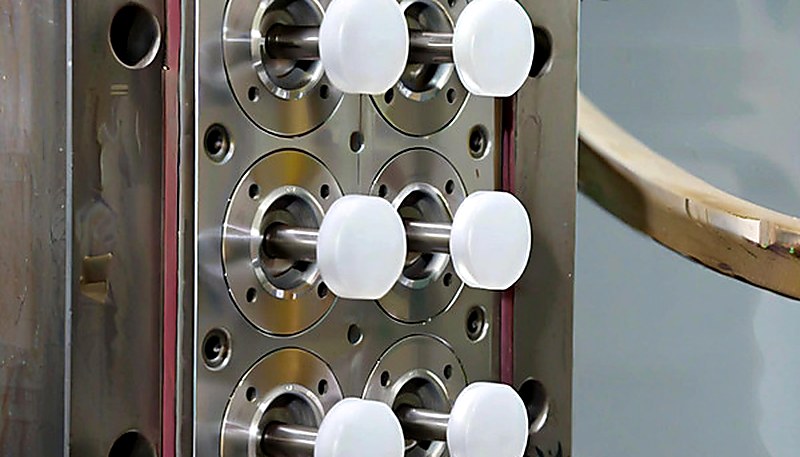
- “Paketleme basıncı, termal büzülmeyi telafi eder.”
- PA6 ve PEEK gibi higroskopik plastiklerde malzeme kurutma zorunludur
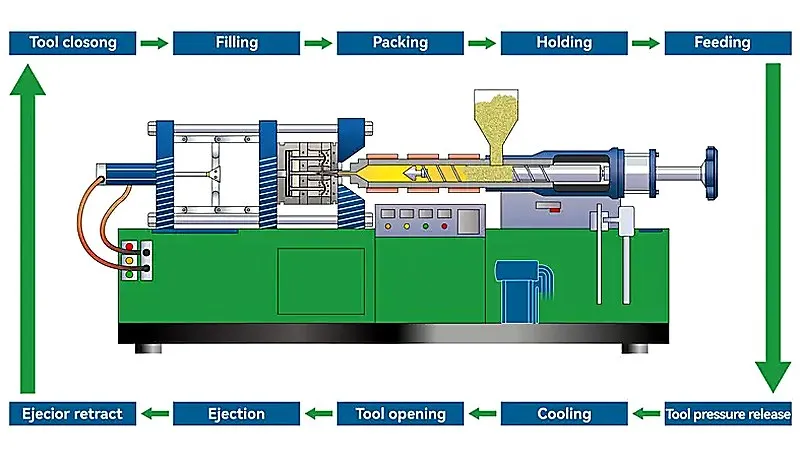
- Çevrim süresi dağılımı: enjeksiyon %10, soğutma %60-80, çıkarma %5-15
- Çapak oluşumunu önlemek için kapama kuvveti enjeksiyon basıncını %20-30 aşmalıdır
- Doğru soğutma tasarımı, geleneksel kanallara kıyasla çevrim süresini %20-35 azaltır
- İtme kuvveti, parçanın izdüşüm alanının 1.5-2 katı olmalıdır
- Her baskıdan sonra kalite denetimi yapılır: görsel, boyutsal ve işlevsel kontroller
Adım 1: DFM İncelemesi Nedir ve Neden Önemlidir?
Parça geometriniz kesinleşti. Takım teklifi masanızda. Çelik kesimi başlamadan önce ilk denemenin başarısını belirleyen tek bir karar vardır: Üretilebilirlik için Tasarım (DFM) incelemesi. 2005’ten bu yana 5.000’den fazla projede DFM kontrolü gerçekleştirdik ve ilk deneme başarısızlıklarının yaklaşık %40’ı, yetersiz soğutmayla birlikte 4 mm’yi aşan duvar kalınlığından kaynaklanıyor. Takımlama sonrasında bunları düzeltmek on kat daha pahalıdır. Kalıp tasarımının temelleri hakkında daha fazla bilgi için kalıp kılavuzumuza bakın.
ZetarMold'da DFM iş akışımız, 20 yıllık kalıp üretimi boyunca geliştirilmiştir. 400+ malzeme işliyor ve ayda 100+ kalıp üretiyoruz; bu nedenle bu ödünleşimi sık görüyoruz. Ekibimizde, kalıp onayından önce her yeni parçayı cidar kalınlığı eşitliği, yolluk girişi yerleşimi optimizasyonu ve soğutma kanalı verimliliği açısından inceleyen 8 kıdemli kalıp mühendisi bulunur.
"DFM incelemesi, olası enjeksiyon kalıplama hatalarının %80'ini ortadan kaldırır."True
Üreticiler çelik işlenmeden önce et kalınlığı değişimlerini, yetersiz kalıp açılarını ve giriş konumu sorunlarını yakalayarak, her değişiklikte genellikle $5,000-$50,000 tutan kalıp tadilatı gerektiren çöküntü izlerini, çarpılmayı ve eksik dolumu önler.
"Tüm cidar kalınlığı değişimleri kalıp modifikasyonu gerektirir."False
2:1 oranı içindeki küçük değişimler bazen ütüleme basıncı ve soğutma süresi değişiklikleri gibi proses ayarlarıyla telafi edilebilir. 3:1'i aşan veya sürekli kusurlara yol açan büyük değişimler ise kalıbın yeniden tasarlanmasını gerektirir.
Mühendisinizin sunacağı DFM kontrol listesi, taviz verilemeyecek beş madde içermelidir. Enjeksiyon kalıplama iş akışının tamamına ilişkin daha geniş bir bakış için kapsamlı kılavuzumuza bakın. Duvar kalınlığının tekdüzeliği (hedef ±%10 değişim), yeterli çıkma açısı (en az 1-3°), yolluk giriş türü ve konumunun gerekçesi, malzemeye özgü çekme telafisi ve soğutma kanalı yerleşimi.
DFM onayınız belirli ölçümleri içermelidir: toleranslarıyla nominal et kalınlığı (3mm altındaki unsurlar için ±0.1mm), malzemeye göre beklenen çekme oranları (amorf için %0.5, yarı kristalin için %1.5-2.5), yolluk girişi boyutu ve konumunun gerekçesi ve soğutma kanalı yerleşiminin doğrulanması. Bunlardan herhangi biri DFM raporunda yoksa kalıp imalatını onaylamadan önce talep edin.
Tedarikçileri karşılaştırıyor veya satın alma planlıyorsanız, enjeksiyon kalıplama tedarikçisi bulma kılavuzumuz RFQ hazırlığını, yeterlilik değerlendirmesini ve ticari risk kontrollerini kapsar.
Adım 2: Enjeksiyon Kalıplama için Malzemeler Nasıl Kurutulur ve Hazırlanır?
Reçine peletlerini, malzemeye özgü sıcaklıklarda (80–160 °C) 2–6 saat boyunca bir nem alma hunisi kurutucusunda kurutun, nem %0,02’nin altına düşene kadar, ardından kapalı bir kuru hava transfer hattıyla doğrudan makine hunisine besleyin. Kapalı torbalar depolarda durur ve higroskopik reçineler açıldıktan sonra hızla nem çeker— bağıl nemde PA6, saatler içinde %0,3 nem seviyesine ulaşır, bu da %0,02 eşiğinin çok üzerindedir. Kurutma, mühendislik plastikleri için isteğe bağlı değildir; ilk kalite kapısıdır.
Kurutma özellikleri malzeme türüne bağlıdır. PA6, 4-6 saat boyunca 80-100°C gerektirir. PC, 3-4 saat boyunca 120°C’ye ihtiyaç duyar. PEEK, 4-6 saat boyunca 150-160°C gerektirir. Kurutma havasının çiy noktasını izleyin—-30°C’nin altı ekipmanın düzgün çalıştığını gösterir. -10°C’nin üzeri, kurutucunuzun bakıma ihtiyacı olduğu anlamına gelir.
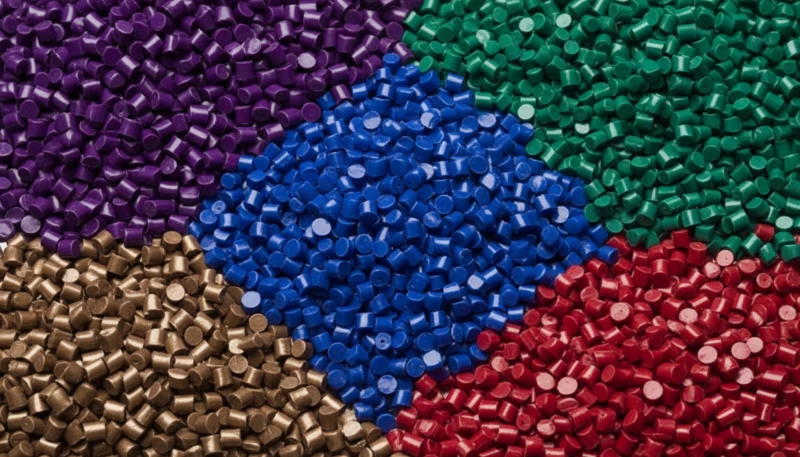
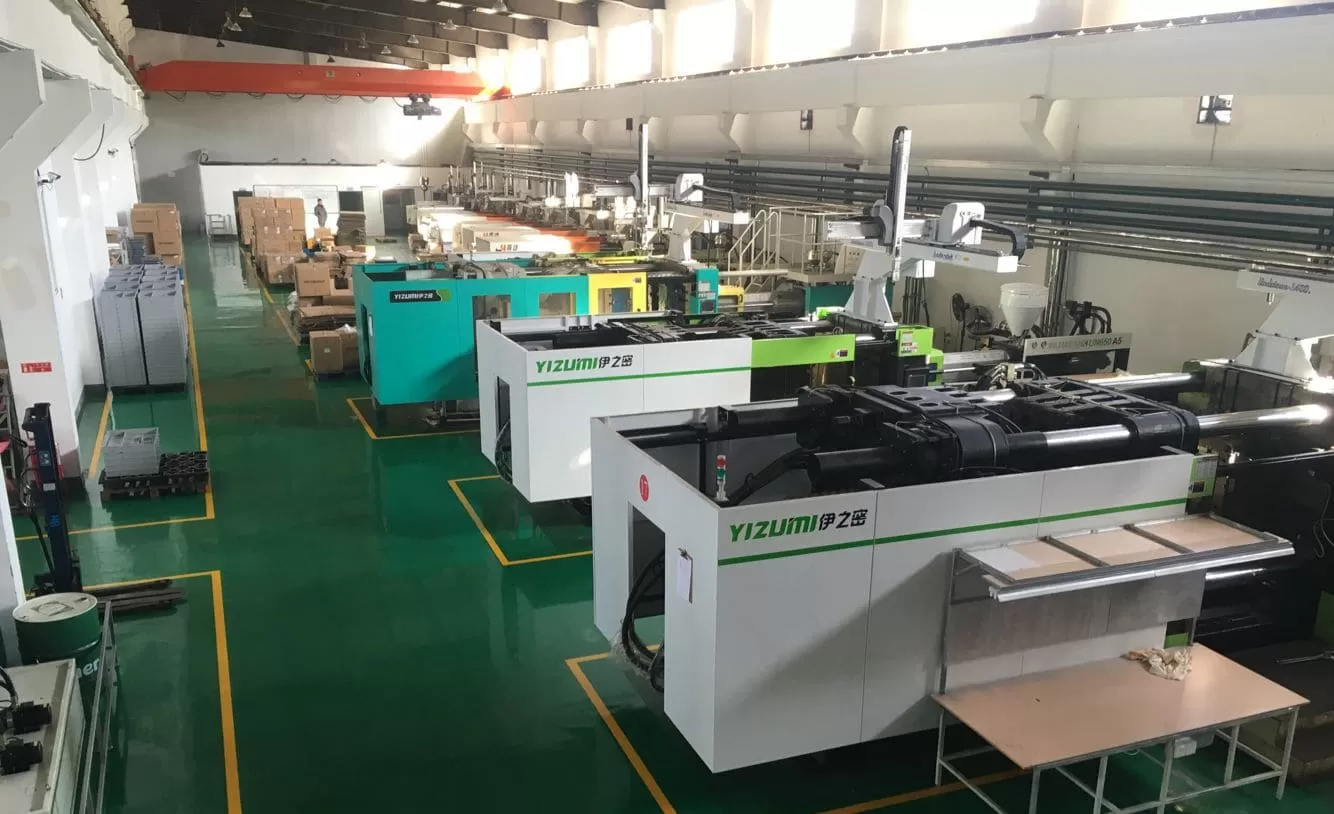
Şanghay fabrikamızda 90T ila 1850T arasında 47 enjeksiyon kalıplama makinesi çalışmaktadır ve 6 adet özel kurutma istasyonumuz bulunmaktadır. 120'den fazla üretim işçisi ve 8 kalıp mühendisi ile malzeme kurutmanın aceleye getirildiğinde neler olduğunu gördük. Higroskopik malzemeler için -40°C çiy noktası kurutucuları kullanıyoruz ve işlediğimiz 400'den fazla malzemenin her biri için kurutma parametrelerini belgeliyoruz.
| Malzeme | Kurutma Sıcaklığı (°C) | Kurutma Süresi (saat) | Hedef Nem (%) |
|---|---|---|---|
| PA6 | 80-100 | 4-6 | <0.02 |
| PC | 120 | 3-4 | <0.02 |
| PEEK | 150-160 | 4-6 | <0.01 |
| ABS | 80-85 | 2-3 | <0.02 |
| POM | 80 | 2-3 | <0.02 |
Polipropilen ve PE gibi higroskopik olmayan malzemeler yoğun kurutma gerektirmez; ancak yoğuşmadan kaynaklanan yüzey nemi yine de 60–80°C’de 1–2 saatlik kısa bir kurutma çevrimiyle giderilmelidir. Kurutmayı yalnızca malzeme iklim kontrollü bir ortamda depolanmışsa tamamen atlayın.
Nem içeriği doğrulama, kalıplanmış parçalarda yüzey kusurlarını ve yapısal zayıflığı önler. Hazneye yüklemeden önce reçine nem içeriğinin malzemeye özgü eşiğin altında kaldığını doğrulamak için bir halojen nem analizörü veya Karl Fischer titrasyonu kullanın. Yaygın hedefler arasında PA6 ve PA66 için 0,2%‘nin altında nem, polikarbonat ve PET için 0,02% veya daha düşük ve PBT için 0,05%‘nin altında nem bulunur. Şanghay fabrikamızda, işleme başlamadan önce her üretim partisinde nem seviyelerini doğrularız. Geri dönüştürülmüş malzeme — uygun şekilde kapalı kaplarda saklansa bile — ham reçineden daha hızlı ortam nemini emer, bu da geri dönüştürülmüş karışımları çalıştırırken doğrulamayı özellikle kritik hale getirir. Bu kontrolün atlanması, kalıplama sonrası hiçbir parametre ayarının geri döndüremeyeceği sıçrama izlerine, darbe dayanımının azalmasına ve boyutsal kararsızlığa yol açar.
Adım 3: Kenetleme ve Kalıbı Kapatma Nasıl Çalışır?
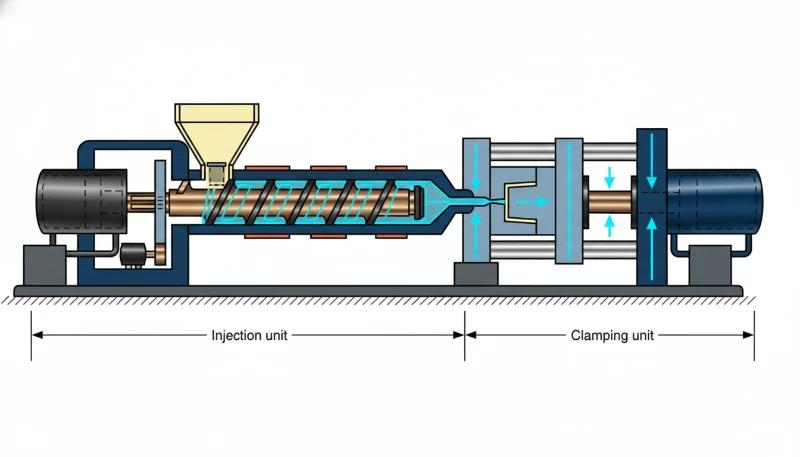
Bağlama, kalıbın ayırma çizgisini 18.000–50.000 psi enjeksiyon basıncına karşı kapalı tutmak için ton cinsinden derecelendirilen hidrolik veya mekanik kuvvet uygular. Pratik kural basittir: öngörülen boşluk alanını hesaplayın, tepe enjeksiyon basıncı1 ile çarpın ve ardından %10–20 güvenlik payı ekleyin. Doğru bağlama çapak oluşumunu önler, ayırma çizgisi geometrisini korur ve üretim serileri boyunca boyutların tekrarlanabilirliğini sağlar.
Makinenin tonaj değeri, kullanılabilen azami bağlama kuvvetini2 tanımlar. Bir kalıbı nominal tonajın %60-80’inde çalıştırmak, enjeksiyon ve ütüleme aşamalarındaki basınç sıçramaları için yeterli güvenlik payını korurken optimum enerji verimliliği sağlar.
"Sıkma kuvveti hesabı 20-30% güvenlik payı gerektirir."True
Formül (öngörülen alan x enjeksiyon basıncı) teorik minimum değeri verir. %20-30 eklemek doldurma sırasındaki basınç artışlarını, kalıbın termal genleşmesini ve malzeme viskozitesindeki değişiklikleri telafi eder.
"Daha yüksek kapama kuvveti parça kalitesini her zaman iyileştirir."False
Aşırı mengene kuvveti havalandırma kanallarını ezebilir, havayı hapsederek yanık izlerine neden olabilir ve kalıp aşınmasını hızlandırabilir. Amaç, gerilim yoğunlukları oluşturmadan kalıbı kapalı tutmaya yetecek kuvveti uygulamaktır.
Kalıp kapama hızı iki kademeli bir profil izler. Yaklaşma aşaması: kalıp yüzeyleri temasa 5-10mm kalana kadar 200-300 mm/s hızla hızlı kapama. Konumlandırma aşaması: kalıp yüzeylerini ve hizalama özelliklerini korumak için son kapamada 5-10 mm/s hızla yavaş kapama. Bazı modern makineler, tam kapama devreye girmeden önce 5-10 bar kapama basıncıyla 1-2 mm/s hızda üçüncü bir düşük basınçlı koruma aşaması ekler. Bu, kalıp kavitesinde yabancı madde veya sıkışmış parça kalmışsa hasarı önler.
Hizalama yüzeylerini korumak için kalıbınızın hem hareketli hem de sabit yarısında aşınma plakaları bulunmalıdır. Kılavuz pimleri ve burçlar kalıp bakım programına göre yağlanmalıdır. Düzensiz sıkma kuvveti dağılımını önlemek için sıkma ünitesindeki kolonlar 0.1 mm/metre dâhilinde paralel olmalıdır. Makinedeki kalıp yüksekliği ayarı, mevcut açıklığı en üst düzeye çıkarmak ve kolon gerilimini en aza indirmek için ayırma çizgisini strokun merkezine konumlandırmalıdır.
Adım 4: Plastiğin eritilmesi ve enjeksiyonu nasıl işler?
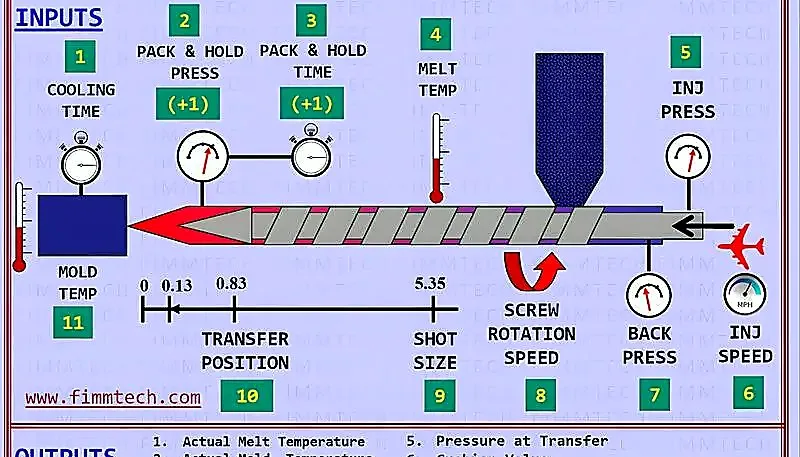
Enjeksiyon, dönen bir vida vasıtasıyla ısıtılmış bir varilde reçine peletlerini eritir, ardından homojenleştirilmiş eriyiği 50–200 mm/s hızla kalıp boşluğuna zorlar. Granüller huniye girer, ısıtılmış varilden geçer ve dönen vida tarafından kesilir. Besleme, sıkıştırma ve ölçüm bölgeleri malzemeyi taşır, eritir, homojenleştirir ve ölçer, böylece dolum sırasında viskozite stabil kalır.
Vida dönüş hızı eriyik kalitesini ve üretim kapasitesini etkiler. Çok yavaşsa yetersiz kesme ısınması erimemiş granüller oluşturur. Çok hızlıysa aşırı kesme polimeri bozar ve renk değişimine yol açar. Çoğu mühendislik reçinesi, vida çapı ve malzeme viskozitesine göre ayarlanan 50-120 RPM’de en iyi performansı gösterir.
2005'ten bu yana 20+ yıllık kalıplama deneyimimizde 400+ malzeme için kapsamlı proses bilgisi biriktirdik. Şanghay fabrikamız her malzeme sınıfı için standart vida profilleri kullanır ve özel sınıflar için bunları özelleştirir. Vida geri kazanım süresi, yani bir baskı için yeterli eriyiği biriktirme süresi, makinelerimizde tipik olarak 2-4 saniyedir ve toplam çevrim süresinin3 10-15% kadarına katkıda bulunur.
Enjeksiyon, vida dönmeyi durdurup piston gibi ileri hareket ederek biriken eriyiği nozuldan, yolluk burcundan ve yolluk sisteminden geçirip kaviteye zorladığında başlar. Enjeksiyon hızı yüzey finişini ve kaynak çizgisi dayanımını kontrol eder. Hızlı dolum sıcaklık kaybını azaltır ancak havayı hapsedebilir. Yavaş dolum havalandırmayı iyileştirir fakat erken donmaya yol açabilir.
Adım 5: Sıkıştırma ve tutma basıncı nedir?
Kalıp %95-98 doludur. Kavite büyük ölçüde dolmuş ancak ütülenmemiştir. Ütüleme basıncı, plastik eriyik sıcaklığından çıkarma sıcaklığına soğurken oluşan hacimsel çekmeyi telafi eder—yarı kristal malzemelerde hacimsel çekme genellikle %10-15’tir. Yeterli ütüleme olmadan parçalarda çökme izleri, boşluklar ve tolerans dışına çıkmalarına yol açan boyutsal değişimler görülür.
"Ütüleme basıncı termal çekmeyi telafi eder."True
Altın örnek
"Daha yüksek ütüleme basıncı çöküntü izlerini her zaman ortadan kaldırır."False
Aşırı ütüleme, ayırma çizgisinde çapak ve çıkarma sorunlarına neden olur. Kalın duvar kesitlerinden kaynaklanan çökme izleri yalnızca basınç ayarı değil, iç boşaltma veya nervürün yeniden tasarlanması gibi tasarım değişiklikleri gerektirir.
Kritik karar noktası yolluk donma süresidir. Tutma basıncı bırakılmadan önce yolluk katılaşmalıdır; aksi hâlde malzeme kaviteden geri akar. Tipik yolluk donma süreleri kenar yolluklarda 1-3 saniye, alt yolluklarda 0.3-0.8 saniye arasındadır. Kavite basıncı eğrilerini izleyin—tutmadan sonra keskin basınç düşüşü, yolluğun zamanından önce çözülmesine işaret eder.
Ütüleme basıncı profili sabit olmak yerine kademeli olabilir. Kademe 1: Malzemeyi kalın kesitlere ve köşelere sürmek için ütüleme süresinin %20-30’u boyunca yüksek basınç (enjeksiyon basıncının %80-100’ü). Kademe 2: Aşırı ütüleme olmadan yoğunluğu korumak için kalan sürede azaltılmış basınç (enjeksiyon basıncının %50-70’i). Bu profil, çapak riskini en aza indirirken çökme izlerini azaltır. Geçiş noktası, parça ağırlığı eğrisi gözlemlenerek ve farklı basınç seviyelerinde kalın kesitler çökme izleri açısından görsel olarak incelenerek belirlenir.
Adım 6: Soğutma ve Katılaşma Nasıl Çalışır?
Giriş donmuştur. Malzeme ütülenmiştir. Parça, kalıptan çıkarılmaya dayanacak kadar boyutsal kararlılığa ulaşmıştır ancak kalıp açılmadan önce tamamen katılaşması gerekir. Soğutma süresi, toplam sürenin 60-80%‘ini oluşturarak çevrim süresine hâkimdir. 25 saniyelik bir çevrimde soğutma süresinin 10 saniye azaltılması, 40% verimlilik artışı sağlar. Mühendislik burada kendini amorti eder.
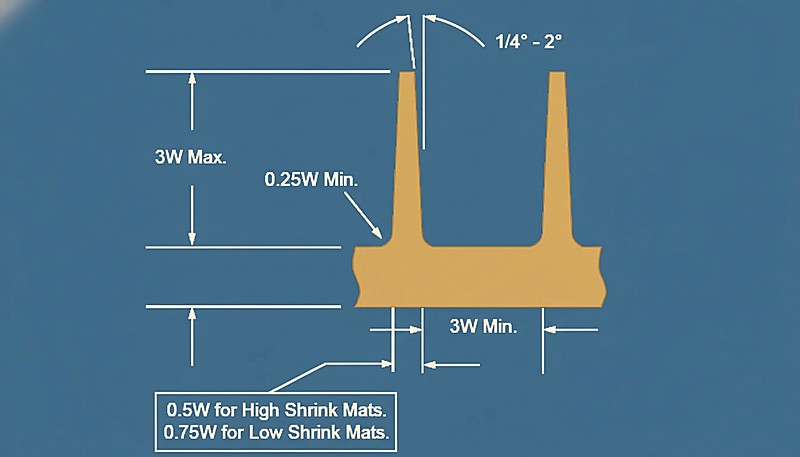
Geleneksel soğutma, 8–12 mm çapında düz delikli kanallar, çapın 3–5 katı aralık ve parça yüzeyinden kanal merkez çizgisine olan mesafenin 2–3 çap olduğu şekilde kullanılır. Bu, basit geometriye sahip, düzgün duvar kalınlığına sahip parçalar için işe yarar. Kaburgalar, nervürler veya değişken duvar kalınlığı olduğunda, düzgün soğutma zorlaşır—kalın bölümler daha yavaş soğur, bu da farklı büzülme, eğilme ve kalıntı gerilime neden olur.
ZetarMold, 2013'ten beri yüksek hacimli kalıplarda konformal soğutma kanalları uygulamaktadır. Düz delme yerine kalıp kavitesinin konturunu izleyerek karmaşık parçalarda soğutma süresini 20-35% azalttık. Bu yetenek, şirket içi kalıp üretim tesisimizle birleşerek optimize edilmiş soğutma tasarımlarıyla ayda 100+ kalıp teslim etmemizi sağlar.
| Malzeme | 2mm Et Kalınlığı (s) | 3mm Duvar (sn) | 4mm et (s) |
|---|---|---|---|
| PP | 8-10 | 12-15 | 16-20 |
| ABS | 10-12 | 15-18 | 20-24 |
| PC | 12-15 | 18-22 | 25-30 |
| PA6 | 10-12 | 15-18 | 20-25 |
| PEEK | 15-18 | 22-27 | 30-36 |
Soğutucu sıcaklığı, malzemenin ısı altında eğilme sıcaklığından 10-20°C düşük olmalıdır. PC için kalıp sıcaklığını 80-100°C olarak ayarlayın. PP için 20-40°C uygundur. Daha yüksek kalıp sıcaklıkları yüzey kalitesini ve kristalliği iyileştirir, ancak çevrim süresini uzatır. Ödünleşim her zaman kozmetik kalite ile üretim hızı arasındadır.
Soğutma optimizasyonu, donanım değişikliği yapmadan mevcut kalıplarda döngü süresini -35 oranında azaltabilir. Süreç ayarlamaları: paketleme süresini parça ağırlığını koruyan minimuma indirin, pompa limitleri dahilinde soğutucu akış hızını artırın ve deformasyonu önleyen minimum kalıp sıcaklığına düşürün. Kalıp modifikasyonları: derin çekirdekleri soğutmak için bölmeler ekleyin, kanalları kalın bölümlere yakın konumlandırın ve karmaşık geometriler için uyumlu soğutma kurun. Yatırım Getirisi (YG) tipik olarak 1000-5000 parça içinde gerçekleşir.
Adım 7: Kalıbın açılması ve parçanın çıkarılması nasıl işler?
Parça katılaşmıştır. Soğutma süresi dolmuştur. Kalıp açılır. Bu basit görünür; ancak enjeksiyon kalıplama hatalarının %20-30’u itme aşamasında oluşur. İtme iki kuvvetin aşılmasını gerektirir: soğuyan plastiğin kalıp çeliğine yapışması ve alt kesitler veya yetersiz kalıp açısı nedeniyle mekanik kilitlenme. İtme sistemi, parçayı deforme etmeden, itici pim izleri oluşturmadan veya parçanın maça tarafına yeniden yapışmasına yol açmadan bu etkenleri aşacak kadar kuvvet uygulamalıdır.
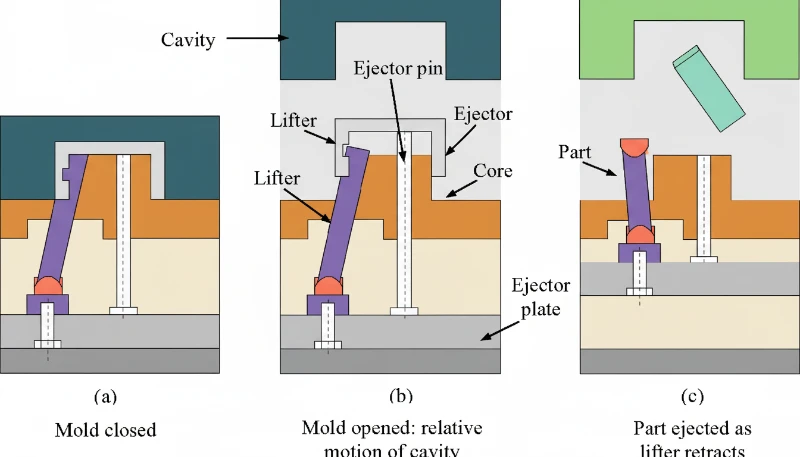
"İtme kuvveti, parçanın izdüşüm alanının 1.5-2 katı olmalıdır."True
Kalıp yüzeyinde 50 cm2 öngörülen alana sahip bir parça için, 75-100 N çıkarma kuvveti, pim izlerini en aza indirirken güvenilir çıkarma sağlar. Aşırı çıkarma, pim izlerine ve yüzey hasarına neden olur.
"Daha fazla itici pim her zaman çıkarma güvenilirliğini artırır."False
Aşırı sayıda pim yüzey izleri oluşturur, kalıp maliyetini artırır ve daha fazla arıza noktası yaratır. Nervür kesişimlerine ve köşelere stratejik pim yerleşimi, tek başına pim sayısını artırmaktan daha etkilidir.
Çıkarma sistemi seçimi parça geometrisine bağlıdır. Düz çıkarma, basit geometrilerde itici pimler kullanır. Kovanlı çıkarma, boss ve silindirik unsurları karşılar. Sıyırıcı plakalı çıkarma, ince etli kaplar ve kapaklar için en uygunudur. Ters açılar için eğik iticiler veya açılı pimler gerekir. Yanlış sistemin seçilmesi parçada deformasyona, yapışmaya veya binlerce çevrim boyunca biriken takım hasarına neden olur.
İtici pim yerleşimi belirli kurallara uyar. Pimleri, çıkarma direncinin en yüksek olduğu kalın kesitlere ve feder kesişimlerine yerleştirin. Kuvveti dağıtmak için pimleri parça çevresinde eşit aralıklarla yerleştirin. Eğilmeyi önlemek için pim çapı, pim uzunluğunun en az 1.5x katı olmalıdır. Parlatılmış veya dokulu yüzeylerde pimleri görünür kozmetik alanlara yerleştirmekten kaçının.
Kalıp açılma hızı, çıkarma kalitesini etkiler. Açılma profili şöyledir: parçanın gerilim oluşmadan maçadan ayrılmasını sağlamak için ilk 10-20mm boyunca yavaş ilk açılma (5-10 mm/s). Çevrim süresini en aza indirmek için strokun büyük bölümünde hızlı açılma (100-200 mm/s). Kalıbın çarparak açılmasını önlemek ve kılavuz pimleriyle burçlardaki aşınmayı azaltmak için son 50-100mm boyunca yavaşlama (20-50 mm/s). Yavaşlama, kontrollü açılma sıraları gerektiren sıyırıcı plakalı veya karmaşık eğik iticili kalıplar için özellikle önemlidir.
Adım 8: Kaliteyi nasıl denetler ve prosesi nasıl izlersiniz?
Parça kalıptan çıkarılır. Oluğa düşer veya robotla alınır. Peki sonra ne olur? Sürecin ayarlandığını varsayıp çalışmaya bırakırsanız müşteriniz sevkiyatı reddettiğinde kusurları saatler veya günler sonra fark edersiniz. Kalite kontrolü her vardiya başlangıcında, her malzeme değişiminden sonra ve üretim sırasında belirlenmiş aralıklarla yapılmalıdır. Kontrol hiyerarşisi: başlangıçta ilk ürün kontrolü (FAI), her 50-100 parçada proses içi kontrol ve her sevkiyat partisinde nihai kontrol.
ZetarMold'da kalite iş akışımız IQC'yi (girdi kalite kontrolü), numuneli proses içi kontrolleri, proses muayenesini, ambalaj muayenesini, FQC'yi (nihai kalite kontrolü) ve OQC'yi (çıkış kalite kontrolü) kapsar. Her üretim serisinde boyutları, yüzey kalitesini ve işlevsel gereksinimleri doğrulayan 10+ QC uzmanımız vardır. ISO 9001/13485/14001/45001 sertifikalarıyla birleşen bu 6 adımlı iş akışı, Şanghay fabrikamızın tüm operasyonlarında tutarlı kalite sağlar.
Görsel muayene kusurların %60-70’ini yakalar. Yanık izleri, çapak, eksik dolum, çökme izleri ve yüzey lekeleri hemen görülebilir. Operatörleri önce kritik kozmetik bölgeleri, ardından yapısal özellikleri inceleyecek şekilde eğitin. Şeffaf parçalar için arkadan aydınlatmalı muayene istasyonları, optik bileşenlerde çift kırılma tespiti için polarize ışık kullanın.
| Kontrol | Yöntem | Sıklık | Kabul Kriterleri |
|---|---|---|---|
| Görsel Kusurlar | Işık kutusu kontrolü | Her 50 parçada bir | No sink >0.2mm in A-surface |
| Ölçüler | CMM/kumpas ölçümü | Her 100 parçada bir | ±0.05mm tolerans için ±0.1mm |
| Ağırlık | Ölçek | Her 25 parçada bir | hedef ağırlığın ±2%'si |
| Uyum/İşlev | Montaj testi | Her vardiya başlangıcında | Sıkışma veya tutukluk yok |
| Kozmetik | Altın numune | Enjeksiyon kalıplama için kelepçe kuvveti nasıl hesaplanır? | Görünüm referansıyla eşleştirin |
Boyutsal kontrol, parçaların teknik resim gerekliliklerini karşıladığını doğrular. Kritik boyutlarda ±0.01mm hassasiyetli CMM (koordinat ölçüm makinesi) ölçümü kullanılır. Standart boyutlar kumpas veya geçer/geçmez mastarıyla kontrol edilir. İstatistiksel süreç kontrolü için her 100 baskılık çevrimde 5 parça numune alınarak Cp ve Cpk değerleri izlenir.
Modern makineler, enjeksiyon basıncını, paketleme basıncını, eriyik sıcaklığını, kalıp sıcaklığını, döngü süresini ve vida geri kazanım süresini gerçek zamanlı olarak takip eder. Hedef değerlerin ±–20’sinde alarmlar otomatik duraklamaları tetikler, etkilenen parçaları ayırır ve operatörleri uyarır—bu da spesifikasyon dışı parçalar birikmeden önce süreç sapmasını yakalar.
Yaygın Enjeksiyon Kalıplama Sorunları Nelerdir ve Bunları Nasıl Giderirsiniz?
Yaygın enjeksiyon kalıplama kusurları—çökme izleri, taşma ve kısa dolum—iyi ayarlanmış süreçlerde bile ortaya çıkar. İşte kök nedenler ve düzeltmeler.
Çökme izleri, kalın kesitler bitişik ince kesitlerden daha yavaş soğuduğunda oluşarak yüzeyde çöküntüler meydana getirir. Temel neden farklı büzülmedir. Sorun giderme yolu: önce duvar kalınlığı oranını kontrol edin; 3:1’i aşıyorsa yeniden tasarım gerekir. Duvar kalınlığı kabul edilebilirse çapak oluşumunu izlerken ütüleme basıncını %10’luk artışlarla yükseltin. Kalın kesitleri daha hızlı soğutmak için yönlendirme plakaları veya fıskiyeler ekleyin. İlk büzülmeyi en aza indirmek için eriyik sıcaklığını 5-10°C düşürün. Ağır vakalarda kalın kesitleri tamamen ortadan kaldırmak için dıştan maça boşaltmaları veya gaz destekli kalıplama kullanın.
Malzeme aşırı enjeksiyon veya ütüleme basıncı altında gözden kaçtığında ayırma hattında, itici pimlerin çevresinde veya havalandırma boşluklarında çapak oluşur. Katkıda bulunan faktörler aşınmış kalıp yüzeyleri, yetersiz kilitleme kuvveti ve viskoziteyi düşüren yüksek eriyik sıcaklıklarıdır. Çapağı önce kilitleme kuvvetini artırarak, ardından ütüleme basıncını azaltarak ve sorun birden çok gözde sürerse kalıp yüzeyi hizalamasını kontrol ederek giderin.
Eksik dolum, kalıp gözü tamamen dolmadığında oluşur ve parçalar tamamlanmamış kalır. Yaygın nedenler arasında yetersiz enjeksiyon basıncı, havanın çıkmasını önleyen tıkalı hava kanalları, viskoziteyi artıran düşük eriyik sıcaklığı veya yetersiz atım boyutu bulunur. Önce enjeksiyon basıncı eğrilerini kontrol ederek teşhis edin; çoğu eksik dolum, enjeksiyon hızını veya basıncını %10-15 artırarak giderilir. Sorun havalandırmaysa hava kanallarını temizleyin veya 0.01-0.02mm derinliğe kadar açın.
Enjeksiyon Kalıplama Prosesinizi Ne Zaman Ayarlamalı, Ne Zaman Yeniden Tasarlamalısınız?
Üç veya daha fazla ± parametre değişikliği başarısız olduğunda veya kök nedenler arasında 3:1’i aşan duvar oranları veya yetersiz pah açıları bulunduğunda yeniden tasarıma geçin. Genel kural: üç parametreyi ± oranında ayarladıysanız ve kusur devam ediyorsa, sorun büyük olasılıkla tasarımla ilgilidir. Bu noktadan sonra ayarlamaya devam etmek, sorunu çözmeden malzeme ve döngü süresini boşa harcar.
"Cidar kalınlığı oranı >3:1 ise tasarım değişikliği gerekir."True
Cidar kalınlığı oranı 3:1'i aştığında proses ayarları çökme izlerini ve çarpılmayı gideremez. Maça ile boşaltma, nervürün yeniden tasarımı veya gaz destekli kalıplama gerekli tasarım çözümleridir.
"Tüm eksik dolumlar kalıbın yeniden tasarlanmasını gerektirir."False
Havalandırma sorunları, malzeme kirlenmesi veya yanlış kurutmadan kaynaklanan eksik dolumlar proses değişiklikleriyle giderilebilir. Yalnızca akış mesafesi sınırları veya geometride hapsolmuş havadan kaynaklananlar kalıp değişikliği gerektirir.
Proses ayarıyla giderilemeyen tasarım sorunları beş kategoriye ayrılır: eşit olmayan et kalınlığı (çöküntü ve çarpılmaya yol açar), yetersiz kalıp açıları (yapışmaya yol açar), yanlış yolluk girişi tipi veya konumu (akış ve birleşme çizgilerine yol açar), yetersiz maça boşaltması (malzeme ve çevrim süresini boşa harcar) ve radyüssüz keskin köşeler (gerilim yığılmaları oluşturur). Bunların her biri parametre ayarı değil, kalıp değişikliği gerektirir.
Yeniden tasarım, mühendislik, modifikasyon ve yeniden doğrulama için 5.000–15.000 USD’ye mal olur, ancak 100.000 parçalık bir üretimde %5–15 fire oranıyla kusurlu parça üretmek çok daha pahalıya mal olur.
Üretim Verimliliği İçin Enjeksiyon Kalıplamayı Nasıl Optimize Edersiniz?
Önce soğutmayı hedefleyin—her döngünün –80’ini domine eder—uyumlu kanallar ve türbülanslı akış yoluyla, ardından paketleme ve çıkarma sürelerini en aza indirin. Döngü süresi, enjeksiyon süresi (%5–10), paketleme ve tutma süresi (–20), soğutma süresi (–80), kalıp açma ve kapama süresi (%5–10) ve çıkarma süresinin (%2–5) toplamıdır. Soğutma baskın faktördür, bu nedenle optimizasyon önce oraya odaklanmalı, ardından diğer bileşenlere geçilmelidir.
ZetarMold, 90T ila 1850T arasında 47 enjeksiyon kalıplama makinesi çalıştırmaktadır ve sadece geçen yıl 100'den fazla kalıpta soğutmayı optimize ettik. Uyumlu soğutma uygulayarak, soğutucu akışını optimize ederek ve besleme sistemini yeniden tasarlayarak, birden fazla üretim hattında döngü sürelerini -30 oranında azalttık. 2005'ten bu yana 20 yılı aşkın deneyimimizle birleşen bu iyileştirmeler, kaliteyi korurken rekabetçi fiyatlandırma sunmamızı sağlıyor.
Soğutma optimizasyonu üç alanı hedefler: kanal yerleşimi, soğutucu parametreleri ve kalıp malzemesi seçimi. Konformal soğutma kanalları parça konturunu izleyerek kalıp boşluğu yüzeyine olan mesafeyi 15-25mm’den (delinmiş) 3-8mm’ye (konformal) düşürür. Etkili ısı transferi için soğutucu debisi türbülanslı akışı (Reynolds sayısı 5,000’in üzerinde) korumalıdır. Sıcak noktalarda berilyum bakır insertler gibi daha yüksek ısıl iletkenliğe sahip kalıp malzemeleri yerel soğutma süresini %30-40 azaltabilir.
Enjeksiyon optimizasyonu, dolum süresine ve eriyik kalitesine odaklanır. Dolum süresi optimizasyonu: yanık izleri (çok hızlı) veya eksik dolum (çok yavaş) görene kadar enjeksiyon süresini azaltın, ardından %10 geri çekin. Aşımı önlemek için hızdan basınca geçiş noktası %95-98 dolumda tetiklenmelidir. Kovan bölgeleri boyunca eriyik sıcaklığı profillemesi, tam erimeyi sağlarken bozunmayı önler.
| Bileşen | Tipik Döngü Yüzdesi | Optimizasyon Potansiyeli | ROI Zaman Çizelgesi |
|---|---|---|---|
| Soğutma | 60-80% | 15-30% | 500-2000 parça |
| Ütüleme/Tutma | 10-20% | 10-20% | Derhal |
| Kalıbı Açma/Kapama | 5-10% | 5-15% | Derhal |
| Enjeksiyon | 5-10% | 5-10% | 100-500 parça |
| Fırlatma | 2-5% | 5-10% | 1000-5000 parça |
Yatırım Getirisi (YG), parça değerine ve hacmine bağlıdır. 1.000 parçanın altındaki geri ödeme hemen uygulanmalıdır; 1.000–5.000 parça değerlendirme gerektirir; 5.000 parçanın üzeri stratejik gerekçe gerektirir.
Enjeksiyon Kalıplama Süreci Hakkında Sıkça Sorulan Sorular
Sıkça Sorulan Sorular
Enjeksiyon kalıplamanın 7 adımı nelerdir?
Enjeksiyon kalıplamanın yedi adımı şunlardır: (1) makinenin iki kalıp yarısını yüksek basınç altında birbirine sabitlediği kenetleme ve kalıp kapama; (2) ısıtılmış granüllerin eriyik hâle geldiği ve göz içine zorlandığı plastik eritme ve enjeksiyon; (3) ilave malzemenin çekmeyi telafi ettiği ütüleme ve tutma; (4) parçanın kalıp içinde sertleştiği soğutma ve katılaşma; (5) bitmiş parçanın çıkarıldığı kalıbın açılması ve parçanın çıkarılması; (6) görsel, boyutsal ve işlevsel kontrolleri kapsayan kalite denetimi; ve (7) üretim serileri boyunca tutarlı çıktıyı sağlayan proses izleme ve ayarlama.
Bir enjeksiyon kalıplama çevrimi ne kadar sürer?
Çevrim süresi, küçük ve ince duvarlı parçalar için 5 saniye kadar kısa; büyük ve kalın duvarlı bileşenler için 120 saniyeden uzun olabilir. Duvar kalınlığı 3mm olan tipik bir mühendislik plastiği parçasında çevrim başına 15-25 saniye beklenir. Soğutma toplam çevrim süresinin %60-80’ini oluşturarak zaman çizelgesine hâkim olurken, enjeksiyon kaviteyi yalnızca 0.5-2 saniyede doldurur. Konformal kanallar veya optimize edilmiş soğutucu akışıyla soğutma süresini azaltmak, üretkenliği artırmanın en etkili yoludur ve mevcut kalıplarda çevrim süresini çoğu zaman %20-35 kısaltır.
Enjeksiyon ile ütüleme arasındaki fark nedir?
Enjeksiyon, erimiş plastiğin hacmin %95-98’ini dolduracak hızlarda kalıp boşluğuna zorlandığı ve genellikle 0.5-2 saniyede tamamlanan yüksek basınçlı dolum aşamasıdır. Ardından hemen daha düşük basınçta ütüleme (veya tutma) gelir ve plastik soğuyup büzülürken termal çekmeyi telafi etmek için boşluğa ilave malzeme iter. Ütüleme, yolluk donana kadar, genellikle 2-6 saniye sürer. Enjeksiyonu malzemeyi kalıba sokmak, ütülemeyi ise katılaşırken boyutsal doğruluğunu korumak olarak düşünün.
Enjeksiyon kalıplamadan önce neden plastiği kurutmam gerekiyor?
PA6, PC, PET ve PEEK gibi higroskopik malzemeler zamanla ortam havasından nem emer. Enjeksiyon kalıplama sırasında hapsolan bu nem, eriyik sıcaklıklarında (genellikle 250°C’nin üzerinde) anında buharlaşarak bitmiş parçada görünür kabarcıklara (gümüş izleri), yüzey çizgilerine, düşük mekanik mukavemete ve boyutsal kararsızlığa neden olur. Malzemeye özgü sıcaklıklarda (80-160°C) 3-6 saat doğru kurutma, nem içeriğini kusursuz kalıplama için gerekli kritik %0.02 eşiğinin altına indirir. Kurutma adımının atlanması, üretimde reddedilen parçaların en yaygın ve maliyetli nedenlerinden biri olmaya devam etmektedir.
Enjeksiyon kalıplamada hangi sıcaklık kullanılır?
Enjeksiyon kalıplama sıcaklıkları malzeme türüne göre önemli ölçüde değişir. Polipropilen 180-220°C’de, ABS 210-250°C’de, polikarbonat 280-320°C’de işlenir; yüksek performanslı PEEK ise 380-420°C gerektirir. Kovan, besleme bölgesinden (en soğuk) sıkıştırma boyunca ölçüm bölgesine (en sıcak) kadar genellikle 20-40°C artışla bir sıcaklık gradyanı korur. Kalıp sıcaklığı da kritik rol oynar: daha soğuk kalıplar çevrim süresini kısaltır, ancak artık gerilimi artırabilir; ısıtılmış kalıplar (reçineye bağlı olarak 60-150°C) ise mühendislik sınıfı malzemelerde yüzey kalitesini, kristalliği ve boyutsal kararlılığı iyileştirir.
Enjeksiyon kalıplama için ne kadar basınç gerekir?
Standart mühendislik termoplastiklerinde enjeksiyon basıncı genellikle 18,000 ila 25,000 psi arasındadır. PEEK veya PA66-GF30 gibi yüksek viskoziteli ya da cam dolgulu malzemeler 35,000-50,000 psi’ye kadar basınç gerektirebilir. Ütüleme basıncı, enjeksiyon basıncının %50-80’i düzeyindedir. Gerekli kalıp kapama kuvvetini belirlemek için izdüşüm parça alanını (inç kare cinsinden) enjeksiyon basıncıyla çarpın ve ardından %20-30 güvenlik payı ekleyin. Örneğin 18,000 psi basınçta 10 inç karelik bir parça yaklaşık 90 ton kapama kuvveti gerektirir; dolayısıyla 110-115 tonluk bir makine yeterli kapasite payı sağlar.
Enjeksiyon kalıplamada çökme izlerine ne sebep olur?
Çökme izleri, kalın duvar kesitlerinin bitişikteki ince kesitlerden daha yavaş soğuması ve yüzey malzemesini fiziksel olarak içeri çeken farklı çekmeler oluşturmasıyla meydana gelir. Başlıca nedenler arasında 3:1’i aşan duvar kalınlığı oranları, yetersiz ütüleme basıncı veya tutma süresi ve kalın kesitlerin yakınında soğutma kanallarının yetersiz yerleşimi bulunur. Pratik çözümler; DFM aşamasında kalın kesitlerin içini boşaltmayı, ütüleme basıncını artırıp yolluk girişi donana kadar tutma süresini uzatmayı ve kalın bölgeleri hedefleyecek şekilde soğutma kanallarını yeniden tasarlamayı içerir. Proses ayarları hafif vakaları çözebilir, ancak sürekli tekrarlanan ciddi çökmeler genellikle kalıp modifikasyonu gerektirir.
Enjeksiyon kalıplama için kapama kuvveti nasıl hesaplanır?
Döngü süresi dağılımını gösteren pasta grafik: soğutma 70%, enjeksiyon 10%, paketleme 10%, kalıp açma/kapama 5%, çıkarma 5%
enjeksiyon basıncı: Enjeksiyon basıncı, erimiş plastiği kalıp boşluğuna zorlamak için vidaya uygulanan ve genellikle 35.000 ila 50.000 psi arasında değişen hidrolik basınçtır. ↩
bağlama kuvveti: Bağlama kuvveti, enjeksiyon sırasında kalıbı kapalı tutan, ton cinsinden ölçülen hidrolik veya mekanik kuvvettir; 90T ile 1850T yaygın aralıklardır. ↩
çevrim süresi: Çevrim süresi, kalıbın kapanmasından sonraki çevrimin başlamasına kadar tek bir enjeksiyon kalıplama çevrimini tamamlamak için gereken, saniye cinsinden ölçülen toplam süredir. ↩