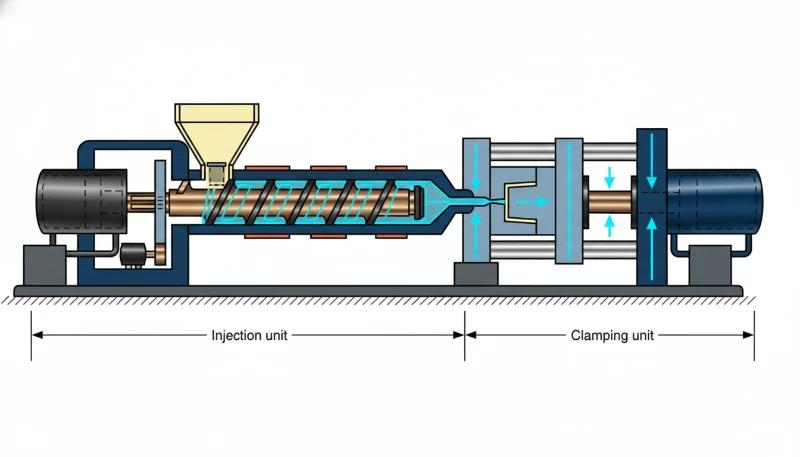
Что такое прецизионное литьё под давлением и чем оно отличается от обычного формования?
Прецизионное литье под давлением1 — это высокоточный вариант литья под давлением, при котором допуски в десять раз более жесткие, чем при обычном литье. Основное различие заключается в частичной последовательности и повторяемости. Если вы оцениваете поставщиков, наше руководство по поиску поставщиков для литья под давлением2 охватывает подготовку и квалификацию запроса цен.
Для более широкого обзора наше полное руководство по литью под давлением охватывает основы процесса, поведение материала и производственные решения.
Чтобы получить более широкий взгляд на проектирование пресс-форм для литья под давлением3, в нашем руководстве по столбцам рассматриваются конструкция оснастки, термоконтроль и компромиссы в области технологичности.
Прецизионное литье под давлением — это производственный процесс, в ходе которого производятся пластиковые детали с чрезвычайно жесткими допусками по размерам, обычно от ± 0,01 до ± 0,05 мм. Обычное литье под давлением, напротив, работает в пределах более широких допусков от ±0,1 до ±0,5 мм и подходит для деталей, для которых точные размеры менее важны.
На заводе ZetarMold нас часто спрашивают: «Действительно ли мне нужно прецизионное литьё?» Честный ответ: это зависит от применения. Если вы изготавливаете корпус медицинского устройства, компоненты которого должны защёлкиваться с микронной точностью, прецизионное литьё обязательно. Но для крышки контейнера обычное литьё выполнит задачу за малую долю стоимости.
Разница заключается не только в допусках. Для точного литья нужна целая экосистема: более качественные стали для форм, более совершенные системы управления машинами, инженерные полимеры и более строгие протоколы контроля качества. Обычное литье использует стандартную оснастку и массовые пластики, поэтому его запуск быстрее и дешевле.
- Прецизионное литьё оправдано, когда допуски, сопряжение или риск соответствия напрямую влияют на функцию изделия.
- Обычное литьё под давлением остаётся лучшим выбором для простых деталей с более широкими допусками и меньшим бюджетом на оснастку.
- Лучшее решение по поставщику начинается с анализа допусков, выбора стали, возможностей управления процессом и DFM-проверки.
Каковы ключевые технические различия двух процессов?
Ключевое отличие заключается в том, что прецизионное формование требует более жесткого контроля точности машины, допусков пресс-формы и параметров процесса. Вот подробное сравнение, основанное на том, что мы ежедневно видим в наших цехах:
| Параметр | Прецизионное литье под давлением | Обычное литье под давлением |
|---|---|---|
| Допуск на размеры | ±0.01–0.05 mm | ±0.1–0.5 mm |
| Повторяемость смыкания машины | < 0.5% shot-to-shot variation | Разброс между впрысками 1–3% |
| Управление давлением впрыска | Сервоуправление с замкнутым контуром, точность ±1% | Стандартная гидравлическая система, точность ±5% |
| Стальная пресс-форма | H13, S136 (закалённая до 48–52 HRC) | P20, 718H (предварительно закалённые, 28–34 HRC) |
| Механическая обработка пресс-формы | CNC + EDM, шероховатость поверхности Ra 0.2 µm или лучше | CNC, шероховатость поверхности Ra 0.8–1.6 µm |
| Система охлаждения | Конформные или прецизионно просверленные каналы, контроль ±1°C | Стандартные прямые сверлёные каналы |
| Класс материала | Конструкционные полимеры (POM, PC, PA66-GF) | Массовые полимеры (PP, PE, ABS) |
| Типичная стоимость оснастки | $15,000–$100,000+ | $3,000–$30,000 |
| Время цикла | 15–60 секунд (более длительное охлаждение/подпитка) | 10–30 секунд |
| Проверка качества | CMM, оптические измерения, возможен 100% контроль | Предельные калибры, выборочный контроль |
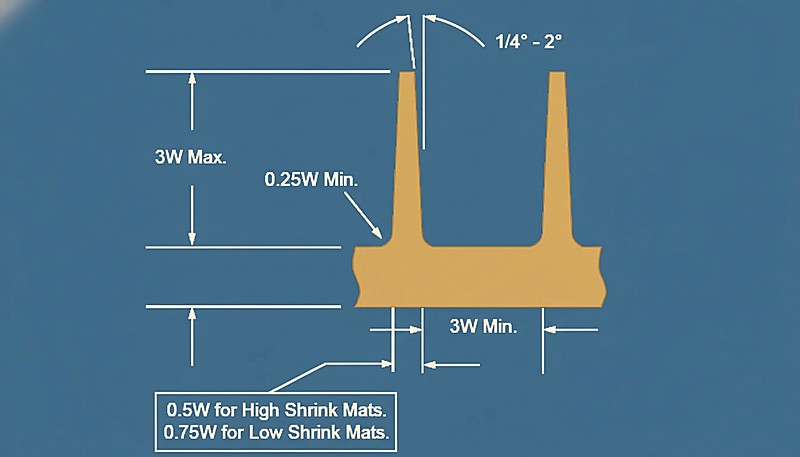
Мы выяснили, что многие заказчики сначала запрашивают прецизионное литье, хотя достаточно обычного. В ZetarMold мы всегда сначала анализируем конструкцию детали и рекомендуем наиболее экономичный процесс. Иногда небольшое изменение конструкции — например, добавление уклона или корректировка толщины стенки — позволяет перевести деталь из категории прецизионного в обычное литье и сэкономить тысячи на оснастке.
"“Прецизионные литьевые машины должны иметь системы управления с замкнутым контуром и воспроизводимостью от цикла к циклу менее 0.5%.”"True
Замкнутое сервоприводное управление необходимо для прецизионного литья. Оно непрерывно отслеживает и корректирует давление, скорость и положение впрыска в реальном времени, удерживая вариацию между впрысками ниже 0.5%, чего разомкнутые гидравлические системы не гарантируют.
"“Для прецизионного литья под давлением всегда требуется машина совершенно иного типа, чем для обычного литья.”"False
Многие современные термопластавтоматы способны выполнять и прецизионные, и обычные работы. Главное различие — качество системы управления, спецификация повторяемости и точность поддержания параметров процесса, а не обязательно иной тип машины.
Почему качество пресс-формы так важно при прецизионном литье?
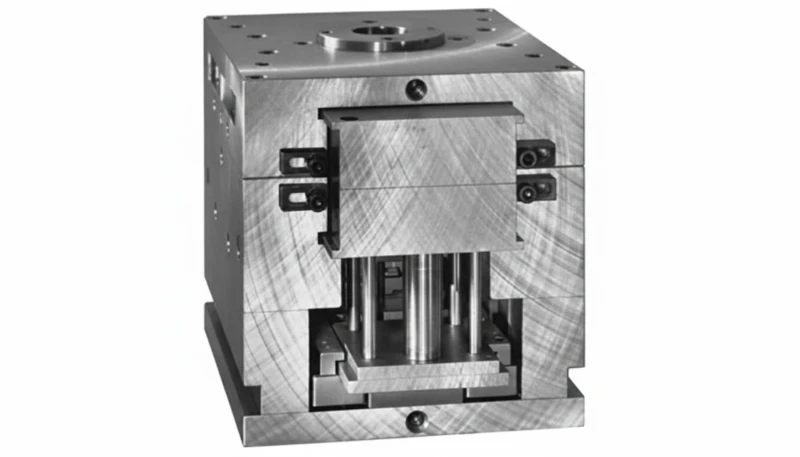
Пресс-форма — основа прецизионного литья под давлением. При прецизионном производстве пресс-форма должна обрабатываться с допусками в 3–5× строже допусков готовой детали, поскольку необходимо учитывать компенсацию усадки, тепловое расширение и износ на протяжении всего срока службы пресс-формы.
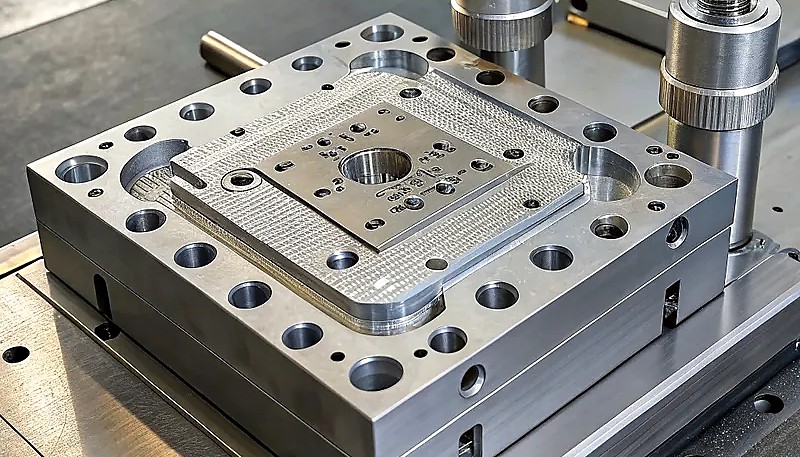
В ZetarMold для прецизионных пресс-форм мы используем закалённые стали, такие как S136 (нержавеющая, 48–52 HRC) или H13 для высокотемпературных смол. Полости обрабатываются сочетанием высокоскоростного CNC и проволочной EDM, что позволяет получить шероховатость поверхности Ra 0.2 µm или лучше. Каналы охлаждения тщательно проектируются, иногда с применением конформного охлаждения, чтобы обеспечить равномерное распределение температуры в пределах ±1°C по всей поверхности полости.
Для обычных пресс-форм мы, как правило, используем предварительно закалённую сталь P20 (28–34 HRC), стандартную обработку на станках с ЧПУ с шероховатостью Ra 0.8–1.6 µm и традиционные прямые сверлёные каналы охлаждения. Такие формы значительно дешевле и быстрее в изготовлении, но не способны обеспечить жёсткие допуски, необходимые для прецизионных применений.
Один критически важный фактор, который многие упускают, — обслуживание пресс-формы. Прецизионные формы требуют регулярных циклов контроля и полировки, обычно каждые 50,000–100,000 впрысков, тогда как обычные формы часто выдерживают 200,000+ впрысков между обслуживаниями.
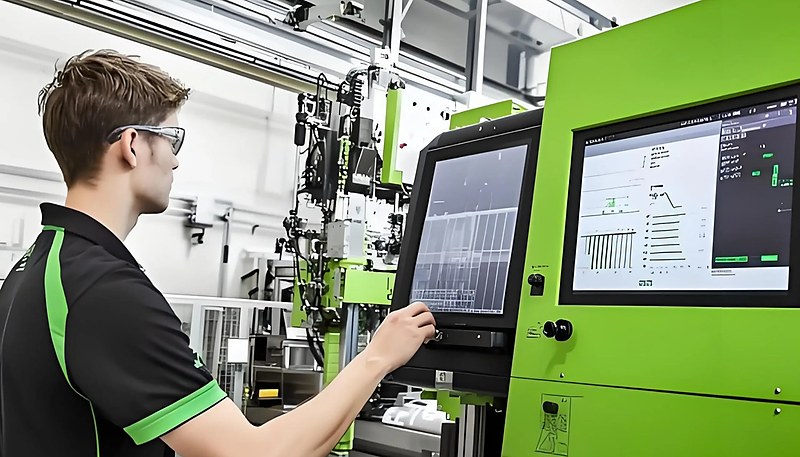
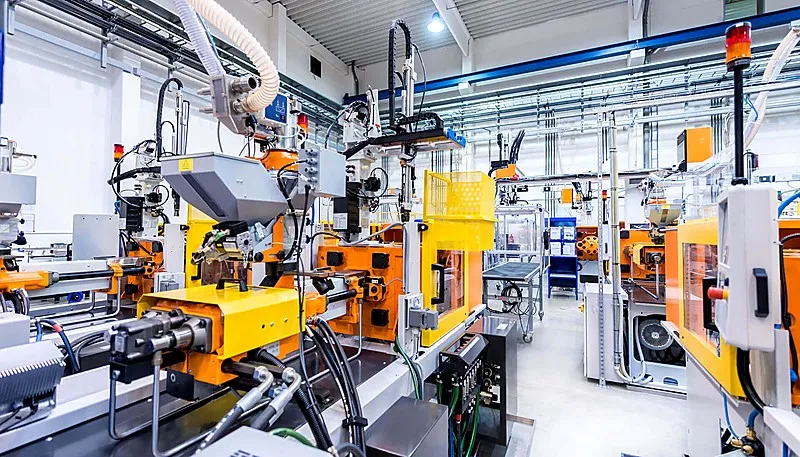
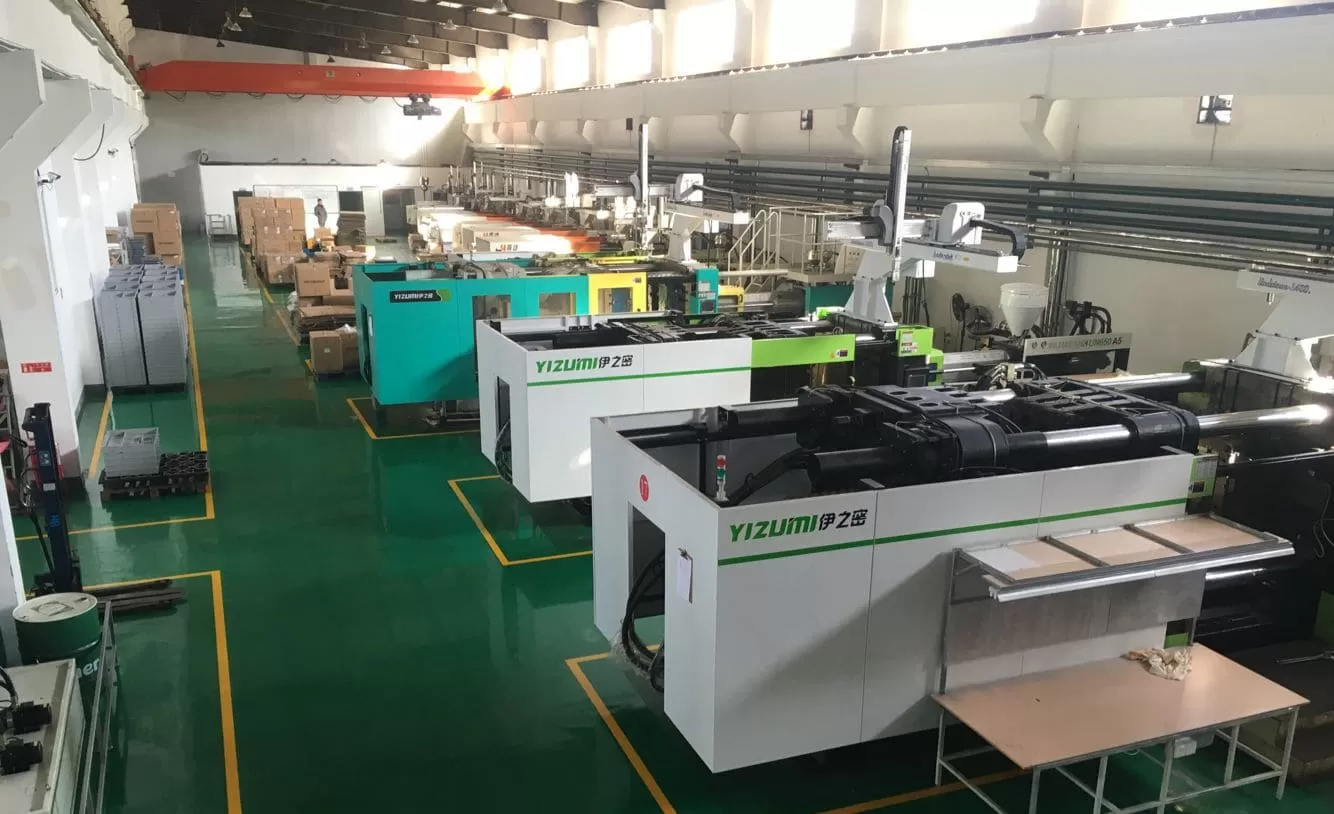
В ZetarMold мы эксплуатируем 47 машин для литья под давлением от 90T до 1850T на нашем заводе в Шанхае. Имея более 20 лет опыта, мы воочию убедились, как правильное сочетание точности машины, качества пресс-формы и управления процессом определяет, окажется ли деталь в пределах ±0,05 мм или ±0,3 мм. Наши полностью электрические прессы в диапазоне 50–200T являются рабочей лошадкой для прецизионных работ, обеспечивая стабильность от выстрела к выстрелу, которую гидравлические машины просто не могут обеспечить.
На нашем заводе в Шанхае решения по прецизионному формованию принимаются не только на основе допусков чертежей. Мы подбираем деталь в соответствии с возможностями машины, сталью для пресс-формы, контролем охлаждения и данными моделирования. На нашем производственном участке работает 47 прессов от 90 до 1850 тонн, и наши инженеры используют SOLIDWORKS и MOLDFLOW для проверки баланса заполнения до того, как клиент заплатит за ненужную прецизионную оснастку.
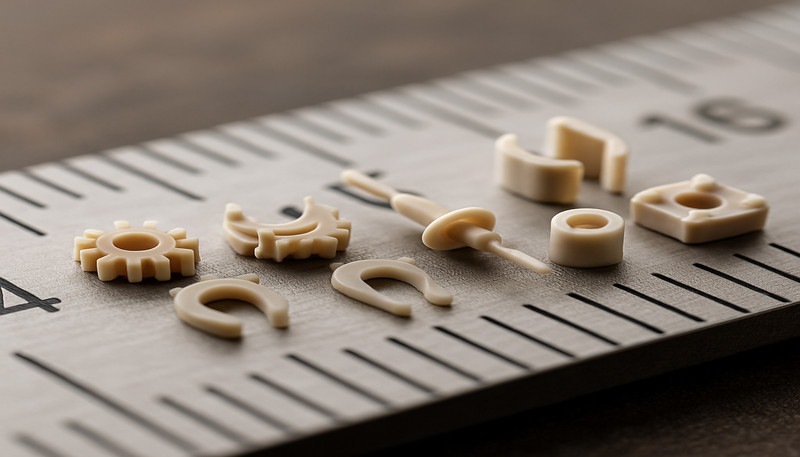
Какие материалы лучше для прецизионного и обычного литья?
Выбор материала — область, где прецизионное и обычное литьё существенно расходятся. В прецизионном литье обычно применяются инженерные смолы с предсказуемой и низкой усадкой, тогда как обычное литьё хорошо работает с массовыми пластиками.
Для прецизионных деталей мы обычно используем:
ПОМ (ацеталь/делрин): усадка 1,8–2,2 %, отличная стабильность размеров, идеально подходит для зубчатых передач и механических компонентов.
ПК (поликарбонат): усадка 0,5–0,7%, отличная оптическая прозрачность, используется в линзах и медицинских устройствах.
PA66-GF (стеклонаполненный нейлон): усадка 0,3–0,5 % (со стеклонаполнителем), высокая прочность для прецизионных деталей конструкции.
PBT-GF: усадка 0,3–0,5 %, отлично подходит для электрических разъемов, требующих жестких допусков.
Для обычного литья:
ПП (полипропилен): усадка 1,0–2,5 %, экономически выгодно для тары и упаковки.
ABS: усадка 0,4–0,7 %, универсальный вариант для потребительских товаров.
PE (полиэтилен): усадка 1,5–3,5 %, используется для простых деталей со сниженными допусками.
Ключевой момент: материалы с высокой или непредсказуемой усадкой значительно усложняют прецизионное литьё. Поэтому стеклонаполненные компаунды популярны для прецизионных изделий — стекловолокно резко снижает и стабилизирует усадку.
Чем управление процессом прецизионного литья отличается от обычного?
Контроль процесса, пожалуй, является главным эксплуатационным отличием прецизионного литья от обычного. В прецизионном литье каждый параметр контролируется, регистрируется и удерживается в узких пределах.
Вот как выглядит точное управление процессом на нашем предприятии ZetarMold:
Температура плавления: контролируется в пределах ±2°C во всех зонах цилиндра (обычно: ±5–10°C).
Скорость впрыска: многоэтапное профилирование с повторяемостью ±1% (обычно: одноэтапное, ±5%)
"«Датчики давления в полости — отличительный признак управления процессом прецизионного литья под давлением»."True
Датчики давления в полости обеспечивают прямое измерение происходящего внутри формы в реальном времени. Они позволяют автоматически сортировать детали (годные и подозрительные), оптимизировать процесс и широко считаются эталоном контроля качества прецизионного литья.
"“Обычное литьё под давлением не требует никакого мониторинга процесса или контроля качества.”"False
Обычное формование также требует мониторинга процесса и контроля качества, но на менее детальном уровне. Такие параметры, как время цикла, масса детали и внешний вид, по-прежнему отслеживаются. Разница в том, что прецизионное формование требует мониторинга давления в гнезде в реальном времени и статистического управления процессом (SPC) по критическим размерам.
Давление выдержки: точно распределено по этапам для компенсации усадки, контролируется датчиками давления в полости (обычное: один этап, отключение по времени)
Температура формы: поддерживается в пределах ±1°C с помощью регуляторов температуры масла или воды (обычно: ±3–5°C).
Время охлаждения: оптимизировано посредством моделирования и проверено с помощью встроенных в форму датчиков температуры (обычное: оценивается на основе опыта).
Мы также используем программы анализа течения расплава (Moldflow или Moldex3D) для моделирования и оптимизации схемы заполнения до резки стали для прецизионных форм. Для обычных форм моделирование полезно, но не всегда обязательно: опытные инструментальщики часто могут спроектировать подходящие литники и охлаждение на основе опыта.
Каким отраслям требуется прецизионное литьё под давлением?
Прецизионное литьё под давлением применяется в отраслях, где точность деталей напрямую влияет на работу изделия, безопасность или соответствие нормативным требованиям. По нашему опыту в ZetarMold, основными являются следующие отрасли:
Медицинские устройства: корпуса хирургических инструментов, диагностические картриджи, системы доставки лекарств — распространены допуски ±0,02 мм, требуется полная отслеживаемость (ISO 13485).
Автомобильная электроника: корпуса разъемов, корпуса датчиков и корпуса блоков управления двигателем, где детали должны точно соприкасаться и выдерживать вибрацию.
Оптические компоненты: линзы, световоды и отражатели, требующие точности поверхности в пределах долей микрона.
Бытовая электроника: корпуса смартфонов, корпуса носимых устройств и компоненты разъемов с жесткими требованиями к защелкиванию.
Аэрокосмическая промышленность: легкие структурные компоненты, соответствующие стандартам AS9100.
Обычное литьё под давлением охватывает большинство выпускаемых этим способом изделий — от бытовых контейнеров до панелей отделки автомобилей.
Упаковка (контейнеры, колпачки, крышки)
Товары для дома (контейнеры для хранения, кухонные принадлежности)
Игрушки и товары для отдыха
Различные литые под давлением пластиковые детали на выставке
Потребительские товары общего назначения
Как определить, какой процесс подходит для вашего проекта?
Правильный выбор определяется допусками на вашем чертеже, требованиями к чистоте поверхности и геометрической сложностью. Вот структура принятия решений, которую мы используем в ZetarMold при консультациях с новыми клиентами:
Каковы самые жесткие допуски на вашем чертеже? Если все размеры составляют ±0,1 мм или шире, вероятно, будет достаточно обычного формования.
Взаимодействует ли деталь с другими прецизионными компонентами? Защелкивающиеся посадки, зубчатые зацепления и уплотнительные поверхности часто требуют точного формования.
Какие отраслевые стандарты применяются? Медицинская (ISO 13485), автомобильная (IATF 16949) и аэрокосмическая (AS9100) часто требует контроля процессов на уровне точности.
Каков ваш объем производства? Увеличение объемов помогает амортизировать более высокие затраты на оснастку прецизионных форм. Для литья под давлением небольших объемов более практичными могут оказаться обычные формы с алюминиевой оснасткой.
Каков ваш бюджет? Прецизионные инструменты стоят в 2–5 раз дороже, чем обычные инструменты. Убедитесь, что приложение оправдывает инвестиции.
Какие часто задаваемые вопросы существуют о прецизионном и обычном формовании?
Часто задаваемые вопросы
Какого допуска достигает прецизионное литьё?
Прецизионное литье под давлением обычно достигает допусков ±0,01–±0,05 мм на критических размерах в зависимости от материала, геометрии детали и расположения литника. Для сравнения, обычное литье под давлением обычно удерживает ±0,1–±0,3 мм. Достижение более жесткого диапазона требует полностью электрических машин с повторяемостью от выстрела к выстрелу в пределах ±0,5%, закаленной стали пресс-формы (S136 или H13) и замкнутого контура управления процессом по каждой ключевой переменной. Эти более жесткие допуски необходимы для медицинских устройств, оптических линз и электронных разъемов, где точность размеров напрямую влияет на функцию и безопасность.
Всегда ли прецизионное литьё под давлением обходится дороже?
Да, прецизионное литье имеет более высокие первоначальные затраты — обычно в 2–5 раз больше на оснастку и на 10–30 процентов выше стоимость обработки на деталь. Однако общая стоимость владения часто оказывается в пользу прецизионного литья, если учесть снижение процента брака (часто ниже 1 процента против 3–5 процентов при обычном литье), меньшее количество дополнительных механических операций и лучший выход годных изделий при сборке. В ZetarMold мы проводим честный анализ затрат и выгод для каждого проекта, чтобы клиенты инвестировали в прецизионность только тогда, когда их применение действительно этого требует.
Можно ли модернизировать обычные формы до прецизионных?
Обычно нет. Прецизионные пресс-формы требуют более твердых марок стали, таких как нержавеющая сталь S136 или инструментальная сталь H13, более жестких допусков на механическую обработку, измеряемых в микронах, а не в сотых долях миллиметра, конформных каналов охлаждения для равномерности температуры и сбалансированности многогнездных пресс-форм, заложенной на этапе первоначального проектирования. Модернизация обычной пресс-формы из стали P20 редко позволяет достичь геометрической точности или стабильности от цикла к циклу, необходимых для работы с допусками менее 0,05 мм. Практически во всех случаях изготовление новой прецизионной пресс-формы, специально спроектированной для конкретной детали, является гораздо более экономически эффективным и надежно дает превосходные результаты.
Какие машины используются для прецизионного литья под давлением?
Прецизионное литье под давлением использует полностью электрические или гибридные серво-гидравлические машины с замкнутым контуром обратной связи по давлению впрыска, скорости, давлению подпитки и общей температуре пресс-формы. В ZetarMold наши полностью электрические прессы в диапазоне 50–200 тонн обеспечивают повторяемость от выстрела к выстрелу в пределах ±0,5 процента по сравнению с ±2–3 процентами на обычных гидравлических машинах. Этот исключительный уровень стабильности в сочетании с прецизионным контролем температуры пресс-формы в пределах ±1 градуса Цельсия и многоступенчатым профилированием впрыска делает производство с допусками менее 0,05 мм достижимым на повторяемой основе.
Как ZetarMold выполняет проекты прецизионного литья?
Наш процесс прецизионного формования начинается с комплексного анализа DFM и моделирования течения материала в пресс-форме с использованием Moldflow или Moldex3D. Затем мы проектируем пресс-форму в SOLIDWORKS из закаленной инструментальной стали (S136 или H13), обрабатываем её на 5-осевых ЧПУ-центрах и проверяем все критические размеры с помощью отчетов КИМ на этапе пробных отливок (T0). Производство ведется на полностью электрических машинах с SPC-мониторингом всех ключевых параметров процесса. Имея более 20 лет опыта и обработав более 400 материалов на нашем заводе в Шанхае, мы обеспечиваем полную прослеживаемость размеров от первой отливки до поставки крупной партии.
Каков минимальный объём заказа для прецизионного литья под давлением?
Строгого универсального минимума не существует, но прецизионное литье обеспечивает наилучшую окупаемость инвестиций при объемах от 10 000 деталей и более из-за более высоких вложений в оснастку. Для меньших объемов мы иногда рекомендуем переходную оснастку — пресс-форму среднего класса, изготовленную с более жесткими допусками, чем обычная производственная оснастка, но без полной стоимости прецизионной производственной пресс-формы. Этот подход позволяет проверить как дизайн, так и рыночный спрос до перехода к высокообъемной прецизионной оснастке, снижая финансовые риски при сохранении приемлемого качества деталей.
Какой процесс формования выбрать для вашего следующего проекта?
Прецизионное и обычное литье под давлением не конкурируют между собой — это взаимодополняющие производственные методы. Прецизионное литье обеспечивает допуски ±0.01–0.05 mm для ответственных применений в медицинской, оптической и электронной промышленности. Обычное литье экономично охватывает подавляющее большинство потребительских и промышленных изделий с допусками ±0.1–0.3 mm.
Ключ в том, чтобы соответствовать процессу вашим реальным требованиям. Завышение требований к точности приводит к пустой трате денег на оснастку и обработку, которые вашему применению не нужны. Занижение требований к точности создает проблемы с качеством, отказы при сборке и гарантийные случаи, которые обходятся гораздо дороже, чем сделать правильно с первого раза.
Имея более 20 лет опыта, 47 машин от 90T до 1850T и экспертизу в работе с более чем 400 материалами, ZetarMold помогает вам принять это решение с уверенностью. Мы проводим честные DFM-анализы и говорим прямо: прецизионное или обычное литье, основываясь на том, что действительно требует ваш чертеж, а не на том, что продает более дорогую услугу. Будь то проект, требующий точности ±0,01 мм для медицинского устройства, или стандартный допуск ±0,3 мм для потребительской упаковки, наша инженерная команда готова сопровождать вас на всем пути от проверки дизайна до серийного производства.
Готовы обсудить ваш проект? Если вам нужны прецизионные медицинские компоненты или потребительские детали в больших объемах, свяжитесь с ZetarMold сегодня, чтобы получить бесплатный обзор DFM и ценовое предложение. Наша команда инженеров поможет вам выбрать правильный процесс и поставить детали, соответствующие вашим спецификациям — ни больше, ни меньше.
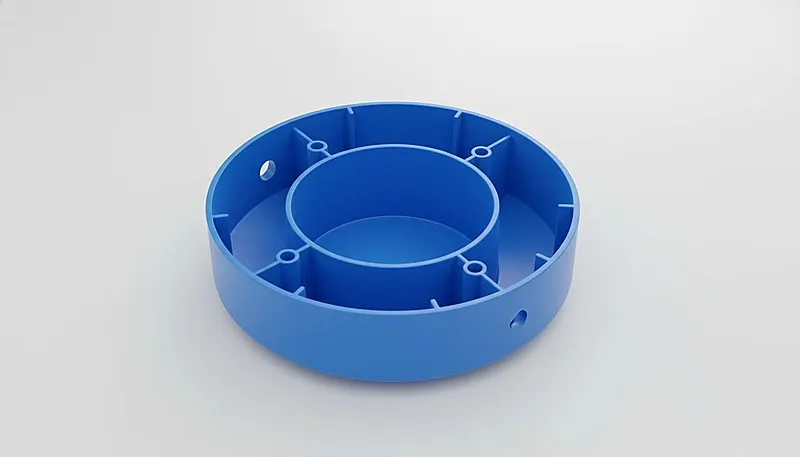
литье под давлением: литье под давлением относится к производственному процессу, при котором пластиковая смола плавится и впрыскивается в полость формы для формирования деталей. ↩
Руководство по поиску поставщиков для литья под давлением: Руководство по поиску поставщиков для литья под давлением представляет собой контрольный список покупателей для подготовки запроса на предложение, квалификации поставщика и контроля коммерческих рисков. ↩
Проектирование пресс-форм для литья под давлением: проектирование пресс-форм для литья под давлением относится к конструкции инструментов, схеме охлаждения, выбору стали и плану технологичности формованных деталей. ↩