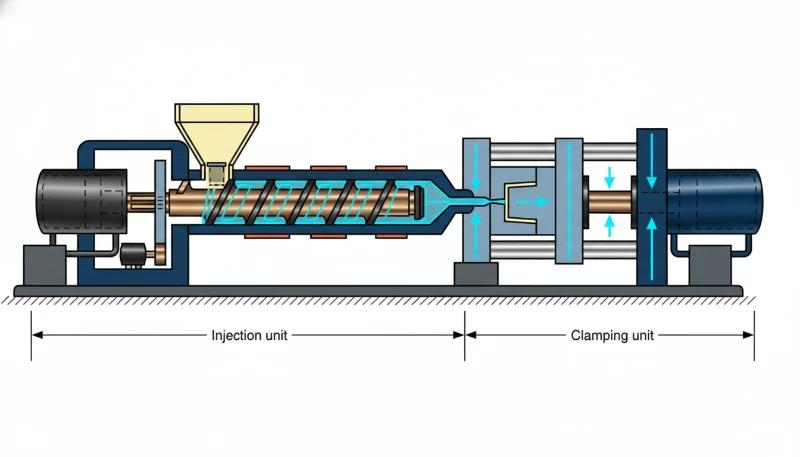
Wat is precisiespuitgieten en hoe verschilt het van conventioneel spuitgieten?
Precisiespuitgieten1 is een uiterst nauwkeurige variant van spuitgieten waarbij toleranties worden aangehouden die tienmaal kleiner zijn dan bij gewoon spuitgieten. Het belangrijkste verschil zit in de consistentie en reproduceerbaarheid van onderdelen. Als u leveranciers beoordeelt, behandelt onze inkoopgids voor spuitgietleveranciers2 de voorbereiding van RFQ’s en kwalificatie.
Voor een breder overzicht behandelt onze complete gids voor spuitgieten de basisprincipes van het proces, het materiaalgedrag en productiebeslissingen.
Voor een bredere blik op het ontwerp van spuitgietmatrijzen3 behandelt onze hoofdgids de gereedschapsconstructie, temperatuurbeheersing en afwegingen rond maakbaarheid.
Precisiespuitgieten is een productieproces voor kunststofonderdelen met uiterst kleine maattoleranties, doorgaans ±0,01 tot ±0,05 mm. Gewoon spuitgieten werkt daarentegen met ruimere toleranties van ±0,1 tot ±0,5 mm en is geschikt voor onderdelen waarvan de exacte afmetingen minder kritisch zijn.
In onze fabriek bij ZetarMold krijgen we vaak de vraag: ‘Heb ik werkelijk precisiespuitgieten nodig?’ Het eerlijke antwoord is: dat hangt van uw toepassing af. Als u een behuizing voor een medisch hulpmiddel maakt waarvan componenten met nauwkeurigheid op micronniveau in elkaar moeten klikken, is precisiespuitgieten niet onderhandelbaar. Maar voor het deksel van een opslagbak volstaat gewoon spuitgieten tegen een fractie van de kosten.
Het verschil gaat niet alleen om toleranties. Precisiegieten vereist een compleet ecosysteem: hoogwaardiger matrijsstaal, geavanceerdere machinebesturingen, technische harsen en strengere kwaliteitsinspectieprotocollen. Gewoon spuitgieten gebruikt standaardgereedschappen en bulkkunststoffen, waardoor het sneller en goedkoper kan worden opgezet.
- Precisiespuitgieten is gerechtvaardigd wanneer toleranties, passing of conformiteitsrisico rechtstreeks van invloed zijn op de productfunctie.
- Gewoon spuitgieten blijft de betere keuze voor eenvoudige onderdelen met ruimere toleranties en lagere gereedschapsbudgetten.
- De beste leverancierskeuze begint met tolerantieanalyse, selectie van matrijsstaal, procesbeheersingscapaciteit en DFM-beoordeling.
Wat zijn de belangrijkste technische verschillen tussen de twee processen?
De key difference is dat precisie molding nauwer controle vereist across machine precisie, mal toleranties, en proces parameters. Hier is een detailed comparison gebaseerd op wat we dagelijks zien op onze shop floor:
| Parameterwaarde | Precisiespuitgieten | Conventioneel spuitgieten |
|---|---|---|
| Maattolerantie | ±0.01–0.05 mm | ±0.1–0.5 mm |
| Herhaalbaarheid van de machinesluiting | < 0.5% shot-to-shot variation | 1–3% variatie van schot tot schot |
| Regeling van de injectiedruk | Servoregeling met gesloten lus, nauwkeurigheid ±1% | Standaard hydraulisch, nauwkeurigheid ±5% |
| Gietstaal | H13, S136 (gehard tot 48–52 HRC) | P20, 718H (voorgehard tot 28–34 HRC) |
| Matrijsbewerking | CNC + EDM, oppervlakteafwerking Ra 0.2 µm of beter | CNC, oppervlakteafwerking Ra 0.8–1.6 µm |
| Koelsysteem | Conform of nauwkeurig geboord, regeling van ±1°C | Standaard rechtstreeks geboorde kanalen |
| Materiaalklasse | Technische harsen (POM, PC, PA66-GF) | Standaardharsen (PP, PE, ABS) |
| Typische matrijskosten | $15,000–$100,000+ | $3,000–$30,000 |
| Cyclustijd | 15–60 seconden (langere koeling/nadruk) | 10–30 seconden |
| Kwaliteitsinspectie | CMM, optische meting, 100% inspectie mogelijk | Go/no-go-kalibers en steekproefinspectie |
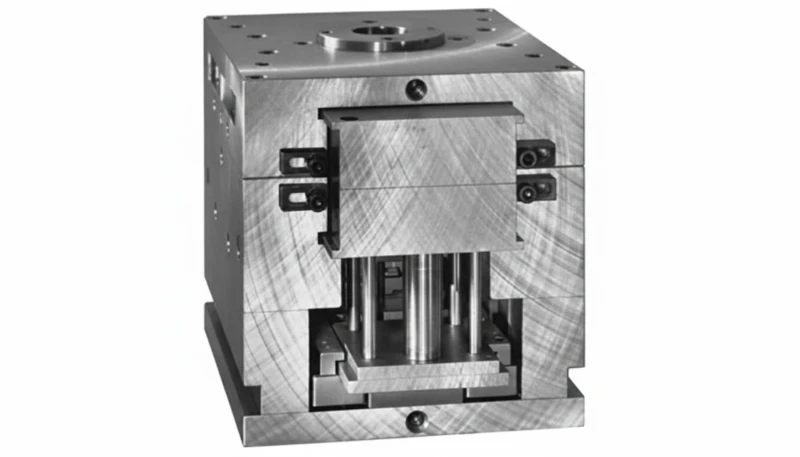
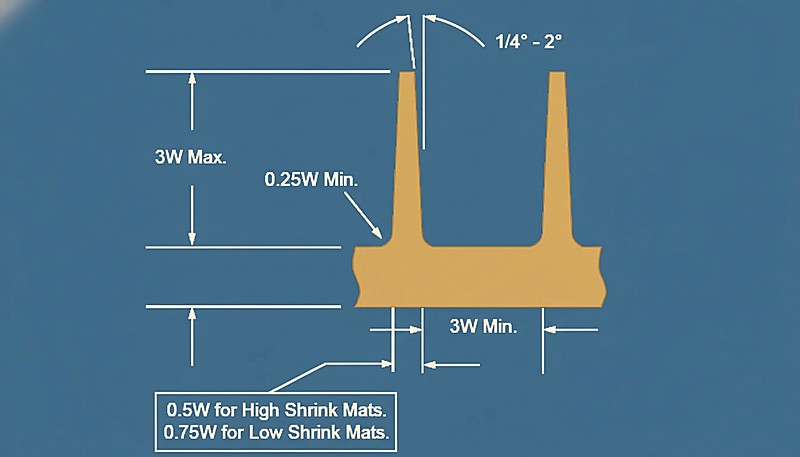
We hebben vastgesteld dat veel klanten aanvankelijk precisiespuitgieten aanvragen terwijl conventioneel spuitgieten zou volstaan. Bij ZetarMold beoordelen we altijd eerst het onderdeelontwerp en adviseren we het kosteneffectiefste proces. Soms kan een kleine ontwerpwijziging — zoals het toevoegen van een lossingshoek of het aanpassen van de wanddikte — een onderdeel van precisiespuitgieten naar conventioneel spuitgieten verplaatsen, waardoor duizenden aan gereedschapskosten worden bespaard.
"‘Precisionspuitgietmachines moeten gesloten regelsystemen hebben met een herhaalbaarheid per shot van minder dan 0.5%.’"True
Gesloten-lusregeling met servoaandrijving is essentieel voor precisievormen. Deze bewaakt en corrigeert injectiedruk, snelheid en positie continu in realtime en houdt variatie tussen shots onder 0.5%, iets wat hydraulische open-lussystemen niet kunnen garanderen.
"“Precisiespuitgieten vereist altijd een volledig ander type machine dan conventioneel spuitgieten.”"False
Veel moderne spuitgietmachines zijn geschikt voor zowel precisiewerk als gewoon werk. Het belangrijkste verschil zit in de kwaliteit van het machinebesturingssysteem, de specificaties voor reproduceerbaarheid en de nauwkeurigheid waarmee de procesparameters worden gehandhaafd; er is niet per se een volledig ander machinetype nodig.
Waarom is matrijskwaliteit zo belangrijk bij precisievormen?
De matrijs vormt het hart van precisiespuitgieten. Bij precisiewerk moet de matrijs worden bewerkt met toleranties die 3–5× nauwer zijn dan de tolerantie van het uiteindelijke onderdeel, omdat rekening moet worden gehouden met krimpcompensatie, thermische uitzetting en slijtage gedurende de levensduur van de matrijs.
Bij ZetarMold gebruiken onze precisiematrijzen gehard staal zoals S136 (roestvast, 48–52 HRC) of H13 voor hogetemperatuurharsen. We bewerken matrijsholten met een combinatie van CNC-verspaning op hoge snelheid en draadvonken om oppervlakteafwerkingen van Ra 0,2 µm of beter te bereiken. De koelkanalen worden zorgvuldig ontworpen—soms met conformele koeling—om een uniforme temperatuurverdeling van ±1 °C over het oppervlak van de matrijsholte te waarborgen.
Voor gewone matrijzen gebruiken we doorgaans voorgehard P20-staal (28–34 HRC), standaard CNC-bewerking met een oppervlakteruwheid van Ra 0,8–1,6 µm en conventionele, rechtstreeks geboorde koelkanalen. Deze matrijzen kosten aanzienlijk minder en zijn sneller te vervaardigen, maar ze kunnen niet voldoen aan de nauwe toleranties die precisietoepassingen vereisen.
Een kritieke factor die veel mensen over het hoofd zien, is matrijsonderhoud. Precisiematrijzen moeten regelmatig worden geïnspecteerd en gepolijst—doorgaans elke 50,000–100,000 injecties—terwijl gewone matrijzen vaak 200,000+ injecties tussen onderhoudsbeurten kunnen draaien.
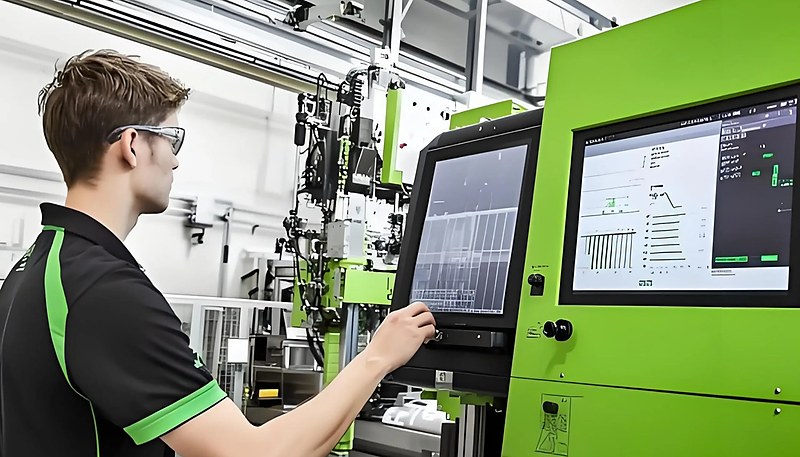
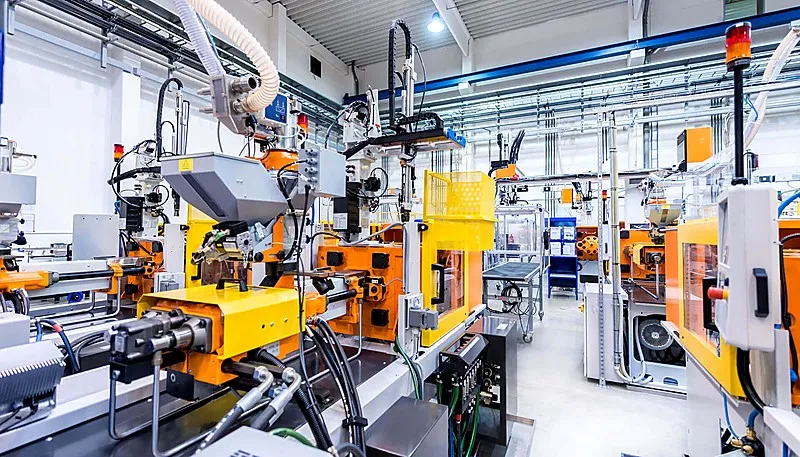
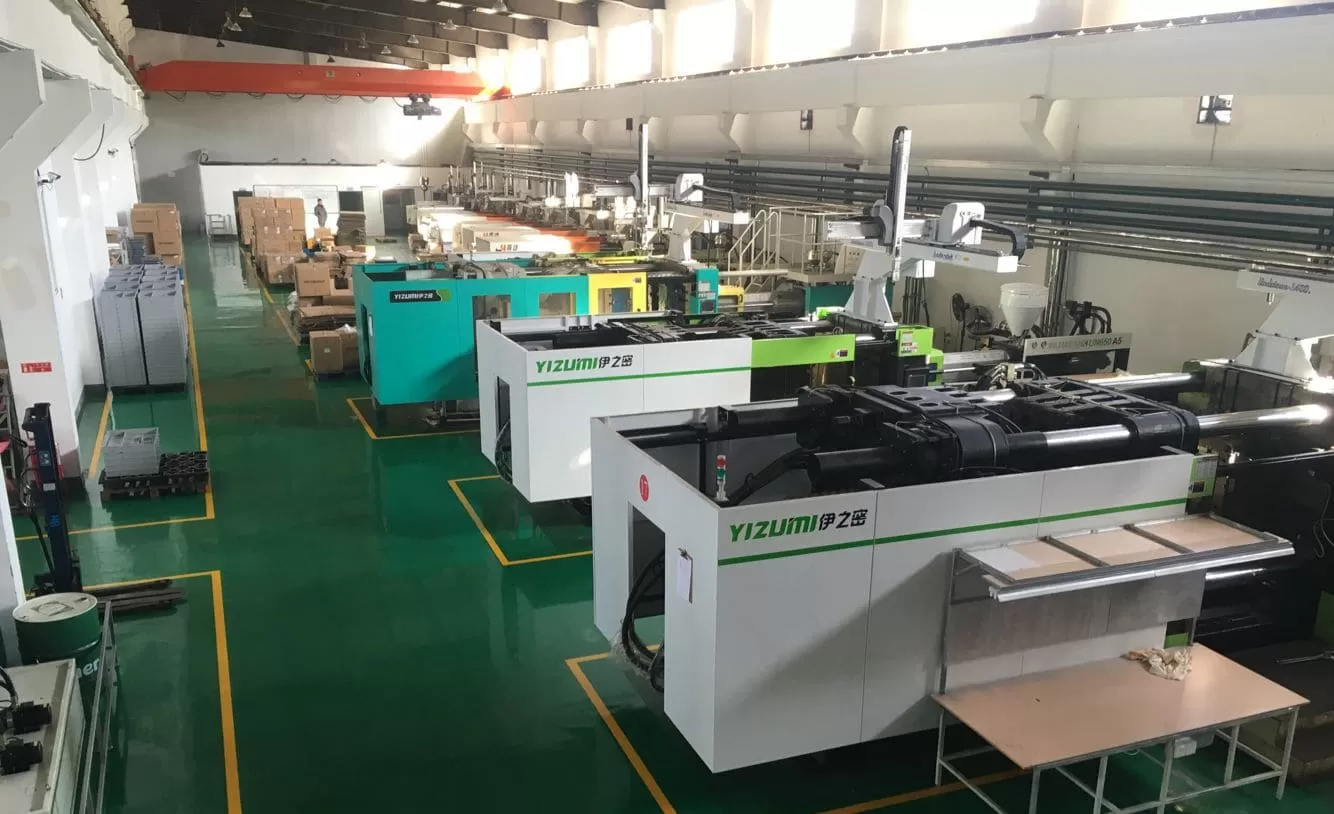
Bij ZetarMold hebben we 47 spuitgietmachines variërend van 90T tot 1850T in onze fabriek in Shanghai. Met meer dan 20 jaar ervaring hebben we zelf gezien hoe de juiste combinatie van machinenauwkeurigheid, matrijskwaliteit en procesbeheersing bepaalt of een onderdeel binnen ±0,05 mm of ±0,3 mm valt. Onze volledig elektrische persen in het bereik van 50–200T zijn de werkpaarden voor precisiewerk, met een schot-tot-schotconsistentie die hydraulische machines eenvoudigweg niet kunnen evenaren.
In onze Shanghai fabriek, precisie molding beslissingen zijn niet alleen gebaseerd op drawing toleranties. We matchen het onderdeel aan machine capability, mal staal, koel controle, en simulatie evidence. Ons productie floor runt 47 presses van 90T tot 1850T, en onze engineers gebruiken SOLIDWORKS en MOLDFLOW om filling balance te checken voor een customer betaalt voor unnecessary precisie tooling.
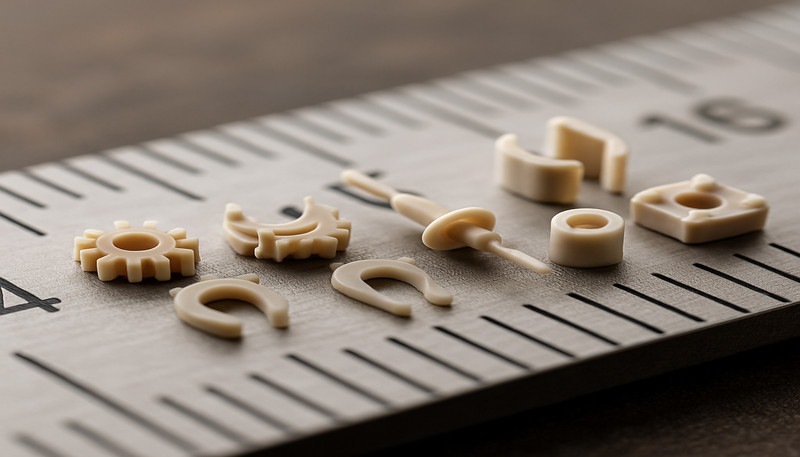
Welke materialen werken het best voor precisiespuitgieten en welke voor conventioneel spuitgieten?
Bij de materiaalkeuze gaan precisiespuitgieten en conventioneel spuitgieten aanzienlijk uiteen. Precisiespuitgieten gebruikt doorgaans technische harsen met voorspelbare en lage krimp, terwijl conventioneel spuitgieten goed werkt met standaardkunststoffen.
Voor precisieonderdelen gebruiken we doorgaans:
POM (acetaal/Delrin): krimp 1,8–2,2%, uitstekende maatvastheid, ideaal voor tandwielen en mechanische componenten
PC (polycarbonaat): krimp 0,5–0,7%, uitstekende optische helderheid, gebruikt voor lenzen en medische hulpmiddelen
PA66-GF (glasvezelversterkt nylon): krimp 0,3–0,5% (met glasvezel), hoge sterkte voor nauwkeurige constructieonderdelen
PBT-GF: krimp 0,3–0,5%, uitstekend voor elektrische connectoren die kleine toleranties vereisen
Voor gewone vormtoepassingen:
PP (polypropyleen): krimp 1,0–2,5%, kosteneffectief voor bakken en verpakkingen
ABS: krimp 0,4–0,7%, veelzijdig materiaal voor consumentenproducten
PE (polyethyleen): krimp 1,5–3,5%, gebruikt voor eenvoudige onderdelen met ruime toleranties
Het belangrijkste punt: materialen met hoge of onvoorspelbare krimppercentages maken precisiespuitgieten veel moeilijker. Daarom zijn glasgevulde compounds populair voor precisiewerk—de glasvezels verminderen en stabiliseren de krimp aanzienlijk.
Hoe verschilt procesbeheersing tussen precisiespuitgieten en conventioneel spuitgieten?
Procesbeheersing is waarschijnlijk het grootste operationele verschil tussen precisiespuitgieten en gewoon spuitgieten. Bij precisiespuitgieten wordt elke parameter bewaakt, vastgelegd en binnen nauwe marges geregeld.
Zo ziet nauwkeurige procesbeheersing eruit in onze ZetarMold-fabriek:
Smelttemperatuur: in alle cilinderzones binnen ±2°C geregeld (gewoon: ±5–10°C)
Injectiesnelheid: meertrapsprofiel met ±1% reproduceerbaarheid (gewoon: één trap, ±5%)
"“Holtedruksensoren zijn een kenmerk van nauwkeurige procesbeheersing bij precisiespuitgieten.”"True
Caviteitsdruksensoren meten rechtstreeks en in realtime wat er in de matrijs gebeurt. Ze maken automatische onderdelensortering (goed versus verdacht) en procesoptimalisatie mogelijk en worden algemeen beschouwd als de gouden standaard voor kwaliteitscontrole bij precisiespuitgieten.
"“Voor gewoon spuitgieten is geen enkele procesbewaking of kwaliteitscontrole nodig.”"False
Ook gewoon spuitgieten vereist procesbewaking en kwaliteitscontrole—alleen op een minder gedetailleerd niveau. Parameters zoals cyclustijd, onderdeelgewicht en visuele uitstraling worden nog steeds gevolgd. Het verschil is dat precisiespuitgieten realtime bewaking van de holtedruk en statistische procesbeheersing (SPC) van kritieke afmetingen vereist.
Nadruk: nauwkeurig gefaseerd om krimp te compenseren en bewaakt via caviteitsdruksensoren (standaard: één fase, tijdgestuurde omschakeling)
Matrijstemperatuur: met olie- of watertemperatuurregelaars binnen ±1°C gehouden (gewoon: ±3–5°C)
Koeltijd: geoptimaliseerd via simulatie en gevalideerd met temperatuursensoren in de matrijs (gewoon: geschat op basis van ervaring)
We gebruiken ook software voor matrijsstroomanalyse (Moldflow of Moldex3D) om het vulpatroon te simuleren en optimaliseren voordat staal voor precisiematrijzen wordt bewerkt. Voor gewone matrijzen is simulatie nuttig maar niet altijd vereist—ervaren gereedschapsmakers kunnen vaak uitsluitend op basis van ervaring een adequaat aanspuit- en koelsysteem ontwerpen.
Welke sectoren vereisen precisiespuitgieten?
Precisiespuitgieten bedient sectoren waarin de nauwkeurigheid van onderdelen rechtstreeks van invloed is op productfunctie, veiligheid of naleving van regelgeving. Op basis van onze ervaring bij ZetarMold zijn dit de belangrijkste sectoren:
Medische hulpmiddelen: behuizingen voor chirurgische instrumenten, diagnostische cartridges en systemen voor medicijntoediening—toleranties van ±0,02 mm zijn gebruikelijk en volledige traceerbaarheid is vereist (ISO 13485)
Auto-elektronica: connectorbehuizingen, sensorbehuizingen en ECU-kasten waarbij onderdelen exact moeten aansluiten en trillingen moeten weerstaan
Optische componenten: lenzen, lichtgeleiders en reflectoren waarvoor een oppervlaktenauwkeurigheid van fracties van een micron vereist is
Consumentenelektronica: smartphonebehuizingen, behuizingen voor wearables en connectorcomponenten met strikte klikverbindingseisen
Lucht- en ruimtevaart: lichte constructieonderdelen die voldoen aan AS9100
Gewoon spuitgieten omvat ondertussen qua volume het merendeel van de gespuitgiete producten — van huishoudelijke bakken tot sierpanelen voor auto’s.
Verpakkingen (containers, doppen, sluitingen)
Huishoudelijke artikelen (opbergbakken, keukenartikelen)
Speelgoed en recreatieproducten
Verschillende spuitgegoten kunststofonderdelen op display
Algemene consumentenproducten
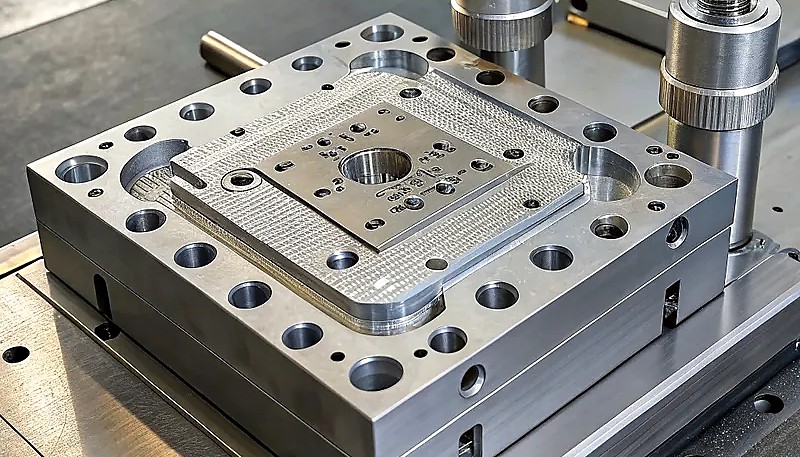
Hoe bepaalt u welk proces geschikt is voor uw project?
De juiste keuze is bepaald door je drawing toleranties, surface finish requirements, en geometrische complexity. Hier is de beslissing framework we gebruiken bij ZetarMold wanneer consulting met nieuwe customers:
Wat zijn de kleinste toleranties op uw tekening? Als alle maten ±0,1 mm of ruimer zijn, volstaat gewoon spuitgieten waarschijnlijk.
Sluit het onderdeel aan op andere precisiecomponenten? Klikverbindingen, tandwieloverbrengingen en afdichtingsvlakken vereisen vaak precisiespuitgieten.
Welke industrienormen zijn van toepassing? Voor medische toepassingen (ISO 13485), de auto-industrie (IATF 16949) en de lucht- en ruimtevaart (AS9100) zijn vaak procescontroles op precisieniveau verplicht.
Wat is uw productievolume? Bij grotere volumes kunnen de hogere gereedschapskosten van precisiematrijzen beter worden afgeschreven. Voor spuitgieten in kleine volumes zijn gewone aluminium matrijzen mogelijk praktischer.
Wat is uw budget? Precisiegereedschap kost 2–5× zoveel als gewoon gereedschap. Zorg dat de toepassing deze investering rechtvaardigt.
Wat zijn de veelgestelde vragen over precisie versus gewoon spuitgieten?
Veelgestelde vragen
Welke tolerantie kan precisiespuitgieten bereiken?
Precisie spuitgieten bereikt typisch toleranties van ±0.01 tot ±0.05 mm op kritische dimensies, afhankelijk van materiaal, onderdeel geometrie, en gate locatie. Voor vergelijking, normaal spuitgieten houdt over het algemeen ±0.1 tot ±0.3 mm. Bereiken van de nauwer range vereist all-electric machines met shot-to-shot repeatability binnen ±0.5%, gehard mal staal (S136 of H13), en closed-loop proces controle op elke key variable. Deze nauwer toleranties zijn essentieel voor medische devices, optische lenzen, en elektronische connectors waar dimensionale accuracy direct impact heeft op functie en veiligheid.
Is precisiespuitgieten altijd duurder?
Ja, precisie-spuitgieten brengt hogere initiële kosten met zich mee — typisch 2 tot 5 keer meer voor gereedschappen en 10 tot 30 procent hogere verwerkingskosten per onderdeel. De totale eigendomskosten zijn echter vaak gunstiger voor precisie wanneer u rekening houdt met lagere uitvalpercentages (vaak onder 1 procent versus 3 tot 5 procent voor gewoon spuitgieten), minder nabewerkingsbewerkingen en een betere opbrengst bij montage. Bij ZetarMold voeren we een eerlijke kosten-batenanalyse uit voor elk project, zodat klanten alleen in precisie investeren wanneer hun toepassing dit daadwerkelijk vereist.
Kunnen gewone spuitgietmatrijzen worden opgewaardeerd tot precisiematrijzen?
Over het algemeen niet. Precisie-mallen vereisen harder staal zoals S136 roestvast staal of H13 gereedschapstaal, nauwer machine-toleranties gemeten in microns in plaats van honderdsten, conformale koelkanalen voor thermische uniformiteit, en multi-cavitiy balans ge-engineerd vanaf het initiële design stadium. Het retrofitten van een normale P20 mal bereikt zelden de geometrische precisie of cyclus-naar-cyclus consistentie nodig voor sub-0.05 mm tolerantie werk. In bijna elk geval is het bouwen van een nieuwe precisie mal speciaal ontworpen voor het specifieke onderdeel veel kosteneffectiever en produceert betrouwbaar superieure resultaten.
Welke machines worden gebruikt voor precisiespuitgieten?
Precisie-spuitgieten maakt gebruik van volledig elektrische of hybride servo-hydraulische machines met gesloten lus terugkoppeling op injectiedruk, snelheid, houddruk en totale matrijstemperatuur. Bij ZetarMold leveren onze volledig elektrische persen in het bereik van 50 tot 200 ton een herhaalbaarheid van schot tot schot binnen ±0,5 procent, vergeleken met ±2 tot 3 procent op conventionele hydraulische machines. Dit uitzonderlijke consistentieniveau, gecombineerd met een precisie-matrijstemperatuurregeling binnen ±1 graad Celsius en meerfasige injectieprofielen, maakt productie met toleranties onder 0,05 mm haalbaar op een herhaalbare basis.
Hoe behandelt ZetarMold precisiespuitgietprojecten?
Ons precisie molding workflow begint met een comprehensive DFM analyse en mal flow simulatie gebruik van Moldflow of Moldex3D. We dan design de mal in SOLIDWORKS gebruik van gehard tool steel (S136 of H13), machine it op 5-axis CNC centers, en validate elke kritische dimensie met CMM reports tijdens T0 sampling. Productie runs op all-electric machines met SPC monitoring across alle key proces parameters. Met over 20 jaren ervaring en 400+ materialen processed in onze Shanghai fabriek, we provide full dimensionale traceability van eerste shot tot volume delivery.
Wat is de minimale bestelhoeveelheid voor precisiespuitgieten?
Er is geen strikt universeel minimum, maar precisie-spuitgieten levert het beste rendement op investering bij volumes van 10.000 onderdelen of meer vanwege de hogere gereedschapsinvestering. Voor kleinere volumes raden we soms ‘bridge tooling’ aan — een middenslag matrijs gebouwd met nauwere toleranties dan gewone productiegereedschappen, maar zonder de volledige kosten van een precisie-productiematrijs. Deze aanpak stelt u in staat om zowel het ontwerp als de marktvraag te valideren voordat u overgaat tot grootschalige precisiegereedschappen, waardoor het financiële risico wordt verkleind en toch acceptabele onderdeelkwaliteit wordt bereikt.
Welke vormingsproces moet je kiezen voor je volgende project?
Precisie- en gewoon spuitgieten zijn geen concurrerende processen — het zijn complementaire hulpmiddelen in de gereedschapskist van een fabrikant. Precisiespuitgieten levert toleranties van ±0,01–0,05 mm voor kritieke toepassingen in de medische, optische en elektronische industrie. Gewoon spuitgieten verwerkt het overgrote deel van de consumenten- en industriële producten kosteneffectief met toleranties van ±0,1–0,3 mm.
De key is matching het proces aan je actual requirements. Over-specifying precisie wastes money op tooling en processing dat je applicatie niet nodig heeft. Under-specifying precisie creëert quality problems, assembly failures, en warranty claims dat kosten veel meer dan doing it right de eerste keer.
Met 20+ jaren ervaring, 47 machines van 90T tot 1850T, en expertise across 400+ materialen, ZetarMold helpt je deze beslissing met confidence maken. We run honest DFM analyses en tell you straight: precisie of normaal, gebaseerd op wat je drawing actually vereist—not wat sells een higher-priced service. Of je project demands ±0.01 mm precisie voor een medisch device of ±0.3 mm standard tolerantie voor consumenten packaging, ons engineering team is ready om je te guide door het hele proces van design review tot volume productie.
Wilt u uw project bespreken? Of u nu nauwkeurig gevormde medische componenten of consumentenonderdelen in grote volumes nodig hebt, neem vandaag nog contact op met ZetarMold voor een gratis DFM-beoordeling en offerte. Ons engineeringteam helpt u het juiste proces te kiezen en levert onderdelen die exact aan uw specificaties voldoen—niet meer en niet minder.
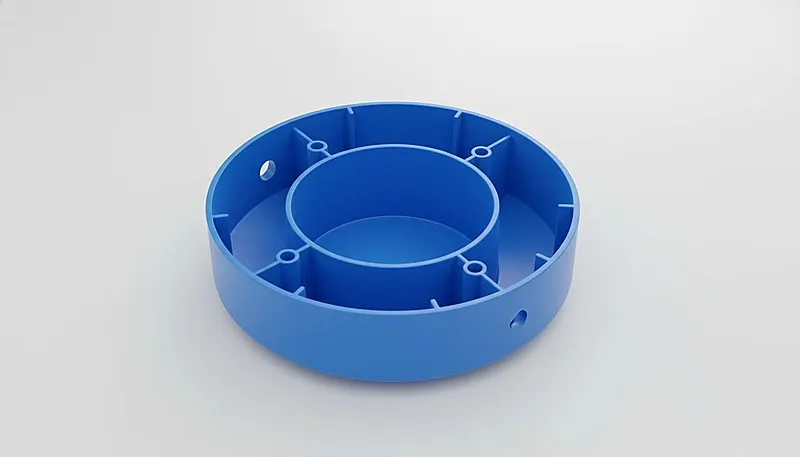
spuitgieten: spuitgieten is het productieproces waarbij kunststofhars wordt gesmolten en in een matrijsholte wordt geïnjecteerd om onderdelen te vormen. ↩
inkoopgids voor spuitgietleveranciers: een inkoopgids voor spuitgietleveranciers is een checklist voor inkopers voor RFQ-voorbereiding, leverancierskwalificatie en beheersing van commerciële risico's. ↩
ontwerp van spuitgietmatrijzen: het ontwerp van spuitgietmatrijzen omvat de gereedschapsconstructie, koelindeling, staalkeuze en het maakbaarheidsplan voor gevormde onderdelen. ↩